
Join Kilimanjaro Group in 4 December 2026 with Climb 4 Africa through small-group departures. Availability is confirmed by operator for the 8-day Lemosho variant and other supported routes; exact spaces, inclusions, and hotel arrangements are published by the operator and require direct confirmation. This page explains how to verify departures, what’s included, and how to book, without fabricating prices or seats. Availability should be checked with Climb 4 Africa for real dates and group sizes.
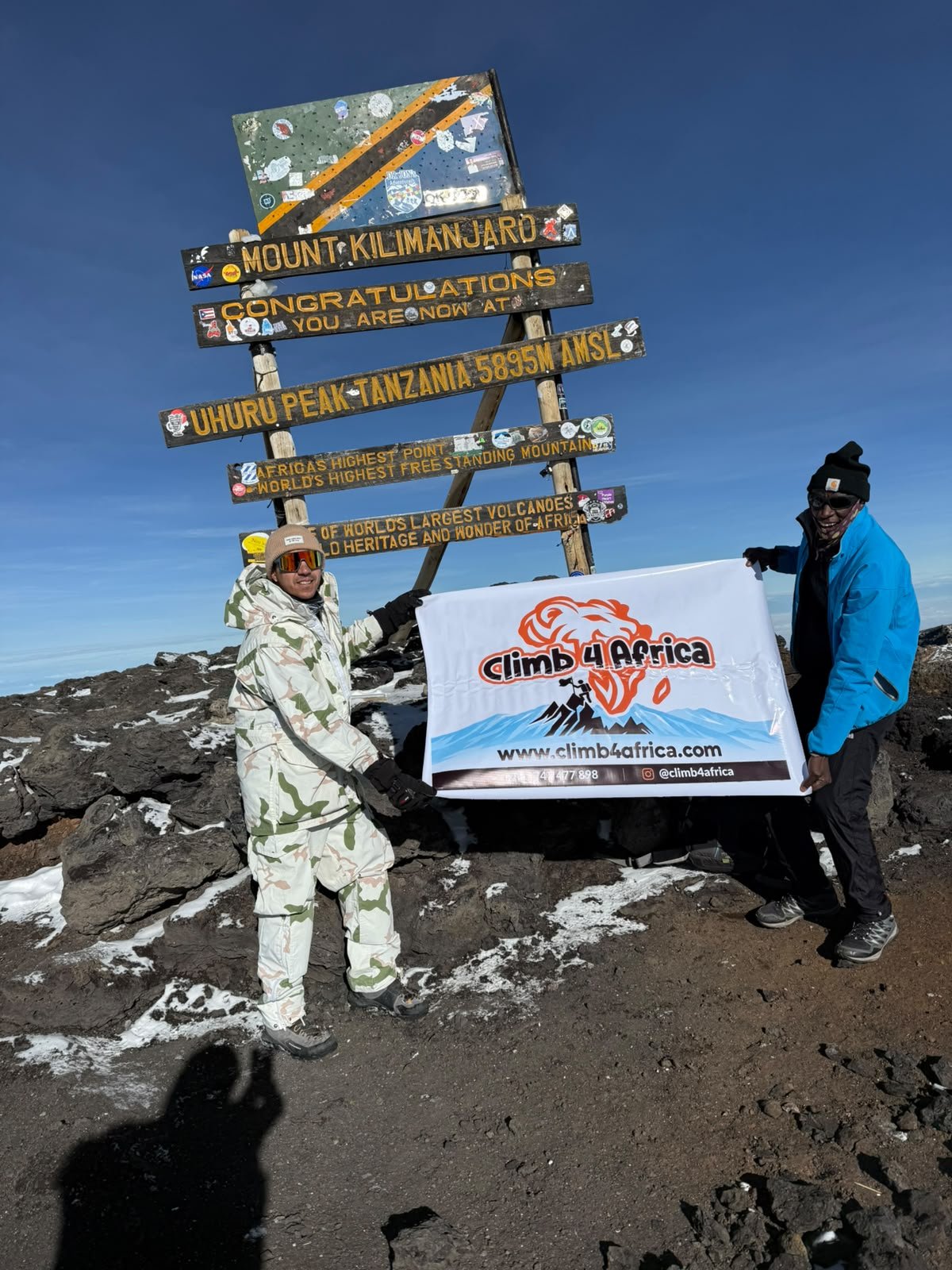

Climb 4 Africa offers Kilimanjaro climbs, wildlife safaris, and Zanzibar extensions with practical local support. When you join a group on 4 December 2026, you’ll typically follow a defined route, meet your guide team, and share shared logistics with a small number of fellow climbers. The objective here is to help you assess whether a small-group departure matches your expectations for pace, acclimatization, and cost, and to outline the booking steps and what to ask for when you contact the operator.
What a typical small-group Kilimanjaro departure on 4 December 2026 looks like
With a focus on safety, acclimatization, and a steady pace, small-group departures usually cap participants to a limited number. Climb 4 Africa commonly offers established routes such as the Lemosho or Machame variants, with logistics designed for groups of similar fitness levels. For a 4 December 2026 departure, expect:
- Licensed Tanzanian guides with extensive Kilimanjaro experience
- Pre-departure briefing and gear check
- Support in logistics from arrival to summit and descent
- Shared porter support for rest-to-base camp transitions
- All park fees and required permits arranged by the operator
In all cases, the actual itinerary and day-by-day sequence depend on the chosen route and group pace. The 8-day Lemosho route, for example, typically includes several acclimatization days and a gradual ascent to the summit, with a buffer day included to improve summit success rates. If you prefer a different pace or route, discuss alternatives with the operator to align your expectations with the group’s plan.
Why choose a small-group Kilimanjaro climb
Small-group departures offer a balance between camaraderie and personalized attention. In a group of a manageable size, your guide can tailor pacing, adjust itineraries for weather or acclimatization, and provide timely coaching without feeling rushed. You also gain the benefit of shared costs on shared services like transfers, porter support, and group meals, which can improve value while maintaining safety and comfort. However, smaller groups may have fewer optional extensions or last-minute changes, so it’s important to confirm flexibility with the operator before booking.
Inclusions, exclusions, and practical planning
To avoid surprises, verify inclusions and exclusions directly with Climb 4 Africa. Typical inclusions for Kilimanjaro group climbs include:
- Airport transfers and domestic travel logistics
- Professional guides, cooks, and porters (as applicable to the route)
- Supporting equipment and shared sleeping arrangements at camps
- Meals en route, from breakfast in Moshi to dinner on the mountain
- National park fees and rescue contingency coverage
Common exclusions include personal gear, visa costs, international flights, travel insurance, and gratuities for staff. For a 4 December 2026 departure, ensure you have appropriate climbing insurance, a high-quality kit list, and an acclimatization plan aligned with the route. If you’re unsure about gear requirements or altitude tolerance, request a detailed gear checklist from Climb 4 Africa before purchasing items.
Route options and how to choose
The operator publishes several route options, with Lemosho and Machame being among the most common for groups due to favorable acclimatization profiles. When evaluating routes for a 4 December 2026 departure, consider:
- Acclimatization goals: longer routes can reduce the risk of altitude sickness
- Pace and fitness: some routes require more days of hiking per day
- Scenic and wilderness experience: different routes offer distinct scenery and terrain
Ask for the current group’s planned sequence, daily elevation gains, and the expected rest days to ensure your preferences for pace and acclimatization are met. If you prefer a shorter or less demanding option, discuss alternative starts with the operator to find a schedule that still aligns with the 4 December window.
Booking steps and what to provide
To join Kilimanjaro Group on 4 December 2026, start with a direct inquiry to Climb 4 Africa through their official pages or contact channels. Helpful details to include:
- Requested route (e.g., 8 days Lemosho) and number of group members
- Your passport details for group permitting and visa guidance
- Preferred accommodation style and any wellness considerations
- Travel dates and any pre/post extensions you’re considering (Safari or Zanzibar)
Once your space is confirmed, you’ll receive a formal itinerary, a detailed packing list, and a payment schedule. Confirm the exact inclusions, hotel arrangements, and transfer details, and request a copy of the group’s current climber ratios, guide assignments, and emergency procedures. If any part of the plan doesn’t feel right, request clarifications before finalizing the booking.
Next steps: how to verify verified departures
Because availability can change, the safest approach is to request a live departure schedule directly from Climb 4 Africa for 4 December 2026. They can confirm current group spaces, exact route, and inclusions. If a table of scheduled departures is published on their site, review it for the 4 December window and cross-check with the operator’s updates page. If not, ask for a confirmed status on the specific date and group size, plus an estimated departure time and start location in Moshi or Arusha.
Booking inquiry: your action plan
Ready to explore the 4 December 2026 Kilimanjaro group climb? Start with a precise inquiry to Climb 4 Africa, referencing the exact date and your preferred route, and request a formal quotation that includes all inclusions, exclusions, and a clear payment schedule. If you want to pair the Kilimanjaro climb with a Tanzania safari or Zanzibar extension, mention your interest so they can tailor a combined itinerary that fits your dates and budget. A well-constructed inquiry
What to ask in a live departure verification for Kilimanjaro small-group departures on 4 December 2026
Given the reliance on live operator information for group space, route availability, and inclusions, a targeted, practical verification conversation helps ensure you are aligning expectations with reality. This section adds a focused set of questions and a sample script you can adapt when reaching out to Climb 4 Africa or their authorized representatives. The aim is to move from an expression of interest to a confirmed, clearly documented plan without overpromising dates, spaces, or prices that may not yet be finalized.
Key verification questions to ask
- What is the exact departure date for the Kilimanjaro small-group departure on 4 December 2026, and which route(s) are confirmed for that date (e.g., 8 days Lemosho, Machame variations)?
- How many participants are currently confirmed for the 4 December 2026 group, and what is the maximum allowed for the chosen route?
- What are the precise inclusions and exclusions for this departure (guides, cooks, porters, park fees, equipment, accommodation, transfers, insurance)?
- What is the current itinerary day-by-day for the confirmed route(s), including acclimatization days, rest periods, and expected elevation gains?
- Where will climbers begin and end the trip (start location in Moshi or Arusha, and the final descent point), and what are the transfer logistics from arrival to fulfillment of the climb?
- What are the most up-to-date gear and packing guidance for the specific departure, including any required rental equipment?
- What is the cancellation and refund policy for this 4 December 2026 departure, and how is it affected by changes to the itinerary or group composition?
- Are there any visa, health, or vaccination requirements currently applicable to participants for this specific departure window, and who assists with those processes?
- What safety protocols and emergency procedures are in place for high-altitude risk management, including oxygen availability and emergency evacuation plans?
- Is there a formal quotation or draft contract that itemizes all inclusions, exclusions, payment milestones, and terms of service for this exact departure?
Sample outreach script
Dear Climb 4 Africa team,
I am interested in joining the Kilimanjaro small-group departure on 4 December 2026. Please confirm the exact departure date and route(s) currently available for that window, the maximum group size for the selected route, and the live price with all inclusions clearly listed. I would also appreciate a day-by-day itinerary for the confirmed route, the start location (Moshi/Arusha), and the hotel arrangements for pre- and post-climb extensions if applicable. Please share the current cancellation policy, visa/health requirements, safety procedures, and a formal quotation or draft contract that includes payment milestones. I may also consider a Tanzania safari or Zanzibar extension; if so, please outline options that fit the 4 December 2026 timeframe. Thank you.
Best regards,
[Your Name]
Using this script helps you obtain concrete, verifiable details without ambiguity. It also signals that you are seeking a formal, documented agreement rather than casual assurances, which is especially important for a high-demand, logistically complex trip like Kilimanjaro in a small-group format.
What to do with the verified information
- Compare the confirmed departure details with your personal constraints (availability, budget, preferred pace, acclimatization comfort).
- Request a formal quotation that includes a breakdown of all inclusions and a transparent payment schedule, plus contingency terms if weather or permit issues affect the itinerary.
- Ask for a current climber ratio (guides to climbers) and the assignment process for guides, cooks, and porters to gauge personalized attention during the ascent.
- Confirm whether any pre-existing extensions (safari or Zanzibar) can be integrated into the confirmed 4 December 2026 schedule and what the implications are for logistics and pricing.
Post-verification next steps: turning confirmation into a secured booking
Once you have a confirmed schedule and a formal quotation, move to a binding agreement by reviewing the contract terms carefully, confirming your personal details (passport data exactly as it appears on your passport), and submitting any required documents (passport copy, medical clearance, emergency contact). If a group space is still pending final payment, establish a tentative hold window with a clear deadline to avoid losing interest in a popular departure. In small-group Kilimanjaro climbs, securing a confirmed slot often hinges on timely deposits and a signed acknowledgment of route specifics and safety protocols. Maintain a written record of all communications and request copies of any updated terms as the departure approaches.
What to expect from a verified Kilimanjaro small-group departure on 4 December 2026: practical tips and next steps
With confirmed operator data still pending in some cases, readers should approach a 4 December 2026 Kilimanjaro small-group departure with a clear plan for verification, documentation, and secure booking. This section adds practical guidance that complements the existing verification framework, focusing on how to interpret live updates once the operator publishes current spaces, routes, and inclusions for the date in question.
Reading live departure notices and what to watch for
When Climb 4 Africa or any Kilimanjaro operator posts a live departure schedule, you will typically see details such as the confirmed route (for example, an 8-day Lemosho variant), the number of participants, the start point, and the inclusions and exclusions. Important indicators to verify include: exact departure date, route-specific feasibility for acclimatization, group size caps, and whether pre- and post-climb accommodations are included or reserved separately. Be cautious of generic “subject to confirmation” language; aim for a published, time-stamped schedule or a formal quotation that reflects a fixed itinerary with contingency terms.
Documentation you should obtain before committing
Even before a formal quotation arrives, you can collect and organize documentation that will streamline the booking process once the live schedule is published. Key items include: a clear copy of your passport details as they appear, a medical clearance if required by the operator, a preferred start point (Moshi or Arusha), and any visa or health requirements communicated by the operator or Tanzanian authorities. Keeping a digital folder with this information reduces friction when the quotation arrives and helps prevent mismatches between your details and the contract terms.
How to compare a confirmed departure against your personal constraints
When you receive a verified schedule or quotation for the 4 December 2026 departure, compare it against your constraints in three primary areas: pace and acclimatization, total cost and inclusions, and logistics alignment with any extensions. Consider whether the route offers sufficient acclimatization days and a pace that suits your fitness level. Review the inclusions to see if park fees, permits, guides, porters, meals, and transfers are covered, and identify any potential add-ons such as a Tanzania safari or Zanzibar extension. Finally, confirm that the stated hotel arrangements align with your expectations for pre- and post-climb stays and that transfer times from the airport to the first hotel are realistic given your arrival schedule.
What to do if the live schedule is delayed or changes
Operational realities can shift due to weather, permits, or guide allocations. If a live departure schedule is temporarily unavailable or changes, maintain proactive contact with the operator’s official channels and request: (1) a written status update, (2) a provisional hold on a space with a documented deadline, and (3) a timeline for when the operator expects to publish updated spaces and pricing. Do not place a non-refundable deposit until you have a confirmed and binding quotation that enumerates all inclusions, terms, and cancellation provisions.
Drafting your formal inquiry once live details are published
Upon visible confirmation of a 4 December 2026 Kilimanjaro small-group departure, craft a precise inquiry that asks for: the exact route(s) included in the group, current participant numbers, the per-person price with a breakdown of taxes and park fees, pre- and post-climb accommodation arrangements, and the group’s climber-to-guide ratio. Request a formal quotation that lists all inclusions, exclusions, payment milestones, and cancellation terms. If you plan to add a safari or Zanzibar extension, request integrated pricing and a schedule that preserves group cohesion and logistics efficiency.
Checkpoint: securing a binding agreement
Once you have a confirmed schedule and a formal quotation, proceed with a binding agreement only after reviewing the contract for accuracy and clarity. Confirm passport details, emergency contacts, medical clearance, and the exact route and dates. Ensure that the contract includes a clear payment schedule, deposit terms, and a defined policy for weather-related or permit-related disruptions. Maintain copies of all communications and verify any updates to terms as the departure approaches.
By aligning your actions with verified live data and maintaining a structured approach to documentation and comparison, you maximize the chances of a smooth, well-supported Kilimanjaro ascent on 4 December 2026 with a small-group format that suits your pace and preferences. Remember: the most reliable information will come directly from the operator’s official channels, and all commitments should be grounded in a formal quotation and contract rather than informal assurances.
Verifying a Kilimanjaro small-group departure on 4 December 2026: practical considerations beyond the basics
Readers approaching a 4 December 2026 Kilimanjaro small-group climb often assume that once a live schedule is published, everything is settled. In reality, several factors influence the reliability of a given departure window and how you should engage with the operator to safeguard your booking. This section adds precision to the verification process by outlining concrete steps, documents, and decision points that help you move from tentative interest to a secured arrangement without relying on unverifiable assurances.
1) Distinguish between confirmed spaces and provisional holds
A live departure notice may indicate that spaces are reserved or that a specific route is “provisionally available.” The critical distinction is whether the operator has issued a formal, non-binding reservation or a binding quotation. A provisional hold without a clear deadline creates exposure to last-minute changes. Always request a written statement that defines:
– The exact departure date and route(s) included in the group
– The maximum group size and the current participant count
– A provisional hold expiry date and the conditions that would trigger a move to a concrete booking
2) Require a formal quotation before any deposit
Do not place a deposit or sign a contract until you receive a formal quotation that itemizes every element. A robust quotation should cover:
– Per-person price with a transparent breakdown (base climb, park fees, rescue coverage, crew salaries, porters, accommodations, meals, visa support, and any pre/post-climb extensions)
– Clear inclusions and exclusions (gear rentals, personal travel insurance requirements, domestic flights, or Tanzanian transit options)
– Payment milestones, cancellation terms, and timelines for changes or adjustments
3) Confirm the route’s acclimatization profile for your pace
Even within the same date, small-group departures can pick different routes (e.g., Lemosho vs. Machame variants) with distinct acclimatization rhythms. Request a written route synopsis that details: daily ascent profiles, expected average ascent rates, acclimatization days, and contingency plans if the group pace deviates due to weather or health concerns. Compare this against your personal pacing and altitude experience to determine fit.
4) Verify the medical and safety framework
Safety is non-negotiable on high-altitude treks. Ask for explicit statements on:
– The medical competency and certifications of all guides, including contingency medical evacuation protocols
– The arrangement for altitude sickness assessment, early descent criteria, and medical facilities available during the trek
– The standard of emergency communication equipment and satellite coverage for the departure region
5) Lock in logistics with a written synchronization plan
Climb 4 Africa and the in-country partners coordinate a web of logistics—airport transfers, hotel nights, pre-briefings, equipment check, and porters. A documented synchronization plan should specify:
– Exact pickup and drop-off locations with times and contact points
– The sequence and timing of hotel reservations, briefing sessions, and gear checks
– A risk-management plan that accounts for weather delays, political events, or transportation disruptions
6) Plan extensions transparently
If you intend to combine the Kilimanjaro climb with wildlife safaris or Zanzibar extensions, ensure these elements are either bundled under the same contract or clearly separated with integrated pricing and a joint timeline that preserves group cohesion. Request a combined itinerary showing transfer logistics, visa/entry considerations for each country, and any additional insurance requirements.
7) Gather and organize documentation early
A well-organized document bundle expedites the booking and reduces last-minute friction. Prepare items such as:
– A clean, exact copy of your passport as it appears, including full name, date of birth, nationality, and passport number
– A medical clearance if required, with a physician’s note on your ability to undertake high-altitude trekking and any pre-existing conditions
– Emergency contact details, including two backup contacts, with consent for evacuation procedures
8) Establish a clear cancellation and refund framework
Because high-altitude treks are weather- and permit-sensitive, a robust cancellation policy is essential. The formal quotation or contract should define:
– Non-refundable deposits and the conditions for partial refunds
– Weather-related cancellation triggers and the process for rescheduling
– Any changes due to permits or guide allocations and how these affect pricing
9) Use a structured decision checklist before committing
As you compare the verified departure data, apply a practical checklist that aligns with your constraints: pace and acclimatization tolerance, total budget and value received, preferred accommodation quality, and the reliability of operator communications. If any element remains vague or unconfirmed, press for clarification in writing before taking a binding step.
10) Maintain a dated audit trail
Keep records of all inquiries, responses, and contract iterations. A dated trail protects you against retroactive changes in terms and ensures you can demonstrate the evolution of the offer if disputes arise. Store copies securely, including email threads, quotes, and any agreed-upon revisions.
By treating a live Kilimanjaro small-group departure on 4 December 2026 as a set of verifiable commitments rather than a provisional possibility, you strengthen your position for a secure, well-supported ascent. The aim is to move from curiosity about the date and route to a formal, binding agreement that accommodates your pace, budget, and safety expectations, with all details documented and agreed through official channels.
Practical considerations for a 4 December 2026 Kilimanjaro small-group departure: balancing reliability and flexibility
Beyond the core verifications of route, dates, and inclusions, travelers evaluating a Kilimanjaro small-group departure on 4 December 2026 benefit from understanding how operator logistics interact with personal planning. In small-group formats, the pacing, acclimatization schedule, and support levels are tightly coordinated to keep the group cohesive. This means that last‑minute changes to hotel arrangements, transfers, or permit allocations can ripple through the itinerary more noticeably than in larger, more flexible programs. A reader should therefore seek explicit written statements on how such adjustments would be handled, what guarantees accompany the schedule, and what options exist if you cannot align with a revised plan.
Key areas to scrutinize include: how the operator communicates schedule changes, the timeliness of updates, and the ability to pivot within the same route without compromising acclimatization or safety. A robust plan should specify that any substantive changes—such as a shift in the start point, a modification to daily mileage, or an alteration in hotel tiers—are communicated in writing with a clear window for you to accept or decline and with an alternative path that preserves your pace and safety preferences.
Another practical angle is the interplay of park fees, local permits, and the inclusion structure. In Kilimanjaro climbs, permit costs and related fees can fluctuate or be allocated differently from season to season. For a 4 December 2026 departure, ask the operator for a formal note explaining how any future adjustments to park or conservation fees would be handled and whether you would bear any risk due to policy changes. A transparent operator will present a contingency policy that outlines adjustments to your total price, the timing of such adjustments, and the process to reissue a revised quotation before you commit to a binding agreement.
Logistics around gear, porters, and pre/post-climb arrangements are also crucial for a smooth experience. In small groups, the distribution of porters and the quality of gear support (tents, dining equipment, sleeping pads) can influence comfort and sleep quality at high altitude. Request an integrated gear list with brand and model specifics where possible and ask how gear reliability is ensured on the chosen route. If you rely on a hotel or lodge package before or after the climb, confirm the exact properties, room types, meal plans, and transfer timings. Operators often publish general inclusions, but real-world arrangements may vary by availability; a precise, written outline helps prevent mismatches between expectations and reality.
Communication channels are another practical pillar. Establish a primary contact point within the operator’s team for live updates and ensure you receive synchronized notifications across your preferred channels (email, messenger, or official app). Ask for a documented escalation path if you encounter delays or medical concerns during the trip. A reliable operator will provide emergency contact procedures that remain active during the ascent, including a clear chain of command for medical evacuations, weather-related decisions, and route substitutions if required for safety or permits.
Finally, consider your personal risk tolerance and flexibility. A 4 December 2026 departure implies a specific weather window and permitting cycle, but high-altitude trekking can still present unforeseen challenges. Before committing, negotiate a clearly defined fallback plan that protects your investment and health: a defined alternative itinerary within the same route, a refundable or partially refundable deposit clause, and a documented policy for weather‑driven changes that honors your pace and acclimatization comfort. A well-structured plan reduces the chance of friction between your expectations and the live reality of a small-group Kilimanjaro climb in December.
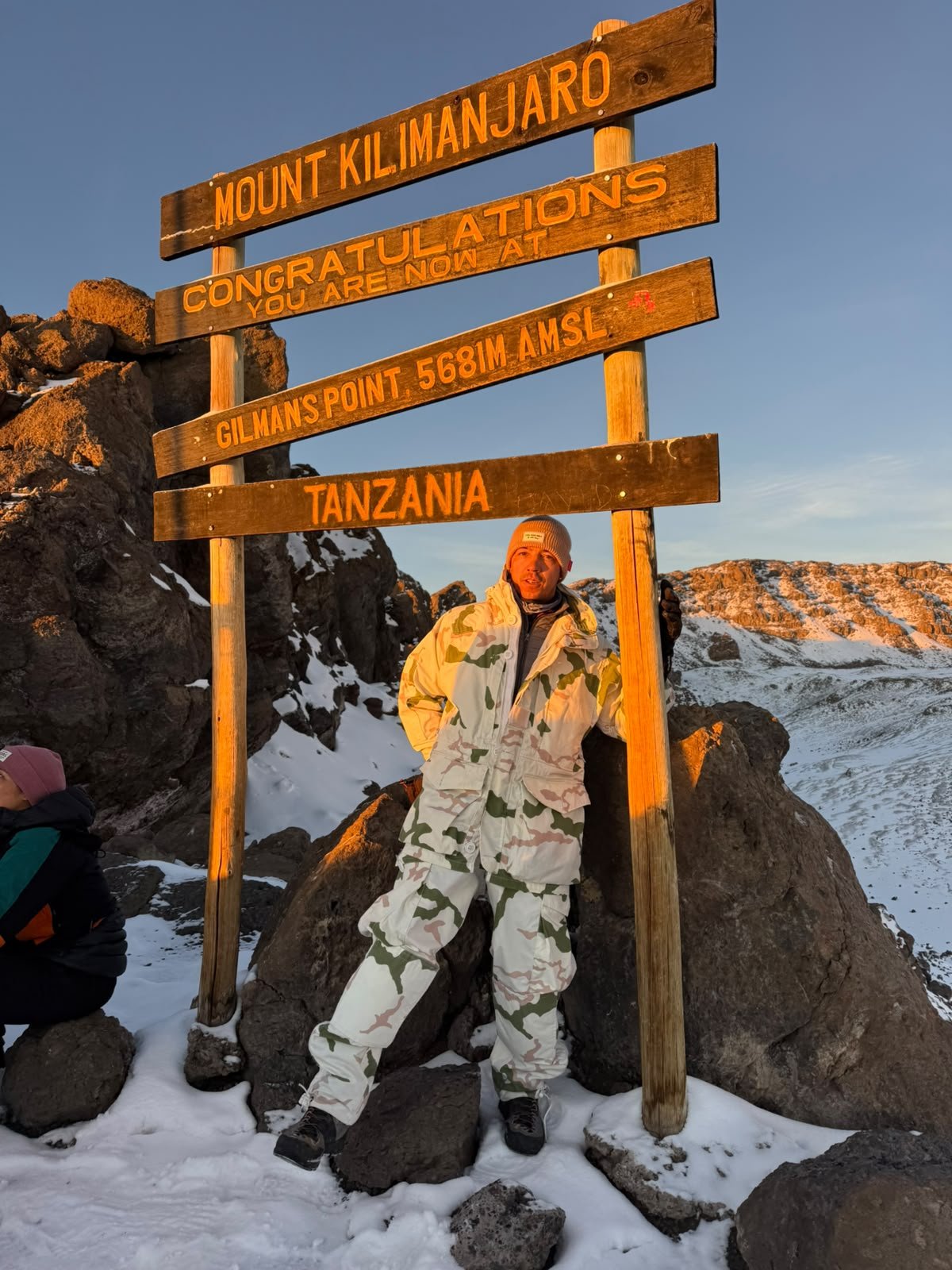
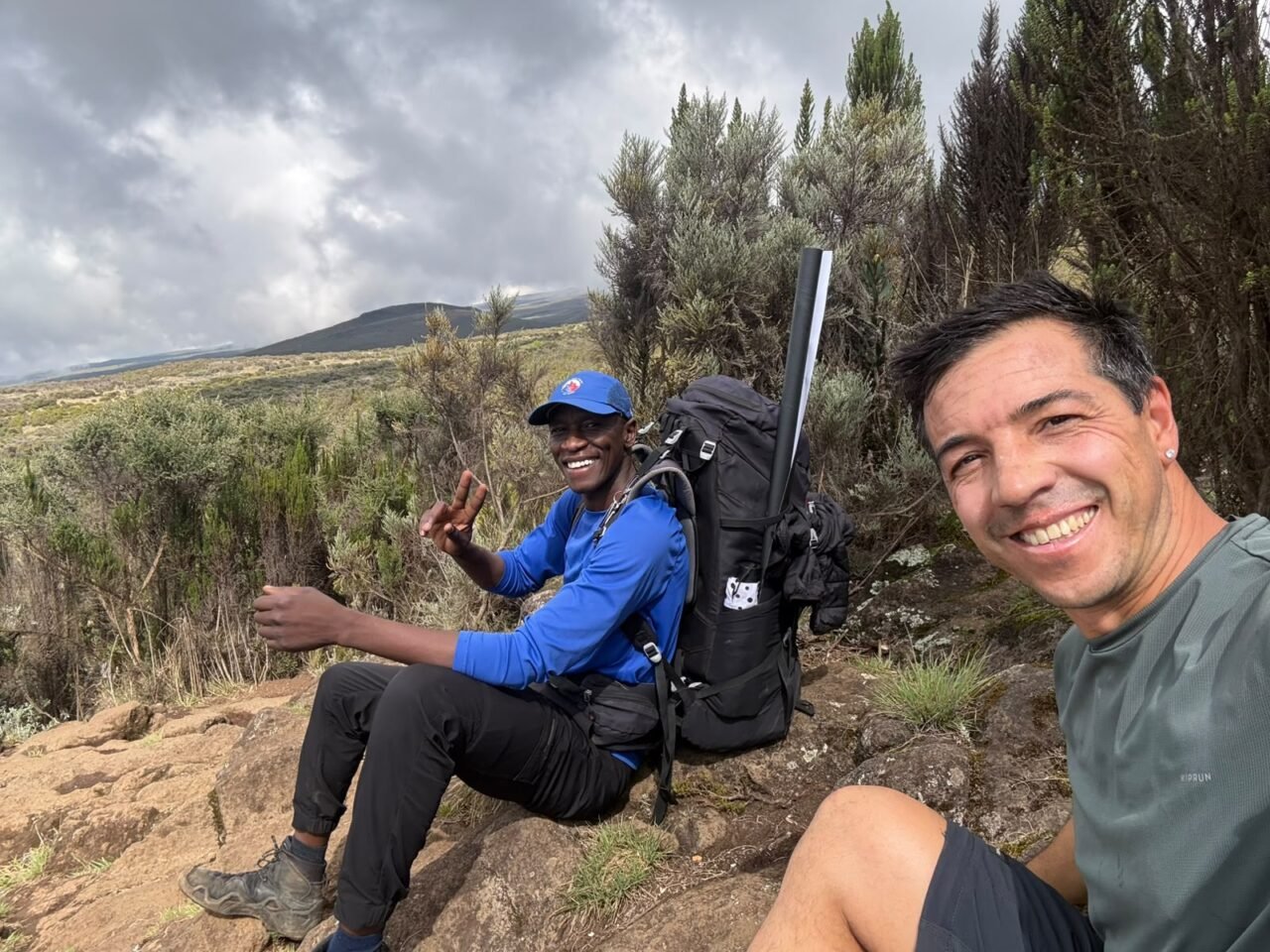
What to do if live departure details for 4 December 2026 remain unpublished or ambiguous
If the operator has not published a confirmed live schedule for the 4 December 2026 Kilimanjaro small-group departure or if the information available is partial, you can take concrete steps to protect your planning and keep momentum without making a binding commitment.
- Request a formal placeholder contact: Ask the operator to provide a written notice outlining the anticipated window for publishing the live schedule, the routes they expect to offer for that date (such as 8-day Lemosho or alternative variants), and the tentative group size they can accommodate. A written timeline helps you align your own planning against realistic expectations.
- Clarify provisional inclusions and exclusions: Even in the absence of a fixed price, request a provisional inclusions list and a note on what would trigger price changes (e.g., park fees adjustments, changes in permit costs, or currency fluctuations). This creates a framework for later comparison when a quotation is issued.
- Ask about the escalation and communication protocol: Establish how the operator will notify you of any schedule shifts, route changes, or medical advisories. Request a dedicated point of contact and ensure you have access to timely updates through your preferred communication channel.
- Prepare your documentation so you can act quickly once details are published: Ensure your passport copy is up-to-date, confirm any medical clearance requirements, and have your emergency contact information ready. This reduces friction when a live schedule becomes available and a formal quotation is issued.
- Consider alternative routes and dates in parallel: If your flexibility allows, identify a second date or a closely related route that the operator commonly supports for December. This helps you compare options in real time once the live schedule is published and can accelerate the booking process.
How a delayed live schedule affects planning and what to watch for
Delays in publishing a live departure schedule for a specific date can be driven by permit allocations, guide availability, or logistics confirmations with partner lodges and transport providers. In this phase, you should monitor three signals closely:
- Route stability: Whether the operator maintains their stated preference for a particular route (for example, the 8-day Lemosho) or indicates that multiple route options may be offered on publication. If multiple routes are possible, ask for the maximum variance in day-to-day pacing and acclimatization profile.
- Group size expectations: A small-group Kilimanjaro climb hinges on a predictable group size to ensure pacing and porter support. Inquire about a maximum and minimum group size they are prepared to operate with for the 4 December window, and how that affects inclusions or logistical arrangements.
- Price sensitivity: Without a published price, you should still seek a clear statement about potential ranges or bands tied to route choice, lodge upgrades, or vehicle transfers. Understanding where price could adjust helps you construct a budget ceiling before you receive a formal quotation.
What to do when live details are published
Once the operator releases the live schedule for 4 December 2026, you should proceed with a disciplined verification workflow to convert interest into a secured booking while maintaining flexibility where reasonable.
- Collect the published schedule and a tentative quotation: Save the exact departure date, chosen route(s), number of participants, inclusions, and the provisional price offered. If the operator provides a range, note the minimum and maximum figures and the conditions that trigger changes.
- Validate cross-route consistency: If more than one route is listed as available for the same date, compare the acclimatization profiles, daily ascent pace, and estimated summit window for each option. Confirm which route is aligned with your personal comfort and fitness level.
- Check for contingencies: Request explicit terms about weather-driven changes, shelter or accommodation substitutions, and the process for reissuing quotations if permit or park fee costs change between confirmation and payment.
- Confirm documentation readiness: Reconfirm passport data entry requirements, medical clearance, and emergency contact protocols as they will appear in any binding agreement. Prepare to supply these details immediately upon receiving a formal contract if you choose to proceed.
- Benchmark against personal constraints: Revisit your budget, preferred pace, acclimatization tolerance, and travel window to ensure that the published or provisional terms still fit your needs before you sign any binding agreement.
Guidance for the booking inquiry once live details are published
With a live schedule, your goal is a precise, formal inquiry that minimizes back-and-forth and accelerates the path to a secured booking. Use a structured request to obtain a complete quotation and a clear payment schedule, including all inclusions and exclusions, and a transparent policy on refunds or changes. If you are coordinating with a travel partner or a companion climber, include details about your preferred route and any special requirements (dietary needs, medical considerations, or equipment).
In parallel, establish your risk tolerance and a fallback option. If the operator offers a slightly different itinerary than your initial expectation, determine whether you would accept a close alternative that preserves your pace and acclimatization plan or if you require the exact route to proceed.
Closing the loop: what constitutes a binding agreement for a Kilimanjaro small-group departure
When you have a published live schedule, a formal quotation, and a contract that reflects accurate personal details (passport name and number as they appear, emergency contacts, and medical information), you are ready to review the terms for a binding booking. Ensure the contract includes a clear cancellation policy, a contingency mechanism for weather or permit changes, and a transparent breakdown of inclusions like park fees, guides, porters, meals, and transfers. Do not sign any binding agreement until you have verified these elements and confirmed that the payment schedule aligns with your financial planning.
Bottom line: staying informed without committing prematurely
The objective of this phase is to maintain preparedness without risking your flexibility or budget. By actively monitoring operator communications, requesting written timelines, and preparing essential documentation, you place yourself to act decisively the moment a verified 4 December 2026 Kilimanjaro small-group departure is confirmed. This approach protects your interests while ensuring you can seize a confirmed space when the live schedule meets your criteria.
What to expect from operator communications and how to verify live details when availability is confirmed
With the 4 December 2026 Kilimanjaro small-group departure being coordinated through Climb 4 Africa, the moment the operator publishes a live schedule, readers will need to act with a precise verification workflow. This new section does not replace the core guidance above but adds a practical layer addressing how to interpret operator communications once live details are posted, what to look for in confirmations, and how to distinguish between provisional holds and binding offers. The goal is to help you identify trustworthy signals in real-time updates and to understand how those signals translate into a secure booking, without assuming prices or seats that have not been publicly verified.
Interpreting a published live schedule
When an operator posts a live schedule for a Kilimanjaro small-group departure, it typically includes: (1) the exact route(s) included in the group for that date, (2) the projected number of participants or a minimum/maximum group size, (3) the start and end dates, (4) the list of inclusions and exclusions, and (5) a provisional price or a price range with notes about taxes and park fees. Look for explicit statements like “confirmed spaces available for X days” or “this schedule is provisional pending final permits”. Provisional language is a red flag for immediate binding commitments; seek written confirmation that clarifies which elements are firm and which are subject to change.
What makes a confirmation trustworthy
A trustworthy confirmation should present a complete picture that aligns with your drafted inquiry. Specifically, it should include: the exact route(s) included, the confirmed start date, the total per-person price with a transparent breakdown (inclusions, park fees, guides, porters, meals, transfers), the payment schedule, and the operator’s cancellation and refund policy. It should also reference the client’s passport details as they appear and provide next steps to move from inquiry to a binding booking. If any of these elements are missing or inconsistent with your prior request, request clarification in writing before you proceed.
Handling variations and close-enough alternatives
Operators sometimes offer close alternatives when a preferred route or exact start date is constrained by permits or guide allocations. In these cases, you should evaluate whether a near-match itinerary preserves your acclimatization pacing, daily mileage tolerance, and overall risk profile. If you’re open to a close variant, document the differences in pace, altitude gain per day, and lodging arrangements, and compare them against your pre-approved criteria. If you require exact adherence to a plan, specify this in your reply and request a formal amendment to the quotation and contract before signing.
Documenting communications for a secure booking
Maintain a concise thread of written communications with the operator. Save the live schedule post, the formal quotation, and any contract documents in a single, timestamped file. Use a checklist to verify critical elements: route name, dates, participant count (or range), inclusions/exclusions, total price, payment milestones, cancellation terms, emergency contacts, medical considerations, and passport data formatting. If any item is bracketed as tentative, request a separate written note stating the element’s status and the date by which it will be finalized.
When to push for a binding agreement
Only after you have a concrete, written schedule, a complete quotation with a payment schedule, and a contract reflecting your exact passport details should you consider moving toward a binding agreement. Do not finalize a contract until all risk factors are addressed—especially weather contingencies, permit-driven changes, and the operator’s liability coverage. If you need additional time to secure a visa or medical clearance, negotiate a clearly defined deadline in the contract, with a reasonable grace period tied to verified live details.
What this means for the 4 December 2026 departure
In practical terms, travelers should approach live updates as a critical milestone rather than a final verdict. The moment live details are published, you should: (1) review the exact route(s) and day-by-day structure, (2) confirm the number of participants and whether it matches your expectations for pace and acclimatization, (3) compare the published price and inclusions to your prior inquiries, and (4) prepare to request a formal quotation and a binding contract. If anything is unclear or missing, respond promptly with precise questions and a request for written confirmation of the exact terms.
Bottom-line action steps
1) Request and preserve a live schedule from Climb 4 Africa for 4 December 2026, 2) Obtain a complete quotation with a detailed inclusions/exclusions breakdown, 3) Confirm the exact passport details and emergency contacts, 4) Review the cancellation policy and contingency terms for weather or permit changes, 5) If satisfied, proceed to a binding agreement with a clear payment plan and documented deadlines. By following these steps, you maximize clarity and protection while remaining agile enough to adapt to any legitimate live updates.
Related Guides and Packages
Check Availability for Join Kilimanjaro Group In 4-December-, Small Departures 2026-2027
Ready to compare dates, prices, and the best option for your group? Send the package name and travel month so the team can reply with a clear quote, availability, and what is included.

Climb Kilimanjaro In Budget 12-December-2026, Join Group 2027
climb kilimanjaro in Budget 12-december-2026, Join Group.
View package detailsClimb Kilimanjaro In 12-December-2026, Small Group in 2027
climb kilimanjaro in 12-december-2026, Small Group.
View package details
14 Days Kilimanjaro Group Joining And Zanzibar Holiday 2026-2027
14 Days Kilimanjaro Group Joining and Zanzibar Holiday.
View package details
7 Days Kilimanjaro Group Joining Trek And 3 Safari
7 Days Kilimanjaro Group Joining Trek and 3 Days Group Safari.
View package details
Join Kilimanjaro In 20-December-2026, Climbing From Moshi 2027
Join kilimanjaro in 20-december-2026, ClimBING from Moshi.
View package details
17 Days Kilimanjaro Group Climb Safari And Zanzibar 2026-2027
17 Days Kilimanjaro Group Climb Group Safari and Zanzibar.
View package details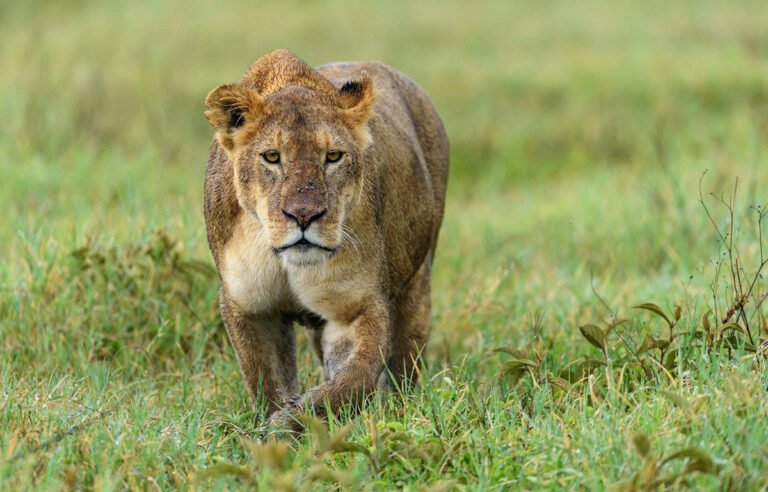
8 Days Kilimanjaro Group Climb And 4 Camping Safari
A practical, bookable 8-day plan combining Kilimanjaro Group Climb with a 4-day camping safari. Day-by-day route, acclimatisation logic, and realistic safari logistics without guaranteeing...
View package detailsClimb Kilimanjaro In 5-December-, Book Now 2026-2027
climb kilimanjaro in 5-december-2026, Book Now.
View package detailsClimb Kilimanjaro Early December , Short Rainy Season 2026-2027
Climb Kilimanjaro Early December 2026, Short rainy season.
View package details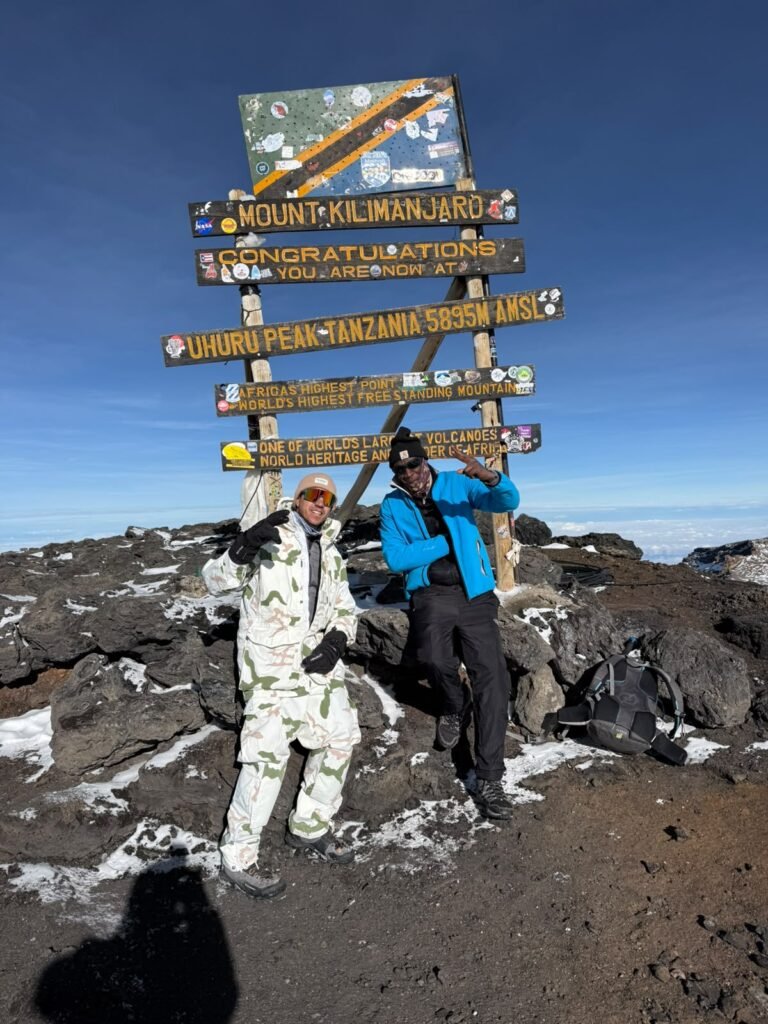
Climbing Kilimanjaro On A Budget In December 2026-2027
climbing kilimanjaro on a budget in December 2026.
View package detailsClimb Kilimanjaro For Charity In December : Practical Guide From 4 Africa
Plan a December 2026 Kilimanjaro charity climb with Climb 4 Africa. This guide covers route options, fundraising considerations, December climate realities, and how to book with confidence.
View package detailsClimb Kilimanjaro In 21-December-2026, All Routes 2027
climb kilimanjaro in 21-december-2026, All Routes.
View package detailsNo related package matches those filters. Clear one or more filters to see the other topic-matched options.



