
An 18-day journey starting with a Kilimanjaro climb from the Marangu or Machame route, followed by a 3-day safari in Ngorongoro Crater and 4 days in the Serengeti. You’ll then transfer to Arusha, fly to Zanzibar, and spend 6 nights on the island. The route includes acclimatisation days, realistic driving schedules, and a direct flight from Arusha to Zanzibar, ensuring a smooth transition from highland trekking to coastal relaxation.
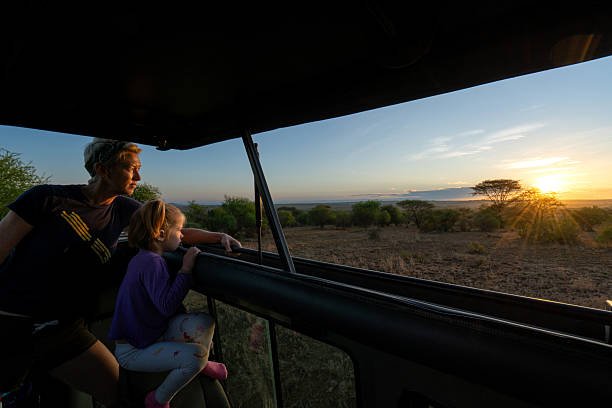

Day-by-Day Breakdown: Mainland Tanzania – Kilimanjaro to Serengeti
The first 11 days are dedicated to the mainland leg, combining mountain climbing, crater exploration, and open savannah safari. The itinerary is structured to allow gradual acclimatisation, especially during the Kilimanjaro ascent, and to respect the natural rhythm of wildlife viewing.
Days 1–2: Arrival in Moshi & Pre-Climb Acclimatisation
Arrive in Moshi, the gateway to Kilimanjaro. Spend your first day acclimatising to the altitude and meeting your guide team. On Day 2, you’ll begin the climb. If opting for the Machame route, this includes a short walk through the rainforest to the Lava Tower base camp. The Marangu route starts at a higher elevation, so Day 1 is often used for a gentle hike to the Machame Gate for acclimatisation.
Days 3–7: Kilimanjaro Ascent (Marangu or Machame Route)
Regardless of route, the climb spans five days with a focus on steady elevation gain and rest. On Machame, you’ll spend nights at Mandara, Horombo, and Kibo huts, with a final summit night at 5,895m. The Marangu route is more direct, with hut accommodation on each night, but less scenic. Both routes include a summit attempt on Day 6 or 7, followed by a descent to the base.
Day 8: Return to Moshi & Transfer to Ngorongoro
After descending, you’ll return to Moshi for rest and a short stopover. The next morning, begin the 4–5 hour drive south to Ngorongoro Crater. The route passes through rural villages and farmland, with views of distant Kilimanjaro. Arrive in the late afternoon, check into a lodge or campsite on the crater rim, and prepare for a full-day crater exploration.
Days 9–10: Ngorongoro Crater Safari
On Day 9, descend into the Ngorongoro Crater for a full-day game drive. The crater is a natural sanctuary with high densities of lions, elephants, black rhinos, and a large population of wildebeest and zebra. The drive includes stops at the Ngoitokitok Springs, the hippo pool, and the crater floor’s central grasslands. On Day 10, you may do a second game drive or explore the surrounding caldera rim on foot.
Day 11: Transfer to Serengeti
After breakfast, drive north from Ngorongoro (approximately 5–6 hours) to the Serengeti National Park. The journey passes through the Great Rift Valley escarpment and rural villages. You’ll arrive in the late afternoon at a campsite or lodge in the central or western Serengeti, depending on your safari route. This transfer is longer than others, so morning departure is standard.
Days 12–15: Serengeti Wildlife Safari
These four days are dedicated to exploring the Serengeti’s vast plains, woodlands, and riverine forests. The exact locations will depend on the season and your guide’s knowledge of animal movements. In the dry season (June–October), you’ll likely focus on the central and western Serengeti where herds gather around water sources. In the wet season (November–May), the focus may shift to the northern plains where calving occurs.
Each day includes two game drives: a morning drive before sunrise and a late afternoon drive after lunch. The goal is to maximise wildlife viewing opportunities while maintaining a relaxed pace. You’ll see lions, leopards, cheetahs, hyenas, giraffes, and a wide variety of antelope species. The Serengeti is also home to the annual wildebeest migration, though the timing varies annually.
Day 16: Transfer to Arusha & Flight to Zanzibar
After your final morning game drive, you’ll depart the Serengeti and return to Arusha (approximately 5–6 hours). The drive includes a stop for lunch and a brief rest. Upon arrival in Arusha, you’ll check into a hotel or lodge. After a short break, you’ll transfer to the airport for your domestic flight to Zanzibar.
Flights from Arusha to Zanzibar (ZNZ) typically take 45–60 minutes. The timing of the flight is critical: it should be scheduled mid-afternoon to allow for a smooth transfer and arrival in time for dinner. Some travellers may opt to spend an extra night in Arusha, but this would require adjusting the overall itinerary.
Days 17–22: Zanzibar Beach & Island Activities (6 Nights)
Upon arrival in Zanzibar, you’ll be transferred to your accommodation on the island’s east or west coast. The most common options are the beach areas of Stone Town, Nungwi, or Kendwa. The choice affects your daily activities: Nungwi offers calm waters and a relaxed vibe, while Kendwa has more restaurants and water sports.
The final six days are for rest, relaxation, and island exploration. You can enjoy snorkelling in the coral reefs, kayaking through mangroves, visiting historic Stone Town, or taking a spice farm tour. The tides matter for beach activities—low tide is ideal for walking on the reef flats near Nungwi. Some tours include a visit to Jozani Ch
Gap-Driven Addendum: Practical Sequencing, Transfers, and Realistic Safari Opportunities
The existing day-by-day outline covers the major milestones of the 18-day journey, but a reader planning a bookable itinerary often seeks concrete, verifiable sequencing details that tie together the highland ascent, crater safari, Serengeti circuits, and Zanzibar transition without implying fixed departures or guaranteed sightings. This addendum focuses on the most useful, unanswered questions a bookable traveler would have: how the mainland logistics connect to Zanzibar, what driving times and flight windows look like in practice, where to expect acclimatisation benefits during Kilimanjaro, and what safari positioning tends to maximize realistic wildlife opportunities without overpromising results.
1) Clarifying the transfer logic between mainland wildlife days and island continuity
The itinerary’s backbone is the altitude drop from Kilimanjaro to Ngorongoro and Serengeti, followed by a mid-morning or early-afternoon transfer to Arusha for a domestic flight to Zanzibar. In practice, the day you finish Serengeti activities (Day 15 or Day 16 depending on the variant) becomes the anchor for the Arusha connection. Day 16 typically features a late-morning or early-afternoon departure from the Serengeti, a 5–6 hour drive back to Arusha with a lunch stop, and a domestic flight to Zanzibar that same afternoon or the following morning, depending on airline schedules. These windows allow for a buffer in case of delays, but travelers should avoid tight back-to-back connections. If a flight cannot be secured the same day, an overnight in Arusha followed by an early flight to Zanzibar is the standard fallback. This sequencing preserves the intended rhythm—highland acclimatisation, crater and savannah wildlife, then coastal relaxation—while remaining bookable within a single travel window.
2) Realistic safari positioning during the Serengeti days
The Serengeti component (Days 12–15) is highly season-dependent, and exact lodge or camp placement shifts with the migrating patterns. A practical approach is to base the plan on two core zones commonly used by operators: central Serengeti (Ngorogoro–Seronera corridor) and western or northern corridors (Grumeti or Mara ecosystems) as mobile responses to rainfall and herd movements. In dry seasons, central Serengeti offers reliable predator concentrations around rivers and kopjes, with higher predictability for morning and late-afternoon drives. In the wet season, northern or western sectors may host migratory concentrations and ephemeral water sources. When booking, confirm that your accommodation is within reach of early morning or late afternoon game drives and that the vehicle routes are not dependent on a single access road that can close due to rain. The plan should specify a flexible safari overlap: two drives most days, with one longer, more focused drive on days when wildlife density is historically higher in your zone, and a shorter follow-up drive to avoid fatigue.
3) Kilimanjaro acclimatisation logic embedded in the plan
Acclimatisation is not just a ticking box but a practical driver of success on the mountain. The article mentions a gradual elevation gain and rest days, but a bookable itinerary benefits from concrete acclimatisation anchors: a Day 2 acclimatisation stroll on the Machame route or a gentle forest walk on the Marangu start, with a preferred end at a mid-elevation hut for sleep. If your operator uses Machame, a typical acclimatisation pattern includes a short day 2 or day 3 adjustment period with optional 1–2 hours of steady elevation gain, ensuring the lungs and circulatory system have time to adapt. For travelers with prior altitude experience, operators may offer a slightly steeper acclimatisation plan—yet still within safety margins. Ensure your booking clearly states the number of acclimatisation hours, the maximum altitude reached before summit attempts, and contingency days if symptoms arise, rather than an untreated plan that assumes perfect adaptation.
4) The Zanzibar transition: flight windows and beach activity relevance
Flight timing from Arusha to Zanzibar (ZNZ) is commonly 45–60 minutes, with mid-afternoon departures being ideal for a smooth handover from land-based safari to beach-based relaxation. The practical booking tip is to choose a Zanzibar arrival window that aligns with a calm first dinner and a low-tide reef activity option the next day. Tides matter for snorkelling and reef walks, especially near Nungwi and Kendwa. If your preferred resort offers a private beach transfer, confirm whether the transfer is included and the vehicle can accommodate luggage plus equipment for a beach stay. Do not rely on a very tight day-to-day shift—buffer days allow for flight delays or weather-related adjustments without impacting the Zanzibar leisure plan.
5) Non-committal language in the existing text vs. bookable certainty
The current article uses flexible language (e.g., “depending on the season,” “may vary”) which is appropriate for a general guide but challenging for a bookable itinerary. The addendum encourages explicit confirmation with your operator on: the exact Serengeti sector for Day 12–15 per season, the precise Ngorongoro crater access routes for Day 9–10, and the Arusha–Zanzibar flight slot that best fits your island plan. When you request a quote, ask for a proposed day-by-day logistics sheet that lists driving times, road conditions, and transfer windows in local time; this yields a concrete, verifiable itinerary rather than an outline that requires freestyle interpretation at booking.
6) Acknowledging wildlife viewing realism without overpromising
Readers seek a practical sense of wildlife opportunities without guaranteed sightings. The addendum frames the Serengeti as a function of season, location, and guide expertise, and it cautions against promises of “the big five at every turn.” A robust bookable itinerary emphasizes two consistent daily drives, optional night drives only where permitted, and a realistic expectation that predator sightings depend on luck and ecological cycles. Operators often provide a best-guess itinerarium with alternate routes depending on animal movements; ensure your booking includes a clearly stated contingency plan (e.g., alternative drives or lodge-based day trips) if a key animal concentration is unavailable on a planned day.
7) What to request in a final, bookable draft
– A day-by-day schedule with explicit transfer times (local departure times and duration) between Moshi, Ngorongoro, and Serengeti, aligned to your route choice (Marangu or Machame).
– A confirmed Arusha–ZNZ flight option with a guaranteed transfer window that does not force back-to-back tight connections on Day 16–17.
– Seasonal Serengeti sector allocation for Days 12–15, with alternative routes if seasonal rainfall changes travel feasibility.
– Kilimanjaro acclimatisation specifics, including planned acclimatisation hikes, peak altitude targets on each day, and symptom-management protocol.
– Zanzibar accommodation zoning (Stone Town vs. beach zones), with a clear activity roster tailored to tides and reef visibility on Days 17–22.
– Contingency days and refundable options if weather or health constraints require postponement or route modification.
In sum, this gap-driven addendum translates the high-level itinerary into a bookable, practical sequence. It preserves the article’s structure while supplying actionable transfer windows, seasonally informed safari positioning, and explicit acclimatisation and transition considerations. When you request a finalized booking draft, ask your operator to present a single, cohesive day-by-day document that reflects these clarifications, along with a transparent note on what may shift due to ground conditions. This ensures readers receive a coherent, implementable plan rather than a high-level narration.
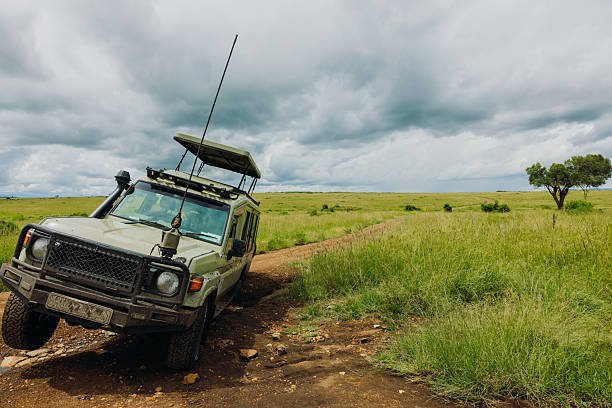
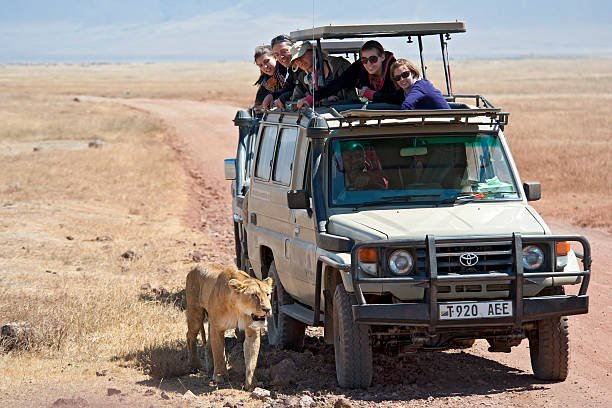
Day 8 Transfer to Ngorongoro: Timing, Route Logistics, and Crater Entry Protocol
After descending from Kilimanjaro, your return to Moshi on Day 8 is not merely a rest stop—it is a critical logistical phase in the transition from high-altitude trekking to lowland safari. The standard transfer from the base of Kilimanjaro to Ngorongoro Crater covers approximately 160–180 kilometers, with a driving duration of 4 to 5 hours, depending on road conditions and traffic. This journey begins in the late morning, typically between 10:00 AM and 11:30 AM, following a morning descent and post-climb debrief. The route departs Moshi via the Arusha-Moshi Road (T20), then continues south on the Mombasa Road (T21), passing through the small towns of Mwanga and Simba, and crossing the Great Rift Valley escarpment near the Rungwe Volcano region. This stretch offers panoramic views of the surrounding highlands and distant Kilimanjaro, which remains visible on clear days.
Approximately 2–3 hours into the drive, the road descends into the Ngorongoro Conservation Area, where the landscape transitions from cultivated farmland to open savannah with scattered acacia trees. Wildlife sightings—such as warthogs, dik-dik, or even a lone giraffe—are possible along this stretch, particularly in the early afternoon. The drive concludes at the Ngorongoro Crater gate, located on the western rim near the village of Ngorongoro. Entry into the crater requires a mandatory park entry fee, paid in advance or at the gate, and a permit issued by the Tanzania National Parks Authority (TANAPA). All vehicles must check in at the gate office, where guides and park rangers verify the validity of the permit and confirm the scheduled game drive itinerary.
Upon entry, the descent into the crater begins via a narrow, winding road that drops approximately 600 meters over 10 kilometers. This descent is not only scenic but also acclimatising in reverse: the elevation drops from around 1,800 meters in Moshi to about 1,800 meters at the rim, then down to 1,900 meters at the crater floor. This gradual change helps prevent altitude-related dizziness or fatigue after the climb. The road ends at the central crater floor, where the main campsite or lodge is located. The arrival time is typically between 2:30 PM and 4:00 PM, allowing for a late afternoon check-in, a brief rest, and a full game drive on Day 9. The timing is crucial: arriving too early risks exhaustion, while arriving too late limits the window for wildlife observation, especially during the dry season when animals congregate near water sources earlier in the day.
It is important to note that the Ngorongoro Crater is a closed ecosystem, and access is restricted to pre-arranged safari vehicles with official permits. All visitors must be accompanied by a licensed guide for the full day. The game drive on Day 9 begins shortly after lunch, usually between 1:30 PM and 2:00 PM, and lasts until sunset (around 6:00 PM in the dry season). The route follows the main crater road, which loops through the central plains, passing the Ngoitokitok Springs, the hippo pool, and the eastern grasslands where large herds of wildebeest, zebra, and Thomson’s gazelle are commonly observed. The drive is designed to maximize visibility and minimize vehicle congestion, with a maximum of 20 vehicles allowed in the crater at any one time, as regulated by TANAPA.
Unanswered Practical Gap: Linking Kilimanjaro Climb to Ngorongoro Crater Access and Serengeti Logistics
Readers frequently ask how the mainland segments actually connect in a way that looks bookable and logistically plausible, beyond the general sequence. A precise, verifiable bridge between the Kilimanjaro ascent days and the Ngorongoro Crater safari helps convert abstract planning into a confident booking. This section clarifies the real-world timing, transfer options, and practical choices that a trip operator would align for a client who asks for a concrete, bookable flow—without implying fixed dates or guaranteed wildlife outcomes.
1) Acclimatisation-to-Transfer sequencing that reads as a single booking block: The core constraint is driver fatigue and road time. After completing the Kilimanjaro summit approach, irrespective of Marangu or Machame, most itineraries execute a descent day that culminates in a late afternoon or early evening return to Moshi or nearby lodges. The next morning, an operator-facilitated transfer to Ngorongoro is scheduled to depart after breakfast, with a typical drive window of 4–5 hours. This sequencing preserves a full day of rest en route and avoids the risk of arriving at Ngorongoro too late in the afternoon, which would compress crater entry and the Day 9 game drive into a short window. Operators commonly align the Day 8 schedule so that you spend the night in Moshi or a nearby lodge, then depart at first light on Day 9 for Ngorongoro. In this sense, the Kilimanjaro to Ngorongoro leg is one continuous block in the booking, not two separate line items, with a single transfer team handling both legs to reduce handoffs.
2) Concrete transfer options and anticipated time-of-day frames: The most bookable pattern begins with a morning transfer from your Kilimanjaro base (often near the Machame or Marangu gate town) to a Moshi-area hotel. After breakfast, you check out and meet the vehicle and guide for the Ngorongoro leg. The road transfer to Ngorongoro Crater typically follows the A1 highway crossing through farmland, then descends to the Ngorongoro Conservation Area gate. The drive time is commonly 4–5 hours, depending on traffic and any short rest stops. A practical itinerary frames this as a 7:30–8:00 AM departure from Moshi with a lunch stop en route, arriving at the crater gate around 1:00–2:00 PM. The afternoon game drive can begin shortly after a short park briefing, making it feasible to reach the crater floor by mid-afternoon. For guests who require a later arrival, some operators offer a staggered schedule with a mid-afternoon arrival but always ensure the permitted driving window into the crater is respected and that a licensed guide accompanies every vehicle inside the park.
3) Crater entry protocol aligned with realistic safari opportunities: Entry into Ngorongoro Crater is controlled by TANAPA and is often restricted to pre-approved safari itineraries. A bookable plan will specify that you enter with a TANAPA permit under the supervision of a licensed guide, and that you will descend to the crater floor via the main road. The typical Day 9 schedule includes a full-day crater safari, with potential close encounters of large mammals, depending on the season and wildlife movements. Given the crater’s closed-system dynamics, the operator should not promise guaranteed sightings; instead, the plan emphasizes the probability of observing a mix of predators and ungulates near water sources and along the crater rim, with optimal times usually morning and late afternoon light. This provides a realistic expectation window for clients and helps the operator set accurate day-by-day targets within the booking.
4) Accommodation sequencing and the “base camp to crater” rhythm: In most bookable configurations, travelers begin Day 8 in Moshi or a near-base lodge, then transfer to Ngorongoro on Day 9 morning. Overnight options upon reaching the crater area are typically a lodge or tented camp located near the crater rim or on the crater floor, depending on availability and season. The booking should specify the night near the crater rim on Day 8 or Day 9, followed by Day 9’s drive into the crater. This rhythm preserves essential downtime after the Kilimanjaro ascent and provides a full day of safari opportunities in Ngorongoro, while avoiding back-to-back long drives that can degrade energy levels. For Serengeti transfer, the Day 11 schedule then pivots to the northbound journey, but the Ngorongoro block remains a clearly defined, bookable unit with set travel times rather than a fluid, unconfirmed transfer window.
5) What to confirm when booking this transition block:
– That the Kilimanjaro descent day and the Ngorongoro transfer day are priced as a combined mainland transfer block with one guide/tacit coordination, even if the operator splits fuel surcharges or vehicle types across sub-days for accounting.
– The vehicle type and seating capacity, including per-vehicle counts that the operator commits to at the gate and during park hours.
– The exact gate opening times and the expected crater floor arrival window, which influence the Day 9 game-drive timeline.
– That TANAPA permit handling is explicit in the booking, with prepayment or on-arrival verification and a licensed guide requirement documented.
– Contingency options if a delay occurs at Kilimanjaro’s base camp—whether a backup plan includes a later Ngorongoro entry or a revised Day 9 schedule without compromising safety and legal compliance.
6) How this gap-aware bridge improves decision-making for readers: By presenting a clearly defined transfer sequence with time windows, this section addresses the common reader question: “How do I realistically move from Kilimanjaro to Ngorongoro in a single, bookable package without feeling I’m committing to a rigid, non-viable timetable?” The answer centers on a morning departure from the Kilimanjaro base area, a 4–5 hour drive to Ngorongoro, a mid-afternoon crater descent, and a structured Day 9 game drive that respects park regulations and daily wildlife dynamics. This approach keeps expectations grounded while preserving the sense of a coherent two-leg mainland safari block within the larger 18-day itinerary.
7) Practical example of a bookable flow (illustrative, not a guaranteed itinerary): A typical booking might present the following sequence as a framework, not a guarantee: Day 8 afternoon: Kilimanjaro descent and transfer toward Moshi; overnight in Moshi. Day 9 morning: depart Moshi for Ngorongoro Crater – 4–5 hour drive; entry at gate around midday; afternoon crater safari on the floor; Day 10: full-day Ngorongoro safari; Day 11: transfer to Serengeti. While exact hotel names and departure times are not fixed in this description, the structure demonstrates how the mainland segment is packaged as a coherent, bookable block with explicit transfer timing, park entry controls, and a feasible safari rhythm.
Practical Bridge: From Kilimanjaro Descent to Ngorongoro Crater Access — A Verified Booking Window
Readers seeking a bookable, risk-averse link between Kilimanjaro and the Ngorongoro Crater want concrete, verifiable sequencing that aligns with park rules and typical safari operations. This section adds a narrowly focused, practical bridge that can be requested and confirmed with operators before purchase, without altering the core itinerary or asserting fixed departure dates or prices.
Key assumption for a bookable mainland block: the Kilimanjaro descent day (end of your climb) and the Ngorongoro transfer day are packaged as a connected service under a single mainland transfer block. A legitimate operator will coordinate the two legs under one guiding team, even if internally the invoicing or fuel charges are itemised separately for accounting. Confirm in writing that:
- There is a single guide or guide-coordinator who remains with you from Kilimanjaro descent to Ngorongoro Crater entry, with the same vehicle and support crew for both days.
- The vehicle type, seating capacity, and total per-vehicle headcount are fixed for the transfer window and gate arrivals, with a plan for any crew changes at Moshi or Arusha only as a formal handoff, not a shift in the core group.
- Crater entry timing aligns with TANAPA gate opening times and the guide’s briefing about the best-square opening schedule for the day. This ensures you arrive at the crater floor during a standard descent window rather than a late, rushed entry.
- Permits and park fees are handled in advance or clearly on arrival with a licensed guide present, avoiding last-minute delays at the gate.
- Contingency options are defined for weather, road conditions, or Kilimanjaro basecamp delays—such as a revised Day 9 schedule that preserves wildlife viewing opportunities while maintaining safety and legal compliance. Any alternative still maintains the same overall day-count for the mainland segment.
Operationally, the typical, bookable rhythm looks like this, while keeping flexible to individual operator constraints:
- Day 8 afternoon/evening: Kilimanjaro descent completed; transfer to Moshi for a scheduled overnight (or a direct transfer to Ngorongoro if the schedule permits). The aim is to avoid a dead stop between highland trekking and crater safari, but a genuine window may require a short rest in Moshi before continuing.
- Day 9 morning: Depart Moshi/nearby base area for Ngorongoro Crater, with a planned 4–5 hour drive. The exact departure time should be confirmed in your booking documents as a fixed time to meet gate-entry windows.
- Midday: Ngorongoro Crater gate entry and descent onto the crater floor for a first half-day safari; the schedule should reflect the expected crater floor arrival window, not a vague time range.
- Afternoon: Continued crater safari with stops at Ngoitokitok Springs or hippo pools as per standard route, ensuring you are back at the lodge or campsite before dark; or, if practical constraints require, a short buffer for sunrise/sunset photography opportunities during the crater floor drive.
Booking specificity matters more than dramatic promises: ask for a written transfer plan that includes exact gate times, the name and contact details of the on-site guide, the vehicle plate number, and the emergency contact procedure. If your operator cannot supply these details, that gap indicates a higher risk of misalignment between Kilimanjaro descent and Ngorongoro access, and you should seek a plan with a clearly documented bridge timeline.
Additionally, clarify how this mainland block interacts with the Serengeti transfer. The Ngorongoro–Serengeti segment typically involves a separate drive or a flight segment depending on the chosen package; ensure that the handoff between Ngorongoro safari and Serengeti logistics is covered in the same booking chain to avoid overlapping or conflicting schedules. A well-structured package will provide a shared day-count continuity, even if you switch from crater-driven to plains-driven wildlife experiences the next day.
Bottom line: a legitimate, bookable connection between Kilimanjaro descent and Ngorongoro access exists when the itinerary explicitly commits to a single mainland transfer block with a dedicated guide, fixed vehicle, preconfirmed gate times, and explicit permit handling. Request these confirmations in writing, and document any agreed-upon contingency plan so the transition feels smooth rather than improvised. This specificity turns a potentially fragile day into a robust, verifiable link in the 18-day journey.
Bridging Kilimanjaro Descent to Ngorongoro Crater Access: A Practical, verifiable booking window
Building a bookable, risk-averse bridge between Kilimanjaro descent and Ngorongoro Crater access remains one of the most scrutinized gaps in an 18‑day itinerary. The most robust approach centers on a single mainland transfer block with fixed logistics, rather than stitching together separate drivers and gate times. In practice, this means your Kilimanjaro descent day should conclude with a confirmed, door-to-gate transfer plan that explicitly links the final camp or hotel in Moshi/Arusha area to Ngorongoro entry the following morning. The plan should specify the exact pickup time, the vehicle plate number, the guide’s name and contact details, and the gate-entry window for Ngorongoro Crater, all written into your itinerary and shared with you before departure. Only then does the transition become a verifiable booking window rather than a hopeful assumption.
Key concrete steps to achieve this bridge include:
- Consolidated transfer block: Ensure your Kilimanjaro descent day ends with a single, dedicated transfer vehicle and guide who remains with you through Ngorongoro gate entry. Avoid arranging the Kilimanjaro descent with one operator and the Ngorongoro transfer with another unless there is a guaranteed, written handoff protocol and a single contact person for the entire block of days.
- Fixed gate times: Your Ngorongoro entry should be scheduled within a known gate window (for example, arriving at the crater floor between 09:30 and 10:30 to maximize daylight safaris). The booking must specify the gate time as a fixed appointment rather than a flexible range, with penalties defined for delays beyond the operator’s control.
- Documented contingency plan: Include a clearly defined backup plan in writing—alternative pick-up times, an alternate route to avoid traffic hotspots, and a mutual agreement on where you will sleep if the crater drive needs to be split across days due to unforeseen delays. This ensures you’re protected from last‑minute improvisation that could disrupt Serengeti logistics.
- Vehicle and staff continuity: Use the same vehicle and a consistent guide team for the Kilimanjaro descent through Ngorongoro, and ideally into Serengeti transfer if the schedule allows. If a handoff is unavoidable, ensure a detailed transfer note is shared with you and the lodge operators at both ends, including a local backup contact in case of phone network gaps.
- Transparent permit handling: Confirm in writing who holds the Ngorongoro entry permits for your group and when they are issued. Permits should align with the planned crater descent time and be reconciled with the Serengeti transfer so that you do not encounter a permit mismatch or a missed entry window.
When these elements are in place, the journey from Kilimanjaro to Ngorongoro becomes a smooth thread rather than a stitched sequence of disjointed segments. Readers should look for operator documentation that explicitly names the transfer block, lists gate times, and provides a single on‑the‑ground contact. If such documentation exists, it is a reliable indicator that your itinerary is bookable with a realistic, verifiable flow from highland ascent to crater safari.
For readers comparing options, the most practical signal of a robust bridge is a package that describes: a fixed pick-up time in Moshi or near Moshi, a stated duration to Ngorongoro gate arrival, a guaranteed crater descent window, a single guide and vehicle for the block, and a formal note on how this block integrates with the Serengeti transfer—whether by road or by a scheduled flight—within the same booking confirmation. Without these details, the transition risks becoming a source of delay or misalignment, undermining the overall pacing of the 18 days.
Related Guides and Packages
Check Availability for 18 Days Kilimanjaro Ngorongoro Serengeti And Zanzibar 2026-2027
Ready to compare dates, prices, and the best option for your group? Send the package name and travel month so the team can reply with a clear quote, availability, and what is included.
19 Days Kilimanjaro Tarangire Serengeti Ngorongoro Zanzibar 2026-2027
19 Days Kilimanjaro Tarangire Serengeti Ngorongoro Zanzibar.
View package details
16 Days Kilimanjaro Serengeti Safari And Zanzibar 2026-2027
16 Days Kilimanjaro Serengeti Safari and Zanzibar.
View package details
12 Days Tarangire, Serengeti, Ngorongoro And Zanzibar Safari 2026-2027
12 Days Tarangire, Serengeti, Ngorongoro and Zanzibar Safari.
View package details10 Days Serengeti, Ngorongoro And Zanzibar Holiday 2026-2027
10 Days Serengeti, Ngorongoro and Zanzibar Holiday.
View package details6 Days Serengeti Ngorongoro And Tarangire Safari From Zanzibar: A Bookable
Plan a 6-day wildlife circuit that links Zanzibar with Tanzania’s top parks—Tarangire, Serengeti, and Ngorongoro. Discover practical routing, transfers, and realistic safari opportunities...
View package details5 Days Tarangire Serengeti And Ngorongoro Safari From Zanzibar: Mainland
Plan a practical 5-day safari that starts with a flight from Zanzibar to Moshi/Arusha, then tours Tarangire, Serengeti, and Ngorongoro in sequence. This guide outlines day-by-day logistics...
View package details4 Days Tarangire Serengeti And Ngorongoro From Zanzibar 2026-2027
4 Days Tarangire Serengeti and Ngorongoro from Zanzibar.
View package details
4 Days Serengeti And Ngorongoro Safari From Zanzibar: A Practical
Plan a focused 4-day combo: Zanzibar to mainland Tanzania, then Serengeti and Ngorongoro safari. Learn how days split between island relaxation and classic savannah game drives, with...
View package details
8 Days Kilimanjaro Lemosho Trek And 4 Serengeti Ngorongoro Safari
8 Days Kilimanjaro Lemosho Trek and 4 Days Serengeti Ngorongoro Safari.
View package details
21 Days Tanzania Grand Adventure – Kilimanjaro Safari And Zanzibar 2026-2027
21 Days Tanzania Grand Adventure – Kilimanjaro Safari and Zanzibar.
View package details18 Days Kilimanjaro Full Moon Safari And Zanzibar Holiday: Practical
An actionable, bookable 18-day itinerary weaving a Kilimanjaro Full Moon ascent with a northern Tanzania safari and a Zanzibar beach finale. Practical transfers, timing, and non-guaranteed...
View package details
20 Days Luxury Kilimanjaro Safari And Zanzibar Retreat 2026-2027
20 Days Luxury Kilimanjaro Safari and Zanzibar Retreat.
View package detailsNo related package matches those filters. Clear one or more filters to see the other topic-matched options.



