
A 3-day journey from Zanzibar combines a flight-optimized safari through Tarangire, Ngorongoro Crater, and Lake Manyara. You’ll fly from Zanzibar to Arusha, then transfer to Tarangire for morning and afternoon game drives, spend the next day in Ngorongoro Crater with full-day exploration, and conclude at Lake Manyara with a sunset drive before returning to Arusha for a flight back to Zanzibar. This route maximizes wildlife viewing in minimal time with coordinated transfers and island relaxation at the end.
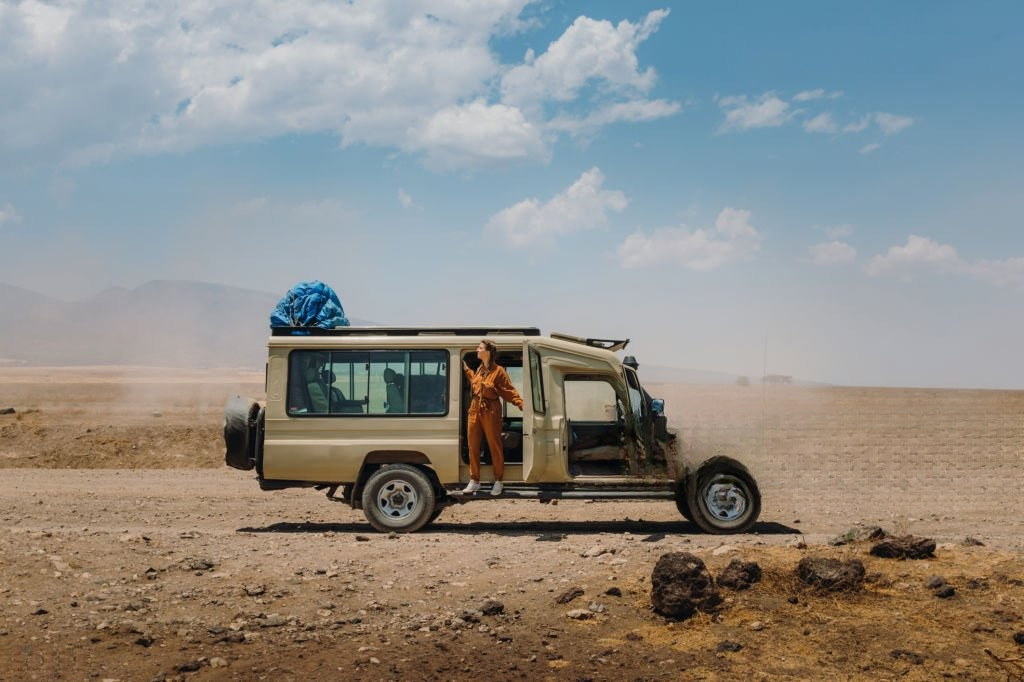

Day 1: Zanzibar to Arusha – Arrival in the Safari Capital
Your adventure begins on Zanzibar, where you’ll check out of your beachfront accommodation and transfer to Zanzibar International Airport. A morning or early afternoon charter flight will take you to Arusha Airport, a common gateway for mainland safaris. The flight typically lasts around 45 to 60 minutes, offering panoramic views of the Indian Ocean, Pemba Channel, and the mainland’s rolling highlands.
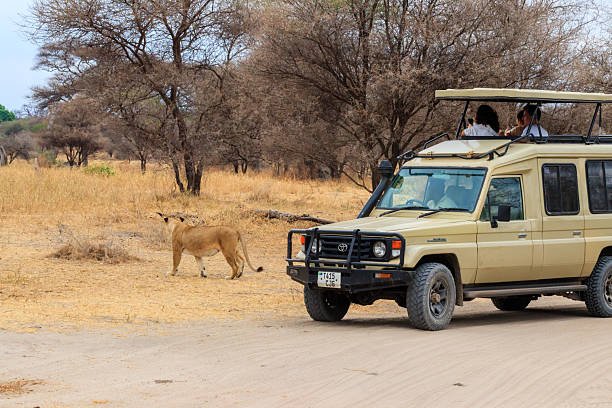
Upon arrival, you’ll be met by a Climb 4 Africa representative and transferred to your lodge or camp in Tarangire National Park, located about 90 minutes from Arusha. Depending on your schedule, you may arrive in time for an afternoon game drive, giving you a chance to spot elephants, giraffes, and a variety of bird species along the Tarangire River. The drive offers a gentle introduction to Tanzania’s savannah ecosystems, with acacia trees forming a natural canopy over winding dirt tracks.
Accommodation during this leg is typically in a safari lodge or tented camp with basic to mid-range amenities. Dinner is served under the stars, often with live music or storytelling from local guides, setting a relaxed tone for the days ahead.
Day 2: Full-Day Exploration of Ngorongoro Crater – The Wildlife Oasis
After an early breakfast, you’ll transfer from Tarangire to the Ngorongoro Conservation Area, a journey of approximately 2.5 to 3 hours. The drive takes you through the highland farmlands and the Great Rift Valley escarpment, offering glimpses of Maasai herders, cattle, and traditional villages.
Upon arrival at the Ngorongoro Crater rim, you’ll descend into the crater floor, one of the world’s largest intact calderas. This vast, fertile basin is home to a dense concentration of wildlife, including lions, leopards, elephants, rhinos, buffalos, and numerous antelope species. Your full-day game drive will include a guided vehicle tour along the crater’s floor, with opportunities to observe animals drinking at the swamps, grazing in the grasslands, and hunting near the forested edges.
Lunch is usually served at a designated picnic site within the crater or at a nearby rest camp. The terrain is uneven, so expect short walks during game viewing. The crater’s unique ecosystem supports a year-round water supply and dense vegetation, making it a prime location for wildlife observation even during dry seasons.
After the drive, you’ll return to your accommodation on the crater rim—often a lodge with views over the caldera or a tented camp with shared facilities. Evening brings a chance to reflect on the day’s sightings under the open sky, with the possibility of spotting nocturnal animals such as hyenas or genets.
Day 3: Lake Manyara – Lakeside Wildlife and Coastal Return
On your final day, you’ll transfer from Ngorongoro to Lake Manyara National Park, a journey of about 2.5 hours. The route winds through the Rift Valley, passing through the lush forests and volcanic hills that define this region. Lake Manyara is known for its tree-climbing lions, large flocks of flamingos, and dense woodlands where monkeys and birds thrive.
Upon arrival, you’ll begin your afternoon game drive along the alkaline lake’s edge and into the surrounding woodland. This park offers a more intimate safari experience than the larger reserves, with excellent opportunities to photograph wildlife in natural settings. The drive typically ends at sunset, offering golden-hour lighting perfect for photos and quiet moments.
After the safari, you’ll return to Arusha or a nearby airport for a final flight back to Zanzibar. Depending on the schedule, your return flight may be arranged in the late afternoon or early evening, allowing you to land back on the island with time to relax at your resort. The final leg of your journey concludes with a beachside dinner or a swim under the stars, marking a smooth blend of adventure and island serenity.
Connecting the Journey: Transfers, Flights, and Logistics
Throughout this 3-day itinerary, all transfers are arranged via private vehicle or charter flight. The use of light aircraft is essential for efficiency, especially between Zanzibar and Arusha, and between the parks. Flying avoids long drives and ensures that your time is spent on safari, not on the road.
It’s important to note that flight schedules are subject to weather, availability, and operator coordination. Most operators offer flexible departure windows, but early bookings are recommended, especially during high season (June–October and December–February). Your luggage is typically handled with care, and most safaris include soft-sided bags or duffels for game drives.
While this itinerary focuses on wildlife viewing, it’s not guaranteed. Animal sightings depend on seasonal patterns, migration, and natural behaviors. The goal is to maximize your chances through strategic timing and experienced guides.
Why This 3-Day Route Works for Zanzibar Travelers
For travelers arriving in Zanzibar and seeking a taste of mainland Tanzania’s wilderness, this 3-day package offers a powerful balance. It delivers core experiences—elephant herds, crater ecosystems, and lakeside wildlife—without requiring a week-long commitment. The island’s relaxed rhythm is preserved, and the safari is condensed into a compact, well-organized sequence.
Compared to longer safaris, this route is ideal for those with limited time or who want to prioritize beach relaxation. It also serves as a natural extension of a Zanzibar holiday, allowing you to enjoy both the ocean and the savannah in one trip.
For those interested in

Gap-Discovery: Practical Details for Booking and Coordinating the 3-Day Zanzibar–Tarangire–Ngorongoro–Lake Manyara Route
Readers commonly wonder how the three days are allocated between the islands and the mainland, and what precise logistics enable the tight schedule. This section delves into the transactional and operational specifics that travelers need to know to turn the plan into a bookable itinerary without overpromising wildlife outcomes or fixed hotel assignments.
Flight sequencing and timing: The backbone of this route is the sequence Zanzibar → Arusha (flight) → Tarangire (driving) → Ngorongoro Crater (driving) → Lake Manyara (driving) → Arusha or onward back to Zanzibar. Expect charter or scheduled light-aircraft options for the Zanzibar–Arusha leg, typically around 45–60 minutes. On the mainland, day-to-day timings depend on daylight hours and park gate schedules, but most operators target early starts (pre-dawn departures for Ngorongoro-bound days) to maximize game-viewing chances within park hours. While flight times can shift with weather, the day structure centers on the best-fit window for morning or afternoon drives, often with a single long drive between Tarangire and Ngorongoro, followed by a shorter transfer to Lake Manyara.
Accommodation types and positions: In Tarangire, travelers commonly stay in mid-range safari lodges or tented camps situated near the Tarangire River or within the park’s fringe areas. In Ngorongoro, lodge options typically sit on the crater rim or within a short drive to the crater entrance, offering dramatic views but sometimes heavier vehicle traffic at peak times. Lake Manyara’s lodging cluster is smaller and tends toward intimate lodges or small camps with forest-edge settings. Because the objective for this three-day plan is efficiency and rhythm, bookings for each leg are usually made with separate properties rather than a single chain, enabling smoother transitions and the flexibility to adjust for weather or seasonal road conditions. When booking, confirm inclusive meals, water during game drives, and the availability of early breakfast options if you’re aiming for first-light departures.
Vehicle and guide arrangements: Private 4×4 safari vehicles with experienced English-speaking guides are standard for these parks. The itinerary relies on door-to-door transfers via private vehicle at a comfortable pace, with leg-stretch stops and photo breaks factored in. Where time constraints exist, operators may substitute a shared charter flight between destinations or shorten the transfer time by routing directly to the crater rim or park gate. Confirm whether park entry fees are included in the package or paid on-site, and whether the guide’s services cover crater forest drives, Lake Manyara’s tree-climb opportunities, or simply a standard wildlife safari pace. For safety and comfort, verify that luggage limits and packing lists align with the vehicle’s storage capacity and any aircraft cabin restrictions if an air segment is included.
Seasonality and wildlife expectations: The 3-day plan does not guarantee sightings, and this is explicitly acknowledged in responsible travel writing. However, certain time windows favor particular experiences. For example, the Ngorongoro Crater’s crater floor can offer excellent predator and herbivore congregations, while Tarangire’s dry season (roughly June–October) tends to concentrate elephants around the Tarangire River. Lake Manyara is renowned for its tree-climbing lions during certain months and for a rich birdlife in wet or transitional periods. When booking, travelers can discuss with their operator how to adjust day allocations if a particular site is experiencing higher activity or if weather dictates alternate routes or earlier departures to optimize light for photography.
Costs, inclusions, and transparency: Because this is a bookable itinerary, it’s essential to request a detailed break-down before confirming. A typical package might itemize: flight transfers ( Zanzibar–Arusha ), park entry fees for Tarangire, Ngorongoro, and Lake Manyara, private driver-guide fees, vehicle allowances, accommodation charges, meals, and any bottled water or snacks provided on drives. Some operators include concession fees or vehicle insurance as part of the package; others itemize them separately. Always obtain a written itinerary with exact dates, flight numbers, and camp or lodge names, then compare with other operators to gauge value. If a reduction in price is offered, ask what elements were adjusted—vehicle class, guide language, or included activities—to ensure you’re not sacrificing essential safety or comfort features.
Senior travelers and accessibility: The route’s core transfers are road-based on Tarangire–Ngorongoro–Lake Manyara segments, which can involve uneven or dusty roads. Travelers with limited mobility or equipment should request accessible vehicle arrangements, seating preferences, and the possibility of shorter game-drive loops or alternative viewpoints. Some crater-floor perspectives require short, steep approaches; ensure your operator can accommodate any mobility needs or provide you with an alternative crater-access plan if needed.
Safety and health considerations: Tanzania’s safari zones are exhilarating but remote in places. Confirm with your operator the availability of first-aid kits, the treatment of motion-sickness for long drives, and the proximity of medical facilities in case of emergency. It’s wise to carry a basic health kit, prescription medications, and sufficient hydration. Always double-check vaccination requirements and any recommended malaria prophylaxis with a healthcare professional before departure, and ensure insurance coverage extends to adventure travel and medical evacuation if needed.
Booking workflow and lead times: To secure the exact 3-day sequence with preferred lodges, it’s typical to book several weeks to months in advance, especially in peak travel seasons. If you have fixed air connections or specific hotel preferences, coordinate backup options with the operator. If you’re combining with a Zanzibar stay, confirm the inter-island connection’s schedule during your planning phase to minimize risk of missed connections due to weather or delays. Request written confirmation of all arrangements, including contact details for the driver, guides, and the local coordinator who will meet you on arrival.
What this means for you as a bookable traveler: The three-day plan is designed to be a tight, logistics-driven experience with a clear sequence: Zanzibar flight to Arusha, Tarangire afternoon game drive (or more, depending on arrival time), Ngorongoro full day, then Lake Manyara and return. Every transition should be treated as a core milestone rather than a guess. If you’re reading this section while planning, use it to question whether an operator can honor your preferred flight times, can tailor the pace to your fitness level, and will provide a transparent, itemized quote with no hidden extras. The ultimate objective is to convert a promising concept into a reliable, bookable experience that respects both your time and your comfort while preserving the sense of discovery that makes a Tanzania safari memorable.
Addressing a Practical Gap: How to Confirm the 3-Day Zanzibar–Tarangire–Ngorongoro–Lake Manyara Itinerary Amid Seasonal Variations
Readers often wonder how seasonal changes and weather patterns influence the feasibility and rhythm of a compact 3-day safari that threads Zanzibar, Tarangire, Ngorongoro Crater, and Lake Manyara. This section adds concrete, verifier-friendly guidance to help you validate bookings, plan contingencies, and set realistic expectations without altering the core sequence.
1) Flight and road-transport windows by season: The backbone of this itinerary is time-sensitive connections. In the dry season (roughly late June to October) and the short dry spell around January, light aircraft schedules between Zanzibar, Arusha, and the parks tend to be more reliable due to favorable flying conditions. Shoulder seasons (April–May, November–early December) can bring sporadic weather-related delays. When confirming with your operator, request a written backup plan that specifies alternative flight times or an emergency road-transfer option if a connection is missed. Confirm that the transfer window from Arusha to Tarangire, then to Ngorongoro, and finally Lake Manyara aligns with park gates and permit issuance times so you aren’t left waiting at a park entrance after sunset.
2) Park hours, gates, and driving times: The itinerary assumes standard park hours and gate openings. Tarangire’s riverside drives are typically most productive early morning or late afternoon, while Ngorongoro Crater access is restricted to daylight hours and requires a crater-lodge-based briefing. Lake Manyara often allows sunset game drives, but this can vary by lodge and season. Before booking, obtain a written outline of the gate opening and closing times for your travel dates, plus a note on any expected delays caused by wildlife blocks or road maintenance. If a late-arriving flight is unavoidable, a plan for an abbreviated Tarangire afternoon game drive followed by an early next-morning Ngorongoro entry can be arranged with your guide, preserving the overall timeline without crunching the pace too tightly.
3) Vehicle allocation and game-drive pacing: The experience hinges on trusted, comfortable transport and a driver-guide familiar with the three parks. In peak periods, some operators deploy longer-use vehicles with multiple clients sharing a guide. If you value higher flexibility and intimate wildlife encounters, request a private vehicle with a dedicated guide and a strategic plan for each drive (e.g., Tarangire River corridor for elephant congregations, crater viewpoints for panoramic photography without excessive off-road driving). Ensure your confirmation specifies the number of game-drive hours per day, the vehicle type, and the contingency for extending drives when wildlife sightings are compelling.
4) Lodge or camp flexibility and location: The 3-day route operates best with a morning transfer to Tarangire, a full day in Ngorongoro, and a Lake Manyara finale. Some dates demand slightly different rhythms due to gate closures or lodge check-in times. When you request quotes, ask for options that place you inside or immediately adjacent to Tarangire for Day 1, and near the Ngorongoro rim for Day 2, then a Lake Manyara-ward base for Day 3. Flexibility in lodging can avert last-minute changes that would otherwise spill into your beach time back in Zanzibar. Verify cancellation terms and whether the rate includes breakfast and dinner, as well as any park-entry fees included in the package.
5) Weather and climate planning for comfort and safety: The Zanzibar-to-Arusha leg benefits from clear visibility during the dry seasons, but rain can cause slick tracks in Tarangire and Ngorongoro’s crater rim. Pack accordingly: lightweight layers for day drives, a warm layer for early mornings at high elevations, good-quality sunscreen, a wide-brim hat, and a light rain jacket. Practical packing also means durable closed-toe shoes for crater exploration and a small daypack for water, binoculars, and camera gear. Confirm your operator’s guidance on hydration and on-board snacks, especially if you’ll be in remote areas for extended stretches between lodges and gates.
6) Documentation and health safeguards: Ensure your passport validity is at least six months beyond travel dates and that you have any required Tanzania visas arranged in advance if your nationality requires them. Confirm that your operator can assist with any required insurance documentation and that medical evacuation coverage is included or readily addable. Since the route spans multiple parks, you’ll want to carry an updated list of medications, basic first-aid items, and copies of vaccination records. Some operators can provide a quick medical briefing on the day of departure or upon arrival, which helps you acclimate to the altitude and climate changes during the trip.
7) Communication and on-the-ground coordination: The sequence thrives on reliable coordination between flight timings, driver/guides, and lodge check-in windows. Request a dedicated local coordinator contact who will meet you on arrival in Arusha and who remains reachable during the entire 3 days. Ask for a concise, day-by-day contact sheet that includes vehicle plate numbers, guide names, and lodge addresses. This reduces risk of miscommunication in case of weather-related delays or last-minute changes in the plan.
8) Realistic expectations around wildlife sightings: Given the compressed nature of this itinerary, prioritize viewing opportunities over guaranteed sightings. Discuss with your guide the best chances for seeing elephants in Tarangire, the crater floor’s unique ungulate assemblage, and the waterbird spectacles around Lake Manyara. Your operator can tailor drives to target habitats where wildlife is most likely to be active at specific times, but always prepare for variability and enjoy the journey rather than securing a fixed wildlife checklist.
9) Documentation for a smooth booking experience: When you share your dates, preferred flight connections, and lodging style (boutique camp vs. mid-range lodge), ask for a transparent, itemized itinerary with inclusive and optional components clearly separated. Ensure the document includes: the exact flight numbers, arrival/departure times, gate entry policies, park fees, and any additional charges for guides, vehicle upgrades, or sightseeing add-ons. This enables straightforward price comparisons and reduces hidden costs in the final invoice.
By focusing on these practical checks and confirmations, you anchor the 3-day Zanzibar–Tarangire–Ngorongoro–Lake Manyara itinerary in concrete, verifiable logistics rather than optimistic assumptions. The aim is to empower you to secure a smooth sequence that respects both the island’s relaxing prelude and the mainland’s concentrated wildlife adventures, without sacrificing safety, comfort, or the sense of discovery that defines a Tanzania safari.
Addressing a Practical Gap: Seasonal Timing and the 3-Day Zanzibar–Tarangire–Ngorongoro–Lake Manyara Itinerary
One practical gap readers often encounter is understanding how seasonal patterns affect the flow of a compact 3-day route that threads Zanzibar, Tarangire, Ngorongoro Crater, and Lake Manyara. This section hones in on what to expect in different windows of the year, clarifying how timing shapes flight availability, driving windows, park accessibility, and the rhythm of game viewing, without promising fixed wildlife sightings or concrete dates.
1) How seasons influence flight and transfer timing: The backbone of this itinerary rests on reliable connections between Zanzibar and Arusha, then onward to Tarangire and Ngorongoro. Peak turista periods on the mainland (the dry season, roughly June to October and December to February in some years) can bring higher demand for private charters and quicker confirmations but may also thread together more comfortable driving conditions. The shoulder seasons (April–May and November) often feature lighter traffic and better lodge availability, though some roads can be muddier after rains. In practice, operators build contingencies into day plans: if a morning flight from Zanzibar arrives later than expected, the Tarangire portion might shift to a predictable afternoon drive instead of a full morning set; similarly, Ngorongoro crater drives can adjust to permit a dignified late-afternoon crater-floor experience if dawn access is delayed. This is why a dedicated on-ground coordinator and a day-by-day contact sheet become valuable assets. Do not anchor your expectations on one exact flight slot; allow a flexible window that preserves core experiences while accommodating timing shifts.
2) Park accessibility and driving windows by season: Tarangire’s wildlife concentrations peak around the dry season when animals congregate around the Tarangire River; Lake Manyara often presents a dynamic mix of elephants at the lakeshore and tree-climbing greatness by the lake’s forests. Ngorongoro Crater, with its perpetual crater floor habitat, remains accessible year-round, but the quality of light, visibility, and road conditions to and from the crater can vary with rainfall. In the wet months, some dirt roads may become slick or rutted, which can slightly reduce the pace of a tight 3-day schedule but does not typically preclude full crater exploration. When planning, expect your guide to optimize routes for light and animal activity rather than promising a fixed sequence of sightings; the aim is to maximize productive windows within the day’s legal driving hours and park rules, rather than chasing a checklist.
3) Lodging and service variability by season: Lodge and camp inventories fluctuate with demand and weather. In high seasons, you may encounter more structured schedules, limited room availability, and higher prices; in shoulder seasons, you could encounter more flexible check-in times and potential upgrades depending on availability. The practical takeaway is to secure a confirmed itinerary with explicit check-in/out times and a clearly labeled plan A and plan B for each day. A typical plan includes a Tarangire afternoon game drive on Day 1 if arrival allows, a straight transfer to Ngorongoro with an early start for crater-floor exploration on Day 2, and a Lake Manyara sunset drive on Day 3, but these are contingent on weather and flight timing. A reliable operator will embed those contingencies and present them in your final, itemized booking document.
4) Wildlife activity rhythms and interpretive flexibility: The most enduring value in a brief safari lies not in a guaranteed lineup of species, but in maximizing opportunities to observe animal behavior during the hours when they are most active. Across Tarangire, Ngorongoro, and Lake Manyara, this often translates to focusing drives around dawn and late afternoon when predators, elephants, and ungulates are most visible. In the heat of the day, some animals retreat to shade or layer into denser forest edges, which can make sightings more variable but also enrich the anticipation and attention given to birdlife, reptile behavior, and smaller mammals. Communicate with your guide about the day’s target habitats (e.g., Tarangire Riverine woodland for elephants, crater-floor acacia and short grass for ungulates, lake-edge shorebird zones at Manyara) and allow for observational flexibility rather than a rigid per-destination checklist.
5) Practical booking tips for seasonal planning: When booking, request a seasonally aware itinerary clearly labeled with the exact flight numbers, ground transfer times, and park entry windows tied to your dates. Ask for explicit notes on potential delays, alternative driving routes, and contingency day-by-day re-sequencing. If you’re traveling during a known shoulder period or near a public holiday, confirm that your operator has the capacity to secure the necessary private vehicles and guide coverage for all three parks. Finally, ensure that your documentation includes weather-related advisories and any park rules that might affect vehicle spacing, photography licenses, or child safety requirements at gates and lodges.
In short, the value of understanding seasonal timing in this 3-day itinerary lies in appreciating that logistics, not wildlife guarantees, shape the experience. With flexible scheduling, reliable on-ground coordination, and a focus on optimal windows for activity, you can experience a cohesive, efficient sequence that respects both Zanzibar’s island tempo and the mainland’s wilderness cadence.
Gaps and Practicalities in Synchronizing Flight Times with Park Access and Island Rhythm
Readers often wonder how tightly the three-day mainland safari aligns with Zanzibar’s flight schedules and the island’s tempo. A single, concrete clarification can save missed connections and ensure a smoother experience: the exact timing relationships between the Zanzibar–Arusha flight, the Arusha-to-Tarangire transfer, and the Ngorongoro entry window. This section adds that specificity without altering the core itinerary already described, focusing on verifiable, bookable practices rather than generic advice.
1) Flight-to-transfer sequencing: In practice, the common pattern is a morning or early-afternoon charter from Zanzibar to Arusha. The exact flight number and arrival time are established at the time of booking and should be treated as fixed elements in the day-by-day plan. From Arusha, the ground transfer to Tarangire typically departs within the hour after landing, assuming no customs delays. For travelers who arrive on a tight timetable, some operators pre-arrange a light breakfast at the airport lounge or a quick coffee en route to the vehicle, ensuring you reach Tarangire in time for an afternoon game drive. This is a realistic expectation, not a guarantee, and should be confirmed in the final booking notes. If flight delays occur, a reputable operator will present a contingency window, often shifting the Tarangire drive to the following morning, preserving the core sequence while respecting park rules and guide availability.
2) Tarangire to Ngorongoro transition: The drive from Tarangire to Ngorongoro Conservation Area is typically 2.5 to 3 hours, depending on road conditions and the route chosen to minimize travel time while maintaining safety. Operators commonly allocate a buffer of 1 to 2 hours for lunch and a brief rest stop, which means the Ngorongoro entry could occur later than the earliest planned window. The practical takeaway for guests is to understand that the crater floor arrival is a function of both start time and road conditions, not a fixed clock time. In high season, vehicle throughput increases, but so can traffic around gate openings near the park boundary. Your final document should list the exact gate entry window and the expected crater-floor start time, with a note about potential variability due to weather, roadworks, or gate regulations.
3) Ngorongoro to Lake Manyara: The following day’s transfer to Lake Manyara is a shorter hop, generally 2 to 2.5 hours, and often scheduled to depart after a dawn or early-morning crater drive. Because Ngorongoro’s entry and exit points can influence the day’s timing, it’s important that the packet itinerary explicitly states the Ngorongoro exit time and the estimated arrival at Manyara’s gate for a late-morning or early-afternoon game drive. If the crater drive finishes later than expected, Manyara’s afternoon activity may need to shift from a planned lake-edge drive to a shorter, targeted circuit, which the guide will adapt on-site. This adaptability should be embedded in the booking notes and communicated to the traveler ahead of time.
4) Island tempo versus mainland cadence: Zanzibar’s leisure pace—especially in the hotel or resort context—contrasts with the mainland’s time-intensive wildlife logistics. On the island side, practical decisions like flight check-in times, baggage handling, and the need for pre-dawn departures to the airport are easier to standardize, but you should confirm that your in-resort transfers align with the charter operator’s pickup schedule. If a guest chooses to extend the Zanzibar stay by a day or two, ensure that this extension does not push the Arusha departure into a tighter window that would risk missing the Tarangire start. The final booking document should clearly connect the Zanzibar stay dates with the international leg’s date and time, preventing misalignment caused by overnight delays or late arrivals.
5) Contingencies and flexibility: The most valuable practical detail for this trip is the explicit inclusion of contingency day-by-day re-sequencing in the final itinerary. For example, if a flight is delayed by 2–3 hours, the plan should offer two alternative sequences: (a) preserve the Tarangire afternoon drive and adjust the Ngorongoro entry by shifting the next day’s dawn drive later, or (b) swap the Day 1 and Day 2 milestones in a way that keeps the crater visit in its customary daylight window. The operator’s notes should spell out which contingencies exist, the maximum acceptable delay for each leg, and the impact on park entry fees, drive times, and safari licenses. Such details are not about guaranteeing sightings but about guaranteeing a coherent, comfortable rhythm that aligns with park rules and safety considerations.
6) Booking artifacts that reduce ambiguity: To prevent misinterpretations, require in your final booking document a compact table that lists: flight number, arrival time, transfer pickup time, vehicle type, park entry gate, and intended crater or lake drive start times. Include a column for potential re-sequencing options and the conditions that would trigger them. For instance, a line might read: If Arusha arrival is 14:30, Tarangire drive start 16:00; otherwise, if arrival is 15:15, proceed with a late afternoon Tarangire drive and a revised Ngorongoro start time the next morning. Such precise, date-stamped logistics allow travelers to understand exactly what is being planned and where flexibility exists.
7) What travelers should verify before final payment: Confirm that the operator holds active permissions for all park zones involved on your dates, that the guide assignments are set for the three parks, and that the vehicle permits comply with park regulations for multiple-day programs. Ask for the final itinerary to include the operator’s emergency contact, on-ground local office details, and a backup vehicle option in case of mechanical issues. While this may seem procedural, in practice it ensures that the three-day sequence remains coherent even if a late blackout or day-of-breakdown occurs. The goal is not to promise a predetermined wildlife cast but to guarantee a dependable logistical spine that supports a high-quality safari flow within the three-day frame.
Related Guides and Packages
Check Availability for 3 Days Tarangire Ngorongoro And Lake Manyara From Zanzibar 2026-2027
Ready to compare dates, prices, and the best option for your group? Send the package name and travel month so the team can reply with a clear quote, availability, and what is included.
2 Days Tarangire and Ngorongoro Safari from Zanzibar: a practical, bookable
A practical, bookable 2-day safari itinerary starting from Zanzibar, linking Tarangire National Park and Ngorongoro Crater with sensible transfers, realistic drives, and grounded...
View package details
6 Days Serengeti Ngorongoro And Tarangire Safari From Zanzibar: A Bookable
Plan a 6-day wildlife circuit that links Zanzibar with Tanzania’s top parks—Tarangire, Serengeti, and Ngorongoro. Discover practical routing, transfers, and realistic safari opportunities...
View package details
5 Days Tarangire Serengeti And Ngorongoro Safari From Zanzibar: Mainland
Plan a practical 5-day safari that starts with a flight from Zanzibar to Moshi/Arusha, then tours Tarangire, Serengeti, and Ngorongoro in sequence. This guide outlines day-by-day logistics...
View package details
4 Days Tarangire Serengeti And Ngorongoro From Zanzibar 2026-2027
4 Days Tarangire Serengeti and Ngorongoro from Zanzibar.
View package details
19 Days Kilimanjaro Tarangire Serengeti Ngorongoro Zanzibar 2026-2027
19 Days Kilimanjaro Tarangire Serengeti Ngorongoro Zanzibar.
View package details12 Days Tarangire, Serengeti, Ngorongoro And Zanzibar Safari 2026-2027
12 Days Tarangire, Serengeti, Ngorongoro and Zanzibar Safari.
View package details
3 Days Tarangire, Ngorongoro, And Lake Manyara Safari: A Practical, Bookable
Plan a practical 3-day, bookable safari through Tarangire, Ngorongoro Crater, and Lake Manyara. This guide outlines a realistic itinerary, driving routes, and accommodation ideas without...
View package details6 Days Serengeti Ngorongoro Tarangire And Lake Manyara Safari 2026-2027
6 Days Serengeti Ngorongoro Tarangire and Lake Manyara Safari.
View package details5 Days Tarangire Serengeti Ngorongoro And Lake Manyara Safari 2026-2027
5 Days Tarangire Serengeti Ngorongoro and Lake Manyara Safari.
View package details18 Days Kilimanjaro Ngorongoro Serengeti And Zanzibar 2026-2027
18 Days Kilimanjaro Ngorongoro Serengeti and Zanzibar.
View package details
4 Days Serengeti And Ngorongoro Safari From Zanzibar: A Practical
Plan a focused 4-day combo: Zanzibar to mainland Tanzania, then Serengeti and Ngorongoro safari. Learn how days split between island relaxation and classic savannah game drives, with...
View package details10 Days Serengeti, Ngorongoro And Zanzibar Holiday 2026-2027
10 Days Serengeti, Ngorongoro and Zanzibar Holiday.
View package detailsNo related package matches those filters. Clear one or more filters to see the other topic-matched options.



