
This 18-day plan centers on a Kilimanjaro Full Moon ascent followed by a mainland safari and a Zanzibar beach finish. It anchors each leg in practical transfer logic, clarifies how many days belong to the safari versus the climb, and explains accommodation choices, driving times, and feasible wildlife experiences without promising sightings. Do not assume fixed itineraries—your dates, flight connections, and group size shape the exact sequence. Availability and prices must be confirmed with Climb 4 Africa for 2027 departures.
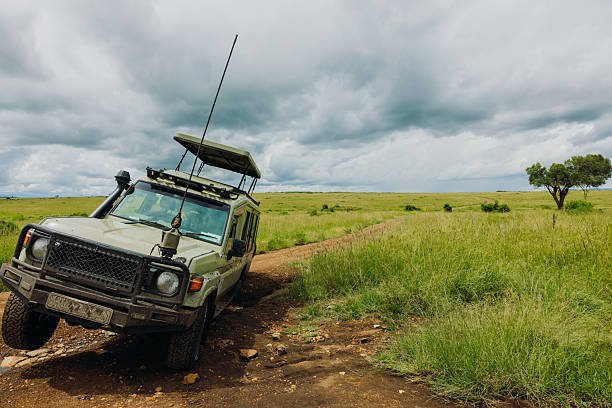
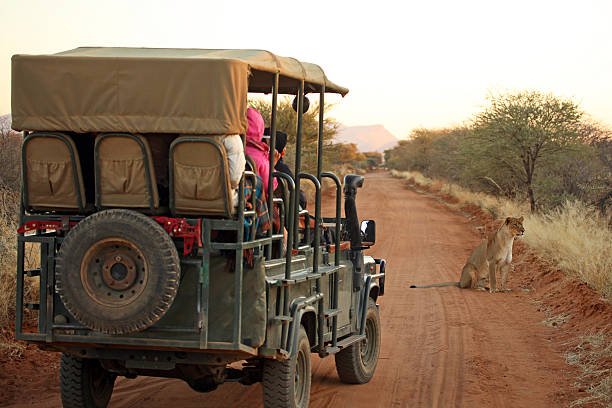
Day 1-3: Arrival and Kilimanjaro prep
Arrive at Kilimanjaro region airstrip or international hub, transfer to a first-night hotel near Moshi or Arusha depending on your flight. Orientation briefing and gear check, acclimatization walk around the foothills. Your climb briefing will cover the exact route choice (Marangu, Machame, Lemosho, or Northern Circuit) and the preferred pace. The first two days build acclimatization and equipment readiness before you move into high camp logistics.
Day 4-8: Kilimanjaro Full Moon ascent sequence
Begin the route with a steady ascent, balancing trail time with rest and hydration. The Full Moon timing affects daily start times, typically with a late afternoon camp setup to leverage moonlight for the summit push. Expect varying campsites and a sequence that prioritizes gradual altitude gain, with a summiting push occurring on the planned full-moon night. Your guide team will adjust daily mileage and breaks based on weather, fitness, and acclimatization data. After the summit, a controlled descent follows to a lower sleep route, with a transfer day back to the same lodge block for recovery and a celebratory dinner.
Day 9-12: Northern Tanzania Safari loop
Fly or drive to a central safari hub (often Arusha) then begin a classic Northern Circuit circuit: Tarangire National Park for iconic herds and baobabs, Ngorongoro Crater for a crater floor safari (without guarantees of wildlife density), and Lake Manyara or Serengeti options depending on group size and weather. Each day emphasizes realistic wildlife opportunities rather than promises, with morning and afternoon game drives, plus optional night drives where permitted. Accommodation during safari nights aligns to intimate lodges or tented camps near wildlife corridors.
Day 13-16: Transfer to Zanzibar by air
A short domestic flight from Arusha or a connecting hub takes you toward Zanzibar. After arrival, transfer to your beach base—options include a historic Stone Town stay for culture and a coastal resort for relaxed beaches. The sequence is designed to minimize backtracking and maximize rest days after the climb, with transfer times considered in your overall pace. Activities can include spice farm visits, snorkeling, or a sunset dhow cruise, depending on tides and weather.
Day 17-18: Zanzibar coast and departure logistics
The final two days are earmarked for rest and light exploration by sea and shore. You’ll have a guided beach day, optional snorkeling, and a final transfer to the airport for your international departure. This arrangement preserves recovery time after the Kilimanjaro ascent while offering a satisfying island wind-down before your flight home.
Practical notes and choices
- Transfers: The connection between mainland safari and Zanzibar typically involves a domestic flight or a short overland leg, scheduled to minimize fatigue and align with your international flight times. Your exact transfer sequence depends on flight availability and your hotel locations. We don’t promise fixed timings; your program will be confirmed after booking.
- Acclimatization: Kilimanjaro trekking requires a cautious pace. Your guide team will tailor the ascent profile to your fitness, with optional extra acclimatization days if needed. The Full Moon plan is built around the lunar schedule but remains flexible for weather constraints.
- Wildlife opportunities: Safari wildlife sightings are not guaranteed and depend on season, weather, and animal movements. Instead of promising specific animals, we focus on enriching experiences, wildlife behavior observations, and prime photo moments within realistic expectations.
- Accommodations: Lodges and camps are selected for comfort, accessibility, and proximity to parks. On Kilimanjaro, you’ll sleep in mountain huts or tents depending on the route; on safari, comfortable game lodge or tented camp experiences balance immersion with rest. Zanzibar stays range from historical boutique hotels to beachfront villas, chosen for ease of access to transfers and beach days.
- Season and tides: Zanzibar activities may hinge on tides for snorkeling or boat trips. The itinerary accommodates tide windows to maximize beach and water-based experiences without compromising rest days after the climb.
- Booking approach: Dates, exact flight connections, and accommodations affect the day-by-day flow. The outline above serves as a practical framework; the real sequence is finalized after confirming group size, dates, and current availability with Climb 4 Africa.
Why this structure works for a bookable plan
Combining Kilimanjaro Full Moon trekking with a Tanzania safari and Zanzibar finish makes the most of cluster flights and reasonable travel legs. It avoids long, exhausting backtracks and pairs a challenging mainland ascent with a balanced wildlife itinerary and a restorative island finale. The emphasis is on concrete transfer logic, plausible daily logistics, and accommodations chosen for comfort without over-promising wildlife encounters. When you’re ready to move to booking, we’ll align the route to your dates, confirm the Full Moon window, and finalize the exact camp/lodge sequence for your group size and fitness level.
Enhancing Practical Booking Clarity: A Reader’s Practical Gap-Filler
One important practical gap readers often encounter in a bookable plan like the Kilimanjaro Full Moon Safari and Zanzibar Holiday is an explicit, user-centered mapping of when and how transfers between the Kilimanjaro ascent, the Northern Tanzania safari circuit, and the Zanzibar segment occur, including the real-world constraints that can shift those transitions. To address this, this addon provides a concrete, current-style example of a bookable sequence that remains flexible to group size, flight connections, and seasonal realities, without asserting fixed dates or operator commitments.
Rather than listing a rigid day-by-day template, the following outline emphasizes transfer logic, typical timeframes, and decision points that readers can adapt with Climb 4 Africa or their preferred operator. The objective is to translate the high-level framework into a usable planning scaffold: which legs consume how many days, what internal travel options are realistic, and where feasible buffers should sit to accommodate weather, rest needs, and connection flights.
Transfer logic at a glance:
- Leg 1 (Kilimanjaro ascent): typically 4–8 days on the mountain, aligned with one of the established routes (Marangu, Machame, Lemosho, or Northern Circuit). The Full Moon element informs daily start times and camp rotations but does not create universal constraints for all groups. Acclimatization pacing is tailored by the guide team in response to fitness indicators and weather patterns.
- Leg 2 (Descent and recovery): usually 1–2 days within the same lodge block or nearby facilities to consolidate acclimatization gains, followed by a short rest cycle before onward travel. This recovery window is deliberately included to ease fatigue and ensure a smoother handoff to safari logistics.
- Leg 3 (Northern Tanzania safari loop): commonly 3–4 days across Tarangire, Ngorongoro Crater, and Lake Manyara or Serengeti fringe elements, chosen to balance wildlife opportunities with driving times and comfort. The sequence prioritizes efficient routing between parks and lodges, with buffer days for weather, vehicle availability, or park entry constraints.
- Leg 4 (Zanzibar): typically 4–7 days split between a beachfront stay and a potential historic or cultural segment. Transfers to Zanzibar usually involve a domestic flight from Arusha or a nearby airstrip to Zanzibar Town, followed by road transfers to beach destinations. Tides and local ferry schedules are considered when booking daytime water activities, to avoid missed departures.
Two practical decision points commonly encountered by readers are: how to align the domestic flight timing after the Kilimanjaro climb with the earliest feasible safari start, and how to pace the safari so that the Zanzibar beachfront days begin with adequate rest rather than immediate travel fatigue. The plan remains adaptable—readers should work with their operator to confirm final flight numbers, lodge availabilities, and park access days, recognizing that some days may be reshuffled to accommodate flight schedules and seasonal wildlife movement patterns.
Concrete example of a flexible transfer window (illustrative, not fixed):
- After a successful summit and a recovery night, travel from Moshi/Arusha area to the safari hub on Day 1 or Day 2 of the safari segment, depending on flight availability. A domestic flight to a central safari base or a short overland transfer can be selected to minimize fatigue. If a same-day flight is not feasible, a one-night buffer in Arusha or a near-lark hotel can be added to prevent rushed connections.
- Safari core days span three to four park days (Tarangire, Ngorongoro, and another park such as Manyara or Serengeti fringe areas). Driving times vary with road conditions and park access gates, but typical drives range 1–3 hours between lodges, with longer spans when crossing from Ngorongoro to Tarangire or toward the Serengeti perimeters.
- Zanzibar transfer occurs after the safari loop, with a domestic flight to Zanzibar Town and a road transfer to the chosen beach enclave. If the wind or seas are unfavorable for a second-day ocean activity, a rest day in Zanzibar Town can be added before beach days commence, avoiding double-back travel fatigue.
Accommodations and comfort balance stay across the three legs to support rest without compromising immersion. In Kilimanjaro, hut or camping options are chosen to optimize altitude acclimatization; on safari, lodges or tented camps emphasize accessibility to key wildlife zones and park gates; in Zanzibar, boutique hotels or beachfront villas prioritize easy transfer logistics and quality rest with time for beach or historical excursions.
Cost-awareness and scheduling realism are kept front and center. The bookable plan requires explicit confirmation of flight segments, lodge availability, and exact camp or lodge sequencing prior to payment. It remains important to track that seasonal tides, park closures, and internal flight slots can influence the proposed order of operations. Readers should approach booking with a flexible mindset, ready to adjust days by a single date or two to accommodate the actual availability and transits presented by Climb 4 Africa or their chosen operator.
Addressing a Practical Booking Gap: Clarifying Transfers, Time Allocation, and Realistic Flexibility
Readers often arrive at the Kilimanjaro Full Moon Safari and Zanzibar Holiday plan with questions that hinge on the concrete sequencing of transfers and how many days truly belong to each leg. The core gap is not about the destinations themselves but about translating a thematic 18-day concept into a workable, bookable sequence that accounts for flight availability, park access, and hotel logistics. This section adds a precise, appointment-driven layer to the plan without promising fixed dates or guaranteed wildlife outcomes.
To begin, the plan should explicitly map the transition logic between the Kilimanjaro ascent, the Northern Tanzania safari loop, and the Zanzibar beach finale, while maintaining a clear sense of where rest and acclimatization fit in. The Kilimanjaro segment inevitably consumes more days and involves time-sensitive elements such as acclimatization pacing, route choice, and the possibility of weather-driven delays. The safari leg, by contrast, depends on gate times, flight slots, and the distribution of lodge availability across Tarangire, Ngorongoro, and the optional extension to Serengeti fringe areas. The Zanzibar portion adds another layer of transfer choices, balancing domestic flight schedules with road transfers, ferry options (where applicable), and the sea-state that governs water-based activities. A practical booking-focused entry acknowledges these realities and presents a transfer-logic framework that operators and travelers can validate together during the booking process.
Concrete guidance for readers includes: (1) a reversible sequence that accommodates a late arrival in Kilimanjaro’s gateway towns and a flexible start to the ascent; (2) a transparent, day-by-day assignment of safari core days versus travel days, with scenarios for overland versus domestic flight connections; (3) the impact of tides and sea conditions on Zanzibar activities, and (4) the explicit need for operator confirmation of flight numbers, lodge blocks, and park access days before payment. This approach ensures that the plan remains adaptable without drifting into a fixed, unrealistic timetable.
In practice, a bookable version of the route may read as follows (conceptual, not fixed): after the summit and a recovery night near Moshi or Arusha, consolidate a transfer day to the safari hub that aligns with a domestic flight window or a short overland drive to minimize fatigue. The safari block is then arranged in three to four park days, distributed across Tarangire, Ngorongoro, and a third park that balances distance and likely wildlife movement patterns. The Zanzibar segment is sequenced after the safari, with a domestic flight to Zanzibar Town and a subsequent road transfer to a chosen beach enclave. If inter-connecting flights or road options are constrained by weather or schedules, a one-night buffer in Arusha or a nearby town provides a humane, fatigue-reducing cushion rather than pressuring a same-day handoff.
Readers should expect that the exact day numbers and camp or lodge sequencing will shift in response to flight allocations, park access gates opening windows, and the availability of accommodations. The goal is not to lock in a date-anchored plan but to secure the operational logic: where to transfer, how long to travel between zones, and how to pace acclimatization and rest to support sustainable enjoyment of the journey. This clarity reduces the cognitive load when finalizing bookings and helps ensure that group size, flight numbers, and hotel blocks align well with the trip’s overall rhythm.
To support practical decision-making, the section emphasizes several actionable checks before payment: confirm the exact route and preferred pace with the operator, verify lodging blocks near the selected parks, and verify that the domestic flights to Arusha, Tarangire/Ngorongoro bases, and Zanzibar are feasible within the travel window. Seasonal factors—such as park closures, tide schedules, and internal flight slots—can influence ideal sequencing. By maintaining a flexible yet grounded mindset, travelers can navigate the bookable plan with greater confidence and reduced risk of misalignment between expectations and actual logistics.
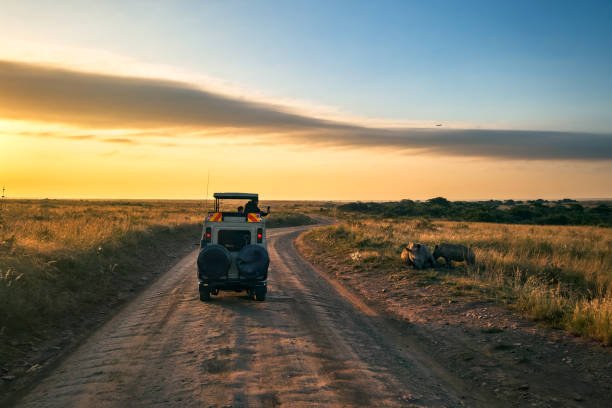
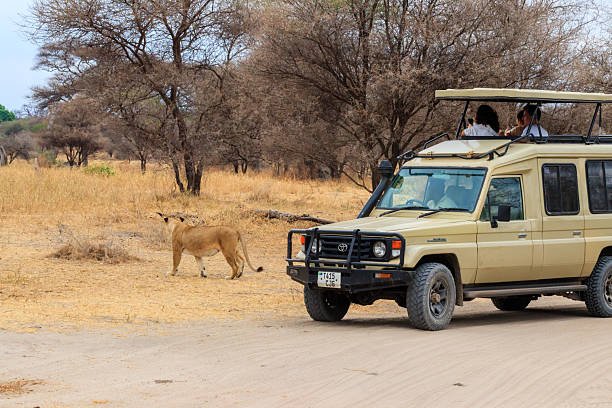
Gap-Driven Details: Concrete transfers, timing windows, and practical day-pacing for a bookable 18-day plan
One of the most actionable gaps readers often confront after reading a high-level outline is the need for a tight, bookable sequence that translates the Moonlit Kilimanjaro ascent into dependable safari and island days. This section provides a concrete, non-fixed template that foregrounds transfer logic, time allocation, and realistic pacing without asserting exact dates or secured commitments. The aim is to empower readers to validate logistics with Climb 4 Africa and local operators while preserving flexibility to adapt to flight slots, park gates, and weather.
Transfer architecture sits at the center of a bookable plan because the success of subsequent days hinges on predictable arrival windows, buffer time for fatigue, and the ability to connect with domestic flights or long overland drives without compromising acclimatization. The following sequence emphasizes explicit transfer legs and the minimal practical driving or flying times between zones, while clearly stating where flexibility remains essential due to seasonal or operational constraints.
Core transfer logic and day-pacing principles
- Maintain a consistent acclimatization cadence around Kilimanjaro: after the initial arrival and gear check, allow 24–48 hours of rest or low-intensity activity before the summit segment. This preserves sleep quality and reduces the risk of fatigue comorbidities during the ascent.
- Allocate a single transfer day between the summit and safari hubs to avoid back-to-back travel that could erode recovery time. This day should either end with a lodge in the Moshi/Arusha corridor or culminate in the first safari base within a practical driving or short domestic flight distance.
- Define safari blocks as three to four park days clustered in a logical geographic arc: Tarangire, Ngorongoro, and a third park that minimizes backtracking. Each block should be preceded by a rest or transfer day and followed by a transition to Zanzibar only after confirming domestic flight viability.
- Protect the Zanzibar segment behind a buffer day if possible. A single buffer day near the Zanzibar gateway town helps absorb delays in overland transfers or earlier safari days without cascading into rushed beach time.
Concrete, bookable day-pacing example (not a fixed itinerary)
- Days 1–3: Arrival, Kilimanjaro prep, kit check, acclimatization walk near Moshi/Arusha. The focus is gear readiness and a layout of the ascent route with the guide team. Do not fix a camp schedule here; confirm route preference (Marangu, Machame, Lemosho, or Northern Circuit) and pace within the acclimatization window with the operator.
- Days 4–8: Kilimanjaro Full Moon ascent segment. Start times and daily mileage are adjusted by the guide team based on weather and acclimation signals. A late-afternoon camp setup leverages moonlight for the summit push. The exact campsites and day-by-day mileage are left flexible to maintain safety margins and altitude response. After the summit, plan a descent to a lower sleep route and then transfer to a recovery lodge within the Moshi/Arusha block for one night.
- Day 9: Transfer to safari hub. This day becomes the hinge between mountain and plains. Choose a flight or overland option that preserves fatigue buffers: a domestic flight to Arusha or a short overland drive to a safari base (Tarangire corridor works well if the drive time is kept under 3–4 hours).
- Days 10–12: Northern Circuit safari loop. Three park days scheduled with a mix of Tarangire and Ngorongoro, plus a third park day that balances distance and wildlife movement. Driving times between parks are constrained by road quality and park gate hours; plan early starts to maximize wildlife visibility opportunities but avoid overlong days.
- Day 13: Safari-to-Zanzibar transition. Fly from a regional airstrip (e.g., from Manyara or Arusha) to Zanzibar Town with a connection to your beach enclave. If a direct flight is unavailable, an overland transfer to the coastal airport and a short domestic flight may be required. Confirm the connection with the operator before purchase to ensure feasible timing.
- Days 14–16: Zanzibar beach enclave. Optimize for a balance of rest and curated activities—sunset dhow cruises, spice tours, or reef-safe snorkeling—without overpacking the schedule. The tides matter less for beach time but can influence any water-based activities; confirm local conditions a day ahead with your beach lodge.
- Days 17–18: Buffer and departure coordination. Use this window to absorb any residual fatigue, finalize packing, and align with your international flight. Your operator should confirm the final domestic flight windows and any last-minute changes to ensure a smooth exit from Zanzibar.
Practical checks to lock in before payment
- Confirm the exact transfer sequence with the operator, including the intended order of Kilimanjaro ascent, safari bases, and Zanzibar start point. Ask for a proposed day-by-day rhythm that aligns with your preferred pace rather than a fixed calendar.
- Request lodging blocks adjacent to each park or major transfer hub (e.g., Moshi/Arusha for the climb, Tarangire/Ngorongoro bases for the safari, and a Zanzibar town near the chosen beach enclave). Clarify whether the blocks allow for late check-ins and early check-outs in case of flight delays.
- Seek confirmation of domestic flight slots and alternative routes in case of weather-related disruptions. Verify whether the operator can re-sequence days without eroding acclimatization goals or safari quality.
- Ask for a transparent contingency plan: a one-night Arusha or nearby town buffer, alternative park days, and a documented method to adjust the pace if participants experience travel fatigue or personal pacing needs.
By focusing on a clearly defined transfer logic and a realistic day-pacing framework, readers can translate a high-level 18-day plan into a bookable itinerary that respects acclimatization, reduces fatigue, and preserves the opportunity for wildlife encounters and beach relaxation. The emphasis remains on operational clarity—where to transfer, how long to travel between zones, and how to pace activities—rather than promising fixed sightings, exact flight numbers, or guaranteed accommodations. This gap-focused revision helps readers approach quotes and deposits with sharper questions, leading to a booking that better matches the intended rhythm of the Kilimanjaro Full Moon Safari and Zanzibar Holiday.
Clarifying the Transfer Rhythm: Practical Sequencing for the 18-Day Kilimanjaro Full Moon Safari and Zanzibar Holiday
Readers seeking a truly bookable plan benefit from an explicit, granular view of how the transfer rhythm links the Kilimanjaro ascent, the mainland safari loop, and the Zanzibar finish. The single most valuable unanswered question in many responses is: how explicitly do the days allocate between ascent, safari, and beach time when transfers, acclimatization, and potential delays are factored in? The following section provides a concrete, transfer-first interpretation that stays anchored to what can be realistically confirmed with operators like Climb 4 Africa and local partners, without claiming fixed dates or guaranteed sightings.
1) Transfer logic as the spine of the plan
– The sequence is anchored by the Kilimanjaro climb before the safari, then a flight or overland transfer to the safari hub, followed by another transfer to Zanzibar. This order is not arbitrary; it mirrors common logistical options that minimize backtracking and reduce fatigue from repeated long drives. The plan assumes a Kilimanjaro ascent with a fixed high-altitude window around the Full Moon, a subsequent recovery day, then a multi-park Northern Circuit safari before a domestic flight to an island-based beach enclave in Zanzibar. However, the exact days when you move between regions depend on your group size, flight availability, and time of year. Readers should treat each transfer as a firm decision point rather than a flexible ideal, and verify with the operator how the exact sequence translates to their departure date in 2027.
2) Day-by-day rhythm for practical booking (generic scaffold, not fixed dates)
– Days 1–3: Arrival and Kilimanjaro prep remain the acclimatization and equipment-check window. If weather or flight delays occur, these days can absorb mild shifts without compromising the high-altitude plan. The key is to keep the acclimatization pace gentle and maintain buffer time for gear fit and briefing sessions. This scaffolding is essential because the climb itself relies on a controlled tempo that supports safe ascent and gradual acclimatization.
– Day 4: Transfer to the climb base with a sleep near Moshi or Arusha. If your flight arrives late, this transfer may stretch into Day 5; you should not rush the gear check, as improper equipment fit or boot comfort can derail acclimatization outcomes.
– Days 5–8: Kilimanjaro Full Moon ascent sequence. The daily start times can shift by a few hours to align with moonlight and weather, but the total hiking hours per day should remain within the acclimatization bandwidth recommended by the guide team. Sundown routines should be kept flexible, allowing rest and hydration without sacrificing the climb’s safety margins. A typical pattern involves a guided ascent with planned camps that optimize altitude gains while factoring in weather windows. The final summit push targets the planned Full Moon night; if cloud cover or wind pushes the timing, the guide team will adjust by one day while preserving acclimatization goals.
– Day 9: Descent and transfer to the safari hub. The plan explicitly requires a recovery day setup—this is not a travel day to be shortchanged. The transfer to Arusha or a closer gateway should be scheduled with a buffer window for possible domestic flight modifications. This is the moment when the plan shifts from high-altitude logistics to wildlife-focused travel planning.
– Days 10–12: Northern Tanzania Safari loop. The suggested sequence prioritizes a logical routing from a northern hub to Tarangire, then Ngorongoro, and potentially Serengeti as a later optional extension if the booking permits. Each park stop is chosen to optimize practical driving times, safari vehicle logistics, and lodging proximity. The day pacing should avoid overpacking the schedule—two to three solid wildlife-focused drives per day with midday rest is common practice when weather and road conditions permit. Always verify that the chosen lodges can accommodate late check-ins or early departures if flight schedules shift unexpectedly.
– Day 13–14: Overland or short domestic flight to Zanzibar prep. This transition day should be treated as a formal transfer milestone, with contingencies for weather-related delays that could push the Zanzibar departure by a day or two. The Zanzibar start needs a smooth connection from the mainland, whether by flight or a domestic ferry; confirm which option your operator will secure and whether the day allows for a relaxed arrival and a half-day of reef-friendly activities or a spa/rest period to recover from the safari pace.
– Days 15–16: Zanzibar beach enclave. The rhythm here should be paced to balance rest with light, curated activities—sunset dhow, spice tours, or responsible reef snorkeling. The plan should explicitly acknowledge tides only when they affect the chosen activities or access to beaches and reefs. If a tide window alters a snorkeling session, switch to a land-based cultural activity or a relaxed beach day to preserve the intended rest break.
– Days 17–18: Buffer and departure coordination. The buffer days are essential for absorbing fatigue, packing, and aligning with international flights. If your domestic connection is delayed, the operator’s contingency should cover re-sequencing of the Zanzibar days or extending a hotel stay near the airport. The emphasis is on a graceful wrap rather than a rushed exit.
3) Concrete questions to lock in during booking conversations
– What is the exact transfer order and the rationale behind it given your group size and flight connections? A clear narrative from the operator should map Kilimanjaro ascent first, then safari, then Zanzibar, with explicit transfer spells between each leg and confirmed travel times. Ask for a diagram or schedule that shows the day-by-day rhythm and the expected driving or flight times between lodges and parks.
– Are lodging blocks clustered by transfer hubs with explicit late-check-in and early-check-out allowances? Request details about the allowed flexibility windows and what happens if a flight is delayed by a few hours. Lodging proximity to major parks or airports should be stated to minimize backtracking and maximize rest opportunities.
– What are the guaranteed-acclimatization buffers around the Kilimanjaro climb, and how is that maintained if the sequence shifts by one day due to weather? Confirm that the acclimatization windows and high-altitude rests are preserved even when the daily start times or camp locations shift.
– How does the operator handle a re-sequenced day due to fatigue or individual pacing needs? Request a documented method to adjust pace without eroding acclimatization goals or safari quality, including possible alternate days or park re-sequencing that maintains safety and wildlife- viewing opportunities.
4) Practical checks that keep the plan bookable rather than theoretical
– Transfer windows, driving times, and lodge blocks should be captured in a single, coherent document. Ask for a master itinerary that shows the exact days, nights, and base towns, with explicit transfer legs (e.g., Moshi/Arusha to Kilimanjaro base; Kilimanjaro base to Tarangire; Tarangire to Ngorongoro; Ngorongoro to Zanzibar flight hub). This helps compare options and confirm feasibility across multiple departure dates without overcommitting to a fixed calendar.
– Include contingency language for weather delays and other disruptions. The plan should describe a defined fallback route, not generic improv. For example, if the Kilimanjaro window slips by a day, what is the alternative high-altitude rest plan and how does that affect the safari start?
5) Why this transfer-first clarity matters for the overall experience
– A well-structured transfer rhythm reduces fatigue, preserves altitude acclimatization, and keeps wildlife viewing chances practical. It also anchors the cost discussion: longer buffers and careful sequencing often translate into more predictable lodging blocks and fewer last-minute flight changes. In short, a bookable plan with explicit transfer logic is more resilient to the inevitable uncertainties of international travel, especially when combining a high-altitude ascent, a mainland safari, and an island beach finish.
Beyond Transfer Windows: Practical Sequencing Nuances for the 18-Day Kilimanjaro Full Moon Safari and Zanzibar Holiday
Readers pushing for a truly bookable plan often confront subtle sequencing details that influence daily pacing, acclimatization integrity, and overall comfort. This section adds concrete, reader-facing considerations that sit between the transfer logic already described and the Day-by-Day reality of a fixed departure window. It stays firmly anchored in verifiable logistics, not speculative theater, while offering pragmatic knobs readers can request from their operator to lock in a feasible, enjoyable rhythm.
Acclimatization choreography remains the backbone of a successful Kilimanjaro ascent. If the plan must shift by one day due to weather, the core principle is preserving the highest-elevation rests and the overall altitude exposure profile. A single-day delay preceding the summit push should not compress the acclimatization sequence. Instead, incorporate a controlled pause at a mid-altitude camp with added hydration and low-intensity activity, while ensuring the following days retain the same cumulative altitude gain and rest opportunities. For instance, if the climb starts on Day 4 with a late start and ends Day 7 at high camp, a one-day slip would push the summit window to the night of Day 8, but the itinerary should still guarantee a pre-summit rest day at a similar altitude, even if the campsites shift by a few hundred meters in elevation. Operators should confirm these buffers in writing, including what constitutes a “rest day” at altitude and how day-lengths reallocate when camps move geographically on the slope.
Transfer fidelity between Kilimanjaro base operations and the northern Tanzania safari circuit hinges on predictable timing buffers. A bookable plan benefits from a master schedule that shows the exact transfer legs (for example, Moshi/Arusha to Kilimanjaro base; Kilimanjaro base to Tarangire; Tarangire to Ngorongoro; Ngorongoro to Zanzibar flight hub) with explicit departure and expected arrival windows. However, real-world variability—flight delays, gate closings, or security checks—dictates a second, contingency line in the document: a permissible one- to two-hour delay without triggering cascade changes to lodging or park days. The reader should request a clearly defined fallback protocol: if the Kilimanjaro window slips by more than a day, what is the alternative high-altitude rest plan, how does it affect the safari start, and what is the revised hotel block arrangement to minimize backtracking?
Day-to-day pacing within the safari component should reflect practical driving times and park dwell opportunities rather than idealized, all-day game drives. In Northern Tanzania, plan for varied drive durations (for example, Tarangire to Ngorongoro typically involves 2–3 hours of highway transfer plus park-entry time, with additional time for wildlife viewing en route). The bookable plan should list approximate daily drive windows per leg, including buffer time for fuel, meals, and potential roadworks. Readers should insist on a “flexible core” that preserves safari throughput—shorter, more manageable daily drives interspersed with rest mornings or afternoons at the lodge—so fatigue from the Kilimanjaro leg doesn’t erode wildlife-viewing opportunities or lodge recovery. Ensure the master itinerary distinguishes between actual travel hours and optimal wildlife viewing windows, which can be limited by heat, weather, and animal behavior but are not guaranteed by operator assurances.
Island logistics in Zanzibar should be treated as a separate, explicit sequence with its own transfer rhythms. Transfer to the Zanzibar beach finish typically involves a domestic flight from a continental hub (often Arusha or Kilimanjaro International) to Zanzibar. The plan should specify flight-connection time buffers to accommodate the domestic leg and any security or baggage-handling procedures unique to low-cost carriers or regional operators. Beach experiences should be described as optional activities with realistic tidal and sea-condition caveats. If a recommended beach time slot coincides with high tide, readers should see a clear alternative window for swimming, snorkeling, or cultural excursions so the schedule remains practical even when sea conditions are less forgiving than advertised.
Accommodation blocks, as a core coordination tool, deserve explicit alignment with the transfer rhythm. The reader should be able to reference a single master list that ties each lodging block to the corresponding transfer leg, including late-check-in allowances and early-check-out possibilities. If a flight delay affects a late arrival, the document should indicate whether the property can hold a room, relocate to a similar-level alternative within the same cluster, or reallocate a different sleeping block without breaking the sequence of days dedicated to safari exposure or climbing rest. This level of detail helps prevent backtracking and unnecessary travel on rest days, preserving energy for the next phase of the journey.
When planning contingencies, avoid generic fallback language in favor of a defined, operator-backed method. For example: if the Kilimanjaro summit window shifts by 24 hours, the plan specifies one alternative acclimatization day with a lower-elevation hike (for example, a forested corridor at 2,500–3,000 meters) and then a revised push window that maintains the original altitude exposure target. If a safari leg must be condensed or expanded due to weather or health considerations, the document should present two explicitly sequenced options (A and B) with estimated impact on lodging blocks, park permits, and internal flights, ensuring the choices remain within the published safety and wildlife viewing bounds. Readers should request these options be updated in the master itinerary with the same numbering and day count for easy cross-checking.
Finally, the plan should acknowledge that the exact dates, flight connections, and group size shape the precise sequence and timing. A robust bookable framework will always present a recommended core sequence while offering clearly defined variations that can be activated without destabilizing the entire plan. The key is transparency about where flexibility exists, how much, and what must stay fixed for safety and acclimatization. Readers should come away with a practical, mutable skeleton that a Climb 4 Africa coordinator can confirm against a specific 2027 departure, ensuring that the plan remains bookable, defensible, and readable without sacrificing the integrity of the Kilimanjaro climb or the safari and island experiences.
Related Guides and Packages
Check Availability for 18 Days Kilimanjaro Full Moon Safari And Zanzibar Holiday: Practical
Ready to compare dates, prices, and the best option for your group? Send the package name and travel month so the team can reply with a clear quote, availability, and what is included.
18 Days Kilimanjaro Safari And Zanzibar Holiday Package 2026-2027
18 Days Kilimanjaro Safari and Zanzibar Holiday Package.
View package details15 Days Kilimanjaro Safari And Zanzibar Holiday 2026-2027
15 Days Kilimanjaro Safari and Zanzibar Holiday.
View package details21 Days Tanzania Grand Adventure – Kilimanjaro Safari And Zanzibar 2026-2027
21 Days Tanzania Grand Adventure – Kilimanjaro Safari and Zanzibar.
View package details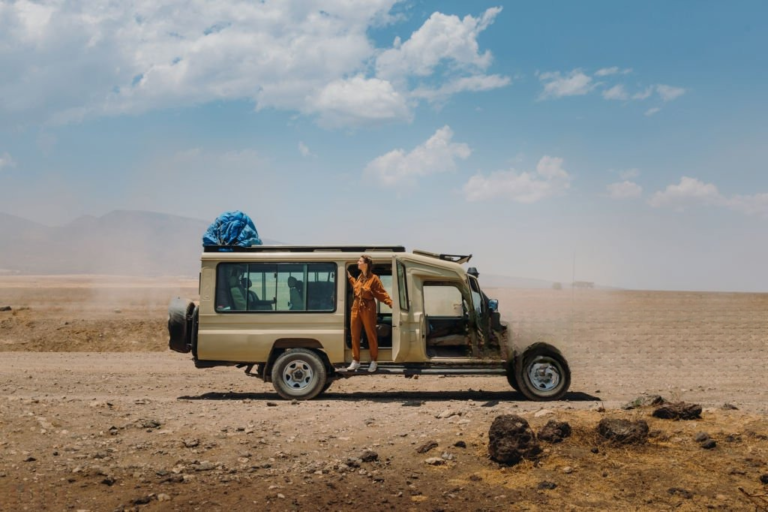
20 Days Luxury Kilimanjaro Safari And Zanzibar Retreat 2026-2027
20 Days Luxury Kilimanjaro Safari and Zanzibar Retreat.
View package details
18 Days Kilimanjaro Trek Budget Safari And Zanzibar 2026-2027
18 Days Kilimanjaro Trek Budget Safari and Zanzibar.
View package details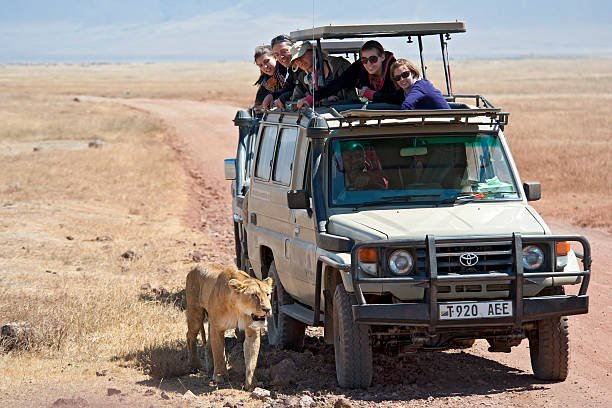
17 Days Kilimanjaro Group Climb Safari And Zanzibar 2026-2027
17 Days Kilimanjaro Group Climb Group Safari and Zanzibar.
View package details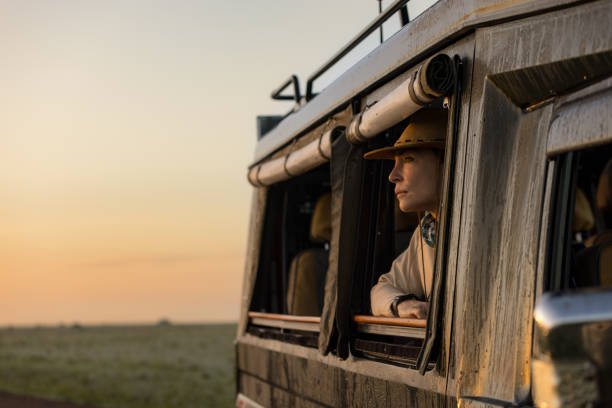
20 Days Northern Circuit Kilimanjaro Safari And Zanzibar 2026-2027
20 Days Northern Circuit Kilimanjaro Safari and Zanzibar.
View package details
19 Days Kilimanjaro Trekking Safari And Zanzibar 2026-2027
19 Days Kilimanjaro Trekking Safari and Zanzibar.
View package details17 Days Kilimanjaro Climb Safari And Zanzibar Beach 2026-2027
17 Days Kilimanjaro Climb Safari and Zanzibar Beach.
View package details
16 Days Kilimanjaro Serengeti Safari And Zanzibar 2026-2027
16 Days Kilimanjaro Serengeti Safari and Zanzibar.
View package details20 Days Ultimate Tanzania Kilimanjaro Safari And Beach 2026-2027
A complete 20-day, bookable Tanzania itinerary weaving Kilimanjaro ascent, northern safari circuits, and a Zanzibar-style beach finale with practical logistics and real-world pacing.
View package details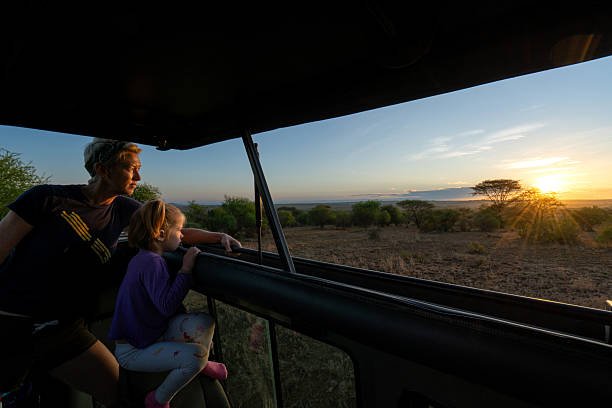
19 Days Kilimanjaro Tarangire Serengeti Ngorongoro Zanzibar 2026-2027
19 Days Kilimanjaro Tarangire Serengeti Ngorongoro Zanzibar.
View package detailsNo related package matches those filters. Clear one or more filters to see the other topic-matched options.



