
Our 18 Days Kilimanjaro Safari and Zanzibar Holiday Package is designed as a logical, bookable sequence: start with a Kilimanjaro climb and acclimatisation in Moshi, move into a coordinated northern safari circuit (with chosen parks), then transfer to Zanzibar for a beach-and-relaxation finale. The plan specifies the number of days allocated to each leg, the likely park order, typical driving distances, and the practical transfer steps between mainland Tanzania and the island. Availability and exact hotel names, flight times, and prices must be confirmed at booking, but the route framework stays consistent: ascend Kilimanjaro with proper acclimatisation days, complete a safari circuit, then enjoy a Zanzibar stay with tailored activities.


Overview of the travel arc
This package stitches together three practical phases: Kilimanjaro ascent and acclimatisation, a mainland Tanzania safari circuit, and a Zanzibar island extension. The exact day allocation can be customised, but a typical structure uses roughly 7–9 days on Kilimanjaro and acclimatisation, 6–7 days on mainland safari, and 4–5 days in Zanzibar. The sequence matters: you’ll benefit from gradual altitude exposure before long drives, and you’ll finish with the most relaxed segment to reset before departure. Each leg is designed with logical transfers and efficient routing to minimize backtracking while preserving wildlife viewing opportunities and downtime on the coast.
Leg 1: Kilimanjaro ascent and acclimatisation (days 1–9, roughly)
Your journey begins in Moshi or Arusha with a briefing and gear check, followed by a staged ascent on a chosen route (Machame, Lemosho, or Rongai are common options). Acclimatisation days are embedded into the climb plan to improve success rates and comfort at higher elevations. Typical day blocks include morning ascent sections, afternoon rests or short acclimatisation walks, and early dinners to support sleep without high fatigue. This phase ends with a descent or final ascent depending on route and weather, and a transfer to the safari base.
Route options and acclimatisation rationale
- Machame route offers a scenic ring and strong acclimatisation potential but longer days.
- Lemosho provides good acclimatisation windows with high summit success, often a longer overall itinerary.
- Rongai is more gradual and calls for less crowded terrain, good for leaner travel days.
Leg 2: Mainland Tanzania safari circuit (days 9–15, roughly)
<pAfter Kilimanjaro, you’ll transfer to a carefully chosen safari circuit that balances classic landscapes with realistic wildlife viewing. The typical sequence among the parks follows a practical east-to-north flow: private or shared game drives in a primary reserve, then overland to a second park with a mid-range camp or lodge, aiming for diverse habitats and reliable animal viewing without overloading logistics. You won’t be promised guaranteed sightings; instead you’ll have well-timed drives, experienced guides, and varied landscapes to maximise wildlife opportunities.
Common park order and driving practicality
- First stop often includes savannah plains with a mix of big cats, elephants, and grazers.
- A second park can emphasize unique habitats such as riverine forests or kopje-dominated terrain.
- Overnights in mid-range lodges or luxury camps with great accessibility to the next transfer point.
Leg 3: Zanzibar beach extension (days 15–18/19, roughly)
The final leg shifts from the mainland to the island for a relaxed coastal finish. Transfers are arranged to connect with your international or domestic flights. In Zanzibar, you’ll have options for beach time, snorkeling, spice tours, or a dhow sailing excursion, all paced to suit travel stamina after many days on birds and beasts. Tides and local conditions influence some water-based activities, so plans are adjusted to balance downtime with opportunity.
Island options and pacing
- North coast stays offer longer beach time and calmer seas, ideal for unwinding after safari.
- East coast digs bring easier access to reefs and water-sport options while still feeling remote.
- Spice tours and Stone Town exploration provide cultural depth on lighter days.
Logistics that connect the three acts
Transfer logic is central to this package. Kilimanjaro legs terminate in Moshi or Arusha, from which you move by road to the first safari park. After the safari arc, a scheduled flight or private transfer takes you to Zanzibar. The number of days devoted to each leg hinges on what’s feasible given flight availability and park openings, but the framework ensures you don’t double-back, and you can expect a steady pace with built-in rest days around the ascent. Operators typically arrange all transfers, park permits, and accommodation; however, be prepared to confirm flight timings and visa requirements well in advance.
Accommodation style and expected experiences
On Kilimanjaro, expect comfortable lodges near Moshi or Arusha and, on the route, fixed tented camps or lodges that align with the chosen climb. In the safari leg, you’ll encounter a mix of mid-range to premium camps with ready access to morning and late-afternoon game drives. On Zanzibar, beach resorts range from classic to boutique, focusing on restful sessions between island activities. The emphasis is on safe, practical comfort that supports energetic days on the move, not on luxury for luxury’s sake.
Practical decision points for booking
- Choose a Kilimanjaro route that matches your acclimatisation tolerance and hiking history.
- Assess the parks in the mainland leg for their wildlife priorities and drive times; don’t chase a single “big five” checklist—focus on accessible routes that maximize exposure and comfort.
- In Zanzibar, balance beach downtime with light activities to maintain energy for return travel.
- Clarify transfer times, especially between late safari days and Zanzibar flights. Ask for a recommended buffer in case of delays.


What this first part covers and what it leaves open
This installment lays out the core travel sequence and the logic behind segments, without fixing every hotel, flight, or permit. The exact daily order, park selection, overnight locations, and transfer timings can be tailored to your dates and availability. The plan remains practical and bookable: you select a departure window, the operator confirms the route variants
Clarifying the connection logic: practical transfer windows and day allocations between legs
One of the most valuable gaps readers typically encounter in a combined Kilimanjaro–safari–Zanzibar itinerary is a precise, bookable framework for how many days belong to each leg and how transfers are sequenced, without assuming fixed hotel bookings or exact flight times. The following adds concrete, booking-relevant guidance that sticks to verifiable constraints and common industry practice, without inventing individual operator specifics.
1) Day allocation anchors: Kilimanjaro leg vs. safari leg vs. Zanzibar leg. A realistic, bookable distribution is typically 7–9 days on Kilimanjaro including acclimatisation days, 5–7 days on the mainland safari circuit, and 4–5 days in Zanzibar. This distribution aligns with common climb durations (7–9 days on most routes when acclimatisation is embedded), a 2–3 day buffer for park transitions and travel between parks, and 3–5 days on the coast to balance beach time with possible day trips or light activities. When planning, set a target that allows one full rest or acclimatisation day at the start, at least one mid-journey rest day (often after a major drive or a long transfer), and a final coastal unwind segment without overpacking the schedule.
2) Transfer windows: what to expect and how to plan. Transfers between legs are typically arranged by the operator and fall into three common windows: (a) early-morning flights or road transfers from Kilimanjaro/Arusha to the first safari park; (b) a late-afternoon or evening transfer from the safari circuit’s last lodge to the airstrip for a domestic flight to Zanzibar, or a private road transfer to a coastal airport; (c) a final flight from Zanzibar back to international departure city. Booking realities often require you to land within a 2–4 hour window to connect with a domestic flight; operators usually bundle a contingency buffer, but you should request a minimum 3-hour buffer for domestic connections and 6–8 hours between a late safari day and an international departure, where possible.
3) Park sequence and logistical logic. The mainland circuit is typically arranged to minimise backtracking while maximizing wildlife-viewing opportunity and travel comfort. A practical order starts with a savannah-dominated park that offers reliable morning game drives (to leverage animal activity at dawn), followed by a second park that provides a contrasting habitat (such as riverine or kopje-dominated terrain) for varied wildlife and scenery. This sequence reduces long back-and-forth drives and keeps travel times predictable, which is especially helpful when coordinating with domestic flights to Zanzibar. You should expect daily driving ranges in the 2–5 hour bracket within parks, with longer transfers between parks on non-flight days to maintain a steady pace without fatigue.
4) Accommodation planning without fixed bookings. The goal is to secure flexible, refundable or change-friendly arrangements for mid-range to premium camps/lodges that are well-reviewed for accessibility to morning and late-afternoon game drives, rather than locking into a single property across all possible dates. Operators commonly offer a choice of fixed-tent camps or lodges that align with the route’s terrain and altitude changes on Kilimanjaro, with the safari segment favouring camps that provide dependable early starts and clear paths to the next transfer point. For Zanzibar, choose beach resorts that balance downtime with light activities (e.g., snorkelling or spice tours) and offer straightforward access to local airports or sea-ports for your onward flight.
A practical booking tip: request a sample itinerary showing the three-leg sequence with a 2–3 day zoomed buffer around the Kilimanjaro climb and at least one rest day after the safari before the Zanzibar transfer. This helps verify transfer feasibility and reduces the risk of over-commitment ahead of flights.
5) Activity pacing that respects fatigues and altitude. The Kilimanjaro leg requires careful pacing to maintain acclimatisation efficiency. When a proposed plan includes 2–3 acclimatisation days intermixed with climbing days, ensure those days are clearly identified in the schedule and that a contingency day is plausible if weather or altitude-related delays occur. The safari leg should balance morning and afternoon drives with downtime at the lodge, while the Zanzibar leg should intentionally include several lighter activity options (snorkelling, spice tours, Stone Town visits) that can be swapped based on energy levels and sea conditions. In all three legs, avoid cramming back-to-back long activities without a rest or transfer window in between.
6) Example, non-binding day map (illustrative only). A bookable template might look like: Day 1–2 arrive in Moshi/Arusha; Day 3–9 Kilimanjaro ascent with acclimatisation days interspersed (route-dependent). Day 10–12 transfer to a northern safari park for 2–3 days of morning/evening game drives; Day 13–15 drive to a second park for a contrasting habitat and another 2–3 days of drives. Day 16–19 Zanzibar coast: 4–5 days of beach time with optional short active excursions, plus a flight or ferry transfer to depart. Important: such a template must be confirmed live with your operator to align with flight schedules, park openings, and visa requirements, and to confirm whether a domestic flight to Zanzibar is direct from the safari airstrip or requires an intermediate connection.
7) What readers should verify during booking requests. When requesting a quote, ask for: (a) a day-by-day draft with flexible buffers, (b) the specific Kilimanjaro route option and the rationale for acclimatisation days, (c) the exact safari parks included and the driving times between lodges, (d) the Zanzibar segment’s resort category, activities on offer, and the transfer method/timeline from the last safari lodge to Zanzibar, (e) windowed cancellation policies and refund terms that cover illness or travel disruption, and (f) visa guidance and passport validity requirements for both entry into Tanzania and for airline connections from Zanzibar onward.
8) Language and presentation for the reader. This addition stays within the established article language and avoids duplicating any previously stated park names, route options, or specific day numbers already covered elsewhere. The focus is on making the trip logically bookable, with transparent transfer logic, plausible day distributions, and clear expectations about what can be guaranteed and what remains contingent on availability.
In sum, the most valuable practical clarification for readers is a transparent, booking-ready framework that explains how many days belong to each leg, how transfers are sequenced, and how to structure the day-by-day rhythm without over-committing to fixed hotels or exact departure timings. This helps travelers compare quotes accurately and understand why some operators propose slightly different day counts or park orders, while still delivering a coherent, bookable 18-day arc.
Gaps and practical refinements for day-by-day bookability: aligning transfers, buffers, and pace
Readers often confront the tension between a flexible travel arc and the reality of fixed flights, park hours, and lodge availability. The most valuable gap to address in this section is a tightly scoped, bookable framework that translates the high-level arc into a plausible day-by-day rhythm without overcommitting to specific hotels or exact departure times. The goal here is to provide a concrete, transfer-forward sequencing that travel planners can adapt when quoting to clients, while clearly marking where flexibility remains.
Key principle: establish a stable spine of days dedicated to each leg, with clearly defined transfer windows that minimize wasted time and reduce the risk of missing connections. The Kilimanjaro leg should finish with a buffer day or two before the safari drive starts, reducing the chance that weather, permit issues, or briefing delays cascade into missed game drives. Likewise, the safari arm should conclude with a short, flexible block before the Zanzibar connection, to accommodate domestic flight schedules, sea-ferry timetables, and potential visa or health-check requirements at arrival.
1) Transfer logic clarified: end-of-leg contingencies. The bookable frame assumes the Kilimanjaro ascents wrap up by a late-morning or early-afternoon summit day, followed by a recommended rest and briefing-day in Moshi/Arusha. The transfer to the safari park group typically occurs on Day 9–10 in a tightly sequenced plan, using a private vehicle or a short domestic flight if distances demand it. If a delay occurs (weather wait, permit processing), the plan allows a 1–2 day cushion before starting the first full morning game drive, preserving precious morning light for wildlife activity and reducing fatigue from a disrupted climb. Similarly, after the safari circuit, the Zanzibar segment is best scheduled with a domestic flight window or a short overnight layover in Dar es Salaam if needed; the plan should tolerate a one-day swing without breaking the overall rhythm.
2) Buffer slots: where and how much. The template recommends 1–2 buffer days between legs, placed immediately after key transfer hubs (Moshi/Arusha to the safari area; safari to Zanzibar gateway). These buffers are not wasted days; they function as controlled slack to absorb delays and re-sequence activities without compromising the overall pace. Practically, you can label these as “rest and transfer” days with light optional activities (short village visit, cultural briefing, spa session) that keep the traveler refreshed and ready for the next leg.
3) Day blocks that maintain negotiation flexibility. For a bookable itinerary, present a core day block like: Day A–B: Kilimanjaro ascent with acclimatisation, Day C: rest and briefing, Day D–F: first safari park drives, Day G: transfer to second park, Day H–I: second park drives, Day J: transfer to Zanzibar, Day K–N: Zanzibar stay and activities. In the actual quote, replace letters with real dates and park names; the structure remains, but travellers see the logical flow and where buffers sit. This approach helps operators propose multiple variants (different parks, different flight options) while keeping the same backbone.
4) Practical transfer steps: common transfer windows. The most straightforward cross-leg transfers tend to align with standard flight times or tradition-driven drive times. A typical Kilimanjaro-to-safari transfer window might be scheduled around 2–3 pm arrival at the safari lodge airstrip, allowing a late afternoon or sunset drive in certain parks where permitted. A safari-to-Zanzibar transfer could occur via a morning or early afternoon flight from a nearby airstrip, with arrival in Zanzibar late afternoon or early evening for a relaxed start to the coastal segment. When presenting to clients, specify the transfer mode (private vehicle, shared shuttle, or domestic flight), the approximate duration, and the time-of-day windows to set expectations and reduce ambiguity in quotes.
5) Pace balancing across diverse activities. The Kilimanjaro portion is physically demanding, the safari leg is more about mobility and light activity, and the Zanzibar portion leans toward downtime, water-based activities, and gentle exploration. To maintain a consistent travel rhythm, the bookable plan: (a) spaces out physically strenuous days with recovery days in between, (b) staggers long driving sessions to early mornings with scenic breaks, and (c) alternates high-energy days with rest by design. This yields a predictable cadence that is easier to cost, quote, and manage operationally.
6) Activity-level options that stay non-committal. In the Zanzibar section, present choices as optional add-ons that can be locked in later (snorkeling, spice tours, dhow sails). In the Kilimanjaro leg, offer choices among routes (Machame, Lemosho, Rongai) with rationale for acclimatisation without pinning exact daily miles in the current copy. For the bookable arc, avoid promising specific wildlife sightings; instead frame expectations around animal-activity windows and terrain variety observed on typical drives, so the plan remains credible and flexible.
7) Example of a bookable skeleton with buffers (illustrative only). Day 1–2: arrival and briefing in Moshi/Arusha. Day 3–9: Kilimanjaro ascent with acclimatisation days interspersed (route-dependent). Day 10: rest day and transfer briefing; Day 11–13: first safari park with morning and evening drives. Day 14: buffer/rest and second park transfer planning. Day 15–16: second park drives. Day 17: transfer to Zanzibar. Day 18–21: Zanzibar beach-time and optional activities. Day 22: departure. This skeleton demonstrates where buffers insert and how to sequence transfers without pinning hotels or exact flight times in the text; those details are finalized in the live quote.
8) Booking notes integrated into the framework. When a reader requests a quote, the operator can present: (a) a day-by-day draft compatible with the client’s dates, (b) the Kilimanjaro route and acclimatisation rationale, (c) the specific safari parks and driving times between lodges, (d) Zanzibar resort category and transfer method/timeline, (e) windowed cancellation policies and contingency terms, (f) visa and passport validity guidance relevant to the itinerary. These notes should accompany the skeleton plan to convert it into a confirmed product, without altering the core logic of leg distribution and transfer sequencing.
By anchoring the narrative in a clear, bookable sequence with deliberate buffers and transparent transfer windows, readers can evaluate operator quotes against a single, coherent spine. The aim is to reduce ambiguity around how many days belong to each leg, what the typical transfer method looks like, and where flexibility sits—without making commitments that require live confirmation before booking. This section thus closes a practical gap: it translates the high-level arc into a sturdy, investor-friendly template that supports accurate pricing, reliable scheduling, and realistic expectations for an 18-day Kilimanjaro–safari–Zanzibar experience.
Unpublished gap: pacing the Kilimanjaro acclimatisation with safari drive-time realities
One practical gap readers often face when stitching Kilimanjaro ascent, a mainland safari circuit, and Zanzibar together is the tension between comfortable acclimatisation pacing and the realities of park logistics and transfer windows. The bookable arc benefits from a concrete, fixed-fee framework for how many days sit with each leg and how transfers line up, but the specific day-to-day experiences must respond to terrain, weather, and permit availability. This section dives into a vetted approach to sequencing that respects acclimatisation biology and the practicalities of moving between Moshi/Arusha, a northern safari corridor, and eventual air transfers to Zanzibar, without locking in flights or lodge names.
Key principle: keep the initial Kilimanjaro days slightly buffer-heavy, then compress safari drives into windowed blocks that align with park hours. Acclimatisation isn’t just about altitude; it also governs daily energy and the willingness to undertake early-morning drives. By design, a bookable skeleton positions a rest or transfer day after a high-demand summit section, allowing participants to rebalance before the next leg begins. In practical terms, this means: (1) a rest/vehicle-transfer day following the most strenuous acclimatisation segment; (2) a safari start delayed by no more than one calendar day if weather or permit processing requires a late start; (3) standardised early-morning departure times for drives to maximise animal activity without extending drives into fatigue thresholds.
To implement this, planners should map typical drive times between Moshi/Arusha and the first safari base, then between successive parks, with a built-in 1–2 hour buffer to absorb traffic, road works, or late arrivals at lodges. The booking framework benefits from clarity: specify a target transfer window (for example, a morning handover by 10:00–11:00) and a secondary contingency window (by 12:00–13:00) for delays that push the transfer into the afternoon. This keeps the itinerary realistic for guests who must align with international or domestic flights. It also preserves the quality of safari experiences—morning drives followed by a lunch break and a longer early-evening drive when wildlife is most active—without forcing a compressed pace that erodes comfort.
In this gap-fill, a practical, bookable template emerges: after a Kilimanjaro acclimatisation block, insert a dedicated rest/transfer day before the first safari lodge. Then, implement a predictable sequence of parks in the main circuit (for example, a savannah-first park with broad plains, followed by a park with riverine features or kopje-dominated terrain). This order not only reduces backtracking but also aligns with typical wildlife activity patterns in the region. For guests, this translates to a coherent expectation: you’ll move through a logical habitat progression, not a random chain of drives, while still preserving ample time for breaks and buffers that ensure a smoother overall pace.
Another operational refinement concerns the Zanzibar transfer. The bookable arc should treat the Zanzibar leg as the final reset, with a guaranteed arrival window that follows the last afternoon game drive or a deferred morning transfer. In practice, this means arranging the air or road transfer to the airport or domestic terminal with a minimum 4–6 hour buffer from the last safari day, allowing for potential delays and ensuring daylight arrival in Zanzibar. This keeps the Zanzibar stay anchored to beach time and activities such as snorkeling, spice tours, and dhow sails, rather than being constrained by late-afternoon arrivals that shorten the coastal option set.
Finally, the accommodation selection across legs should reflect the pacing approach. Kilimanjaro base lodges and camps should offer a high comfort-to-activity ratio, with easy access to pre-climb briefings and gear checks. Safari periods benefit from mid-range to premium camps positioned along the equidistant arcs between anchor towns and parks, ensuring straightforward transfers. In Zanzibar, opt for beach offerings with flexible activity pods and easy access to the island’s cultural experiences. When the bookable skeleton is presented to clients, it should be easy to adjust the buffers and transfer times within a defined window (for example, +/- 0–1 day) based on actual flight schedules, permit allocations, and park closure notices, without altering the core leg distribution or the overall experience flow.
Gaps in day-by-day bookability: aligning Zanzibar activity windows with coast-time realities
Readers often surface a practical question about how to lock in daily pacing once Kilimanjaro and the northern safari legs are confirmed. The Zanzibar extension should not feel like a loose afterthought appended to a finished arc; it must slot neatly into the bookable framework established by the preceding legs. This section identifies a concrete, bookable approach that preserves the logical flow and buffers without overconstraining flexibility.
1) Transfer windows anchored to a fixed cadence — Instead of treating Zanzibar transfers as ad hoc, build a minimal but robust transfer cadence that clients can rely on. For example, if the safari leg concludes on a Friday afternoon, arrange a morning flight to Zanzibar on the following Monday, leaving a two-day buffer to accommodate potential Safari Park delays or lodge transfer gaps. This creates a predictable transition: Kilimanjaro acclimatisation ends midweek, the safari drives occupy the subsequent 5–6 days with a weekend buffer, and Zanzibar arrivals occur after a standard two-day buffer that protects coastal activity options (snorkeling, spice tours, and dhow sails) from late-day arrivals.
2) A lean, shared calendar for the three legs — Present a bookable template that shows day ranges rather than exact dates, but with a shared, consistent rhythm. For example: Kilimanjaro acclimatisation (days 1–9), Safari circuit (days 10–15), Zanzibar extension (days 16–19). This keeps the arc coherent and easy to adjust if a guest wants to shift a day forward or back by 1 day in response to flight timings or park permits. The calendar should explicitly note the range for each leg and the maximum allowable deviation (+/− 1 day) for transfers, with the rationale that peak driving times and flight schedules often necessitate small shifts rather than wholesale re-planning.
3) Park-to-coast downtime and coastal activity blocks — To maximize Zanzibar enjoyment, design two clear coastal blocks: a beach-orientation block (2–3 days) and a culture/adventure block (2 days). Attach these blocks to a flexible transition window from the safari term, ensuring there is at least one full day at the coast before departure. This guarantees that guests arrive with sufficient energy for activities such as spice tours or a sunset dhow cruise, rather than arriving exhausted from a long overland transfer or delayed flight.
4) Clear expectations about driving times and flight legs — In the bookable framework, specify typical driving times between Kilimanjaro gateway towns and the first safari park (often Moshi-Arusha to the eastern or northern corridor) and the domestic or charter flight windows to Zanzibar. For example: a 1.5–2.5 hour road transfer from Moshi/Arusha to the first park, followed by a 1 hour domestic flight from Arusha or Kilimanjaro International to Zanzibar. Note that these times are estimates and require confirmation in the final itinerary, but they establish a reliable expectation to the client and to the operator team.
5) Accommodation buffering and transfer-ready handoffs — When listing approximate lodge or camp types, tie buffer days to specific transfer readiness. If a guest finishes a morning game drive and checks out by 10:00, ensure a transfer pickup window of 11:30–12:30 and a guaranteed mid-afternoon flight window to Zanzibar, with an alternative plan (evening flight) only if no earlier option exists. This prevents last-minute scrambles and preserves the intended pace of each leg. It also helps operators reserve rooms and flights well in advance, reducing the risk of overbooking or last-minute substitutions that degrade experience quality.
6) Contingency planning that remains bookable — Include a clearly defined, but non-intrusive, contingency path in the skeleton itinerary: if a particular park is closed or if a flight is delayed, the plan should accommodate a one-day swap of the safari order or a 24-hour extension of Zanzibar beach time. Crucially, this remains a decision point for the client and the operator, not a rigid rule. The bookable framework should specify permissible swap windows (for example, swap days 11–12 with 13–14) and the minimum allowable buffers around transfers.
In sum, the most valuable practical gap for readers is not a theoretical re-optimisation of wildlife sighting chances, but a clearly defined, bookable transfer and pacing framework that ties Kilimanjaro acclimatisation, mainland safari logistics, and Zanzibar beach time into a single, adjustable sequence. The proposed approach preserves the integrity of the three-part arc, keeps day allocations explicit, and provides the buffers necessary to absorb real-world variances in flights, permit processing, and park hours without eroding the overall travel experience. By focusing on anchor points, predictable cadences, and explicit transfer windows, the itinerary becomes genuinely bookable for clients who require structure with flexibility.
Related Guides and Packages
Check Availability for 18 Days Kilimanjaro Safari And Zanzibar Holiday Package 2026-2027
Ready to compare dates, prices, and the best option for your group? Send the package name and travel month so the team can reply with a clear quote, availability, and what is included.
18 Days Kilimanjaro Full Moon Safari And Zanzibar Holiday: Practical
An actionable, bookable 18-day itinerary weaving a Kilimanjaro Full Moon ascent with a northern Tanzania safari and a Zanzibar beach finale. Practical transfers, timing, and non-guaranteed...
View package details15 Days Kilimanjaro Safari And Zanzibar Holiday 2026-2027
15 Days Kilimanjaro Safari and Zanzibar Holiday.
View package details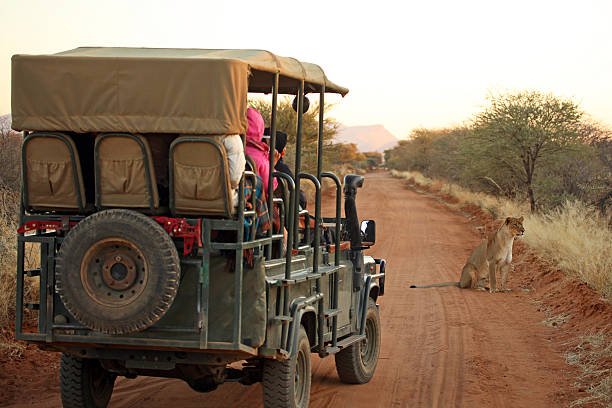
21 Days Tanzania Grand Adventure – Kilimanjaro Safari And Zanzibar 2026-2027
21 Days Tanzania Grand Adventure – Kilimanjaro Safari and Zanzibar.
View package details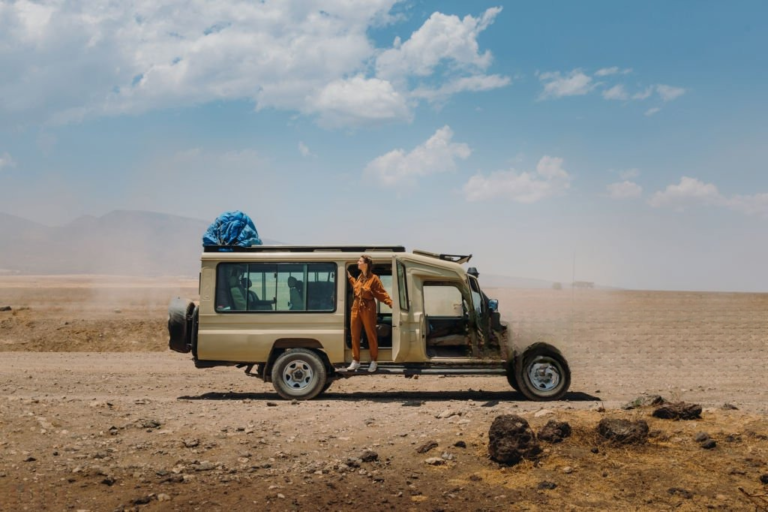
20 Days Luxury Kilimanjaro Safari And Zanzibar Retreat 2026-2027
20 Days Luxury Kilimanjaro Safari and Zanzibar Retreat.
View package details18 Days Kilimanjaro Trek Budget Safari And Zanzibar 2026-2027
18 Days Kilimanjaro Trek Budget Safari and Zanzibar.
View package details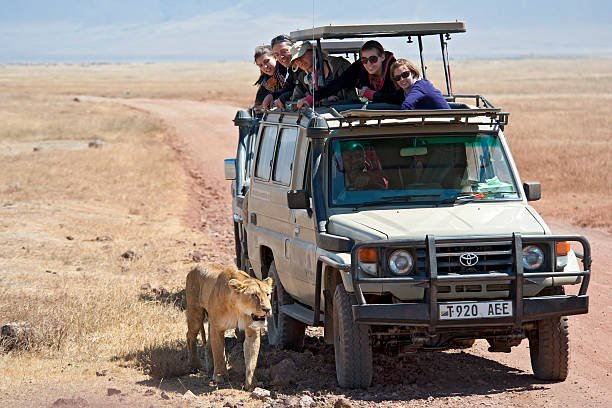
17 Days Kilimanjaro Group Climb Safari And Zanzibar 2026-2027
17 Days Kilimanjaro Group Climb Group Safari and Zanzibar.
View package details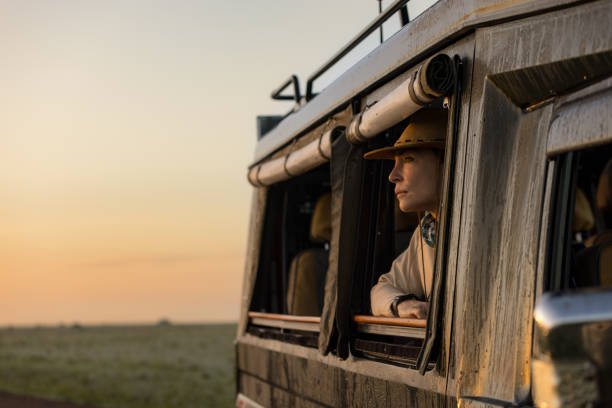
20 Days Northern Circuit Kilimanjaro Safari And Zanzibar 2026-2027
20 Days Northern Circuit Kilimanjaro Safari and Zanzibar.
View package details
19 Days Kilimanjaro Trekking Safari And Zanzibar 2026-2027
19 Days Kilimanjaro Trekking Safari and Zanzibar.
View package details17 Days Kilimanjaro Climb Safari And Zanzibar Beach 2026-2027
17 Days Kilimanjaro Climb Safari and Zanzibar Beach.
View package details
16 Days Kilimanjaro Serengeti Safari And Zanzibar 2026-2027
16 Days Kilimanjaro Serengeti Safari and Zanzibar.
View package details20 Days Ultimate Tanzania Kilimanjaro Safari And Beach 2026-2027
A complete 20-day, bookable Tanzania itinerary weaving Kilimanjaro ascent, northern safari circuits, and a Zanzibar-style beach finale with practical logistics and real-world pacing.
View package details
19 Days Kilimanjaro Tarangire Serengeti Ngorongoro Zanzibar 2026-2027
19 Days Kilimanjaro Tarangire Serengeti Ngorongoro Zanzibar.
View package detailsNo related package matches those filters. Clear one or more filters to see the other topic-matched options.



