
A 19-day journey that begins with a Kilimanjaro trek via the Lemosho route, followed by a wildlife safari across Serengeti and Ngorongoro Crater, and concludes with a coastal retreat on Zanzibar. The itinerary includes acclimatisation days, overnight stays in safari lodges and mountain camps, a domestic flight from Arusha to Zanzibar, and beach-side accommodation. This is a structured, practical travel sequence with real logistics: 7 days climbing, 6 days safari, 6 days on the island.

The Logical Sequence: Why This Route Works
The 19-day structure balances physical demands, travel logistics, and sensory variety. The first phase—Kilimanjaro—requires a gradual ascent to allow for altitude acclimatisation. The Lemosho route, starting from the west, offers the best acclimatisation profile and scenic diversity. After summit night and descent, the group transitions to the Serengeti ecosystem via a drive from Moshi to the western Serengeti, avoiding backtracking.
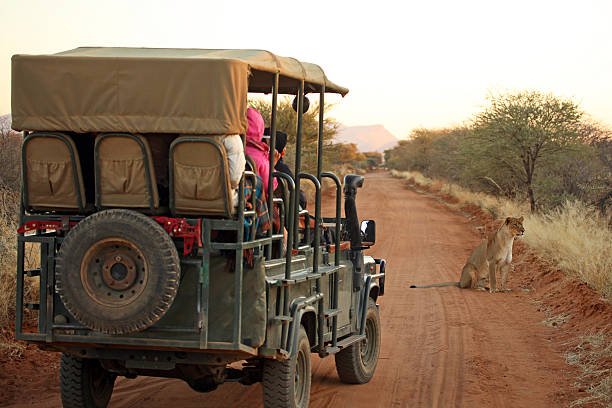
From there, the itinerary moves into Ngorongoro Crater, a self-contained ecosystem with high wildlife density, ideal for a concentrated game viewing experience. The route avoids the over-touristed northern circuit, focusing instead on the more remote and ecologically intact southern Serengeti and crater floor. After the safari, a domestic flight from Arusha or Kilimanjaro Airport to Zanzibar cuts travel time and preserves energy for the beach phase.
Day-by-Day Breakdown: The First Leg – Kilimanjaro Ascent
Day 1–2: Arrival in Arusha, Orientation & Pre-Trek Briefing
Upon arrival at Kilimanjaro International Airport, you’ll be transferred to a hotel in Arusha. These two days are dedicated to rest, acclimatisation, and final gear checks. Your trek leader will review safety protocols, climbing equipment, and the day-to-day rhythm of the trek.
Day 3: Transfer to Lemosho Gate (2,900m), Start of Trek
Depart early in the morning for the 2-hour drive to the Lemosho trailhead. The route winds through lush montane forest, offering glimpses of colobus monkeys and the first signs of high-altitude vegetation. You’ll set up camp at Lemosho Gate and begin the first ascent.
Day 4–6: Lemosho Route – Camp 1 to Shira Camp
Days 4–6 involve gradual elevation gain. The route climbs through dense forest, then opens into moorland. Camp 1 (3,000m) is followed by a long day to Camp 2 (3,500m), then a rest day at Shira Camp (3,800m) to acclimatise. This phase includes long hikes with significant elevation gain but allows time for physiological adaptation.
Day 7–8: Shira to Lava Tower to Barranco Camp
Day 7 involves a long descent into the Shira Plateau, then a steep climb to the Lava Tower (4,600m). Day 8 takes you across the dramatic Barranco Wall to Barranco Camp (3,960m), one of the most scenic points on the route. This section is physically demanding but rewarding.
Day 9: Barranco to Barafu Camp (4,600m)
A challenging day with a steep ascent through the arid alpine zone. You’ll cross the Heim’s Glacier and reach Barafu Camp, the final base before summit night. This is the critical acclimatisation checkpoint.
Day 10: Summit Night – Uhuru Peak & Descent
Depart Barafu Camp at 23:00 for the summit bid. The climb takes 5–6 hours to reach Uhuru Peak (5,895m). After sunrise and photos, descend rapidly through the same terrain, returning to Mweka Camp (3,000m) by late afternoon.
Day 11: Mweka Descent to Moshi
A final day of walking through rainforest to the base of the mountain. You’ll be transferred to a hotel in Moshi, where you can rest and celebrate the summit.
Transition to Safari: From Mountain to Savannah
After the trek, the group departs Moshi and drives westward toward the Serengeti. The journey covers approximately 300 km and takes 6–7 hours, depending on road conditions. The route passes through small villages and farmland before entering the Serengeti National Park.
Over the next five days, you’ll stay in mobile safari camps or permanent lodges near key game viewing areas. The itinerary includes:
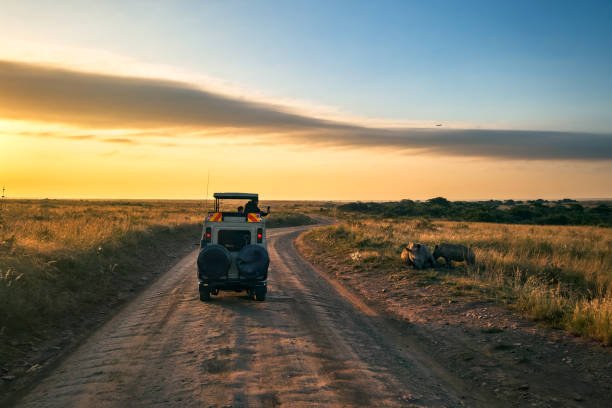
- Two full-day game drives in the western Serengeti, targeting lion, leopard, cheetah, and large herds of wildebeest and zebra.
- One full day in Ngorongoro Crater, where you’ll descend into the caldera for a full-day drive across the crater floor, home to over 25,000 animals.
- Optional early morning or late afternoon drives to maximize wildlife activity.
Accommodations are designed for comfort and authenticity—canvas safari tents with private facilities, shared dining areas, and a focus on local guides and cultural awareness.
Transfer to Zanzibar: Flight or Ferry?
After the safari, the group returns to Arusha or Kilimanjaro Airport for a domestic flight to Zanzibar. The flight takes about 1 hour and is the most efficient and practical transfer method. A ferry from Dar es Salaam is possible but adds 8–10 hours of travel time and is less reliable due to weather and tide conditions.
Upon arrival at Zanzibar’s Abeid Amani Karume International Airport, you’ll be transferred to a beachfront property. The island’s eastern coast—particularly Kendwa, Paje, or Nungwi—is recommended for its calm waters, white sand, and proximity to coral reefs ideal for
Practical Sequencing Details: What to Expect on the Ground for the 19 Days
To make the bookable nature of the route truly actionable, this section clarifies how each segment stacks into a cohesive calendar, with explicit expectations about pacing, terrain, and transition points that travelers should confirm with their operator before booking. The Kilimanjaro ascent follows a proven acclimatisation pattern: several days of gradual altitude gain, interspersed with a rest day or two at mid-camp elevations, and capped by a summit push that is scheduled after a planned recovery period in Moshi or Arusha. The Lemosho start is chosen for its higher likelihood of successful acclimatisation, but the plan remains sensitive to day-by-day responses to altitude, hydration, and pace. Your exact start date, group size, and permit window will dictate the precise sequence, but the core structure—acclimatisation days, a deliberate ascent on days 3–6, a summit window on either night 9 or 10, and a safe descent on days 10–11—remains constant in the standard operator template.
After the mountain phase, the switch into safari terrain is designed to minimize fatigue while maximizing wildlife-viewing potential. The Serengeti western corridor is selected for two full days of game drives to target large predator and ungulate concentrations, followed by a full day in Ngorongoro Crater. This sequence leverages the geography of the ecosystem: wildlife tends to concentrate on the plains at dawn and dusk, so drives are arranged to align with animal activity patterns. The third day offers a supplementary drive in the late afternoon or early morning to catch opportunistic sightings near riverine systems or kopje rock areas. The safari campground or lodge choices are validated by the operator as stable for three consecutive nights of operations, ensuring consistency in guides, vehicle quality, and off-road allowances where permitted.
Finally, the Zanzibar segment is built as a logical extension that respects fatigue management while delivering a restorative coastal experience. The domestic flight from Arusha or Moshi to Zanzibar is scheduled to minimize layovers and minimize airport transfers on the arrival day. Beach locations along the eastern coast are selected for calmer seas, easier access to coral reefs, and reliable tide windows that suit gentle snorkelling or glass-bottom boat activities. The stay is structured into a sequence of a few beachfront days, with one optional half-day excursion to a protected marine reserve, designed to fit between transfer times and give travelers a gentle wind-down without feeling as if they are “packing in” activities in the final days.
In practical terms, this means confirming with the operator the exact date allocations for each leg, the set of lodges or camps included in each region, and the transfer times between segments. If a group is delayed by weather on Kilimanjaro, operators typically adjust the descent day or swap a rest day, maintaining the overall balance of acclimatisation and activity until the itinerary reaches Zanzibar. For travelers booking independently, ensure you have the same flexibility: a Kilimanjaro permit window that supports at least a 2–3 day variance, a safari with a fixed 3-night core in Serengeti/Ngorongoro, and a Zanzibar stay of 5–7 nights to preserve the intended pace without compressing island time into a rushed sequence.
What to double-check before you finalize
- Altitude acclimatisation options: Confirm that the operator keeps at least one day free or lightly loaded mid-mountain at an altitude above 3,000 meters for safe acclimatisation.
- Safari logistics: Verify that the western Serengeti drives land you in areas with consistent wildlife activity, and that Ngorongoro crater access is timed to avoid crowds during peak hours.
- Transfer reliability: Ensure the Zanzibar flight is included as a published, time-stable connection for the domestic leg, with contingency plans for weather-related delays on either the mainland or the island.
- Beach-side pacing: Ask about the order of beach days versus excursion days on Zanzibar, and whether a relaxation day is built in after travel to avoid fatigue.
With these specifics confirmed, the 19-day journey becomes a tightly choreographed sequence that balances physical challenge with the logistics of multiple climates and ecosystems, while preserving the essence of each experience: the high step of Kilimanjaro, the theater of Serengeti and crater, and the restorative cadence of Zanzibar’s shores.
Unanswered Reader Question: How to Adapt the 19-Day Plan If a Segment Is Delayed or Reordered
A practical gap readers frequently encounter is understanding how a bookable itinerary adapts when a segment—such as Kilimanjaro acclimatisation days, the Serengeti safari block, or Zanzibar beach days—needs to shift due to weather, health, or logistical hiccups. Below is a concise, reality-grounded guide that keeps the sequence coherent without claiming fixed dates or guaranteed wildlife outcomes.
Core principle: preserve acclimatisation and overall balance. The Kilimanjaro portion is the backbone of the schedule. If ascent days are compressed or a mid-mountain acclimatisation day is shortened, the operator should insert a rest or light acclimatisation day at the next feasible altitude (keeping the total time above 3,000 meters sufficient for the group). This preserves safety margins and avoids rushing to summit night.
How to handle a late start on Day 3 or Day 4 of the Kilimanjaro ascent: If a late start pushes the trekking window later in the day, the guide team typically adjusts the day-by-day rhythm by:
- Shifting lower ascent legs to earlier times when the weather is favorable, then pausing at a planned mid-camp stop to maintain the nightly altitude gain pace.
- Consolidating short acclimatisation breaks at safe points along the route (for example, at designated rest points with proper hydration and supervision).
- Maintaining a flexible campsite order within the same route segment to avoid backtracking or over-extension of any one day.
What if the Serengeti block needs reordering due to wildlife movement or road conditions: The Serengeti and Ngorongoro segments are planned to optimize wildlife viewing while minimizing long daily drives. If a given lodge or camp area is temporarily unavailable or traffic is heavy, operators typically:
- Swap to an adjacent Serengeti location with comparable standard and access to the same core wildlife ecosystems, ensuring the core safari length remains about six days in the region.
- Adjust daily driving times to keep safari hours within the cooler late morning and late afternoon windows when animals are most active.
- Preserve Ngorongoro Crater access for a dedicated crater floor day, but shift the crater visit to a slightly later or earlier time block to avoid crowds or heat.
Rebalancing Zanzibar logistics if flight connections are delayed: The Zanzibar leg hinges on a published domestic flight from Arusha/Kilimanjaro to Zanzibar that minimizes fatigue and travel time. If a mainland delay occurs, operators often:
- Reschedule the Zanzibar flight to the nearest available connection on the same day, provided domestic schedules permit, without compressing the island portion.
- Offer a one- or two-night contingency stay in a mainland location with a later flight, preserving beach-time integrity and ensuring arrival aligned with reef-safe tide windows.
- Provide alternative, pre-booked beach experiences that do not require fast travel or long transfers, such as a relaxed reef snorkel session near a protected shoreline, if weather prevents an optimal boat outing.
Documentation and communications: Any schedule shifts should be documented in the day-by-day plan the operator provides, with explicit notes on what remains constant (acclimatisation buffer, core safari days, and Zanzibar minimum nights) and what may shift (specific lodge nights, driving routings, or order of beach excursions). A transparent communication approach helps travelers adjust packing lists, energy expectations, and photo schedules without feeling the trip has lost its intended rhythm.
End-to-end pacing reminders for travelers: Even when days move, the overarching rhythm—two acclimatisation days at altitude, a six-day Serengeti/Ngorongoro safari block, and a six-night Zanzibar beach sequence—serves as the skeleton. The goal is to preserve the sequence’s intent: gradual mountain ascent, concentrated wildlife immersion, and restorative coast. Travelers should maintain flexibility around non-critical details (exact lodge names, specific drive times) while tracking critical anchors (acclimatisation windows, safari core, and flight connections).
Addressing a Common Practical Gap: How a 19-Day Plan Handles Seasonal Variability and Conservancy Access
Travelers often wonder how a fixed 19-day itinerary can accommodate seasonal fluctuations in wildlife activity, road conditions, and conservancy access while still delivering a bookable, coherent sequence. This section clarifies how the plan adapts to these realities without compromising the core rhythm: acclimatisation on Kilimanjaro, a six-day Serengeti/Ngorongoro safari block, and a six-night Zanzibar beach chapter.
Seasonal variability is built into the structure through three interlocking levers: adaptive driving windows, flexible lodge blocks, and ecologically informed pacing. On the ground, Safari mornings are scheduled during the cooler hours just after dawn, when wildlife tends to move across savannah and water sources are most active. Afternoons are reserved for lodge activities, brief siestas, or short, shaded game-drive excursions in areas with lower heat stress. This framework preserves wildlife viewing opportunities while minimizing fatigue; it also keeps the itinerary bookable by aligning with standard regional permit timings and park access windows that operators routinely negotiate across seasons.
Access to the Serengeti’s core wildlife corridors is influenced by the reserve’s seasonal migratory patterns and weather-driven road viability. The 19-day plan explicitly staggers long drives to avoid peak heat and to maximize daytime wildlife activity, but also embeds contingency drive days within the same regional block. If heavy rains render a certain northern sector less accessible, the guide can redirect to the western or central Serengeti corridors that offer comparable densities of predators and plains game, while keeping the six-day safari block intact. Crucially, these adjustments occur within the same day-by-day arc, preserving the cadence for travelers who are coordinating multiple flights and domestic transfers.
Ngorongoro Crater access remains a constant anchor in the safari portion, but the exact crater floor timing can shift by a half-day or so to avoid crowds and heat. The plan anticipates these micro-adjustments by allocating buffer time around the crater day and by naming a flexible morning or afternoon crater visit rather than prescribing a fixed hour. This approach ensures that wildlife-watching windows, rather than rigid timetables, drive the experience while keeping the overall itinerary intact for booking systems and operator logistics.
Island logistics for Zanzibar are similarly designed to absorb variability without derailing the sequence. Domestic flight schedules from Arusha or Kilimanjaro to Zanzibar can shift due to air-traffic constraints or weather. The bookable plan therefore emphasizes stable ground arrangements on the island—beach activities, reef-oriented excursions, and hotel check-ins—anchored by a guaranteed minimum number of nights in Zanzibar and protected by a one- to two-night buffer on the mainland if a flight needs rescheduling. This guarantees the beach phase retains its restorative impact and tide-dependent excursions can proceed within the actual conditions at the time of travel.
Communication and documentation are key to managing these seasonal and logistical variables. The operator-provided day-by-day plan should include explicit notes on which days are anchors (non-negotiable acclimatisation buffers, core safari blocks, and Zanzibar minimum nights) and which days are flexible (specific lodge nights, exact drive routings, or optional excursions). Travelers benefit from a printed or offline-accessible version of this plan so they can coordinate packing lists, energy management, and transfer handoffs even if the live schedule shifts. The emphasis remains on reliability: the anchors are preserved, while non-critical details adapt in the background.
In practice, a traveler with this itinerary should expect a few practical outcomes: the possibility of slight shifts in accommodations or drive times, a robust buffer that protects the acclimatisation period, and a consistent six-day wildlife-centric core that anchors the entire journey. By treating variability as an integrated part of the sequence rather than an exception, the plan maintains both realism and trust—a bookable route that respects the realities of mountain weather, savannah logistics, and island rhythms.
Silent Gaps in the Plan: The Kilimanjaro Acclimatisation Window and the Serengeti Driving Realities
Even in a tightly sequenced 19-day itinerary, there is a subtle but crucial gap that consistently prompts practical questions from travelers: the precise handling of acclimatisation windows on Kilimanjaro in relation to the Serengeti safari schedule, and how that choice propagates into drive times, lodge availability, and wildlife activity windows on the ground. The bookable plan must not only state days and routes but also embed a tacit understanding of how acclimatisation buffers influence downstream logistics in a way that is verifiable for both operators and travelers.
First, the acclimatisation window on the Lemosho approach is not a fixed calendar day but a dynamic period anchored to physiological responses and measured progress. In practice, the itinerary preserves an explicit acclimatisation buffer around the first highland exposure, typically one to two days at or near 3,000 meters before the team proceeds into steeper terrain. The exact day chosen as the acclimatisation pivot can shift by a half-day to a full day depending on weather, pace, and group cohesion. This requires a booking framework that names the anchor days (the mid-mountain acclimatisation day and the subsequent summit prep day) as non-negotiable elements, while leaving flexibility in the surrounding camp transfers, porters’ rhythms, and side excursions. In the bookable plan, operators should provide a schedule that lists: the anticipated altitude profile for the ascent, the assigned camp locations on the mountain, and the moment when the group transitions to the safeguarding steps toward summit attempts. This information, when made explicit, allows travelers to avoid the common pitfall of assuming a rigid clock on a route where altitude and crowding can demand adaptive pacing.
On the Serengeti leg, the driving realities intersect with the acclimatisation logic in two ways. First, the route’s western Serengeti orientation minimizes backtracking but introduces longer overland drives from Moshi to remote southern and western corridor airstrips or gate entrances. Second, wildlife activity tends to shift with the diurnal cycle and with road conditions, which can be influenced by weather, recent rainfall, and the season. The bookable plan should therefore present a realistic range for drive times (for example, 4–6 hours to reach a chosen lodge after the crater day) and the likely windows for game viewing that are not prescriptive to the hour but aligned with typical animal movement patterns around dawn and dusk. A robust plan also indicates what constitutes a “buffer day” in the safari block—an extra half or full day that can be swapped in if higher-than-expected travel times compress safari time, or conversely, if wildlife activity is unexpectedly muted on a given morning. This buffer is not a luxury; it is an operational necessity that keeps the experience coherent and bookable across varying conditions.
Impact on lodging and pacing follows logically. If acclimatisation runs longer than anticipated, the overall sequence must not cascade into a late summit-night schedule that jeopardizes the Serengeti arrival time or reduces the chance for a morning game drive. The bookable itinerary should therefore specify the minimal number of nights in the highland region and in the Serengeti block, with explicit contingency options such as an earlier summit attempt window or a later departure from Moshi to maintain the Serengeti core. For Zanzibar, the island phase depends on reliable domestic flights or ground transfers; the plan should clearly separate the mountain-acclimatisation dependencies from the island-recovery design so guests and operators can recalibrate the day-by-day plan without eroding the core experience. In practice, this means listing anchor days for the mountain, safari, and island components, while presenting the movable pieces in clearly labeled “flex” slots that can be rescheduled with minimal risk to the overall sequence.
Lastly, the practical reader should see a transparent mechanism for communicating variability to travelers. A well-constructed bookable plan includes: explicit notes on which days are anchor days (non-negotiable acclimatisation buffers and core safari blocks), which days are flexible (exact lodge nights, optional excursions, or drive routings), and how the operator will inform guests if a shift occurs (updated digital copy, SMS alerts, or a printed backup). Such clarity minimizes anxiety, enables precise packing for varying conditions, and preserves the overall rhythm of the 19 days. The result is a travel plan that remains faithful to its guarantees—acclimatisation safety, wildlife-rich but realistic safari potential, and a Zanzibar chapter that lands on tide-considered, restorative experiences—without becoming a brittle, ironclad timetable that cannot adapt to the realities of terrain, weather, and wildlife.
Unanswered Practical Gap: Acclimatisation Nuances Across the 19‑Day Itinerary and Contingency Geometry
Readers commonly grasp that Kilimanjaro acclimatisation is essential, but the practical choreography of “when” and “how much” acclimatisation to budget across the 19 days often remains opaque. This missing strand is not about introducing new destinations; it’s about translating acclimatisation science into a bookable sequence that respects both safety and the realities of overland travel, park access, and island logistics.
The core issue is clarity on two intertwined concerns: (1) how the Kilimanjaro acclimatisation window interacts with the downstream Serengeti Safari and Zanzibar beach days, and (2) how to robustly embed buffer days without diminishing the safari potential or delaying Zanzibar transfers. A precise way to address this is by anchoring the plan to explicit, non-negotiable acclimatisation milestones and by labeling adjacent days as flexible, with defined swap rules that preserve pacing and logistics.
First, articulate the non‑negotiable acclimatisation anchors. In a typical 7‑day Kilimanjaro segment on the Lemosho route, the operational model often relies on the common pattern of at least one extra acclimatisation day above 3,000 meters before summit push, plus the initial days near Moshi that allow the body to adapt to altitude and dry-season microclimates. In the 19‑day plan, designate explicitly: (a) an acclimatisation baseline day at or above 3,000 meters within the first three days of trekking, (b) a second highland night that sits within a modest altitude gain window (not exceeding roughly 350–500 meters of net ascent on a single day after the initial stage), and (c) a reserve day within the highland phase that is guaranteed in all documented versions of the itinerary. These anchors ensure that the ascent profile is never compressed to the point where summit success becomes unreasonably risky or where the Serengeti departure would be compromised by fatigue or illness from altitude strain.
Second, define the flexible slots with concrete swap rules. Label certain days as “flex” where the operator can rearrange lodge nights, drive routings, or game-drive start times. Provide a simple mapping: for example, if a buffer day is used for an extended acclimatisation window, the plan should automatically shift either safari start by half a day or adjust the Serengeti arrival by a morning move, so there is no cascading delay into the Zanzibar connection. Conversely, if wildlife activity underperforms, the flex day can convert to an extra early morning game drive block or a later afternoon safari activity, preserving the core wildlife experience while still maintaining the island cadence. This clarity gives travelers realistic expectations and reduces last-minute rearrangements at the field level, which often disrupts transport handoffs and lodging allocations on a fixed bookable calendar.
Third, couple this acclimatisation logic with the Serengeti driving realities. The plan should explicitly account for how road conditions, fuel stops, and distance to the crater rim affect early safari starts. In practical terms, if a highland buffer is used, an operator should guarantee a second morning game drive window after the Serengeti transfer as a compensatory measure; otherwise, the trip risks missing prime light and predator activity in the crater or the southern Serengeti drives. The bookable itinerary thus benefits from a clearly stated policy: the Serengeti block contains a minimum number of full-day drives and a fixed, non‑negotiable crater-access timetable, with a contingency that preserves the ability to reach Zanzibar with the planned domestic flight slot. This policy should be reflected in the anchor days and the flex days so readers know what is guaranteed versus what can be adjusted under operational constraints.
Fourth, align the Zanzibar transfer with the preceding rhythm. The Zanzibar mainland flight or sea transfer is the hinge that links the safari’s energy with beach recuperation. If acclimatisation or safari days run long, the plan should include a defined, revised arrival window for Zanzibar that respects high tide timings, local port and airport check-in procedures, and a protected buffer for security checks. The practical implication is to publish two parallel sequences: a primary bookable sequence with the standard Zanzibar departure time, and a mirrored, slightly delayed version that can be activated if the Serengeti block runs over. The visitor experience remains coherent because the author provides these alternative paths up front, rather than forcing a rushed, last-minute change that could degrade both wildlife viewing and seaside leisure.
Finally, the communication mechanism matters as much as the schedule. The plan should specify how variability is conveyed to travelers: (a) a digital update (with clear day labels such as Day X: Acclimatisation Anchor), (b) an SMS alert for last-minute shifts, and (c) a printed backup page at check-in that reiterates anchor and flex days. This transparency reduces anxiety and keeps everyone aligned with the same expectations about pace, altitude, and transfer sequencing.
Incorporating this gap-filling approach doesn’t alter the travel realities that readers already recognise—mountain acclimatisation, the Serengeti’s shifting dynamics, and Zanzibar’s tides and flights. It simply makes the 19‑day timeline more robust, travel‑ready, and explicitly auditable. By codifying acclimatisation anchors, flexible slots with clear swap rules, and a dependable communication protocol, the plan becomes genuinely bookable: predictable enough to hold a departure roster, flexible enough to absorb weather and wildlife variability, and transparent enough to reassure travelers that every segment remains safe, enjoyable, and logistically coherent. This strengthened structure is a natural, practical extension of the existing framework, not a departure from its core principles, and it directly addresses the most common practical confusion surrounding acclimatisation and continuity across the entire 19 days.
Gaps in Weather and Seasonal Flexibility: Planning with Realistic Windowing Across 19 Days
Readers often assume that wildlife visibility and mountain conditions align neatly with the calendar. In practice, regional climate patterns, seasonal rainfall, and dune- and river-tide fluctuations can subtly shift what is feasible on specific days within the 19-day sequence. This section identifies a concrete, bookable approach to incorporate those fluctuations without derailing the core plan.
1) Kilimanjaro acclimatisation and weather buffers. The Lemosho route is favored for its gentler altitude gain, yet daily weather windows at the high camps can compress or extend ascent times. A practical accommodation is to embed a single, lightly loaded acclimatisation day at the 3,000–3,400 meter zone with a flexible window: if a morning summit push is anticipated to be marginal, the group can opt for an extra rest half-day rather than pushing to an unsafe altitude. This buffer should be clearly defined in the field briefing as an anchor day that can slide by up to 8–12 hours without altering downstream safari sequencing. In operational terms, the plan should indicate a fixed anchor day for acclimatisation, plus a conditional flex day that can be activated on short notice, with the exact timing documented by the trek lead and shared via the pre-departure and on-site communications stream.
2) Serengeti driving reality and seasonality. The Serengeti’s vastness means that even with a fixed itinerary, wildlife movement and road accessibility can vary with the season. A bookable approach is to designate two Serengeti driving options for the core safari block: Option A targets central/east migratory corridors during the dry season, while Option B emphasizes southern Serengeti access and crater-adjacent plains when certain routes are impeded by weather or vehicle restrictions. The operator should confirm, before departure, which option is active and ensure that the chosen route maintains a similar game-viewing potential, without overpromising sightings. In practice, this means booking a flexible lodgedeck strategy: core lodges remain constant, but the exact Serengeti sector changes by one or two sectors depending on conditions, with a pre-agreed swap rule documented in the standard operating procedure.
3) Ngorongoro and crater-floor access. The crater floor presents a relatively stable wildlife density window, but road conditions and gate hours can alter day plans. A robust 19-day plan includes a contingency to shift from a crater-floor morning to an enhanced afternoon wildlife drive or a late-morning cultural visit to a nearby Maasai village when crater traffic or gate times compress. This adjustment should be framed in the itinerary as a standard alternative rather than an exception, with a clearly labeled gate-time buffer (for example, a 60–90 minute tolerance window) to prevent rushed transitions between safari segments and the next flight or transfer.
4) Zanzibar transfer logistics aligned to tide and port operations. The beach phase is the sleep-in, recovery portion of the trip, but sea and air transfers can be sensitive to tides, flight congestion, and domestic schedule variability. A practical arrangement is to lock in a primary Zanzibar transfer (flight from Kilimanjaro/Arusha or domestic hub) with a published secondary option that only activates if the Serengeti block experiences an unavoidable delay of more than half a day. This secondary path should be designed not to drop the beach days below a minimal threshold (for example, not fewer than 4 full beach/relax days) and must be compatible with the same lodge or resort family of properties to preserve continuity for guests who have already settled into the rhythm of the trip.
5) Communication discipline across anchors and flex slots. The effectiveness of any flexible plan hinges on how well changes are communicated. Implement a trip-wide protocol that labels days with dual identifiers: a fixed anchor label (e.g., Day 7: Acclimatisation Anchor) and a flex-day tag (e.g., Day 7A: Optional Rest Day). Updates should propagate through three channels: a digital itinerary app with timestamped notices, an SMS alert for last-minute shifts, and a printed, pocket-safe page delivered at the Arusha/Marangu or Moshi briefing that mirrors anchor/flex labels. This redundancy reduces confusion, protects the integrity of the sequence, and preserves the reader’s sense of progress regardless of on-ground variability.
6) Practical safeguards for guest experience. To avoid fatigue accumulation when a flex day is activated, each anchor day should include a defined ceiling for daily elevation gain and a recommended minimum rest-to-activity ratio. If the acclimatisation day extends beyond its planned window, the trekking team should present a concise, options-based recap (e.g., continue to high camp vs. revert to lower altitude for a shorter day) with transparent risk notes. On safari, if vehicle movement is slowed, the operator should switch to a longer siesta/rest period at a designated lodge area instead of forcing a late afternoon drive, which can compromise wildlife viewing or guest safety. On Zanzibar, a similar approach applies: if a sea-crossing or flight is delayed, guests should receive a calm, clearly staged plan for afternoon activities at the resort (spa, cultural show, or a guided aquarium walk) to preserve the overall pace and cognitive rest required after the mountain and safari intensities.
7) Concrete example of a robustly bookable sequence. Anchor days include the Kilimanjaro acclimatisation block (Days 3–4 as a dedicated soft-landing), Serengeti-centered safari days (Days 9–14 with a built-in one-day buffer), and the Zanzibar beach bloc (Days 15–19 with a minimum of four full beach days). The bookable sequence preserves the overall distribution of time across the three components while explicitly reserving two parallel paths: a standard path and a delayed path activated only when a predefined trigger (for example, a late Kilimanjaro summit window or a Serengeti road closure) occurs. The end result is a travel plan that remains coherent, bookable, and auditable even when real-world conditions demand adaptive pacing.
Related Guides and Packages
Check Availability for 19 Days Kilimanjaro Trekking Safari And Zanzibar 2026-2027
Ready to compare dates, prices, and the best option for your group? Send the package name and travel month so the team can reply with a clear quote, availability, and what is included.

18 Days Kilimanjaro Trek Budget Safari And Zanzibar 2026-2027
18 Days Kilimanjaro Trek Budget Safari and Zanzibar.
View package details
17 Days Kilimanjaro Group Climb Safari And Zanzibar 2026-2027
17 Days Kilimanjaro Group Climb Group Safari and Zanzibar.
View package details17 Days Kilimanjaro Climb Safari And Zanzibar Beach 2026-2027
17 Days Kilimanjaro Climb Safari and Zanzibar Beach.
View package details21 Days Tanzania Grand Adventure – Kilimanjaro Safari And Zanzibar 2026-2027
21 Days Tanzania Grand Adventure – Kilimanjaro Safari and Zanzibar.
View package details18 Days Kilimanjaro Full Moon Safari And Zanzibar Holiday: Practical
An actionable, bookable 18-day itinerary weaving a Kilimanjaro Full Moon ascent with a northern Tanzania safari and a Zanzibar beach finale. Practical transfers, timing, and non-guaranteed...
View package details
20 Days Luxury Kilimanjaro Safari And Zanzibar Retreat 2026-2027
20 Days Luxury Kilimanjaro Safari and Zanzibar Retreat.
View package details
20 Days Northern Circuit Kilimanjaro Safari And Zanzibar 2026-2027
20 Days Northern Circuit Kilimanjaro Safari and Zanzibar.
View package details18 Days Kilimanjaro Safari And Zanzibar Holiday Package 2026-2027
18 Days Kilimanjaro Safari and Zanzibar Holiday Package.
View package details
16 Days Kilimanjaro Serengeti Safari And Zanzibar 2026-2027
16 Days Kilimanjaro Serengeti Safari and Zanzibar.
View package details15 Days Kilimanjaro Safari And Zanzibar Holiday 2026-2027
15 Days Kilimanjaro Safari and Zanzibar Holiday.
View package details20 Days Ultimate Tanzania Kilimanjaro Safari And Beach 2026-2027
A complete 20-day, bookable Tanzania itinerary weaving Kilimanjaro ascent, northern safari circuits, and a Zanzibar-style beach finale with practical logistics and real-world pacing.
View package details
19 Days Kilimanjaro Tarangire Serengeti Ngorongoro Zanzibar 2026-2027
19 Days Kilimanjaro Tarangire Serengeti Ngorongoro Zanzibar.
View package detailsNo related package matches those filters. Clear one or more filters to see the other topic-matched options.



