
The 20 Days Northern Circuit Kilimanjaro Safari and Zanzibar plan follows a practical sequence: begin with a Kilimanjaro ascent via the Northern Circuit route, finish the climb and acclimatize in Moshi, then fly to Nyerere or Arusha-based safari hubs for a multi-park Northern Circuit circuit (Mkomazi, Tarangire, Serengeti, Ngorongoro) over about 12–14 days, returning to a coastal gateway for a Zanzibar beach segment of 5–6 days. This structure keeps transfer times realistic, pairs high-altitude trekking with classic savannah game viewing, and ends with a relaxing Zanzibar stay. Real costs and departures require operator confirmation; the plan emphasizes the actual travel sequence, logistics, and practical choices rather than generic promises.


First, align expectations: what this 20-day plan covers
This itinerary is built around a real sequence: Kilimanjaro Northern Circuit ascent, descent, and acclimatization time in Moshi or Arusha, followed by a mainland safari circuit across preferred northern parks, then a Zanzibar beach conclusion. It does not pretend there is a single fixed timetable for every departure. Instead you’ll see a practical flow: ascent days, acclimatization buffers, game-drive blocks, overnight transfers, and a final island section designed to fit typical flight schedules and tide-friendly activities.
Why the Northern Circuit for Kilimanjaro?
The Northern Circuit offers less crowded routes and often cooler descent days, with a higher probability of seeing wildlife on the way to the gates. It blends long trekking days with opportunities to acclimatize gradually, and it’s well-supported by local staff at base camps in the Moshi/Marangu corridor. In this plan, the ascent typically concludes within 7–9 days depending on the chosen pace, followed by a shorter chance to rest and prepare for flight to the safari portion.
Section 1: Kilimanjaro ascent and acclimatization logistics
Day 1–2: Arrival in Tanzania and transfer to the Kilimanjaro region. After a briefing and gear check, you rest and adjust to altitude. Day 3–4: Trek via a Northern Circuit approach, alternating longer trekking days with acclimatization days, choosing between routes like Lemosho-based or remote northern traverses as available in your package. Day 5–7: Peak days with steady elevation gain and a return to the high camp area for the descent. Day 8–9: Descent to Moshi/Marangu, with a recovery day before the safari begins. A dedicated acclimatization buffer helps reduce fatigue for the safari ahead and gives time to address any minor symptoms early.
Important practical notes
- Acclimatization pacing is flexible; staff can adjust days to maintain safety and comfort.
- Gear, meals, and guide ratios are arranged by Climb 4 Africa with local partners, ensuring consistent support on the mountain.
- Descent and pack-out day arrangements include a celebratory briefing and a transfer to a safari-bound city area.
Section 2: Mainland Northern Circuit safari sequence
After Kilimanjaro, you’ll fly or drive to a base area near Tarangire or the Ngorongoro Conservation Area depending on logistics and flight options. The typical sequence is designed to balance drive times and game-viewing opportunities without overloading travel days.
- Tarangire National Park: a two-night stay to build up early wildlife momentum, focusing on elephant congregations and iconic baoboms along river corridors.
- Serengeti ecosystem: 3–4 nights split across a central corridor and a northern or southern sector depending on migration patterns and permit windows. Expect versatile game-viewing, with large herds in the Serengeti plains and dramatic landscapes around kopjes.
- Ngorongoro Crater: a 1–2 night stay with a crater floor descent day; wildlife density is high, including predators and a broad mix of herbivores.
- Optional add-ons: or a short walk or cultural visit to a local Maasai village, depending on your interests and timing.
Practical driving and logistics
Travel between parks is staged to minimize road time while preserving ample game-viewing windows. Most transfers are done in daylight for safety and to maximize wildlife spotting opportunities. Lodges are chosen for wildlife access, comfort, and predictable service levels. Guides coordinate early-morning starts to leverage the golden light and animal activity peaks.
Section 3: Zanzibar: flight, transfer, and island time
From the mainland, you’ll connect to a Zanzibar gateway—either by domestic flight from Arusha or Moshi area to Zanzibar’s Abeid Karume International Airport, or a short domestic hop via Dar es Salaam depending on the chosen routing. The Zanzibar segment spans five to six days, designed to balance beach relaxation with optional cultural and snorkeling activities.
- Beaches and variety: choose a north coast focus for steady sea breezes and calm waters, or southeast for better reefs and clearer snorkeling opportunities. Both zones offer easy access to spice tours and Stone Town strolls.
- Rhythms and tides: some water activities align with tide schedules; your guide will coordinate with the hotel to optimize snorkeling and boat trips around these patterns.
- Relaxation versus activities: you’ll have two to three solid beach days with lighter activities and one or two optional day trips (stone town excursion, spice farm, or a snorkeling trip).
Section 4: Practical booking and day-by-day sequencing
The actual days for each leg depend on your departure date, flight connections, and availability. A typical month might look like this when assembled by Climb 4 Africa:
- Days 1–9: Kilimanjaro Northern Circuit ascent and acclimatization, with descent into Moshi/Marangu area.
- Days 10–14: Northern Circuit safari circuit (Tarangire, Serengeti, Ngorongoro).
- Days 15–20: Zanzibar beach segment with transfer from the mainland to the island and time for beach relaxation, optional excursions, and departure planning.
Section 5: Realistic expectations: wildlife and scenery, not guarantees
Wildlife sightings can vary with seasons, weather, and animal movements. While this plan optimizes chances through well-timed drives and expert guides, it does not guarantee specific sightings. The emphasis is on structured opportunities, varied landscapes, and comfortable, well-supported travel between experiences.
Section
Refining connections: how transfers link Kilimanjaro to the Northern Circuit safari
One of the most practical gaps readers often have in a combined Kilimanjaro–safari–Zanzibar plan is understanding how the logistics of the mountain connect to the mainland wildlife circuit. The key point is that a bookable itinerary centers on transitions, not just destinations. After the summit push, most groups descend to Moshi or Arusha for a designated acclimatization buffer and a rest day before departing on the mainland safari. This buffer serves two crucial purposes: it consolidates acclimatization from the altitude exposure and allows your team to re-check gear, finalize vehicle allocations, and confirm flight connections with the safari base.
Flight routing from Kilimanjaro’s gateway area to northern safari hubs typically follows a straightforward pattern. If your safari base is Tarangire or Ngorongoro, the common practice is a domestic flight from the Kilimanjaro region to Arusha’s domestic terminal, then a short road transfer to your lodge or camp. If your operator arranges a slightly longer but more scenic route, you might first head to a Moshi–Arusha corridor transfer by road, especially when settlement times or flight schedules align more cleanly with late-morning departures. In all cases, the aim is to minimize total travel time on the day of transfer while maximizing time in light-filled game-viewing windows once you reach the reserve boundaries.
Within the mainland circuit, a typical sequence prioritizes two core objectives: consistently reliable game-viewing opportunities and steady driving breaks that reduce fatigue. Driving hours are scheduled to start at dawn, with the first game-drive blocks often overlapping with the soft, golden early-morning light that enhances wildlife photography. You’ll move between Tarangire, Serengeti, and Ngorongoro in blocks that balance long, rewarding drives with mid-day rests at strategically chosen lodges or tents that offer strong wildlife access and dependable service. Lodges are chosen not solely for comfort but for their proximity to water sources, known animal corridors, and their ability to anchor early-morning departures without long buffer times at gate openings.
When planning the Zanzibar section, readers often wonder how the transition from the Serengeti–Ngorongoro corridor to an island beach break works. The transfer logic mirrors the mountain-to-safari transition: you land in Zanzibar with a clear plan for a relaxed pace, balanced by a couple of optional, activity-rich days if you wish. The typical flow includes a domestic flight to Zanzibar’s Abeid Karume International Airport, or a short connection via Dar es Salaam if weather or schedule favors that routing. From the airport, your beach-resort stay becomes the anchor for a sequence of easy, restorative days: a mix of snorkel or reef walks, spice-taste excursions, Stone Town cultural visits, and optional sunset dhow trips. Transfers between hotel clusters on the island are short and predictable, designed to preserve maximum time on the beach and in calm, shallow seas for snorkeling or swimming sessions.
Booking implications are worth noting. Because this plan depends on real-time flight connections and availability, your operator will typically draft the exact day-by-day in a final itinerary only after confirming seats and lodge room blocks. What remains consistent is the logic: a fixed mountain-based acclimatization window, a mainland safari block with coordinated game-viewing opportunities, and a Zanzibar beach block that respects tides and weather patterns rather than forcing rigid activity schedules. By understanding this flow, you can align your own dates with flight hubs, ensuring you don’t lose precious time during transfers or suffer from mismatched activities that require overnight delays.
In sum, the crucial connective tissue is the transfer choreography. It’s the backbone that keeps a 20-day plan coherent: you summit and acclimatize, then transition to a sequence of parks with clear drive times and wildlife windows, then slide into a beach chapter designed for recovery and lighter adventures. When you review the day-by-day outline provided by your operator, look for how each transfer minimizes flight and drive time while preserving the optimal hours for wildlife viewing and restful breaks. That balance is what makes a Kilimanjaro Northern Circuit safari and Zanzibar itinerary not only bookable but also smoothly executable.
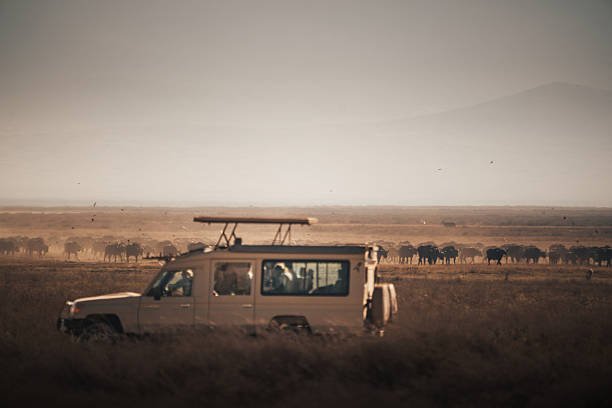
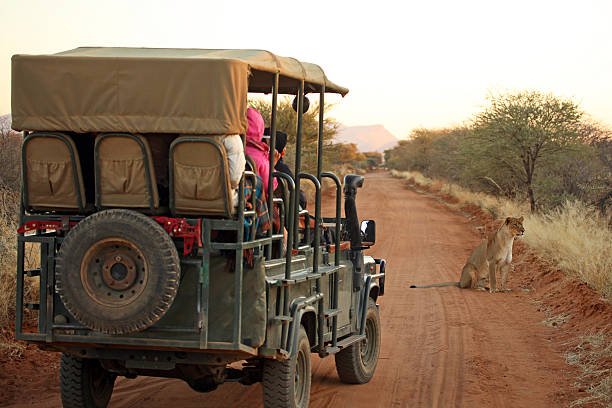
Clarifying transfer logic: choosing the right route for a smooth Kilimanjaro–Safari–Zanzibar experience
New readers often ask how the exact transfer sequence is determined when stitching Kilimanjaro’s Northern Circuit ascent to a multi-park mainland safari and finally to Zanzibar. The answer lies in optimizing flight connections, minimizing redundant travel time, and aligning park movement with wildlife activity windows and lodge availability. The plan assumes a practical anchor: you finish the mountain segment with a short acclimatization buffer in Moshi or Arusha, then transfer to a safari hub that serves as a gateway to several northern parks, before concluding with a Zanzibar beach block that respects tide schedules and domestic flight options.
Key decision points you’ll encounter in the planning phase, which your operator will confirm in your final itinerary, include:
- Gateway selection: Most itineraries default to Tarangire or Ngorongoro as the first mainland park, simply because their proximity to Kilimanjaro’s northern base camps reduces total travel time and preserves your first major game-viewing window after the climb.
- Flight vs. road sequence: Domestics flights from Arusha/Moshi to northern safari hubs (often to Kilimanjaro Airport area, Tarangire, or central Serengeti airstrips) are favored to keep driving segments to a minimum, but some routes still rely on a combination of short flights and scenic road transfers when schedules or weather constrain air options.
- Park pacing and buffer days: The mainland sequence balances long drives with concentrated game-viewing blocks. You’ll typically encounter at least one acclimatization-like day in between park transitions to stagger the intensity from the mountain. Your guide team may adjust these blocks if wildlife visibility is unusually high or if lodge availability tightens, but the overarching flow remains consistent: Kilimanjaro → northern parks → Zanzibar.
- Islands timing and tides: The Zanzibar block is arranged to maximize calm sea conditions and snorkeling windows, while also allowing for cultural and spice-tour activities without rushing beach days. Transfer timing is coordinated with your international and domestic flight stack to prevent stranded nights on the mainland.
Understanding these decisions helps you read the itinerary as a cohesive journey rather than a sequence of unrelated destinations. If a specific leg shows a longer transfer day than expected, you can usually reallocate a game-viewing focus to earlier or later drives, provided your operator has sufficient flexibility. The practical takeaway: the plan’s backbone is a coherent transfer choreography that preserves time for ascent recovery, wildlife experiences, and beach relaxation without forcing rigid, one-size-fits-all days.
In practice, you’ll see transfer notes embedded in day-by-day blocks of your final itinerary such as: a morning ascent day concluding with a flight-connected transfer to a Tarangire lodge, followed by a scheduled two‑to‑three‑day safari block in Tarangire and Ngorongoro, then a longer Serengeti circuit before heading to Zanzibar. Each segment aligns with park gate openings, typical road speeds, and seasonal wildlife patterns so you can anticipate reasonable drive times and optimal wildlife viewing opportunities without overpacking days.
From a safety and comfort perspective, the operator keeps the sequence conservative: no back-to-back long driving days, no wasted time during transfer, and consistent support from guides and crew from the mountain to the island. If weather or flight constraints require a late arrival into a park region, the plan typically moves a lighter activity day forward, ensuring you still gain the same cumulative acclimatization and wildlife exposure without compromising rest or safety.
Managing expectations for the day-by-day flow in a bookable plan
Because the itinerary hinges on real-time confirmations, the published overview emphasizes the logical structure rather than fixed dates or hotels. When you receive your confirmed itinerary, you’ll notice a clearly defined order: Kilimanjaro ascent with acclimatization buffer, a mainland safari sequence with staged drives between Tarangire, Ngorongoro, and Serengeti, then a Zanzibar layover with flights scheduled to minimize layovers and maximize beach time. The exact lodge choices, vehicle allocations, and guide teams will vary by departure and availability, but the sequence and decision rationale stay aligned with the model described above.
For travelers weighing the trade-offs, the most consequential choice is how aggressively to pace the mountain vs. how robustly to allocate safari time. A slower mountain pace (more acclimatization days) typically yields stronger summit success and reduced fatigue, while a more expansive safari block enhances wildlife exposure but requires tighter scheduling to fit Zanzibar’s flight windows. The plan centers on a balanced compromise: enough mountain acclimatization to stay safe, enough safari days to deliver meaningful wildlife experiences, and a Zanzibar segment that serves as a proper wind-down leg with restorative activities.
In short, the transfer choreography isn’t a single day’s magic trick; it’s the operational spine of a bookable 20-day journey. Clear communication with your operator before booking is essential so that you understand exactly which legs are fixed and which are flexible, and so you can align your expectations with the actual day-by-day you’ll receive in your final confirmation.
Enhancing the practical connection: pre-departure checks and current yields
Readers commonly ask how to verify that a chosen 20-day Kilimanjaro Northern Circuit, mainland safari, and Zanzibar plan aligns with real, bookable options on the ground. A focused pre-departure checklist helps ensure you’re prepared for the actual sequence without overcommitting to expectations that a given departure cannot fulfill.
First, confirm the mountain’s acclimatization pacing against the operator’s documented schedule. Even when a plan outlines buffer days for altitude, the exact allocation of rest days and ascent days can shift with group fitness, weather, and local guidance. Ask for a Kilimanjaro ascent profile that shows: day-by-day altitude targets, planned acclimatization rest days, and the maximum consecutive trekking days before a proper respite. A transparent profile helps you compare options between operators who may label buffers differently, but preserve the same ascent-through-acclimatization logic.
Second, scrutinize the mainland safari sequence as a series of fixed blocks versus flexible legs. The model often includes staged drives between Tarangire, Ngorongoro, and Serengeti with overnight stays in a rotating set of lodges or tented camps. To avoid surprises, request the indicative driving hours per leg, average wildlife-spotting windows (early morning and late afternoon), and the typical lodge class associated with each leg. Operators may switch parks based on flight feasibility or seasonal wildlife movements; understanding the decision points helps you assess how weather or seasonal feeders could alter the schedule without changing the core sequence.
Third, validate Zanzibar transfers against flight routing that minimizes layovers and aligns with international connections. A robust plan will specify the domestic flight segment into Zanzibar, the typical transfer time from Abeid Karume International to your beachfront property, and an alternative routing if a flight is delayed or canceled. If a layover is necessary, confirm whether your operator coordinates a buffer day or a same-day rebooking policy to avoid a forced overnight in a city hub. This detail matters more when you’re balancing a contained beach itinerary with travel fatigue from the mountain and safari legs.
Fourth, pair a practical luggage approach with gear logistics. Kilimanjaro trekking requires layered clothing, expedition weight distribution with porters, and a mind for weather changes. Safari days benefit from lighter packs for comfortable game drives, while Zanzibar evenings can demand both beachwear and cooler coastal air. Check how the operator handles porter allowances, secure storage during multi-venue transfers, and gear re-packing procedures when moving from high-altitude camps to plains lodges and onward to the coast. A clear policy on what is carried by guides versus what is carried in your suitcase reduces friction during day-to-day transitions.
Finally, insist on a transparent, single-source contact for changes and contingencies. The very best bookable plans provide a named operations coordinator who remains your point of contact across mountain, safari, and island segments. This reduces ambiguity when last-minute adjustments are required—whether due to weather, flight availability, or park access rules. A dedicated contact streamlines decisions and helps you maintain the intended flow without sacrificing safety or comfort.
What to bring to the pre-departure conversation
- A copy of the ascent profile with acclimatization days labeled and rationale explained.
- Detailed leg-by-leg safari map including park names, lodge references, and typical drive times.
- Flight routing chart for domestic connections with contingency options.
- Gear and luggage policy including porter allowables and on-ground storage options.
- Contact information for the operations coordinator and local guides in Moshi/Arusha, Tarangire/Ngorongoro Serengeti, and Zanzibar.
With these elements clarified, you can approach the 20-day journey as a coherent sequence rather than a scattered set of days. The practical edge comes from aligning the ascent pace, safari blocks, and island time to your personal tolerance for altitude, your wildlife interests, and your need for rest between long travel days. This alignment is the most reliable way to translate a bookable plan into a smooth, enjoyable real-world experience.
Handling seasonal variability: planning buffers and adaptable days
Even with a tightly sequenced plan, the practical day-by-day flow should include built-in buffers to accommodate shifting flight connections, weather delays, or unexpected park access restrictions. A bookable Kilimanjaro–safari–Zanzibar itinerary frequently interleaves high-altitude trekking days with multi-day game-drives, but the exact overnight placements can move by one or two days without affecting overall feasibility. In this section, we provide concrete, traveler-facing guidance on how operators typically build in flexibility while preserving the core sequence.
1) Acclimatization windows and safari pacing. The Northern Circuit ascent emphasizes controlled acclimatization; after the final summit descent, most operators schedule a 1–2 night rest period in Moshi or Arusha to ensure guests recover and receive a briefing on safari expectations. This buffer can slide by a day if weather or flight options demand it. On the mainland, safari blocks are designed as 3–4 night chunks in Tarangire, Serengeti, and Ngorongoro whenever possible, with shorter transitions between lodges if road conditions or timing require rerouting. Practically, you should expect at least a one-night cushion between high-altitude days and the first major safari drive day, even if the published overview shows a tight sequence.
2) Transfer logic and contingency landings. Bookable plans rely on domestic flights or road transfers between Moshi/Arusha and safari hubs such as Tarangire or Ngorongoro. When flight schedules shift by a few hours, operators typically convert a late arrival into a welcome briefing at the lodge, or reassign a breakfast-to-drive rhythm to preserve morning game-viewing windows. The key is that the plan maintains the same order of experiences (mountain, then mainland parks, then coast) while adapting the exact times. Expect clear, phone-friendly contingency notes from your operations coordinator outlining the revised transfer day and updated contact points at each stop.
3) Lodging and concession flexibility. In practice, the exact camps or lodges can vary within the same functional tier (comfort level, location convenience, and wildlife access). Operators commonly hold a small pool of equivalent options in each area, allowing them to swap accommodations without disrupting the day-by-day logic. When evaluating a proposed bookable itinerary, verify that the lodges share comparable drive times to key wildlife zones and that transfer days align with arrivals and departures from flights. This prevents a cascading cascade of delays later in the trip.
4) Passenger flow and shared transfers. For groups traveling with multiple clients, vehicle allocation and guide staffing can influence daily sequencing. If a large party arrives on a mixed domestic timetable, operators may consolidate drives or adjust start times to maintain a steady pace for everyone. The practical effect for you as a traveler is minimal disruption, but it’s worth noting that the published day-by-day map acts as a guideline rather than an absolute timetable.
5) Local regulations and park access. Sometimes access to certain areas depends on seasonal rules, permit allocations, or ranger staffing. Bookable plans account for these by embedding optional detours that preserve the overall wildlife-viewing opportunities while honoring conservation requirements. When a detour is triggered, you’ll typically gain extra game-viewing time in an adjacent area or a slightly longer but scenic route between camps, rather than sacrificing the sequence as a whole.
Maximizing value within a fixed sequence
The practical takeaway is to view the itinerary as a reliable spine: mountain ascent, acclimatization phase, mainland Northern Circuit safari, and Zanzibar beach segment. The value comes from how the spine flexes around real-time conditions while preserving recognizable landmarks and experiences: a guarded ascent pace that reduces fatigue; a safari rhythm that alternates between long mornings and shorter afternoons; and a coast segment that leverages predictable flight connections for a relaxed finish.
To participate actively in the planning, request a verification of the following from your operator: a clearly labeled ascent profile with acclimatization days; a leg-by-leg safari map with park names and typical drive times; domestic flight routings with contingency options; and a gear-handling policy that explains porter allowances and luggage transfers. A named operations coordinator should be listed as your single point of contact across mountain, safari, and island segments to facilitate smooth changes if needed.
Finally, align your personal expectations with the practical flow. The adventure emphasizes shared logistics, moderate altitude risk management, and balanced wildlife viewing opportunities rather than a guaranteed sequence of sightings. If you approach the plan with a flexible mindset and a ready-to-adjust schedule, you’ll likely experience a coherent, richly varied journey that stays true to the intended arc without turning a few hours of delay into a lost day.
Addressing practical sequencing nuances: transfers, buffers, and the Atlantic of choices
One of the most nuanced gaps readers often ask about in a combined Kilimanjaro–safari–Zanzibar plan is how exactly the mainland Northern Circuit safari ties to the mountain climb in concrete booking steps, and how buffers are applied without breaking the rhythm of the 20-day arc. This section drills into those decisions with concrete, bookable-sequence logic, avoiding generic assurances and focusing on verifiable flow elements you can confirm with an operator before you commit.
Transfers: the backbone of a coherent sequence
In a typical bookable plan, the mountain segment ends with a descent into Moshi or Arusha, followed by a daytime transfer to a safari base hub. The exact route is rarely a single fixed path; it depends on flight timings, park access windows, and domestic connections. The most reliable approach is to look for a tailored transfer block that explicitly names a start time, vehicle type, and pickup point in Moshi/Arusha, followed by a driver hand-off at the safari base. The hand-off is the practical hinge: the mountain team schedules your exit from the highlands and hands you to the safari crew with a concise briefing, a copy of the day-by-day safari map, and a contact from the safari operations desk. This reduces the risk of misalignment between mountain and savannah legs and preserves the overall flow even if a domestic flight slips by a few hours.
When planning, ask the operator for a clearly labeled transfer window: stage 1 (mountain to gate), stage 2 (gate to lodge near Tarangire or Ngorongoro), and stage 3 (transfer to the first safari camp). Each stage should include an expected drive time, expected arrival window, and contingency options (alternate lodges, an extra acclimatization night, or a slightly altered order of parks) in case of delays. If the plan lacks explicit stage-by-stage timings, it is a sign to request detail before signing.
Buffers that actually work: how many, where, and why
A practical 20-day plan reserves block buffers that are genuinely actionable rather than theoretical. The most useful buffers appear as one or two optional days tucked between the mountain descent and the safari start, and as flexible drive-day adjustments within the safari circuit. For example, a buffer day between Kilimanjaro descent and Tarangire can absorb a late group arrival, a weather-induced delay in the altitude camp, or a late domestic connection. On the safari leg, a built-in half-day buffer before the Serengeti crossing, or a morning drive that gradually transitions into a longer afternoon game-viewing window, can mitigate issues like rough road conditions or a late departure from a lodge. Importantly, these buffers should be explicitly labeled in the booking terms as “optional” or “contingent” days, with a transparent rationale (reducing fatigue on altitude days, preserving optimal wildlife viewing times, or aligning with flight slots to Zanzibar).
Vehicle and guide logistics: continuity across the spine
Another practical gap many readers encounter is ensuring continuity of leadership—having the same guide or a clearly coordinated handoff across mountain, safari, and island segments. A robust plan provides the name and contact of a single point of contact (SPOC) who coordinates all three legs. The SPOC confirms the mountain lead’s expected release time, passes a concise briefing to the safari guide about anticipated road conditions or park access nuances, and ensures Zanzibar transfers align with the final flight schedule. In real terms, this means your day-by-day map includes both the mountain guide’s contact and the safari guide’s contact, with a short note about the handoff process and what to expect on arrival at the safari camp. This clarity reduces last-minute scrambling and preserves the intended pace of the itinerary.
Island logistics: tides, flights, and beach-time priming
On the Zanzibar segment, practical planning again hinges on confirmed flight timings and the beach activities you’re targeting. If the schedule features afternoon departures from Arusha or Moshi to Zanzibar, the plan should show a crisp handover from the safari base to the coastal gateway, with a recommended check-in window at the airport and a note on baggage allowances for domestic flights. The Zanzibar end is not simply a pause; it’s a different rhythm—spare time for a spice tour, a sunset dhow, or a clear-room afternoon by the water. A bookable plan will present a small choice menu for the last few days (e.g., a short Stone Town stroll versus a lagoon-side resort day) and tie those choices to a final domestic flight back to the mainland only if needed for international connections. This is where real, verifiable sequencing matters: the Zanzibar portion should not require improvisation or last-minute rewrites of the preceding days because a flight was missed or a lodge was overbooked.
How to verify the bookable sequence with your operator
- Request a stage-by-stage diagram: stage 1 mountain-to-gate, stage 2 gate-to-safari-hub, stage 3 safari-to-Island airport, stage 4 Zanzibar stay. Each stage should list: port of departure, expected travel time, transfer vehicle type, and a contact for the on-ground team.
- Ask for explicit buffer days and the conditions under which they would be invoked. The plan should name what triggers a buffer (flight delay, weather closure, park access restrictions) and what benefit the buffer provides (extra rest, extra wildlife viewing, or a reduced fatigue schedule).
- Require a single operations coordinator or SPOC who can be reached during travel for any moment of uncertainty, plus a back-up contact for emergencies. This person should be able to confirm changes and relay updated documents (new transfer times, lodge changes, or alternative flight routings).
- Insist on a current, legible day-by-day map with park names, lodge references, typical drive times, and the sequence’s logic explained in plain terms—no abbreviations that obscure meaning. Have the operator explain any deviations from the usual sequence when a late departure or closure occurs.
- Confirm that all costs associated with the buffers, transfers, and contingencies are transparent and included or clearly itemized in the contract, not hidden in optional add-ons that appear later in the booking flow.
In essence, the single most valuable unanswered question readers likely have is: how does the published day-by-day sequence translate into real, bookable options across mountain, savannah, and island, without sacrificing the core arc of the plan? The answer lies in explicit, stage-by-stage logistics, clearly defined buffers, and a dedicated point of contact who can preserve the itinerary’s rhythm in the face of real-world delays. By focusing on these concrete transfer assumptions and buffer strategies, you can choose a plan that remains coherent from Kilimanjaro ascent through Zanzibar relaxation, even when flights or road conditions shift.
The bookable sequence, at its core, is a spine. The value comes from how operators flex around that spine while maintaining recognizable experiences: a careful mountain pace that respects acclimatization; a safari rhythm paced for reliable wildlife viewing windows; and a coast-and-relaxation finish that aligns with practical flight connections. If you push for transparent stage-by-stage details and a named coordinator, you reduce uncertainty and preserve the integrity of the journey you’re signing up for.
Related Guides and Packages
Check Availability for 20 Days Northern Circuit Kilimanjaro Safari And Zanzibar 2026-2027
Ready to compare dates, prices, and the best option for your group? Send the package name and travel month so the team can reply with a clear quote, availability, and what is included.
21 Days Tanzania Grand Adventure – Kilimanjaro Safari And Zanzibar 2026-2027
21 Days Tanzania Grand Adventure – Kilimanjaro Safari and Zanzibar.
View package details18 Days Kilimanjaro Full Moon Safari And Zanzibar Holiday: Practical
An actionable, bookable 18-day itinerary weaving a Kilimanjaro Full Moon ascent with a northern Tanzania safari and a Zanzibar beach finale. Practical transfers, timing, and non-guaranteed...
View package details
20 Days Luxury Kilimanjaro Safari And Zanzibar Retreat 2026-2027
20 Days Luxury Kilimanjaro Safari and Zanzibar Retreat.
View package details
18 Days Kilimanjaro Trek Budget Safari And Zanzibar 2026-2027
18 Days Kilimanjaro Trek Budget Safari and Zanzibar.
View package details
17 Days Kilimanjaro Group Climb Safari And Zanzibar 2026-2027
17 Days Kilimanjaro Group Climb Group Safari and Zanzibar.
View package details
19 Days Kilimanjaro Trekking Safari And Zanzibar 2026-2027
19 Days Kilimanjaro Trekking Safari and Zanzibar.
View package details18 Days Kilimanjaro Safari And Zanzibar Holiday Package 2026-2027
18 Days Kilimanjaro Safari and Zanzibar Holiday Package.
View package details17 Days Kilimanjaro Climb Safari And Zanzibar Beach 2026-2027
17 Days Kilimanjaro Climb Safari and Zanzibar Beach.
View package details
16 Days Kilimanjaro Serengeti Safari And Zanzibar 2026-2027
16 Days Kilimanjaro Serengeti Safari and Zanzibar.
View package details15 Days Kilimanjaro Safari And Zanzibar Holiday 2026-2027
15 Days Kilimanjaro Safari and Zanzibar Holiday.
View package details20 Days Ultimate Tanzania Kilimanjaro Safari And Beach 2026-2027
A complete 20-day, bookable Tanzania itinerary weaving Kilimanjaro ascent, northern safari circuits, and a Zanzibar-style beach finale with practical logistics and real-world pacing.
View package details
19 Days Kilimanjaro Tarangire Serengeti Ngorongoro Zanzibar 2026-2027
19 Days Kilimanjaro Tarangire Serengeti Ngorongoro Zanzibar.
View package detailsNo related package matches those filters. Clear one or more filters to see the other topic-matched options.



