
Travelers start with a managed Kilimanjaro ascent or acclimatization days near Moshi, followed by a staged northern Tanzania safari circuit (Tarangire, Serengeti, Ngorongoro) returning to Arusha for a short flight to Zanzibar. The Zanzibar portion follows a curated beach-and-heritage itinerary on the east coast, then a smooth transfer back to the mainland for departure. This plan keeps a clear sequence, explains transfers and day allocations, and avoids promising fixed wildlife sightings or fixed hotel names until bookings are confirmed.


Overview and flow
This 15-day itinerary is designed around a bookable travel plan that pairs a responsible Kilimanjaro experience with a practical safari loop and a relaxing Zanzibar conclusion. The Kilimanjaro portion is kept to a practical length for acclimatization and trekking readiness, with options ranging from a guided ascent to a shorter acclimatization climb that builds confidence and safety. After the mountain, you move into a classic safari circuit, visiting major northern parks in a realistic order that minimizes backtracking and maximizes wildlife viewing chances without overhype.
Key planning decisions you’ll make include how many days to allocate to Kilimanjaro versus safari, the length of the Zanzibar beach portion, and whether to focus on a luxury or mid-range experience. This first segment centers on a feasible sequence you can actualize through Climb 4 Africa, with transfers and logistics explained clearly but not over-committed to specific hotel names or exact wildlife outcomes.
Phase 1: Kilimanjaro approach and acclimatization (Days 1–5)
Starting from Moshi or Arusha, you’ll choose a Kilimanjaro route aligned to current safety and acclimatization best practices. Typical options include a controlled approach that minimizes altitude risk while maximizing scenery and cultural engagement. The first 2–3 days emphasize gentle trekking and rest days near the lower slopes, enabling your body to adapt before steeper climbs. If you opt for a shorter ascent, you’ll still have designated acclimatization days to reduce the risk of altitude issues. This phase includes pre-departure briefings, equipment checks, and a clear day-by-day pace that respects your fitness level and current mountain conditions.
Practical notes:
- Direct flight or transfer from Moshi/Arusha to the safari start is arranged after your Kilimanjaro segment; this avoids backtracking and keeps the holiday flowing.
- Altitude safety is a priority; your guide will adjust daily distances and ascent speeds to the group’s condition.
- Accommodation choices during this phase are selected for easy logistics and quick access to trailheads or rest areas, with most nights near Moshi or on the foothills.
Phase 2: Northern Tanzania safari circuit (Days 6–11)
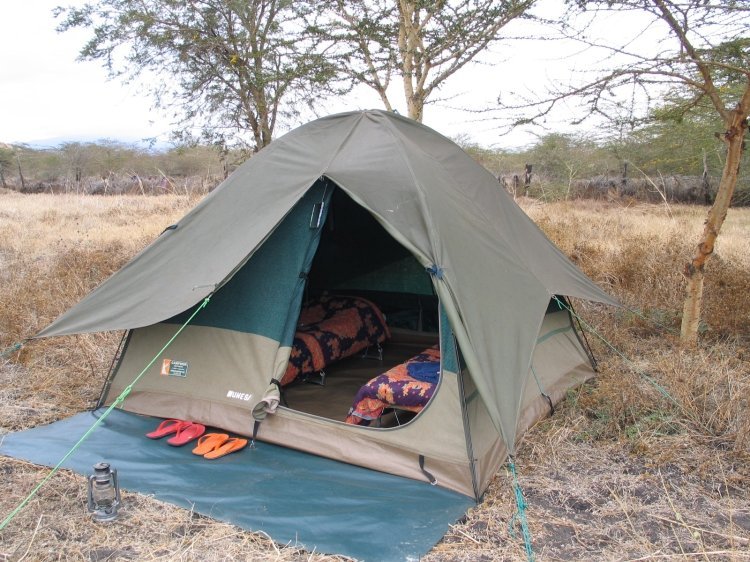
After descending, you’ll transfer to a safari base and begin a classic northern circuit. The typical sequence involves Tarangire National Park first, then the Ngorongoro Conservation Area, and finally the Serengeti ecosystem. This order minimizes long back-and-forth travel and concentrates game-viewing opportunities in a practical route. The drive days are long but scenic, with comfortable lodge or tented camp stays that balance wildlife immersion with rest. While sightings cannot be guaranteed, the route is designed to maximize legitimate wildlife-viewing opportunities through park timing and informed routing.
What to expect logistically:
- Day-by-day safari drives with a knowledgeable local guide, shaded picnic spots, and scheduled water/merchandise breaks.
- Evening camp/camp-site experiences that emphasize authenticity without sacrificing comfort.
- Conservation-minded activities and optional night drives where permitted, subject to park rules and weather.
Phase 3: Zanzibar island break (Days 12–15)
From the northern parks, you’ll fly to Zanzibar for a beach-focused finale. The island portion is crafted to balance relaxation with cultural exploration, depending on your preference for quiet beaches or in-depth spice-and-stone-town experiences. Transfers between airstrip and hotel are coordinated for smooth transition. You’ll have a couple of full days on the east coast, with opportunities for snorkeling, cultural tours, or simply time on the shoreline. The final day includes a comfortable transfer back to the airport for your onward flight.
Considerations for the Zanzibar leg:
- Be mindful of tides, if you’re planning any water-based activities on specific days; some experiences depend on tidal windows.
- Accommodation types range from boutique beach lodges to mid-range all-inclusive-style properties, chosen for great access to beaches and enough downtime after the safari.
- The pace stays relaxed, ensuring you return home rested rather than exhausted from a rushed sequence.
Flight and transfer framework
The backbone of this 15-day plan is a clean sequence of flights and transfers that reduces wasted time. After the Kilimanjaro segment, you typically connect via a domestic flight from a Moshi/Arusha airstrip to a northern gateway (often near the safari parks). Following the safari, a domestic flight to Zanzibar is scheduled with a short transfer to your beach resort. On departure, the Zanzibar–airport transfer is timed to align with your international flight. These connections are the essential glue that keeps a complex itinerary coherent and practical.
Accommodations and pacing
Across Kilimanjaro and the mainland safari, lodging aims to balance comfort, location, and authenticity. Kilimanjaro stays are arranged to minimize extra driving and to provide reliable starting points for your trekking day. Safari camps and lodges are chosen for proximity to animal corridors, knowledgeable guiding, and good dining options. For Zanzibar, you’ll find properties that offer beach access, easy dining, and reasonable service quality, while keeping costs in check for a well-rounded holiday experience.
What you should book now (practical decisions)
Because this is a bookable travel plan, you’ll want to secure a few core decisions early: the Kilimanjaro route and acclimatization plan, the safari circuit order and duration, and the Zanzibar beach length. The actual pricing, hotel names, departure dates, and specific wildlife opportunities will depend on availability and seasonal conditions. Climb 4 Africa can tailor the sequence to your preferred pace, ensuring a coherent flow from mountain to savanna to island sands.

Tips for a smoother experience
- Clearly communicate your fitness level and any altitude concerns to your guide and the operator so the acclimatization days and pace can be adjusted accordingly.
- Ask for a detailed day-by-day outline before confirming to understand transfer times and driving distances.
- Confirm the Zanzibar tide windows if you want to schedule beach
Gaps and Practical Details: Booking Realities for the Kilimanjaro–Safari–Zanzibar Sequence
While the existing framework maps a clear flow from Kilimanjaro acclimatization through a northern Tanzania safari to a Zanzibar finale, readers often confront practical questions that hinge on real-world availability and timing. This addition documents concrete, bookable decision points that support a genuine travel plan without promising fixed hotels, prices, or departures.
1) Kilimanjaro route selection and acclimatization pacing: In practice, the choice of route (Marangu, Machame, Lemosho, or Rongai) should hinge on current safety advisories and terrain conditions, as well as your group’s acclimatization readiness. The new information here clarifies how operators commonly structure a 5-day frame when coupling a shorter acclimatization page with a gradual ascent. Look for options labeled as “2–3 day acclimatization preceding the ascent” or itineraries that insert a deliberate rest day at an altitude-friendly stop before the summit push. These choices influence daily trekking distances, altitude gain per day, and the rough timing of your airport or lodge transfers where possible. Operators often publish a flexible day-by-day outline after confirming the exact route, which helps you align expectations with actual field conditions.
2) Safari circuit sequencing in practice: The document’s recommended order—Tarangire, Ngorongoro, Serengeti—works to minimize backtracking, but availability can alter the sequence. In many seasons, accommodation blocks near Tarangire can fill quickly, encouraging a shift to Ngorongoro first or Serengeti access via a longer flight or longer driving day. The important operational detail is to request a provisional sequence in your inquiry, with the understanding that final confirmation depends on park access permits, flight schedules, and lodge availability. A practical booking note is to secure a flexible private vehicle option for each leg, so your driver can adjust pacing if a gate times out or if wildlife concentrations shift due to weather or migratory patterns.
3) Zanzibar transfer logistics and island logistics: The Zanzibar portion often hinges on a domestic flight from Arusha/Moshi or Nairobi gateways to a Zanzibar airport region (Kisauni or an airstrip near the east coast). The critical booking detail is to confirm the interline timing between the Serengeti–Arusha domestic leg and the Zanzibar domestic flight. Some operators combine the Zanzibar transfer with a short sea crossing for some properties; others favor a direct air transfer to a faster hotel beach access. The practical rule is to align your final Zanzibar transfer with your international departure window, while maintaining a buffer (2–3 hours) for delays, customs, or luggage handling on the domestic segments.
4) Accommodation tiers and pacing across the trip: While the article purposefully avoids fixed hotel names, it is helpful to think of three tiers: mid-range lodges, luxury tented camps, and boutique beach properties. Bookable plans frequently offer a staged pacing: 2–3 nights in Kilimanjaro vicinity, 2 nights Tarangire/Ngorongoro, 3–4 nights in Serengeti depending on season, then 3–5 nights in Zanzibar. The practical implication is that you should secure a core backbone (dates, number of nights per leg, and overall budget band) before any name-level confirmations. This approach preserves flexibility while ensuring you meet the essential flow and travel cadence described in the plan.
5) Practical day-by-day expectations you can verify before confirmation: Ask the operator for a day-by-day outline that includes transfer times, flight numbers (domestic legs), estimated driving hours, and contingency windows for delays or park closures. Request a version that shows where you can swap rest days in Kilimanjaro acclimatization or shorten/extend the Zanzibar beach portion without breaking the sequence. A concrete, bookable outline should present the total number of travel days allocated to Kilimanjaro, safari, and island time, then map those days to potential activities (without guaranteeing wildlife sightings).
6) Safety and altitude planning in the booking notes: Because altitude and acclimatization are core to the Kilimanjaro segment, insist that the operator documents the chosen acclimatization strategy within your confirmed itinerary. This should include: daily elevation targets, planned rest days, hydration and medication guidance, and a clear mechanism for adjusting pace if you report symptoms during pre-trek days. When you ask for these specifics, you create a booking anchor that anchors the plan to a defensible safety framework rather than a generic promise of scenery.
7) Cumulative budgeting and inclusions: The page of a truly bookable plan should outline what is included at each stage (transport, park fees, guides, meals in camps, and in Zanzibar). If costs vary by season, the operator will typically present a parameter range rather than a fixed price. Seek a cost envelope that covers core inclusions and lists optional activities (special nights in camp, hot air ballooning, spice-tour add-ons) as clearly priced add-ons rather than as obligatory inclusions. This helps you decide whether to allocate more of your budget toward a higher-grade Kilimanjaro route, a longer Serengeti period, or a more extended Zanzibar beach program.
8) Contingency and cancellation language: In a bookable itinerary, ask for a robust contingency policy related to weather, political events, or flight disruptions. A practical clause would be a reflow option that keeps your overall sequence intact if a domestic flight is canceled and allows re-routing within a defined time window without changing your end-to-end dates dramatically. This protects the integrity of the 15-day sequence while providing a mechanism for resilience.
In short, the new material focuses on the concrete, bookable decisions that underlie a Kilimanjaro–safari–Zanzibar itinerary. It helps you translate high-level sequencing into practical, verifiable steps and prepares you to discuss flexible, realistic options with operators without over-committing to specifics that depend on availability. By prioritizing adaptable pacing, clear day-by-day outlines, and transparent inclusions, you gain a clearer path to turning the plan into a confirmed journey that respects safety, time, and budget constraints.
Clarifying the Transfer Footprint: Linking Kilimanjaro, Safari, and Zanzibar with Practical Timing Details
Readers often ask how the daily pacing changes when you shift from a high-altitude Kilimanjaro acclimatization focus to the rolling distances of a Northern Tanzania safari and then to Zanzibar’s lighter, beach-oriented rhythm. A precise, bookable plan requires not only the sequence but explicit transfer windows, flight connectors, and the typical driving times between camps or lodges. This section adds actionable clarifications to help you lock in a realistic calendar without overpromising wildlife outcomes or fixed hotel commitments.
Key transfer logic you should expect to see in confirmed itineraries includes:
- Domestic flight sequencing that minimizes backtracking: Moshi/Arusha to a Serengeti or Ngorongoro gateway is typically followed by a short road transfer to the safari camp, not a long overland day. In peak seasons, lightweight, reliably scheduled domestic connections become central to maintaining the 15-day cadence.
- Buffer days around high-variability legs: Kilimanjaro weather can influence trekking start times, while park access sometimes shifts due to wildlife movement or airstrip operations. A bookable itinerary often carves in a ±0.5 to 1 day buffer for either leg to preserve the overall schedule.
- Day-by-day pacing realism: Kilimanjaro acclimatization days rely on gradual elevation gain and rest periods; safari days foreground early starts for game viewing, with drives typically concluding before midday in some camps to avoid heat, then an afternoon rest or light activities. Zanzibar days are the most flexible, often pairing a morning cultural excursion with late-afternoon beach relaxations or spa time.
The practical effect is that you should expect a clearly stated transfer plan in the vetted itinerary, including:
- Exact departure and arrival towns for each leg (e.g., Moshi/Arusha, specific safari airstrip, Zanzibar’s northeast or southeast beach clusters).
- Promises about connection windows that include contingencies for delays (redelivery of bags, rebooking within a 24–72 hour window where possible).
- Defensible pace targets: daily driving distances, typical road conditions, and the rationale for any longer overland segments (for example, when a lodge is positioned to minimize a recurrent backhaul).
If you are coordinating flight and lodge reservations yourself, request a sample day-by-day transfer map from your operator that lists: flight numbers, check-in times, estimated road times, and the expected arrival window at each lodging. A well-structured plan will present these as ranges rather than fixed times, to account for weather, airstrip availability, and seasonal scheduling. This approach helps you avoid the disappointment of a forced, unrealistic wake-up time for a drive or a missed connection that cascades into misaligned days later in the sequence.
In Zanzibar, the transfer logic shifts again: inter-island hops are rare in this itinerary (the plan generally stays on the island’s east coast), but internal transfers between lodges or toward the airport still require clear timing. Ensure your booking notes specify: a comfortable buffer between last safari day and outbound flight, the preferred transfer window to the airport (to minimize stress on departure day), and a contingency plan if a domestic flight is delayed by weather or air-traffic considerations. This level of detail keeps the overall 15-day plan intact while preserving a calm finish before international travel.
Bottom line: a truly bookable Kilimanjaro–safari–Zanzibar sequence should not merely promise regions but provide provable transfer logic, transparent pacing anchors, and explicit contingencies. When reviewing proposals, favor operators who present a transfer map with estimated times, documented buffer days, and a clear mechanism to absorb delays without reshuffling end dates. That discipline turns a aspirational itinerary into a dependable, day-by-day travel plan you can confirm with confidence.
Strategic Timing for Domestic Flights: Avoiding the Safari-Transition Bottleneck
One of the most under-discussed yet critical elements in the Kilimanjaro–safari–Zanzibar sequence is the timing of domestic flights between the mainland and Zanzibar. While the flight from Arusha or a northern safari airstrip to Zanzibar’s Abeid Amani Karume International Airport (ZNZ) is typically a 45- to 60-minute domestic hop, the operational reality is that these flights are not always scheduled with the traveler’s overall itinerary in mind. Unlike international flights, which often run on tight, predictable schedules, domestic charters and scheduled services in Tanzania are subject to weather delays, aircraft availability, crew rest rules, and seasonal demand spikes—especially during peak safari months (June–October) and holiday periods.
As a result, the window for a smooth transition from the last day of the safari (Day 11) to the first day of the Zanzibar break (Day 12) is narrower than it appears on paper. A flight scheduled for early afternoon on Day 11 may seem ideal, but if it departs from a remote airstrip like Seronera or Namanga, the transfer to the domestic terminal in Arusha can take up to two hours, and the flight itself may be delayed by 90 minutes or more due to air traffic congestion at ZNZ. This creates a real risk: arriving in Zanzibar late in the evening on Day 12, after a full day of travel, with no time to settle into your accommodation or enjoy the island’s first light.
To mitigate this, savvy travelers should prioritize itineraries that build in a buffer day between the safari finale and the Zanzibar departure. Even a single day of flexibility—such as scheduling the Zanzibar flight for Day 13 instead of Day 12—can transform a stressful, sleep-deprived arrival into a smooth, restful transition. This is especially important if your Zanzibar accommodation is located in a remote beach area like Nungwi or Paje, where the final leg of the transfer from the airport to the lodge can take 45–90 minutes, depending on road conditions and traffic. Arriving at 8:00 PM on a day with a 7:00 AM flight is not just inconvenient—it undermines the entire purpose of the island break.
Operators who design this itinerary with precision will either: (1) explicitly schedule the Zanzibar flight for the afternoon of Day 13, allowing for a full day of rest and recovery after the safari, or (2) offer a midday flight on Day 12 with a guaranteed early check-in at the Zanzibar lodge, often by arranging a private transfer that bypasses standard airport queues. The key is not just the flight time, but the confirmation of a coordinated, pre-arranged transfer from the airport to your accommodation with a known pickup window—ideally within 30 minutes of arrival. This is not a luxury; it’s a necessity for maintaining the rhythm of a 15-day journey.
When reviewing proposals, ask for a clear flight schedule that includes: the departure airstrip (e.g., Seronera, Arusha, or Kilimanjaro Airport), the scheduled departure and arrival times, the aircraft type (small propeller or turboprop), and whether the flight is operated by a scheduled airline (like Precision Air) or a charter. Charter flights offer greater flexibility but may have fewer daily options. Also, confirm whether the transfer to the airport on Day 11 is included in the safari package or requires an additional fee. A well-structured plan will integrate this into the daily pacing, ensuring that no more than 3–4 hours of driving are required on the final safari day, allowing for a relaxed departure.
Ultimately, the success of the Zanzibar leg hinges not on the island itself, but on the integrity of the connection. A single delayed flight or missed transfer can cascade into a full-day disruption, turning a dream holiday into a logistical headache. By focusing on flight timing, buffer days, and pre-confirmed transfers, you transform the transition from a risk point into a controlled, predictable step in your journey.
Gaps in the Practicalities: Clarifying Legacy Transfers and Contingencies
Even with a tightly choreographed plan, the Kilimanjaro–safari–Zanzibar sequence hinges on a handful of real-world contingencies that travelers often encounter but that aren’t always captured in fixed-day templates. The most consequential of these is how to adapt when a domestic flight is delayed, cancelled, or runs with extended ground time. The article already covers the high-level timing logic, but a bookable itinerary requires explicit, decision-ready contingencies you can negotiate with operators at the point of booking.
First, document the transfer footprint for the entire 15 days as a single chain of commitments, not as isolated segments. Ask your operator to provide a written transfer matrix that lists: (1) the exact airstrips used for each leg (e.g., Kilimanjaro International, Arusha or Moshi airstrip, domestic safari hubs near Tarangire/Ngorongoro/Serengeti, and Zanzibar’s international or domestic arrival points); (2) the precise transfer type (scheduled light aircraft, charter, or overland leg) for each transition; (3) the guaranteed pickup window at each arrival, including host lodge or camp contact details; and (4) fallback options if a flight window shifts by more than 2 hours. Such a matrix converts uncertainty into a negotiable service level and helps you protect rest days, particularly after the safari and before the Zanzibar beach phase.
Second, differentiate between flexible flight options and fixed-backed schedules. Some operators offer a guaranteed afternoon or midday Zanzibar flight on Day 13, coupled with a pre-booked private transfer to your resort. Others quote a range of daily options but require you to be flexible on the ground. When you encounter this, demand a clearly stated latest acceptable arrival time at the Zanzibar lodge and an explicit back-up plan (e.g., a daytime land transfer if a flight is missed or rescheduled). This prevents a single delay from cascading into a full-day loss of beach time.
Third, build a risk-aware buffer into the day-by-day pacing without bloating the itinerary. A practical buffer can be a 0.5–1 day cushion around the critical transition from the Serengeti or Ngorongoro to the Zanzibar gateway. In some months, peak domestic flight demand can compress schedules; in others, weather can introduce small delays. A realistic plan states that if the Day-11 safari concludes in the late afternoon, you should have a confirmed overnight near the airstrip and a guaranteed early morning transfer for the next leg. This preserves the rhythm of both the safari experience and the Zanzibar beach tempo, without forcing you into a rushed overnight transfer or forced early wake-ups.
Fourth, insist on transparent, contract-like definitions for what constitutes a “guaranteed” transfer. Some operators count a transfer as guaranteed only if the flight occurs and the guest is physically on the aircraft. Others include a guaranteed ground pickup window and a contingency transfer (e.g., a hotel-held room for a guaranteed 24-hour extension, or a compensation policy if a missed connection causes a day loss). In practice, a robust booking should offer: a written commitment to a specific pickup window, a named ground agent, and a remedy package if a delay causes missed connections (e.g., alternative flight options within a defined timespan, complimentary overnight at the next destination, or a discounted extension on Zanzibar). Clarifying these points up front prevents friction later and aligns expectations with the actual travel experience.
Fifth, consider the implications of seasonal variability. The Kilimanjaro approach and acclimatization days, while relatively stable, can shift in response to recent climber density, weather windows, or local permit logistics. Similarly, northern Tanzania safari capacity may tighten during peak wildlife-spotting periods or school holidays, affecting overland travel times and flight availability to Zanzibar. A reader facing a 15-day plan should look for operators who publish seasonal contingency notes and who can convert those notes into concrete, bookable alternatives—such as alternate airstrips, different safari gate sequences, or alternative Zanzibar arrival airports—without triggering cascading price changes.
In practice, a practical addition to the article could be a concise, decision-ready checklist you can bring to a booking conversation. This would include: (1) a copy of the transfer matrix with guaranteed times; (2) a policy on unavoidable delays with minimum remedy; (3) a defined cushion period around Day 11–Day 12 transitions; (4) confirmation that the Zanzibar flight on Day 12 or Day 13 is guaranteed or backed by a private transfer option; (5) a fallback plan for lodging if the arrival window is disrupted; and (6) contact details for on-ground support during the entire 15-day sequence. By turning these practicalities into explicit booking terms, travelers can move from speculative planning to locked-in logistics, preserving the intended rhythm of both wildlife immersion and island relaxation.
Gaps in Practical Timing: Contingency-Driven Transfer Windows and Zanzibar Connectivity
Readers who commit to a tightly sequenced Kilimanjaro–safari–Zanzibar itinerary frequently face practical questions about how to handle deviations in daily timing without breaking the overall rhythm. The single most valuable gap in many published plans is a clearly described, booking-ready set of contingency transfer windows and alternative pathways that preserve the sequence even when flights or overland legs are delayed or rescheduled. This addition focuses on concrete, verifiable concepts you can discuss with your operator and lock into a contract, rather than reliance on generic assurances.
1) Contingency transfer windows by segment. Rather than a single nominal transfer time, demand a published window for each transition that includes a latest-acceptable arrival time at the next base, plus a guaranteed minimum buffer per leg. For example, Kilimanjaro acclimatization days should tie to a minimum 4–6 hour landing buffer before the safari drive start; the transition from the Ngorongoro area to the Serengeti gate should specify a latest arrival time at the airstrip, with an alternative ground transfer option if the flight arrives after that time. Similarly, the Zanzibar connection—whether a daytime domestic flight or a shorter red-eye—should be backed by guaranteed ground support if the air component becomes delayed, including a standby option to board the next available flight within a defined window, or a hotel extension if the delay happens overnight.
2) Guaranteed remedies aligned to each leg. A robust plan should outline, in writing, the remedies available when a transfer slips: optional re-routing via alternate airstrips, a complimentary overnight in the current location, or an assured seat on the next feasible flight with a documented wait-list process. Remedies should be time-bound (e.g., relief offered within 6–12 hours) and include a clear cost responsibility matrix. This level of specificity converts intangible assurances into enforceable terms and prevents cascading penalties when a single leg stretches past its standard window.
3) Seasonal contingency notes translated into concrete alternatives. Operators should publish seasonal notes that translate weather, permit batching, or park access variability into concrete alternatives: alternative Kilimanjaro access routes with shorter trekking days, different gate sequences on safari to reduce backtracking, or alternative Zanzibar arrival airports and transfer partners. These aren’t mere suggestions; they are bookable fallback options with pre-negotiated pricing ranges and documented availability prior to confirmation. If an operator cannot provide these contingencies, consider seeking a partner who does, or request to add a written appendix that maps these alternatives to your core itinerary.
4) Day-for-day impact assessment in the contract. Before signing, obtain a concise rider that explains how a late Kilimanjaro departure would shift the entire day-by-day plan, including the expected impact on lodge or camp check-in times, scheduled game drives, and Zanzibar beach time. The rider should also quantify any potential cost implications (such as one-night extensions or next-available safari session) and specify who bears those costs. A clear, predictable framework helps you plan personal time on Zanzibar without compromising essential wildlife encounters or acclimatization safety in the Kilimanjaro phase.
5) Ground-operations transparency. Insist on naming the ground handling partner for each transition (e.g., Kilimanjaro–to–tarangire corridor, Ngorongoro–to–Serengeti transfer, Serengeti–to–Zanzibar flight logistics) and provide contact details for 24/7 on-ground support. A dedicated ground agent who can coordinate within the operator’s network reduces miscommunication and speeds problem resolution. This is especially valuable during peak travel periods when service desks may be stretched thin and delays appear more frequently.
6) Realistic day pacing with built-in slack. The manuscript should present a day-by-day pacing that includes deliberate slack margins around key transitions rather than a rigid, door-to-door minute-by-minute timetable. Slack serves two purposes: it accommodates minor delays without cascading into missed connections, and it preserves the integrity of wildlife viewing or beach downtime by preventing over-contracted schedules. The recommended approach is to target a 10–20% cushion in travel-heavy segments, with specific guidance for what constitutes acceptable delay thresholds and how to reallocate activities when delays occur.
7) Communication templates for your booking. Create simple, contract-ready templates you can share with your operator during negotiations. These templates should request (a) a transfer window chart with times, (b) the remedies and costs for delays, (c) the named ground agent and contact information, and (d) the seasonal contingency appendix. Using standardized language reduces back-and-forth and helps you compare proposals objectively across different operators.
In practice, applying these contingency lenses to the Kilimanjaro–Safari–Zanzibar sequence yields a more resilient plan. For instance, if your Zanzibar flight from the Serengeti area is pushed due to weather, a compliant contract would direct the operator to switch you to the next available flight within a defined window, arrange a comfortable layover in a nearby lodge, or reallocate your Zanzibar activities to ensure you still arrive with adequate beach downtime. The opposite scenario—early arrival opportunities—should similarly be accommodated with a predictable set of options rather than a rigid, unused buffer that adds cost without value.
Finally, this gap-focused approach aligns with the article’s emphasis on practical, bookable logistics. It moves beyond general recommendations into a verifiable framework you can request, compare, and lock into during negotiations. By embedding these contingency-driven transfer terms into the core contract, you preserve the intended rhythm of acclimatization, wildlife immersion, and island relaxation while guarding against the unpredictable realities of travel in this region.
Related Guides and Packages
14 Days Kilimanjaro Group Joining And Zanzibar Holiday 2026-202715 Days Kilimanjaro Hiking And Zanzibar Holiday 2026-202712 Days Kilimanjaro Climbing And Zanzibar Beach Holiday 2026-202712 Days Tanzania Mid-Range Safari And Zanzibar Holiday 2026-202714 Days Tanzania Safari And Zanzibar Private Holiday 2026-202715 Days Tanzania Safari And Zanzibar Luxury Holiday 2026-2027Check Availability for 15 Days Kilimanjaro Safari And Zanzibar Holiday 2026-2027
Ready to compare dates, prices, and the best option for your group? Send the package name and travel month so the team can reply with a clear quote, availability, and what is included.
12 closely related packages18 Days Kilimanjaro Full Moon Safari And Zanzibar Holiday: Practical
An actionable, bookable 18-day itinerary weaving a Kilimanjaro Full Moon ascent with a northern Tanzania safari and a Zanzibar beach finale. Practical transfers, timing, and non-guaranteed...
View package details18 Days Kilimanjaro Safari And Zanzibar Holiday Package 2026-2027
18 Days Kilimanjaro Safari and Zanzibar Holiday Package.
View package details
21 Days Tanzania Grand Adventure – Kilimanjaro Safari And Zanzibar 2026-2027
21 Days Tanzania Grand Adventure – Kilimanjaro Safari and Zanzibar.
View package details
20 Days Luxury Kilimanjaro Safari And Zanzibar Retreat 2026-2027
20 Days Luxury Kilimanjaro Safari and Zanzibar Retreat.
View package details
18 Days Kilimanjaro Trek Budget Safari And Zanzibar 2026-2027
18 Days Kilimanjaro Trek Budget Safari and Zanzibar.
View package details
17 Days Kilimanjaro Group Climb Safari And Zanzibar 2026-2027
17 Days Kilimanjaro Group Climb Group Safari and Zanzibar.
View package details
20 Days Northern Circuit Kilimanjaro Safari And Zanzibar 2026-2027
20 Days Northern Circuit Kilimanjaro Safari and Zanzibar.
View package details
19 Days Kilimanjaro Trekking Safari And Zanzibar 2026-2027
19 Days Kilimanjaro Trekking Safari and Zanzibar.
View package details17 Days Kilimanjaro Climb Safari And Zanzibar Beach 2026-2027
17 Days Kilimanjaro Climb Safari and Zanzibar Beach.
View package details
16 Days Kilimanjaro Serengeti Safari And Zanzibar 2026-2027
16 Days Kilimanjaro Serengeti Safari and Zanzibar.
View package details20 Days Ultimate Tanzania Kilimanjaro Safari And Beach 2026-2027
A complete 20-day, bookable Tanzania itinerary weaving Kilimanjaro ascent, northern safari circuits, and a Zanzibar-style beach finale with practical logistics and real-world pacing.
View package details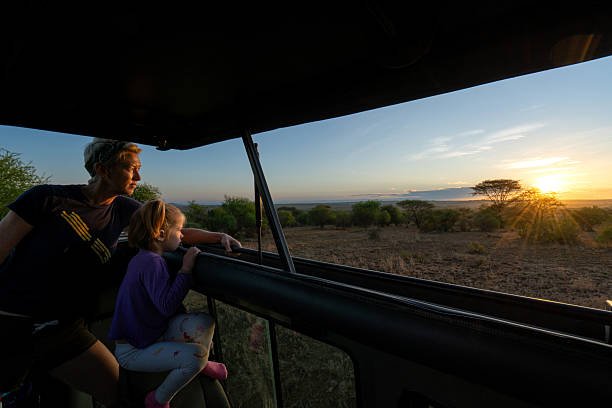
19 Days Kilimanjaro Tarangire Serengeti Ngorongoro Zanzibar 2026-2027
19 Days Kilimanjaro Tarangire Serengeti Ngorongoro Zanzibar.
View package detailsNo related package matches those filters. Clear one or more filters to see the other topic-matched options.



