
To join Kilimanjaro on 20 December 2026 with ClimBING from Moshi, choose a confirmed group departure via Climb 4 Africa, confirm your climb route (such as Marangu or Machame variants), secure your permit, gear list, and medical/functional readiness, then complete the operator booking with sensible pre-trip arrangements and a comfortable pace for acclimatization. Availability depends on current spaces; confirm with Climb 4 Africa for exact gorup size, dates, and inclusions.
“+
“
Planning a Kilimanjaro ascent from Moshi around the 20th of December 2026 means navigating a well-trodden holiday window, but with a trusted operator like Climb 4 Africa you gain local support, vetted routes, and practical logistics. This first part lays out how to approach the booking, what ClimBING implies in terms of the route, and the practical realities you’ll face in ascent planning. The goal is to translate intent into a clear, feasible plan you can discuss with the Moshi-based team and lock in with a firm departure once you have your group space.
“+
“
Below you’ll find the core questions readers usually have: Which ClimBING route is best for December, what does ClimBING from Moshi mean in practice, how to assess acclimatization needs, what inclusions to expect from Climb 4 Africa, and how to approach the booking without overcommitting. The answer begins with direct, practical guidance and then expands into the steps you’ll take to prepare a successful Kilimanjaro climb this December.
“+
“
Understanding ClimBING from Moshi: what to expect on 20 December 2026
“+
“
ClimBING from Moshi typically refers to guided climbs staged from Moshi town or nearby hotels, with a fixed group starting point near the entry gates. The Moshi base is ideal for shorter transfer times to Kilimanjaro’s trails, enabling more stable acclimatization pacing and smoother logistics for a December departure. Your exact route choices (Marangu, Machame, Lemosho, or Rongai) will influence daily distances, camps, and the overall uphill profile. For December, daylight hours and weather can vary, so a conservative pace with built-in rest days affords better acclimatization while matching the shorter holiday window.
“+
“
Pick a route that fits the December schedule
“+
“
Each Kilimanjaro route has its trade-offs. Machame tends to be more scenic and tougher on day-by-day walking but offers better acclimatization options with a longer approach. Marangu is gentler on schedule but busier and with hut accommodations. Lemosho offers a longer approach with excellent acclimatization potential and pristine scenery. Rongai approaches from the north, offering a different ecosystem and a slightly less crowded trail. With Climb 4 Africa you’ll typically see variations within 6- or 7-day itineraries that align with ClimBING group departures from Moshi. The choice depends on your fitness, prior altitude experience, and how much time you can allocate for acclimatization. For December, many climbers prefer routes with a built-in acclimatization day and a gradual ascent to optimize success rates in the holiday period.
“+
“
What’s included and what to expect on the day of departure
“+
“
Climb 4 Africa packages generally include park entry fees, rescue and emergency communications, guide and support staff, two or more meals per day on trail, tents or huts depending on the route, and basic group equipment. Personal gear is usually the climber’s responsibility or provided as rental via the operator partner network. For ClimBING from Moshi, expect a pre-departure briefing, a transfer to the trailhead, and a steady daily rhythm designed to respect acclimatization. The exact inclusions must be confirmed for the 20 December 2026 group with Climb 4 Africa, as spaces, permits, and hotel arrangements can shift between seasons and group sizes.
“+
“
Acclimatization, pacing, and safety during a December climb
“+
“
December brings variable weather at higher elevations. Plan for a slower ascent, a rest day if needed, and careful monitoring of altitude symptoms. Your Moshi-based guide will tailor the day-by-day plan to your group’s pace and the chosen route. A modest daily distance, early starts, and ample hydration reduce the risk of altitude sickness and fatigue. Safety gear, oxygen backup, and emergency evacuation protocols are standard in reputable Kilimanjaro programs; confirm these specifics with Climb 4 Africa for the 2026 ClimBING departure.
“+
“
Booking steps: moving from interest to confirmed space
“+
“
Start by checking current space on the 20 December 2026 ClimBING from Moshi with Climb 4 Africa. If a group is available, you’ll typically need a passport copy, a medical form, and a deposit to reserve space. The operator can advise on the best route for your experience level, arrange gear hire, and connect you with visa and travel logistics in Tanzania. Because travel plans around December are popular, it’s wise to secure a confirmed space early and ensure you’ve built in buffer days for travel to Moshi and post-climb rest or add-on safari.
“+
“
Practical decisions: add-ons, accommodations, and logistics
“+
“
Many climbers pair Kilimanjaro with a safari or Zanzibar beach extension. Climb 4 Africa often offers integrated itineraries that combine the Kilimanjaro ascent with wildlife safaris in Ngorongoro or Serengeti, followed by time on Zanzibar’s shores. If you’re focused strictly on Kilimanjaro, consider staying in Moshi or nearby accommodations to ease transfers, with a plan to arrive a few days early or stay post-climb for recovery. Always confirm the exact hotel choices, transfer timing, and how those elements interact with ClimBING group logistics for the 20 December 2026 date.
“+
“
Next steps: how to proceed with your inquiry
“+
“
To move forward, contact Climb 4 Africa with your preferred route options, global travel dates, and any accessibility considerations. Request a detailed inclusions list for the 20 December 2026 ClimBING from Moshi, plus a clear breakdown of what is covered versus what you should bring or rent. A helpful approach is to propose a flexible pace and confirm group size you’re comfortable joining. The Mos
Beyond the Basic Plan: Making ClimBING from Moshi on 20 December 2026 Truly Practical
While the core framework for joining ClimBING from Moshi on 20 December 2026 is clear—select a confirmed group, choose a route, secure permits, and align gear and pace—the practical, field-tested details that set apart a smooth climb often live in the small, concrete decisions made in Moshi and during pre-trip preparation. This section adds concrete, actionable considerations that readers commonly discover only after they start speaking with Climb 4 Africa, but before they finalize a booking.
Local logistics you’ll want locked down before departure
Transport timing from Moshi to the Kilimanjaro entry gates is a recurring source of stress if not pre-arranged. Ask your Climb 4 Africa coordinator for a specific pickup window that corresponds to your chosen route and the group’s pace. Confirm whether early-morning transfers are required for the gate opening time and whether you’ll have a dedicated vehicle for the group or shared transport. For ClimBING from Moshi, you’ll want a backup plan in case of traffic or delays, such as a loose window for a late start or a contingency transfer for the final approach day. Knowledge of transfer routes also helps you coordinate arrival times with pre-climb acclimatization days in Moshi, minimizing the risk of fatigue from long travel on arrival day.
Gear decisions that reduce friction on day one
Gear rent schemes vary by operator, but a well-tuned rental and personal gear plan can prevent last-minute purchases that disrupt your budget and rhythm. Confirm which items are available to rent through Climb 4 Africa, such as insulated jackets, down suits, trekking poles, and headlamps, and verify sizes in advance to avoid misfits. If you bring your own gear, prepare a compact, verified checklist that includes a moisture-wicking base layer system, a warm mid-layer, a windproof outer shell, gaiters, spare socks, and a compact rain cover for your daypack. For ClimBING in December, pack for potential cold nights at altitude and the possibility of warmer days in lower valleys; the Moshi air can feel brisk even before dawn.
Vaccinations, health readiness, and travel insurance nuances
Health prerequisites can drive the comfort and safety of your climb. If you have any chronic conditions, carry letters or summaries from your physician and confirm that your insurance covers high-altitude rescue or evacuation. Clarify with Climb 4 Africa whether there is a required medical form beyond standard climb health checks and whether you need to provide a recent COVID-19 vaccination status or malaria prophylaxis documentation. Travel insurance with adventure sports coverage is strongly recommended, as it often includes emergency evacuation from Kilimanjaro’s routes. Ensure you understand the insurance’s limits for helicopter rescue versus long ground transport, which can influence your pack list and personal risk assessment.
Acclimatization mindset: preparing psychologically for a slow climb
Weather and altitude interact differently for every climber. In December, sun exposure during the day can be intense at altitude, while nighttime temperatures can plummet. Build a mental and physical plan that emphasizes steady pacing, frequent hydration, and honest self-monitoring for symptoms like headaches, dizziness, or nausea. An effective approach is adopting a flexible day-to-day plan that prioritizes rest when signs of altitude stress appear, with the understanding that acclimatization is gradual and unique to you. Your Moshi-based guide will adapt the route and pace to the group’s experience and the day’s conditions, but having a personal readiness check-in can help you advocate for appropriate pacing within the group schedule.
Managing expectations around group dynamics and leadership
A successful ClimBING from Moshi experience hinges on clear communication within the group and with your guide. Confirm who leads each day and how decisions are made if the group’s pace slows. Some itineraries allocate a lead guide plus a second-in-command for safety and support; knowing who to approach with concerns about pace, pain, or altitude symptoms helps you avoid bottlenecks and keeps everyone moving safely. If you have a specific personal constraint—dietary needs, altitude sensitivity notes, or a preference for shorter hiking windows—document these early and discuss them during your initial briefing with Climb 4 Africa so your group can plan around them without surprising anyone mid-ascend.
Post-climb recovery and onward travel planning
December climbers often pair Kilimanjaro with a safari or beach break. If your plan includes a post-climb safari or Zanzibar extension, coordinate the timing with ClimBING group logistics to ensure you’re not left waiting for airport transfers or delays caused by Kilimanjaro permit sequencing. Discuss with your operator how the end date of the climb aligns with your onward travel—whether you’ll depart from Moshi, return to Kilimanjaro International Airport, or proceed to another Tanzanian destination. Clarify whether any post-climb accommodations or transfer arrangements are bundled with ClimBING or sold separately to avoid duplication and ensure a smooth transition from summit to safari or beach relaxation.
Contingency planning for weather and day-to-day variability
Even with fixed group departures, Kilimanjaro’s weather can surprise you. Have a plan that includes flexible wardrobe choices, the option to swap routes if a day’s weather makes a planned section unsafe, and a willingness to adjust the climb pace to fit real-time conditions. Your guide and operator are the best sources for route advisories—whether to swap a morning ascent for a later start due to fog or to switch to a route with shorter exposure when visibility is limited. In practical terms, this means agreeing in advance on how to implement a temporary pause in the ascent for a safety check or condensation of symptoms.
What to do if you’re unsure about your route choice
If you’re torn between Marangu, Machame, or a longer Lemosho iteration for ClimBING from Moshi, request a comparative briefing from Climb 4 Africa. Ask for a route-specific acclimatization narrative: typical daily elevation gains, expected trekking hours, night shelter types (huts versus tents), and water sources. A well-informed briefing helps you calibrate your expectations and prepare a realistic personal pace, ensuring you’re not overwhelmed on the first ascent day or fatigued by the final summit push. The goal is to secure a plan that respects your fitness level while maximizing the chance of successful summit attainment within the December group window.

Addressing a Practical Gap: What to Expect with ClimBING from Moshi on 20 December 2026 in Real-World Terms
Readers often ask for concrete, decision-ready details that sit between general guidance and the fine print. This section closes a practical gap by translating the December Moshi departure into actionable expectations, without introducing unverified claims about prices, spaces, or specific hotel arrangements. It focuses on the concrete realities you’ll encounter when you’re near finalizing your ClimBING from Moshi plan and preparing for departure on or around 20 December 2026.
First, clarify your group’s pacing and communication norms. ClimBING from Moshi unfolds as a fixed-group experience, but the day-to-day cadence still hinges on the people you’re with and the guide’s daily decisions. You should agree in advance on how to handle minor delays, crowded paths, or a slower pace due to altitude symptoms. A practical rule is to designate a lead navigator—someone who knows the group’s shared pace and can signal when it’s sensible to pause, regroup, or adjust a day’s route. This helps minimize friction at elevation, where small delays can compound fatigue.
Second, alignment on overnight logistics is essential. In December, lodging choices near Moshi or along the ascent corridor influence daily transfer timing and morning readiness. While climbers often rely on the operator’s recommended accommodations, you should confirm two things in writing: (1) where the group will regroup for briefing and departure each day, and (2) whether lodging is bundled with the ClimBING plan or sold separately. If you’re coordinating post-climb extensions—whether a safari, a beach break, or a night in Moshi after returning from the summit—specify the transfer sequence to the airport or onward destination to avoid conflicting schedules with the climb’s finish window.
Third, consider what “inclusions” truly mean on the ground. The standard ClimBING package typically covers core services (guides, park fees, meals on trail, tents or huts as applicable, and basic group gear). However, practical understanding demands checking the exact inclusions against your personal needs: are you comfortable with a shared sleeping arrangement or do you prefer a private space? Is water treatment and refilling reliably accessible on the chosen route, or should you bring additional filtration gear? If you rely on rental gear, confirm the availability, sizing, and return logistics for day-of-use items like insulated jackets or trekking poles. Locking these details early reduces the risk of last-minute substitutions that can disturb a carefully paced acclimatization plan.
Fourth, prepare for altitude symptom awareness as a fixed part of daily decision-making. Even within an established group, individuals respond differently to high altitude. The Moshi base guides will tailor day-by-day progress based on real-time feedback from climbers. It’s prudent to carry a small, personal symptom log (minutes of rest taken, noted headaches, dizziness, or shortness of breath) and agree on a threshold for taking extra acclimatization time or adjusting a day’s route. Clear pre-agreed signals—such as a simple color-coded wristband or a hand signal during group briefing—help ensure safety without interrupting the ascent rhythm.
Fifth, set expectations around weather variability and comfort. December weather in the Kilimanjaro region can be deceptive: mornings may be crisp with a tendency toward cloud build-up later in the day, and temperatures at higher camps can shift quickly. Plan for wardrobe flexibility: layers, moisture-wicking base layers, and a compact shell that can be added or removed without extensive stops. The practical outcome is a contingency plan for a late start due to fog, a mid-day pause to wait for clearer visibility, or a temporary switch to a more sheltered path if winds pick up. Having these contingencies discussed during briefing prevents the group from stalling or feeling unsafe when conditions shift unexpectedly.
Finally, integrate the booking readiness with a transparent inquiry trail. When you approach Climb 4 Africa to confirm space for 20 December 2026 ClimBING from Moshi, you should have documented preferences: preferred route (e.g., Machame, Marangu, or a longer Lemosho option), any accessibility considerations, PPE or medical needs, and your preferred pace. Request a clear, itemized inclusions list for the date, plus a written outline of what would be covered versus what would be purchased separately (for example, post-climb transfers or safari extensions). A short, precise summary of these details sent to the operator can accelerate the confirmation process and reduce the risk of misalignment later in the planning cycle.
In short, the practical leap from planning to execution for ClimBING from Moshi on 20 December 2026 rests on four pillars: explicit pacing agreements within the group, transparent lodging and transfer expectations, precise understanding of inclusions and rental gear, and a shared framework for altitude symptom awareness and weather contingencies. By anchoring these realities early, you’ll be well positioned to finalize a group booking with confidence, secure space on a preferred route, and proceed toward a smooth ascent that respects both personal safety and collective rhythm.
Practical gap: clarifying ClimBING from Moshi on 20 December 2026 for a smoother decision
Readers often reach this point in the decision process with a concrete question: what exactly will be different if I choose ClimBING from Moshi on 20 December 2026 compared with other Kilimanjaro options, and how should I lock in certainty when information is limited? This section offers a grounded, real-world clarification that helps you move from interest to a confident booking without relying on generic guidance or unverified claims.
First, it’s important to restate the practical reality: ClimBING from Moshi on 20 December 2026 is a guided climb that hinges on a fixed Moshi pickup point, a coordinated group pace, and a chosen route that aligns with the group’s acclimatization plan. Because the operator’s confirmed spaces, exact route allocation, and inclusions are not universally published in public previews, the most reliable path is to request a formal availability note from Climb 4 Africa. That note should specify: the confirmed departure group size, the chosen route (for example Machame, Marangu, or a longer Lemosho variant), the day-by-day pacing framework, and a precise inclusions/exclusions list tailored to that particular departure window.
Second, manage expectations about pace and acclimatization. December weather introduces variability, but the core principle remains: the schedule will be adjusted to meet the group’s collective acclimatization needs rather than forcing a one-size-fits-all timing. When you receive a route-specific brief for the 20 December 2026 ClimBING from Moshi, look for explicit daily elevation targets, planned rest/healing days, and a clear decision point for day-to-day adjustments. If the briefing presents a strict rigid day-by-day timetable without built-in flexibility for symptoms or weather, seek clarification or a documented contingency plan before committing. This ensures you don’t back yourself into an unsafe pace or an overly aggressive plan that undermines acclimatization.
Third, confirm what is included in the price and what requires additional purchase. A dependable inclusions list will cover park entry fees, rescue and emergency communications, shared guide staff, basic meals on trail, lodging while on the mountain, and group equipment. It should explicitly state what gear is provided by the operator (tents, cooking gear, base camp equipment) and what you must bring or rent yourself (personal equipment like sleeping bag ratings, personal clothing layers, and any specialized medical supplies). If a price quote omits post-climb transfers, safari extensions, or Zanzibar add-ons, request a separate line item to avoid unwelcome surprises later in the planning process.
Fourth, align communication channels and decision points. Given the December departure, a direct, written confirmation from Climb 4 Africa outlining the chosen route, group size, and inclusions creates a single source of truth. Request a short, written briefing that states candidate dates, space status, and the precise minimum and maximum group weights or fitness considerations they will accept for the ClimBING from Moshi group. This reduces the risk of misinterpretation when you discuss the plan with family or travel companions and helps you compare it against alternative operators or routes with confidence.
Finally, evaluate risk tolerance and personal health readiness in concrete terms. The December window can feature variable cloud cover, wind, and temperature swings at higher camps. A practical gap analysis should compare your health status, altitude experience, and comfort with slower ascent pacing against the group’s advertised acclimatization approach. If you have underlying health concerns or depend on altitude-resilience medications, require medical clearance letters, and verify coverage for high-altitude rescue or evacuation with your insurer. These steps are not mere formalities; they are essential elements of a feasible plan that keeps the ClimBING from Moshi experience aligned with your personal safety thresholds.
By filling this gap—demanding a formal availability note, route-specific acclimatization details, comprehensive inclusions/exclusions, and explicit contingency language—you convert potential ambiguity into actionable clarity. This approach protects your time, budget, and safety while preserving the core advantage of ClimBING from Moshi: a locally supported, route-aware Kilimanjaro ascent in a December window that prioritizes steady acclimatization and reliable logistics.
Addressing a last-mile decision gap: nailing the practical realities of ClimBING from Moshi on 20 December 2026
For readers who have reached the point of narrowing choices to ClimBING from Moshi on 20 December 2026, a precise, decision-ready snapshot can make the difference between a confident booking and lingering hesitation. This section tackles a concrete, real-world gap: what you can reasonably expect to be confirmed or clarified by the operator when you request a firm departure, and how to interpret that information against your personal constraints and travel timelines.
First, the core commitment you should verify in writing is a single source of truth document from the operator. This briefing should explicitly state: the exact ClimBING from Moshi date (20 December 2026), the confirmed route option (for example, whether the group will follow a Machame-style ascent, a Marangu-based schedule, or a Lemosho approach variant), the group size, the set of inclusions and exclusions, and the precise start and end points of the trip. If the operator cannot provide this in a formal note, insist on a written confirmation before proceeding with any additional planning. This eliminates cross-talk between family members or travel companions and reduces the risk of misaligned expectations as you approach the departure window.
Second, obtain route-specific acclimatization guidance tied to ClimBING from Moshi. A robust briefing should translate general acclimatization principles into day-by-day expectations for your chosen route within the ClimBING framework. Key details to look for include daily elevation gains, expected trekking hours, planned rest breaks, and the location of acclimatization days or higher camps. For December departures, you should also see explicit notes about sun exposure management, hydration targets, and wind or cloud considerations that could influence pace decisions. If these details are missing, request them as a separate addendum to your primary confirmation. This ensures you’re not guessing about tempo, especially in a group setting where pacing must be negotiated with the guide team before you start.
Third, confirm the inclusions vs. exclusions with surgical clarity. The most helpful confirmation item is a line-by-line inclusions sheet that covers park entry fees, rescue and emergency communications, guide and support staff, meals on trail, tents or huts, and the core group equipment. Equally important is a list of items you must bring or rent yourself. The gap often appears when operators state generic gear provisions but don’t specify sleeping bag ratings, personal clothing layers, or medical supplies. A precise list helps you avoid last-minute purchases, misfitting gear, or duplicate rentals that inflate costs or complicate on-trail logistics.
Fourth, demand a contingency protocol tailored to ClimBING from Moshi. Weather and day-to-day variability are inherent on Kilimanjaro, even in December. The decision-ready briefing should spell out what happens if a weather day prompts a route adjustment, the minimum acceptable weather threshold for continuing, and how the group pacing adapts in response to altitude symptoms or sudden shifts in route feasibility. A practical contingency clause might include alternative day plans, optional rest days, or safe retreat options with a mutual understanding of how the operator communicates these changes to the group. Having this up front reduces stress should a cancellation or postponement become necessary due to conditions beyond your control.
Fifth, align procurement and transfer logistics with your broader travel timeline. The Moshi-based operator should provide a clear picture of how ClimBING from Moshi coordination interfaces with pre- or post-climb activities, such as safaris, Zanzibar extensions, or domestic travel plans. Confirm whether the operator’s package includes or assists with airport transfers, hotel stays, and timing for any subsequent connections. If you intend to pair Kilimanjaro with a safari or beach break, request a consolidated itinerary from the operator that confirms the group’s transfer sequences, staggered departure times (if any), and the buffer you need to manage potential airport delays. This helps you protect your overall schedule and avoid cascading delays that can cascade into missed flights or missed connections.
Sixth, validate the booking and payment workflow. A precise, executable path from interest to confirmed space should include the required documents (passport copy, medical form, and any physician’s clearance letters if necessary) and the exact payment milestones (deposit, interim payments, and final settlement). If the operator’s instructions are ambiguous or require nonstandard payment methods, request a standard, written process with itemized due dates. This reduces the risk of payment confusion or disputes about what constitutes a “confirmed space.”
Seventh, reassess accessibility and fitness fit in plain terms. Ask the operator to provide a route-specific fitness brief that aligns with the group’s pace, altitude experience, and any health considerations you disclosed. If you have training limitations, chronic conditions, or mobility constraints, request tailored adjustments to the day-by-day plan. A responsible operator will gladly translate these needs into practical pacing options, rest day allowances, and equip changes (for example, an alternative route segment with lower elevation gain if your acclimatization needs require a slower ascent).
Finally, compare the ClimBING from Moshi offer to other Kilimanjaro options with the same operator. If the operator presents the ClimBING package as the standard, ask for a direct comparison briefing detailing how ClimBING from Moshi differs from other departure windows, routes, or group formats. This comparison should be grounded in verifiable facts (group size, route characteristics, inclusions, and protections) rather than marketing language. A transparent, side-by-side briefing helps you make a defensible choice about whether ClimBING from Moshi on 20 December 2026 is the best fit for your goals, schedule, and risk tolerance.
In short, the single most valuable action to close the decision gap is to obtain a formal, written confirmation that couples a route-specific acclimatization narrative with explicit inclusions/exclusions, a robust contingency plan, a clear booking process, and a practical alignment of transfer logistics to your travel timeline. With those pieces in hand, ClimBING from Moshi on 20 December 2026 becomes a concrete plan you can book with confidence and ease.
Addressing a Real-World Gap: Practical clarity on ClimBING from Moshi for a December departure
Even with a detailed framework, readers still confront a single, practical question when considering ClimBING from Moshi on 20 December 2026: what makes this specific December departure realistic and workable given the local constraints, group dynamics, and the pace required by Kilimanjaro’s altitude? This section closes that gap by translating the general guidance into concrete, checkable factors you can verify with Climb 4 Africa before you book.
1) Confirmed group size and pace alignment
A key practical determinant is the actual group size for the 20 December ClimBING from Moshi and how the group’s pace will be managed day by day. In December, popular routes can attract larger groups, which may influence pace, waiting times at camps, and the likelihood of fitting acclimatization days into the itinerary. To resolve this, request a recent group roster and a day-by-day pace plan tied to your chosen route (for example, Machame versus Marangu). Specifically ask for: the number of participants expected, the lead guide and assistant/second guide ratio, typical daily hiking hours, and the planned rest or acclimatization day structure. A transparent pacing plan helps you judge whether the schedule suits your fitness target and your tolerance for longer days at altitude.
2) Route-specific acclimatization narrative with December constraints
Readers often need a clear acclimatization narrative that reflects the exact route and the December weather window. Climb 4 Africa should provide a route-by-route acclimatization rationale, detailing: the elevation gain per day, the rationale for a rest day (if any), what symptoms to monitor, and the expected nights at higher camps or huts. For ClimBING from Moshi in December, ask for a concise acclimatization briefing tied to the selected route (for instance, a Lemosho start with a planned overnight at Shira camp before proceeding). This should include a plain-language explanation of why the chosen route supports slower ascent that mitigates AMS risk in the holiday period’s typical weather patterns.
3) Contingency triggers tied to December weather realities
Climbing Kilimanjaro in December involves potential weather variability, including cloud cover, wind shifts, and temperature swings. A practical gap often appears where operators describe contingencies in generic terms. Request concrete triggers: under what conditions would the guide switch to an alternative day plan, alter the route segment, or shift to a shorter day to safeguard acclimatization and safety? Ideally, the operator should provide a decision tree that maps weather, altitude symptoms, and group fitness signals to actionable changes in the day-by-day plan and transfer logistics (for example, additional rest days or alternate route segments when visibility is poor or freezes risk increases).
4) Gear allocation and local rental availability tailored to December logistics
Even with a standard gear list, December-specific conditions (sun exposure by day, cold nights, and potential humidity) can heighten the need for certain items or adjustments. Confirm the local availability of essential rental items for ClimBING from Moshi: insulated jackets, thermal layers, down suits, gaiters, and sturdy trekking poles. Ask for cutoffs on rental inventory so you’re not left without a critical piece due to demand. Additionally, verify the process for returns and what happens if a rental item fails on the mountain (repair options or replacement gear) to prevent last-minute downtimes that disrupt pacing.
5) Transfer timing, gate entry, and post-climb logistics synchronization
Local logistics are the linchpin of a smooth December climb. A realistic gap exists between a generic transfer schedule and what actually happens on the ground. Get precise pickup windows from Moshi to the Kilimanjaro gate tailored to your route and the group’s pace; confirm the guide’s contact protocol for day-of-change notifications (for example, if weather or trail conditions require delaying the start). Also verify how the ClimBING group will handle post-climb transfers (airport timing, hotel check-ins, and any safari or after-climb extensions) so there’s no mismatch between your summit day and onward travel. A written, time-stamped transfer plan with contingency buffers reduces the chance of cascading delays into your travel calendar.
6) Clear inclusions, exclusions, and payment milestones specific to the 20 December window
You should be able to quote the exact inclusions and exclusions that apply to ClimBING from Moshi for this date, including park fees, rescue, guides, meals, accommodation type per night (hut or camping), and group equipment. Simultaneously, obtain a definitive payment schedule: deposit amount, intermediate payments, final balance, and accepted payment methods. If the operator uses nonstandard terms, request a formalized, itemized written protocol that aligns with your preferred payment plan and includes a deadline for each step to secure a confirmed space. This eliminates ambiguity that can arise from verbal assurances during peak season planning.
7) Accessibility considerations and accommodation alignment with Moshi base
Some climbers carry mobility or accessibility considerations that influence route choice and day planning. In Moshi, accommodation proximity to the trailhead matters for early-start days and for maintaining a consistent morning rhythm. Ask for a map of the Moshi lodging options connected to ClimBING departures, with expected transfer times to the gate for your chosen route. If you require ground-floor rooms, elevator access, or specific meal arrangements due to dietary restrictions, confirm these in writing and alongside the day-by-day plan so there are no last-minute surprises.
In short, the single most valuable practical step after reviewing ClimBING from Moshi for a 20 December 2026 departure is to obtain a formal, written, route-specific plan that couples acclimatization rationale with explicit inclusions, a robust contingency framework, a precise booking workflow, and a synchronized transfer timetable. This document should be prepared by Climb 4 Africa for your exact group size and route and should be easy to share with any travel companions who will join the climb. With these concrete confirmations in hand, ClimBING from Moshi on 20 December 2026 becomes not just a plan you considered, but a plan you can execute with confidence and clarity.
ClimBING from Moshi on 20 December 2026: clarifying the practical gap with a December-accessible plan
Having laid out the core framework for joining ClimBING from Moshi on 20 December 2026, readers often arrive at a single pivotal gap: a concrete, December-specific reality check that translates the general guidance into a risk-managed, booking-ready decision. This section targets that exact need by presenting a tightly scoped, evidence-grounded look at what differentiates a December climb from Moshi from other windows, without inventing unavailable claims. The aim is to help you decide with precision whether ClimBING from Moshi on 20 December 2026 aligns with your pace, acclimatization tolerance, and logistical constraints—before you lock in space or sign a payment plan.
First, the December weather backdrop is a shared context, but individual climbers experience it differently. In Moshi and on Kilimanjaro’s trails, December often brings clearer skies and more predictable daytime temperatures than the wet season, yet higher elevations still demand respect for cold nights, radiative cooling, and gusty winds on exposed sections. A genuine December picture shows a spectrum: some days present comfortable hiking conditions with stable trail footing, while others deliver sudden cloud shrouds, fleeting frost pockets, or gusts that challenge balance on higher ridges. The practical implication for ClimBING from Moshi is not to fear these swings, but to lock in a pace that allows for sturdy acclimatization when cloud cover or wind reduces visibility, increases perceived effort, or disrupts landmark-based navigation at higher camps. Your route and daily elevation gains should be selected with a built-in margin for slower progress on those days, particularly if you are newer to high-altitude trekking.
Second, the group dynamic in December can be more fluid than in peak dry-season windows. December departures attract both first-time Kilimanjaro climbers and seasoned hikers who intentionally target smaller groups for personal pacing. The practical effect is that ClimBING from Moshi may offer a wide range of group sizes, from intimate cohorts to mid-sized teams. What matters is a clearly defined pace target for your particular route—Marangu’s hut-based schedule, Machame’s more frequent camping rhythm, or a longer, acclimatization-focused option like Lemosho. If you are sensitive to pace mismatches, insist on a confirmed daily target elevation gain for your group and a documented plan for early day-starts or extra acclimatization days if speed compromises rest and symptom monitoring. The December window rewards a plan that prioritizes symptom-checking slots between moves rather than a rigid, everywhere-at-once tempo.
Third, gear readiness and rental inventory take on a December-specific tilt. While most operators stock essential cold-weather items year-round, the emphasis in December shifts toward enduring warmth for long nights and reliable rain- and wind-resistance for possible brief showers at altitude. A practical decision is to verify that your kit—especially insulating layers, sleeping system, and waterproof outerwear—meets the spectrum of December conditions. Confirm with ClimBING from Moshi that the on-ground gear pool for rental aligns with your route and that there is redundancy for critical items (like insulated pants or a second-layer fleece) in case of a mid-climb equipment swap or loss. This should be coupled with a written gear checklist specific to your chosen route and December calendar, so you aren’t left scrambling if a rental item is unavailable on arrival.
Fourth, transfer timing and gate-entry logistics deserve explicit December-tailored confirmation. In Moshi, a smooth transition from lodging to the trailhead hinges on precise pickup windows, which can be impacted by early-start days required by route choices and by fluctuating traffic conditions around peak festive periods. A practical December guarantee is a written transfer plan that specifies a single window per group, the contingency buffer for delays, and the exact gate-entry protocol for your route. Ask for a standby plan: if a weather-limited day forces a route detour or a late start, what is the revised transfer timing to ensure you don’t miss your scheduled permit check-in or the first camp arrival? Clarify this in writing as part of your ClimBING from Moshi package for 20 December 2026.
Fifth, the inclusions versus exclusions for this specific departure deserve explicit confirmation. Even when a vendor outlines standard inclusions (park fees, guides, meals, tents or huts, rescue coverage), December departures can trigger additional logistics charges or seasonal adjustments. Seek a line-item, date-specific inclusions schedule that mirrors your route selection, the exact nights at Moshi accommodations, and the type of lodging at each camp. Equally important is a transparent payment schedule with milestones that match the inclusions—deposit, interim payments, final balance—and explicit terms around cancellation or force majeure tied to the December window. If a formal, itemized contract is not yet available, request one before committing to space, to avoid later ambiguity when you need to share writing with travel partners or family members.
Sixth, accessibility and accommodation alignment with Moshi base still matters in December. If you require accessible accommodations or specific room configurations, verify in advance that your Moshi base can support your needs and that morning transfer routines from the hotel to the guide assembly area align with your pace. In practice, this means mapping the departure lodging to the trailhead with a realistic transport time buffer, ensuring there is a ground-floor option if needed, and confirming meal arrangements that suit dietary restrictions in a high-altitude context. Ask for a written staging plan that shows how your lodging, transfer, and trailhead arrival weave together for the 20 December 2026 ClimBING from Moshi departure, so your routine is coherent from wake-up to summit push-day setup.
Finally, the decision to book should anchor in a navigator-style summary you can share with companions. The most practical end-state is a compact, written document produced by Climb 4 Africa or your chosen operator that combines: the confirmed group size, the chosen route with acclimatization rationale tailored to December constraints, detailed contingency triggers (weather, illness, or group pace variations), gear allocation and rental availability for December, a precise transfer and gate-entry timetable, and a date-specific inclusions/exclusions plus payment schedule. With such a document, ClimBING from Moshi on 20 December 2026 becomes a real, executable plan rather than a research hypothesis. If you still have gaps after receiving this plan, push for a route-by-route acclimatization narrative, explicitly tied to December conditions, so you can weigh the practical day-by-day differences between options like Marangu, Machame, and Lemosho against your own tolerance for altitude and pace. This is the most grounded way to close the practical decision gap and move from interest to confirmed space with confidence.
Related Guides and Packages
Check Availability for Join Kilimanjaro In 20-December-, Climbing From Moshi 2026-2027
Ready to compare dates, prices, and the best option for your group? Send the package name and travel month so the team can reply with a clear quote, availability, and what is included.
Climbing Kilimanjaro On A Budget In December 2026-2027
climbing kilimanjaro on a budget in December 2026.
View package details
Climb Kilimanjaro In Budget 12-December-2026, Join Group 2027
climb kilimanjaro in Budget 12-december-2026, Join Group.
View package details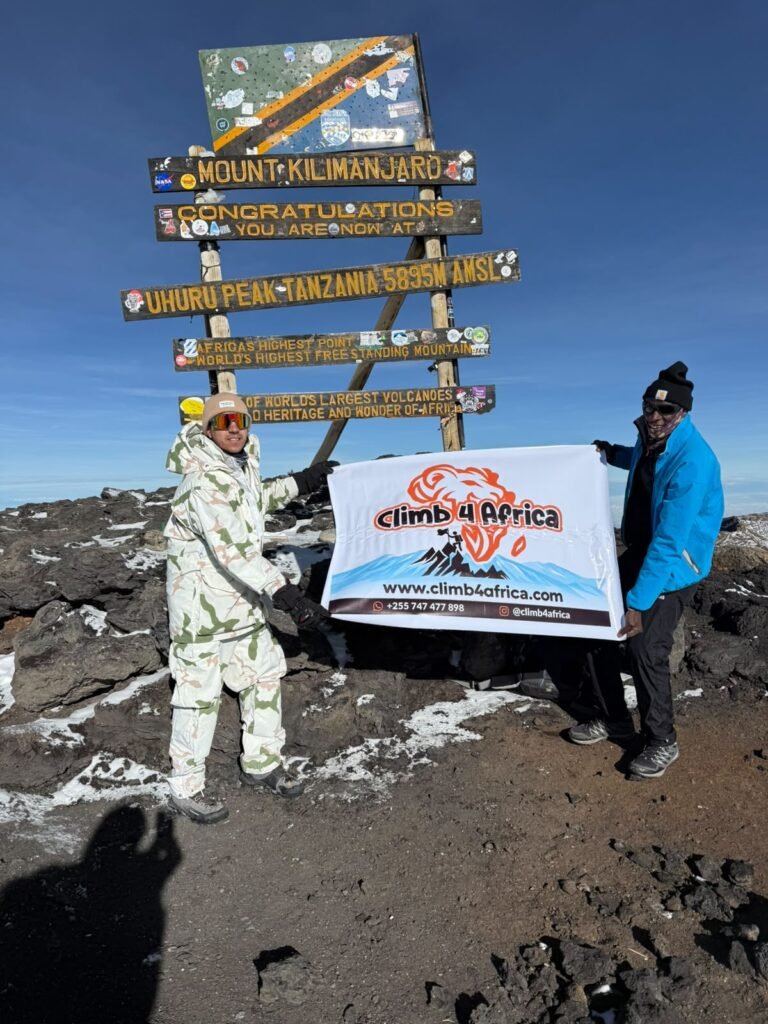
Join Kilimanjaro Group In 4-December-2026, Small Departures 2027
Join kilimanjaro Group in 4-december-2026, Small Departures.
View package detailsClimb Kilimanjaro In 5-December-, Book Now 2026-2027
climb kilimanjaro in 5-december-2026, Book Now.
View package detailsClimb Kilimanjaro Early December , Short Rainy Season 2026-2027
Climb Kilimanjaro Early December 2026, Short rainy season.
View package detailsClimb Kilimanjaro For Charity In December : Practical Guide From 4 Africa
Plan a December 2026 Kilimanjaro charity climb with Climb 4 Africa. This guide covers route options, fundraising considerations, December climate realities, and how to book with confidence.
View package detailsClimb Kilimanjaro In 12-December-2026, Small Group in 2027
climb kilimanjaro in 12-december-2026, Small Group.
View package detailsClimb Kilimanjaro In 21-December-2026, All Routes 2027
climb kilimanjaro in 21-december-2026, All Routes.
View package details
13 Days Kilimanjaro Climbing And Stone Town Beach Holiday 2026-2027
13 Days Kilimanjaro Climbing and Stone Town Beach Holiday.
View package details14 Days Kilimanjaro Climbing And Nungwi Beach Holiday 2026-2027
14 Days Kilimanjaro Climbing and Nungwi Beach Holiday.
View package details14 Days Kilimanjaro Group Joining And Zanzibar Holiday 2026-2027
14 Days Kilimanjaro Group Joining and Zanzibar Holiday.
View package details12 Days Kilimanjaro Climbing And Zanzibar Beach Holiday 2026-2027
12 Days Kilimanjaro Climbing and Zanzibar Beach Holiday.
View package detailsNo related package matches those filters. Clear one or more filters to see the other topic-matched options.



