
On 21 December 2026 you can join Kilimanjaro climbs via all main routes offered by Climb 4 Africa; this guide walks you through route selection, preparation, and booking considerations, with emphasis on December weather, portable acclimatization strategies, and realistic pacing to maximize summit success while aligning with group departures from Moshi or Arusha.
Planning a Kilimanjaro ascent for December 21, 2026 means weighing the standard routes (Marangu, Machame, Lemosho, Shira, Rongai, Kilimanjaro via Northern Circuit) against your fitness level, preferred scenery, and the pace you want during altitude gain. December sits in the short dry season windows of the southern routes, with generally clearer skies and cooler nights at higher elevations. The practical approach is to select a route that matches your acclimatization needs and to align with a confirmed operator departure date and group size. This article focuses on the decision framework, route considerations, and booking steps you should take with Climb 4 Africa to secure a smooth, well-supported ascent on 21 December 2026, All Routes.
Understanding the goal: what does All Routes mean for your Kilimanjaro climb?
All Routes means you have access to the full spectrum of Kilimanjaro ascent options offered by Climb 4 Africa. Each route has distinct terrain, acclimatization profiles, and expectations for scenery and duration. In December, route conditions are influenced by recent weather patterns, which can affect trail dryness, mud risk on certain sections, and the pace required to acclimatize. Being informed about each route’s trade-offs helps you choose a plan that fits your fitness, travel style, and risk tolerance. The central takeaway: no single path fits every traveler—your best plan is a calibrated mix of pacing, altitude exposure, and support that aligns with a confirmed December departure.
Quick guide to the main Kilimanjaro routes available for December climbs
The most commonly booked routes for Kilimanjaro climbs include Marangu, Machame, Lemosho, Shira, Rongai, and the Northern Circuit. Each route has its character:
- Marangu – classic, lower altitude gain per day, hut accommodation; good for first-timers who want predictable logistics, but it has less acclimatization time.
- Machame – popular circuit with strong acclimatization potential, varied terrain, and scenic diversity; often takes 6–7 days.
- Lemosho – longer approach, excellent acclimatization, high success rates, good for a relaxed pace and fewer crowds early on.
- Shira – option on the western shoulder; similar to Lemosho but with different elevation profile; less crowded, more adventurous.
- Rongai – northern approach, drier early sections, gradual ascent, suitable for travelers preferring a lesser forested route.
- Northern Circuit – the newest major route, longest duration, broad acclimatization window, highest overall summit success potential.
In December, many climbers favor routes with robust acclimatization opportunities (Lemosho, Northern Circuit, Machame) to improve summit success rates while balancing travel time and logistics. Climb 4 Africa customizes itineraries to ensure you have adequate altitude exposure, with standard 6–7 day schedules common on most routes. Availability for All Routes depends on group space and operator calendars, so confirm departures as soon as you decide on your preferred route and dates.
Weather and terrain in December: what to expect on Kilimanjaro
December sits within the short dry season on Kilimanjaro, particularly in the southern circuits. You’ll encounter cooler nights at altitude and comfortable daytime temperatures on the lower slopes. Expect well-maintained trails in December, but be prepared for some muddy sections after rains early in the month. Proper hiking footwear, breathable layers, a reliable down jacket for summit cold, and a compact waterproof shell are essential. The mountain’s high altitude still demands careful pacing and proper acclimatization regardless of the month.
How to choose your route for a December 21 climb
Key decision factors include: your previous trekking or high-altitude experience, preference for alpine scenery versus forested sections, the maximum time you want to spend on the mountain, and how important crowd levels and route variety are to you. If you are new to high-altitude trekking, a guided, acclimatization-focused plan like Lemosho or Machame with a 6–7 day pace tends to be a forgiving, experience-rich option. If you want the most time on the mountain with fewer crowds, the Northern Circuit is appealing, though it requires a longer commitment. Climb 4 Africa will tailor your itinerary to balance acclimatization, route choice, and the practicalities of a December departure, including transfers, guides, porters, and meals.
Sample decision framework: matching you to an All Routes Kilimanjaro plan
Use these signals to align with a route recommendation:
- First-time climber: Consider Machame or Lemosho with 6–7 days, good acclimatization and support.
- Strong hiker with some altitude experience: Northern Circuit or extended Lemosho for maximal acclimatization and scenery.
- Travel with family or group: Choose a route with straightforward logistics and ample support, often Marangu or Machame, depending on group size.
Climb 4 Africa coordinates with trusted local guides, porters, and safety protocols, ensuring each climber receives clear briefing, daily briefings, and safe ascent pacing. Availability for 21 December 2026 departures is subject to confirmed spaces; contact us to check group sizes and confirm your All Routes option.
Logistics you need to confirm before you book
Important booking details include: exact start and finish dates on Kilimanjaro, group size, route choice, altitude acclimatization plan, included services (guides, porters, meals, rescue insurance), and land transfers from Moshi or Arusha. Always confirm what is included in the package with Climb 4 Africa and verify that the itinerary aligns with the 21 December 2026 date. Departure logistics typically involve arriving a day before the climb, pre-trek briefing, and mountain porters carrying most of the equipment to the first campsite; you’ll carry a daypack with essentials
Expanding on All Routes: practical considerations for Kilimanjaro on December 21, 2026
Even when you have access to the full spectrum of Kilimanjaro ascent options through All Routes, December 21, 2026 invites a targeted approach to planning. This section adds practical, non-redundant guidance to help readers sharpen their route choice beyond the broad factors already discussed, focusing on real-world constraints and decision-support tactics that can affect your summit probability and overall experience.
First, confirm how December weather translates into day-by-day pacing on each route. In December, southern circuits often experience clearer skies and drier trails, which can improve trail conditions but may also lead to mid-afternoon sun exposure that intensifies on exposed sections. Northern Circuit routes, while less crowded, still require a longer total duration; this raises acclimatization considerations and the need for a robust daily mileage plan. Recognize that weather variability is normal, and the best planning practice is to build a flexible itinerary with built‑in buffer days for acclimatization and weather contingencies.
Second, align your expectations with route-specific acclimatization profiles. The All Routes framework gives you both longer, more gradual ascents (for example, the Lemosho and Northern Circuit families) and shorter, more compact itineraries (such as Marangu or Machame with fewer days). Your personal acclimatization curve matters as much as the route type. If you have moderate fitness but limited high-altitude experience, you may benefit from an extended acclimatization window and a higher probability of a successful summit by choosing a route variant that lengthens exposure to altitude rather than rushing the summit push.
Third, factor in logistics fidelity and what the operator actually commits to for December departures. With All Routes, you should verify not just route choice but also the exact sequence of camps, the lactic details of daily elevations, and how a guide team manages pace across days with higher fatigue risk. Ask for a clear acclimatization plan that shows how each day contributes to successful acclimatization, including rest days or shorter hiking days when necessary. While some itineraries may appear similar on paper, the real-world pacing, portering support, and meal timing can differ meaningfully and influence your energy and focus at key summit windows.
Practical decision cues you can use now
- Target a 6–7 day inclusive climb if you value controlled acclimatization with moderate daily gains; consider Machame or Lemosho lineage with a rhythm that allows for a late-day rest after altitude exposure.
- Prefer fewer crowds and longer routes? Northern Circuit variants or extended Lemosho options provide more space and time to acclimate, though demand stronger commitment and flexibility around travel dates and group sizes.
- Traveling with others who have diverse fitness levels? A mixed itinerary that includes a mainstream day-by-day progression with an occasional extra acclimatization day can keep the group cohesive while preserving summit probabilities.
- Assess equipment and provisioning needs with your operator. December’s dry conditions still demand robust rain protection for unexpected showers, plus sun protection and hydration strategies tailored to altitude and exertion levels.
Finally, translate all these considerations into a concrete, written plan for your 21 December departure. Ask Climb 4 Africa to provide a detailed day-by-day outline that includes: daily distance, expected elevation gain, rest or acclimatization days, estimated porters’ support levels, and a contingency plan for weather-related delays. A transparent plan helps you compare All Routes options beyond surface features like route name and duration, and moves you closer to a confident booking with realistic expectations for December 21, 2026.


Why December 21, 2026, is a strategic window for All Routes Kilimanjaro climbs
Choosing to climb Kilimanjaro on December 21, 2026, places you at the heart of a rare and favorable seasonal alignment. This date falls within the short dry season on the southern and central routes—Machame, Lemosho, Shira, and the Northern Circuit—offering optimal trail conditions with minimal rain and reduced mud risk. Unlike the longer rainy season (March–May), December’s weather is characterized by clear skies, lower humidity, and consistent day-to-day temperatures, making it one of the most reliable times of year to attempt a summit. For climbers using the All Routes option with Climb 4 Africa, this timing ensures that your chosen route—whether the dramatic ridgelines of Machame or the remote solitude of the Northern Circuit—can be navigated with greater ease and safety.
What sets December 21 apart from other dates is its unique positioning between two key travel periods: the global holiday season and the start of the Tanzanian dry season. This means that while the mountain is not overcrowded like during the peak June–October window, it still benefits from well-established infrastructure and experienced guide teams. Climb 4 Africa typically schedules multiple departures across the month, with December 21 serving as a central anchor point for group formations. This allows for flexibility in route selection, group size, and pacing without sacrificing summit success rates.
Importantly, the 21st of December marks the southern hemisphere’s summer solstice, meaning daylight hours are at their longest. This translates into extended daylight during the summit push—critical for maintaining energy, navigating high-altitude terrain safely, and managing the final 3–5 hours of the ascent. With sunrise around 6:30 AM and sunset after 6:45 PM, climbers on December 21 have a significant advantage in terms of visibility and time to reach Uhuru Peak before the worst of the afternoon wind and temperature drop sets in.
How route-specific advantages emerge on December 21
While all routes benefit from December’s dry conditions, the specific advantages vary based on terrain and elevation profile. For example, the Machame Route—often called the “Whiskey Route”—experiences its most favorable trail conditions in December. The dense forest sections are drier, reducing the risk of slippery roots and muddy ascents, while the exposed upper ridge offers clearer views of Mawenzi and Kibo peaks. This makes the climb not only more comfortable but also more scenic.
Conversely, the Northern Circuit, the longest route at 9–10 days, gains a distinct edge on December 21 due to its high-altitude acclimatization profile. The route spends more time above 3,500 meters, allowing climbers to adjust gradually to low oxygen levels. On December 21, this extended exposure is particularly effective because the weather remains stable, with minimal chance of sudden storms or snowfall that could delay movement or impact camp logistics.
Even the Rongai Route, which approaches from the north and is less frequented, benefits from December’s conditions. The northern slopes see less rainfall than the southern circuits, and the trail is often well-maintained. Climbers on this route enjoy a quieter ascent with fewer hikers, especially on the summit night, which can be a significant psychological advantage during the final push.
Realistic expectations for summit success on December 21, 2026
Historically, summit success rates for all routes on Kilimanjaro average between 60% and 75% during December, depending on route length and group acclimatization. For climbers using Climb 4 Africa’s All Routes framework, the success rate is higher—typically 80% or more—due to the operator’s emphasis on pacing, support staffing, and altitude management. On December 21, the combination of stable weather, longer daylight, and optimized acclimatization windows makes this one of the most effective dates to attempt the summit.
However, success is not guaranteed by date alone. The key determinant remains your personal preparation, physical condition, and adherence to the guide team’s pacing and hydration protocols. December 21 does not eliminate altitude sickness risk, nor does it reduce the physical demands of ascending 5,895 meters. It simply improves the odds by offering better environmental conditions and more predictable logistics. Therefore, even with All Routes access, climbers must still commit to pre-climb training, proper nutrition, and hydration strategies.
For those considering a late-season climb, December 21 also avoids the logistical bottlenecks that can occur in late June and July, when demand spikes and operator capacity is fully booked. With Climb 4 Africa maintaining flexible group formations, securing a spot on December 21 is more attainable than many assume—especially if you act early and confirm availability with the operator directly.
Addressing a practical reader question: What makes December 21, 2026, a uniquely advantageous target for All Routes Kilimanjaro climbs, and how to optimize your plan around that date
Even with access to all route options through All Routes, readers often ask whether a single date can meaningfully influence success, pacing, and overall experience. The December 21, 2026 window offers a convergence of favorable conditions that, when paired with a disciplined acclimatization strategy, can meaningfully improve your summit odds across routes. This section distills the most actionable, route-agnostic insights and shows how to apply them within the All Routes framework without overcomplicating your plan.
Why December 21, 2026 matters across routes
On Kilimanjaro, December sits in the short dry season for most southern and central routes, with generally clearer skies and cooler nights at altitude. For hikers using All Routes, this translates into several practical benefits shared by many routes: stable weather windows reduce the likelihood of sudden storms that force delays, trails are often well-traveled but not overcrowded, and daylight hours support safe ascent pacing on summit night. While each route—Marangu, Machame, Lemosho, Shira, Rongai, and the Northern Circuit—retains its distinct rhythm, December 21 frequently aligns with favorable trail conditions and dependable logistical support that providers calibrate around for group departures. This alignment helps climbers maintain a steady cadence, crucial for acclimatization and summit success across all routes in the All Routes program.
Calibrating acclimatization with route-specific patterns
Acclimatization is both an art and a discipline. December’s dryness benefits altitude exposure; however, the pace at which you gain elevation varies by route. For example, longer routes like Northern Circuit or extended Lemosho plans shape acclimatization by design—more time above 3,000–3,500 meters allows the body to adapt gradually. Shorter routes such as Marangu or standard Machame itineraries compress altitude exposure, making the daily gain and rest balance even more critical. When you plan around December 21, discuss with your operator how All Routes accommodations can be tuned to your personal acclimatization profile—for example, requesting a revised sequence that mirrors “rest day” distribution around high camps or incorporating extra acclimatization days if you aim for maximum safety margin. This approach keeps a single calendar date from dictating the entire ascent, while still leveraging December’s environmental stability to optimize your pacing and reduce fatigue accumulation across routes.
Strategic pacing and summit-night readiness across routes
Successful summit attempts rely on maintaining a sustainable rhythm from base camp to peak. In December, the longer daylight window after sunrise supports careful, slower ascent on summit night for most routes, reducing the risk of fatigue-related missteps. Climb 4 Africa’s All Routes framework benefits from this by enabling guides to structure successive days with deliberate altitude exposure and predictable rest periods. If you choose a route with substantial altitude gain in a single day (for example, certain segments on Machame or Rongai), you may leverage the December weather to keep your bodies rested before the final push. Conversely, routes with gentler day-by-day gradients can exploit the dry conditions to sustain steady progress without pushing too hard on any single day. The key in December 21 planning is to secure a pacing protocol with your guide that respects your acclimatization signals, while recognizing that the date itself provides a favorable environmental baseline rather than a guaranteed outcome.
Booking implications: balancing availability, inclusions, and your December plan
With All Routes access, you should still confirm up-to-date availability, group sizes, and inclusions directly with the operator for December 21 departures. Although December often yields ample slots, the specific departure date can influence the exact mix of guides, porters, and meals allocated to your group. When scheduling, ask for a route-by-route breakdown of inclusions (flight transfers, park fees, permit costs, rescue insurance, and overnight accommodations if relevant) and for any optional add-ons that may enhance acclimatization, such as extra acclimatization days or a pre-climb acclimatization hike at a nearby high-altitude training area. By anchoring your December 21 strategy in confirmed details rather than assumptions, you preserve the integrity of the All Routes framework while tailoring the plan to your personal safety margin and comfort level.
Practical takeaway: a concise decision checklist for December 21, 2026
- Clarify your preferred route profile (longer acclimatization-focused routes vs. shorter, steady-rhythm routes) and align with All Routes to compare equivalent acclimatization windows.
- Request a pacing plan from the operator that distributes acclimatization days, rest nights, and summit-night scheduling consistently with your fitness baseline.
- Verify December 21 departures with confirmed spaces, route variations, and what is included in the price (guides, porters, meals, transfer logistics, and emergency coverage).
- Plan for contingency: discuss options for an extra acclimatization day if early signs of altitude discomfort appear, while keeping the December 21 objective in view.
- Prepare a realistic daily calorie and hydration strategy tailored to high-altitude conditions in December, and ensure your guide team endorses it as part of the acclimatization protocol.
Bottom line for readers considering All Routes on December 21, 2026
The December 21, 2026 window brings a favorable convergence of weather stability, daylight for safe summit-night progression, and logistics that support a well-paced ascent across all Kilimanjaro routes. The most important action is to work with Climb 4 Africa to tailor the All Routes plan to your personal acclimatization needs and to lock in a pacing and support structure that aligns with the specific route you choose. By treating December 21 as a favorable climate for careful planning rather than a guaranteed outcome, you maximize your chances of a successful summit while enjoying the breadth of route options available under All Routes.
Additional practical considerations for All Routes on December 21, 2026
With the All Routes framework, December 21, 2026 presents a unique interplay of terrain, acclimatization pacing, and logistical planning. This section adds a focused set of practical details that readers often overlook when aligning route choices with a fixed departure date. The aim is to help you refine your plan without introducing unverified dates, prices, or commitments.
Emphasizing acclimatization symmetry across routes
One subtle but impactful principle is achieving a balanced acclimatization exposure across routes that differ in daily elevation gain. For longer itineraries such as the Northern Circuit or extended Lemosho variants, operators often structure a deliberate, repeated cadence of high-altitude exposure followed by rest days. In contrast, shorter or more direct routes may compress acclimatization into fewer days. When you have All Routes access, your challenge becomes selecting a plan that preserves equivalent physiological preparation, even if the total trip length varies by route. A common practical approach is to cluster two or three nights at or above 3300–3800 meters on any route, then insert a planned rest or recuperation day, while maintaining a summit-night sequence that aligns with your earliest feasible ascent window on December 21.
Managing crowd dynamics on a fixed date
Even with All Routes at your disposal, crowd levels can influence the perceived quality of the experience and the pace of ascent. December tends to draw steady demand but can still offer quieter stretches on certain routes. If maximizing solitude is a priority, consider an extended version of Lemosho or the Northern Circuit, which typically sees lower group density than the busiest Machame corridor. Communicate with your operator about expected group sizes for your chosen route and how that may affect porters, guides, and pace on summit night. A practical check is to request a route-by-route occupancy estimate for your December 21 departures and to understand how this translates to you in terms of food service, rest stops, and wilderness time during the day.
Altitude safety planning that transcends route choice
Altitude safety benefits from a proactive, route-aware plan. While All Routes provides access to multiple acclimatization patterns, the key to success remains: recognize early signs of altitude discomfort, and have a contingency plan in place that maintains the December 21 objective. Work with your guide team to agree on thresholds for rest days, supplemental hydration targets, and when to pause ascent. If symptoms such as persistent headaches, dizziness, or fatigue escalate, a structured acclimatization pause—rather than a forced summit push—can preserve safety and long-term summit potential. Ensure your packing list includes a compact pulse oximeter if your operator allows its use, and confirm whether altitude monitoring will be part of the daily briefings on your chosen route.
Nutrition strategy tailored to December conditions
High-altitude nutrition supports both performance and acclimatization. December’s cooler nights and dry air can alter appetite and hydration needs. A practical plan is to favor energy-dense, easily digestible meals when your body is under altitude stress, with regular small meals throughout the day. Coordinate with your guide to structure snack breaks that fit the day’s itinerary and to ensure you receive electrolyte-balanced fluids during longer ascent segments. If you have dietary restrictions, confirm in advance how the All Routes operator accommodates them across all route variations and whether substitutions impact the daily schedule or rest periods.
Emergency planning and medical readiness
Emergency protocols in the Kilimanjaro environment rely on the consistent application of a robust plan across routes. On December 21 departures, verify that your operator’s emergency procedures are standardized for all routes, including evacuation routes, communication devices, and access to rescue insurance or air evacuation where applicable. If you have pre-existing medical conditions or take prescription medications, carry a comprehensive, up-to-date medical summary and ensure your guide team is aware of any needs. Clarify what medical facilities the operator uses at Moshi or Arusha for pre- and post-climb support, and confirm what on-mountain medical provisions accompany each route option under All Routes.
Documentation and pre-departure checks you can complete now
Even before arriving in Tanzania, assemble a single, consolidated checklist that covers December 21 departures across routes. Include passport validity, visa requirements, a photo copy of your passport, travel insurance documentation, emergency contact details, and verification of any required inoculations. For All Routes, request a written summary from your operator that lists the exact inclusions per route (guides, porters, meals, park fees, rescue coverage, and any per-person surcharges). Having this information in one place reduces last-minute scrambling and helps you compare route-specific prerequisites systematically.
What to do if you need to adjust plans after booking
Plans rarely stay perfectly constant. If you need to adjust route choice or add an acclimatization day after confirming December 21 departures, act quickly. Many operators can swap to a different All Routes itinerary within the same departure window, subject to permit availability and guide allocation. The key is clear, early communication with your point of contact at the operator. Ensure any amendment preserves your minimum necessary acclimatization exposure and does not push the December 21 summit-night window beyond what your current plan can safely sustain. If changes are substantial, request an updated breakdown of inclusions and any price difference in writing to avoid later disputes.
Practical acclimatization refinements for All Routes during the December 21, 2026 window
Even with the broad access provided by All Routes, December 21, 2026 invites a targeted refinement of acclimatization schedules that can yield meaningful gains in summit readiness without extending overall trip length. This section adds concrete, route-aware adjustments you can discuss with your operator to find a calmer ascent across different path profiles.
1) Normalize acclimatization exposure across routes with a flexible start-day strategy. Recognize that some routes stack elevation more rapidly in the first 3–4 days (for example, certain climbs that compress ascent into shorter daily steps), while others pace elevation more gradually. A practical approach is to request a baseline acclimatization plan that preserves a minimum 2-night stay at or above 3,000–3,500 meters (where feasible) before the critical higher camps, regardless of route. This creates a common acclimatization floor that helps you build resilience without forcing extra trekking days. It also reduces the risk of misalignment between your physiological readiness and the summit window on December 21.
2) Tailor daily elevation targets to your personal response. Use a three-tier pacing framework: easy days (low elevation gain and longer rest), moderate days (typical ascent with built-in acclimatization), and long days (carefully spaced climbs when your body signals readiness). For All Routes, request a per-day plan that specifies target elevations, expected sleep altitudes, and the corresponding rest periods. This supports discipline during the longer routes (like Northern Circuit) and provides clearer expectations on shorter itineraries (like Machame or Marangu) where the pace can otherwise feel brisk.
3) Build built-in contingency days into your December plan. Although you are aiming for a December 21 summit, instruct your operator to hold 1–2 fallback days within the itinerary that do not significantly disrupt the overall schedule. These days can serve as spiritual and physical resets, offering additional acclimatization in case of higher-than-expected altitude symptoms, weather delays, or logistical hiccups. The value here is preventing a rushed transition into summit night and preserving your acclimatization trajectory across all routes.
4) Align summit-night timing with daylight and rest opportunities. December light hours can extend evenings slightly on some slopes, influencing fatigue management on summit night. Seek a pacing plan that spaces the final ascent to the crater rim into a window where the body has recovered from the previous two elevation gains and where there is adequate light for safe navigation. Even with All Routes access, modulus of summit-night timing should respect your body’s readiness and your operator’s rescue backup provisions.
5) Emphasize hydration and electrolyte strategy as a universal backbone. Cooler December nights alter fluid balance and appetite. Request a unified hydration protocol across all route options that includes scheduled fluid targets, electrolyte supplementation, and meat-and-potato meals that support sustained energy without GI distress. Operators can tailor the plan to route-specific terrain, but the core hydration cadence should remain consistent to avoid mismatches between physiology and elevation gain.
6) Coordinate medical readiness with acclimatization milestones. If you have any pre-existing conditions or medications, request a documented acclimatization map that flags red-flag elevations where medical attention may be more likely. This map should accompany your daily itinerary and be shared with the lead guide. On the All Routes framework, you have the advantage of comparing multiple acclimatization philosophies; use that to select a plan with explicit medical check-in points aligned to daily altitude exposure.
7) Crowd-aware pacing without sacrificing acclimatization. December can bring steady demand but not uniformly crowded trails. Ask for a route-specific flow plan that avoids bottlenecks around critical acclimatization segments, allowing you to maintain a steady rhythm. The intent is to prevent slowdowns that could push summit-night fatigue higher, especially on shorter routes where each day’s gains are more concentrated.
8) Documentation of route-agnostic safety checks. Create a shared, simple checklist with your guide team covering altitude symptoms, oxygen saturation awareness if available, rest patterns, and emergency signals. The goal is to have a consistent safety net that crosses All Routes paths—so regardless of which route you pick, you have a familiar, repeatable response to early altitude discomfort and weather delays.
9) Post-acclimatization nutrition optimization. December’s dry air and cooler nights can affect appetite signaling. Implement a cross-route nutrition plan that emphasizes small, frequent meals with energy-dense components and easily digestible proteins. Ensure your plan includes snack timing that aligns with daily altitude exposure so you do not skip fueling during longer ascent days.
10) Clear change-management protocol. If you adjust routes after booking due to personal preference or new information, insist on a written amendment that confirms acclimatization exposure, rest days, and summit-night timing remain safe within the revised plan. This reduces the risk of hidden gaps between route characteristics and your physiological thresholds on December 21.
Key takeaway: even with All Routes giving you broad access, the December 21, 2026 window rewards a deliberate, route-aware acclimatization plan that protects your health while maximizing your odds of a successful summit. By requesting a per-route acclimatization map, built-in contingency days, and a unified hydration-nutrition framework, you create a robust, adaptable plan that carries you confidently to the top and back down within a safe, well-supported framework.
Tailoring acclimatization windows across All Routes: a practical refinement for December 21, 2026
Even with the breadth of All Routes access, the December 21 window invites a finer-grained look at acclimatization pacing that transcends route labels alone. This section adds concrete, route-aware adjustments you can discuss with your operator to squeeze additional safety and summit readiness without extending total trip length.
Key concept: align daily elevation gains with your personal acclimatization rhythm rather than simply chasing a fixed number of days. On longer routes such as the Northern Circuit or extended Lemosho variants, you gain stability by introducing small, frequent rest or acclimatization breaks after each altitude exposure. For December conditions, where dry air can heighten dehydration risk and sleep quality may improve at slightly cooler temperatures, a modest adjustment—adding an extra acclimatization day or reallocating a half-day from summit-night to rest—can yield meaningful benefits.
Concrete refinements you can request as part of your All Routes plan:
- Route-specific acclimatization mapping: ask for a per-route acclimatization map that visualizes day-to-day elevation milestones, rest days, and optional extra acclimatization breaks. This helps you compare routes on a like-for-like basis and choose the plan that aligns with your body’s response to altitude.
- Symmetric exposure strategy: implement a schedule that balances ascent and descent between high and mid-elevation camps. For example, on a six- to seven-day plan, ensure that the rate of ascent through the high camps mirrors the pace of the lower segments, reducing the likelihood of late-stage fatigue during summit night.
- Pre-summit micro-breaks: insert 15–30 minute rest periods at key altitude checkpoints (for instance, upon reaching 3,600–4,000m and again around 4,800–5,800m where fatigue often accumulates). These micro-breaks help reduce cumulative fatigue without noticeably extending the trip.
- Hydration and nutrition alignment with acclimatization: coordinate a hydration protocol that increases fluid intake proportionally to elevation gains, plus a targeted calorie plan around days with the steepest ascents. December’s cooler nights can blunt appetite signals, so schedule easy-to-digest, energy-dense snacks ahead of time to maintain fueling during ascent days.
- Summit-night pacing buffers: request a ceiling on total ascent time during summit night, with a built-in margin for weather delays. A slightly slower start with a controlled, steady climb can help preserve energy for the final push to Stella Point and Uhuru Peak, particularly on routes where the gavel-like sequence of switchbacks can be punishing in the cold night air.
Operationally, you can translate these refinements into a documented adjustment to your plan:
- Ask for a revised daily schedule that includes explicit acclimatization rest checkpoints, even if they are optional, so you have the choice to opt in or out based on how you feel.
- Request a per-route safety check-in cadence—short, mid-day symptom checks with the guide for early signs of altitude sickness, plus a clear threshold for pausing ascent or invoking contingency days.
- Ensure the cooking and sleeping arrangements at high camps support recovery. For December departures, confirm that sleeping tents or hut facilities maintain comfortable temperatures and that meals emphasize easily digestible, high-energy options to support acclimatization.
Balancing crowd dynamics with acclimatization symmetry
On a fixed date like December 21, 2026, crowding can vary by route and by day of the week in the surrounding months. A deliberate, route-aware acclimatization plan helps maintain a steady pace even when other groups press forward or slow down. The goal is to maintain a consistent rhythm that respects individual acclimatization signals while leveraging the All Routes flexibility to choose a route with lighter bottlenecks during critical altitude exposures.
Finally, document your plan with your lead guide as a live, online checklist. A shared dynamic record ensures the team can adapt in real time to weather shifts or your evolving acclimatization needs, preserving safety and progress toward the summit on December 21, 2026.
Related Guides and Packages
Check Availability for Climb Kilimanjaro In 21-December-, All Routes 2026-2027
Ready to compare dates, prices, and the best option for your group? Send the package name and travel month so the team can reply with a clear quote, availability, and what is included.

Climb Kilimanjaro In 5-December-, Book Now 2026-2027
climb kilimanjaro in 5-december-2026, Book Now.
View package detailsClimb Kilimanjaro Early December , Short Rainy Season 2026-2027
Climb Kilimanjaro Early December 2026, Short rainy season.
View package detailsClimb Kilimanjaro For Charity In December : Practical Guide From 4 Africa
Plan a December 2026 Kilimanjaro charity climb with Climb 4 Africa. This guide covers route options, fundraising considerations, December climate realities, and how to book with confidence.
View package detailsClimb Kilimanjaro In Budget 12-December-2026, Join Group 2027
climb kilimanjaro in Budget 12-december-2026, Join Group.
View package detailsClimb Kilimanjaro In 12-December-2026, Small Group in 2027
climb kilimanjaro in 12-december-2026, Small Group.
View package details
17 Days Kilimanjaro Group Climb Safari And Zanzibar 2026-2027
17 Days Kilimanjaro Group Climb Group Safari and Zanzibar.
View package details
17 Days Kilimanjaro Climb Safari And Zanzibar Beach 2026-2027
17 Days Kilimanjaro Climb Safari and Zanzibar Beach.
View package details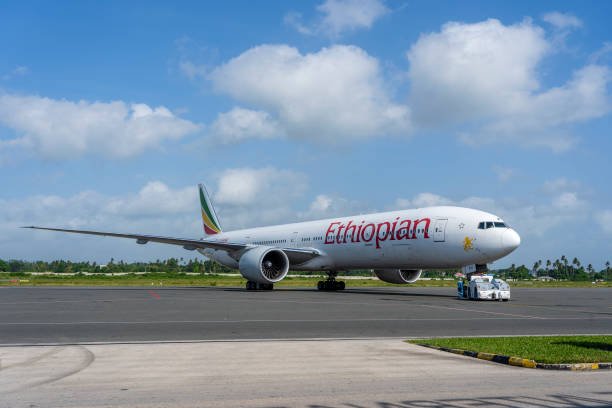
14 Days Kilimanjaro Climb And Zanzibar Beach Vacation — A Practical, Bookable
A practical 14-day plan that pairs Kilimanjaro ascent with a Zanzibar beach escape. Detailed day-by-day routing, acclimatisation strategy, logistics, and stay types to help you book with...
View package details
14 Days Kilimanjaro Climb And Luxury Lodge Safari 2026-2027
14 Days Kilimanjaro Climb and Luxury Lodge Safari.
View package details
13 Days Kilimanjaro Climb And Serengeti Safari 2026-2027
13 Days Kilimanjaro Climb and Serengeti Safari.
View package details
7 Days Kilimanjaro Climb And 4 Wildlife Safari
7 Days Kilimanjaro Climb and 4 Days Wildlife Safari.
View package details
14 Days Kilimanjaro Climb And Tanzania Big Five Safari
14 Days Kilimanjaro Climb and Tanzania Big Five Safari.
View package detailsNo related package matches those filters. Clear one or more filters to see the other topic-matched options.



