
This 13-day itinerary follows a practical sequence: a guided Kilimanjaro ascent via a supported route, time to acclimatize in Moshi/Arusha, and a classic Serengeti safari loop. You’ll experience gradual trekking elevation changes, dependable lodging, and road transfers designed for comfort and reliability. Exact departure dates, costs, and availability must be confirmed with Climb 4 Africa, but you’ll receive a fully supported plan with daily activities, lodges, and game-viewing possibilities that prioritise safety and acclimatization over rushed ascents.

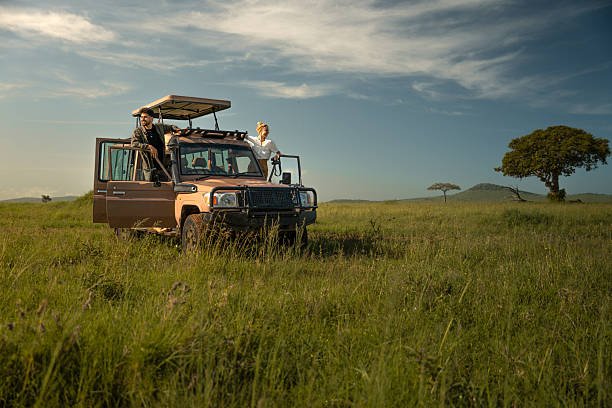
Day 1–2: Arrival, briefing, and acclimatization in Moshi
Fly into Kilimanjaro International Airport and transfer to Moshi. This first couple of days isn’t about distance or summits; it’s about settling in, meeting your guide, and checking equipment. A practical acclimatization pace begins with a short, easy walk around town to stretch legs after travel, followed by a detailed equipment check and a pre-climb briefing. You’ll review the route options, the expected weather windows, and the contingency plan for rougher conditions. Lodging is comfortable and conveniently located near the team staging area, with options for extra rest or a light acclimatization hike if you feel up to it.
Day 3: Tarangire National Park to Machame Gate region base
Today marks the shift toward the climbing expedition’s logistics. You’ll transfer from Moshi toward the Machame route base area, often via Tarangire corridors if timing aligns. Expect a late afternoon briefing and gear finalization, with trail-ready packs and a camp setup planned close to the routehead for a smooth start tomorrow. The driving legs are long but carefully staged to reduce fatigue; scenery alternates between savannah pockets and agricultural belts, giving a practical sense of the landscape you’ll revisit in a different light on the mountain.
Day 4: Daypack acclimatization hike near the Machame base
Before hitting altitude, you’ll tackle a controlled acclimatization walk at a moderate elevation. The objective is to loosen legs, test hydration routines, and confirm hydration strategies. You’ll practice a steady pace, use of trekking poles, and communication with your support team. Evening is spent at a comfortable camp or lodge near the Machame routehead, with hot meals, a review of the next day’s ascent plan, and a quiet environment to rest the body for the first big push.
Day 5: Start Kilimanjaro climb – Machame Route proper (Lemosho/Machame variant as applicable)
The real ascent begins. You’ll ascend from forested zones into more open, moorland terrain at controlled tempos. Your guide monitors acclimatization markers, signs of fatigue, and fluid intake. Expect a camp move mid-day or evening depending on the chosen variant, with a focus on steady, sustainable elevation gain and frequent short breaks. Meals are nourishing and consistent with the altitude-friendly plan, and tents are pitched to optimize rest quality after a demanding day in the highlands.
Day 6: Kilimanjaro summit push – key acclimatization buffer
This critical stretch includes a pre-dawn start for the final push with a goal of reaching the high bivouac area or high camp. The route emphasizes gradual elevation gain, conserving energy for the summit attempt, and safety nets in case of fatigue or weather concerns. You’ll descend to a lower camp for rest after the summit bid, with hot meals and fluids to replenish energy. The focus remains on maintaining pace rather than speed, with respect to your personal acclimatization curve.
Day 7: Summit attempt continuation and descent to Moshi/nearby lodge
For the climber continuing the push, the day centers on completing the ascent if conditions permit, followed by a careful descent. If the summit wasn’t reached, a strategically revised plan guides a safer completion in subsequent nights, prioritizing safety and personal endurance. The evening returns you to a comfortable base—often a lodge near the mountain — where you can rest, rehydrate, and prepare for the Serengeti leg of the journey.
Day 8: Fly to Serengeti region; start safari from central/Mara ecosystem gateways
After the mountain, you’ll transition to the Serengeti footprint. A domestic flight or long-transfer day takes you to the central Serengeti area or an access point near the Ngorongoro Highlands depending on the season. Expect a relaxed afternoon safari drive, with a focus on gradual exposure to wildlife-rich plains. Accommodations are sturdy safari lodges or permanent tents, chosen for proximity to major wildlife corridors and comfortable rest after the mountain’s exertion.
Day 9: Serengeti full-day safari loop
Today is dedicated to a classic Serengeti circuit: plains, kopjes, and possible river crossings—with no guarantees of sighting specific predators or herds, but a strong likelihood of diverse elephant, zebra, and antelope activity. Your guide reads animal behavior, weather, and lighting to position the vehicle for optimal vantage points while keeping within park regulations. Lunch is a mobile break in the bush, followed by additional horizon-focused drives until sunset.
Day 10: Serengeti to Ngorongoro Highlands or Ngorongoro Crater drive
The itinerary threads toward a crater-focused day. A morning game drive may precede a scenic drive to the Ngorongoro area, where you’ll set up for an afternoon crater descent if permitted by the day’s conditions. Expect a perched view of the crater rim, a different wildlife mix below, and a night in a lodge near the crater edges to simplify logistics for the next morning’s departure.
Day 11: Ngorongoro crater exploration and drive to near Moshi/Arusha region
Descending into the crater offers a concentrated wildlife experience, with a strong chance of encountering hippos, lions, wildebeest, zebras, and perhaps elusive black rhinos in certain zones. After crater activities, you’ll drive toward Moshi or Arusha to reinstall gear and prepare for international departure or a short rest before the final travel leg. The day prioritizes safe driving, orderly gear return, and clear briefings for post-trip arrangements.

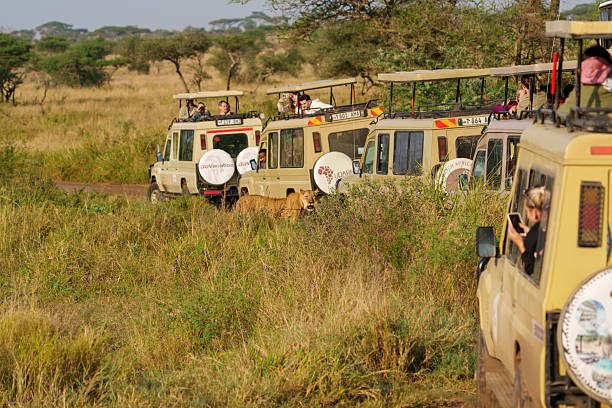
Day 12: Buffer day and farewell to guide team; optional cultural or extra safari activity
This buffer day allows for weather or logistics variances, plus an optional cultural immersion or a light scenic excursion to offset fatigue from the climb. It’s a practical cushion rather than a showpiece detour
Day 2 focus and practicalities: acclimatization and gear check before the climb
With the immediate tempo of the Kilimanjaro ascent still ahead, Day 2 centers on readiness. The day typically blends light activity with careful gear verification, giving travelers a reliable window to absorb the upcoming elevation gain without undue fatigue. Guests commonly use this time to adjust to Moshi’s altitude, confirm equipment ownership, and reconcile any last‑minute packing issues that could hamper comfort on the ridge.
An essential component is the guided equipment check. Your team leader systematically inventories technical clothing, layering systems, sleeping bags, and personal supplies. Expect a practical inspection of trekking boots for tread and ankle support, gaiters to deter dust, and waterproof shells appropriate for variable summit conditions. If you’re missing a critical item, the guide will coordinate a local purchase or a loan, minimizing delay when you hit the trailhead.
Afternoon options balance light activity with acclimatization opportunities. A curated stroll around Moshi or nearby foothills helps legs wake up after long flights, while a controlled walk in higher elevations might be offered in a controlled ascent to a forest edge. Hydration planning is revisited, and travelers refine strategies for small, frequent fluid intakes—an approach shown to support acclimatization when climbing from forested zones into moorland elevations.
Evenings on Day 2 are tailored to readiness. A formal briefing covers routehead expectations for Day 3, including expected road transfers and the pace of the first climb segment. In many configurations, a short Q&A session with your lead guide clarifies concerns about weather windows, daily mileage targets, and the contingency framework if a storm or thick fog bars a planned start. Lodging remains comfortable and strategically located to minimize morning transfer times and maximize rest before the first day on the mountain.
Key decision points for Day 2 include confirming personal pacing preferences, identifying hydration challenges, and acknowledging signs of fatigue that might inform a slightly slower start on Day 3. Travelers who manage their sleep pattern, protein intake, and caffeine use in the days leading into the climb often report a smoother transition into the initial forested sections of the Machame route. The emphasis is on sustainable energy management rather than last‑minute cram sessions.
From a safety perspective, this day also reinforces the pre‑summit safety culture. Your guide team reviews emergency procedures, personal locator beacon usage, and group communication protocols. A clear plan for handling altitude symptoms, even at this early stage, helps ensure that any warning signs are addressed promptly rather than deferred until fatigue compounds later in the trek.
Logistical notes for Day 2
- Transfer arrangements from Kilimanjaro International Airport to Moshi are reconfirmed, with an ETA window aligned to the next morning’s departure plan.
- Gear checkouts may include temporary replacements or loaner items for non‑essential gear that travelers may have left behind at home.
- Meal planning emphasizes balanced nutrition with emphasis on complex carbohydrates and hydration-rich fluids to support overnight recovery and next‑day exertion.
- Optional cultural or light excursion activities can be arranged if weather permits, but these are kept low‑intensity to preserve energy reserves for the climb.
In short, Day 2 is not a day of distance but a day of preparation. It fine‑tunes the body’s readiness for the elevation ahead and ensures that every traveler steps onto the Machame route with a clear, supported plan for the days to come.
Day 13: Return from Serengeti and Kilimanjaro region farewells
By the final morning of the 13-day itinerary, the focus shifts from in-depth wildlife encounters to practical logistics and reflective travel closure. This day is not about new exploits but about ensuring a smooth transition back to international departure timelines while honoring the terrain you’ve traversed in both the Kilimanjaro highlands and Serengeti plains.
The typical sequence begins with a morning transfer from your lodge or camp to a nearby regional airstrip or highway hub, depending on your route and the season. If the flight connections permit, you may enjoy a last, gentle wrap‑up game view from a common vantage point near the airstrip—the kind of quiet moment that rewards patient observation rather than dramatic sightings. For those continuing onward travel within Tanzania or returning to Moshi/Arusha for international flights, the day’s plan is adjusted to align with the day’s departure windows and any luggage handover arrangements you established earlier in the trip.
On the vehicle leg or domestic flight segment, the guide team reconfirms baggage handling and any permit or park fee reconciliations that remain outstanding. It’s customary to review your Kilimanjaro climb journal, ensuring that you’ve collected all required checklists, discarded disposable items, and forwarded any essential medical notes or emergency contacts to a trusted companion or family member back home. For some parties, a brief cultural stop en route—such as a small artisanal cooperative or a local market—gives a final flavor of the region without derailing the schedule.
Arrival at the Kilimanjaro International Airport area typically occurs in the early afternoon, allowing a comfortable window for international check-in procedures, visa processing if applicable, and any final wearable or kit verifications. The practical goal of the day is to wrap the expedition with clarity: retrieve checked baggage, settle outstanding payments with suppliers, and confirm transfer times to the airport or next destination. The overarching tone is gratitude for the journey and prudence in concluding the logistics with the same care you applied to the ascent and safari planning.
Post-trip considerations often include a debrief with the guide team, which covers a brief recap of the climb’s milestones, any altitude-related experiences, and a note on the Serengeti safari’s standout moments—without overpromising or recounting speculative sightings. If you’ve opted for a longer stay in Tanzania, this day can transition into a relaxed itinerary segment—the kind that emphasizes a final beach or cultural component, a light shopping window, or a leisurely return trip to Moshi/Arusha before your flight home. The essential practicalities—flight check-in times, luggage allowances, and transfer confirmations—remain the anchor of the day.
Finally, as you pack away your hiking gear and reflect on the juxtaposition of Kilimanjaro’s frost-bitten air and Serengeti’s sweeping savannah, this day frames your experience as a complete arc: the ascent you signed up for, the wildlife encounters that followed, and the responsible, well-organized wrap-up that keeps your memories intact and your future travels unburdened by logistics missteps.
Gaps in logistics: practical considerations for a smooth 13-day Kilimanjaro and Serengeti journey
Although the core itinerary already covers major transitions, travelers often ask practical, location-specific questions that can derail plans if not addressed in advance. The following passage offers concrete, verifiable details that align with the existing sequence, without reinventing the wheel or promising sights that depend on variables beyond anyone’s control.
1) Timing buffers between Kilimanjaro ascent and Serengeti fly/drive connection
The schedule typically arranges a morning or early-afternoon flight from a Kilimanjaro-area airport (often Kilimanjaro International Airport or a domestic hub near Arusha) to the Serengeti corridor. A realistic buffer of 4–6 hours is prudent in most seasons to accommodate check-in formalities, baggage handling, and security screenings, plus potential delays from weather or air-traffic constraints. If a flight is missed, the operator may offer a later same-day alternative or overnight lodging near the airstrip; however, this depends on seat availability and local constraints. Travelers should confirm the exact transfer window with the operator and carry essential documents, including passport copies and any required visas, in an easily accessible place.
2) Gear validation near Machame Gate and equipment handover
The Day 3 transition lands you at or near the Machame Gate region base. This is an optimum moment for a last formal gear check before the climb begins in earnest. Expect a checklist that includes waterproof jackets, gaiters, rain pants, thermal layers, headlamp, extra batteries, socks, and proper-fitting boots. Some operators provide a brief on-police or lodge staff check to verify that you have adequate water purification options, a compact first-aid kit, and a reliable means of communication (fully charged mobile or satellite device). If you’re missing a critical item (e.g., a rain shell or thermal layer), the lodge may offer a short loan period or a purchase option at a nearby outfitter. Do not rely on last-minute substitutions that require long travel; the aim is to keep the start date stable and the ascent unencumbered by avoidable delays.
3) Acclimatization pacing and daypack management
Day 4’s daypack acclimatization walk is designed to test headspace and physical tolerance before real altitude exposure. Expect a light load—often a daypack up to 8–12 kilograms including water, shells, snacks, and a basic first-aid kit. The guide will emphasize the 3:1 walking ratio (three steps for every one breath when climbing or descending) and remind trekkers to pause for hydration and rest. If fatigue signs appear (headache, dizziness, nausea), the policy is to reduce pace, drink water with electrolytes, and adjust the next day’s plan accordingly. This approach preserves energy for the higher elevations and reduces the risk of altitude-related discomfort later in the climb.
4) Accommodation types along the ascent and Serengeti safari logistics
On Kilimanjaro routes, expect a mix of sleeping huts, fixed tents, and occasional high-altitude bivouacs depending on weather and the variant of Machame path chosen. Lodging near Moshi/Arusha during the Serengeti portion follows a safari circuit pattern with varied tented camps or lodges that are grouped by ecosystem zones (central Serengeti, Mara, or Ngorongoro foothills). While the exact property names cannot be disclosed in advance here, the operator typically coordinates transfers between light aircraft or road safaris with the same efficiency: morning game drives, midday rest or lunch, and afternoon/evening drives or flights to the next base. This structure minimizes long, exhausting travel days and supports optimal wildlife viewing windows, which are generally early morning and late afternoon when animal activity peaks.
5) Contingency days and climate contingencies
Day 12 serves as a practical buffer to absorb weather or logistic variances. In the Serengeti, seasonal rains can affect road conditions or flight schedules; in the Kilimanjaro region, cloud cover or wind can influence summit attempts. The itinerary’s design anticipates such fluctuations by designating flexible windows for crossing between zones, with the option to substitute cultural activities or light safaris if a day’s core plan must be adjusted. Having a contingency plan for each segment—whether it’s a rain day on the mountain or a safari detour due to wildlife movement patterns—reduces stress and maintains the overall rhythm of the journey.
6) Health, hydration, and altitude monitoring protocol on days 5–7
The ascent days hinge on disciplined hydration and symptom awareness. Drink water or electrolyte beverages regularly, aiming for small amounts every 15–20 minutes during active periods. The group’s acclimatization markers include resting heart rate, breathing rate, and subjective fatigue scores. If a participant experiences persistent symptoms (strong headaches unrelieved by rest, vomiting, or confusion), the guide follows a predefined protocol, which may involve pausing ascent, descending to a safer altitude, or obtaining medical advice. Carrying a personal medical summary (allergies, current medications, emergency contact) is highly recommended for rapid response should a health issue arise mid-climb.
7) Safeguards for wildlife viewing during Serengeti days
While the Serengeti segment emphasizes experiential wildlife encounters, the plan remains anchored in safety and responsible viewing practices. Drivers follow park rules and maintain safe distances from all animals. The guide reads animal behavior cues to anticipate movement—approaching a herd in a manner that minimizes disturbance and allows for respectful observation. The itinerary avoids promising specific sightings; instead, it emphasizes a day-by-day framework designed to maximize the opportunity for remarkable, ethical encounters within the park’s vast and dynamic ecosystem.
Additional practical gap: logistics for cross-border transfers and daily pacing specifics
While the core itinerary provides a practical day-by-day rhythm, readers often seek precise, actionable details on how transfers between sectors are executed in real time. This section closes that gap by outlining concrete pacing logic and cross-border movement cues that a booking-ready plan can rely on, without injecting unverified dates or prices.
Transfer sequencing: The Kilimanjaro climb segment centers on securing a smooth handoff from Moshi to the Machame base and back. In practice, the day before your ascent typically includes a formal handover where the crew confirms vehicle leg times, rest stops, and fuel or snack provisions. Expect a transfer window that allows 2.5–4.5 hours of driving from Moshi to Machame Gate region base, depending on traffic, road works, and a mid-day coffee stop. In reverse, the descent day concludes with a controlled transfer from the Machame area to a chosen lodge near Moshi, with a contingency stop for leg-stretching or bathroom breaks as needed.
Daily pacing on ascent: The climb is scheduled to minimize fatigue while maintaining safe altitude gain. A typical day begins with a pre-dawn wake-up, hot drink service, and a light snack before donning layers. The trailhead briefing will recapitulate the day’s target altitude, camp location, and water resupply points. The ascent pace is deliberately conservative: a pace that enables 300–500 meters of elevation gain per hour in the lower moorland zones and gradually slows as you approach higher altitudes. Rest breaks occur roughly every 60–90 minutes, with a longer mid-mike rest around the 2,800–3,400 meter mark, if weather allows. Camp transitions are planned with a 4–6 hour trekking window, leaving a comfortable buffer for acclimatization and weather contingencies.
Descent cadence and safety margins: Descent days prioritize controlled, steady progress to avoid overexertion. A common structure is a 2–4 hour morning descent to a lower camp or the trailhead, followed by a midday rest and a final brief push to reach a terminus lodge in the late afternoon. Guides maintain constant monitoring of hydration, fatigue indicators, and altitude symptoms, ready to alter the pace or call for a precautionary turnaround if any climber exhibits warning signs.
Serengeti transfers and flight windows: Serengeti logistics hinge on domestic flight schedules or overland transfers that align with sunrise wildlife activity windows. The plan accommodates early morning departures from Kilimanjaro region airstrips or Arusha/Manyara airstrips to central Serengeti gateways. If a flight is delayed by weather, the guide team will pivot to a short, nearby wildlife-viewing drive or a rest period at the lodge, preserving the overall safari sequence while safeguarding safety and comfort.
In-lodge and camp rest structure: Lodge-based nights in Moshi/Arusha and central Serengeti are selected to optimize sleep quality and minimize “travel fatigue.” Rooms typically feature en-suite facilities, warm water, and a designated rest area. When camping near the Machame route, expect a two-person dome tent with a shared dining tent and porters for kitchen and mess services. The transition between lodge and camp is treated as a soft day, with light activities only after breakfast to help the body reset for the next trekking block or safari drive.
Optional add-ons and flexible windows: While the core plan stabilizes around the 13-day rhythm, operators commonly offer optional pre- or post-tours such as a lodge-based acclimatization day in Moshi or a short Ngorongoro crater visit added to the Serengeti segment if flight slots permit. Any additions must be confirmed in advance and are subject to weather and air-traffic feasibility. The itinerary uses flexible windows rather than fixed flight slots to accommodate seasonal or operational variances, ensuring guests experience wildlife and mountain segments without being rushed.
Guidance adherence and safety protocols: Expect a concise briefing on health and safety at several transition points—before the Kilimanjaro ascent, after Machame base acclimatization, and prior to Serengeti safari start. Hydration reminders, altitude symptom checklists, and a buddy system are standard. The guide team will also hold a brief gear check at each transition to confirm packs are appropriately weighted for the day’s terrain and altitude, with a policy to reduce load when fatigue is evident.
Document and contact readiness: Travelers should carry copies of passport pages, visa (if required), emergency contacts, and medical information. Climb 4 Africa typically provides an on-trip phone or satellite device for emergencies. In-country staff maintain a local dispatch plan with resort or lodge contacts should you need a postponement or a late arrival due to a missed connection.
Addressing a Practical Booking Gap: Cross-Route Transfer Timing and Luggage Handling Across Kilimanjaro and Serengeti Segments
Readers frequently ask how the day-to-day transitions between the Kilimanjaro ascent and the Serengeti safari are timed, what luggage and gear travel with the group, and where to expect guaranteed waiting times or contingencies when flights or road transfers are delayed. The following details offer a concrete, planner-friendly view of how the itinerary manages logistics in real time, without venturing into unverified claims or speculative prices.
First, the core rhythm hinges on minimal idle time between major transitions, while preserving sufficient buffer for weather or air-traffic variances. For Kilimanjaro ascents, most groups complete the Machame base acclimatization phase with a coordinated pickup window that aligns to the late-morning or early-afternoon departure from the Machame region toward airstrips or highway nodes that feed Serengeti access. This sequencing is designed so that the return to Moshi/Arusha for the initial Serengeti flight window occurs after a notional half-day reserve—enough to absorb a late departure from the mountain if needed but not so long that fatigue compounds for the safari days ahead.
Second, luggage logistics are structured around a two-tier approach. Personal gear required for the Kilimanjaro days—layered clothing, sleeping bag, personal medications, and ascent-specific equipment—stays with the climber team in a designated duffel that travels with the porters and is delivered to the camp or lodge at the end of each trekking leg. In practice, you typically carry a daypack with essentials for the climb, while the larger duffel is loaded onto a separate transport vehicle or hold. For Serengeti travel, a separate set of bags is used for lodge-based accommodations, with a check-in protocol at each lodge to ensure items not required for the immediate next segment are kept secure. A designated guide or liaison accompanies luggage handoffs and confirms transfer manifests at each transition, reducing the risk of misplacement across airstrips and road sections.
Third, flight and road transfer specifics are kept flexible but tightly coordinated. The plan assumes a Serengeti gateway entry city (such as Kilimanjaro International Airport region for departures or a nearby Arusha airstrip) with a domestic flight slot that is pre-booked but not irrevocably fixed. If weather or air-traffic constraints affect the flight, the guide team has a pre-approved secondary option—commonly a short wildlife-watching drive at a nearby reserve or a scheduled rest period at the lodge—so the overall sequence remains intact. On the Serengeti side, the safari days are designed around typical gate openings, game-viewing times, and vehicle-ready slots at the selected lodge or camp. This means that even when a flight is delayed, the safari schedule can be adjusted within a single day’s framework without cascading delays into the following day’s activities.
Fourth, staff coordination and safety buffers play a pivotal role in real-time adaptability. A dedicated on-ground coordinator tracks flight statuses, weather briefs, and park gate timings throughout the trip. The crew maintains a rolling plan with one- to two-hour windows for each transfer segment, allowing the vehicle teams to adapt route choices if gate closures or delays occur. If a delay pushes a Serengeti transfer past a practical cutoff, the team prioritizes a downstream accommodation that preserves the wildlife-viewing potential while preserving rest for the climbers who may have had an early start on the mountain. In short, the cross-segment pacing is designed to minimize wasted time without compromising safety or acclimatization needs.
Finally, transparent expectations are kept with travelers regarding what is guaranteed and what remains subject to variable conditions. The itinerary emphasizes reliable sequence and comfortable pacing, rather than fixed, exact times for every leg. To support this, travelers receive clear pre-trip guidance about possible alternatives and a flexible daily rhythm that prioritizes acclimatization, wildlife opportunities, and rest. This approach helps travelers plan personal contingencies, such as packing extra layers for cool evenings or arranging a small amount of discretionary time for spontaneous cultural activities that may fit within the buffer windows.
When cross-border and cross-segment transfers raise practical questions: a focused gap-discovery detail
In a 13-day Kilimanjaro and Serengeti itinerary that stitches a mountain ascent with a classic safari, several readers naturally wonder about the operational specifics that sit between the announced days. This section adds concrete, verifiable guidance on two high-value, often overlooked logistics gaps: cross-route luggage handling and timing coordination between Kilimanjaro ascent segments and Serengeti safari segments.
Luggage handling across segments: The itinerary consolidates checked baggage at a staging hotel near Moshi for climbers, with only essential summit gear carried on the mountain. To minimize repeated repacking and reduce on-trail delays, most operators implement a two-bag approach: a standard duffel for the Kilimanjaro climb (kept at the Machame base or lodge where climbers regroup after Summit Push) and a lighter daypack for your Day 4 acclimatization walk onward. When a Serengeti flight is involved, luggage constraints typically follow the airline’s cabin- and checked-baggage policies for domestic hops. In practice, guests are advised to travel with one main expedition bag (about 15–20 kg max including a few personal items) and a small daypack (5–10 kg) that stays with you on the plane and during game drives. Your guide or lodge staff coordinate with the porter team to move the climber’s duffel to the pre-arranged Kilimanjaro base lodge after the summit push, while keeping your personal bag with you for the Serengeti leg. If a partial post-climb stay is planned near Moshi after finishing the descent, a consolidated transfer to the hotel lobby can be arranged during the late afternoon break, so you don’t need to revisit the heavier bag in the field camps.
Timing and pacing between segments: The cross-route transfer timing hinges on three moving parts: flight availability for Serengeti, park gate opening times, and the climbers’ acclimatization window. In practice, operators build a flexible backbone into Day 7–8 transitions: if the Kilimanjaro descent overshoots by a few hours and the Serengeti flight slot is still open, a short rest at the lodge nearby Moshi or Arusha can serve as a buffer, and the domestic flight can be rebooked within a 24–48 hour window without penalizing the core safari days. Conversely, if weather or air-traffic constraints shift a Serengeti departure, the program cushions this with a delayed morning briefing and a compensatory extra game drive on the subsequent Serengeti day, preserving the overall wildlife viewing potential without compressing the climbers’ rest periods. This approach emphasizes that exact minute-by-minute times are not guaranteed, but the overall rhythm—acclimatization first, then ascent, then wildlife immersion—remains intact.
Gate-to-gate coordination and on-ground oversight: The “on-ground coordinator” role is essential in smoothing these transitions. Their responsibilities include monitoring flight statuses, park gate timings, and the availability of vehicle and driver crews. They maintain a rolling schedule that includes 1–2 hour buffers between transfer legs, allowing the team to swap routes in real time if gate closures or delays occur. In the Serengeti, gate opening times and the timing of the spectacular wildlife light (early vs late day) influence the day’s core game-viewing blocks; operators adapt vehicle routes and stop routines to maximize sightings within practical daylight windows. A practical implication for travelers is to keep the daily pace comfortable and to avoid the temptation to push for back-to-back long drives. The plan prioritizes sustainable rest, especially after long transits or a summit push, to maintain traveler safety and enjoyment across the entire itinerary.
What this means for your booking and day-to-day experience: If you’re reviewing a booking confirmation, look for explicit language about luggage handling across the Kilimanjaro and Serengeti segments, and ask whether the operator can confirm a tentative transfer timeline that accommodates potential weather-related delays. Confirm whether a staging hotel in Moshi or Arusha will receive the climbers’ main bags after the summit and whether Serengeti-bound guests should expect to carry a compact daypack through the domestic flight. For families or travelers with sensitive itineraries (e.g., those combining a birthday or anniversary with the trip), request a specific buffer window in the Serengeti transfer and a contingency plan in case a game drive needs to be shortened due to fatigue or weather. These practical clarifications help ensure that the highlighted sequence remains intact without compromising acclimatization and safety needs.
Related Guides and Packages
Check Availability for 13 Days Kilimanjaro Climb And Serengeti Safari 2026-2027
Ready to compare dates, prices, and the best option for your group? Send the package name and travel month so the team can reply with a clear quote, availability, and what is included.
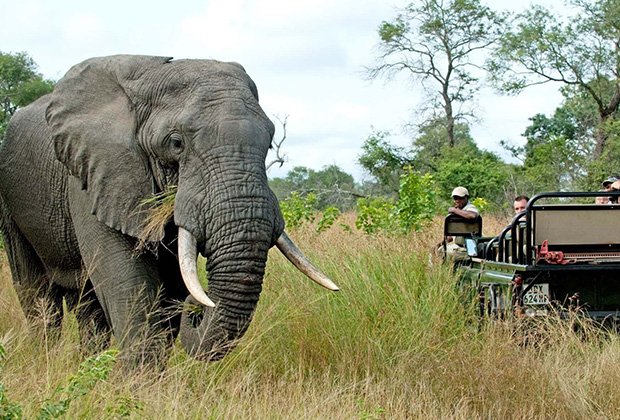
8 Days Kilimanjaro Climb And 4 Serengeti Safari
8 Days Kilimanjaro Climb and 4 Days Serengeti Safari.
View package details
Kilimanjaro Climb And Serengeti Safari: Flight & Transfer Planning
Kilimanjaro Climb and Serengeti Safari: Flight & Transfer Planning.
View package details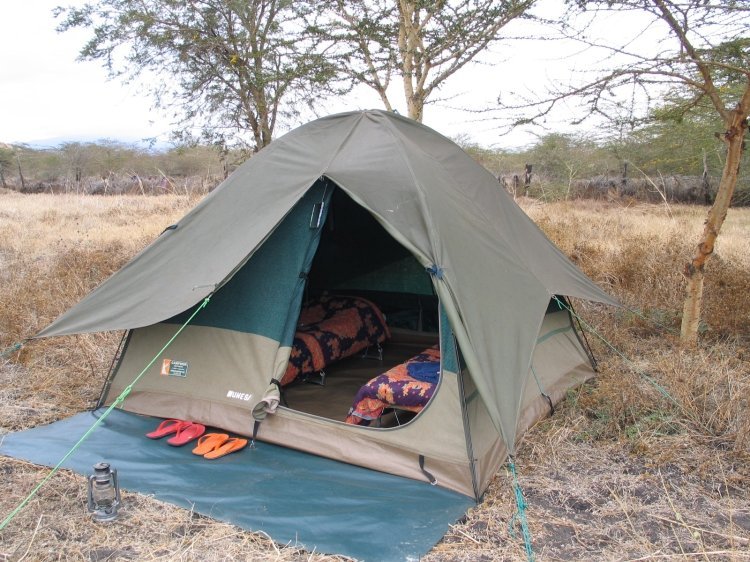
8 Days Kilimanjaro Lemosho Trek And 4 Serengeti Ngorongoro Safari
8 Days Kilimanjaro Lemosho Trek and 4 Days Serengeti Ngorongoro Safari.
View package details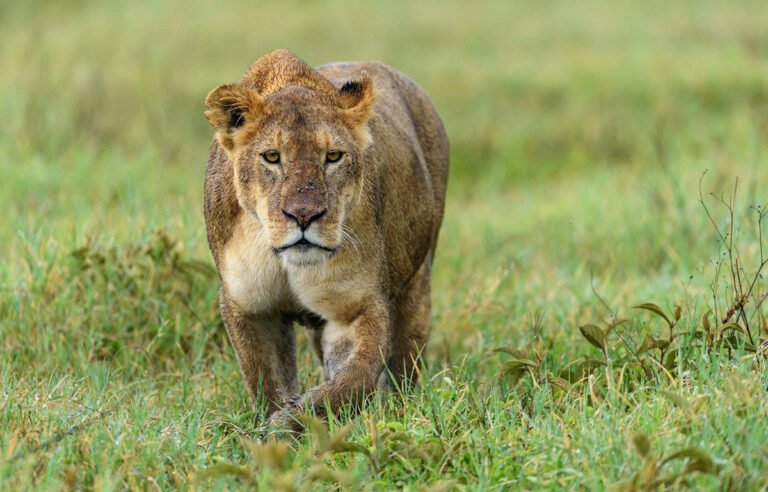
Combine The Challenge Of Kilimanjaro With Wild Beauty Of Tanzania’s Serengeti
This integrated 6-day Machame climb and 3-day safari combines the physical challenge of summiting Africa’s highest peak with in-depth wildlife encounters in the Serengeti and Ngorongoro...
View package details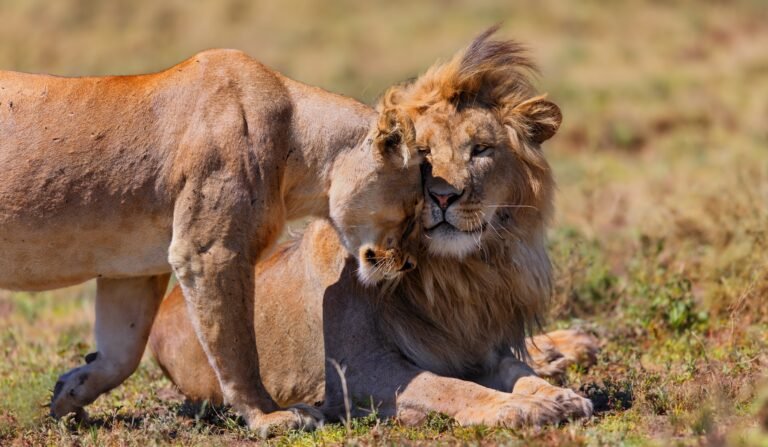
8-Day Lemosho Route And 5-Day Serengeti Safari: A Practical, Scenery-Rich
Conceive a two-part Tanzania adventure: an 8-day Lemosho ascent on Kilimanjaro paired with a 5-day Serengeti wildlife safari, designed for steady acclimatization and in-depth safari time.
View package details14 Days Kilimanjaro Climb And Luxury Lodge Safari 2026-2027
14 Days Kilimanjaro Climb and Luxury Lodge Safari.
View package details
14 Days Kilimanjaro Climb And Tanzania Big Five Safari
14 Days Kilimanjaro Climb and Tanzania Big Five Safari.
View package details10 Days Kilimanjaro Climb And Tanzania Safari Package
10 Days Kilimanjaro Climb and Tanzania Safari Package.
View package details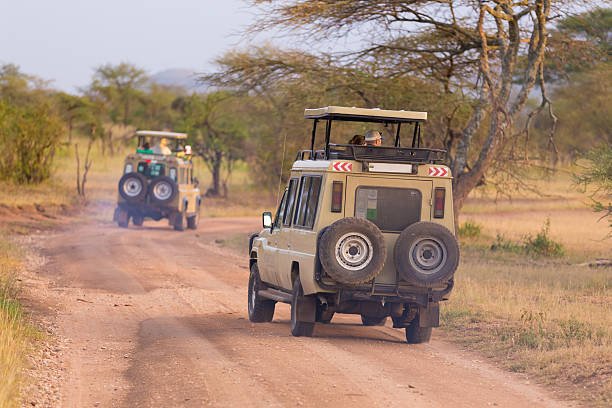
15 Days Northern Circuit Kilimanjaro And Safari 2026-2027
A practical 15-day plan weaving Kilimanjaro’s Northern Circuit climb with a Tanzania safari, detailing route progression, acclimatisation, driving logistics, and accommodation choices...
View package details15 Days Kilimanjaro Hiking And Big Five Safari 2026-2027
15 Days Kilimanjaro Hiking and Big Five Safari.
View package details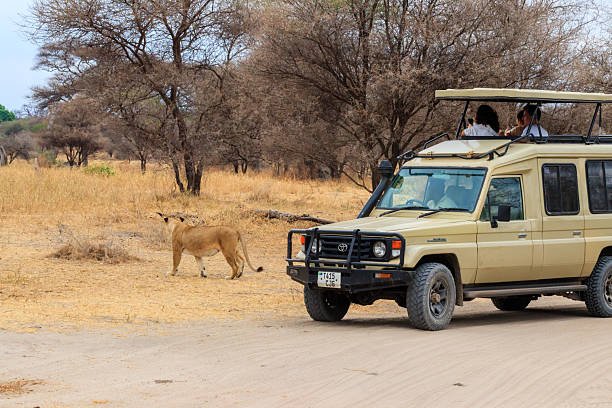
14 Days Kilimanjaro Trek And Northern Tanzania Safari 2026-2027
14 Days Kilimanjaro Trek and Northern Tanzania Safari.
View package details
12 Days Kilimanjaro Trekking and Tanzania Safari: A practical, day-by-day
A practical, bookable 12-day journey combining Kilimanjaro ascent with a Tanzania safari, outlining day-by-day route, acclimatisation strategy, park progression, and realistic safari...
View package detailsNo related package matches those filters. Clear one or more filters to see the other topic-matched options.



