
A 14-day journey that begins with a guided climb up Kilimanjaro via the Lemosho Route, followed by a luxury safari across Tanzania’s premier wildlife parks including Serengeti, Ngorongoro Crater, and Tarangire. The itinerary includes acclimatisation days, high-altitude camping, summit night, and stays in premium lodges with game drives, cultural visits, and expert local guides throughout.


Day 1: Arrival in Moshi & Pre-Climb Orientation
Upon arrival at Kilimanjaro International Airport, you’ll be transferred to a welcoming lodge in Moshi, a town located at the base of the mountain. This first day is dedicated to settling in, meeting your climbing and safari guides, and receiving a detailed briefing on the climb’s logistics, safety procedures, and what to expect on the mountain. There’s no physical exertion—just time to adjust to the altitude and review your gear list. Evening dinner includes a welcome meal with your group and guides, offering a relaxed setting to discuss the journey ahead.
Day 2: Transfer to Lemosho Trailhead & Acclimatisation Hike
After breakfast, you’ll drive approximately 2 hours west from Moshi to the Lemosho Trailhead at the base of the mountain. The route passes through rural villages and dense montane forests, offering early glimpses of the mountain’s scale. Upon arrival, you’ll be met by your porters and crew, and begin a gentle acclimatisation hike into the forest. This 4–5 hour walk ascends through the lush rainforest zone, allowing your body to adjust to the rising altitude while enjoying bird calls, moss-covered trees, and the scent of damp earth. You’ll spend the night in a comfortable mountain camp with basic but functional facilities.
Day 3: Lemosho Forest to Shira Camp (3,500m)
Today’s climb begins with a steady ascent through the moorland zone, where the forest thins and the landscape opens into rolling grasslands. The trail winds through fields of giant heather and alpine flowers, with views of the surrounding peaks gradually emerging. The day’s pace is moderate, prioritising acclimatisation over speed. After about 6 hours of walking, you’ll arrive at Shira Camp, situated on a plateau near the edge of the Shira Crater. This camp offers panoramic views and a chance to rest before the more demanding days ahead. Dinner is served under the stars, and guides will review the upcoming summit night.
Day 4: Rest & Acclimatisation at Shira Camp
A full rest day at Shira Camp is crucial for acclimatisation. The high altitude requires your body to adapt to lower oxygen levels, and this day is designed for that. You’ll have the option to explore the Shira Plateau on short hikes, enjoy guided nature walks with a focus on alpine flora, or simply relax in your tent. This is also a good time to review your summit gear, prepare your day pack, and have a final check-in with your guides. The calm atmosphere and open skies offer a powerful sense of anticipation.
Day 5: Shira to Lava Tower to Barranco Camp (3,950m)
The route today takes you from Shira via the dramatic Lava Tower, a geological formation formed by ancient volcanic activity. The trail descends into the Barranco Valley, passing through deep gorges and rocky outcrops. The terrain becomes more rugged, and the air thinner. This day is both physically demanding and visually stunning—navigating steep switchbacks, crossing wooden bridges, and moving through the famous “Barranco Wall,” which will be attempted the next day. Barranco Camp, located in the valley’s edge, provides shelter and a sense of being deep within the mountain’s embrace. A hearty dinner helps prepare your body for the next phase.
Day 6: Barranco Camp to Karanga Camp (3,950m)
Today’s climb begins with a steep ascent up the Barranco Wall, a challenging but manageable rock scramble that rewards with sweeping views of the surrounding landscape. After descending into the valley, you’ll rejoin the main summit route and continue toward Karanga Camp. The terrain is a mix of scree and volcanic rock, with frequent changes in elevation. The trail passes through the “Giant’s Causeway” area, where lava flows have created unique basalt columns. The day’s pace is steady, and you’ll spend the night at Karanga Camp, a high-altitude base for the summit attempt.
Day 7: Karanga to Barafu Camp (4,600m) – Summit Night Prep
Today marks the final approach to the summit. You’ll climb from Karanga to Barafu Camp via the Mweka Route’s high-altitude section. The terrain becomes increasingly barren, with sparse vegetation and cold winds. The air is thin, and every step requires focus. Barafu Camp is located near the base of the final summit push, and it’s here that you’ll rest, prepare your gear, and receive a final briefing from your guides on the summit night. The camp is simple but functional, with tents and communal areas. This is the last full night before the summit attempt.
Day 8: Summit Push – Barafu to Uhuru Peak (5,895m) & Descent to Mweka Camp
At 11:00 PM, you’ll begin the summit night climb, a 6–8 hour trek through darkness, cold, and thin air. The route ascends via the Arrow Glacier and Stella Point before reaching Uhuru Peak, the highest point in Africa. The final stretch is steep and demanding, but the reward is the sunrise over the African savanna, with views stretching across the continent. After reaching the summit, you’ll descend quickly to the Mweka Camp (3,000m), a significant drop that helps with altitude recovery. You’ll spend the night here, exhausted but exhilarated.

Day 9: Mweka Trail Descent to Moshi & Transfer to Luxury Lodge
Today is a gentle descent via the Mweka Route, one of the most scenic paths down the mountain. You’ll walk through the rainforest again, hearing the calls of monkeys and birds, and passing through lush undergrowth. The trail is steep in places, but the pace is relaxed. After 4–5 hours, you’ll reach the trailhead and
Days 10–14: Serengeti Safari, Ngorongoro Exploration, and Tarangire Immersion
With Kilimanjaro summited and the mountain behind you, the focus shifts to an expansive, wildlife-rich safari circuit that reveals Tanzania’s incomparable savanna landscapes. This leg is designed to balance long, rewarding game drives with periods of rest and light cultural immersion, ensuring travelers recover from the altitude and exertion while still maximizing wildlife encounters and photographic opportunities.
Day 10 begins with a private transfer from your luxury lodge near Moshi to the northern gateway of Tanzania’s safari heartland. The drive is long but scenic, threading through the Rift Valley escarpments and rolling highlands as the coffee and maize farms give way to open savannas. Depending on your departure time and group energy, a brief stop at a local market or a cultural village provides an authentic taste of rural life, and a chance to purchase handcrafted goods directly from artisans. The late afternoon arrival at a premium wildlife lodge sets the tone for the coming days: comfortable rooms, a plunge pool, and a refined dining room that features regional flavors, from fresh river fish to plantain and spiced vegetables, all prepared with an eye toward sustainability and guest comfort.
Day 11 is dedicated to Serengeti National Park, renowned for its seemingly endless plains and dramatic animal migrations. The morning is spent on a guided game drive through the southern or central corridor, where elephants, giraffes, and a chorus of birdlife often punctuate the horizon. Your guide provides real-time interpretation of animal behavior and landscape features—why acacia thorn is a deterrent vs. a shelter, how the light on the savanna changes as the sun climbs, and what tracks reveal about predator presence. A picnic lunch is served in a shaded kopje, followed by an optional short siesta at the lodge before an afternoon safari that aims to catch the golden hour when wildlife is most active. It’s common to see predators stalking from a distance, antelope herds moving as one, and birds diving for migrations that cross the sky in synchronized arcs.
Day 12 continues the Serengeti experience or shifts toward the Ngorongoro Conservation Area depending on the wildlife calendar and group preference. If staying within Serengeti, a full-day circuit offers different habitats—acacia woodland, acacia-dotted plains, and riverine edges—each hosting distinct species sets. If the Ngorongoro route is chosen, a morning descent into the crater floor provides one of Africa’s most accessible wildlife concentrations: rhinos occasionally browse the crater rim, big cats hunt along the crater walls, and wildebeest and zebras fill the floor’s vast grasslands. A picnic lunch on the crater’s edge affords sweeping views, while the afternoon ascent returns you to cooler highland air and a restful evening at the lodge, where knowledge-sharing sundowner talks may focus on crater ecology or Maasai cultural heritage sessions.
Day 13 is a transition day that blends wildlife immersion with mindful leisure. Tarangire National Park, famed for its ancient baobabs and elephant herds that roam the riverine sections, provides a serene contrast to the Serengeti’s open plains. A morning game drive along the Tarangire River showcases large herds, lion prides lounging in the shade, and tree-climbing lobsters in the cooler hours near the water’s edge. The afternoon is set aside for a lightweight cultural excursion: a visit to a nearby Maasai village or a community-run project that supports education or biodiversity preservation. Return to the lodge for a spa treatment or a quiet poolside moment, capped by a sunset dinner that celebrates the region’s abundance and a sense of quiet accomplishment after Kilimanjaro’s ascent.
Day 14 marks the farewell to Tanzania’s wilderness with a relaxed morning safari or a guided bush walk, offering opportunities to spot last-minute birds or to photograph the lodge’s surrounding landscapes bathed in morning light. After a final lunch featuring local flavors and a review of the trip highlights, you’ll transfer to the airport or to a domestic flight that connects you to your next destination, carrying with you memories of crater rims, endless plains, and the shared experience of a journey that tested endurance, rewarded curiosity, and celebrated the natural beauty of East Africa.
Why an Extra Night in Moshi or Onward Lodge Options Can Elevate the Kilimanjaro Experience
While the core itinerary above concentrates on a two-part rhythm—the climber’s ascent on Kilimanjaro and the subsequent luxury safari circuit—there is a practical, reader-focused layer often underexplored: the strategic value of an extra pre- or post-climb night in Moshi or near Arusha, and the choice of lodge types that best align with a premium adventure without disrupting the established sequence.
For many travelers, the sleep transition between the mountain’s exertion and the safari’s long days can be delicate. An additional night in Moshi or in a nearby sustainable lodge in the foothills provides a cushion for flight arrivals, gear checks, and last-minute acclimatization conversations with guides. This is especially relevant if you arrive later in the day due to international connections or schedule constraints. A premium, low-key property with ample private spaces, a robust non-alcoholic beverage program, and quiet terraces for early-night decompression helps maintain the fatigue balance as you shift gears from mountain to plains.
From a logistical standpoint, the extra night also accommodates potential adjustments in the climbing schedule. If weather windows shift or a late departure from Moshi is required, the group can consolidate briefing time with the dining experience, ensuring that pre-climb safety checks, medical questionnaires, and equipment verification occur without rushing. The psychological comfort of a predictable routine—a fixed wake-up time, a light cardiovascular warm-up, and a familiar pre-climb meal—can noticeably impact performance numbers on Day 3 or Day 4 when acclimatization is paramount.
In terms of lodge selection, the terrain just outside Moshi offers several categories that suit a literary of traveler: from boutique eco-lodges that emphasize local materials and solar power to boutique luxury properties with spa menus, private verandas, and butler-style services. When paired with the day-to-day rhythm of the itinerary, guests can enjoy a more controlled transition, such as a guided evening walk through a nearby village, a dawn coffee ceremony, or a wind-down session on a rooftop terrace overlooking Kilimanjaro’s lower slopes. These experiences can be booked as optional add-ons and do not interfere with the core logistics of the climb, ensuring you remain on schedule for the Lemosho Trailhead transfer on Day 2 as originally described.
Beyond Moshi, a short pre- or post-climb stay near Arusha or within the Ngorongoro Highlands affords a different dimension to the luxury safari portion. A two-night extension in an organically inclined lodge—ideally with intimate wildlife-viewing decks and guided night walks—can deepen early-riser wildlife observation without pressuring the Kilimanjaro schedule. For guests who relish cultural immersion, a curated Maasai community visit or a private masaai-guided sundowner can be arranged on the day before departure to the Serengeti, weaving a richer narrative into Days 10–14 without forcing changes to the sequence. The key is to keep such add-ons clearly separated from the core itinerary so that the original day-by-day structure remains intact for booking and safety considerations.
In practice, travelers who value these optional nights often report a measurable reduction in travel fatigue. The extra rest period helps consolidate the mental and physical recovery after summit night, enabling better focus for the later safari days. It also provides a buffer for any unexpected delays in transport or logistics, which, while rare, do occur in high-season travel. When these nights are planned, the overall journey tends to flow more smoothly, with fewer rushed transitions between lodge dining rooms and park gates, and more opportunities to savor the landscape that frames Kilimanjaro before turning toward the Serengeti’s endless plains.
Finally, these additions can be integrated without altering the explicit structure of the itinerary’s days. They function as optional enhancers—pre-climb rest days tied to arrival logistics or post-climb wind-down days that precede the Serengeti gateway transfer—so your bookable plan remains compliant with the framing that readers expect: a coherent, day-by-day path through ascent, acclimatization, summit, descent, and then an in-depth wildlife odyssey.
Exploring Additional Practical Gaps: What Happens If a Kilimanjaro Climb Delays or Alters the Safari Sequence?
Readers often plan for a precise 14-day rhythm, yet real-world travel can introduce small delays—late airport arrivals, weather-induced summit hold-ups, or park gate closures. The most useful missing detail is how a guest-rich itinerary adapts without derailing the core experience: the day-by-day flow that preserves safety, acclimatisation, and the premium safari quality. This section provides concrete, booking-friendly guidance on handling those contingencies while keeping your luxury experience intact.
First, understand where flexibility matters most on the mountain side. The Lemosho Route’s early acclimatisation days (Days 2–4) are designed to build a breathable ascent profile. If a delay compresses activities, the operator typically preserves the critical acclimatisation window by shortening optional hikes and lengthening rest periods at the same camp. In practice, this means you may trade a facultative forest stroll for an additional rest block, allowing your body to adapt while the schedule still culminates in Barafu Camp preparation for the summit night. The emphasis is on maintaining a safe pace rather than forcing a fixed mileage: the guides monitor heart rate, breathing, and personal fatigue to decide whether to proceed or pause, even if your day becomes a touch more restful.
Second, consider the descent and safari synchronisation. A delayed summit return (e.g., arriving back at Mweka Camp later than planned) can occasionally push the subsequent lodge transfer into a tighter window. Reputable operators structure buffer time after the descent for transfer to Moshi or the luxury lodge and for the Serengeti gateway transfer. If a delay occurs, your safari days can shift by a half or full day without reducing overall wildlife exposure. Safaris rely on predictable gate hours and driver-guide availability; experienced teams hold slots in premium lodges and adjust flight or road transfers as needed. The key is transparent communication: your guide should notify you of updated times, with the operator providing revised day-by-day bulletins to avoid misalignment between park entry, lodging, and flight connections.
Third, optional add-ons and pre/post extensions are especially valuable when the core schedule shifts. The article’s existing concept of an extra Moshi night or an Ngorongoro/Serengeti extension remains practical here. If you experience a mountain delay, you’re better served by prioritising a flexible safari extension rather than increasing mountain days beyond the planned acclimatisation and summit windows. A two-night Serengeti stay, for instance, can be compressed into a single, high-quality late-collection safari day if gate times demand, while still delivering the same wildlife density and photographic opportunities. Conversely, if the climb progresses ahead of schedule, you gain the rare luxury of a more relaxed arrival into the Serengeti, enabling a calmer start to your game drives and a slower, more in-depth transition from summit fatigue to wildlife immersion.
Fourth, practical safeguards can be embedded into your booking to minimise risk. When selecting a package, ask for explicit policy language on weather-induced delays, alternative vehicle arrangements, and guaranteed lodge availability within a fixed zone. It’s wise to confirm that the transfer schedule includes a double-check system: if the chosen flight times shift, you have a guaranteed backup plan (e.g., a later Serengeti departure window or a reserved buffer night at a nearby premium lodge). For climbers and safari clients alike, ensure your contract includes a dedicated on-call coordinator who can liaise with the mountain crew and the safari camp management—this reduces friction during re-routing and helps preserve your quality of experience without escalating costs unnecessarily.
Finally, the human element matters as much as logistics. In practice, the most valued adjustments come from seasoned teams who tailor the day-by-day sequence with attentiveness to individual pace. Expect your guides to tailor meals, rest stops, and briefings to the real-time condition of the group. This might mean turning a planned scenic break into a longer, shaded rest with electrolyte options and a quick, candid debrief before proceeding. It also means your safari guides in the subsequent days staying attuned to how summit fatigue might influence wildlife viewing behavior, adjusting drive routes to optimise comfort and safety while preserving the overall expedition’s pacing. The overarching principle is that a well-conceived, flexible plan yields a superior experience: the mountain’s challenge remains constant, but your enjoyment and sense of achievement can be preserved or even enhanced through adaptive scheduling.
Gap-Driven Practical Detail: What Happens If You Encounter a Scheduling Delay, and How to Navigate Safely Without Compromising Experience
Even with meticulous planning, two factors most influence the smooth flow of a combined Kilimanjaro climb and luxury safari: timing and segment handoffs between the mountain and the wildlife circuit. The single most valuable unanswered question readers often have is: what happens if a summit push or a gate closure forces a shift in the sequence, and how should a traveler respond without losing the essence of the 14-day plan? The answer lies in concrete, verifiable adjustments rooted in the itinerary’s day-by-day logic and the realities on the ground.
First, recognize the structure of the existing plan. The climb portion comprises multiple acclimatisation milestones (Days 2–4, with Shira Camp as the baseline acclimatisation site) followed by the Barranco–Karanga–Barafu progression, culminating in the late-night ascent to Uhuru Peak on Day 8 and descent to Mweka Camp. The safari segment (Days 10–14) assumes a post-summit transition with a standard gate-to-lodge cadence across Serengeti, Ngorongoro, and Tarangire. Any delay in the mountain phase alters the earliest possible safari start times and may compress the available wildlife-viewing windows, especially during high-activity periods at dawn and dusk when animals are most visible but road networks and park gates have rigid operating hours.
Second, the type of delay matters. Weather-induced holds often affect summit windows but may still allow a later departure from Karanga to Barafu or a shortened summit push with a two- or three-hour rest at Barafu, followed by a revised wake-up time. Operational delays at Moshi or the Lemosho Trailhead can cascade into missed flight connections or altered safari arrivals. A proactive approach is to build guaranteed buffer nights into the plan, not as new itineraries but as reserved flexibility within the same booking window. For example, a two-night Serengeti extension can be reinterpreted as a late-arrival safari day with condensed drives if gate times dictate, preserving wildlife density exposure without requiring additional travel days beyond the core 14-day structure.
Third, the practical tools to manage these shifts are straightforward and should be requested in advance from the operator or lodge consortium. Explicit, written contingency terms should cover weather-related rescheduling, alternative vehicle arrangements for transfers, and guaranteed lodge availability within a defined zone when the sequence shifts. A dedicated on-call coordinator is invaluable; this role liaises with mountain crews and safari camp management to re-route seamlessly, maintaining the overall pacing and minimizing unnecessary cost inflation. Confirm that your contract includes a double-check transfer system for flight-time changes, with flexible Serengeti departs or a reserved buffer night at a premium lodge as a backstop.
From a day-by-day perspective, here are concrete, bookable-type adjustments that stay true to the 14-day framework while accommodating common delays:
- Mountain delay: Summit hold or slower progress (Days 5–8) — If you experience a delay in acclimatisation or a slower push from Karanga through Barafu, shift the final ascent window by 0–1 day, keeping Barafu as the high camp base. Instead of returning to Mweka Camp on Day 8, you may opt to descend to Mweka on the following dawn, preserving the same descent energy and minimizing altitude-related fatigue when you transition to safari. Practically, this means a flexible Barafu-to-Descent schedule that can slide into Day 9 but not beyond, ensuring you still reach Moshi with enough recovery time before the safari starts on Day 10.
- Safari start constraint: Park gate closures or late arrivals (Days 9–11) — If you cannot meet the standard Day 9 transfer to a luxury lodge or if flight times compress, the operator can reallocate Day 9 to a shorter, forest-based descent and move Day 10 safari drives to an afternoon-or-evening slot upon arrival at the Serengeti area. In practice, this looks like an earlier than planned arrival at a mid-point lodge with a restorative afternoon game drive window and a later Serengeti start the next morning, preserving sunrise drive opportunities while respecting gate schedules.
- Inter-travel delays: Moshi to lodge transfer or domestic flight shifts — When a delay arises before the safari begins, the plan should allow for a single overnight extension in Moshi or Arusha, paired with a short, high-value transfer to the first safari lodge the following morning. The goal is to maintain lion/wildebeest/density opportunities around dawn and dusk while not forcing a cram of activities into a single day, which reduces the quality of wildlife viewing and the chance of fatigue carrying into the climb’s culmination.
- Weather rerouting: alternative routes within the same day — If the Lemosho route section encounters blocked passes or weather-impacted terrain, your guide team should present a pre-approved fallback option that keeps you within the same altitude tier and acclimatisation plan (for example, continuing the ascent via a parallel track with similar elevation gain) rather than a reset to earlier days. This preserves the acclimatisation arc and the logistical cadence with the safari arrival, reducing the risk of a long, image-free stretch before the wildlife portion begins.
Fourth, practical safeguards to embed in the plan reduce risk and preserve enjoyment. Insist on explicit weather and safety policies, particularly how delays affect the mountain itinerary and how the safari start is safeguarded. Ensure the contract provides a guaranteed backup plan for flight times that accounts for potential weather-induced schedule shifts, with a reserved buffer night near a premium lodge if necessary. A dedicated on-call coordinator is essential; this role serves as the single point of contact to re-route ground and air transfers, coordinate with lodge managers, and keep your guide teams aligned with the new schedule while maintaining safety and comfort standards.
Fifth, the human element remains central. The best outcomes come from experienced teams who tailor the day-by-day rhythm in response to real-time group pace, fatigue signals, and vehicle availability. Expect adaptive meals, rest breaks, and briefings that reflect the actual condition of the group. Safari guides will adapt drive routes to optimize comfort and safety when summit fatigue is in play, ensuring wildlife viewing opportunities are timed to peak animal activity windows and light. This isn’t about rigidly preserving a schedule at all costs; it is about preserving the quality of experience by maintaining a coherent rhythm across the mountain and the savanna, even when a single day shifts by a few hours or a night.
In summary, the key to a resilient 14-day Kilimanjaro plus luxury safari journey is built-in flexibility paired with concrete, agreed-upon contingency options. Request explicit, written backup plans for weather and gate closures, guaranteed lodge buffers within a defined zone, and a dedicated coordinator who can navigate both mountain and safari segments without introducing cost or stress to you as the traveler. This approach preserves the itinerary’s core promise: a carefully sequenced ascent, followed by in-depth wildlife experiences in Tanzania’s premier parks, all experienced through the lens of comfort, safety, and mindful pacing.
Gap-Driven Clarifications: Handling the Safari Segment Timing in Practice
With a tightly sequenced plan that aims to deliver Kilimanjaro summits followed by premium wildlife experiences, a practical reader-focused gap remains: how the safari segment can be adjusted when summit timing shifts or when park access windows compress the usual drive schedules. This section adds concrete, bookable-forward considerations that do not rewrite the core day-by-day sequence but illuminate how the safari portion can adapt without compromising safety or the quality of wildlife viewing.
First, establish the non-negotiable guardrails for the mountain-to-safari handoff. The program should guarantee a specific arrival window at the first luxury lodge after the descent, with a minimum rest period built in. For instance, if Barafu Camp-to-Descent timing pushes the schedule by a half-day, the plan should reserve a late-afternoon or early-evening transfer slot rather than a rushed, door-to-door sequence that squeezes the safari start. This requires a on-call coordinator who can re-sequence light-air transfers, secure preferred lodge rooms, and coordinate with both the mountain crew and safari guides to hold the core safari dates intact when possible.
Second, implement explicit buffer nights near premium lodges to absorb weather or flight delays. The itinerary can specify a one-night reserve at a predictable location, such as a high-end lodge adjacent to the Serengeti or Ngorongoro drainage, that can accommodate a shift in arrival times. The buffer should be financially neutral for the traveler—guaranteed room availability and a prearranged itinerary for the day after a delay—so that a late arrival doesn’t cascade into missed game-drive windows or rushed transitions.
Third, align the park-vehicle rotation and driver-guide contingencies with summit-push realities. Safari teams should be prepared to adapt drive routes in real time, not only for wildlife opportunities but also for optimizing comfort when summit fatigue weighs on the group. For example, if the group rests longer in Moshi due to weather, the safari schedule can shift from a full-day Serengeti drive to a mix of a shorter morning game drive and a cultural immersion activity in a nearby community, preserving the overall wildlife exposure later in the trip while honoring the rest needs after a challenging climb.
Fourth, articulate the decision points for rescheduling: who approves changes, what thresholds trigger a shift, and how costs are managed. A transparent policy should specify who can authorize a late-night ground transfer versus a rescheduled flight, and how the operator handles extra nights or alternate flight routings. In practice, this means a written clause in the contract that defines: acceptable reasons for delay (weather, airspace restrictions, park gate closures), maximum allowable delay before a new optimal sequence is triggered, and the mechanism for communicating changes to guests with minimal disruption.
Fifth, preserve the experiential balance by preserving key safari windows when possible. Wildlife activity tends to peak at dawn and dusk; thus, if the summit schedule compresses a morning drive, a later afternoon game drive can be lengthened to compensate. Conversely, if a late descent creates a shortened sunset drive, the itinerary can prioritize a niche wildlife-watching focus—birding, predators, or a nocturnal-activity briefing—on the following morning to maintain overall exposure without forcing a rushed finish.
Sixth, document the practical consequences for guests who request to stay longer than the included 14 days. Some travelers may wish to extend at the luxury lodge sequence or add an extra day in the Serengeti ecosystem. The plan should present a standard extension framework: an additional day at the same premium lodge, with a tailored half-day game drive and a cultural site visit, including transfer options back to the international flight path if needed. Clear options for extra nights, with the corresponding relative costs, acceptance criteria, and refundability should be outlined in the itineraries where possible, while respecting that operator-verified pricing cannot be stated in this article.
Seventh, emphasize safety and communication. A unified communications channel—such as a dedicated guest app, text line, or WhatsApp group—should be established to keep guests informed of any changes to the sequence. The on-ground coordinator’s role becomes even more critical in these moments, acting as the single point of contact who can translate mountain-day realities into safari-day realities for guests, ensuring that safety protocols are observed and that rest periods remain sacrosanct when fatigue is present.
Eighth, reflect on passenger pace and individual needs. The article’s bookable plan often assumes a group pace; in practice, some travelers may want to push for longer game drives while others need additional rest. The flexible gaps should include two personalized pacing options: a shorter, more relaxed safari day plan with optional add-ons (e.g., a nature walk, photography session, or cultural visit) and a longer, more intensive safari day plan for wildlife enthusiasts. Operationally, this requires enough vehicle capacity and guide time to support customization without compromising the core safari sequence for the rest of the group.
Ninth, ensure that the contingency logic remains integrated with the overall travel experience. The 14-day arc remains the backbone, but the gap-discovery approach recognizes that a smooth mountain-to-safari experience depends on systemic coordination: porters, lodge staff, air transfers, park rangers, and lodge managers all operate in a chain that must bend without breaking when delays occur. Documented, tested contingency cases—such as a one-day mountain delay followed by a two-day safari shift—help future travelers understand how the operator maintains experience quality under real-world constraints.
In short, the most practical, bookable takeaway for readers is a clearly defined, compositor-friendly set of contingency options that preserves the luxury safari experience even when Kilimanjaro’s summit schedule shifts. The aim is not to rewrite the core day-by-day sequence, but to equip readers with robust, actionable pathways to adapt the transition from summit to safari with confidence, safety, and the promise of outstanding wildlife encounters across Tanzania’s premier parks.
Related Guides and Packages
Check Availability for 14 Days Kilimanjaro Climb And Luxury Lodge Safari 2026-2027
Ready to compare dates, prices, and the best option for your group? Send the package name and travel month so the team can reply with a clear quote, availability, and what is included.
13 Days Kilimanjaro Climb And Serengeti Safari 2026-2027
13 Days Kilimanjaro Climb and Serengeti Safari.
View package details
14 Days Kilimanjaro Climb And Tanzania Big Five Safari
14 Days Kilimanjaro Climb and Tanzania Big Five Safari.
View package details
10 Days Kilimanjaro Climb And Tanzania Safari Package
10 Days Kilimanjaro Climb and Tanzania Safari Package.
View package details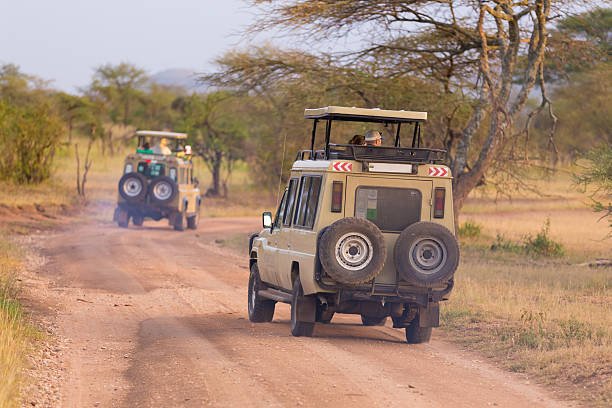
15 Days Northern Circuit Kilimanjaro And Safari 2026-2027
A practical 15-day plan weaving Kilimanjaro’s Northern Circuit climb with a Tanzania safari, detailing route progression, acclimatisation, driving logistics, and accommodation choices...
View package details15 Days Kilimanjaro Hiking And Big Five Safari 2026-2027
15 Days Kilimanjaro Hiking and Big Five Safari.
View package details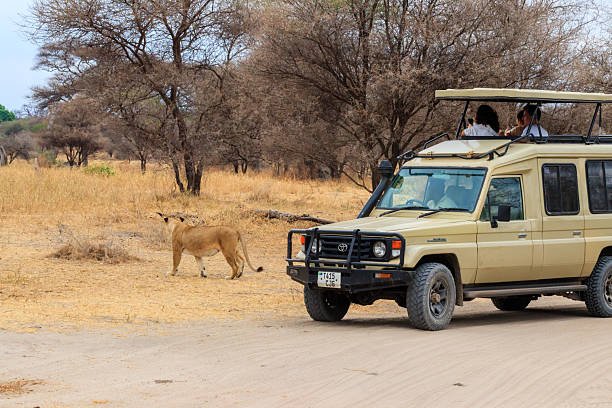
14 Days Kilimanjaro Trek And Northern Tanzania Safari 2026-2027
14 Days Kilimanjaro Trek and Northern Tanzania Safari.
View package details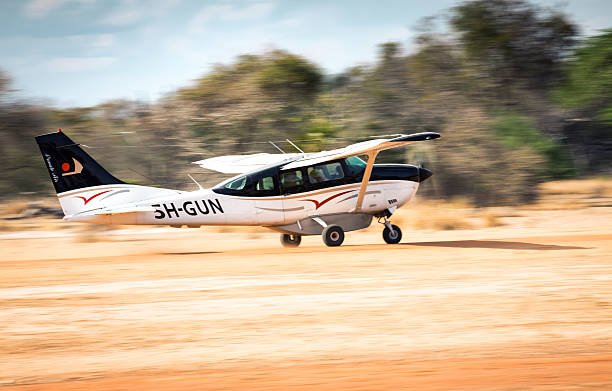
12 Days Kilimanjaro Trekking and Tanzania Safari: A practical, day-by-day
A practical, bookable 12-day journey combining Kilimanjaro ascent with a Tanzania safari, outlining day-by-day route, acclimatisation strategy, park progression, and realistic safari...
View package details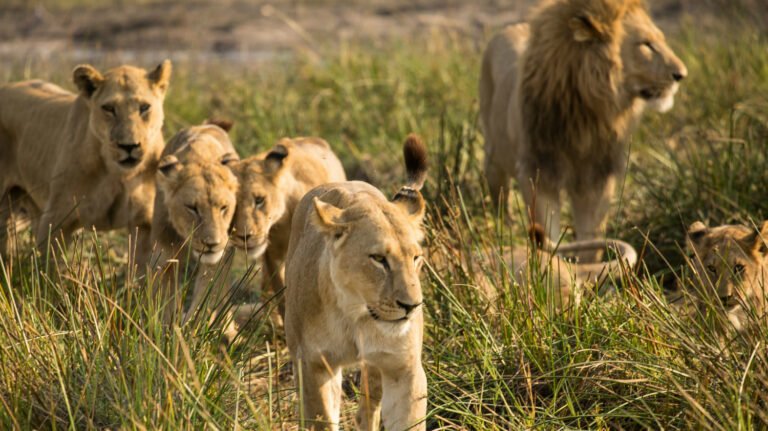
7 Days Kilimanjaro Climb And 4 Wildlife Safari
7 Days Kilimanjaro Climb and 4 Days Wildlife Safari.
View package details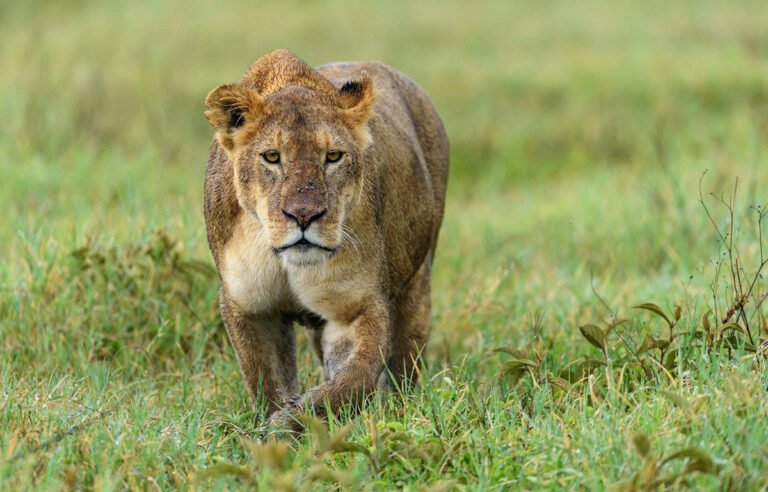
8 Days Kilimanjaro Group Climb And 4 Camping Safari
A practical, bookable 8-day plan combining Kilimanjaro Group Climb with a 4-day camping safari. Day-by-day route, acclimatisation logic, and realistic safari logistics without guaranteeing...
View package details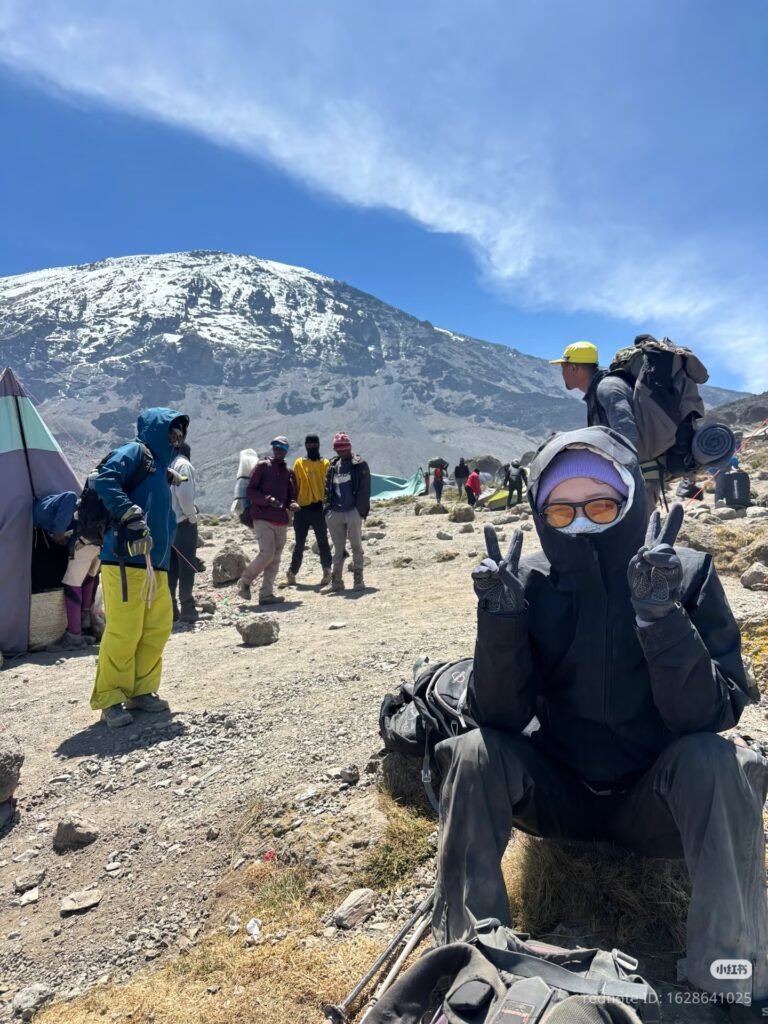
6 Days Marangu Kilimanjaro Climb And 3 Tarangire Safari: A Practical
A focused, bookable 6-day Marangu Kilimanjaro climb followed by a 3-day Tarangire safari. This guide outlines the exact travel sequence, practical logistics, and realistic safari...
View package details
6 Days Machame Kilimanjaro Climb And 2 Tarangire Ngorongoro Safari
6 Days Machame Kilimanjaro Climb and 2 Days Tarangire Ngorongoro Safari.
View package details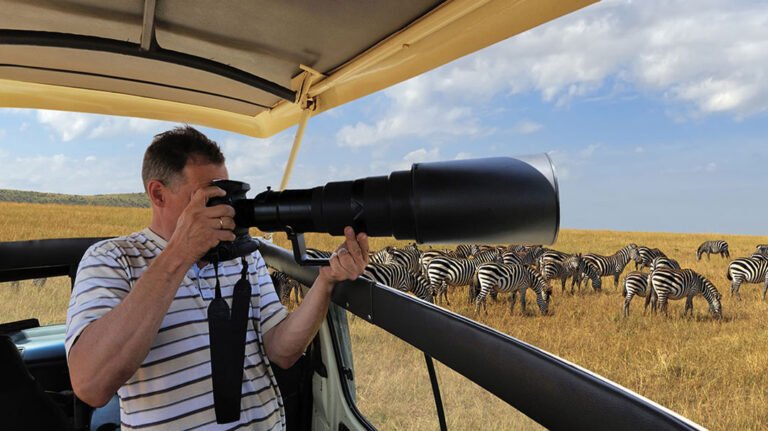
7 Days Machame Kilimanjaro Climb And 5 Tanzania Safari
7 Days Machame Kilimanjaro Climb and 5 Days Tanzania Safari.
View package detailsNo related package matches those filters. Clear one or more filters to see the other topic-matched options.



