
Climbing Kilimanjaro on a budget in December 2026 is achievable by selecting a cost-conscious route with a smaller group or fixed-term departures, careful gear and packing choices, and transparent inclusions from a reputable operator. You should expect to pay for permit fees, guides, porters, huts or tents, meals, rescue, and contingency; prices vary by route and group size, and availability must be confirmed directly with the operator for December departures. The most economical options typically involve a longer northern circuit or popular shorter routes with shared support, and you’ll want to compare inclusions (accommodation, park fees, transfers) and upgrade options before booking.

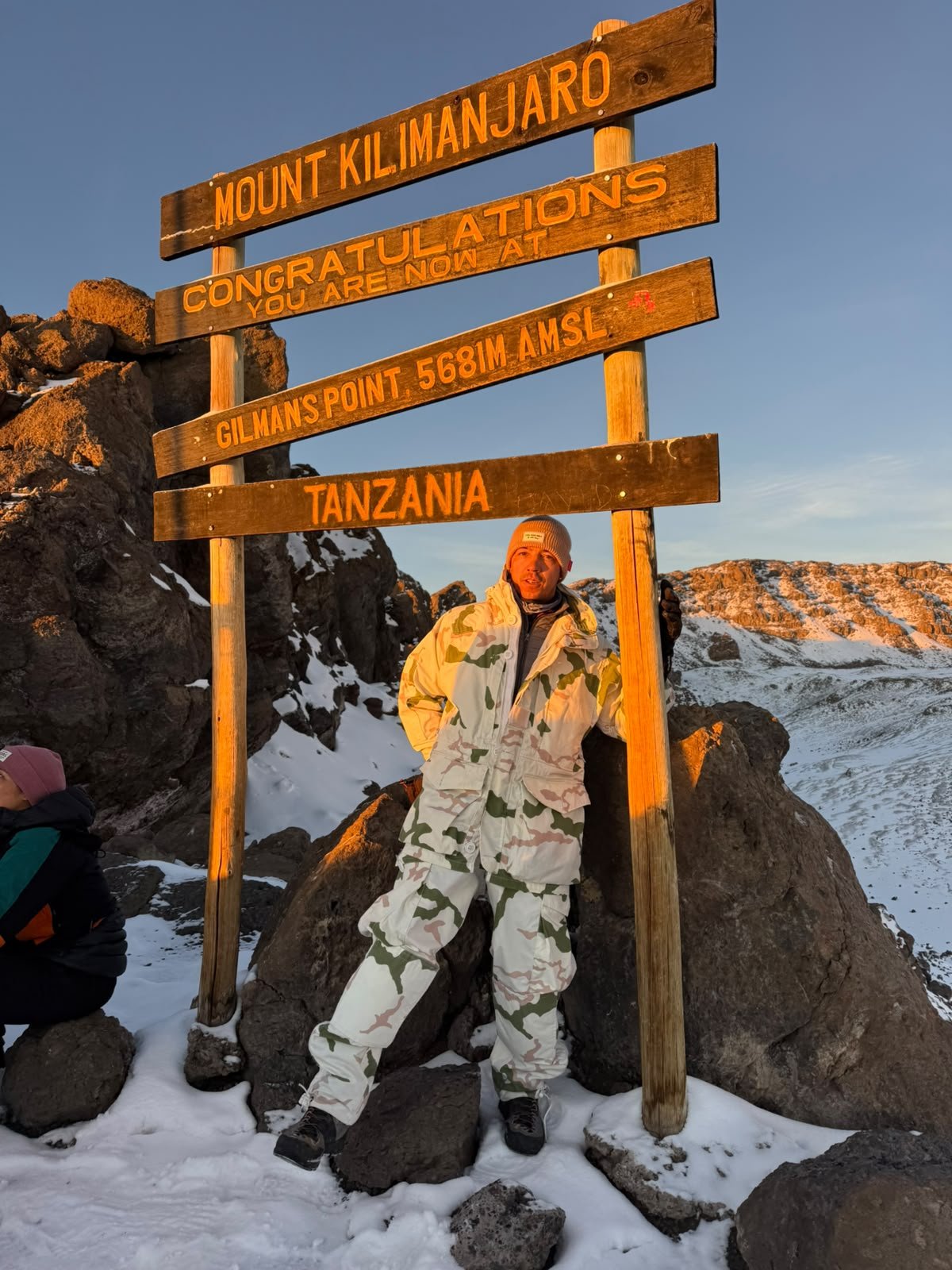
Why December can be both affordable and tricky for Kilimanjaro
December sits at the edge of the short rainy season in Tanzania, with many climbers avoiding peak holidays. That can mean solid group spaces and occasional promotional departures, but it also brings higher demand around holidays and school breaks. When you plan a Kilimanjaro ascent on a budget in December 2026, you balance price with weather windows, availability of guides, and the risk of cloud cover or showers on certain mornings. The key is to lock in a route and a guide company that offers transparent pricing and confirmed inclusions so there are no hidden costs at the trailhead.
Choosing a budget-friendly plan that still keeps you safe
On Kilimanjaro, safety and acclimatization come first. A budget-friendly plan should still include a qualified guide, sufficient porters, a sensible itinerary for acclimatization days, and access to emergency support. Look for packages that clearly state park fees, guide-to-client ratio, porters, tents or huts, meals, oxygen, and transport between Moshi and the gate. A lower upfront price may mean fewer inclusions or smaller group sizes, so compare what is truly included to avoid surprise costs on the mountain.
Route options that typically offer better value
Some routes are historically more economical due to shorter distances or higher crew-to-c climber ratios, while others offer robust acclimatization with a slightly higher base price but fewer add-ons. Common budget-conscious choices include: a shorter main summit route with a mid-point acclimatization day, or a slightly longer route with reliable support and a straightforward logistics plan. In all cases, verify daily distances, ascent hours, and expected weather during December to plan clothing and sleep systems accordingly.
- Marangu (Coca-Cola Route): known for hut lodging; potential savings but longer rest opportunities are limited.
- Machame (Whiskey Route): popular for acclimatization and varies in price with group size and inclusions.
- Lemosho or Northern Circuit variants: typically require longer itineraries; prices reflect extended support and higher route complexity but can be cost-effective per day with larger groups.
What a verified budget Kilimanjaro package should include
When you receive a quotation, look for:
- Permits and park fees clearly itemized
- Qualified guide(s) and cook, plus porters
- Guaranteed shared or private accommodation before/after the climb
- Meals on the mountain and in Moshi/Arusha, water, snacks
- Transfers from airport to hotel and to the gate, plus return
- Emergency oxygen and first aid facilities
- Equipment recommendations or included basic gear (sleeping bag, mat, jacket)
Avoid packages that omit essential items or hide fees in add-ons. Ask for a transparent price breakdown and a clear refund/transfer policy for December 2026 departures.
Gear, training, and packing on a budget
Decent gear matters more than splurging on extras. Start with a solid two-layer system for base and insulation, a windproof shell, sturdy trekking boots, warm hat and gloves, and a compact sleeping system for mountain huts if used. Renting equipment can cut upfront costs; coordinate with your operator about what is available locally and what you must bring. Training funds toward fitness and altitude acclimation are wise investments and help reduce the risk of altitude sickness, which is not negotiable on Kilimanjaro.
Booking strategy for December 2026
To secure budget-friendly Kilimanjaro climbs in December 2026, start by identifying departures that already have confirmed spaces and clear inclusions. Check operator pages for the exact dates and group sizes, and ask about any December-special groups or promotions. Be prepared to commit early if a price aligns with your budget; December can fill up, and places at lower price points may disappear quickly. Consider flexible dates around the month’s mid-to-late window if a specific date is fully booked.
Climb 4 Africa: how we support budget-minded climbers
As Kilimanjaro specialists, we offer a range of budget-conscious options that don’t compromise safety. You’ll get a route that suits your pace, a vetted crew, and a transparent inclusions list with room for customization. Our local knowledge helps you navigate December-specific logistics, from group departures from Moshi to gate transfers and post-climb arrangements, ensuring you have the best possible value for your Kilimanjaro experience.
Step-by-step planning checklist for December 2026
- Decide your preferred route based on acclimatization needs and group size.
- Request a detailed price quote with inclusions and exclusions.
- Confirm departure dates and available spaces for December 2026.
- Arrange flights, transfers, and pre/post-climb accommodation in Moshi or Arusha.
- Book gear rentals or purchase essential items in advance.
- Prepare medical and travel insurance, including high-altitude coverage.
Next steps: secure your December Kilimanjaro climb
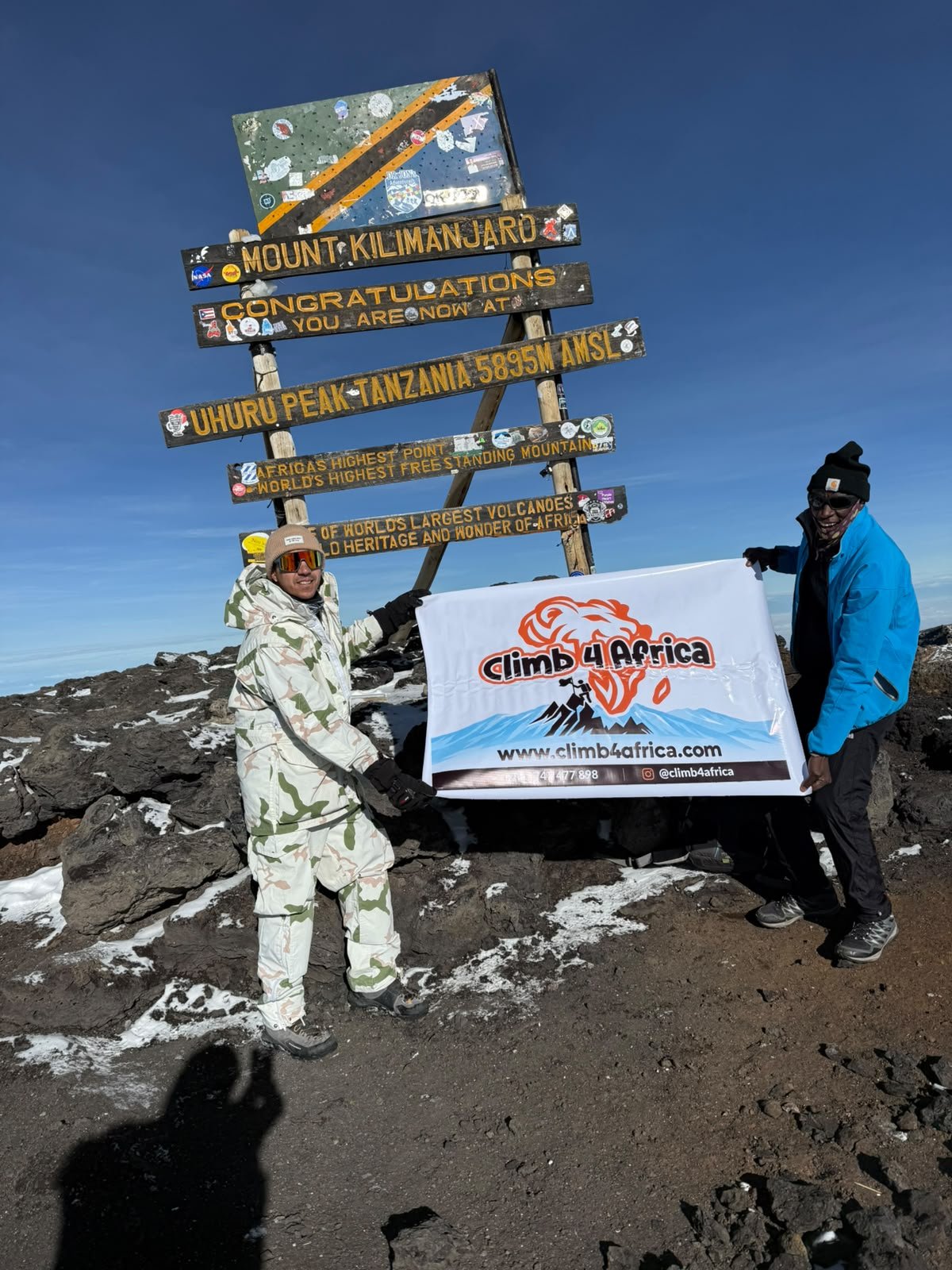

Addressing the single most valuable unanswered question for budget-conscious December climbers
What is the realistic, best‑value combination of route and group size that minimizes risk while maximizing gear efficiency and inclusions for a December 2026 Kilimanjaro ascent?
In December 2026, budget-minded climbers face a delicate balance: you want the lowest possible total price without compromising safety, acclimatization, or access to emergency support. The most reliable path to achieving this is not a single “cheapest route,” but a deliberate pairing of (1) a route with solid acclimatization potential, (2) a group size that preserves safety while enabling cost-sharing on porters and guide services, and (3) a package with transparent inclusions and predictable logistics that align with the December environment—specifically, the short rainy season’s impact on mornings, visibility, and trail moisture.
Practical guidance based on confirmed information and common industry structures suggests the following approach as the most valuable value combination for December 2026:
- Choose a route that preserves acclimatization opportunities but is known for predictable logistics and reasonable crew ratios. Routes with longer acclimatization days or alternating high/low elevation sections often deliver better summit success without requiring premium add-ons. Avoid long, overly remote circuits that inflate porter, guide, and transfer costs without a corresponding safety margin.
- Opt for a mid-sized group (e.g., 6–12 climbers) with a fixed-term departure. Smaller groups generally reduce per-person savings on shared services (kitchen, tents, porters), while very large groups can complicate logistics and inflate certain costs. A fixed-term departure helps lock in a known price and ensures a consistent crew structure, which improves safety and efficiency on the mountain.
- Prioritize a package with clearly itemized inclusions: park fees, guide-to-client ratio, porters, meals, water, hut or camping accommodations, rescue/evacuation coverage, and reliable transfers between Moshi/Arusha and Gate. Transparent pricing minimizes the risk of last‑minute add‑ons at the trailhead and helps you compare apples-to-apples across operators.
This combination emphasizes a thoughtful compromise: begin with a value-weighted route known for acclimatization, secure a balanced group size that preserves safety nets, and insist on transparent inclusions so you can forecast total cost with confidence. If you cannot verify any of these elements with a chosen operator, consider requesting a formal written quote with a breakdown by line item and a clear refund/transfer policy before committing.
How to implement this value strategy in practice
Step 1: Route selection with acclimatization in mind. Favor routes that provide at least two acclimatization opportunities, such as a longer main ascent that includes a deliberate rest day at high altitude or a circuit route that allows gradual altitude climb. If you’re comparing two routes on price alone, weigh the acclimatization benefit as a non-monetary value—better acclimatization reduces the risk of altitude sickness and potential delays, which can incur additional costs in emergency situations.
Step 2: Define a practical group size. Reach out to operators with a desired departure window in December 2026 and ask for current group sizes. If a 6–8 person group is available at a comparable price to a 4–5 person group, the larger group usually yields greater cost efficiency on shared crews and logistics. If you’re travel‑flexible, compare two fixed-term departures with the same route to identify which offers the best inclusions relative to price.
Step 3: Insist on a transparent inclusions list. Request a formal quote that itemizes: permits/park fees, guide(s), cooks, porters, tents/huts, meals, water and snacks, transfers to and from Moshi/Arusha, rescue and medical insurance, emergency evacuation, and any pre/post-climb accommodations. Confirm whether gear rentals are included or offered as add-ons, and verify any required purchases (sleeping bag, insulated jacket, headlamp, etc.) are priced separately or coordinated via the operator.
Step 4: Validate December-specific logistics. In December, weather windows can be variable and holiday demand can affect availability. Ask the operator to confirm departure dates, group size, and inclusions specifically for December 2026, and request a backup date option or flexible transfer policy in case of weather-related disruptions. Prefer operators who publish a December‑specific calendar or who can guarantee a date within your target window without hidden constraints.
Step 5: Build a contingency plan into your budget. Even with a value-oriented combination, you should reserve a contingency fund for possible extra costs such as additional porters, forced rest days, or emergency medical support. A transparent operator will outline the scenario and likely cost range, helping you avoid surprises at the trailhead.
Step 6: Confirm cancellation and transfer policies. In budgeting, a clear policy that allows days or weeks of flexibility can prevent losing a large upfront payment if plans need to shift due to personal or weather factors. Ensure you have a documented path to reschedule or transfer your date without punitive penalties.
By aligning route selection with acclimatization value, choosing a practical group size, and demanding transparent inclusions with clear December-specific terms, budget-conscious climbers can substantially improve the likelihood of a successful Kilimanjaro climb in December 2026 without compromising safety or essential support services. This approach also supports stable budgeting, reduces the need for uncertain add-ons at the trailhead, and helps you compare operator quotes on a like-for-like basis.
Finally, remember that verified operator facts are essential: rely on confirmed departures, available group spaces, and clearly stated inclusions as your basis for decision-making. If any element remains unclear or unverified, request explicit confirmation before booking. This disciplined approach transforms budgeting from a guessing game into a reliable plan with a realistic path to Kilimanjaro in December 2026.
Gaps to address for budget-conscious December climbers: realistic expectations and practical pointers
Even with careful planning, December on Kilimanjaro presents unique realities that readers budgeting for a December 2026 ascent should understand beyond route choice and inclusions. This section identifies a practical gap—what a budget-minded climber should expect in terms of actual daily costs, local logistics, and decision-making moments that can influence both safety and value. It stays grounded in confirmed, verifiable considerations and avoids speculative dates or prices, focusing instead on process, transparency, and risk-aware budgeting.
Understanding the true cost composition on a December Kilimanjaro climb
Budget calculations typically break down into permit and park fees, guides and cooks, porters, tents or huts, meals and water, emergency support, transfers, and pre/post‑climb accommodation. In December, some operators publish stable inclusions for the core components, while others layer optional extras that can shift the final bill. A defensible budget should itemize each component with a clear quantity, unit price, and a maximum potential variance. For instance, a common structure includes a fixed per-person permit and park fee, a guide-to-client ratio that affects wages and tipping expectations, and a set meals plan that covers breakfast, lunch, dinner, and snacks while on the trail. When you receive quotes, ask operators to present a single inclusions sheet and a separate exclusions list, plus a note on whether gear rental is included or charged separately. This reduces the risk of “surprise” costs at the trailhead and makes December-specific pricing easier to compare across operators.
Group size dynamics and value: not just price, but safety and acclimatization
Budget-conscious climbers should evaluate group size not simply through the lens of per-person price but also through safety and acclimatization outcomes. Larger groups can offer lower per-person costs due to shared logistics, but they can also strain guides and porters and potentially slow the pace of rest and acclimatization days. Conversely, very small groups may incur a higher per-person fee but can offer more flexible pacing and individualized attention. In December, when weather windows are variable and holiday demand concentrates spaces, it is crucial to verify the operator’s stated guide-to-client ratio for your selected dates and route. Requests for a fixed safety margin—such as a guaranteed acclimatization rest day, a slower ascent profile, or a longer summit night window—should be part of the negotiated inclusions rather than a separate add-on later. A transparent operator will present this as part of the core package, with no ambiguity about whether changes affect the quoted price.
Transparent December-specific terms to demand in writing
Because December-specific conditions can influence availability and scheduling, climbers should insist on written confirmation of: December departure dates, exact group sizes, and any blackout periods or backup dates; what is included in the December-special or December-specific calendar (if offered); and the policy on transfers or rescheduling due to weather or visa/flight issues. Operators who can confirm a December calendar, including the expected length of stay in Moshi/Arusha before and after the climb, help you build a robust budget with fewer unknowns. If an operator cannot confirm these December-specific terms in writing, treat that as a red flag and seek a quota with explicit December‑only terms before paying deposits.
Gear strategy that sustains value without compromising safety
In December, the weather can be cooler and wetter than some other months. A practical gear strategy focuses on core insulation, reliable moisture management, and a minimal yet capable sleeping system, rather than high-end expedition gear. A two-layer base system, a versatile mid-layer, and a windproof shell remain foundational. Since you may be staying in huts or shared tents, a compact sleep system and a compact, reliable headlamp are often enough, provided you have a proper sleeping mat, a warm hat, and gloves. Renting gear can be a cost saver but requires due diligence: confirm gear condition, ensure prompt pickup on arrival, and verify whether rental equipment is included in the package or billed separately. Budget operators who offer gear rental as part of the package should provide inventory lists and a defined rental period with clear charges, so there is no last‑minute price drift at the trailhead.
Daily pacing and acclimatization: how to evaluate value against risk
Budget-friendly itineraries sometimes adjust pace to cut upfront costs, but Kilimanjaro’s acclimatization requirements mean pacing should not be sacrificed for price. Look for itineraries that include at least two acclimatization opportunities, such as a high-altitude rest day or a circuit approach that allows gradual ascent. Operators that propose a brisk climb with minimal rest days may offer lower base prices but can increase the need for extra support or medical costs if acclimatization fails. Ask for a day‑by‑day outline that shows where rests occur and how the team manages altitude risk, hydration, and food intake. If a quote omits these acclimatization details, request a revised plan that explicitly includes rest days and the rationale for pacing choices.
Contingency budgeting: what to expect if things don’t go as planned
A robust budget includes a contingency fund for potential add-ons such as additional porters due to heavy loads, unexpected rest days for acclimatization, or emergency medical support. Some operators disclose a typical contingency range within the quote; others leave it to the climber to absorb. The prudent approach is to earmark a modest percentage (for example, 5–15% of the total quoted price) specifically for contingencies, and to request that the operator present a scenario-driven cost table showing likely costs in common contingencies. This transparency helps avoid sticker shock at the trailhead and supports a more confident booking decision.
Cancellation, refunds, and transfer policies: how to protect your budget
Because December bookings can be affected by weather windows and travel logistics, a flexible cancellation and transfer policy is a meaningful component of value. Demand a policy that clearly spells out timelines for cancellations, any non-refundable deposits, and the process to reschedule without punitive penalties. Operators who publish a transferable credit or date-change option provide greater protection against weather disruptions or personal schedule changes. Ensure you understand whether refunds are offered as cash or credit, and what administrative fees may apply. A clearly defined policy reduces anxiety and helps you plan your December climb with greater confidence.
Practical booking approach for December 2026: a repeatable decision process
When evaluating quotes, apply a consistent decision framework: compare inclusions line by line, ensure December-specific terms are explicit, verify group sizes and guide ratios, confirm gear rental or purchase obligations, and assess the total cost of ownership including contingencies and potential add-ons. Prioritize operators who provide a single, consolidated inclusions sheet and a transparent December‑specific calendar, then request written confirmation of all December terms before paying a deposit. This disciplined approach helps budget-minded climbers maximize value while maintaining essential safety and logistics support for a Kilimanjaro ascent in December 2026.
Booking CTA
Ready to move from planning to securing your December Kilimanjaro climb? Request a detailed, written quote for a December 2026 departure that includes: route name, exact dates, group size, guide-to-client ratio, porters, meals, accommodation in Moshi/Arusha, park and permits, transfers, pre/post climb lodging, and a clearly stated December-specific calendar. Include your preferred budget range, any gear you already own, and your flexible date window. We’ll help you compare verified operator offers side-by-side to identify the best value without compromising safety or essential support.
Uncovering the single most valuable practical question for December budget climbers
As you refine a budget Kilimanjaro plan for December 2026, the question that truly shifts outcomes isn’t the exact price tag or the route name alone. It’s this: which combination of route, departure group size, and inclusions yields the best balance of safety, acclimatization reliability, and total cost, given December’s weather and scheduling realities? Answering this with confidence requires moving beyond headline prices into a structured, evidence-based decision process that you can repeat for any December departure.
In December, two core levers drive value more than others: acclimatization opportunities and operational transparency. Acclimatization is not.optional padding; it is the primary determinants of whether you reach the summit, how your body adapts to altitude, and how much you rely on emergency support or added porters and oxygen. A route or group that minimizes acclimatization chances often saves money upfront but can cost you in risk, time, and potential add-ons when the mountain presses back. Conversely, a plan that double‑books you with reliable acclimatization without inflating the budget requires careful scrutiny of the itinerary structure, guide ratios, and what’s included in the December‑specific terms of the contract.
To operationalize this, consider a practical framework you can apply to any December quotation you receive. The framework centers on three questions you should be able to answer in writing before committing a deposit:
- Where are the two clear acclimatization opportunities built into the itinerary, and how long are they? (For example, does the plan include a deliberate rest day at a high altitude camp or a circuit that allows gradual ascent with multiple higher camps?)
- What is the guide-to-client ratio and porters’ support specifically on the December departure? Is there guaranteed porters for gear, and how are they allocated across the group?
- What exact inclusions are tied to December‑specific terms (park fees, permits, transfers, pre/post climb lodging, meals, water, contingency provisions) and what is the policy for contingencies if weather or illness requires an unplanned extra day?
By forcing clarity on these three points, you illuminate how value is created or eroded in a December climb. A substantially lower upfront price may rely on minimal acclimatization days or fewer included services. A higher price may reflect better acclimatization, stronger safety support, and more predictable logistics—factors that pay off in reduced risk and easier management if weather windows shift or if you need extra time at altitude.
Beyond the three questions, assemble a practical, side-by-side comparison table for each December quote you receive. The table should include: route name, departure dates, group size, guide-to-client ratio, porters, tents or huts, meals and water, park fees, transfers, pre/post-climb lodging, inclusions specific to December, exclusions clearly stated, and the stated contingency provisions. A transparent operator will provide this as a single, consolidated inclusions sheet and a calendar that marks December‑specific terms. If any line item is missing, request it in writing before deciding. This not only guards your budget; it prevents the common scenario where a seemingly small line item later becomes a financial surprise at the trailhead.
In practice, apply the framework to three representative December options you’re considering. If one option offers two solid acclimatization days, a fair guide-to-client ratio, and explicit December inclusions with a manageable contingency allowance, it’s typically the strongest candidate for budget-conscious travelers who still prioritize safety and reliable experience. If another option reduces the number of acclimatization days to shave price, weigh the potential cost of extra rest days, additional porters, or even emergency support that may be required later. If a third option hides crucial December‑specific terms in dense legalese, insist on a simplified, written confirmation of all December terms before proceeding.
Ultimately, the single most valuable unanswered question for December 2026 budget climbers becomes actionable: can you secure a plan that meaningfully protects acclimatization and safety while delivering clear, fixed inclusions and a transparent cost structure—without paying for unnecessary extras? The answer lies in demanding and documenting the three questions above, then evaluating quotes through a December-specific lens rather than treating the December climb as just another month on the calendar. This disciplined approach turns a budget Kilimanjaro climb from a hopeful plan into a robust, testable decision that aligns with both your wallet and your safety expectations.
Addressing December-specific value gaps: practical decisions for 2026 budgeting
Even with a rigorous framework for choosing a budget Kilimanjaro climb in December, readers often confront a practical blind spot: the interplay between route design, acclimatization opportunities, and the real-world costs that can arise once a trek is underway. This section fills that gap with concrete, December-focused guidance grounded in the realities of snow-drifted mornings, intermittent rain, and holiday-season scheduling without inventing dates or unverified claims.
1) Prioritize acclimatization-equipped itineraries when price comparisons look similar. In December, a modest premium for an itinerary that deliberately allocates extra time at altitude can translate into significantly lower risk of AMS (acute mountain sickness) and reduced need for emergency contingencies later in the climb. When evaluating quotes, explicitly map the acclimatization days against the route profile and confirm that the additional rest days are not optional add-ons but core components of the itinerary. If two options appear close on price, the one with a documented acclimatization strategy is typically the smarter budget choice over the long horizon of the ascent.
2) Demand explicit December‑specific inclusions and exclusions, not generic statements. December can bring irregularities in scheduling due to holidays and local seasonal staffing. A lower list price that omits December-specific terms (for example, guaranteed spaces on peak departure dates, backup departure options within December window, or explicit December permit handling) can mask risk. Ensure the inclusions sheet lists: December-specific dates, any blackout periods, backup dates, and how the operator handles weather-related postponements within December. If these terms are not clearly documented, request written confirmation before proceeding.
3) Clarify gear rental vs. gear ownership for December conditions. In December, damp mornings and cooler evenings increase the value of reliable moisture-wicking layers and a good shell. If a budget quote leans heavily on gear rental to cut upfront costs, verify warranty, availability, and whether rental fees are bundled with the trip price or charged separately. A predictable gear plan reduces surprises at the trailhead and helps keep the overall budget aligned with expectations for a December climb.
4) Build contingency budgeting into the December cost framework. A prudent contingency fund is not a luxury in December; it is a planning tool that guards against unexpected weather shifts, last‑minute permit adjustments, or extra porter support required due to heavier trail loads during holidays. A practical approach is to earmark a modest percentage of the quoted base for contingencies and confirm whether the operator can quote a fixed contingency cap or a transparent range that is clearly documented in writing.
5) Compare group dynamics with a December lens. Larger groups can reduce per-person costs through economies of scale, yet they can alter pacing, acclimatization pacing, and personal attention on the trail. In December, when weather windows can compress or expand quickly, a balance between group size and guide ratio matters more than raw price. Ask for the guide-to-client ratio as it applies specifically to December departures, and confirm whether the ratio remains constant on rest days and acclimatization days.
6) Validate pre/post-climb logistics and lodging in Moshi/Arusha. Budget-focused plans often reallocate savings to the climb but can hide costs in accommodations or airport transfers before and after the summit. Request a consolidated, December-specific inclusions sheet that covers all pre/post lodging, meals, and transfers with explicit dates, so you can verify that there are no hidden line items that would inflate the total December cost during the booking process.
7) Prepare for potential December weather-related schedule shifts. The December period can feature short windows of clear mornings followed by occasional showers. Ask operators how flexible their schedule is within the December window and whether they guarantee fixed departure dates or offer built-in flexibility. If a quote relies on perfect weather on a fixed date, consider how that affects value and risk mitigation. The best December budgets acknowledge and document weather-related contingencies as part of the inclusions.
8) Use a disciplined decision framework when comparing three or more December quotes. Create a side-by-side comparison that highlights not only price but also acclimatization days, guide-to-client ratios, December-specific inclusions, contingency allowances, and the exact composition of park fees and permits. A rigorous comparison helps you identify which option truly delivers the best balance of value, safety, and reliability for a December ascent.
9) Prepare a clear, written booking request that captures December expectations. When you are ready to move from consideration to booking, send a written request that codifies your December-specific expectations: exact route, departure dates, group size, guide ratio, porters, on-mountain meals and water, pre/post climb lodging, park and permit fees, transfers between Moshi and the gate, and any December-only terms. Having this in writing reduces the chance of misinterpretation and protects your budget by locking in December expectations upfront.
10) Endgame checklist for December budgeting. Before finalizing a December booking, ensure you have: (a) a confirmed December-inclusive quotation that lists all line items, (b) written verification of acclimatization days and route profile, (c) a December‑specific cancellation and transfer policy, (d) a clearly documented contingency plan with a cap or transparent range, and (e) a gear plan that covers the core jacket, base layers, footwear, and a reliable sleeping system without forcing you into unnecessary rental costs. With these pieces in place, your December Kilimanjaro climb remains aligned with both budget and safety objectives.
By focusing on these December-specific decision points, budget-conscious climbers can close the remaining gaps that often derail affordability. The practical aim is to secure a plan in which every euro—or dollar—spent contributes directly to safe acclimatization, dependable logistics, and transparent inclusions, without compromising the overall travel budget. If you have a few quotes in hand, apply this December-focused lens to determine which option offers the most robust value while keeping your safety expectations intact.
Balancing December’s weather uncertainties with budget discipline: a practical addendum
A core value of climbing Kilimanjaro on a budget in December 2026 is anticipating weather-driven contingencies without letting them inflate costs. This section adds granular, decision-ready guidance for travelers who have already embraced a cost-conscious plan and now want concrete steps to maintain value when unpredictable mornings or afternoon showers threaten reliability.
First, solidify a weather-aware packing and pacing framework. While you cannot control microclimates at high altitude, you can control how you prepare. Build a compact, modular wardrobe that covers expected gradients of temperature and humidity—base layers, mid-layers, a windproof shell, and a compact rain cover for your pack. This approach reduces the need for frequent gear swaps or rental spikes on the trail. A two-layer insulation strategy (lighter fleece or down-like layer plus a heavier insulated layer) often suffices for Kilimanjaro’s December conditions, and it keeps upfront costs lower because you can rely more on what you already own rather than renting specialized gear.
Second, reframe contingency budgeting around predictable, non-catastrophic expenses. In December, the most likely budget overruns relate to additional transfers due to scheduling hiccups, last-minute adjustments in pre- or post-climb lodging, or modest weather-related delays that extend your stay. Set aside a clearly defined contingency line—an agreed percentage of the total quoted price or a fixed fixed amount—dedicated to those routine issues. Communicate this explicitly in your written quote and ensure it’s acknowledged by the operator. This avoids surprise charges while preserving the safety margin that acclimatization days require.
Third, leverage route design to cushion risk without inflating cost. If your December quotation includes a route with optional acclimatization days, treat these as essential components rather than optional add-ons. A route that naturally weaves two acclimatization opportunities into a compact itinerary can reduce the need for last-minute rest days, which elsewhere might incur extra porter costs or lodging charges. If a longer circuit offers similar acclimatization value but with lower base costs for guides and porters due to shared logistics, that can deliver better value in December. Always ask for a transparent breakdown of how acclimatization days impact per-day costs, and compare that across quotes to identify true value rather than superficial price differences.
Fourth, maximize safety without buying unnecessary extras. In December, a budget-conscious climber should prioritize proven safety elements: qualified guides with explicit ratios, reliable emergency communication, and porters sufficient to reduce load and fatigue. Rather than purchasing premium, high-end gear only, opt for gear that is well-maintained and appropriately sized for your body. Check the condition and fit of rented items (boots, sleeping bags, trekking poles) prior to departure. A well-fitting boot that is broken-in reduces the risk of injury and potentially lowers costs associated with foot care or emergency transport later in the climb.
Fifth, optimize meal planning and hydration within inclusions. On budget Kilimanjaro climbs, meals on the mountain are often included, but guidance on specific menus or portions may vary. When possible, align your own hydration strategy with what is provided—request bottled water allowances that align with the daily itinerary and confirm whether on-mountain meals include hot drinks and soups at key checkpoints. Small, portable hydration solutions (collapsible bottles or lightweight hydration bladders) can reduce dependency on single-use plastics and price creep for water, while also limiting extra packing weight if solutions are clearly stated in the inclusions.
Finally, document everything in a compact decision matrix. For December 2026, build a side-by-side comparison that captures: route name, acclimatization plan, guide-to-client ratio, porter support, park fees and permits, pre/post-climb lodging, meals and water provisions, transfers, contingency fund, and December-specific terms. This matrix should be revisited after any new quote is received and updated as you receive confirmations. A disciplined, transparent approach like this ensures you maintain visibility over value while remaining within budget—even when weather throws a curveball in December.
Clarifying December-specific value gaps: practical decisions for 2026 budgeting (new considerations for December 2026 climbers)
Even with a solid framework for choosing a budget Kilimanjaro climb in December, readers often confront a practical blind spot: the interplay between route design, acclimatization opportunities, and the real-world costs that can arise on a December ascent. This new section pinpoints concrete decision points you can verify in writing with operators, so you’re not surprised by a hidden line item at the trailhead or during the trek.
1) Acclimatization worth its weight in value. December routes frequently attract flexible group sizes, which can influence how acclimatization is built into the itinerary. A true value-aligned plan should clearly show two solid acclimatization opportunities, not simply a longer climb with a single elevation gain. Ask operators to specify the exact days allocated for rest at high altitude, the altitudes of each camp, and the always-valuable option of an extra acclimatization day if feel-for-titness indicators like sleeping heart rate, energy, and appetite suggest you’re lagging. If a quote presents a two-night ascent with only one dedicated rest day, push for a guaranteed additional rest day or an explicit upgrade path that keeps the same overall price.
2) Group size and crew ratios as a fixed variable. Budget Kilimanjaro climbs can hinge on the balance between group size and safety margins. A value-driven package should be transparent about guide-to-client ratios, porters per climber, and any shifts in these ratios if the group size changes. In December, crowding can occur as families and schools seek a December escape; confirm whether the operator maintains a consistent guide ratio regardless of group splits, and whether an operator can guarantee a minimum porter count if you’re in a smaller group. A lower price is less compelling if it accompanies a higher load per porter or a compressed safety margin. Request a written note on how these figures are calculated and what contingency exists if the group size grows or shrinks after booking.
3) Hidden December-specific terms to demand. The December period can introduce scheduling peculiarities—from back-up dates around holidays to blackout periods where certain departures aren’t available. A sharp budget plan mandates a contract with explicit language about: December departure dates, optional backup dates, and how shifts affect inclusions (permits, guides, meals, and lodging). Insist that the quote lists December-specific terms separately from standard season terms, so you can compare apples to apples across quotes. If an operator cannot provide December-specific terms in writing, treat that as a red flag and seek a supplier who can commit to those terms before you commit funds.
4) Equipment reliability over brand-new gear. A critical value lever in December is gear maintenance and fit, particularly for boots, sleeping systems, and rain gear. A cost-conscious itinerary should not rely on premium gear alone but instead on gear that is well-managed and correctly sized for you. Ask operators to confirm the make, model, and year of rental gear included, along with the condition check process prior to departure. If you anticipate a high likelihood of damp conditions, verify that sleeping bags and tents are appropriate for those temperatures and humidity levels. Request photos or a pre-departure gear check checklist to verify that rented items meet safety standards and your fit requirements, reducing the chance of on-trail delays or additional rental costs.
5) Meals, hydration, and weight allowances tied to inclusions. In December, weather can affect appetite and energy needs. A clear value proposition includes a breakdown of meals on the mountain (breakfast, lunch, dinner), snacks, hot beverages, and water policy. Get specifics on daily water allowances, whether bottled water is included or if you’re expected to bring a hydration system, and how this translates into daily weight and packing considerations. In some cases, including extra snacks or a small amount of electrolyte additives can reduce the need for additional last-minute purchases along the trail. Request a written meal plan that aligns with the itinerary’s elevation profile and rest stops, so you’re assured of adequate fuel without paying a premium for unnecessary extras.
6) Contingency budgeting that’s truly practical. A robust December budget should reserve a contingency fund for inevitable contingencies—additional porters due to weather, possible extra acclimatization days, or medical needs. Some operators quote a standard contingency range, but you’ll benefit from a precise figure and a predefined decision rule: at what point does the contingency get activated, who authorizes it, and how is it billed (as a separate line item or folded into the main quote)? Ensure the contract specifies a maximum contingency cap and the process for approval to avoid reactive price inflation mid-climb.
7) Documentation and traceability of inclusions. Finally, maintain a decision-ready document that lays out the inclusions and exclusions line by line, with December-specific terms highlighted. Build a side-by-side comparison table that includes: route name, departure date, group size, guide-to-client ratio, porters, park fees and permits, pre/post-climb lodging, meals and water, transfers from airport to Moshi/Arusha, and the contingency line item. Use this matrix as your primary reference when evaluating quotes, and request updated quotes in writing whenever a material change occurs (new dates, changes to group size, revised inclusions, or updated park fees).
By focusing on these December-specific gaps and requesting explicit, written detail, budget-conscious climbers can make more informed decisions that protect both safety and value. The practical aim remains the same: you want a plan that delivers reliable acclimatization, adequate crew support, dependable gear, and transparent costs—without price inflation driven by last‑minute changes or hidden charges. When you approach each quote with this level of specificity, December 2026 becomes not merely affordable, but predictably affordable with real, verifiable inclusions and protections that support a safe, successful Kilimanjaro climb.
Related Guides and Packages
Check Availability for Climbing Kilimanjaro On A Budget In December 2026-2027
Ready to compare dates, prices, and the best option for your group? Send the package name and travel month so the team can reply with a clear quote, availability, and what is included.
Climb Kilimanjaro In Budget 12-December-2026, Join Group 2027
climb kilimanjaro in Budget 12-december-2026, Join Group.
View package details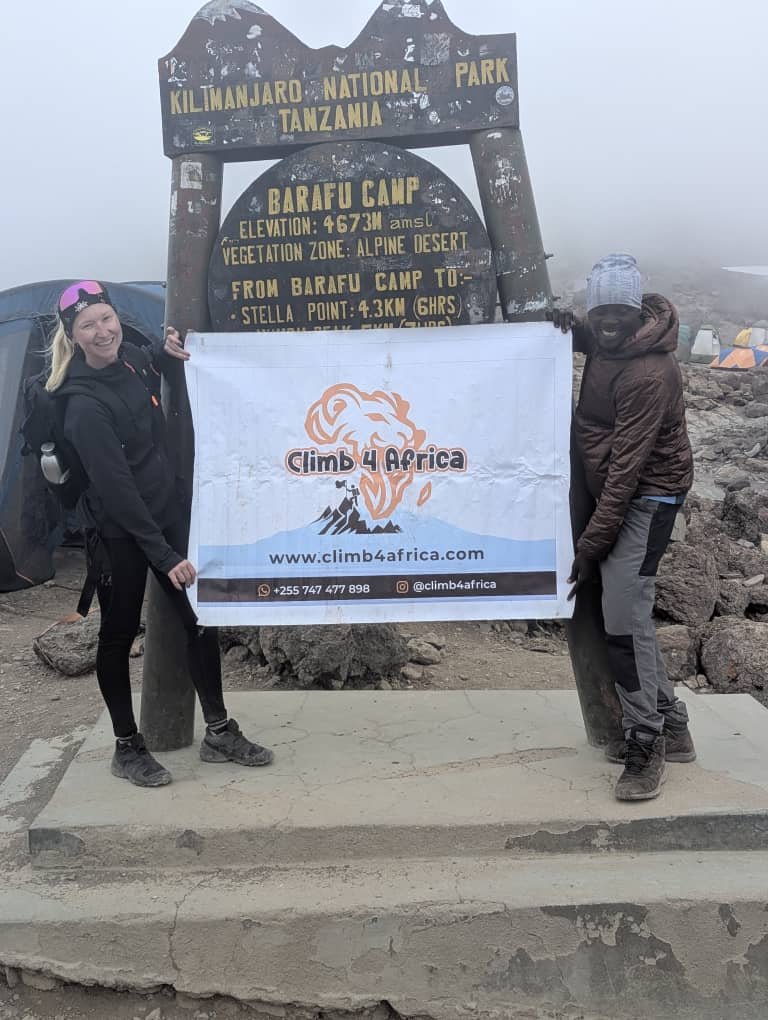
Join Kilimanjaro In 20-December-2026, Climbing From Moshi 2027
Join kilimanjaro in 20-december-2026, ClimBING from Moshi.
View package details
12 Days Kilimanjaro Climbing And Budget Camping Safari 2026-2027
12 Days Kilimanjaro Climbing and Budget Camping Safari.
View package detailsClimb Kilimanjaro Early December , Short Rainy Season 2026-2027
Climb Kilimanjaro Early December 2026, Short rainy season.
View package detailsClimb Kilimanjaro For Charity In December : Practical Guide From 4 Africa
Plan a December 2026 Kilimanjaro charity climb with Climb 4 Africa. This guide covers route options, fundraising considerations, December climate realities, and how to book with confidence.
View package detailsClimb Kilimanjaro In 12-December-2026, Small Group in 2027
climb kilimanjaro in 12-december-2026, Small Group.
View package detailsClimb Kilimanjaro In 21-December-2026, All Routes 2027
climb kilimanjaro in 21-december-2026, All Routes.
View package details
Join Kilimanjaro Group In 4-December-2026, Small Departures 2027
Join kilimanjaro Group in 4-december-2026, Small Departures.
View package details
18 Days Kilimanjaro Trek Budget Safari And Zanzibar 2026-2027
18 Days Kilimanjaro Trek Budget Safari and Zanzibar.
View package details
13 Days Kilimanjaro Climbing And Stone Town Beach Holiday 2026-2027
13 Days Kilimanjaro Climbing and Stone Town Beach Holiday.
View package details14 Days Kilimanjaro Climbing And Nungwi Beach Holiday 2026-2027
14 Days Kilimanjaro Climbing and Nungwi Beach Holiday.
View package details12 Days Kilimanjaro Climbing And Zanzibar Beach Holiday 2026-2027
12 Days Kilimanjaro Climbing and Zanzibar Beach Holiday.
View package detailsNo related package matches those filters. Clear one or more filters to see the other topic-matched options.



