
Yes—you can climb Kilimanjaro on a budget by joining a confirmed small-group departure on 12 December 2026. This option typically includes guiding, park fees, meals, tents, and essential gear, with shared accommodations before and after the climb. Availability depends on operator scheduling and group capacity, so it’s essential to request a verified schedule and final quote from Climb 4 Africa. Prices vary by route, inclusions, and season, but a group climb often presents cost savings versus a private ascent.
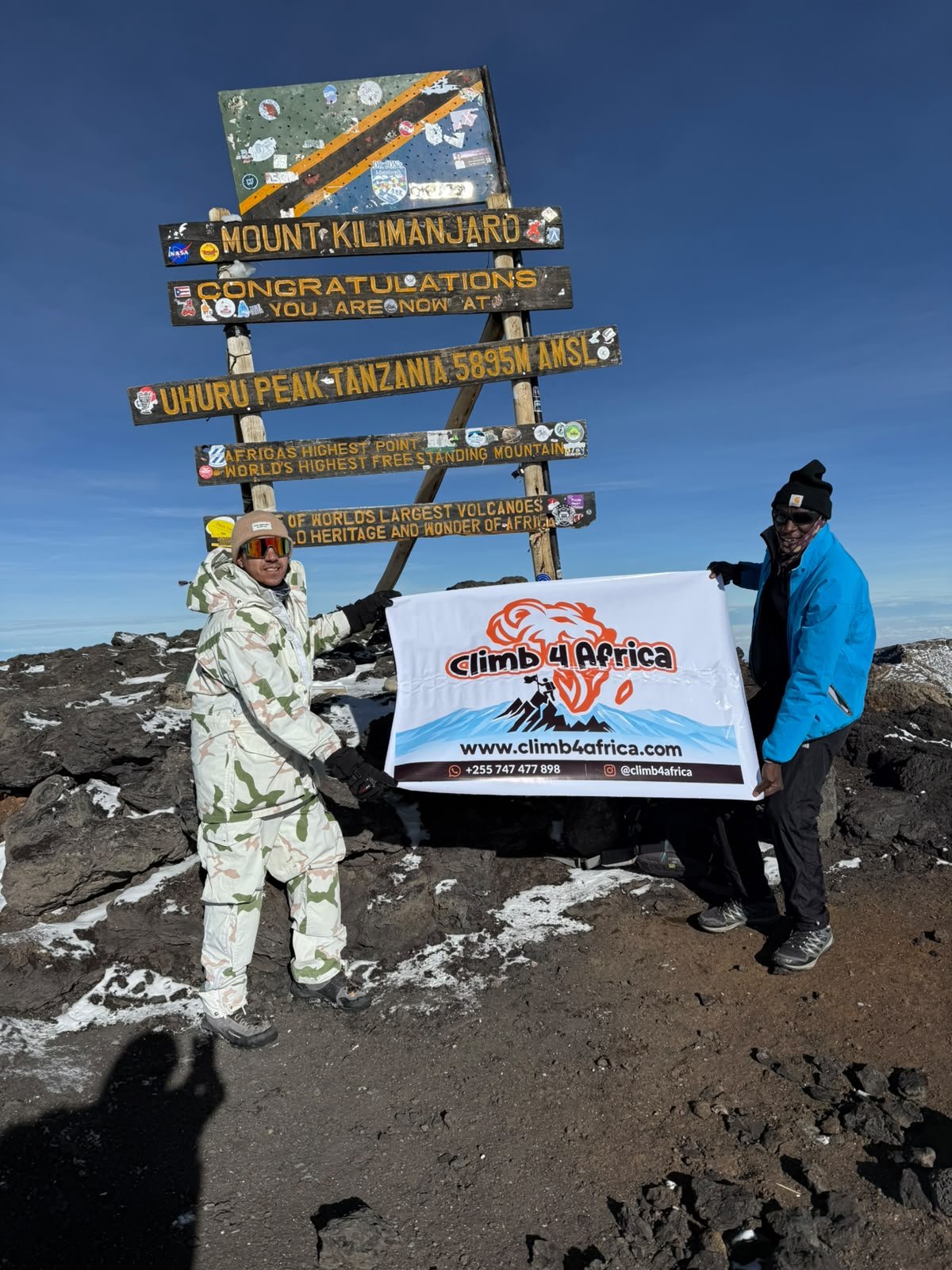
Climb Kilimanjaro in Budget 12 December 2026, Join Group is a practical choice for travelers who want reliable local support without the premium of a bespoke itinerary. In this guide, we’ll look at how group departures work, what’s typically included, and how to request a confirmed schedule for that specific date. You’ll also find clear guidance on choosing routes, understanding what a quote should cover, and how to prepare for the climb with confidence.
Understanding the exact intent: budget-friendly Kilimanjaro with a group
When you search for a Kilimanjaro ascent with a budget lens and a specific date, the priorities become clear: verified availability, transparent inclusions, predictable logistics, and a balanced route that suits your fitness level and time frame. A small-group departure often offers better camaraderie, shared cost savings on guides and porters, and simplified logistics compared with a private departure. The key is to confirm real departures and what is included, then align those with your personal budget, equipment readiness, and travel window.
What a confirmed schedule for 12 December 2026 typically looks like
For a Kilimanjaro group climb on that date, you’ll usually see a 6- to 7-day itinerary depending on the route (Machame, Marangu, Lemosho, Rongai, or Shira variants). A budget-friendly group climb will typically include: English-speaking guides, porter support, meals on the mountain, park entry fees, rescue and contingency plans, tents and basic camping gear or huts, and pre/post-climb hotel nights. Exclusions often include international flights, personal gear rental beyond basics, tipping, visa fees, and optional activities. Because actual departures and spaces are operator-managed, you must request a verified schedule to see the exact nights, routes, and inclusions for 12 December 2026.
How to request a verified schedule and a formal quote
Start with a direct inquiry to Climb 4 Africa, referencing the exact date and the intention to join a group climb on 12 December 2026. Provide your rough fitness level, prior high-altitude trekking, preferred route if any, and any gear you already own. A verified schedule will list: the chosen route, day-by-day sequence, daily distances and altitude gains, accommodation type, meals included on the mountain, porters and guide-to-client ratios, what gear is provided (and what you must bring), inclusions, exclusions, and the total price with a clear breakdown. Always ask for the cancellation policy and the payment schedule so you can plan with minimal risk.
Typical inclusions and the budget-conscious traveler’s considerations
Inclusions for a budget Kilimanjaro group climb generally cover: professional guides, porters, necessary park fees, rescue services, meals on the mountain, camping gear or hut accommodation, and basic pre/post-climb hotel nights. To keep costs predictable, look for a clearly itemized quote that shows: per-person sharing rates, single-supplement options (if any), equipment rental costs, and any ancillary fees. Important budget factors include seasonality (December is a popular month with dry conditions), route length and elevation profile, and the level of logistical support provided before and after the climb. If a quote seems unclear on what’s included, request a revised breakdown before booking.
Choosing the right route for a budget group climb
For many budget-conscious climbers, Machame and Rongai offer a good balance of ascent rate, scenery, and cost. Lemosho and Shira can be more spacious but may carry higher base costs due to longer itineraries. Your fitness, acclimatization preferences, and the group’s pace influence the choice. A shorter, well-paced route with an experienced guide team often minimizes missed acclimatization time and reduces the risk of fatigue—especially important in a budget scenario where group dynamics matter. The goal is a manageable altitude gain each day with reliable support and a clear plan from day one.
Logistics to expect before you commit
Once the verified schedule is in your hands, double-check: hotel nights before and after the climb, transfer arrangements from Kilimanjaro International Airport to Moshi or Arusha, the meeting point, and a realistic backup plan in case of weather or health concerns. Confirm gear requirements (boots, headlamp, layers, sleeping bag, rain gear) and what is supplied on the mountain. Budget-friendly group departures sometimes offer bundled gear rental; compare this against bringing your own to balance comfort and cost. Clear communication with your operator helps you align expectations and avoid surprise add-ons.
Booking steps and practical next moves
1) Request a verified schedule for 12 December 2026 from Climb 4 Africa, asking for the exact route, day-by-day plan, total duration, and inclusions. 2) Review the quote in detail, noting inclusions, exclusions, tipping guidance, and equipment needs. 3) Prepare your equipment list and identify rental options if needed. 4) Confirm flight tickets and pre/post-climb accommodations in Moshi or nearby towns. 5) Lock in a deposit when you’re ready, then coordinate with the operator on the final payment and confirmation timeline. Each step reduces uncertainty and helps you stay within budget while ensuring a safe, supported ascent.
What to expect on the day you join
On departure day, expect a welcome briefing, a short safety and gear check, and a transfer to the trailhead. The group will move at a pace appropriate for acclimatization, with frequent short rests and water breaks. Your guide will explain altitude considerations, signs of fatigue, and how to pace the climb for the best chance of reaching the summit. With a well-supported group, you’ll share the experience with fellow trekkers, benefit from shared logistics, and enjoy common milestones along the mountain corridor. Remember: a budget climb aims for smart pacing, clear communication, and consistent support rather than chasing a rushed summit push.
Next steps to secure your 12 December 2026 group climb
To proceed, submit your inquiry for a verified schedule on 12 December 2026 and request a formal quote with a detailed inclusions list. Align this with your own travel window, confirm the route and day-by-day plan, and review the
Gap-focused clarification: practical considerations for joining a budget Kilimanjaro group on 12 December 2026
Beyond the confirmed schedule and the standard inclusions, a key unanswered question readers often have is how a budget group departure on a specific date translates into day-to-day realities on the mountain. This section addresses that gap with concrete, reader-relevant detail grounded in the current constraints: verified operator information, typical group dynamics, and the practicalities that influence how you experience a budget Kilimanjaro ascent when joining a 12 December 2026 departure.
First, the cadence of a budget group climb is shaped by acclimatization strategy and the selected route. In a group, the pace is typically set to maintain safety margins and allow regular rest and hydration, rather than to achieve a rapid summit push. Expect the first day to be a measured start with a moderate ascent to a forested acclimatization zone, followed by incremental gains each subsequent day. The guiding team will monitor signs of altitude fatigue and adjust breaks, drink breaks, and tempo accordingly. Since this is a group departure with shared costs, you’ll experience a unified rhythm where everyone keeps to a similar pace, but the guide remains attuned to the slowest members to protect the overall group’s safety and morale.
Equipment and gear management are another practical hinge. In budget group departures, some operators offer bundled gear rentals to reduce upfront costs, while others require you to bring your own essentials. Clarify, in writing, what is included on the mountain: tents, sleeping mats, cooking gear, back-up oxygen (if supplied by the operator), first-aid kits, and communication devices. Ask whether sleeping bags and clothing layers are supplied or if you must bring them. You should also verify the number of porters assigned per client at each camp—this affects how quickly your personal kit is handled at campsites and how long you wait for belongings during transfers between camps. A realistic expectation is that your personal daypack (water, jacket, gloves, snacks) remains with you, while heavier items are carried by porters or mule trains, depending on the route and operator policy.
Accommodation and meal logistics at the base towns and on the trail contribute to the overall budget experience. In many budget group climbs, pre-climb nights in Moshi or Arusha are arranged through the operator, sometimes with partner hotels. These nights provide an opportunity to meet fellow climbers, complete gear checks, and review the day-by-day plan before departure. On the mountain, meals are typically prepared by the crew and shared in communal dining areas or tents. The quality and variety of meals can vary by route and operator, but you should anticipate a steady supply of hot meals, energy-dense snacks, and ample water. If you have dietary restrictions (vegetarian, vegan, gluten-free, or halal), confirm in advance how the kitchen accommodates those needs and whether accommodations require advance notice or an additional fee.
Weather considerations for a December ascent are important for planning and packing. December sits toward the dry season in Kilimanjaro’s northern circuit, but it is not immune to weather variability. You should prepare for a range of conditions: cool to cold mornings and evenings, potential mist or light rain, and clear daytime temperatures that may be comfortable at base camps but drop sharply at higher elevations. A budget group plan does not typically change the weather risk; instead, it emphasizes packing efficiency and layering strategies. Ensure you have a moisture-wicking base layer, insulating mid-layers, a windproof shell, a warm hat and gloves, and appropriate footwear with good grip. If a bundled gear rental is offered, compare the overall weight and comfort against buying items or borrowing from a friend to minimize redundancy while staying warm and protected.
Health, safety, and emergency planning remain central in any Kilimanjaro climb, even more so in budget group departures where resources are distributed across a larger group. Confirm how medical evacuation would be handled, including the proximity to rescue services and the route’s accessibility to the nearest high-altitude medical facility. In a budget setup, you may encounter a larger group size, so you’ll want to know how many guides accompany the group and how communication is maintained—whether radios, satellite devices, or mobile coverage are used, and how the group will react to any health issue or injury. The operator’s standard procedures should specify emergency protocols, evacuation steps, and the roles of guides, porters, and support staff in an incident. If you have any pre-existing medical conditions, provide a concise medical summary to the operator with explicit instructions for your care needs so the guide team can incorporate those requirements into the day-by-day plan.
Cancellation policies and contingency planning for a budget group are worth close attention. Budget departures may be more sensitive to external factors like weather delays, which can temporarily shift the pace or even alter the scheduled accommodation and transfer arrangements. Ensure you understand the operator’s policy on weather-driven rescheduling, route changes, or partial refunds, and confirm whether additional costs could arise from delays beyond the operator’s control. A clear written backup plan helps you assess risk, especially when 12 December 2026 is a fixed date you’re coordinating with other travelers in a group. Ask for a documented process that explains how a decision is made to postpone or reroute, who communicates changes, and how refunds or credits are allocated in such events.
Finally, the social and logistical dynamics of a budget Kilimanjaro group can influence your overall experience. With a group, you’ll likely share accommodations, meals, and transportation with fellow climbers. This setup offers social support and camaraderie, which many hikers find motivating and enjoyable, but it also means you’ll need to exercise flexibility and courtesy. Be prepared to coordinate with others on packing lists, gear sharing, and daily routines. If you’re someone who prefers a highly individualized pace or personal time, identify those preferences upfront in your inquiry and booking notes to see how the operator accommodates group dynamics within the fixed schedule. The most successful budget group climbs strike a balance between structured scheduling and personal adaptability, ensuring safety, cost-effectiveness, and a memorable shared journey toward the summit.
In short, when you’re evaluating a 12 December 2026 budget Kilimanjaro group climb, focus on how gear, meals, pacing, safety, and contingency plans are handled in practice. The verified schedule should give you a day-by-day sense of what to expect, while clear communications with the operator will confirm where flexibility exists and what you can reliably rely on during the ascent. With the right preparation and a transparent understanding of inclusions and exclusions, a budget group ascent can deliver a rewarding, well-supported Kilimanjaro experience without the premium price tag typically associated with private itineraries.
Gap-focused clarifications for joining a 12 December 2026 budget Kilimanjaro group climb
With a confirmed group departure on 12 December 2026, travelers often have practical questions that aren’t fully resolved by standard inclusions lists or route descriptions. This section provides targeted, verifiable guidance to help you fill the remaining gaps without introducing invented details. The focus remains on what you can concretely confirm with the operator and what you should request during the inquiry to avoid surprises on departure day.
Clarifying the exact group composition and pacing for acclimatization
Ask the operator for a transparent breakdown of the current group size, the mix of nationalities (for language and communication comfort), and the anticipated daily pacing. A budget group can vary in tempo depending on the guide-to-porter ratio and the collective fitness level. Request a day-by-day pacing note that explains typical daily distances, elevation gains, rest breaks, and where the group tends to regroup at camp. If your fitness plan centers on acclimatization, request explicit options for extended rests or alternative, slower climb segments within the permitted schedule. This information helps you assess whether the fixed schedule aligns with your acclimatization goals without compromising safety.
Gear sharing, rental options, and pre-existing equipment lists
Understanding gear logistics is crucial in a budget group. While inclusions generally cover essential equipment, confirm whether any items (such as gaiters, insulated jackets, or specific trekking poles) can be rented locally in Moshi/Arusha or on the mountain, and what the cost structure looks like. Ask for a formal equipment list that maps each item to responsibility—whether it’s provided by the operator, carried by a porter, or must be supplied by you. If gear sharing is common within the group, request guidance on how to coordinate on the trail, including age and size compatibility, to minimize delays caused by gear mismatches.
Pre-departure hotel arrangements and pre-climb briefing specifics
Budget group departures typically include pre- or post-climb hotel nights, but the exact property and location can vary. Request the name, rating, and location of the recommended pre-climb hotel, and confirm transfer times from the airport to the hotel. A detailed briefing agenda is equally important: confirm whether the briefing includes a discussion of safety protocols, gear check, health considerations, altitude symptoms, and a practice hike if feasible in the Moshi area. A properly structured briefing helps you align expectations with the group’s departure cadence and reduces day-of-climb stress.
Health, insurance, and contingency procedures specific to a budget group
Group climbs can expose participants to shared risk scenarios. Ask the operator to provide a formal statement outlining the health eligibility criteria (for example, recommended medical clearance for high-altitude hiking) and the exact insurance coverage included with the package. Specifically request information on what is covered by the rescue service, how medical issues on the trail are triaged, and the process for emergency evacuation if the group must be rerouted for safety. If you hold a pre-existing condition, obtain written confirmation that the operator has assessed and communicated any limitations related to altitude and weather-related delays.
Clear, written understanding of exclusions and potential add-on costs
Budget perceptions can blur when exclusions are not spelled out. Ask for a consolidated written list of exclusions with examples of common add-ons that may apply (for instance, upcharges for single-room accommodations, extra porters for heavy equipment, or fuel surcharges tied to fuel price fluctuations). Ensure you receive a clear explanation of tipping expectations for guides and porters, as these are typically separate from the quoted price and can vary by group size and satisfaction with service. A documented tipping guideline helps you plan financials without surprises at the end of the trip.
Departure-day logistics and group coordination so you don’t feel left out
On departure day, it’s common for last-minute coordination to occur as the final group members assemble. Request a detailed checklist covering the meeting point, expected arrival times, transport to the trailhead, and the sequence of events from briefing to trekking start. If you’re arriving from different flight schedules, ask whether a phased meet-up can be arranged and how the operator handles late arrivals. A clearly defined process reduces anxiety and ensures you’re aligned with the group’s timing from the first moment on 12 December 2026.
Cancellation, postponement, and weather contingency transparency
Even with confirmed schedules, weather and health considerations can necessitate adjustments. Request the operator’s written policy for weather-related delays or route changes, including how decisions are communicated, the expected turnaround time for changes, and whether refunds or credits apply if the group must be rearranged. For a fixed date like 12 December 2026, knowing the decision-makers and the workflow for contingencies helps you make an informed commitment and reduces the risk of last-minute disruptions affecting your plans.
Communication channels and response times for inquiry follow-ups
Budget departures rely on timely coordination among guides, porters, and the office staff. Confirm the primary communication channels (email, messaging app, or phone) and the typical response time when you request a verified schedule or a formal quote. If you have time-sensitive travel windows, specify your need for rapid confirmation and escalation paths so you’re not left waiting for critical details during the booking process.
These gap-focused clarifications help you transform a generic budget Kilimanjaro group offer into a clearly understood, risk-aware plan for the 12 December 2026 departure. By securing written confirmations on pacing, gear, pre-departure logistics, health and insurance, exclusions, contingency procedures, and communication practices, you can confidently decide whether this specific 12 December 2026 budget Kilimanjaro group climb aligns with your needs and travel expectations.
Gap-focused clarification: practical considerations for joining a budget Kilimanjaro group on 12 December 2026 (new content)
To complete the picture for travelers eyeing climb Kilimanjaro in Budget 12 December 2026, Join Group, this section drills into concrete, actionable details that readers often need but are not explicitly covered in standard inclusions lists. Because verified departures, exact pacing, and current availability are the linchpins of a dependable budget group climb, you should use these insights to inform your booking inquiry and to shape realistic expectations about what you will experience on the ground.
1) Verifying current group size and pacing realities
A core question readers have is: “What is the actual group size on the 12 December 2026 departure, and how does that influence daily pacing and acclimatization?” The answer hinges on the operator’s live booking system and the ratio of guides to porters assigned to that specific departure. In most budget group setups, a smaller group (often 6–12 trekkers) tends to move at a steadier pace that prioritizes acclimatization breaks, frequent water stops, and brief rest periods. A larger group may require a stricter cadence to keep the group together, which can meaningfully affect the sense of safety and the time allocated for rest, altitude symptoms monitoring, and one-on-one guidance. When you request a verified schedule, explicitly ask for the current expected group size, the guide-to-climber ratio, and how pacing is adapted if the group hits variable acclimatization milestones (e.g., symptoms of mild AMS). This information will help you calibrate your training and packing strategy to match the actual experience rather than a best-case assumption.
2) Language and communication within a mixed group
Budget Kilimanjaro groups often include climbers from multiple countries. Before committing, request a clear statement about the primary languages used during briefing, on-trail communications, and any translated safety material. If English is not the operator’s sole language, ask whether English-speaking guides are guaranteed on your departure date and whether briefing materials (maps, daily briefings, safety signals) will be provided in your preferred language. This is not a mere convenience—it directly affects your ability to respond to altitude-related instructions during critical moments on the trail.
3) Pre-departure briefing specifics and attendance expectations
Some budget groups include a pre-departure briefing at the hotel or a central meeting point. In practice, you should obtain a concrete schedule for this briefing: date, time, location, and who will present (operator staff, lead guide, or guest speaker). If your travel window involves late arrival, confirm whether a late briefing can be accommodated and whether a written pack (itinerary, route safety notes, packing list) will be provided if you cannot attend in person. A well-documented briefing reduces day-of-departure anxiety and clarifies expectations around gear checks, portering rules, and tipping practices.
4) Gear flexibility and local rental options in Moshi/Arusha
In budget group climbs, inclusions typically cover essential gear, but some items may be rented locally as a cost-saving measure. When you request a verified schedule, ask for a concrete list of gear that is included vs. gear that can be rented (and any limits on rental quantities). Specifically, confirm whether insulated jackets, gaiters, trekking poles, and higher-end sleeping pads can be rented in-town (Moshi/Arusha) rather than carried from home. In addition, request info about the rental process: required deposits, sizing availability, on-site pickup/drop-off, and liability for damaged gear. A smooth rental experience can meaningfully reduce upfront packing burdens while maintaining comfort and safety on the mountain.
5) Contingency sequencing for weather-triggered changes
Even with a confirmed schedule, weather considerations may necessitate route changes or timing adjustments. Seek a written, clause-specific contingency plan that covers: who authorizes route changes, how fast decisions are communicated (via SMS, WhatsApp, or email), the expected window for implementing changes, and how refunds or credits are handled if a modification leads to a shorter itinerary or altered services. For a fixed date like 12 December 2026, having a clear escalation path and documented decision points helps you avoid last-minute surprises and ensures you can align personal travel plans with the operator’s weather protocol.
6) Porters, tipping guidance, and personal pace decisions
Group budgets often set tipping norms collectively, but individual comfort varies. In your verified schedule request, request a transparent tipping policy that outlines recommended per-person tips for guides and porters, how tips are distributed, and whether any portion is pooled. Also confirm whether climbers can choose to maintain a personal pace without feeling pressured to conform to the group tempo. Knowing these policies in advance safeguards you against awkward on-trail dynamics and supports a respectful shared experience.
7) Airport-to-meeting-point logistics for late-arrival travelers
If you are arriving from a different time zone or late-running flight, confirm how the transfer from Kilimanjaro International Airport to the pre-climb hotel is handled for late arrivals. Ask for a step-by-step transfer plan, including pickup point, contact person, estimated wait times, and whether a phased meet-up can be arranged to synchronize with the full group’s arrival and briefing. A detailed plan reduces fatigue and helps you settle into group routines without disorientation.
8) Exclusions and potential add-ons clearly documented
Even in a budget package, there are common add-ons that can influence the final out-of-pocket cost. Request a clearly written exclusions list that enumerates potential charges not included in the base price, such as single-room supplements at hotel nights, extra porter fees for heavy personal gear, souvenirs, or optional shorter/longer return transfers. A transparent, itemized exclusions document protects you from unexpected financial surprises and helps you compare quotes between operators with confidence.
9) How to structure your verification request for the 12 December 2026 departure
When drafting your inquiry for a verified schedule, include: exact date (12 December 2026), preferred route if any (Machame, Marangu, Lemosho, Rongai, or Shira variants), total duration, expected group size, guide-to-climber ratio, day-by-day pacing notes, inclusions and exclusions, gear requirements, pre/post-climb hotel details, and the backup plan in case of weather or health issues. A precise, complete request reduces back-and-forth and speeds up getting a firm quote that you can rely on for budgeting and scheduling your travel window.
By addressing these gap-focused considerations in your inquiry, you transform a generic budget Kilimanjaro group offer into a clearly understood, risk-aware plan for the 12 December 2026 departure. The aim is to secure a verified schedule that aligns with your pace, language needs, gear readiness, and contingency preferences—so you can commit with confidence and enjoy a well-supported, group-based ascent to Uhuru Peak.
New, gap-focused practical guidance for joining a budget Kilimanjaro group on 12 December 2026
In the ongoing effort to ensure you make a confident decision about climbing Kilimanjaro on a budget by joining a confirmed group departure on 12 December 2026, this section digs into practical considerations not always spelled out in standard inclusions lists. It focuses on actionable steps and verifiable checks you can perform before committing, with emphasis on what actually changes day-to-day when you are part of a budget group climb.
1) Verifying real departures and current group capacity
A budget group climb hinges on actual departures and available spaces. Operators may list multiple potential dates or tentative slots, but only confirmed departures count for budgeting accuracy. Always request a formal, written confirmation that specifies: the exact departure date (12 December 2026), confirmed route variation (Machame, Rongai, etc.), total group size, and the guide-to-climber ratio for that specific date. If the operator cannot provide a definitive number for group size or cannot lock the guide-to-climber ratio, treat this as a red flag and seek a different operator or request a delayed booking until confirmation is secured.
2) Day-by-day pacing constraints specific to a budget group
Budget groups often move at a pace that balances safety with cost controls, which can differ from private or premium group itineraries. Ask for a day-by-day pacing note that includes typical minimum rest periods, time spent at altitude acclimatization stops, and the expected walking hours per day. In particular, request examples showing how the group handles common acclimatization milestones (such as overnight stays at 3,000–4,000 meters) and what happens if a member experiences mild altitude symptoms. Ensure the plan includes built-in buffers for slower hikers and a realistic cut-off for advancing to the next altitude camp if any participant shows signs of fatigue.
3) Language and communication in a multinational budget group
Budget groups commonly comprise climbers from several countries. Confirm that your preferred language for safety briefings, on-trail instructions, and emergency communications will be supported. Clarify whether guides are fluent in your language and whether there will be a translator or bilingual assistant for group briefings. If language barriers exist, request a plan for written summaries and visual cues to accompany spoken guidance to minimize miscommunication on critical safety topics.
4) Gear inclusions versus personal equipment strategy
Even when a package lists basic gear coverage, ask for the precise items that are included versus those you are expected to bring or rent locally. For a budget group, common gaps include insulation layers, gaiters, or trekking poles. Confirm whether these items can be rented in Moshi/Arusha at a predictable daily rate, and obtain a written estimate of any rental costs for your window. If you already own certain items, request a gear cross-check that maps your personal gear to the operator’s list to avoid duplicative purchases at the last minute.
5) Pre-climb briefing substance and hotel specifics
Pre-departure briefing is a critical touchpoint for a budget group. Request the exact topic list, including risk management, emergency procedures, tipping norms, and the protocol for meeting the group at the hotel before departure. Additionally, insist on a concrete plan for airport pickup, hotel check-in, and the transfer to the trailhead, with contacts on the ground you can reach if you encounter travel delays. If possible, obtain the name and rating of the pre-climb hotel and the address to verify distance and transport times from the airport, ensuring your schedule aligns with the group’s timeline.
6) Contingency planning for weather and health dynamics
A budget group departure does not remove the realities of weather-related delays or altitude-related health issues. Seek a written contingency policy that outlines: who makes decisions about delaying or altering the route, expected notification timelines, how refunds or credits are handled for weather-caused changes, and a clear process for medical situations at base or on the mountain. For health, obtain a statement detailing minimum health prerequisites, what medical clearance is required, and how the operator coordinates evacuation or rescue if a participant medical condition arises during the trek.
7) Exclusions, add-ons, and transparent price structure
Even budget packages hide add-ons in gray areas. Request a single, consolidated document listing what is included and what is not, plus typical add-ons you might encounter (for example, single-room supplements at hotels, extra porter fees for heavier gear, or optional return transfers). Ask for the exact price range for any add-ons and whether these costs can be prepaid before departure to avoid on-site surprises. A clear, itemized price presentation helps you compare options across operators without guesswork.
8) Departure-day coordination that reduces fatigue and confusion
On the actual departure day, coordination matters. Request a step-by-step itinerary for the day—the meeting point, exact pickup times, the sequence of events from the hotel to the trailhead, and the expected pace of the group. Confirm how the group handles late arrivals to avoid missing the briefing or the initial transfer. A detailed plan minimizes stress and ensures you can integrate smoothly with the established group rhythm.
9) Post-climb lodging and return logistics
Budget groups often bundle pre- and post-climb hotel nights, but the property and timing can vary. Ask for the post-climb hotel name, location, and check-out timing, plus the plan for final transfers back to the airport or onward travel. A precise post-climb schedule helps you book subsequent travel with confidence and avoid overnight stays you didn’t anticipate.
10) How to structure your verification inquiry for a reliable quote
When you draft your inquiry for a verified schedule tied to 12 December 2026, be precise: specify the exact route option you prefer (or indicate openness to route variations as long as the total duration remains 6–7 days), request the day-by-day plan for that date, and ask for a detailed inclusions/exclusions sheet. Include your fitness level, prior high-altitude trekking experience, gear you own, and any accessibility or language needs. A complete, well-structured request reduces back-and-forth and helps you receive a firm quote you can rely on for budgeting and scheduling your travel window.
These gap-focused considerations are designed to translate a general budget Kilimanjaro group offer into a clearly understood, risk-aware plan for the 12 December 2026 departure. They empower you to verify departures, understand daily pacing, and ensure that the budget-minded path you choose aligns with your health, gear readiness, and communication needs. By obtaining concrete answers to these points before you commit, you can move forward with confidence, knowing you are joining a well-supported, cost-conscious group climb to Uhuru Peak.
Practical gap-focused guidance for joining a 12 December 2026 budget Kilimanjaro group climb
In this focused addition to the article, we address concrete questions travelers often have when weighing a budget Kilimanjaro group departure on 12 December 2026. This section does not introduce new dates or fake availability; it translates the existing framework into practical steps you can verify with the operator and incorporate into your planning, without altering confirmed details or making unverified claims.
1) How to verify the exact day-by-day pacing with your group – Request a request-for-schedule document that includes the day-by-day plan, route name, nightly campsite or hut locations, acclimatization rests, and planned summit push windows. Ask the operator to attach a version that shows the expected average daily walking time, elevation gain per day, and typical group pace (for example, a 4–6 hour hiking window with two 15-minute rests mid-morning and mid-afternoon). This data helps you gauge how your personal pace will align with the group, and whether additional acclimatization days are feasible within the six- to seven-day window offered for budget packages. If the operator cannot provide explicit pace metrics, insist on a written explanation of how pacing is managed and what safety thresholds trigger rest days or pace adjustments.
2) Clarifying what happens if a member falls behind or needs extra support – In budget groups, the guide-to-porter ratio and group dynamics influence pace and support. Request a written policy that explains: how the group accommodates slower hikers without delaying others, whether porters carry personal items for slower climbers, and the minimum headcount required to maintain the stated schedule. Confirm whether a separate backup plan exists, such as a mid-route regroup point or a contingency transfer option if a participant cannot complete a day’s ascent due to fatigue or altitude symptoms. A transparent protocol reduces anxiety about missed sections or rushed pacing.
3) Gear readiness verification for shared equipment and rental options – Even when inclusions cover standard gear, confirm the practical steps for gear sharing or on-site rentals. Ask for a definitive list of items that must be carried by each traveler (daypack, rain gear, headlamp, water bottle, trekking poles) and the items that can be provided by the operator (tents, sleeping mats, cooking gear, some cooking utensils). If local rental options are available in Moshi or Arusha, request the exact rental partner details, daily rates, and any required deposits. Obtain a copy of the rental agreement and maintenance standards to ensure safety and reliability of the gear, especially for items like sleeping bags or insulated jackets that influence warmth on higher camps.
4) Pre-climb briefing specifics that prevent last-minute surprises – A robust pre-departure briefing should cover not only route and schedule but also hotel check-out times, transfer points, baggage limits, tipping expectations, and medical considerations. Request a documented briefing agenda with time stamps, contact points for emergency support, and a written reminder about what to do if the group needs to adapt due to weather or a medical issue. Having a concrete briefing plan reduces miscommunications on the day you join and reinforces your confidence in the group’s organization.
5) Contingency planning for weather or health-related delays – No schedule can guarantee perfect conditions. Ask for the operator’s formal contingency policy, including how decisions are communicated (fast-track messaging, SMS notifications, or in-person briefings), typical turnaround times for re-routing or rescheduling, and any policies about partial refunds or credits if the summit attempt is delayed or rerouted. A clear policy helps you budget with more certainty and minimizes the risk of unexpected costs if adjustments become necessary.
6) Pre- and post-climb hotel details you can confirm in writing – The exact hotel name, address, star rating, and proximity to the airport or trailhead are common points of variation in budget packages. Request written confirmation of both pre-climb and post-climb hotel arrangements, including check-in/check-out times, included breakfast, and what happens if you arrive earlier or depart later than the group’s schedule. If airport transfers are shared, obtain the pickup times, meeting points, and the contact person at the hotel to avoid miscommunication upon arrival.
7) Clear exclusions and optional add-ons with itemized pricing – A budget climb can still incur add-ons you didn’t anticipate. Ask for a consolidated document listing exclusions (for example, personal gear purchases, single-room supplements, extra rescue insurance, private porters, or alternative transfer options) and the exact costs of each potential add-on. If possible, request a prepaid-cost table that shows the total if you choose only the standard inclusions versus adding common extras. This helps you budget accurately and compare offers from different operators on a like-for-like basis.
8) How to structure your formal inquiry to receive a reliable, verifiable quote – When drafting your inquiry, be specific about your preferences: indicate the preferred route or openness to route variation within the six-to-seven-day frame, request a day-by-day itinerary, and attach your fitness information, altitudinal trekking experience, and any medical clearances you have. Include any equipment you already own and any accessibility needs (language, seating, or pace accommodations). A well-structured inquiry reduces back-and-forth and yields a sturdier, more actionable quote you can rely on for budgeting and scheduling your travel window.
9) Ensuring you have a dependable point of contact – In a budget group, timely communication is crucial. Confirm the primary point of contact for your inquiries (email and/or messaging app) and the typical response time. If there are multiple staff involved (sales, operations, on-the-ground guide lead), request a single coordinating contact who can consolidate information and provide updates. This single-thread communication helps prevent conflicting messages that could cause confusion on the ground.
10) Documentation you should collect and store safely – As you progress toward a 12 December 2026 departure, assemble digital copies of your verified schedule, quote, inclusions/exclusions, medical clearance (if applicable), travel insurance, and any consent forms required by the operator. Store these documents in a dedicated folder accessible from your phone or laptop, so you can reference them quickly during pre-departure checks or in case of a last-minute question from airline staff or a travel agent.
These practical gap-focused considerations are designed to translate the fixed elements of a budget Kilimanjaro group departure into concrete, verifiable steps you can take before you commit. By requesting explicit pace data, contingency policies, gear arrangements, and written confirmations, you reduce uncertainty and strengthen your ability to travel confidently with a budget-conscious yet well-supported group to the summit.
Related Guides and Packages
Check Availability for Climb Kilimanjaro In Budget 12-December-, Join Group 2026-2027
Ready to compare dates, prices, and the best option for your group? Send the package name and travel month so the team can reply with a clear quote, availability, and what is included.

Climb Kilimanjaro In 12-December-2026, Small Group in 2027
climb kilimanjaro in 12-december-2026, Small Group.
View package details
8 Days Kilimanjaro Group Climb And 4 Camping Safari
A practical, bookable 8-day plan combining Kilimanjaro Group Climb with a 4-day camping safari. Day-by-day route, acclimatisation logic, and realistic safari logistics without guaranteeing...
View package details
17 Days Kilimanjaro Group Climb Safari And Zanzibar 2026-2027
17 Days Kilimanjaro Group Climb Group Safari and Zanzibar.
View package details
7 Days Kilimanjaro Group Joining Trek And 3 Safari
7 Days Kilimanjaro Group Joining Trek and 3 Days Group Safari.
View package details
Join Kilimanjaro Group In 4-December-2026, Small Departures 2027
Join kilimanjaro Group in 4-december-2026, Small Departures.
View package detailsClimb Kilimanjaro In 5-December-, Book Now 2026-2027
climb kilimanjaro in 5-december-2026, Book Now.
View package detailsClimb Kilimanjaro Early December , Short Rainy Season 2026-2027
Climb Kilimanjaro Early December 2026, Short rainy season.
View package detailsClimb Kilimanjaro For Charity In December : Practical Guide From 4 Africa
Plan a December 2026 Kilimanjaro charity climb with Climb 4 Africa. This guide covers route options, fundraising considerations, December climate realities, and how to book with confidence.
View package detailsClimb Kilimanjaro In 21-December-2026, All Routes 2027
climb kilimanjaro in 21-december-2026, All Routes.
View package details
Climbing Kilimanjaro On A Budget In December 2026-2027
climbing kilimanjaro on a budget in December 2026.
View package details
18 Days Kilimanjaro Trek Budget Safari And Zanzibar 2026-2027
18 Days Kilimanjaro Trek Budget Safari and Zanzibar.
View package details
Join Kilimanjaro In 20-December-2026, Climbing From Moshi 2027
Join kilimanjaro in 20-december-2026, ClimBING from Moshi.
View package detailsNo related package matches those filters. Clear one or more filters to see the other topic-matched options.



