
The 10 most challenging mountains to climb in Africa are generally considered to be Mount Kenya (technical routes), Mount Kilimanjaro (non-standard routes/expeditions), Mount Meru (steep ascent), Mount Toubkal (winter conditions), Ras Dashen (technical sections/remoteness), Margherita Peak on Mount Stanley (technical glacier/ice climbing), Mount Kilimanjaro’s internal challenges (technical routes, extreme altitude), Mount Meru (high altitude and steepness), Mount Karisimbi (dense jungle and remoteness), and Mount Elgon (extensive cave systems and remoteness). These peaks demand a blend of technical skill, high-altitude acclimatization, physical endurance, and often, significant logistical planning, distinguishing them from more accessible climbs.
Africa’s mountaineering landscape is far more diverse and demanding than many realize. While Mount Kilimanjaro often dominates the conversation, it represents only one facet of the continent’s high-altitude offerings. For those seeking true tests of skill, endurance, and mental fortitude, Africa presents a compelling array of challenging peaks. These aren’t just about putting one foot in front of the other; they often involve technical rock climbing, glacier travel, extreme weather, and navigating remote, unforgiving terrain. Planning an ascent of any of these mountains requires meticulous preparation, a deep understanding of the risks, and reliable support.
Understanding “Challenging” in African Mountaineering
The term “challenging” can be subjective, but when applied to African mountains, it generally encompasses several key factors:
- Technical Difficulty: Does the climb involve steep rock faces, ice climbing, glacier travel, or scrambling that requires specialized equipment and skills (ropes, ice axes, crampons)?
- Altitude: How high does the mountain soar, and what are the risks of altitude sickness? Achieving high altitudes (over 5,000 meters) without proper acclimatization is inherently challenging.
- Remoteness and Logistics: How difficult is it to reach the trailhead? What level of support is needed for food, water, shelter, and emergency evacuation? Remote locations add significant complexity.
- Weather Conditions: Are extreme temperatures, high winds, heavy snowfall, or monsoon seasons a significant factor?
- Physical Endurance: How long is the trek, and what is the elevation gain? Some climbs might not be technically difficult but are immensely taxing due to their length and sustained effort.
- Combination of Factors: Often, the greatest challenges arise from a combination of these elements. A technically demanding climb at high altitude in unpredictable weather is a prime example.
For adventurers planning their expeditions for 2026 and 2027, understanding these nuances is crucial for selecting the right mountain and preparing adequately. This list focuses on peaks that present significant hurdles beyond those typically encountered on standard Kilimanjaro routes.
1. Mount Kenya (Technical Routes)
While the normal routes up Mount Kenya (like the Naro Moru and Sirimon routes) are challenging treks, it’s the mountain’s three major peaks—Batian (5,199m), Nelion (5,188m), and Point Lenana (4,985m)—that truly earn it a spot on this list. Point Lenana is a popular trekking peak, often used for acclimatization or as a less demanding summit goal. However, Batian and Nelion are serious rock climbing objectives.
Batian and Nelion: The Alpine Challenge
Ascending Batian and Nelion requires significant rock climbing experience. The most common route to Batian is the North Face Standard route, a Grade IV, 5.10a climb that takes 2-3 days. Nelion is typically climbed via the Humphrey’s Glacier route (Grade IV, 5.9) or the Direct East Face (Grade V, 5.11a). These are not treks; they are alpine rock climbs that demand expertise in:
- Rope work and multi-pitch climbing
- Rock climbing techniques
- Glacier travel and crevasse rescue (for routes involving ice)
- High-altitude acclimatization (climbing at over 5,000 meters is taxing)
- Dealing with unpredictable mountain weather, which can change rapidly from sunshine to snow and ice.
The remoteness of the upper mountain, the need for camping at high altitudes (e.g., at Austrian Hut or Shipton’s Camp), and the sheer exposure make these ascents formidable. Guides are essential, and climbers must demonstrate proficiency in their respective disciplines. For those looking to tackle these technical faces in 2026 or 2027, booking with a specialized alpine guide service is paramount.
Point Lenana: A Trekking Challenge
Even reaching Point Lenana, the trekking summit, is a significant undertaking. It typically involves 4-7 days, depending on the route chosen (e.g., Naro Moru, Sirimon, Chogoria). The trails are steep, often rugged, and pass through diverse ecological zones, from rainforest to moorland and alpine desert. The key challenges here are:
- Altitude: Reaching nearly 5,000 meters requires excellent acclimatization. Many trekkers opt for longer itineraries to mitigate altitude sickness.
- Steepness: The final approach to Point Lenana is a steep scree slope that can be demanding, especially at high altitude.
- Weather: Mount Kenya is notorious for its unpredictable weather, with frequent rain, snow, and strong winds, even in drier seasons.
For a successful trek to Point Lenana in 2026-2027, choosing a reputable operator that emphasizes proper acclimatization and provides experienced guides is vital. While not technically climbing Batian or Nelion, it’s a serious trek that should not be underestimated.
2. Margherita Peak on Mount Stanley (Rwenzori Mountains)
The Rwenzori Mountains, often called the “Mountains of the Moon,” straddle the border between Uganda and the Democratic Republic of Congo. Mount Stanley is the highest massif in the range, and its summit, Margherita Peak (5,109m), is the third-highest peak in Africa, surpassed only by Kilimanjaro and Mount Kenya’s Batian. Margherita Peak is a serious mountaineering objective.
The Technical Ascent
Reaching Margherita Peak involves a challenging multi-day trek through some of Africa’s most unique and demanding environments, culminating in a technical climb. The ascent typically takes 7-10 days and involves:
- Glacier Travel: The upper reaches of Mount Stanley are permanently glaciated. Climbers must be proficient in using crampons, ice axes, and rope techniques for glacier travel and crevasse rescue.
- Ice Climbing: Sections of the ascent involve steep ice, requiring ice climbing skills and equipment.
- High Altitude: 5,109 meters presents significant altitude challenges.
- Extreme Weather: The Rwenzoris are known for their constant mist, heavy rainfall, and cold temperatures, creating difficult and often hazardous conditions.
- Jungle Trekking: The lower slopes are dense, muddy jungle, making progress slow and arduous.
The logistical complexity of the Rwenzoris cannot be overstated. Accessing the range is difficult, and permits, guides, and porters are mandatory. The environment is wet and boggy for much of the trek, and the weather can change in an instant, turning a potentially straightforward glacier climb into a dangerous ordeal. For any expedition in 2026 or 2027, selecting a tour operator with extensive experience in the Rwenzoris is absolutely critical. They will manage permits, arrange transport, and ensure you have the right equipment and guides for this demanding climb.
Logistics and Preparation
The journey to the Rwenzoris itself is an adventure. Most expeditions start from Kasese in Uganda. The trek involves traversing multiple huts and camps, often requiring overnight stays in basic conditions. The terrain shifts dramatically from dense rainforest, through bamboo forests, into montane forest, then giant heather and afro-alpine zones, before reaching the glaciers. Given the technical nature and remoteness, it’s imperative to:
- Gain Experience: Climbers should have prior experience with glacier travel and ice climbing.
- Physical Fitness: A high level of cardiovascular fitness is essential due to the long days and challenging terrain.
- Acclimatization: While the trek itself aids acclimatization, starting slowly and listening to your body is vital.
- Gear: Specialized gear for cold, wet, and icy conditions is required.
Given the extreme nature of Margherita Peak, it is one of the most challenging and rewarding mountaineering objectives in Africa. Planning for 2026-2027 should begin well in advance, securing permits and experienced guides.
3. Mount Meru (Steep Ascent and Altitude)
Often overshadowed by its larger neighbor, Kilimanjaro, Mount Meru (4,566m) is a formidable stratovolcano located in Arusha National Park. While its altitude is lower than Kilimanjaro’s, the ascent of Meru presents unique challenges that can make it feel more demanding for some climbers.
The Summit Ridge Challenge
The standard route up Mount Meru is typically a 3-4 day trek. The primary challenge lies in the steepness of the final ascent and the altitude. After reaching the crater rim at Rhino Point, the path traverses a narrow, exposed ridge to the summit, Socialist Peak. This ridge walk can be daunting for those with a fear of heights.
- Steepness and Exposure: The trail is often narrow, with sheer drops on either side, especially on the summit ridge. This requires careful footing and a good head for heights.
- Altitude: At 4,566 meters, Meru is a significant altitude challenge. Many climbers use it as an acclimatization climb for Kilimanjaro, but it demands respect.
- Physical Exertion: The constant uphill nature of the trek, combined with the altitude, can be extremely tiring.
- Wildlife: The lower slopes are home to abundant wildlife, including elephants, buffalo, and monkeys. While guides are armed and experienced, maintaining awareness is crucial.
The scenery on Meru is spectacular, offering panoramic views of Kilimanjaro and the surrounding plains. However, the mountain demands respect. The final push to the summit is often done in the dark, adding to the challenge. For those planning a Meru climb in 2026 or 2027, choosing an operator that prioritizes acclimatization and has experienced guides who can manage the exposed sections is key.
Acclimatization and Preparation
Mount Meru is an excellent training ground for Kilimanjaro, but it’s a serious trek in its own right. Key considerations include:
- Fitness: Good cardiovascular fitness is a must.
- Acclimatization: While shorter than Kilimanjaro, the rapid ascent can still lead to altitude sickness if not managed properly.
- Guides: Armed rangers are required for wildlife protection on the lower slopes, and experienced trekking guides are essential for the summit bid.
Many operators offer Meru as a standalone climb or as an add-on to a Kilimanjaro expedition. For 2026-2027 bookings, inquire about itineraries that allow for sufficient acclimatization and factor in the demanding nature of the summit ridge.
4. Mount Toubkal (Winter Conditions)
Located in Morocco’s High Atlas Mountains, Mount Toubkal (4,167m) is the highest peak in North Africa. While it can be climbed year-round, it becomes significantly more challenging during the winter months (roughly November to April) when it’s covered in snow and ice.
The Winter Ascent Challenge
In summer, Toubkal is a relatively straightforward trek, often completed in 2-3 days from the village of Imlil. However, in winter, it transforms into a serious mountaineering challenge requiring:
- Ice and Snow: The standard path becomes a steep, icy slope. Crampons and ice axes are essential, and the ability to use them effectively is non-negotiable.
- Avalanche Risk: Certain sections of the route can be prone to avalanches, requiring knowledge of snow conditions and safe passage.
- Extreme Cold: Temperatures can plummet well below freezing, with strong winds and blizzard conditions possible.
- Navigation: Snow can obscure the trail, making navigation more difficult, especially in poor visibility.
Climbing Toubkal in winter requires experience in cold-weather mountaineering, glacier travel techniques (even if it’s just hard-packed snow and ice), and avalanche awareness. It’s a significant step up from summer trekking. For those considering a winter ascent in 2026 or 2027, hiring experienced local guides who are experts in winter conditions is paramount. They will assess conditions daily and ensure safety.
Preparation for Winter Toubkal
If you’re planning to tackle Toubkal in its wintry guise for your 2026-2027 adventures:
- Technical Skills: Ensure you are comfortable using an ice axe and crampons on steep terrain.
- Gear: Invest in high-quality, insulated, waterproof clothing, and appropriate mountaineering boots.
- Fitness: The cold and snow add to the physical exertion.
- Guides: Absolutely essential for winter ascents. Local guides know the mountain intimately and can make real-time safety decisions.
While Toubkal’s summer trek is accessible to many, its winter incarnation is a genuine challenge that requires specific skills and preparation, making it one of Africa’s more demanding peaks when conditions are harsh.
5. Ras Dashen (Remoteness and Technical Sections)
Ras Dashen (4,550m) is the highest peak in Ethiopia’s Simien Mountains National Park. It’s not a technical ice climb, but its challenge comes from its remoteness, the rugged terrain, and sections that require scrambling and careful navigation.
The Journey and the Climb
Reaching the summit of Ras Dashen is typically part of a multi-day trek through the stunning Simien Mountains, known for their dramatic escarpments and unique wildlife like the Gelada baboon and Ethiopian wolf. The trek usually takes 4-7 days.
- Remoteness: The Simien Mountains are remote, and reaching the trailhead requires significant travel. The trek itself involves camping or staying in basic lodges.
- Rugged Terrain: The trails are often steep, uneven, and can be slippery, especially after rain.
- Scrambling: The final ascent to Ras Dashen involves a scramble up a steep rock face. While not technically climbing, it requires good balance, a head for heights, and confidence on exposed rock. In poor conditions (wet or icy), this section can be particularly challenging.
- Altitude: While not as high as Kilimanjaro or Kenya, 4,550 meters still requires acclimatization.
The beauty of the Simien Mountains is undeniable, offering some of the most spectacular landscapes in Africa. However, the remoteness and the physical demands of traversing the park, combined with the scrambling on Ras Dashen, make it a significant undertaking. For those planning a trip in 2026 or 2027, working with an experienced Ethiopian tour operator is crucial for managing logistics, permits, and ensuring you have knowledgeable guides.
Planning for Ras Dashen
Key aspects to consider for a Ras Dashen expedition:
- Itinerary: Choose an itinerary that allows for sufficient trekking time and acclimatization.
- Guides: Essential for navigation, safety, and understanding the local environment.
- Camping: Most treks involve camping, so being prepared for basic conditions is important.
- Fitness: A good level of fitness is required for the long trekking days and the final scramble.
Ras Dashen offers a different kind of challenge—one of endurance, navigation, and a touch of scrambling in a truly wild and remote setting. It’s a rewarding objective for those seeking an adventure beyond the typical African trek.
6. Mount Kilimanjaro (Non-Standard Routes & Extreme Conditions)
While Mount Kilimanjaro (5,895m) is famously known as the “everyman’s Everest” and is accessible via several non-technical trekking routes, it still presents significant challenges, and certain aspects can elevate its difficulty considerably.
The Altitude and the Ice Cap
The primary challenge on Kilimanjaro is its extreme altitude. Reaching Uhuru Peak requires ascending nearly 6,000 meters. This is a significant physiological challenge for many, leading to altitude sickness.
- Altitude Sickness: This is the most common reason for failure to summit. Proper acclimatization, achieved through longer routes and slow ascent, is critical.
- The Final Ascent (Stella Point to Uhuru Peak): This section, often undertaken in the dark, is a steep scree slope followed by a traverse across the glacier. The cold, wind, and altitude make this a grueling push.
- Glacier Conditions: While not requiring technical ice climbing, navigating the glacier zone can be challenging due to ice, snow, and often thin air. The glaciers themselves are also receding rapidly, changing the mountain’s appearance and potentially the route conditions year to year.
- Extreme Cold: Temperatures at the summit can drop to -20°C (-4°F) or lower with wind chill.
For those seeking a greater challenge on Kilimanjaro, operators might offer variations or specific expedition-style climbs that push the boundaries further than standard routes.
Challenging Kilimanjaro Expeditions
While not as technically demanding as Mount Kenya’s rock routes or the Rwenzoris’ glaciers, Kilimanjaro can be made more challenging through:
- Shorter Routes: Attempting Kilimanjaro on very short itineraries (e.g., 5 days or less) dramatically increases the risk of altitude sickness and failure, making it inherently more challenging.
- Self-Sufficiency: Some expeditions might focus on a more minimalist approach, requiring climbers to carry more of their own gear or establish more remote camps, increasing physical demand.
- Specific Route Variations: While standard routes are well-trodden, exploring less-common starting points or attempting ascents from different aspects could involve more complex logistics or terrain.
For 2026-2027, Kilimanjaro remains a popular but still formidable challenge. The key to success and a less miserable experience is choosing a reputable operator like Climb 4 Africa, which prioritizes safety, proper acclimatization, and experienced guides. For example, the Machame Route or the Lemosho Route are popular for their scenic beauty and good acclimatization profiles, often taking 7 days. Longer routes like the 8-day Northern Circuit offer even better acclimatization. Contacting them at WhatsApp +255 747 477 898 or Email climb4africa@gmail.com can help tailor an itinerary that matches your ambition and fitness level.
7. Mount Karisimbi (Dense Jungle and Remoteness)
Mount Karisimbi (4,507m) is the highest of the Virunga Mountains, a chain of volcanoes that straddles the borders of Rwanda, Uganda, and the Democratic Republic of Congo. It’s an active volcano and a significant challenge due to its dense jungle terrain and remote location.
The Virunga Trekking Challenge
Climbing Karisimbi is typically a two-day, one-night expedition, but it’s an intense experience. The main challenges are:
- Dense Vegetation: The lower and middle slopes are covered in thick, often steep, jungle. Progress is slow and requires hacking through undergrowth in places.
- Muddy Terrain: The jungle environment means the trails are almost perpetually muddy and slippery, making for difficult footing.
- Steepness: The volcano’s slopes are steep, and the jungle adds to the difficulty of ascending.
- Altitude: Reaching over 4,500 meters requires acclimatization and can lead to altitude-related symptoms.
- Remoteness: While not as remote as some other African peaks, the Virungas require significant logistical planning, especially regarding permits and park entry.
The summit is often shrouded in mist, and the weather can change rapidly. The reward for this strenuous effort is the spectacular view from the caldera rim and the unique experience of trekking through the Virunga range, home to endangered mountain gorillas.
Planning for Karisimbi
When planning a Karisimbi climb for 2026 or 2027:
- Permits: Permits are required and need to be arranged in advance.
- Guides: Local guides are essential for navigation and safety.
- Gear: Waterproof clothing, sturdy hiking boots, and trekking poles are highly recommended due to the mud and steepness.
- Fitness: A good level of fitness is needed to cope with the steep, muddy terrain over two days.
Karisimbi offers a different kind of challenge – a strenuous jungle trek to a high-altitude volcanic summit. It’s a less common but highly rewarding adventure for those seeking something beyond the typical African mountain climbs.
8. Mount Elgon (Extensive Cave Systems and Remoteness)
Mount Elgon (4,321m) is an extinct shield volcano on the border of Uganda and Kenya. While its highest peak, Wagagai, is a trekking objective, the mountain’s challenges lie in its vastness, remote trails, and unique cave systems that can disorient or pose navigational difficulties.
Exploring Elgon’s Heights and Depths
Mount Elgon offers several routes, typically taking 4-7 days. The ascent is not technically difficult in terms of climbing, but the challenges are substantial:
- Vastness and Remoteness: Elgon is a massive mountain with extensive trail networks. Reaching the summit areas can involve long trekking days through remote wilderness.
- Cave Systems: Elgon is famous for its enormous caves, such as the Kitum Cave. While fascinating, these can be disorienting, and navigating the upper reaches of the mountain often involves passing through or near them.
- Muddy Trails: Like many East African mountains, Elgon can experience heavy rainfall, leading to very muddy and slippery conditions, especially in the forest zones.
- Altitude: Reaching over 4,300 meters requires acclimatization.
The routes (e.g., Sasa Trail, Piswa Trail, Suam Trail) offer diverse scenery, from dense forest to open moorland. The main summit plateau is vast, and reaching Wagagai requires traversing significant distances. The remoteness means that support, including porters and guides, is essential.
Planning an Elgon Expedition
For those considering Mount Elgon for their 2026-2027 adventures:
- Route Choice: Research the different routes to understand the terrain and duration. The Sasa Trail is the most direct but steepest; the Piswa Trail is longer and gentler.
- Logistics: Arrangements for transport to the trailhead, park permits, guides, and porters are necessary.
- Gear: Good waterproof gear and sturdy hiking boots are vital due to potential mud and rain.
- Fitness: Good cardiovascular fitness is required for the multi-day trek.
Mount Elgon offers a wilder, more remote trekking experience than Kilimanjaro, with the added intrigue of its giant cave systems. It’s a challenging, rewarding climb for those who appreciate solitude and natural wonder.
9. Mount Meru (Revisited – The Full Expedition Challenge)
While touched upon earlier for its summit ridge, Mount Meru warrants further discussion regarding its overall challenge, particularly when approached as a serious expedition rather than just a stepping stone.
Beyond the Summit Ridge: The Full Meru Experience
The 3-4 day trek to Meru’s summit is demanding. However, considering its full scope, including the altitude, the sustained steepness, and the unpredictable weather, it stands as a significant challenge in its own right.
- Altitude Acclimatization: For many, 4,566 meters is the highest they have ever been. Proper acclimatization is crucial, and rushing the ascent, even on a shorter route, can lead to severe altitude sickness.
- Steep and Uneven Terrain: The path is consistently uphill, often on loose scree or rocky ground. The final ridge is exposed and requires focus, even without technical climbing.
- Weather: Meru, like Kilimanjaro, can experience extreme weather changes, including frost, snow, and high winds, especially on the upper slopes and summit.
- Wildlife Encounters: While guides are armed, the presence of buffalo and elephants on the lower slopes means constant vigilance is required, adding a layer of psychological challenge.
For those planning for 2026-2027, Meru should be respected. It’s not just a warm-up for Kilimanjaro; it’s a serious mountain that demands fitness, respect for altitude, and a good guide. Operators like Climb 4 Africa can provide tailored advice for Meru expeditions, ensuring safety and a successful ascent. They understand the local conditions and the importance of acclimatization. Reaching out to them via WhatsApp +255 747 477 898 or Email climb4africa@gmail.com is a good first step to understanding the best itineraries.
10. Mount Cameroon (Endurance and Volcanic Terrain)
Mount Cameroon (4,095m), also known as Mount Fako, is an active volcano in Cameroon and one of Africa’s largest volcanoes. It is known for its demanding endurance test and challenging volcanic terrain.
The Endurance Test
The most common route to the summit is the classic trek, usually completed in 2-3 days. The primary challenge is the sheer physical endurance required:
- Steepness and Length: The trail is consistently steep and covers a significant distance. The elevation gain is substantial, and the path is often rough and uneven.
- Volcanic Terrain: The ground is composed of volcanic rock, scree, and ash, which can be unstable and difficult to traverse, especially on descents.
- Weather: Mount Cameroon experiences high rainfall, and the upper slopes can be shrouded in mist, with strong winds and cold temperatures.
- Heat and Humidity: The lower slopes can be very hot and humid, adding to the physical strain before reaching cooler altitudes.
The summit plateau is vast, and reaching the true summit requires a final push across this exposed area. While not technically difficult, the climb is a significant test of stamina and mental fortitude.
Planning for Mount Cameroon
For those considering Mount Cameroon for 2026-2027 expeditions:
- Fitness: Excellent cardiovascular fitness and leg strength are essential for the steep ascents and descents.
- Guides: Local guides are mandatory and crucial for navigating the complex trails and understanding the mountain’s conditions.
- Gear: Sturdy hiking boots, waterproof clothing, and trekking poles are highly recommended.
Mount Cameroon offers a raw, challenging endurance test in a unique volcanic environment. It’s a climb that demands respect for its sustained difficulty and rugged terrain.
Comparative Challenges: Which Mountain for You?
Choosing the right challenging mountain in Africa depends heavily on your experience, fitness, and what kind of challenge you’re seeking. Here’s a brief comparison:
- Technical Climbing & Ice: Margherita Peak (Rwenzori) is the undisputed leader here. Mount Kenya’s Batian and Nelion are serious rock climbs.
- High Altitude Endurance: Kilimanjaro, despite its non-technical nature, offers the highest altitude challenge. Meru and Toubkal (in winter) also present significant altitude hurdles.
- Steepness & Jungle Trekking: Mount Meru’s summit ridge and Mount Karisimbi’s jungle slopes are particularly demanding in this regard.
- Remoteness & Wilderness: Ras Dashen and Mount Elgon offer true wilderness experiences with logistical challenges.
- Winter Mountaineering: Mount Toubkal in winter is the prime example of a technical, cold-weather challenge.
- Pure Endurance: Mount Cameroon is a test of sustained physical effort over volcanic terrain.
When planning for 2026-2027, consider your strengths and weaknesses. Do you want to test your rock climbing skills, push your altitude limits, or endure a long, muddy jungle trek? Understanding these factors will help you select the most appropriate mountain for your next African adventure.
Booking Your Challenging African Climb in 2026-2027
Embarking on any of these challenging climbs requires meticulous planning and reliable support. For expeditions in 2026 and 2027, partnering with an experienced tour operator is not just recommended; it’s essential for safety, logistics, and maximizing your chances of success.
Climb 4 Africa specializes in East African mountaineering and safaris, with deep expertise in Mount Kilimanjaro and Mount Meru. They understand the critical importance of:
- Safety First: Ensuring you have qualified guides, proper emergency procedures, and appropriate equipment.
- Acclimatization Strategies: Designing itineraries that give your body the best chance to adapt to high altitudes.
- Logistical Excellence: Managing permits, transport, accommodation, and supplies in remote locations.
- Tailored Experiences: Understanding your specific goals and fitness levels to recommend the best routes and itineraries.
For technical climbs or expeditions outside of Kilimanjaro and Meru, Climb 4 Africa can leverage their extensive network to connect you with trusted partners who have specialized expertise in those specific mountains and regions. Whether you’re dreaming of the glaciers of the Rwenzoris, the rock faces of Mount Kenya, or the rugged trails of Ethiopia, they can guide you.
Next Steps for Your 2026-2027 Expedition:
1. Define Your Goal: Which of these challenging mountains appeals most to you? What are your previous climbing or trekking experiences?
2. Assess Your Fitness: Be honest about your physical condition and your willingness to train extensively.
3. Contact Climb 4 Africa: Reach out to discuss your aspirations. Their team can provide detailed information on routes, typical itineraries, and what to expect. They can help you navigate the complexities of planning for specific mountains.
Don’t hesitate to get in touch. You can connect with Climb 4 Africa via:
- WhatsApp: +255 747 477 898
- Email: climb4africa@gmail.com
They are dedicated to providing practical, local support and ensuring your challenging African mountain adventure in 2026 or 2027 is a safe, rewarding, and unforgettable experience.
Check Availability for 10 Most Challenging Mountains To Climb In Africa 2026-2027
Ready to compare dates, prices, and the best option for your group? Send the package name and travel month so the team can reply with a clear quote, availability, and what is included.
15 Natural Wonders In Africa That Don’t Look Real | Climb 4 2026-2027
Africa is home to a stunning array of natural wonders that defy belief, appearing so surreal they seem plucked from another planet. This guide explores 15 of the continent's most...
View package detailsKilimanjaro Climb Machame Route : Expert Guide For Your Trek 2026-2027
Discover the ultimate guide to climbing Mount Kilimanjaro via the Machame Route for your 2026 or 2027 adventure. This comprehensive resource covers everything from choosing an itinerary and...
View package detailsWhy Do People Travel From Around The World To Climb Kilimanjaro? 2026-2027
Why Do People Travel From Around the World to Climb Kilimanjaro? is explained with current 2026-2027 planning, price, itinerary and booking information.
View package detailsKilimanjaro Routes: Which Is Best For Your Climb? 2026-2027
Choosing the right Kilimanjaro route is crucial for a successful and enjoyable climb. This comprehensive guide compares the main routes, helping you select the best option for your...
View package detailsWhy Are African Elephants So Important To The Ecosystem? Guide
African elephants are more than just majestic giants; they are keystone species essential for maintaining the health and diversity of their ecosystems. Their actions as 'ecosystem...
View package details10 Mistakes To Avoid Before Climbing Kilimanjaro In 2026-2027
Planning a Kilimanjaro climb is exciting, but avoiding common mistakes is key to a successful and enjoyable experience. This guide details ten critical errors to sidestep, from choosing the...
View package details
Monte Meru Y Safari En Tanzania: Guía Completa Para Tu Aventura Africana
Explora la combinación perfecta de trekking en Monte Meru y safaris inolvidables en Tanzania. Esta guía detallada te ayudará a planificar tu viaje de ensueño para 2026-2027, cubriendo...
View package details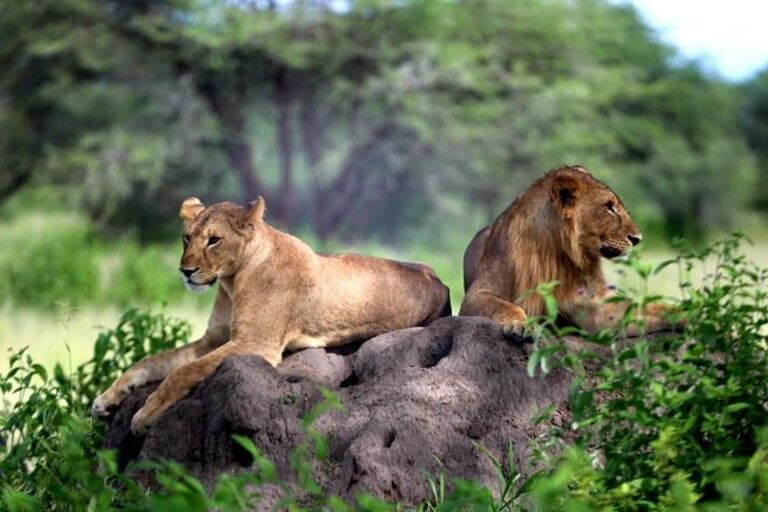
3 Day Joining Safari Group Departures From Moshi: 2026
Discover convenient 3-day group safari departures from Moshi, perfect for maximizing your Tanzania adventure. Explore wildlife-rich parks like Tarangire, Manyara, or the Serengeti on shared...
View package detailsWhat To Expect On Your First Kilimanjaro Trek: A Comprehensive Guide 2026-2027
Planning your first climb up Kilimanjaro? This comprehensive guide covers everything you need to know, from choosing a route and preparing your body to what daily life on the mountain is...
View package detailsWhy Do Thousands Of Travelers Visit Kilimanjaro Every Year? Your Expert Guide
Thousands of adventurers flock to Kilimanjaro each year, drawn by its status as Africa's highest peak and a bucket-list trekking challenge. This guide explores the compelling reasons behind...
View package details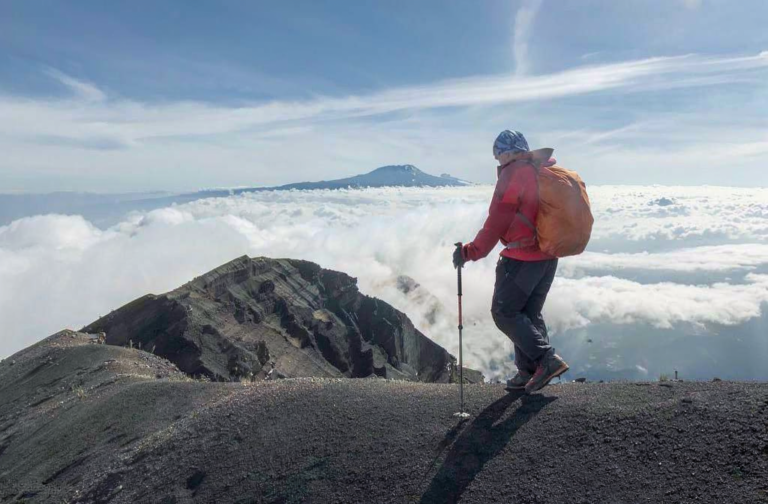
Trek Mont Meru 4 Jours: Your Complete Guide 2026-2027
start a 4-day trek up Mount Meru, a challenging yet rewarding climb near Kilimanjaro. This guide covers routes, preparation, gear, and essential tips for your 2026-2027 expedition.
View package detailsTrekking Monte Meru Tanzania: Precios, Ruta Y Consejos 2026-2027
Trekking Monte Meru Tanzania: precios, ruta y consejos is explained with current 2026-2027 planning, price, itinerary and booking information.
View package detailsNo related package matches those filters. Clear one or more filters to see the other topic-matched options.



