
Kilimanjaro is one of the world’s most famous mountains primarily because it’s the highest free-standing mountain in the world, offering a challenging yet accessible summit to non-technical climbers, coupled with its impressive volcanic landscapes and iconic status as a bucket-list adventure. Its unique combination of extreme altitude, relative ease of ascent compared to other peaks of similar height, and its prominent location in Tanzania’s Kilimanjaro National Park makes it a magnet for adventurers from across the globe, a trend expected to continue strongly into 2026 and 2027.
Kilimanjaro’s Global Recognition: An Overview
The sheer global recognition of Kilimanjaro isn’t accidental. It’s a mountain that captures imaginations for a multitude of reasons, extending far beyond its impressive stature. For decades, it has been a symbol of adventure, a test of endurance, and a unique opportunity to stand on the ‘Roof of Africa.’ This fame is built on a foundation of accessibility, natural beauty, and a certain mystique that draws millions of aspirational trekkers. Unlike many other high peaks that require extensive technical mountaineering skills, Kilimanjaro offers a path to the summit for those willing to put in the physical effort and respect the altitude. This democratic approach to high-altitude trekking is a cornerstone of its enduring popularity. As we look towards 2026 and 2027, this appeal shows no signs of diminishing; in fact, pent-up travel demand and a renewed focus on personal achievement are likely to make it even more sought after.
The mountain’s presence in popular culture, from literature to film, has also cemented its status. Its silhouette is instantly recognizable, and the dream of conquering its summit is a shared aspiration across continents. This widespread awareness means that when people think of climbing a major mountain, Kilimanjaro often comes to mind first, even if they have no prior mountaineering experience. It represents a significant personal challenge that is achievable, making it a prime target for goal-oriented travelers. This article will explore the specific factors that contribute to Kilimanjaro’s unparalleled fame, providing insights for anyone considering a climb in the coming years.
Geographical Marvel: The World’s Highest Free-Standing Mountain
At 5,895 meters (19,341 feet) above sea level, Mount Kilimanjaro is not just another mountain; it’s a geological wonder. Its most distinctive feature, and a primary driver of its fame, is its status as the highest free-standing mountain in the world. This means it rises dramatically from the surrounding plains without being part of a mountain range. Imagine a colossal volcano, its base on the African savanna, soaring upwards to touch the sky – that’s Kilimanjaro. This isolation creates a unique visual spectacle and a significant challenge for climbers, as there are no intermediate high points to help with acclimatization in the way a mountain range might offer.
This free-standing nature also contributes to its extraordinary biodiversity. As climbers ascend, they traverse multiple ecological zones, mimicking a journey from the equator to the Arctic. Starting in the warm, cultivated foothills, one moves through lush rainforests teeming with wildlife, then into heath and moorland, before entering the alpine desert, and finally, the arctic summit zone. This dramatic environmental transition over a relatively short horizontal distance is unparalleled on any other mountain of this scale. The volcanic origins of Kilimanjaro, with its three distinct cones – Kibo (the summit cone), Mawenzi, and Shira – add another layer to its geological fascination. Kibo, the highest, features the famous crater and the actual summit point, Uhuru Peak. The sheer scale and unique formation are key reasons why Kilimanjaro is so globally renowned.
For aspiring climbers planning for 2026 or 2027, understanding this geological uniqueness is crucial. It informs the type of training required, the gear needed, and the incredible visual journey they will undertake. The dramatic rise from the plains means that acclimatization is a paramount concern, and the success of any climb hinges on respecting the mountain’s altitude and the body’s response to it.
Accessibility: The ‘Roof of Africa’ for Non-Technical Climbers
Perhaps the most significant factor contributing to Kilimanjaro’s fame is its accessibility to non-technical climbers. While standing at nearly 6,000 meters, the paths to its summit do not require ropes, ice axes, or specialized climbing gear in the way that peaks like Everest, K2, or even Mount Rainier do. The routes are essentially well-trodden hiking trails. This opens the door to a vast demographic of adventurous individuals who dream of reaching significant altitudes and experiencing the thrill of summiting a major mountain, without needing years of technical mountaineering training.
This accessibility is a double-edged sword. On one hand, it democratizes the dream of high-altitude achievement. On the other hand, it can lead to underestimation of the challenge. Reaching Uhuru Peak is a serious undertaking that demands significant physical fitness, mental fortitude, and proper acclimatization. Altitude sickness is a real and potentially dangerous risk for everyone, regardless of their fitness level. However, the fact that the journey is primarily a trek, rather than a technical climb, is what allows hundreds of thousands of people from all walks of life to attempt it each year.
For those considering a climb in 2026 or 2027, this accessibility means that with dedicated training and the right guidance, the summit is within reach. It’s often the first ‘major’ mountain people climb, serving as an introduction to high-altitude trekking and a stepping stone to more challenging expeditions. The challenge lies not in technical difficulty, but in conquering the altitude and the sheer endurance required over several days. This is a key distinction that fuels Kilimanjaro’s fame – it’s an achievable ‘extreme’ adventure.
The Iconic Summit and Diverse Landscapes
The summit of Kilimanjaro, Uhuru Peak, is instantly recognizable and incredibly iconic. The signpost marking the highest point, often adorned with colorful prayer flags, is a universally sought-after photograph. But it’s the journey to that point that truly defines the experience and contributes to the mountain’s fame. The transition through Kilimanjaro’s five distinct ecological zones is a journey unlike any other on Earth. Starting from the fertile foothills, you’ll walk through dense, misty rainforests alive with the sounds of birds and monkeys. As you ascend, the vegetation changes to heath and moorland, characterized by giant heathers and senecios. Higher still, the landscape transforms into an alpine desert, stark and beautiful, with sparse vegetation clinging to rocky terrain. Finally, you enter the arctic zone, a world of ice, snow, and rock, where the air is thin and the temperature plummets.
The summit itself, located on the rim of the Kibo crater, offers a impressive panorama. Witnessing the sunrise from Stella Point or Uhuru Peak, casting long shadows across the clouds below, is an unforgettable moment. The glaciers and ice fields that still cling to the summit area, though diminishing due to climate change, remain a powerful symbol of this high-altitude environment. These glaciers, remnants of a colder epoch, are a stark reminder of the mountain’s extreme environment and a poignant sight for climbers. The views across the plains of Tanzania, and on clear days, towards Mount Meru, are vast and awe-inspiring.
This visual spectacle is a major draw. People don’t just want to climb a mountain; they want to experience something visually stunning and profoundly different. Kilimanjaro delivers this in spades. The diverse flora and fauna encountered in the lower zones, the stark beauty of the alpine desert, and the dramatic glacial landscapes at the top combine to create a sensory feast that hikers remember for a lifetime. For travelers planning their adventures for 2026 and 2027, these visual rewards are a significant part of the motivation to undertake the climb.
Cultural and Historical Significance
Beyond its geographical and physical attributes, Kilimanjaro holds significant cultural and historical weight. For centuries, the mountain has been a sacred place for the local Chagga people, who inhabit its fertile lower slopes. They have a deep spiritual connection to ‘Kibo’ and ‘Kaja,’ as they refer to its peaks, viewing them as the dwelling place of their gods. This historical reverence adds a layer of mystique and respect to the mountain.
In the late 19th century, Kilimanjaro entered the global consciousness through the accounts of European explorers and missionaries. Johannes Rebmann, a German missionary, is credited with being the first European to see Kilimanjaro’s snow-capped summit in 1848, a truly astonishing sight for someone standing near the equator. His reports, initially met with skepticism, captured the imagination of the world. The mountain soon became a symbol of Africa’s exotic allure and a target for colonial expeditions and later, for adventurers and mountaineers.
The establishment of Kilimanjaro National Park in 1977 and its subsequent designation as a UNESCO World Heritage Site further elevated its profile, emphasizing its natural and cultural importance. The park protects not only the mountain but also the unique ecosystems and biodiversity found within its boundaries. The history of climbing itself, from early attempts to modern-day expeditions, is rich with stories of human endeavor, challenge, and triumph. This blend of indigenous reverence and modern exploration has woven Kilimanjaro into the fabric of global adventure lore, making it more than just a mountain – it’s a storied landmark. For trekkers planning their trips in 2026 and 2027, they are stepping onto a mountain with a deep and fascinating human history.
The Kilimanjaro Climbing Experience: Routes and Challenges
The fame of Kilimanjaro is intrinsically linked to the experience of climbing it. While the summit is accessible, the journey is demanding, requiring a multi-day trek through varied terrain and rapidly changing altitudes. The choice of route significantly impacts the experience, affecting scenic beauty, acclimatization profiles, and overall success rates. Understanding these routes is fundamental for anyone planning a climb, especially for the upcoming seasons of 2026 and 2027.
Choosing Your Route: A Critical Decision for 2026-2027 Climbs
Selecting the right route is arguably the most crucial planning decision for a Kilimanjaro climb. Each of the main routes offers a different perspective, duration, and acclimatization strategy. Generally, longer routes are recommended as they allow for better acclimatization and thus higher success rates. The park authorities manage visitor numbers and camp sites, so routes have varying levels of popularity and congestion. Here’s a look at the most common options:
Machame Route: The Popular ‘Whiskey’ Route
The Machame Route is the most popular choice, often nicknamed the ‘Whiskey’ route (in contrast to the Marangu ‘Coca-Cola’ route). It’s known for its stunning scenery and challenging ascent profile. Typically completed over 6 or 7 days, it offers excellent acclimatization due to its ‘climb high, sleep low’ trekking profile. The 7-day option is highly recommended for better acclimatization and a higher chance of reaching the summit. It traverses diverse landscapes, from rainforest to alpine desert, and offers spectacular views. It’s a camping route, meaning trekkers stay in tents each night.
Lemosho Route: Scenic Beauty and Higher Success Rates
The Lemosho Route is widely regarded as one of the most beautiful routes, offering panoramic views and a more remote trekking experience in its initial days. It starts in the west and joins the Machame route. It’s typically offered over 7 or 8 days, and the longer duration significantly aids acclimatization, leading to higher success rates. The longer itinerary allows trekkers to appreciate the diverse ecosystems more fully and reduces the feeling of being rushed. Like Machame, it’s a camping route.
Marangu Route: The ‘Coca-Cola’ Route
The Marangu Route, often called the ‘Coca-Cola’ route, is the oldest and arguably the most famous. It’s unique in that it’s the only route offering accommodation in huts rather than tents, making it more comfortable for some. It’s also the shortest route, typically done in 5 days, but this condensed schedule often leads to lower success rates and a higher risk of altitude sickness due to insufficient acclimatization. While historically popular, many operators now recommend at least a 6-day Marangu itinerary to improve chances of summiting. It ascends and descends via the same path.
Rongai Route: The Arid Approach
The Rongai Route approaches Kilimanjaro from the north, entering the park on the Kenyan side (though starting points are in Tanzania). It is generally considered a drier route, making it a good option during the wetter seasons. It’s less scenic than the southern routes in its initial stages but offers a different perspective and can be less crowded. It is usually offered as a 6 or 7-day trek and is a camping route. It joins the Marangu route for the final ascent to the summit.
Northern Circuit: The Longest and Most Scenic
The Northern Circuit is the longest route, typically taking 9 days. It circumnavigates the mountain, offering the best acclimatization profile and the highest success rates. It starts at the Lemosho Gate, follows the Lemosho route initially, then breaks off to traverse the northern slopes, offering unparalleled views and a more wild, less-trafficked experience. This route is ideal for those who want to maximize their chances of summiting, enjoy a more leisurely pace, and experience themselves in the mountain’s diverse scenery.
Shira Route: A Variation on Lemosho
The Shira Route is similar to Lemosho but starts at a higher altitude, beginning on the Shira Plateau. This means trekkers begin their hike at a higher elevation, which can be a disadvantage for acclimatization, though it offers spectacular initial views. It is generally recommended for experienced high-altitude trekkers. It can be completed in 7 or 8 days and joins the Machame route.
Success Rates and Key Factors for 2026-2027 Climbs
Success rates on Kilimanjaro vary widely, often cited between 40% and 80%. The most significant factors influencing success are:
- Route Duration: Longer routes (7+ days) offer better acclimatization and significantly higher success rates. For 2026 and 2027, prioritizing a longer itinerary is a wise choice.
- Operator Quality: Reputable operators prioritize safety, use experienced guides, provide good food, and ensure proper acclimatization protocols.
- Physical Fitness: While not a technical climb, good cardiovascular fitness is essential.
- Acclimatization: This is paramount. Listening to your body and your guide is crucial.
- Mental Fortitude: The summit night is long and arduous; mental preparation is key.
Understanding these routes and factors will help you make an informed decision for your 2026-2027 Kilimanjaro expedition.
Planning Your Kilimanjaro Adventure: Essential Considerations for 2026-2027
A successful Kilimanjaro climb requires meticulous planning. Beyond choosing a route, several other critical elements need attention. These details can make the difference between a triumphant summit and a challenging, or even aborted, attempt. For travelers aiming for 2026 or 2027, starting these preparations early is advisable.
Best Time to Climb: Weather Patterns and Seasons
Kilimanjaro experiences two main dry seasons, which are considered the best times to climb:
- January to March: Generally clear skies, cold temperatures, and snow on the summit. This is a popular period.
- June to October: Another dry season, often characterized by cooler temperatures and clear skies. This is also a very popular time.
The rainy seasons are:
- April to May: The ‘long rains,’ with significant rainfall, especially in the rainforest zone.
- November to December: The ‘short rains,’ often characterized by intermittent showers.
While climbing during the shoulder months or even the wetter seasons is possible (and can mean fewer crowds), the dry seasons offer the most predictable and favorable weather conditions for summit success. For 2026 and 2027, booking during these peak dry seasons means securing your preferred dates and operators well in advance.
Physical Preparation: Training for Altitude and Endurance
Kilimanjaro is a high-altitude trek, and physical preparation is non-negotiable. The focus should be on cardiovascular endurance and leg strength. Aim for:
- Cardiovascular Training: Engage in activities like hiking (with a backpack and inclines), running, cycling, or swimming for at least 3-4 times a week for several months leading up to your climb.
- Strength Training: Focus on leg muscles (squats, lunges) and core strength, which are crucial for long days of hiking.
- Hiking Practice: The most relevant training is hiking, ideally on varied terrain and with significant elevation gain. Practice hiking for several hours at a time, carrying a daypack. If possible, do some multi-day hikes to simulate the trekking conditions.
- Altitude Simulation: If you live at high altitude, this is a significant advantage. If not, focus on maximizing your fitness to help your body cope better.
The goal is to build stamina and make the physical act of walking for 5-10 hours a day, day after day, as comfortable as possible, so your energy can be focused on acclimatizing to the altitude. Proper training is a cornerstone for a successful climb in 2026 or 2027.
Choosing a Reputable Operator: Why It Matters for Your 2026-2027 Climb
This is perhaps the single most important decision you will make. A good operator ensures your safety, comfort, and provides the best possible chance of summit success. Key factors to consider include:
- Safety Record and Protocols: Do they carry oxygen, have emergency oxygen systems, and evacuation plans? What are their guide-to-client ratios?
- Guide Experience and Training: Are guides certified in wilderness first aid and experienced with Kilimanjaro’s routes and altitude sickness?
- Crew Welfare: Fair wages, adequate food, and proper treatment of porters and guides are crucial indicators of a responsible operator.
- Inclusions: What is included in the price? (e.g., park fees, meals, accommodation, gear rental, rescue fees).
- Success Rates: While not always guaranteed, operators who track and publish their success rates (especially for longer itineraries) can be a good sign.
- Reviews and Reputation: Look for independent reviews on platforms like TripAdvisor.
Climb 4 Africa, for instance, is dedicated to providing exceptional support, focusing on safety, crew welfare, and tailored experiences. Choosing an operator committed to responsible tourism is vital for an ethical and successful climb in 2026-2027. Don’t be swayed solely by the lowest price; quality and safety are paramount on Kilimanjaro.
Essential Gear and Equipment
Proper gear is essential for comfort and safety. You’ll need layers of clothing to adapt to drastic temperature changes, from the humid rainforest to the freezing summit. Key items include:
- Layering System: Base layers (thermal underwear), mid-layers (fleece or down jackets), and an outer shell (waterproof and windproof jacket and trousers).
- Footwear: Broken-in, waterproof hiking boots are essential. Warm socks are a must.
- Headwear: A warm hat, balaclava, and sunglasses.
- Handwear: Warm, waterproof gloves or mittens.
- Sleeping Bag: A 4-season sleeping bag rated for temperatures as low as -20°C (-4°F).
- Trekking Poles: Highly recommended for reducing strain on knees and improving balance.
- Headlamp: With extra batteries for summit night.
Many operators offer gear rental for items like sleeping bags and jackets, which can be convenient. A detailed packing list will be provided by your chosen tour operator.
Altitude Sickness and Acclimatization Strategies
Altitude sickness (Acute Mountain Sickness – AMS) is the most common challenge on Kilimanjaro. It’s caused by ascending too quickly, preventing the body from adjusting to lower oxygen levels. Symptoms can include headaches, nausea, dizziness, and fatigue. Severe forms can be life-threatening.
Effective acclimatization strategies are crucial:
- Ascend Slowly: This is why longer routes are better.
- ‘Pole Pole’ (Slowly, Slowly): Walk at a pace that allows you to hold a conversation.
- Hydration: Drink plenty of water (3-4 liters per day).
- Avoid Alcohol and Smoking: These hinder acclimatization.
- Eat Well: Maintain energy levels with nutritious meals.
- Listen to Your Body: Report any symptoms to your guide immediately.
- Medication: Diamox (acetazolamide) can be prescribed by your doctor to help with acclimatization, but it is not a substitute for slow ascent.
Your guides are trained to monitor for AMS and will make decisions regarding your safety, including descending if necessary. This vigilance is a key reason to choose an experienced operator for your 2026-2027 climb.
Kilimanjaro National Park Fees and Overall Costs for 2026-2027
Kilimanjaro National Park fees are substantial and form a significant part of the overall cost of a climb. These fees are set by the Tanzanian government and can change. For 2026 and 2027, expect these to remain a major component. They typically include:
- Kilimanjaro National Park Entrance Fees: A daily fee.
- Camping/Hut Fees: For overnight stays on the mountain.
- Crater Fees: For accessing the crater rim.
- Rescue Fees: For emergency evacuation.
- Crew Fees: For guides, cooks, and porters.
These fees are usually bundled into the tour operator’s package price. When comparing prices for 2026-2027 climbs, ensure you understand exactly what is included. A typical price range for a reputable operator for a 7-day climb might be anywhere from $2,000 to $4,000+ USD per person, depending on the route, inclusions, and operator standard. Budget operators might seem cheaper but often compromise on safety, crew welfare, or quality of equipment. Tips for the crew are also an additional but expected cost, typically ranging from $250-$400 USD per climber.
Beyond the Summit: The Complete Tanzanian Experience
While Kilimanjaro is the star attraction, its fame is often amplified by its location in Tanzania, a country renowned for its incredible natural beauty and wildlife. Most climbers combine their trek with a safari or a visit to the exotic island of Zanzibar. This combination creates a truly unforgettable African adventure.
A typical post-climb itinerary might include exploring the legendary Northern Circuit parks like the Serengeti National Park, famous for the Great Migration, Ngorongoro Conservation Area with its unique caldera ecosystem, and Tarangire National Park, known for its large elephant herds. These safaris offer a stark contrast to the mountain’s stark beauty, immersing travelers in vibrant ecosystems teeming with iconic African wildlife. For those seeking relaxation, the white-sand beaches and turquoise waters of Zanzibar offer a perfect end to an adventurous trip.
This ability to combine a challenging mountain climb with world-class wildlife viewing and tropical relaxation is a significant part of Kilimanjaro’s broad appeal. It allows travelers to experience multiple facets of Tanzania in a single trip, making it a highly desirable destination for those planning major international travel in 2026 and 2027.
Why Climb Kilimanjaro in 2026-2027?
The allure of Kilimanjaro remains as strong as ever, and planning for 2026 and 2027 presents a fantastic opportunity. The mountain continues to be a symbol of personal achievement, a chance to connect with nature on an epic scale, and an accessible gateway to high-altitude trekking. For many, it represents a significant life goal, a way to push personal boundaries and gain a profound sense of accomplishment.
The growing awareness of sustainable tourism practices also means that choosing responsible operators is more important than ever. Climbers in 2026-2027 have the chance to support local economies and ensure the mountain’s preservation for future generations. Furthermore, with the global travel landscape continually evolving, Kilimanjaro offers a reliable and well-established adventure that provides incredible value and an experience that is almost guaranteed to be memorable.
Whether you are a seasoned trekker looking for your next challenge or a beginner dreaming of standing on the highest point of a continent, Kilimanjaro offers an unparalleled experience. Its fame is well-earned, built on a unique combination of factors that continue to draw adventurers from around the world.
Booking Your Kilimanjaro Climb with Experts
Deciding to climb Kilimanjaro is the first step; the next is ensuring you have the right support to make your 2026 or 2027 expedition a success. Choosing an expert tour operator like Climb 4 Africa means partnering with a team that deeply understands the mountain, its routes, and the needs of climbers. We focus on safety, providing well-trained guides, quality equipment, and ensuring the welfare of our entire crew. Our itineraries are designed with acclimatization as a priority, maximizing your chances of reaching the summit while minimizing risks.
We can help you navigate the complexities of choosing the best route for your fitness level and aspirations, advise on the optimal timing for your climb, and provide comprehensive packing lists and pre-climb training recommendations. Understanding the nuances of park fees, potential costs, and what truly constitutes value in a Kilimanjaro climb is where our local expertise shines. We are committed to making your journey to the ‘Roof of Africa’ a safe, rewarding, and unforgettable adventure. To start planning your Kilimanjaro climb for 2026 or 2027, or to ask any specific questions about routes, preparations, or costs, please reach out to our team.
You can connect with us via WhatsApp at +255 747 477 898 or send an email to climb4africa@gmail.com. Let us help you turn your Kilimanjaro dream into a reality.
Check Availability for Why Is Kilimanjaro One Of The World’s Most Famous Mountains? Your Planning
Ready to compare dates, prices, and the best option for your group? Send the package name and travel month so the team can reply with a clear quote, availability, and what is included.
Why Do People Travel From Around The World To Climb Kilimanjaro? 2026-2027
Why Do People Travel From Around the World to Climb Kilimanjaro? is explained with current 2026-2027 planning, price, itinerary and booking information.
View package details10 Most Challenging Mountains To Climb In Africa 2026-2027
While Mount Kilimanjaro is Africa's most famous peak, the continent harbors a spectrum of formidable mountains that test even seasoned climbers. This guide details the 10 most challenging...
View package detailsWhat To Expect On Your First Kilimanjaro Trek: A Comprehensive Guide 2026-2027
Planning your first climb up Kilimanjaro? This comprehensive guide covers everything you need to know, from choosing a route and preparing your body to what daily life on the mountain is...
View package detailsWhy Is Climbing Kilimanjaro So Expensive? 2026-2027
Why Is Climbing Kilimanjaro So Expensive? is explained with current 2026-2027 planning, price, itinerary and booking information.
View package detailsKilimanjaro Climb Machame Route : Expert Guide For Your Trek 2026-2027
Discover the ultimate guide to climbing Mount Kilimanjaro via the Machame Route for your 2026 or 2027 adventure. This comprehensive resource covers everything from choosing an itinerary and...
View package detailsWhy Do Thousands Of Travelers Visit Kilimanjaro Every Year? Your Expert Guide
Thousands of adventurers flock to Kilimanjaro each year, drawn by its status as Africa's highest peak and a bucket-list trekking challenge. This guide explores the compelling reasons behind...
View package detailsKilimanjaro Routes: Which Is Best For Your Climb? 2026-2027
Choosing the right Kilimanjaro route is crucial for a successful and enjoyable climb. This comprehensive guide compares the main routes, helping you select the best option for your...
View package details10 Mistakes To Avoid Before Climbing Kilimanjaro In 2026-2027
Planning a Kilimanjaro climb is exciting, but avoiding common mistakes is key to a successful and enjoyable experience. This guide details ten critical errors to sidestep, from choosing the...
View package details10 Things To Know Before Climbing Kilimanjaro 2026-2027
10 Things to Know Before Climbing Kilimanjaro is explained with current 2026-2027 planning, price, itinerary and booking information.
View package detailsWhat Nobody Tells You Before Climbing Kilimanjaro 2026-2027
What Nobody Tells You Before Climbing Kilimanjaro is explained with current 2026-2027 planning, price, itinerary and booking information.
View package detailsThe Hidden Side Of Tanzania: Places Most Tourists Miss 2026-2027
Tanzania is famed for its iconic wildlife and Kilimanjaro, but its true magic often lies off the beaten path. This guide reveals the lesser-known destinations that offer authentic...
View package details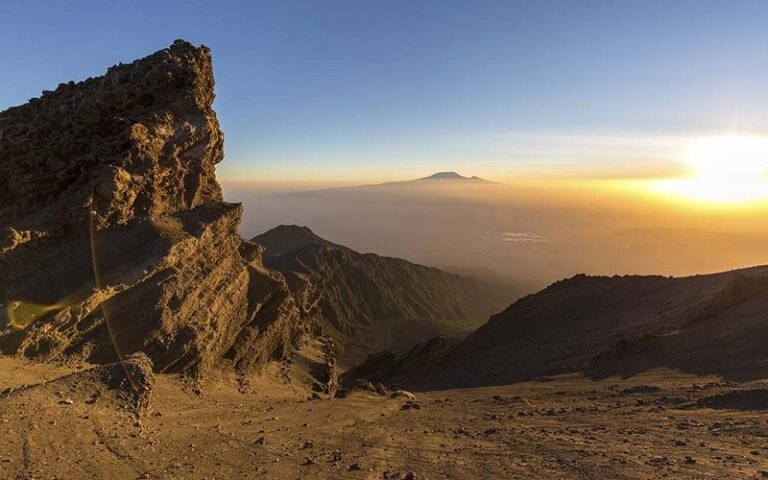
Monte Meru Y Kilimanjaro: Trekking En Tanzania 2026-2027
Discover the ultimate trekking experience in Tanzania by combining Mount Meru and Mount Kilimanjaro. This comprehensive guide covers everything from route selection and preparation to...
View package detailsNo related package matches those filters. Clear one or more filters to see the other topic-matched options.



