
Trekking Mount Kilimanjaro in Tanzania for 2026-2027 involves choosing among six main routes (Marangu, Machame, Lemosho, Shira, Rongai, and Northern Circuit), with trek durations ranging from 5 to 9 days. Prices for a standard 7-day climb typically fall between $2,000 and $3,500 per person, varying based on the route, operator, inclusions, and season. This cost covers park fees, guides, porters, accommodation on the mountain, and meals, but usually excludes gear rental, tips, and travel to Tanzania. Early booking for 2026-2027 is recommended, especially for peak seasons like January-March and June-October.
Kilimanjaro Tanzania: An Overview for Trekkers
Mount Kilimanjaro, a dormant volcano in Tanzania, stands as Africa’s highest peak at 5,895 meters (19,341 feet). It’s one of the world’s foremost ‘Seven Summits’ and a bucket-list destination for adventurers globally. The allure of Kilimanjaro lies not only in its height but also in its accessibility; it’s a trek, not a technical climb, meaning no ropes or specialized climbing gear are required for most routes. This makes it achievable for individuals with good physical fitness and a determined spirit. The journey to the summit is a remarkable traverse through diverse ecological zones, starting from lush rainforests at the base, ascending through moorlands and alpine deserts, and finally reaching the arctic summit zone. Each zone presents unique challenges and impressive scenery. For those planning a Kilimanjaro Tanzania trek in the coming years, understanding the nuances of routes, preparation, and pricing is crucial for a successful and enjoyable expedition.
Planning a climb for 2026 or 2027 requires foresight. The demand for Kilimanjaro climbs remains consistently high, particularly during the dry seasons. Secure your preferred dates and routes well in advance. The choice of route significantly impacts your experience, affecting acclimatization, scenery, and overall difficulty. Similarly, understanding the pricing structure ensures you’re getting value and that all essential components of your climb are covered. This comprehensive guide aims to demystify the process, offering practical insights and actionable advice for anyone dreaming of standing on the Roof of Africa.
Choosing Your Kilimanjaro Route: A Deep Dive
The selection of a trekking route is perhaps the most significant decision you’ll make when planning your Kilimanjaro Tanzania trekking adventure. Each route offers a distinct experience, with variations in length, difficulty, scenery, acclimatization profiles, and the number of other trekkers you’ll encounter. The choice often boils down to your priorities: speed, scenery, acclimatization success rate, or budget. Most reputable operators offer climbs on the Marangu, Machame, Lemosho, Rongai, and Northern Circuit routes. The Shira route is less common and often combined with Lemosho.
For 2026-2027 expeditions, consider that longer routes generally offer better acclimatization, increasing your chances of reaching the summit. Shorter routes, while quicker and sometimes cheaper, carry a higher risk of altitude sickness and summit failure. Let’s break down the popular options:
Marangu Route: The “Coca-Cola” Route
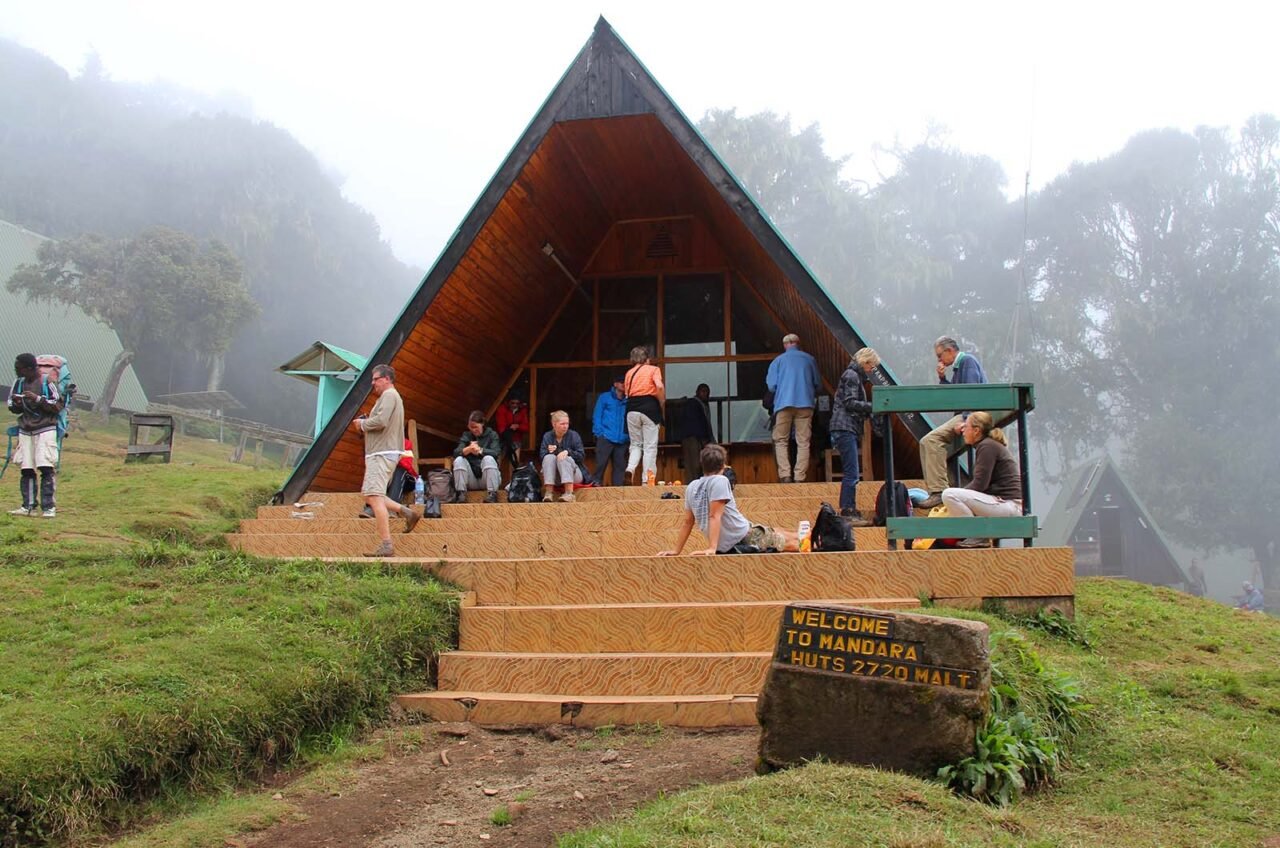
The Marangu route, often called the “Coca-Cola” route, is the oldest and most established path up Kilimanjaro. It’s known for being the only route that offers overnight accommodation in dormitory-style huts rather than camping, which appeals to some trekkers seeking more comfort. It’s also the shortest route in terms of days, typically 5 or 6 days. This brevity, however, is its main drawback.
* Duration: 5 or 6 days.
* Scenery: Less scenic than other routes as you ascend and descend the same path. It passes through rainforest, moorland, and alpine desert zones.
* Acclimatization: Poor. The rapid ascent over 5 days gives very little time for the body to adjust to the altitude. The 6-day option includes a ‘climb high, sleep low’ day, which slightly improves acclimatization but is still less effective than on longer routes.
* Accommodation: Huts available at each campsite.
* Difficulty: Considered moderate for the lower sections, but the rapid ascent makes the final push to the summit very challenging due to altitude.
* Crowds: Can be quite crowded, especially during peak season, due to its popularity and shorter duration.
* Pros: Hut accommodation, potentially lower cost for a 5-day trek.
* Cons: Poor acclimatization, lower summit success rates, less scenic due to same-path ascent/descent, can be crowded.
While it’s a popular choice for those on a tighter schedule or seeking hut comfort, its low success rate means many trekkers regret not choosing a longer route for better acclimatization. For a 2026-2027 climb, consider this route only if you are very well-acclimatized from previous high-altitude experiences or opt for the 6-day itinerary.
Machame Route: The “Whiskey” Route
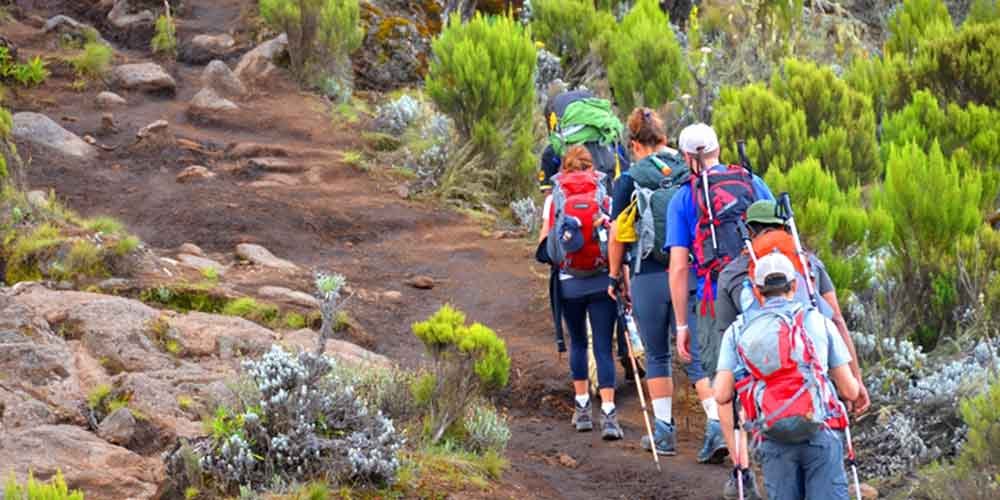
The Machame route, affectionately known as the “Whiskey” route (contrasting with Marangu’s “Coca-Cola”), is the most popular route on Kilimanjaro. It’s known for its beautiful scenery, excellent acclimatization profile, and higher summit success rates. It’s a camping route, meaning you’ll spend nights in tents.
* Duration: Typically 6 or 7 days. The 7-day option is highly recommended for better acclimatization.
* Scenery: Very scenic, traversing diverse landscapes and offering stunning views. It offers varied ascents and descents, allowing you to experience different parts of the mountain.
* Acclimatization: Good. The 7-day itinerary follows the ‘climb high, sleep low’ principle effectively, significantly improving acclimatization and summit chances.
*
* Accommodation: Camping.
* Difficulty: Moderate to challenging. The terrain can be steep in places, and the final summit push is demanding.
* Crowds: Can be busy due to its popularity, especially on the 6-day option. The 7-day trek tends to spread groups out more.
* Pros: Excellent scenery, good acclimatization profile (especially 7-day), high summit success rates, good value.
* Cons: Camping accommodation, can be crowded on the 6-day option.
The Machame route is a fantastic choice for most trekkers aiming for Kilimanjaro in 2026-2027, offering a balanced experience of challenge, beauty, and a solid chance of reaching the summit. The 7-day version is strongly recommended.
Lemosho Route: Scenic Beauty and Acclimatization
The Lemosho route is considered one of the most beautiful routes on Kilimanjaro. It starts in the west and traverses the Shira Plateau, offering a more remote and wild experience before joining the Machame route for the final ascent. It’s a camping route.
* Duration: Typically 7 or 8 days. Longer itineraries are available and highly recommended.
* Scenery: Exceptional. It offers impressive views from the western side of the mountain, including panoramic vistas of the Tanzanian plains and Mount Meru. The journey across the Shira Plateau is particularly memorable.
* Acclimatization: Excellent. The longer duration (7 or 8 days) and the gradual ascent, especially across the Shira Plateau, provide superior acclimatization opportunities.
* Accommodation: Camping.
* Difficulty: Moderate to challenging. The terrain can be steep, and the altitude gain is significant.
* Crowds: Less crowded than Marangu or Machame, especially in the initial days, offering a more exclusive feel.
* Pros: Superb scenery, excellent acclimatization and high success rates, more remote feel, good for wildlife spotting in the initial rainforest section.
* Cons: Generally more expensive than Machame due to longer duration and more remote starting point.
For trekkers prioritizing scenery and a high chance of success for their 2026-2027 Kilimanjaro climb, Lemosho is an outstanding choice. The 8-day option provides the best acclimatization benefits.
Shira Route: High Altitude Starting Point
The Shira route is similar to Lemosho but starts at a higher altitude on the Shira Plateau. This means trekkers are immediately at a higher elevation, which can be a double-edged sword for acclimatization.
* Duration: Typically 7 or 8 days.
* Scenery: Similar to Lemosho, with beautiful views from the Shira Plateau.
* Acclimatization: Potentially problematic. Starting at a high altitude (around 3,600m) without adequate prior acclimatization can increase the risk of altitude sickness. Most operators now prefer Lemosho for its better acclimatization profile.
* Accommodation: Camping.
* Difficulty: Moderate to challenging, with the initial high start being a significant factor.
* Crowds: Less crowded in the initial stages, joining the Machame route later.
*
* Cons: High starting altitude can be difficult for acclimatization, often more expensive than Machame.
Due to the acclimatization risks, the Shira route is less frequently recommended than Lemosho for 2026-2027 climbs unless specifically requested or part of a combined itinerary. Lemosho offers a similar scenic experience with a safer acclimatization profile.
Rongai Route: The Drier Approach
The Rongai route approaches Kilimanjaro from the north, near the Kenyan border. It is the second-most popular route after Machame and is known for being the driest route, making it a good option during wetter months.
* Duration: Typically 6 or 7 days. A 7-day trek is recommended for better acclimatization.
* Scenery: Less varied than Machame or Lemosho, but still offers beautiful views. It traverses drier landscapes initially and then joins the Marangu route for the final ascent from the east.
* Acclimatization: Moderate. The 7-day itinerary provides reasonable acclimatization, though not as optimal as Lemosho or Northern Circuit.
* Accommodation: Camping.
* Difficulty: Moderate. It’s generally considered less steep than Machame.
* Crowds: Less crowded than Marangu or Machame, especially in the early days.
* Pros: Drier conditions, less crowded, good wildlife spotting opportunities in the lower sections, good value.
* Cons: Less scenic variety compared to western routes, shares the final ascent path with Marangu.
Rongai is a solid choice for 2026-2027 trekkers who want to avoid crowds and prefer a drier route, especially if climbing during shoulder seasons. The 7-day option is the most sensible for acclimatization.
Northern Circuit Route: Longest and Most Scenic
The Northern Circuit is the longest route on Kilimanjaro, circumnavigating the mountain’s northern slopes. This extended duration makes it the route with the highest acclimatization profile and, consequently, the highest summit success rates.
* Duration: 9 or more days. The longer the duration, the better the acclimatization.
* Scenery: Arguably the most scenic route, offering panoramic views from all sides of the mountain, including the remote northern and eastern faces.
* Acclimatization: Excellent. The extended duration allows for gradual ascent and optimal ‘climb high, sleep low’ strategies.
* Accommodation: Camping.
* Difficulty: Moderate, but the length requires good stamina.
* Crowds: By far the least crowded route, offering a true wilderness experience.
* Pros: Highest summit success rates, most scenic and remote, excellent acclimatization, good for wildlife viewing.
* Cons: Most expensive due to its length and longer operational requirements.
For trekkers in 2026-2027 prioritizing safety, success, and an unparalleled scenic experience with minimal crowds, the Northern Circuit is the ultimate choice. It offers the best chance of reaching Uhuru Peak comfortably.
Kilimanjaro Route Comparison Summary
To help visualize the differences, here’s a comparative overview. Remember that for Kilimanjaro Tanzania trekking, longer is generally better for success and enjoyment.
| Feature | Marangu | Machame | Lemosho | Rongai | Northern Circuit |
|---|---|---|---|---|---|
| Typical Duration | 5-6 days | 6-7 days | 7-8 days | 6-7 days | 9+ days |
| Accommodation | Huts | Camping | Camping | Camping | Camping |
| Scenery | Moderate (same path up/down) | Excellent | Exceptional | Good (drier) | Most Scenic/Remote |
| Acclimatization | Poor | Good (7-day) | Excellent (8-day) | Moderate (7-day) | Outstanding |
| Summit Success Rate | Lower | Higher | Very High | Good | Highest |
| Crowds | High | Moderate-High | Moderate | Low-Moderate | Very Low |
| Difficulty | Moderate-Hard (due to altitude) | Moderate-Hard | Moderate-Hard | Moderate | Moderate (due to length) |
Essential Kilimanjaro Trekking Considerations
Beyond choosing a route, several critical factors contribute to a successful and safe Kilimanjaro Tanzania trek. These include timing your climb, preparing physically, understanding altitude sickness, packing appropriately, and knowing what daily life on the mountain entails.
Best Time to Climb Kilimanjaro for 2026-2027
Kilimanjaro experiences two main dry seasons and two rainy seasons each year. The dry seasons offer the best weather conditions, with clear skies and minimal rain, making them the most popular times to climb.
* Peak Dry Season (June to October): This is generally considered the best time. Skies are usually clear, temperatures are mild, and there’s very little rainfall. Expect cooler temperatures at higher altitudes.
* Short Dry Season (January to March): This period also offers good weather, though it can be hotter at lower altitudes and colder at the summit. It’s a popular time, especially around the New Year holidays.
* Rainy Seasons:
* March to May: The ‘long rains’ bring significant rainfall, especially in the lower rainforest sections. This can make trekking muddy and challenging. Snowfall at the summit is also more likely.
* November to December: The ‘short rains’ are less intense than the long rains but can still bring showers. This period can offer fewer crowds and lower prices.
For 2026 and 2027, booking during the peak dry seasons (June-October 2026, January-March 2027, June-October 2027) is highly recommended for the most pleasant trekking experience. However, if you prefer fewer crowds and potentially better deals, consider the shoulder months or the short rainy season, provided you are well-prepared for variable weather. Always check with your operator about specific conditions for your chosen dates.
Physical Preparation and Training for Kilimanjaro
While Kilimanjaro is a trek, not a technical climb, it demands significant physical endurance. The altitude is the primary challenge, but the long trekking days, steep ascents, and descents also require good physical conditioning. Preparation should focus on cardiovascular fitness and leg strength.
* Cardiovascular Fitness: Engage in activities like hiking, running, cycling, or swimming for at least 3-5 days a week. Aim for sessions of 45-60 minutes. Include some longer hikes (3-4 hours) on varied terrain to simulate mountain conditions.
* Strength Training: Focus on leg muscles (quadriceps, hamstrings, calves) and core strength. Squats, lunges, step-ups, and planks are beneficial. Carrying a weighted backpack (10-15 kg) on your training hikes can help prepare you for carrying your daypack.
* Hiking Practice: The most relevant training is hiking. Aim to do as many long hikes as possible in the months leading up to your climb, preferably with elevation gain. Practicing with the gear you intend to use (boots, backpack) is also wise.
* Mental Preparation: Understand that the summit push is mentally and physically taxing. Being prepared for discomfort and pushing through fatigue is key.
Start your training at least 3-6 months before your planned Kilimanjaro Tanzania trek. Consistency is more important than intensity.
Understanding and Preventing Altitude Sickness
Altitude sickness (Acute Mountain Sickness – AMS) is the most significant risk on Kilimanjaro. It occurs when your body doesn’t have enough time to adjust to the lower oxygen levels at higher altitudes. Symptoms can range from mild headaches and nausea to severe, life-threatening conditions like HACE (High Altitude Cerebral Edema) and HAPE (High Altitude Pulmonary Edema).
* Prevention is Key:
* Ascend Slowly: This is the most effective preventive measure. Longer routes (7+ days) allow for gradual acclimatization.
* ‘Climb High, Sleep Low’: Most good itineraries incorporate this principle, where you trek to higher elevations during the day and descend to sleep at a lower altitude.
* Hydration: Drink plenty of fluids (3-4 liters per day). Water, herbal teas, and clear broths are good.
* Avoid Alcohol and Smoking: These can exacerbate altitude symptoms.
* Medication: Diamox (acetazolamide) is often prescribed by doctors to aid acclimatization. Discuss this with your physician well before your trip.
* Recognizing Symptoms: Be aware of headaches, nausea, dizziness, fatigue, loss of appetite, and difficulty sleeping. Inform your guide immediately if you experience any symptoms.
* Management: If symptoms develop, do not ascend further. If they worsen or do not improve with rest, descent is the only cure. Your guide is trained to assess your condition and make crucial decisions regarding descent.
For your Kilimanjaro 2026-2027 climb, choose an operator that prioritizes safety and uses itineraries designed for proper acclimatization. Never ignore symptoms, and trust your guide’s judgment.
Kilimanjaro Gear and Packing List
Proper gear is essential for comfort and safety on Kilimanjaro. The weather can change rapidly, and you’ll experience a wide range of temperatures, from hot and humid in the rainforest to freezing at the summit. Layering is the key principle.
- Base Layers: Moisture-wicking synthetic or merino wool tops and bottoms.
- Mid Layers: Fleece jackets or down vests for insulation.
- Outer Layer (Shell): Waterproof and windproof jacket and trousers (Gore-Tex or similar).
- Insulation Jacket: A warm down or synthetic jacket for cold evenings and summit night.
- Trekking Trousers: Comfortable, quick-drying trousers (not jeans).
- Hiking Boots: Waterproof, broken-in hiking boots with good ankle support.
- Camp Shoes/Sandals: For relaxing at camp.
- Socks: Several pairs of wool or synthetic hiking socks.
- Headwear: Warm woolen hat, sun hat with a brim, and a balaclava or warm scarf for the summit.
- Gloves: Warm waterproof gloves and thinner liner gloves.
- Sleeping Bag: A 4-season, -15°C to -20°C (0°F to -4°F) rated sleeping bag is recommended.
- Backpack: A comfortable daypack (30-40 liters) for essentials, and a larger duffel bag (80-100 liters) for porters to carry.
- Trekking Poles: Highly recommended for reducing strain on knees.
- Headlamp: With extra batteries.
- Sun Protection: High SPF sunscreen, lip balm with SPF, sunglasses.
- Water Bottles/Bladder: At least 3 liters capacity. Insulated covers are useful.
- Toiletries: Biodegradable soap, toothbrush, toothpaste, wet wipes, hand sanitizer.
- First-Aid Kit: Personal medications, blister treatment, pain relievers, antiseptic wipes.
- Camera and Power Bank: For photos and charging devices.
Most operators will provide a detailed packing list. Ensure your boots are well broken-in before your Kilimanjaro Tanzania trek to avoid blisters. You can often rent some items like sleeping bags and trekking poles from your tour operator.
What to Expect on the Mountain: Daily Life
Life on Kilimanjaro is a unique experience. Days typically follow a similar rhythm:
* Morning: Wake up in your tent (or hut on Marangu) to hot water for washing. Breakfast is served.
* Trekking: You’ll trek for 4-8 hours per day, depending on the route and stage. Your pace will be slow and steady (‘pole pole’ – slowly, slowly).
* Lunch: Usually a packed lunch eaten en route or a hot meal prepared by your cook at a designated lunch spot.
* Afternoon: Arrive at camp, usually by mid-afternoon. You’ll be shown to your tent.
* Evening: Hot water is provided for washing. You can relax, read, or chat with your team. Dinner is served, followed by a briefing from your lead guide about the next day’s trek.
* Sleep: Bedtime is usually around 8-9 PM, aiming for as much rest as possible before the next day.
* Summit Night: This is the most challenging part. You’ll typically start climbing around midnight, trekking for 6-8 hours in the dark, cold, and at high altitude to reach the summit by sunrise. After a brief celebration, you’ll descend back to your camp, which is a long and tiring day.
Guides, porters, and cooks form your support team. They are experienced and dedicated to your safety and comfort. The cooks prepare surprisingly varied and nutritious meals, and the porters carry the bulk of your equipment. Your guides will monitor your health closely.
Kilimanjaro Prices: What to Expect for 2026-2027 Treks
Understanding the pricing for a Kilimanjaro Tanzania trek is essential for budgeting and making an informed choice about operators. Prices can vary significantly, and it’s crucial to look beyond the advertised cost to understand what’s included and the quality of service you’re receiving.
Understanding Kilimanjaro Costs: What’s Included?
A typical price range for a standard 7-day Kilimanjaro climb with a reputable operator for 2026-2027 is between $2,000 and $3,500 per person. This range generally covers the core elements of the climb. Always clarify what is included, as this can differ significantly.
- Park entrance fees (Kilimanjaro National Park, concession fees)
- Camping fees
- Rescue fees
- Experienced, licensed guides (ratio often 1:2 or 1:3 guides to clients)
- Porters to carry group equipment and your duffel bag (usually up to 15kg per client)
- Cook and cooking equipment
- All meals on the mountain (breakfast, lunch, dinner)
- Tents, sleeping mats, mess tent, table, and chairs
- Boiled drinking water
- Pre- and post-climb briefings
- Emergency oxygen and first-aid kit
- Transfer to and from the mountain gate
- Flights to and from Tanzania
- Visa fees
- Travel insurance (mandatory)
- Vaccinations and personal medication
- Tips for guides, porters, and cooks (a significant portion of the cost for the crew)
- Personal climbing gear (sleeping bag, trekking poles, waterproofs, etc., though some can be rented)
- Lunches and dinners in Arusha/Moshi before and after the climb
- Alcoholic beverages and soft drinks
- Personal expenses (souvenirs, laundry)
- Optional summit climb insurance (e.g., for helicopter evacuation, though many operators include this)
Factors Influencing Kilimanjaro Trek Prices
Several factors contribute to the price difference between operators and packages:
* Route and Duration: Longer routes like Lemosho or Northern Circuit, and longer itineraries (7-9 days vs. 5-6 days), will be more expensive due to more park fees, staff days, and supplies. Shorter routes like Marangu 5-day can appear cheaper but offer poorer acclimatization.
* Operator Type: Local operators are often more affordable than international ones. However, ensure local operators have a strong track record for safety, ethical treatment of staff, and environmental responsibility.
* Inclusions: Operators offering more comprehensive packages (e.g., including gear rental, airport transfers, hotel nights) will naturally charge more.
* Group Size: Private climbs are more expensive per person than group climbs. Joining a scheduled group departure is usually the most cost-effective option for 2026-2027.
* Quality of Service: Higher prices often reflect better quality equipment (e.g., spacious tents, comfortable mess tents), higher guide-to-client ratios, better food, and a stronger focus on safety protocols and staff welfare.
* Season: While park fees are fixed, operators might adjust prices slightly for peak seasons due to higher demand.
Be wary of extremely low prices, as they often indicate compromises in safety, equipment quality, staff wages, or food. For a Kilimanjaro Tanzania trek in 2026-2027, investing in a reputable operator that prioritizes safety and ethical practices is paramount.
Budgeting for Your Kilimanjaro Climb
When budgeting for your Kilimanjaro Tanzania trek, don’t just consider the tour operator’s price. Factor in these additional costs:
* Operator Price: $2,000 – $3,500+ (for a 7-day climb).
* International Flights: Varies greatly depending on origin and booking time.
* Visa: Check current requirements and fees for Tanzania.
* Travel Insurance: Essential, ensure it covers high-altitude trekking and emergency evacuation.
* Tips: This is a significant part of the crew’s income. A common guideline is around $250-$350 per trekker for a 7-day climb, split among guides, porters, and cooks.
* Gear Rental: If you don’t own all necessary gear, budget for rentals (e.g., $100-$200).
* Pre/Post Climb Expenses: Accommodation, meals, and activities in Moshi or Arusha before and after your trek.
* Miscellaneous: Souvenirs, extra snacks, personal spending.
It’s wise to have a buffer of at least $500-$1000 on top of the tour package price for these additional expenses.
Choosing Your Kilimanjaro Tour Operator
Selecting the right tour operator is as crucial as choosing the right route. Your operator is responsible for logistics, safety, and the overall experience. For your Kilimanjaro Tanzania trekking adventure in 2026-2027, consider these points:
* Safety Record and Protocols: Do they have a robust emergency plan? Do they carry emergency oxygen and a comprehensive first-aid kit? What is their policy on altitude sickness management?
* Staff Welfare and Fair Wages: A reputable operator treats its guides and porters well, paying fair wages and providing adequate gear and food. This not only ensures ethical tourism but also leads to a more motivated and professional crew.
* Experience and Reputation: Look for operators with a long history of successful climbs and positive reviews on independent platforms. Climb 4 Africa, for instance, has extensive local expertise and a commitment to client success and safety.
* Itinerary Design: Do they offer longer itineraries (7+ days) for better acclimatization? Do their routes make sense from an acclimatization perspective?
* Inclusions and Transparency: Are their inclusions clear? Is the pricing transparent, or are there hidden costs?
* Environmental Practices: Do they adhere to Leave No Trace principles and responsible waste management on the mountain?
Climb 4 Africa is a local Tanzanian company with deep expertise in Kilimanjaro climbs and safaris. They focus on providing safe, ethical, and memorable experiences, with highly experienced local guides and a commitment to fair staff treatment. Their practical local support can be invaluable for planning your Kilimanjaro 2026-2027 expedition.
Booking Your Kilimanjaro Adventure: Next Steps
Ready to take the leap and book your Kilimanjaro Tanzania trek for 2026 or 2027? Here’s how to proceed:
1. Research and Compare: Use this guide to narrow down your preferred route and duration based on your fitness, budget, and priorities. Research operators that align with your values, particularly regarding safety and ethical practices.
2. Contact Operators: Reach out to your shortlisted operators with specific questions about their 2026-2027 itineraries, pricing, inclusions, and safety measures. Discuss your fitness level and any concerns you may have.
3. Confirm Details: Once you find an operator you trust, review their contract carefully. Ensure all agreed-upon inclusions, exclusions, payment schedules, and cancellation policies are clearly stated.
4. Book and Prepare: Pay your deposit to secure your dates. Begin your physical training and start gathering your gear. Start planning your international travel to Tanzania.
For personalized advice and to discuss options for your Kilimanjaro 2026-2027 climb, reaching out to local experts is highly beneficial. They can offer tailored recommendations based on current conditions and your specific needs. Contacting Climb 4 Africa via WhatsApp +255 747 477 898 or Email climb4africa@gmail.com is a great first step. Be prepared to share your desired trekking dates, preferred route (if you have one), and the number of people in your group. They can help you understand the nuances of the mountain and ensure your expedition is well-planned for success and enjoyment.
Frequently Asked Questions About Kilimanjaro Trekking
Q1: Is Kilimanjaro difficult to climb?
Kilimanjaro is considered a non-technical climb, meaning no ropes or special climbing skills are needed. However, it is physically demanding due to the altitude, steep ascents, and long trekking days. The primary challenge is altitude sickness. With proper preparation, a suitable route (7+ days), and a reputable operator, it is achievable for most reasonably fit individuals.
Q2: What is the best route for beginners?
For beginners prioritizing acclimatization and success, the Machame route (7 days) or Lemosho route (7 or 8 days) are highly recommended. They offer better acclimatization profiles than shorter routes like Marangu and are generally more scenic and less crowded than Marangu.
Q3: How much should I budget for tips?
Tipping is customary and a significant part of the crew’s income. For a 7-day climb, a common guideline is around $250-$350 per trekker, distributed among the lead guide, assistant guides, cook, and porters. Your operator will provide specific guidelines.
Q4: Do I need special vaccinations for Kilimanjaro?
Yellow fever vaccination may be required for entry into Tanzania, depending on your country of origin and travel itinerary. Consult your doctor or a travel clinic for advice on other recommended vaccinations (e.g., Hepatitis A, Typhoid) and malaria prophylaxis, as it is present in lower altitudes.
Q5: Can I climb Kilimanjaro alone?
While you can trek independently, climbing Kilimanjaro requires a licensed guide and porters. Solo trekkers typically join scheduled group departures to share costs and enhance safety. Many operators offer solo hiker options.
Q6: What happens if I get altitude sickness?
If you experience symptoms of altitude sickness, it is crucial to inform your guide immediately. They will assess your condition. Mild symptoms might be managed with rest and hydration. If symptoms worsen or are severe, descent is the only safe option. Your guide’s priority is your safety.
Q7: What are the current travel requirements for Tanzania in 2026-2027?
Travel requirements can change. For 2026-2027, it’s essential to check the latest visa requirements for Tanzania with the Tanzanian embassy or consulate in your country. Ensure your passport is valid for at least six months beyond your intended stay and has sufficient blank pages. Also, stay updated on any health advisories or entry protocols related to COVID-19 or other health concerns.
Check Availability for Kilimanjaro Tanzania: Trekking, Rutas Y Precios Para 2026-2027
Ready to compare dates, prices, and the best option for your group? Send the package name and travel month so the team can reply with a clear quote, availability, and what is included.
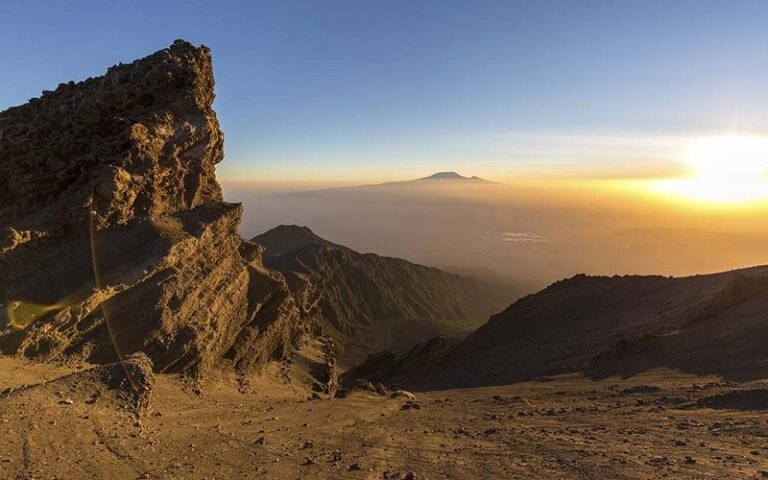
Monte Meru Y Kilimanjaro: Trekking En Tanzania 2026-2027
Discover the ultimate trekking experience in Tanzania by combining Mount Meru and Mount Kilimanjaro. This comprehensive guide covers everything from route selection and preparation to...
View package detailsWhat To Expect On Your First Kilimanjaro Trek: A Comprehensive Guide 2026-2027
Planning your first climb up Kilimanjaro? This comprehensive guide covers everything you need to know, from choosing a route and preparing your body to what daily life on the mountain is...
View package detailsKilimanjaro Climb Machame Route : Expert Guide For Your Trek 2026-2027
Discover the ultimate guide to climbing Mount Kilimanjaro via the Machame Route for your 2026 or 2027 adventure. This comprehensive resource covers everything from choosing an itinerary and...
View package detailsWhy Do People Travel From Around The World To Climb Kilimanjaro? 2026-2027
Why Do People Travel From Around the World to Climb Kilimanjaro? is explained with current 2026-2027 planning, price, itinerary and booking information.
View package detailsWhy Do Thousands Of Travelers Visit Kilimanjaro Every Year? Your Expert Guide
Thousands of adventurers flock to Kilimanjaro each year, drawn by its status as Africa's highest peak and a bucket-list trekking challenge. This guide explores the compelling reasons behind...
View package detailsKilimanjaro Routes: Which Is Best For Your Climb? 2026-2027
Choosing the right Kilimanjaro route is crucial for a successful and enjoyable climb. This comprehensive guide compares the main routes, helping you select the best option for your...
View package details10 Mistakes To Avoid Before Climbing Kilimanjaro In 2026-2027
Planning a Kilimanjaro climb is exciting, but avoiding common mistakes is key to a successful and enjoyable experience. This guide details ten critical errors to sidestep, from choosing the...
View package details10 Most Challenging Mountains To Climb In Africa 2026-2027
While Mount Kilimanjaro is Africa's most famous peak, the continent harbors a spectrum of formidable mountains that test even seasoned climbers. This guide details the 10 most challenging...
View package details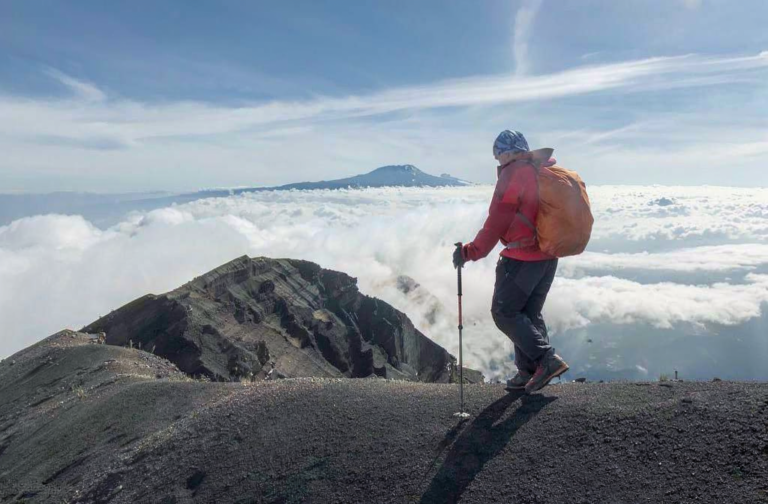
Trek Mont Meru 4 Jours: Your Complete Guide 2026-2027
start a 4-day trek up Mount Meru, a challenging yet rewarding climb near Kilimanjaro. This guide covers routes, preparation, gear, and essential tips for your 2026-2027 expedition.
View package detailsWhy Is Climbing Kilimanjaro So Expensive? 2026-2027
Why Is Climbing Kilimanjaro So Expensive? is explained with current 2026-2027 planning, price, itinerary and booking information.
View package detailsWhy Is Kilimanjaro One Of The World’s Most Famous Mountains? Your Planning
Kilimanjaro's fame stems from its status as the highest free-standing mountain, its accessibility to non-technical climbers, its iconic snow-capped summit, and its location in a biodiverse...
View package detailsWhat Nobody Tells You About Traveling To Tanzania Guide
Planning a trip to Tanzania for 2026 or 2027? This comprehensive guide reveals the unspoken truths about traveling to Tanzania, covering everything from safari nuances and Kilimanjaro...
View package detailsNo related package matches those filters. Clear one or more filters to see the other topic-matched options.



