
Combining a Kilimanjaro climb with a Serengeti safari offers the ultimate Tanzanian adventure, showcasing both the majestic heights of Africa’s rooftop and the unparalleled wildlife spectacle of its most famous plains. This dual experience typically involves a trek of 5-9 days on Kilimanjaro, followed by a 3-5 day safari through the Serengeti and potentially other northern circuit parks like the Ngorongoro Crater. Planning for 2026-2027 requires careful consideration of the best climbing routes, safari seasons, accommodation styles, and logistics to maximize your experience and budget. Climb 4 Africa specializes in creating these integrated itineraries, ensuring smooth transitions between your mountain ascent and wildlife exploration.
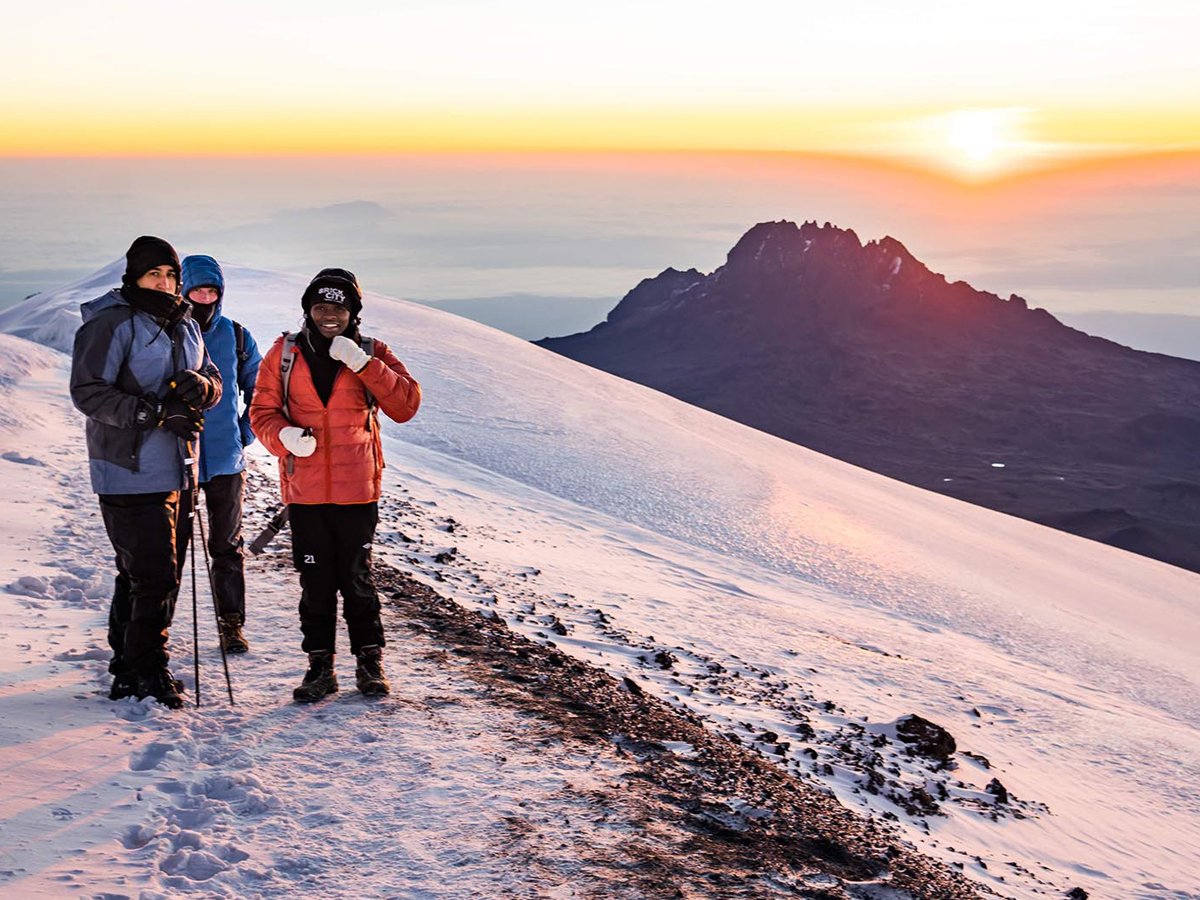
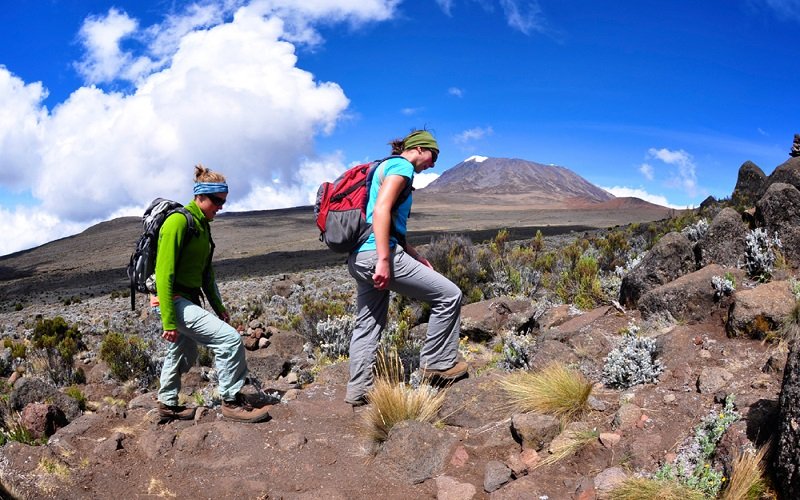
Kilimanjaro & Serengeti: A Perfect Pairing
The dream of conquering Mount Kilimanjaro, Africa’s highest peak, and witnessing the awe-inspiring wildlife of the Serengeti National Park are two of the most sought-after experiences in Tanzania. These journeys are not just holidays; they are expeditions that test your limits, connect you with nature, and offer profound insights into the natural world and yourself. For many travelers, the question isn’t whether to do one or the other, but how to best combine them into a single, unforgettable adventure. This integrated approach allows you to experience the raw beauty and cultural richness of Tanzania in one comprehensive trip, making the most of your time and investment. Planning this dual adventure for 2026 or 2027 means leveraging expert local knowledge to navigate the complexities of both a challenging trek and a thrilling safari.
At Climb 4 Africa, we understand that these two experiences, while distinct, complement each other beautifully. The physical and mental discipline required for a Kilimanjaro climb builds a unique sense of accomplishment, which is then perfectly balanced by the exhilarating freedom and wonder of a Serengeti safari. Imagine standing on the Roof of Africa at sunrise, and then within days, tracking the Great Migration or observing a pride of lions in their natural habitat. This combination offers a holistic Tanzanian experience that few other destinations can match. We focus on providing practical, informed advice to help you craft an itinerary that suits your aspirations and capabilities for your 2026-2027 travel plans.
Why Combine Kilimanjaro and Serengeti?
The synergy between climbing Kilimanjaro and embarking on a Serengeti safari is more than just geographical proximity; it’s about a holistic immersion into the essence of East Africa. A Kilimanjaro climb offers a profound personal challenge, pushing your physical and mental boundaries against a backdrop of impressive mountain scenery. It’s an achievement that resonates long after you descend. Following this accomplishment with a Serengeti safari provides a contrasting yet equally powerful experience. Here, the focus shifts from personal endurance to the raw, untamed spectacle of the natural world. You’ll witness an astonishing diversity of wildlife, from the iconic Big Five to the millions of wildebeest and zebras on their annual migration. This juxtaposition of conquering a summit and observing a thriving ecosystem creates a rich, multi-dimensional travel narrative.
Moreover, combining these two iconic experiences often proves to be logistically and financially efficient for travelers visiting Tanzania. Many international flights arrive at Kilimanjaro International Airport (JRO), which serves as a convenient gateway for both the mountain and the northern circuit safaris. By arranging your Kilimanjaro climb and Serengeti safari through a single, reputable operator like Climb 4 Africa, you streamline transfers, accommodation bookings, and guiding services, reducing potential stress and saving valuable travel time. This integrated approach ensures a smooth flow between your mountain adventure and wildlife encounters, allowing you to fully appreciate each aspect of your Tanzanian journey. For 2026-2027 trips, booking this combined package early is advisable to secure preferred dates and services.
The educational and cultural aspects are also enhanced. A Kilimanjaro trek offers interactions with local guides and porters, providing insights into their lives and the mountain’s significance. The safari, in turn, exposes you to the incredible biodiversity and conservation efforts in one of the world’s most celebrated wildlife sanctuaries. This blend of physical achievement, natural wonder, and cultural engagement makes the Kilimanjaro and Serengeti combination a truly comprehensive Tanzanian adventure.
Planning Your Kilimanjaro Climb
Mount Kilimanjaro, a dormant volcano, stands as a majestic symbol of Tanzania and a premier destination for trekkers worldwide. Successfully summiting Uhuru Peak at 5,895 meters (19,341 feet) is a significant accomplishment, requiring careful preparation and selection of the right approach. The mountain’s unique ecosystem, transitioning from lush rainforest to alpine desert and finally to arctic conditions at the summit, offers a diverse trekking experience. Understanding the intricacies of climbing Kilimanjaro is crucial for a safe and enjoyable ascent, especially when planning for 2026 or 2027.
Choosing the Right Kilimanjaro Route
Selecting the most suitable route is perhaps the most critical decision when planning your Kilimanjaro climb. Each route varies in length, difficulty, scenery, and, crucially, acclimatization profile, which directly impacts success rates. For 2026-2027 expeditions, consider these popular options:
- Marangu Route: Often called the “Coca-Cola” route due to its accessibility and basic hut accommodation. It’s the shortest and cheapest but has the lowest success rate due to its rapid ascent profile, offering poor acclimatization. It’s a good option for those seeking comfort over acclimatization but not recommended for first-time trekkers aiming for summit success.
- Machame Route: Known as the “Whiskey” route, this is the most popular route, offering excellent acclimatization through its “climb high, sleep low” profile. It’s scenic and challenging, typically taking 6-7 days. Its popularity means it can be busy, but it provides a high success rate. Check group departure dates for the Machame route for 2026-2027.
- Lemosho Route: A longer, more scenic, and remote route, often considered one of the best for acclimatization and views. It typically takes 7-8 days and offers a wilder experience before merging with other routes higher up. It’s a strong contender for those prioritizing success and scenery.
- Shira Route: Similar to Lemosho but starts at a higher altitude, potentially shortening the first day’s trek but demanding immediate acclimatization. Usually done over 7-8 days.
- Rongai Route: The only route approaching from the north, Rongai is a good choice during the rainy seasons as it’s drier. It’s a gradual ascent, less scenic than Machame or Lemosho, and typically takes 6-7 days.
- Northern Circuit: The longest route (9-10 days), offering the highest success rates due to its excellent acclimatization and the opportunity to trek around the entire mountain. It is also the most expensive but provides the most in-depth and comfortable Kilimanjaro experience.
For a combined Kilimanjaro and Serengeti trip in 2026-2027, prioritizing a route with good acclimatization, such as Machame, Lemosho, or the Northern Circuit, is highly recommended. This increases your chances of reaching the summit and ensures you feel your best for the subsequent safari adventure.
Kilimanjaro Climb Durations
The duration of your Kilimanjaro climb is directly linked to the route chosen and significantly impacts acclimatization. Shorter routes (5-6 days) are less recommended due to their poor acclimatization profile, leading to lower summit success rates and a higher risk of altitude sickness. Generally, longer treks allow your body more time to adapt to the increasing altitude.
- 5-day climbs: Typically Marangu. High risk of altitude sickness, low success rate.
- 6-day climbs: Marangu, Rongai. Better, but still challenging acclimatization.
- 7-day climbs: Machame, Lemosho, Shira, Rongai. Good acclimatization, higher success rates.
- 8-day climbs: Machame, Lemosho, Shira. Excellent acclimatization and success rates.
- 9-10 day climbs: Northern Circuit. The best acclimatization, highest success rates, and most comfortable trek.
For an optimal experience, especially when combining with a safari, we recommend allocating at least 7 days for your Kilimanjaro climb. This ensures better preparation for the summit push and a more enjoyable overall experience. Planning your 2026-2027 itinerary with a 7 or 8-day climb provides a strong foundation for your African adventure.
Best Time to Climb Kilimanjaro
Kilimanjaro can be climbed year-round, but certain periods offer more favorable weather conditions, which can significantly enhance your experience. The mountain experiences two main dry seasons and two rainy seasons:
- Dry Seasons (Best):
- January to March: Typically warm and dry. Good for climbing, though snow cover at the summit can be extensive.
- June to October: Cooler but dry. This is a very popular period, offering clear skies and good visibility.
- Rainy Seasons (Challenging):
- April to May: The “long rains.” Heavy rainfall, particularly in the lower rainforest zone. Can be cold and misty at higher altitudes.
- November to December: The “short rains.” Lighter showers, often in the afternoon, but can still impact visibility and trail conditions.
For 2026-2027 trips, the dry seasons (June-October and January-March) are generally the most recommended for a Kilimanjaro climb. However, the shoulder months of May and November can offer fewer crowds and potentially lower prices, though with a higher chance of rain. If your safari is timed to coincide with specific wildlife events, like the Great Migration in the Serengeti (which has its own optimal viewing times), you might need to be flexible with your Kilimanjaro climb dates.
Kilimanjaro Climbing Gear Essentials
Proper gear is paramount for a safe and comfortable Kilimanjaro climb. The conditions change dramatically as you ascend, so layering is key. While your tour operator will provide tents, cooking equipment, and often sleeping mats, you are responsible for your personal clothing and equipment.
Key Gear Categories:
- Layering System: Base layers (moisture-wicking), mid-layers (fleece or down jacket), and an outer shell (waterproof and windproof jacket and trousers).
- Footwear: Broken-in, waterproof hiking boots are essential. Several pairs of warm hiking socks are also critical. Gaiters are useful to keep debris and rain out of your boots.
- Headwear: A warm hat, sun hat, and balaclava or neck gaiter for warmth and protection from the sun and wind.
- Handwear: Warm, waterproof gloves or mittens, and thinner liner gloves.
- Sleep System: A warm sleeping bag (rated to at least -10°C or -20°C / 0°F or -4°F) and a sleeping bag liner for extra warmth.
- Trekking Poles: Highly recommended to reduce strain on knees and improve balance, especially on descents.
- Headlamp: With extra batteries for summit night and general use.
- Sun Protection: High SPF sunscreen, lip balm with SPF, and sunglasses.
- Hydration: Water bottles or a hydration reservoir (though they can freeze at altitude). Ensure you have a way to purify water if needed, though operators usually provide boiled water.
- Backpack: A comfortable daypack (30-40 liters) for essentials you need during the day, and a larger duffel bag (80-100 liters) for your main gear, carried by porters.
It’s vital to invest in quality gear. Many operators, including Climb 4 Africa, can offer rental options for some items like sleeping bags and jackets if you prefer not to purchase them. Discuss your gear needs with your operator well in advance of your 2026-2027 climb.
Kilimanjaro Acclimatization Tips
Altitude sickness (Acute Mountain Sickness – AMS) is the primary challenge on Kilimanjaro. Proper acclimatization is more important than fitness. Follow these guidelines:
- Choose a Longer Route: As discussed, 7-10 day routes offer significantly better acclimatization.
- Ascend Slowly: “Pole pole” (slowly, slowly) is the mantra on Kilimanjaro. Walk at a pace that allows you to hold a conversation.
- Hydrate: Drink plenty of fluids (3-4 liters per day) – water, herbal teas, and rehydration salts. Avoid alcohol and caffeine.
- Eat Well: Consume high-carbohydrate meals, even if your appetite is reduced.
- Rest: Get adequate sleep, though it can be difficult at altitude.
- Monitor Symptoms: Be aware of symptoms of AMS (headache, nausea, dizziness, fatigue) and communicate them to your guide immediately. They are trained to manage altitude sickness.
- Consider Diamox: Some trekkers choose to take Diamox (acetazolamide) to aid acclimatization. Consult your doctor about this option before your 2026-2027 trip.
A well-acclimatized trekker is more likely to summit and will enjoy the experience much more than someone struggling with altitude sickness.
Planning Your Serengeti Safari
The Serengeti National Park is synonymous with the African safari experience. Its vast, unbroken plains teem with wildlife, offering unparalleled opportunities for observation and photography. A Serengeti safari is a journey into a dynamic ecosystem, best experienced with a knowledgeable guide and a well-planned itinerary for your 2026-2027 adventure.
Serengeti Wildlife Highlights
The Serengeti is home to an incredible density and diversity of wildlife. While the Big Five (lion, leopard, elephant, rhino, buffalo) are major draws, the park offers so much more:
- The Great Migration: The annual movement of over 1.5 million wildebeest, zebras, and gazelles across the plains in search of fresh grazing is one of the planet’s most spectacular natural events. The timing and location of the migration vary throughout the year, influencing where to focus your safari.
- Predators: Serengeti is renowned for its large predator populations, including a high density of lions, cheetahs, leopards, and hyenas.
- Other Mammals: Giraffes, hippos, crocodiles, various antelope species, warthogs, and numerous smaller mammals.
- Birdlife: Over 500 species of birds, making it a paradise for birdwatchers.
Understanding the migration patterns is key to planning your Serengeti safari for 2026-2027, ensuring you witness this incredible phenomenon at its most dramatic.
Best Time for Serengeti Safari
The best time to visit the Serengeti depends largely on what you want to see, particularly concerning the Great Migration and the calving seasons.
- December to March: The southern Serengeti is the place to be. This is the calving season for wildebeest and zebras, with large herds concentrated in the southern plains. It’s also a prime time for predator sightings as they follow the herds. Weather is generally warm and can have short rains.
- April to May: The “long rains.” This is the low season, with fewer tourists and potentially lower prices. However, heavy rains can make some roads impassable, and wildlife can be more dispersed.
- June to October: The western and northern Serengeti become focal points as the migration moves north and west, seeking water. This period often features dramatic river crossings (especially the Grumeti and Mara Rivers) as herds attempt to cross. It’s generally dry and cooler, making it a popular, albeit more expensive, time to visit.
- November: The “short rains” can bring brief showers. The migration begins its return south, often passing through the central Serengeti.
For a 2026-2027 combined trip, consider that the best time for Kilimanjaro climbing (dry seasons) often aligns with good safari viewing, especially June-October. If witnessing river crossings is a priority, aim for July-September. If calving season is your focus, December-March is ideal.
Serengeti Safari Vehicle and Guide
Your safari vehicle and guide are your eyes and ears in the Serengeti. A reliable, well-maintained 4×4 safari vehicle with a pop-up roof is standard and essential for game viewing. The guide’s expertise is invaluable; they know animal behavior, track sightings, and can navigate the vast park effectively.
Key considerations:
- Vehicle Type: A sturdy 4×4 Land Cruiser or Land Rover is ideal, offering better ground clearance and durability on rough terrain.
- Guide Expertise: Look for operators who employ experienced, local guides. Their knowledge of animal behavior, ecology, and tracking significantly enhances the safari experience.
- Pop-up Roof: Essential for unobstructed 360-degree views and excellent photographic opportunities.
- Window Seats: Ensure your booking guarantees a window seat for every traveler, maximizing viewing potential.
Climb 4 Africa uses specially adapted 4×4 vehicles and employs highly trained guides who are passionate about wildlife and conservation. This ensures a comfortable and insightful safari experience for your 2026-2027 journey.
Serengeti Accommodation Options
Accommodation in the Serengeti ranges from rustic tented camps to luxurious lodges, each offering a different experience. Your choice impacts comfort, immersion, and cost.
- Luxury Lodges: Permanent structures offering high-end amenities, private bathrooms, gourmet dining, and often swimming pools. They provide comfort and convenience but can feel less in-depth.
- Tented Camps (Luxury/Mid-Range): Canvas tents with comfortable beds, en-suite bathrooms (often with bucket showers and flushing toilets), and often a central dining area. These offer a more authentic safari feel while maintaining comfort. Many are semi-permanent or mobile, following the migration.
- Budget Camps: Basic tented camps with shared facilities. These are the most affordable option and provide a true wilderness experience, though with fewer comforts.
For a Kilimanjaro and Serengeti combined trip, consider a mid-range or luxury tented camp for your Serengeti portion. This allows you to feel closer to nature after your mountain adventure. Discuss options with Climb 4 Africa to find the best fit for your 2026-2027 safari budget and preferences.
Other Northern Circuit Parks
While the Serengeti is the crown jewel, a comprehensive northern circuit safari often includes other remarkable parks, which can be visited before or after your Serengeti exploration:
- Ngorongoro Conservation Area: Home to the Ngorongoro Crater, a UNESCO World Heritage Site, this is a natural amphitheater supporting an incredible concentration of wildlife, including the endangered black rhino. It’s often visited as a day trip or overnight stay.
- Tarangire National Park: Famous for its large elephant herds and iconic baobab trees. It’s particularly vibrant during the dry season (June-October) when animals congregate around the Tarangire River.
- Lake Manyara National Park: Known for its tree-climbing lions, large troops of baboons, and diverse birdlife. Its compact size makes it ideal for shorter visits or as part of a multi-day itinerary.
Integrating these parks into your 2026-2027 safari itinerary can provide a more varied and complete picture of Tanzania’s wildlife and landscapes. For instance, a typical 4-5 day safari might include Lake Manyara, Ngorongoro Crater, and 2-3 days in the Serengeti.
Integrating Your Kilimanjaro Climb and Serengeti Safari
The true art of planning a Kilimanjaro and Serengeti adventure lies in seamlessly integrating these two distinct experiences. It requires careful coordination of dates, logistics, and pacing to ensure neither part of your trip feels rushed or compromised. A well-designed itinerary allows for rest and recovery between the challenging trek and the active safari, maximizing your enjoyment of both.
Typical Itinerary Structure
A common and effective structure for a combined Kilimanjaro and Serengeti trip involves:
- Arrival in Tanzania: Fly into Kilimanjaro International Airport (JRO). You’ll typically spend a night in a hotel in Arusha or Moshi to prepare and rest.
- Kilimanjaro Climb: Commence your chosen Kilimanjaro route (e.g., 7-8 days).
- Post-Climb Recovery: Spend 1-2 nights in Arusha or Moshi to rest, shower, and recuperate after your trek. This is also an excellent time to review your safari plans.
- Northern Circuit Safari: start your safari, typically 3-5 days, covering parks like Tarangire, Lake Manyara, Ngorongoro Crater, and the Serengeti.
- Departure: Depending on your flight schedule, you might depart from JRO or Arusha Airport (ARK). Some travelers extend their trip to Zanzibar.
This structure ensures you are well-rested before your climb, have time to recover afterward, and can then fully engage with the safari experience. Planning for 2026-2027 means booking these components well in advance, especially if you aim for peak seasons.
Logistics and Transport
smooth logistics are the backbone of a successful combined trip. This includes airport transfers, transportation between locations, and internal park movements.
- Airport Transfers: Your tour operator should arrange pick-ups from JRO to your hotel and from your hotel to the mountain’s starting point or safari departure point.
- Mountain Transport: Transport to and from the Kilimanjaro gate is usually included.
- Safari Transport: A dedicated 4×4 safari vehicle with a driver-guide is essential for the safari portion. This vehicle will be with you for the duration of your safari, moving between parks and taking you on game drives.
- Inter-Park Travel: Travel between parks can be by road. For longer distances or to save time, domestic flights (e.g., from Arusha to the Serengeti airstrip) are an option, though they add to the cost.
Using a single, reputable operator like Climb 4 Africa simplifies these arrangements. We coordinate all transfers, ensuring a smooth flow from the moment you land in Tanzania until your departure for your 2026-2027 adventure.
Combining Costs and Budgeting
A Kilimanjaro climb and Serengeti safari package is a significant investment. The total cost depends on several factors, including the Kilimanjaro route, climb duration, safari duration, accommodation style, and group size.
Key Cost Components:
- Kilimanjaro Climb: Includes park fees, crew wages (guides, cooks, porters), food, tents, and transport. Longer routes and higher-quality services generally cost more.
- Serengeti Safari: Includes park entry fees (often substantial for Serengeti), vehicle hire, driver-guide fees, accommodation (lodges/camps), and meals.
- Other Costs: Flights to Tanzania, visa fees, travel insurance, vaccinations, tips for the mountain crew and safari guide, personal gear, and any pre/post-climb accommodation.
Budgeting for 2026-2027:
- Budget-friendly: Shorter routes (though not recommended), basic accommodation on safari.
- Mid-range: 7-day Kilimanjaro climb, comfortable tented camps on safari. This is a popular choice for balancing quality and cost.
- Luxury: Longer Kilimanjaro routes (Northern Circuit), high-end lodges and tented camps on safari.
It is crucial to understand what is included in your package. Reputable operators will clearly outline inclusions and exclusions. For example, Climb 4 Africa’s packages typically include park fees, crew, food, and transport, but exclude tips and personal expenses. We recommend budgeting for tips, as they are a significant part of the crew’s income and a way to show appreciation for excellent service.
Estimated Price Ranges (per person, highly variable):
- Kilimanjaro Climb (7-day): $1,800 – $3,000+
- Safari (4-day, Northern Circuit including Serengeti): $1,200 – $2,500+
A combined 10-14 day trip could range from $3,000 to $6,000+ per person, excluding international flights and tips. Always request a detailed quote for your specific 2026-2027 travel dates and preferences.
Preparing for Your Tanzania Adventure
Beyond the specific planning for Kilimanjaro and the Serengeti, general preparations are essential for a smooth and safe trip to Tanzania. Addressing health, visa, and insurance requirements well in advance of your 2026-2027 travels is critical.
Health and Vaccinations
Consult your doctor or a travel clinic 4-6 weeks before your trip regarding recommended vaccinations and health precautions.
- Yellow Fever: Vaccination is often required if arriving from or transiting through a country with a risk of yellow fever. Proof of vaccination may be checked at immigration.
- Malaria: Tanzania is a malaria-endemic country. Antimalarial medication is strongly recommended. Take precautions to avoid mosquito bites (repellent, long sleeves/trousers, especially at dawn and dusk).
- Other Vaccinations: Hepatitis A, Typhoid, Tetanus, and potentially others may be recommended.
- Altitude Sickness: As discussed, proper acclimatization is key. Be prepared for symptoms and communicate with your guide.
- Food and Water Safety: Drink only bottled or purified water. Be cautious with uncooked foods and unpeeled fruits.
Your health is your responsibility, so thorough preparation is vital for enjoying your 2026-2027 adventure.
Visa Requirements
Most nationalities require a visa to enter Tanzania. You can typically obtain a visa upon arrival at JRO or in advance online via the Tanzanian Immigration website.
- Online Visa: The e-visa system is often more efficient. Check the official Tanzanian immigration portal for current application procedures and fees for 2026-2027.
- Visa on Arrival: Available for many nationalities, but can sometimes involve longer queues.
- Tourist Visa: Standard tourist visas are usually valid for 90 days.
Always verify the latest visa requirements with the Tanzanian embassy or consulate in your country before your trip.
Travel Insurance
Comprehensive travel insurance is non-negotiable for a trip involving a Kilimanjaro climb and safari. Ensure your policy covers:
- High-altitude trekking: Specify that you will be climbing Mount Kilimanjaro.
- Medical emergencies: Including emergency evacuation and repatriation.
- Trip cancellation and interruption: In case unforeseen circumstances prevent you from traveling or force you to cut your trip short.
- Lost or stolen baggage: And personal items.
Review policy details carefully to ensure adequate coverage for the entire duration of your 2026-2027 adventure.
Packing Considerations
Beyond the specific Kilimanjaro gear, pack light but smart for your overall trip.
- Clothing: Lightweight, breathable clothing for the safari (neutral colors are best for wildlife viewing), a warm jacket for cooler evenings on safari, and comfortable walking shoes.
- Toiletries: Sunscreen, insect repellent, hand sanitizer, personal medications.
- Electronics: Camera with extra batteries and memory cards, power bank, universal adapter.
- Documents: Passport, visa, flight details, insurance policy, vaccination certificates. Keep copies separate from the originals.
Most lodges and camps in Tanzania provide amenities like hair dryers and toiletries, but it’s always best to check beforehand. Remember that on safari, luggage space in vehicles can be limited.
Booking Your Kilimanjaro & Serengeti Adventure
Embarking on a combined Kilimanjaro climb and Serengeti safari is a significant undertaking, and choosing the right partner is crucial for a successful and memorable experience. Climb 4 Africa specializes in crafting these bespoke Tanzanian adventures, offering a blend of expert local knowledge, commitment to safety, and a passion for delivering authentic experiences.
When planning your 2026-2027 trip, consider the following when selecting an operator:
- Experience: Look for a company with a proven track record in both Kilimanjaro treks and Serengeti safaris.
- Safety Standards: Ensure they have robust safety protocols, well-trained guides, and adequate emergency procedures.
- Inclusions: Understand exactly what is covered in your package to avoid hidden costs.
- Support: A good operator provides excellent pre-trip support and is responsive to your questions and concerns.
Climb 4 Africa is dedicated to providing high-quality, ethical, and unforgettable Kilimanjaro and Serengeti adventures. We pride ourselves on our local expertise, transparent pricing, and personalized service. Whether you’re looking for a challenging group climb on the Machame route followed by a classic Serengeti safari, or a more exclusive Northern Circuit trek and a tailor-made safari, we can design the perfect itinerary for you.
To start planning your dream 2026-2027 Kilimanjaro and Serengeti adventure, or if you have any questions about routes, timing, or costs, please do not hesitate to reach out. We are here to help you every step of the way.
Contact Climb 4 Africa:
- WhatsApp: +255 747 477 898
- Email: climb4africa@gmail.com
Let us help you create an extraordinary journey that combines the majesty of Kilimanjaro with the wild heart of the Serengeti.
Check Availability for Kilimanjaro Climb & Serengeti Safari: The Ultimate Tanzania Adventure
Ready to compare dates, prices, and the best option for your group? Send the package name and travel month so the team can reply with a clear quote, availability, and what is included.
20 Natural Wonders In Africa You Need To See 2026-2027
Explore Africa's most spectacular natural wonders, from the majestic peaks of Kilimanjaro and the vast plains of the Serengeti to the unique landscapes of Namibia and the vibrant coral...
View package detailsAfrica’s Best-Kept Travel Secrets Guide
Beyond the well-trodden paths of Kilimanjaro and the Serengeti, Tanzania holds a treasure trove of lesser-known yet equally spectacular travel experiences. This guide reveals Africa's...
View package details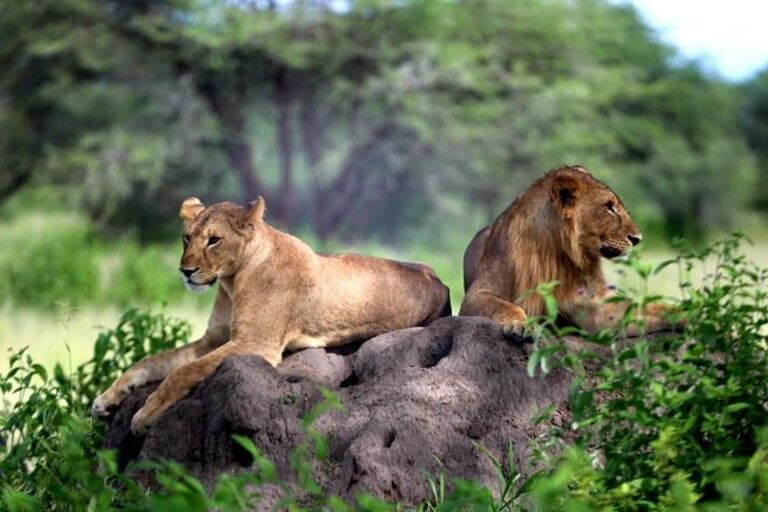
3 Day Joining Safari Group Departures From Moshi: 2026
Discover convenient 3-day group safari departures from Moshi, perfect for maximizing your Tanzania adventure. Explore wildlife-rich parks like Tarangire, Manyara, or the Serengeti on shared...
View package detailsWhat Nobody Tells You About Traveling To Tanzania Guide
Planning a trip to Tanzania for 2026 or 2027? This comprehensive guide reveals the unspoken truths about traveling to Tanzania, covering everything from safari nuances and Kilimanjaro...
View package details10 Things To Know Before Visiting Tanzania For An Unforgettable Adventure
Before you pack your bags for Tanzania, arm yourself with these 10 crucial pieces of knowledge. From understanding visa requirements and health precautions to mastering safari etiquette and...
View package details10 Special Adventures In Africa: Your Ultimate Guide 2026-2027
start a journey to discover Africa's most extraordinary experiences. From scaling Kilimanjaro to witnessing the Great Migration and exploring ancient ruins, this guide details 10 special...
View package detailsWhat Really Happens During The Great Migration? Your Expert Tanzania Safari
The Great Migration is a constant, dynamic cycle of life and death in Tanzania's Serengeti and Kenya's Maasai Mara. Understand the wildebeest, zebra, and predator movements, the best times...
View package detailsWhy Do Animals Gather In The Serengeti? Ultimate Guide 2026-2027
The Serengeti ecosystem is a global marvel, drawing millions of animals for survival. This guide explores the core reasons behind these gatherings, from vital water and grazing to the...
View package details10 Best Wildlife Destinations In The World For Unforgettable Safaris 2026-2027
Explore the planet's most incredible wildlife destinations, from the Serengeti to the Amazon. This comprehensive guide helps you choose and plan your next safari adventure, with practical...
View package detailsWhy Do Wildebeest Migrate Across Africa? Understanding The Great Migration
The great wildebeest migration is one of Africa's most spectacular wildlife events. This article explains the fundamental reasons behind this annual movement, focusing on the quest for...
View package details10 Places In Tanzania That Feel Like Another Planet 2026-2027
Discover Tanzania's most surreal and alien-like destinations. From the vast, mineral-rich plains of the Serengeti to the steaming vents of the Ol Doinyo Lengai volcano and the otherworldly...
View package detailsWhat To Expect On Your First Kilimanjaro Trek: A Comprehensive Guide 2026-2027
Planning your first climb up Kilimanjaro? This comprehensive guide covers everything you need to know, from choosing a route and preparing your body to what daily life on the mountain is...
View package detailsNo related package matches those filters. Clear one or more filters to see the other topic-matched options.



