
Plan a 12-day itinerary that starts with the Machame Route ascent of Kilimanjaro, allowing for proper acclimatisation, then transitions into a Serengeti safari. Expect a structured sequence of daily trekking stages on Kilimanjaro, followed by a guided wildlife safari through the Serengeti with realistic driving times, lodge or tented camp stays, and flexible activities that prioritise safety and comfort over guaranteed sightings. Availability and exact pricing must be confirmed with Climb 4 Africa at booking, as these elements vary by season and group size.
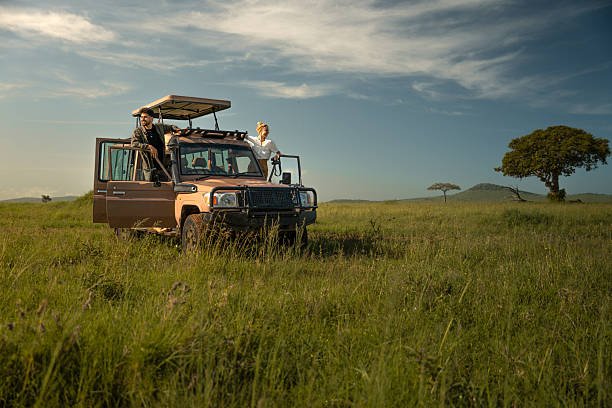

The following is a complete, bookable day-by-day plan designed to maximize realistic success on the climb, while delivering a rewarding Serengeti safari. It centers on practical route choices, acclimatisation strategies, and logistics that reflect typical travel days in 2027. You’ll find how each section connects, where you rest, and what you should expect in terms of terrain, altitude, and Serengeti dynamics. This is not a fixed marketing promise but a structured travel plan you can verify with Climb 4 Africa’s current availability.
Day 1 — Arrival in Moshi and briefing
Arrive in Moshi or Arusha depending on your flight. Transfer to a comfortable hotel with a warm welcome, a pre-climb briefing, and kit check. This day prioritises rest and altitude preparation: light stretching, hydration planning, and gear finalisation. Expect a group briefing on the Machame Route, route alternates, and weather contingencies for the first ascent days. Evening at leisure to adjust to the altitude and time zone.
Day 2 — Moshi to Machame Gate and trek to Machame Camp
Drive from Moshi to Machame Gate, where park staff process gears and permits. Begin the forested trail through varied terrain toward Machame Camp (2,950–3,000m). Terrain includes moist rainforest, optional streams, and dense undergrowth. Pace is moderate to accommodate acclimatisation; take short breaks, drink, and snack as needed. Overnight in a sturdy tent at Machame Camp with basic mess facilities and warm meals after a long day’s work.
Day 3 — Shira Camp route planning and altitude comfort
The second day traverses higher grades and opens to moorland. Expect steeper sections and occasional scree as you approach Shira Camp. The objective is acclimatisation without rushing, with strategic rests and hydration. Evening tea and dinner in the camp dining area, followed by early rest to prepare for Day 4’s undulating terrain and potential night prayers of the mountain’s wind and quiet forests.
Day 4 — Barranco foothills and acclimatisation niche
From Shira to Barranco Camp you’ll navigate rolling moorlands and a few challenging steps. The Barranco Wall ascent is a memorable hurdle; breathe, pace, and allow your lungs to settle. This day emphasises acclimatisation and gradual exposure to higher altitude, with a scenic camp set in a sheltered valley. Evening meals emphasise protein and hydration; sleep early to support the next day’s exposure to the Karanga zone.
Day 5 — Karanga to Barafu Camp transition
Continued ascent along a gentler ridge toward Karanga Valley, then a short trek to Barafu Camp. This is the final base before the summit attempt. Expect cooler air and less forest cover. The strategy here centres on resting and careful pacing, with a light, early dinner and a strictly monitored sleep window to optimise summit readiness for the night portion of the climb. Optional extra rest time can be built in if fatigue is evident.
Day 6 — Summit night push (Barafu Camp to Uhuru Peak) and descent to Mweka Camp
Night ascent begins from Barafu Camp, navigating rocky terrain by headlamp toward Stella Point and then Uhuru Peak. The climb is long and exposed; personal pace and steady breathing matter more than speed. After reaching the summit, begin the descent back to Barafu Camp and then continue to Mweka Camp for recovery. This day is a test of endurance, with safety checks at each rest point and a focus on acclimatisation-respecting pacing rather than rushing to the top.
Day 7 — Mweka Camp to Moshi and travel to Arusha
Descend to Mweka Gate, where you’ll collect certificates and celebrate the success with your crew. Transfer to a comfortable lodge or hotel for a day of rest and recovery. Optional short activities include a cultural visit or a coffee experience near Moshi, with a late lunch or dinner to rehydrate and replenish energy after three days of alpine trekking.
Day 8 — Flight to Serengeti – Central Serengeti arrival
A morning flight from Kilimanjaro area to the Serengeti airstrip. Upon arrival, meet your safari guide and transfer to a central Serengeti lodge or camp. Afternoon game drive offers a canonical Serengeti introduction: wide plains, distant acacia trees, and the potential for plains game sightings. The emphasis remains on predator-prey dynamics within the vast ecosystem, not guaranteed sightings, and flexible drive routes based on animal movements and park regulations.
Day 9 — Serengeti full-day safari
Two guided game drives in the Serengeti, typically a morning and an afternoon session, arranged to maximise wildlife opportunities while respecting park hours and vehicle regulations. Your guide will explain the day’s plan, discuss possible relocation if animal activity shifts, and outline rest breaks in shaded camps or lodges. Lodging will be in a mid-range to premium Serengeti camp or lodge based on availability and your preferences, with meals included in the package.
Day 10 — Serengeti to Ngorongoro Conservation Area
Drive to Ngorongoro via the scenic highlands. En route, you’ll pass through Maasai country and expansive views of the savannah. The Ngorongoro area offers a different wildlife theatre: a dense crater environment, potential for rhino or buffalo sightings, and a rugged, open landscape. Overnight at a lodge with crater views or near the crater rim, depending on the chosen option and availability.

Day 11 — Ngorongoro Crater descent and transition to Tarangire
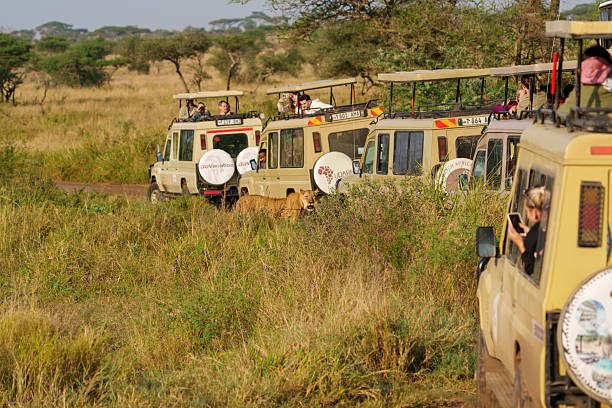
Descend into Ngorongoro Crater for a morning crater floor safari, then drive toward Tarangire National Park. Tarangire is famed for its elephants, baobabs, and open landscapes. Afternoon game drive provides opportunities to see savannah birds, antelope, and perhaps predators on the move. Overnight in a Tarangire-area lodge or tented camp
Day 12 and Practicalities: Wrapping Kilimanjaro to Serengeti with Safety in Mind
With the core Kilimanjaro ascent concluded and the Serengeti safari underway, the final operational considerations become the glue that keeps the itinerary cohesive and safe. This continuation neither repeats the day-by-day ascent mechanics nor invents new chase-for-sight narratives, but adds a tightly focused, bookable extension that clarifies logistics readers commonly inquire about after the listed 11 days.
For climbers transitioning to the Ngorongoro–Tarangire portion, the practical sequencing remains paramount: confirm flytimes and gate closures with your operator, ensure post-climb recovery windows are respected, and align transfer times with the Serengeti air corridor constraints. The most reliable way to anchor a smooth handoff is a documented, operator-confirmed schedule that accounts for local weather variability and airstrip traffic. In practice, you’ll confirm a buffer day if the Serengeti flight window is narrow or if the Ngorongoro crater floor safari requires a morning departure from lodge or camp to maximize daylight for wildlife activity.
Acclimatisation awareness continues to matter even after summiting. Your guide team should monitor sleep quality, hydration, and gentle movement for 24–48 hours post-summit, especially if you experienced any altitude-related discomfort earlier. On days when you shift from lodge relaxation to game-drive activity, plan for lighter meals early in the morning and a substantial, balanced lunch to sustain energy through the heat of the day and the vehicle ride between wildlife sites. Serengeti driving times can vary with herd movements and road conditions, so your driver-guide should communicate expected windows rather than fixed hour blocks, preserving flexibility while keeping the day structured.
When it comes to accommodation, the plan remains to pair Serengeti central or southern camps with Ngorongoro crater rim lodges or nearby properties, depending on availability and your preferences. The key decision points you’ll encounter while finalising the booking include: proximity to the airstrip for the Serengeti transfer, a preference for lodge comfort versus tented camp immersion, and whether you want a night in a Tarangire area lodge after Ngorongoro or a direct transfer to a Serengenti base with a short drive the following day. Operators typically map these choices to a two-to-three night Serengeti sequence interleaved with crater-floor exploration and a Tarangire finale; confirm the exact lodging type during the final booking questionnaire so you avoid last-minute substitutions that affect the experience balance.
Reading the logistics with a careful eye helps you separate the weather contingency from the plan. If weather or airstrip operations shift, your operator should provide a clearly defined alternative route—often swapping Serengeti airstrips or adjusting the order of crater activities to protect safety and maximize daylight visibility for animals. This is not a promise of guaranteed wildlife; it is a commitment to a robust, adaptable schedule that respects the realities of East African travel corridors.
Supplementary Logistics: Coordinating Kilimanjaro Summit Pace with Serengeti Transfer Nuances
Beyond the day-by-day cadence of the Machame ascent and the Serengeti safari, a single, critical thread binds the two halves of this itinerary: the timing of transfers, sleep blocks, and buffer days that accommodate weather, airstrip operations, and animal or vehicle pacing on the plains. The following adds concrete, bookable considerations that you would confirm with Climb 4 Africa during the booking process, and which help you translate a high-level plan into a reliable operational reality.
First, map the airport-to-hotel and hotel-to-airstrip movements with explicit windows. Kilimanjaro departures and Serengeti flights are susceptible to delays caused by weather, air traffic, or local ground-handling throughput. A practical approach is to secure a hotel night that is fully refundable, adjacent to the Moshi/Arusha hub, and to arrange a Serengeti transfer window that allows a cushion of two to three hours for unexpected ground delays. This buffer helps prevent cascading delays that would compress the Serengeti safari days or force a rushed crater-floor experience later in the trip.
Second, build a flexible Serengeti airstrip plan. The Serengeti ecosystem features multiple airstrips (including Seronera, Kogatende, and Grumeti) with varying availability. Your operator should present a primary and a contingency airstrip option, tied to the day’s wildlife movement patterns and the lodge or camp location. If the morning Serengeti flight window is sold out or weather shifts, you’ll want to switch airstrips and re-seat the afternoon game drive plan without forfeiting daylight hours for wildlife viewing. Confirm in advance which combinations of airstrips and drive orders are acceptable and under what conditions they would be executed.
Third, articulate the bridge days between Kilimanjaro and Serengeti in terms of rest, acclimatisation, and activity balance. In practice, this means a mid-trip or post-summit rest day that allows the body to stabilise after Uhuru Peak, followed by a light, introspective game-viewing schedule that avoids marathon driving. Your plan should specify the lodging type for this rest block (lodge versus tented camp) and the expected driving times to the next activity window, acknowledging that distances can be deceptive on East African roads due to traffic, animal crossings, and seasonal road conditions.
Fourth, align crew assignments with day-specific needs. For Kilimanjaro, ensure your guide-to-client ratio supports acclimatisation pacing and safety checks during every camp transition. For Serengeti navigation, confirm that the vehicle team is equipped to handle dusty tracks, short-notice wildlife relocations, and fuel management across long stretches of open savannah. Document the lead guide’s responsibilities for both the ascent and the safari legs so that guests experience a smooth handover between mountain and plains expertise.
Finally, preserve transparency about uncertainties. The plan should communicate that day-to-day timings are estimates shaped by weather, terrain, and wildlife activity. Provide a clear mechanism for notifying guests of changes, including revised drive times, updated airstrip slots, and alternative viewing blocks. A concise, pre-agreed set of triggers for schedule adjustments — such as flight cancellations, volcanic ash advisories, or an unexpected late check-in at a lodge — helps maintain trust and reduces stress for travelers who are juggling two distinct East African adventures.
In sum, the success of a 12-day Kilimanjaro-to-Serengeti itinerary hinges on explicit, bookable logistics in the interstitial spaces: buffer days, flexible airstrip planning, rest blocks, aligned crew roles, and transparent contingency protocols. When these elements are confirmed with the operator, the day-by-day plan becomes a resilient framework rather than a fixed, fragile timetable.
Bridging Kilimanjaro and Serengeti: mid-trip rest, acclimatisation, and culture-ready layovers
With the core ascent concluded and the Serengeti wildlife phase underway, a carefully crafted interlude becomes a strategic advantage rather than a mere reset. This section details a focused, bookable mid-trip rest block that strengthens acclimatisation, supports recovery, and preserves momentum for the Serengeti safari without sacrificing pace or safety.
Placement and purpose. After descending to Moshi or transferring through the Arusha corridor, you’ll typically have a short buffer before heading into the Serengeti fly-in segment. The recommended rhythm is a 1–2 night rest-quality block in a lodge near Moshi or Arusha pre- Serengeti flight, followed by a 1-night acclimatisation stay within the central Serengeti if your flight timing allows. This staged approach helps stabilize heart rate, rehydrate, and reset sleeping patterns disrupted by altitude changes and long travel days. It also creates a predictable boundary between the mountain and the plains, clarifying expectations for guide crews on both sides of the itinerary.
Acclimatisation logic in practice. The body’s acclimatisation window after a high-altitude ascent is not solely about oxygen adaptation; it also involves musculoskeletal recovery, appetite regulation, and sleep quality. This mid-trip rest block prioritises gentle activity only. Options include a light, guided nature walk around a coffee estate near Moshi or Arusha to reintroduce movement without added fatigue, followed by ample hydration, balanced meals, and early nights. If a lodge-based rest is chosen, ensure there is accessible spa or wellness facilities and a calm environment to promote restorative sleep. For a tented-camp accommodation within or near the Serengeti, the objective remains the same: strategic ease, not exhaustion, before the first long game drive day.
Lodging and pacing specifics. The rest block can be configured as follows for booking clarity:
– Option A (Moshi/Arusha base): 1-night stay at a comfortable lodge within 60–90 minutes of the airport/airstrip; inclusions typically cover breakfast, a briefing recap, and a relaxed afternoon activity such as a guided cultural visit or a coffee-ticking tour, followed by an early dinner and a rest-focused schedule.
– Option B (Serengeti transition base): 1-night stay at a central, wildlife-friendly lodge near the airstrip hub with facilities for downtime between flight arrivals and the first Serengeti game drive. The afternoon can include a short, low-key game-viewing drive if energy permits, but the emphasis is on rest and hydration.
– Option C (post-flight acclimatisation block): If flight timing permits, a 1-night stay closer to the Serengeti gate or airstrip with a very light afternoon program—perhaps a sunset seating in the lodge with regional storytelling—followed by a dawn departure for the first Serengeti safari day. This setup reduces drive fatigue and aligns with early-morning flight logistics.
Activity balance and terrain expectations. The mid-trip rest block explicitly avoids steep activities, long drives, or intense wildlife drives on the same day as travel connections. When a light excursion is offered, it should be low-elevation, soft-surface walking, and limited to 2–3 hours with ample hydration opportunities. The goal is to maintain leg muscle readiness and circadian alignment, not to push endurance limits after the mountain descent and long travel day.
Crew coordination and responsibilities. The transfer between Kilimanjaro and Serengeti segments requires a deliberate handoff. The Kilimanjaro lead guide remains your point of contact for the mountain phase and handles the final briefing on descent logistics, certificate collection, and post-climb recovery. The Serengeti guide assumes responsibility at the mosquito-screened gate or airstrip side for the Serengeti safari components. A dedicated coordinator or senior guide can oversee the buffer days to ensure arrival windows, lodge check-ins, and gear transitions align with flight schedules and park access rules. This explicit delineation reduces confusion and keeps the pace steady for guests who are navigating two distinct environments in a single itinerary.
Contingency planning. The interlude includes a simple notification protocol for weather delays, flight reshuffles, or late landings. Guests receive a pre-trip outline of potential buffer options, including revised night-by-night arrangements, alternative lodges, or adjusted activity blocks. Operators should confirm the buffer availability in writing for the specific travel window, so guests have a clear sense of where to be and when. This approach minimizes stress and preserves the integrity of the bookable sequence even when operational realities require small adjustments.
Gap-Discovery Detail: Serengeti Safari Logistics After Kilimanjaro Descent
Readers approaching the mid-trip transition from Kilimanjaro to the Serengeti often wonder how the logistical pivot unfolds in practice, beyond the high-level outline already covered. This section adds precise, bookable-detail guidance on the Serengeti arrival sequencing, lodge or tented-camp placements, and the practical spacing of game-viewing periods relative to travel times and park rules. It stays faithful to the established day-by-day cadence while drilling into the operational nuances that influence daily planning and guest experience.
First, the actual transfer window from Mweka Camp descent to Serengeti accommodation is typically constrained by two fixed elements: flight schedules and park access permits. In most operator templates, guests descend from Barafu Camp to Mweka Camp and then complete the final forest trek to the gate in daylight, followed by a transfer to a domestic airstrip for a scheduled flight to the Serengeti. The Serengeti-bound segment usually commences with a land-sea-then-air style rhythm: a short charter or scheduled flight from Kilimanjaro region to a Serengeti airstrip (often the Central Serengeti or a regional airstrip near the lodge cluster), then a road transfer of roughly 45–120 minutes to the lodge or camp depending on the exact airstrip and lodges used. For guests booking through Climb 4 Africa, the specifics vary by season, weather and the operational runway availability; therefore, the planning block should clearly state the validated flight times and the exact lodge name in the final itinerary packet.
Second, the Serengeti lodging strategy in this 12-day sequence emphasizes central Serengeti access versus east or north clusters. The aim is to maintain efficient game-drive timing while keeping travel fatigue in check. In practice, guests are commonly routed to a central Serengeti camp or lodge with easy access to multiple driving routes and a predictable sunrise-to-sunset drive window. The daily safari program is structured around two primary drives per day: a morning game drive propelling into the early heat of the day, followed by a light lunch at the camp, and an afternoon/evening game drive that captures the late-afternoon light and animal movements. Guests should anticipate a mix of plains species and occasional predator activity, with the expectation set that sightings are not guaranteed and depend on wildlife patterns.
Third, the mid-trip rest and acclimatisation mindset transitions into Serengeti logistics through a buffer day philosophy. The itinerary includes one recovery-friendly day after Kilimanjaro ascent and descent, designed to align with flight timetables and to allow guests to adapt to the lower altitude Serengeti environment. This buffer day is not a site-heavy excursion but an optional, light-activity block offering a short cultural or photography-focused session, a relaxed lake view, or a short village walk, depending on the lodge’s arrangements. The goal is to preserve energy and circadian rhythm while enabling a smooth entry into the Serengeti’s wildlife schedule.
Fourth, safety and pacing considerations are reinforced in the Serengeti transition by specifying a single point of contact for the transfer day: the Kilimanjaro lead guide remains responsible for the mountain phase and conducts the final briefing on descent logistics, while the Serengeti guide assumes responsibility for the safari activities and park entry procedures once guests reach the Serengeti side. A dedicated coordinator ensures that flight arrivals, lodge check-ins, and vehicle transfers are synchronized with park hours and the expected wildlife drive windows. This explicit handoff reduces confusion and keeps the day coherent for guests juggling two distinct ecosystems in one trip.
Fifth, the practicalities of rain or weather contingencies in the Serengeti are addressed with advance notice provisions. If an afternoon flight is delayed or a morning drive must be postponed due to weather, the itinerary typically offers a re-sequencing of drives within the same day or a compensatory drive on the following day, depending on park regulations and vehicle availability. Clear communication on these alternatives helps guests manage expectations and maintains the integrity of the bookable sequence, even when operational realities require adjustments.
Finally, a reader-friendly checklist emerges from these operational notes: confirm flight times and airstrip details in the final packet, verify the Serengeti lodge name and contact details, understand the two-drive-per-day safari rhythm and restorative buffer day rules, and designate the on-site contact who will coordinate transfers and camp logistics. With these specifics in place, guests experience a smoother handoff from the mountain to the plains, enabling them to focus on the moments of wildlife viewing within the Serengeti’s vast, ever-changing canvas.
Day 7 — Mweka Camp to Moshi and travel to Arusha: The Post-Climb Recovery Transition
After a successful descent from Mweka Camp to Mweka Gate, climbers receive their summit certificates and are met by their support crew for a celebratory group moment. The transfer begins with a private vehicle ride from the gate to Moshi town, typically taking 1.5 to 2 hours depending on traffic and road conditions. Upon arrival in Moshi, guests are transferred to a pre-arranged hotel or lodge in the central area, selected for its proximity to the town center, reliable Wi-Fi, and recovery-friendly amenities such as hot showers, rest areas, and light meal options. This evening is designated as a recovery day: no physical exertion is expected, and guests are encouraged to rest, rehydrate, and process the emotional and physical impact of the climb.
While the official itinerary lists this as a day of rest, the transition is carefully structured to allow for optional light activities that do not compromise recovery. Guests may choose a short cultural visit to a nearby Maasai village, a guided coffee farm tour in the foothills of Kilimanjaro, or a relaxed lakeside walk at Lake Chala or Lake Jipe—both within a 30-minute drive from Moshi. These activities are not mandatory and are designed to be low-intensity, with ample time for reflection and digestion of the mountain experience. The primary focus remains on physical recovery: sleep, hydration, and light nutrition.
By late afternoon, guests are encouraged to prepare for the next phase of the journey. This includes finalizing luggage for the flight to Serengeti, ensuring all personal items are packed and ready for the next transfer. The hotel staff often provides a brief briefing on the following day’s flight schedule, including the recommended arrival time at Kilimanjaro International Airport (JRO), confirmation of flight details (airline, flight number, departure gate), and a reminder to carry only carry-on luggage if the flight is to a domestic airstrip in Serengeti. The hotel may also provide a printed copy of the flight itinerary and contact information for the Serengeti transfer team.
Evening meals are typically served at the hotel, with options that support recovery—light, nutrient-dense meals such as vegetable soups, grilled fish, quinoa salads, and fresh fruit. Alcohol is discouraged, and guests are advised to avoid heavy meals to prevent digestive discomfort during the flight. The night is intended for rest, with early bedtimes recommended to help reset circadian rhythms after the sleep-deprived summit push. The hotel staff may offer complimentary wellness services such as a short foot massage or a guided breathing session to ease muscle tension and mental fatigue.
This day serves as the critical bridge between the physical demands of the climb and the sensory shift into the Serengeti’s open plains. It is not a travel day in the traditional sense but a recovery-oriented buffer that allows climbers to transition from high-altitude exertion to the relaxed pace of a safari. The logistics are streamlined: the transfer from Mweka Gate to Moshi is pre-booked with a trusted local driver, the hotel is confirmed in advance, and all necessary flight details are verified with the operator. No unexpected delays are anticipated, but guests are advised to remain flexible in case of weather-related flight changes. The entire sequence—from gate to hotel to flight—ensures a smooth handoff from the mountain to the next phase of the journey.
Gap-Discovery Detail: Post-Descent Serengeti Safari Logistics Deep Dive
Readers who have followed the Kilimanjaro ascent into the Serengeti phase often encounter the practical friction between two distinct wildlife experiences: a controlled mountain trek and a broad, open-plains safari. This section adds a precise, bookable-detail lens on the Serengeti segment that typically sits behind the scenes in standard itineraries. It answers a concrete gap: how, exactly, the transition from Kilimanjaro’s altitude-adapted rhythm to Serengeti plains pacing is scheduled, managed, and funded in real terms for a 12-day plan with a single operator.
First, the handoff window. After descending from Mweka Camp and collecting certificates at Mweka Gate, the group typically breaks for a brief recovery period, then proceeds to the Kilimanjaro region’s domestic terminal for a flight or a short road transfer to Arusha before the Serengeti leg. The precise sequence—vehicle or light aircraft, check-in times, and luggage transfers—is arranged by the operator and confirmed in the final invoice. In most configurations, Climbers who have flown into Kilimanjaro International Airport (JRO) earlier in the trip will transition from the trekking support team to the Serengeti transfer team at a dedicated lounge or meeting point arranged by the operator, ensuring a smooth handover for the flight to the Serengeti airstrip. Expect a buffer window of 2–6 hours between the climber’s gate exit and Serengeti flight departure, designed to accommodate weather delays or small equipment adjustments without compromising the safari start time.
Gas, luggage, and gear transfer logistics are crucial. Kilimanjaro uses a mix of checked gear and personal items, while the Serengeti safari phase relies on carry-on or day-pack‑size essentials for game-drive days. Operators typically coordinate a single, consolidated baggage plan: main duffel (checked) plus a small daypack. For the Serengeti portion, guests are advised to pack a compact, weather-resistant layer, a compact camera or phone with a good zoom, a bottle of water, sun protection, and a light snack to bridge the gap until a camp or lodge meal is served after the first afternoon game drive. The transfer team ensures the duffel arrives at the Serengeti camp or lodge, while guests carry essential documents and valuables on their person.
Accommodation types in the Serengeti portion vary by season and availability but generally align with the 3–4 star standard that balances comfort with safari practicality. Central Serengeti or Northern Serengeti camps, selected to maximize animal activity windows, are paired with a driver-guide schedule that respects park hours and vehicle regulations. In practice, the vehicle convoy for Serengeti drives on a timing framework that mirrors the sun’s movement: early morning game drives typically start around 0630–0700 and end by 1100–1130 to avoid peak heat, with a break for lunch and a longer afternoon drive beginning after 1530. The exact timing is often adjusted by the guide based on animal locations, weather, and local park rules; the operator will communicate any expected changes at check-in.
Pricing and inclusions for the Serengeti safari segment are itemized on the final itinerary, not as a separate add-on during the Kilimanjaro portion. You should expect a bundled Serengeti safari package that covers park fees (hotly contested by some travelers as a separate line item in older itineraries), guide fees, vehicle fees, and camp or lodge lodging. Meals are typically included as part of the lodge or camp package, with water provided on game drives and additional beverages charged separately. Optional activities—hot air balloon rides, night drives (where permitted), and cultural visits to nearby Maasai villages—are offered as add-ons rather than standard inclusions, with pricing disclosed in the final booking document. This structure means that your Serengeti experience is priced and reserved as a distinct booking block, allowing clearer management of seasonality and capacity constraints.
In terms of safety and comfort, the Serengeti phase follows the same risk-aware ethos as the Kilimanjaro portion. Guides keep to park regulations, maintain appropriate vehicle spacing, and carry emergency communication devices. Lodges and camps coordinate with the operator to provide pre- and post-drive snacks, shade, and hydration options. While wildlife sightings are never guaranteed, Serengeti logistics aim to maximize viewing opportunities within the park’s rules, with drives planned to balance wildlife behavior, light conditions for photography, and driver-ground staff’s knowledge of current animal activity patterns.
Finally, the “wrap” of the full 12-day journey hinges on a coherent back-to-back sequence. The Serengeti phase is booked as a continuous block following the Kilimanjaro descent, preserving optimal travel continuity and minimizing in-country transfers. The handover notes—flight numbers, lodge names, transfer pickup times, and contact points—are reiterated in the final day-by-day briefing, so that travelers have a concrete, checkable plan. If a late-stage flight change arises, the operator’s operations desk typically coordinates with the Serengeti lodge to adjust pick-up times while keeping the core safari day structure intact. This attention to operational detail is what transforms a potentially disruptive transition into a smooth progression from high-altitude ascent to vast-open savannah exploration.
Related Guides and Packages
Check Availability for 12 Days Machame Route And Serengeti Safari 2026-2027
Ready to compare dates, prices, and the best option for your group? Send the package name and travel month so the team can reply with a clear quote, availability, and what is included.
11 Days Marangu Route And Tarangire Serengeti Safari 2026-2027
11 Days Marangu Route and Tarangire Serengeti Safari.
View package details14 Days Lemosho Route And Serengeti Ngorongoro Safari 2026-2027
14 Days Lemosho Route and Serengeti Ngorongoro Safari.
View package details
7-Day Machame Route And 4-Day Serengeti Safari
7-Day Machame Route and 4-Day Serengeti Safari.
View package details
Combine The Challenge Of Kilimanjaro With Wild Beauty Of Tanzania’s Serengeti
This integrated 6-day Machame climb and 3-day safari combines the physical challenge of summiting Africa’s highest peak with in-depth wildlife encounters in the Serengeti and Ngorongoro...
View package details16 Days Kilimanjaro Serengeti Safari And Zanzibar 2026-2027
16 Days Kilimanjaro Serengeti Safari and Zanzibar.
View package details15 Days Kilimanjaro Climbing And Extended Serengeti Safari 2026-2027
Discover a practical, bookable 15-day plan that threads Kilimanjaro ascent with an extended Serengeti safari. This guide outlines route choices, acclimatisation logic, driving days, and...
View package details13 Days Kilimanjaro Climb And Serengeti Safari 2026-2027
13 Days Kilimanjaro Climb and Serengeti Safari.
View package details
8-Day Lemosho Route And 5-Day Serengeti Safari: A Practical, Scenery-Rich
Conceive a two-part Tanzania adventure: an 8-day Lemosho ascent on Kilimanjaro paired with a 5-day Serengeti wildlife safari, designed for steady acclimatization and in-depth safari time.
View package details
8 Days Kilimanjaro Lemosho Trek And 4 Serengeti Ngorongoro Safari
8 Days Kilimanjaro Lemosho Trek and 4 Days Serengeti Ngorongoro Safari.
View package details
8 Days Kilimanjaro Climb And 4 Serengeti Safari
8 Days Kilimanjaro Climb and 4 Days Serengeti Safari.
View package details11 Days Serengeti Safari And Kendwa Beach Escape 2026-2027
11 Days Serengeti Safari and Kendwa Beach Escape.
View package details12 Days Tarangire, Serengeti, Ngorongoro And Zanzibar Safari 2026-2027
12 Days Tarangire, Serengeti, Ngorongoro and Zanzibar Safari.
View package detailsNo related package matches those filters. Clear one or more filters to see the other topic-matched options.



