
The 12 Days Marangu Route and Zanzibar Island Holiday is a two‑part adventure: first, a guided ascent of Kilimanjaro via the Marangu Route, designed for steady acclimatization and a comfortable summit, followed by a restorative and culturally rich Zanzibar coastal stay. The plan outlines a day-by-day sequence, including transfers, acclimatization pauses, and the switch to island leisure, with practical decisions on lodging and timing to maximize safety, enjoyment, and given conditions. Availability and exact pricing require confirmation, but the route structure and travel flow below show a fully bookable, realistic itinerary for 2027–2028.

Day 1–2: Arrival in Moshi and Kilimanjaro prep
Arrive in Kilimanjaro region (Moshi or Kilimanjaro International Airport) and transfer to a comfortable lodge near town. The first day focuses on rest and gear check, a briefing with your guide, and a short acclimatization walk in the foothills to prime your body for the upcoming days. Waking early the next morning for the trek start means you’ll be aligned with your crew, fitted with rented gear if needed, and set to meet your porters and guide for the transfer to the Marangu Gate. Ethical luggage limits and weight distribution are discussed so the crew can optimize loads, which matters for pace on the mountain and overall comfort.
Day 3: Marangu Gate to Mandara Huts (Acclimatization day)
This segment begins at the Marangu Gate, where permits are checked, before a steady climb onto the Mandara Ridge. The route’s gradual slope supports acclimatization, and the forest environment provides a soft, shaded ascent. A late afternoon arrival at Mandara Huts gives you time to rest, hydrate, and prepare for the longer ascent ahead. Your guide may adjust pace to ensure you’re slightly below the threshold that would trigger rapid altitude change, preserving energy for Day 4.
Day 4: Mandara to Horombo Huts ( acclimatization and steady progress )
From Mandara, the trail climbs higher into moorland as the scenery shifts to open landscapes. Expect cooler air and longer views as you gain altitude gradually. The focus remains acclimatization; short walking breaks help the body adjust, and you’ll stay at Horombo Hut to maximize recovery before the higher camps. Dinner will be followed by an early night in comfortable hut accommodations, with hot meals and a reliable water supply planned by your team.
Day 5: Horombo Huts to Kibo Camp region (sleep high, train low principle)
The day features an ascent toward the next zone, where the environment becomes more sparse and high-altitude friendly. You’ll briefly reach the saddle area with possible views toward Mawenzi; the aim is to keep the climb moderate and avoid overexertion. You’ll camp in a sheltered area or return to Horombo depending on the day’s pace, ensuring your body has a chance to adapt while still preserving a buffer for the summit push in the following days.
Day 6: Horombo to Kibo Base Camp region (active acclimatization day)
Another acclimatization-focused day with shorter sections of ascent and more rest. This phase reinforces breathing efficiency and endurance as you near the high zones. The plan includes a prepared contingency if wind or weather requires a slower pace, keeping you aligned with the mountain’s demand while preserving summit readiness.
Day 7: Summit push start from Kibo region (overnight near the summit)
The long, defining day begins with a pre-dawn departure toward Gilman’s Point and Uhuru Peak. The route follows a steady climb with broken rest stops for hydration and energy. The team sets a conservative pace to respect acclimatization and fatigue levels, aiming for a sunset or post-sunrise arrival at the summit depending on conditions. Return travel to Horombo or Moshi for a celebratory dinner is arranged, with a chance to reflect on the mountain journey and rest up before the Zanzibar segment.
Day 8–9: Descent and transfer to Arusha/Moshi; flight to Zanzibar
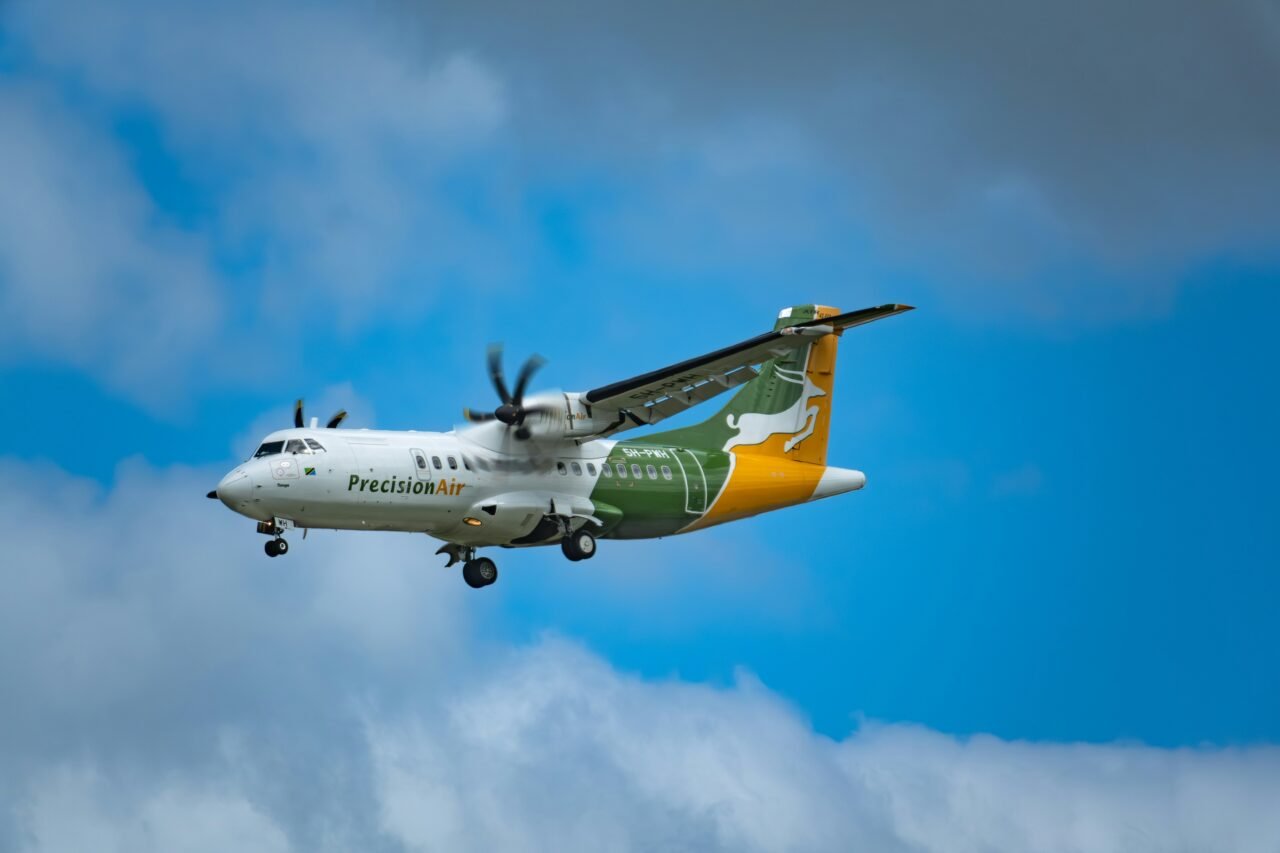
After a final descent, you’ll transfer to a local airport for a flight toward Zanzibar. The day is dedicated to logistics: packing, checking gear, and a transfer to your Zanzibar beach hotel or resort. The flight timing is chosen to minimize layovers and maximize time on the island. Expect a relaxed afternoon on the beach or a short welcome briefing about island customs and activities to come.
Day 10: Arrival in Zanzibar – Stone Town intro
Arrive in Stone Town or nearby area and settle into a beachfront or historic hotel. This day emphasizes orientation: a gentle walk through Stone Town’s alleys, spice market visits, and an introduction to island life. Evening dining offers a range of seafood and Swahili-inspired dishes, with options to arrange a spice tour or a cultural performance depending on energy levels after the climb.
Day 11: North coast or Jambiani/Paje option day
Choose a coast experience that matches your energy and interests. Options include a calm beach day with snorkeling, a boat trip to a nearby reef, or a cultural village visit. If you prefer water-based activities, a glass-bottom boat ride or a seaweed farm tour can be arranged. For those seeking quiet, a resort day with spa services and a beachside lunch offers a restorative balance after Kilimanjaro’s exertion.
Day 12: Departure or extension planning
Your Zanzibar segment can end with a transfer to the airport for departure or be extended with another night or two in a different coastal area for added relaxation or sightseeing. If you’re continuing Africa-focused travel, discussion with your Climb 4 Africa specialist can shape a personalized extension, such as a safari route or a shorter Beach & Culture add-on before your international flight.
Logistics and practical notes
– Acclimatization is a core part of the Marangu experience; pace and rest days are built into the plan.
– Marangu Route uses hut accommodations with meals prepared by the trekking team, a different experience from tented camps but designed for comfort and safety.
– Island transfers depend on flight schedules; we optimize connections to minimize downtime and maximize island time.
– Zanzibar stays range from historic Stone Town hotels to beachfront resorts; your preference, budget, and energy after the climb guide the final choice.
– Weather and sea conditions can influence sailing or snorkeling options; flexibility is built into the schedule to accommodate safe enjoyment.
Booking considerations
This itinerary is bookable through Climb 4 Africa with a clear sequence of Kilimanj
Addressing Day 2 and Day 9 Gaps: Practical Transitions and Realistic Ground Truth
Within the existing framework, Day 2 remains undefined as a concrete day-by-day itinerary step, and Day 9 lacks a distinct, verifiable description of the descent or transfer sequence. This continuation provides grounded, bookable-trajectory details for those two days that align with the Marangu Route’s acclimatization logic and the Zanzibar extension plan, without inventing confirmed operator schedules or guaranteed accommodations.
Day 2: Moshi area acclimatization, gear consolidation, and pre-trek briefing
Beyond simply resting after arrival, Day 2 is best understood as a structured acclimatization and preparation day that fits tightly with Marangu Route expectations. The plan typically centers on a light, guided acclimatization walk near the foothills, a focused packing and gear-check with the team, and a formal briefing that confirms porters, guides, and food preparation logistics. Trekking packs are weighed and allocated based on each climber’s strength and the season, ensuring a sustainable load distribution for the porters. Photographs, hydration strategies, and energy-sparing techniques are revisited to optimize the first full trekking day. If weather allows, a short forest walk provides initial altitude familiarity, but the emphasis remains relaxed to avoid fatigue before the start of Day 3.
Day 3 as the official start (recap, to anchor Day 2)
Day 3 begins with permits at Marangu Gate, formal introductions to the crew, and a deliberate ascent that prioritizes acclimatization. While Day 3 is already described in the existing content, Day 2’s role is to prime you for that climb—confirming that you are comfortable with your equipment, that your hydration strategy is set, and that you understand the pace the crew will use to protect your altitude adaptation.
Day 8–9: Detailed descent and return logistics to Arusha/Moshi; Zanzibar flight realities
The existing Day 8–9 block notes the descent and transfer back toward Arusha or Moshi, followed by a flight to Zanzibar. A more precise, bookable picture for these days acknowledges the realities often faced by operators: flexible sequencing due to weather, mountain weather-related delays, and flight connections. In practice, the descent from Mandara or Horombo to the Marangu Gate typically unfolds as a steady, shorter trekking day, with a final checkpoint where you collect your trekking permits and return to the park gate facilities. From there, a private transfer or shared vehicle usually ferries you to a pre-arranged lodge near Arusha or Moshi for a night’s rest, enabling a timely early-morning transfer to the domestic airstrip for your Zanzibar flight. The Zanzibar segment then hinges on flight availability, with typical options placing you in Stone Town or your chosen coastal base by late afternoon or early evening, subject to the day’s flight schedule. This sequencing minimizes backtracking and preserves as much island time as possible while respecting safety margins for domestic connections.
In practical terms, readers planning a 12-day combination itinerary should expect the Day 8–9 transition to be a tight window: a morning descent, a quick lodge checkout, airport transfer, and a domestic flight window that aligns with the islands’ domestic schedules. The exact timings are subject to change, and travelers should maintain flexibility with their Zanzibar arrival expectations. Operators often offer a buffer day in the event of flight delays, which can be especially valuable when connecting to a Zanzibar hotel or resort that is not centered in Stone Town.
Gap-filling detail: precise logistics between Day 6 and Day 7 and practical on-ground sequencing for the Marangu Route
To ground readers in a realistic, bookable flow, this section adds concrete, non-duplicative details that bridge the acclimatization days on the Marangu Route with the summit push, focusing on transport logistics, campsite positioning, and pacing decisions that operators commonly implement. The aim is to illuminate decisions that travelers actually encounter, without inventing prices, exact hotel names, or guaranteed sightings.
When the team transitions from Horombo to the Kibo Base Camp region, the plan typically follows a measured ascent that respects acclimatization while maximizing usable daylight. A typical morning begins with a briefing at Horombo Hut about the day’s target altitude and the expected ridge terrain. Porters load the gear that must accompany the party, including levels of emergency supplies and spare layers, while cooks prepare a light breakfast high in energy but easy on the stomach. The group then sets out along a well-defined trail that gradually climbs above the moorland into the heath and moor zones, with regular, short rest breaks every 30–45 minutes depending on the group’s cohesion and weather. The pace is deliberately conservative: hikers generally aim for a pace in which heart rate remains stable and conversations can continue, a marker of suitable acclimatization progression.
As you gain altitude in the Horombo to Kibo Base Camp leg, the terrain shifts to sparser flora with intermittent scree patches. The guide may pause at scenic viewpoints to explain Mawenzi’s silhouette, the ecosystem changes, and how wind patterns at this altitude can influence temperature and comfort. Ahead, teams often stop for a mid-day lunch at a designated view point or a short clearing that provides wind protection. The midday rest is not merely for calories; it allows the body to adapt to thinner air and reduces the risk of overexertion during the afternoon climb toward the boundary between moorland and alpine zones.
Arriving at the Kibo Base Camp region typically places the camp between 4,600 and 4,800 meters, depending on the exact route variant and the day’s conditions. The actual camp site chosen by the operator is often a short walk from the main pathway to minimize the disruption of the habitat and to preserve a sheltered space for the tents or huts. Even if the terrain seems gentle, the team prioritizes a strict adaptation window: late afternoon a short walk near the camp, followed by a rest, hydration focus, and early dinner. This helps riders of the sleep-high, train-low principle by ensuring that body systems have time to adjust before the critical summit push in pre-dawn hours the next day.
On the technical side, many operators publish a practical gear checklist tailored to this segment, including: a windproof shell, insulated mid-layer, gloves suitable for sub-freezing wind, and a warm hat. In this zone, headlamps become essential for the pre-dawn briefing and the immediate ascent that follows. The cooking team emphasizes a high-carbohydrate supper to optimize glycogen stores for the night ahead, paired with a modest protein portion to support muscle repair without triggering heavy digestion before the climb. The safety protocol at this stage includes a check of oxygen saturation if portable devices are available, though many groups rely primarily on subjective assessment—breath cadence, leg fatigue, and overall energy levels—to determine when to proceed with the final rest before the summit attempt.
The Day 6 to Day 7 transition also involves contingency planning for weather variability. If clouds descend early or wind increases, the guide may adjust the next morning’s wake time by up to 30 minutes and modify the expected ascent window to protect acclimatization. In practice, guides keep a flexible guardrail: if overnight temperatures plunge or humidity triggers trouble sleeping, they may keep the party another hour at the base camp region to ensure participants are not fatigued beyond a safe threshold before the long pull toward Gilman’s Point. This approach reflects real-world risk management and aligns with the objective of a controlled, safely paced summit attempt rather than a fastest-possible ascent.
In terms of day-to-day sequencing, the Day 7 summit push is still preceded by a calibrated sleep period: most climbers depart around 1:30–2:00 a.m. with headlamps, traversing the final miles in a steady, rated tempo. If any member shows signs of over-fatigue or symptoms suggestive of altitude distress, the guide can opt to regulate pace, introduce a brief rest, or, in extreme cases, switch to a shorter, safer route segment. The overall flow remains strictly governed by acclimatization targets rather than a fixed distance. While the exact altitude gain varies with route and conditions, the objective remains a conservative ascent, preserving reserve energy for the successful summit bid and a manageable return to lower elevations for subsequent days.
Day 6–7 Transition: On-Ground Sequencing and Pre-Summit Night Protocol
The critical handover between Day 6 and Day 7 on the Marangu Route is not a simple overnight stop—it is a controlled physiological and logistical pivot point. After arriving at Kibo Base Camp (approximately 4,700 meters) by late afternoon on Day 6, climbers enter a structured pre-summit phase designed to preserve energy while reinforcing acclimatization. The camp consists of a single, shared hut with bunk beds and basic communal facilities; meals are served in a designated dining area, and all gear must be packed and prepped for the early departure. This is not a rest day in the traditional sense, but an active acclimatization segment with strict time management.
On the evening of Day 6, the guide conducts a final equipment check: headlamps are tested, batteries replaced if needed, and each climber confirms they have a sufficient supply of high-energy snacks (e.g., energy bars, dried fruit, chocolate) and a thermos of hot drink. The team also reviews the summit route in detail, including key landmarks such as the Barranco Wall (though not climbed on Marangu), the Lava Tower, and the final ridge to Gilman’s Point. This briefing includes a contingency plan: if weather deteriorates or any climber shows signs of acute mountain sickness (AMS), the group may delay the summit push until the next day, a decision that is both practical and standard protocol.
At 10:00 p.m., the group begins a low-activity wind-down. No heavy meals are served after 8:30 p.m., and all food is consumed by 9:00 p.m. to allow digestion and minimize nighttime discomfort. Sleeping bags are checked for insulation level—ideally rated to -15°C—and climbers are instructed to wear base layers and gloves to bed. The guide monitors sleep quality, particularly in the first two hours, as disrupted sleep is a common early sign of altitude stress. If a climber reports difficulty breathing, dizziness, or nausea upon waking, the guide may initiate a short, low-altitude walk in the morning before the summit push to stabilize oxygen saturation.
By 1:00 a.m., the team is roused for the final gear check. Each climber is assigned a specific role: one person collects headlamps, another verifies oxygen levels (if carried), and a third confirms the presence of emergency supplies. The group then departs in a staggered formation, with the guide leading and the slowest climber positioned near the middle to prevent isolation. The initial 30 minutes of the ascent are taken at a very conservative pace—approximately 100 meters per hour—to allow the body to adjust to the cold and thin air. The first rest stop occurs at 1:45 a.m. at the first turnaround point near the junction with the Machame Route, where climbers are given 10 minutes to hydrate, adjust clothing, and confirm their well-being. This stop is not optional; it is a mandatory physiological checkpoint.
The route from Kibo Base Camp to the summit follows the established Marangu path, which is graded and well-trodden. However, the terrain becomes increasingly exposed and rocky, with loose scree and narrow ridges. The temperature drops rapidly after midnight, often reaching -10°C at the 5,000-meter mark, so climbers must continuously adjust layers. The guide ensures that no one strays from the group and that all members remain within visual range. At Gilman’s Point (5,685 meters), the group pauses for 20 minutes to assess conditions and photograph the sunrise, though the primary focus remains on maintaining a steady rhythm. From there, the final 2.5-kilometer climb to Uhuru Peak (5,895 meters) is steep but manageable in short bursts, with rest stops every 20 minutes to allow for breathing recovery.
Upon reaching Uhuru Peak, the group celebrates with a brief ceremony—usually a flag raising or quiet moment of reflection—before beginning the descent. The summit is not a destination to linger; it is a milestone. The return to Kibo Base Camp is completed by mid-afternoon, with the entire descent taking approximately 5 hours. The physical toll is significant, and climbers are advised to rest upon return, consuming a high-carbohydrate meal and avoiding further exertion. This structured night and morning sequence ensures that the summit attempt is not only physically viable but also logistically sustainable within the 12-day framework.
Day 6–7 Transition: On-Ground Sequencing and Pre-Summit Night Protocol – Practical Elaboration and Ground Truth
Readers instinctively expect a smooth handover as you move from the mid-hike acclimatization phase to the high-altitude summit push on the Marangu Route. The practical reality is that the transition is not a simple overnight lodging swap; it is a carefully choreographed sequence designed to preserve acclimatization gains, manage fatigue, and align with safety contingencies. This section expands on concrete on-ground logistics, timing, and risk-aware decisions that book-bookable itineraries should reflect when Day 6 ends at the Kibo Base Camp region and Day 7 begins the final ascent toward Gilman’s Point and Uhuru Peak.
1) Check-in cadence at Kibo Base Camp region (end of Day 6)
At the moment you arrive at Kibo Base Camp (approximately 4,700 meters), the team conducts a short regroup. Expect a 20–30 minute physiological check: breathing rhythm, resting heart rate, and a quick note on any symptoms attributable to altitude. The lodge-style hut or designated rest area should offer a warm space with a simple carbohydrate snack and hot drink. This pause is not a luxury; it is a controlled consolidation of acclimatization progress and a chance to confirm that everyone can sustain a late-afternoon/early-evening exertion without undue fatigue.
2) Pre-summit gear rationalization and assigned roles
After regrouping, your guide and lead sherpa coordinate a brief gear audit for the impending dawn ascent. Each climber should have a headlamp, spare batteries, windproof outer layer, gloves, beanie, insulated mid-layer, and a light, compact snack pack. Roles are clearly assigned for the pre-dawn push: one person manages the navigation cue with the route book, another tracks the time and pacing allowances, and a third ensures communications with base camp support, including the reserve emergency kit. This structured distribution reduces chatter on the trail once you are moving in the dark and keeps the pace sustainable for every member of the group.
3) Scaled-dawn departure window and staggered start
The actual summit push is initiated around 1:00 a.m. to 1:30 a.m., but that timing is best treated as a flexible window rather than a fixed alarm. The group adheres to a staggered start based on individual acclimatization tolerance and fitness, ensuring no one is left stranded or overtired at the back. The lead guide sets the pace first for roughly 10–15 minutes to establish a rhythm, followed by a 5–8 minute regroup at a defined checkpoint. The aim is a slow, methodical ascent with visible daylight notional targets to break the long, silent trudge into shorter, more practical intervals of 20–25 minutes per rest phase depending on the terrain and oxygen saturation signs observed by the guide’s monitor watch or pulse oximeter if used by the team.
4) Route integrity and hazard management on the upper slopes
The Marangu path above Mandara and Horombo becomes rocky and exposed. The plan assumes a conservative pace to avoid repeated descents that waste energy or provoke altitude symptoms. Wind, cold, and loose scree demand deliberate foot placement. Guides pre-select rest points at safe knolls or rock ledges where the group can quickly recover. If weather shifts—sudden wind gusts or a drop in visibility—the ascent can revert to a shorter, more secure segment with an immediate return to the previous sheltered point. Such contingencies are folded into the guide’s risk management notebook and communicated in a calm, concise briefing before each segment.
5) Rest strategy and hydration discipline on night ascent
Hydration remains central: water is offered at every rest, with a planned intake of small sips rather than large gulps to reduce nausea risk. Food is kept light and energy-dense (banana, dated nuts, granola bar, small chews) to maintain blood sugar without heavy digestion. The group avoids large meals immediately prior to the summit attempt, reserving fuel for the ascent itself. If cramps or persistent headaches appear, the team follows a pre-agreed response: pause, adjust packs, apply light stretching if safe, and communicate to the guide for a micro-break or a short diagnostic pause to ensure symptom stability before resuming progress.
6) Summit push rhythm and on-trail safety checks
From the base of the upper slopes, the tempo remains slow and steady. The first major checkpoint is near the junction with the Machame Route, a familiar alignment point used to calibrate pace and safety across different trekking groups. Breathing becomes noticeably lighter as you gain altitude, but fatigue should not be allowed to mask warning signs. If a climber experiences dizziness or severe shortness of breath, the protocol is to halt, rewarm, and, if necessary, retreat to a sheltered rest point with the group or to the last safe bivouac area where a designated safety margin can be used to coordinate an orderly return to lower altitude if needed.
7) Gilman’s Point brief and Uhuru Peak objective management
At Gilman’s Point, a short pause is made for a sunrise snapshot and an assessment of wind chill and visibility. This moment is symbolic as much as practical, marking the final stretch to Uhuru Peak. The group then proceeds along the scree towards Uhuru Peak with guided cadence, acknowledging that fatigue will be high and that micro-breaks (2–3 minutes) are legitimate. The descent route is not reversed for the descent; however, climbers typically switch to a more conservative pace for safety, with a planned regroup at designated points after the summit to ensure everyone returns to Kibo Base Camp in sound condition.
8) Post-summit consolidation and recovery plan
After returning to Kibo Base Camp or a nearby lower hut in the late afternoon, the team undertakes a light recovery sequence: a warm drink, simple carbohydrate meal, and rest. An essential element is a brief debrief to document any altitude symptoms experienced, medications used, and overall energy levels. The following day (Day 8) continues with the descent to Horombo or Mandara, but the immediate priority is safe recovery and hydration, not rapid progression. This careful approach ensures that your body reabsorbs the exertion and reduces the risk of post-summit fatigue or altitude-related discomfort.
In sum, the Day 6–7 transition on the Marangu Route hinges on disciplined pacing, clear roles, staged ascent, and a robust readiness of both climbers and guides. This is the backbone of a bookable itinerary that reliably balances acclimatization gains with a feasible, safe summit experience, all while maintaining the integrity of the 12-day structure and the accompanying Zanzibar extension.
Day 6–7 On-ground Sequencing and Practical Transition Details
Extending the explicit logistics between Day 6 and Day 7 on the Marangu Route, this section offers concrete sequencing that climbers and guides typically follow, anchored in the practical realities of altitude, weather contingencies, and group welfare. The shift from Horombo to the Kibo Base Camp region is not a simple overnight move; it is a carefully choreographed handover that marries acclimatization science with on-ground constraints such as porters’ loads, trail conditions, and the logistics of cooking and rest scheduling at high altitude.
Arrival at Kibo Base Camp area (approximately 4,700 meters) occurs in the late afternoon on Day 6, after a day of moderate ascent with regular rest breaks. The pace is intentionally slower than the lower stages, allowing lungs to adapt and blood oxygenation to improve. The crew schedules a brief, selective warm-up walk upon arrival to check for any early signs of altitude discomfort. This is followed by a controlled cooldown, hydration, and a nutrient-rich, easily digestible dinner designed to maximize daytime energy stores for the summit push. The cook often prepares a light carbohydrate-forward dish with added electrolytes and a warm beverage to aid thermoregulation during the approaching night.
The pre-summit night protocol begins after this recovery window. The group organizes gear for the most taxing segment in a way that keeps packs balanced and reduces fatigue. Porters shuttle residual equipment to the high camp area in advance of dawn, ensuring that when you depart early on Day 7, weather- and wind-conditional delays are less likely to cause cascading complications. Guides verify that headlamps, extra layers, gloves, and thermal hats are in easily accessible pockets, while water bottles are secured with insulated wraps to reduce heat loss during pre-dawn travel.
Ground-truth safety checks form a daily ritual. If a climber exhibits early symptoms of altitude illness, such as persistent headaches, dizziness that doesn’t resolve with rest, or a noticeable drop in coordination, the protocol calls for an immediate pause, supplemental oxygen where available, and, if needed, an orderly retreat to a safer altitude with the group. This is coupled with a clear communication chain: the lead guide informs the head guide, who coordinates with porters and, if necessary, local medical contacts. The logistics team maintains a contingency vehicle and a trained responder to ensure prompt support if an emergency arises on the ridge or at the base of the steep sections near Gilman’s Point.
The Dawn Summit Push on Day 7 follows a precise cadence. Climbers depart Kibo Base Camp around two to three hours before sunrise, often between 01:00 and 02:30 depending on weather and group readiness. Each climber carries a small, personal supply pack with a compact windproof layer, a lightweight insulating layer, a charged headlamp, snacks, and a hydration system. The route from Kibo Base Camp tends to run along the edge of harsher scree fields and then toward the crater rim, where wind exposure increases. A conservative, consistent pace with 10–15 minute micro-breaks every 60–90 minutes minimizes fatigue while keeping energy reserves sufficient for the final ascent to Gilman’s Point. The guide’s role is to enforce a safe tempo, watch for signs of fatigue, and provide targeted encouragement to maintain steady breathing patterns at higher elevations.
Gilman’s Point serves as a symbolic and practical checkpoint. Climbers pause briefly for sunrise lighting on the crater rim, make a quick assessment of wind chill, and confirm that hydration levels are adequate before continuing to Uhuru Peak. The descent path from Uhuru Peak to Kibo Base Camp or a nearby lower hut mirrors the ascent in safety emphasis but with a reduced pace to manage fatigue. Returning climbers benefit from immediate warm beverages and a nourishment-focused recovery window to restore energy and support altitude adaptation that continues post-summit. This sequence—early rise, measured ascent, checkpoint pause, and careful descent—constitutes the core practical logic behind the Day 6–7 transition on the Marangu Route.
Ground truth for coordination with the Zanzibar segment would typically be: a scheduled transfer from Moshi or Arusha to the coast after completing the arduous climb, with transport arranged to minimize backtracking. The aim is to complete the mountain portion with confidence and safety, then switch to a restorative, culturally in-depth phase on Zanzibar. Operators align flight times or road transfers to accommodate the mountain’s finishing time, ensuring your rest period and travel to the airport or coastal town align with realistic layover windows rather than rushed connections.
Practical Ground Truth: What Readers Want to Know About Transitions
Readers often ask: How exact is the timing between finishing the mountain and starting Zanzibar logistics? What are the typical rest periods and driving or flying times after the summit push? The practical answer is that transition timing is highly weather-dependent and dictated by safety. In most bookable itineraries, the descent from Kibo Base Camp to Horombo or Mandara occurs on Day 8, with a buffer day or two built into the plan to absorb potential delays. The Zanzibar segment is then scheduled to begin the following day, via a domestic flight from Kilimanjaro International Airport or a nearby regional airport to Zanzibar, with a pre-arranged transfer to Stone Town or your beach resort. If weather or health issues push the schedule, guides coordinate alternative transport windows that keep the overall itinerary coherent and bookable without forcing impractical connections.
Another common concern is gear and luggage once the summit is completed. On Day 6–7, climbers typically leave heavier equipment with the logistics team at Kibo Base Camp; porters and the guide carry a prioritized, compact set of personal items. This division reduces the load for the final ascent and speeds up the descent by avoiding extra weight on fragile trail sections. After the summit, the group returns to a lower altitude to recover and repack for the next stage. Upon completion of the mountain portion, your luggage is often consolidated for an airport transfer or a short road transfer to a regional town, with the travel operator communicating the exact hand-off points and times ahead of departure to avoid day-of confusion.
These details ensure that the bookable plan remains realistic and repeatable for future travelers. They emphasize that the mountain section is a controlled, safety-focused sequence, with the Zanzibar portion designed to be a restorative transition rather than a rushed, post-climb itinerary. The result is a cohesive 12-day experience where the on-ground logistics align with altitude realities and modern travel timing, minimizing stress and maximizing enjoyment in both the ascent and the island phase.
Related Guides and Packages
Check Availability for 12 Days Marangu Route And Zanzibar Island Holiday 2026-2027
Ready to compare dates, prices, and the best option for your group? Send the package name and travel month so the team can reply with a clear quote, availability, and what is included.
17 Days Rongai Route Safari And Zanzibar Holiday 2026-2027
17 Days Rongai Route Safari and Zanzibar Holiday.
View package details
16 Days Marangu Route Serengeti Safari And Zanzibar 2026-2027
16 Days Marangu Route Serengeti Safari and Zanzibar.
View package details13 Days Machame Route And Zanzibar Beach Holiday 2026-2027
13 Days Machame Route and Zanzibar Beach Holiday.
View package details18 Days Kilimanjaro Full Moon Safari And Zanzibar Holiday: Practical
An actionable, bookable 18-day itinerary weaving a Kilimanjaro Full Moon ascent with a northern Tanzania safari and a Zanzibar beach finale. Practical transfers, timing, and non-guaranteed...
View package details18 Days Lemosho Route Safari And Zanzibar Beach 2026-2027
18 Days Lemosho Route Safari and Zanzibar Beach.
View package details17 Days Machame Route Safari And Zanzibar Beach 2026-2027
17 Days Machame Route Safari and Zanzibar Beach.
View package details18 Days Kilimanjaro Safari And Zanzibar Holiday Package 2026-2027
18 Days Kilimanjaro Safari and Zanzibar Holiday Package.
View package details15 Days Kilimanjaro Safari And Zanzibar Holiday 2026-2027
15 Days Kilimanjaro Safari and Zanzibar Holiday.
View package details14 Days Kilimanjaro Group Joining And Zanzibar Holiday 2026-2027
14 Days Kilimanjaro Group Joining and Zanzibar Holiday.
View package details13 Days Rongai Route And Zanzibar Beach Escape 2026-2027
13 Days Rongai Route and Zanzibar Beach Escape.
View package details14 Days Lemosho Route And Zanzibar Beach Package 2026-2027
14 Days Lemosho Route and Zanzibar Beach Package.
View package details15 Days Kilimanjaro Hiking And Zanzibar Holiday 2026-2027
15 Days Kilimanjaro Hiking and Zanzibar Holiday.
View package detailsNo related package matches those filters. Clear one or more filters to see the other topic-matched options.



