
A practical 17-day plan combines the Machame Route ascent with a sequential mainland safari and a Zanzibar beach finish. You’ll start with a guided Kilimanjaro ascent (5–7 days depending on chosen variant), then transfer to a northern Tanzania safari circuit for 4–6 days, followed by a domestic flight to Zanzibar for 5–6 days of beach time. The exact day splits, hotel choices, and transfer times are customizable, but the structure prioritizes acclimatization, logical driving routes, and comfortable rest between active legs. Prices and departures require confirmation with Climb 4 Africa for 2027 availability.
Part A: TheKilimanjar o ascent sequence — planning with purpose
Begin with the Machame route chosen variant that suits your fitness, acclimatization buffer, and guided pacing. A typical 6-day Machame plan provides a reliable acclimatization window and strong summit probability when paired with proper rest days at altitude. Practical pacing matters: long trekking days are balanced with shorter acclimatization torches, and you’ll alternate high camps with easier hiking days. Your guide team will monitor symptoms, adjust pace, and ensure adequate hydration and nutrition. Acclimatization rests are built into the schedule to respect body signals and reduce risk of AMS.
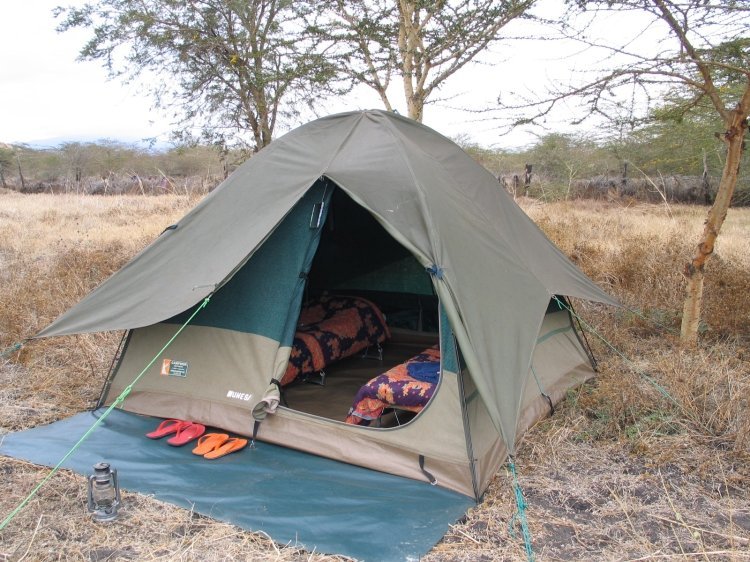
On the mountain, the sequence commonly looks like: Londorosi/Marangu-type forest to moorland zones, high camp evenings, then summit push at dawn. Specific camps depend on the chosen route variant (Machame vs. combined options) and the group’s fitness. The aim is steady progress, with backup days only if weather or health requires it. Your overnight stays are in mountain huts or tents, with meals prepared by the crew and boiled water for safety. This part of the trip sets the tone for discipline, patience, and careful acclimatization planning.
Part B: Mainland safari logistics — moving from the Kilimanjaro foothills to wildlife-rich plains
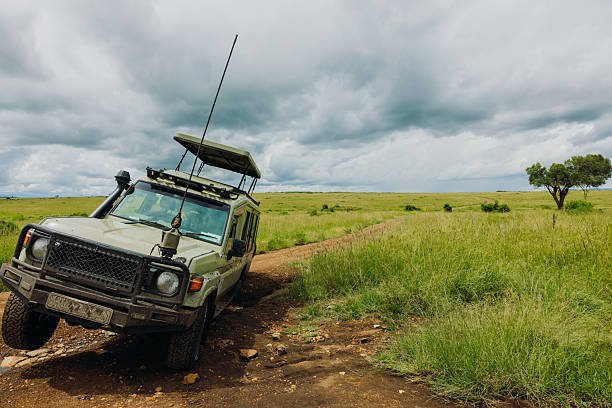
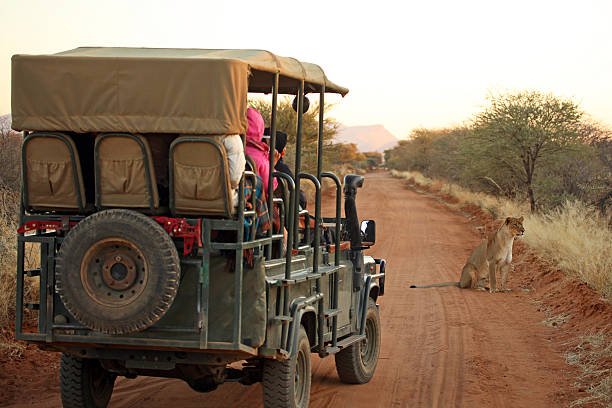
After the descent and a restorative night in Moshi or Arusha, you’ll transfer to a safari base. A typical sequence allocates 4–6 days on a classic northern circuit: Tarangire National Park, Ngorongoro Conservation Area, and either the Serengeti’s central/lakes area or a southern corridor depending on flight access and park operations. The safari routing respects driving times, park gate opening hours, and boundary restrictions while offering reliable wildlife viewing opportunities. You’ll stay in comfortable lodges or well-reviewed camps, chosen for accessibility to gates, river lines, and panoramic overlooks. The emphasis is on authentic wildlife experiences rather than guaranteed sightings; your guide will optimize patrol routes for game activity and minimize long drives between camps.
Driving times between parks typically range from 2–4 hours per leg, with longer stretches reserved for Serengeti apex experiences. The order can shift due to weather, gate closures, or flight schedules, but a practical sequence prioritizes morning game drives, afternoons at camp, and occasional night drives where permitted. You’ll receive a detailed day-by-day safari plan with drive times and approximate park-entry hours before departure, so you can coordinate personal needs and rest days accordingly.
Part C: Zanzibar Beach time — island logistics and rhythm
From Arusha or Kilimanjaro airport, you’ll fly to Zanzibar (Stonetown or North Coast hubs) for 4–6 days of beach relaxation and watersports. The Zanzibar segment is designed to balance recovery after the mountain and safari with enjoyable, low-intensity days along the Indian Ocean. Beach options vary by tide, season, and your preference for active downtime (snorkeling, spice tours, cultural visits) versus pure relaxation. Transfers typically involve a domestic flight to Unguja or Pemba and a short transfer to your beach resort, with luggage allowances and timing aligned to onward travel or international flights. Expect a gentle pace: morning beach walks, spa options, and scenic dhow sunsets, with optional day trips that fit your energy levels.
Day-by-day structure (illustrative, not fixed)
Day 1–5/6: Machame Route ascent variant of choice, with pre-trek briefing and gear checks. Day 2–4 involve successive camps, with acclimatization rests and guided treks. Day 5–6 culminate in summit attempt and descent to final camp/hotel. Day 7: Transfer to Arusha/Moshi for rest and preparation for safari.
Day 8–11/12: Tarangire/Ngorongoro/Serengeti safari loop, driven game drives, meal pauses at curated camps, and evenings with sunset views. Day 12–13: Transfer to Zanzibar via domestic flight. Day 14–17/18: Zanzibar Beach time with optional excursions and relaxed pacing. The exact day counts depend on the chosen Machame variant, travel dates, and flight connections; your operator will confirm the final day structure when you book.
Transfers and connection logic — making it work smoothly
Air connections between Moshi/Arusha, the safari circuit, and Zanzibar are the backbone of a smooth itinerary. Your plan usually sequences: international arrival in Tanzania, Kilimanjaro pre-trek briefing, mountain ascent (or ascent variant), descent and rest day, domestic flight to northern Tanzania to start safari, multiple road journeys between parks, then a domestic flight to Zanzibar for beach time. Transfers factor in airline hand luggage limits, vehicle space for trekking gear, and rest days as buffers against fatigue or weather delays. The travel sequence should feel cohesive: you’re moving from altitude to plains to island beaches, with reasonable drive times and predictable rest opportunities between active legs.
Acclimatization, pacing, and what to expect on the mountain
Acclimatization is the core of a safe Machame ascent. You’ll acclimatize with a staged altitude gain, rest days, and controlled exertion. Your guide will tailor pace to group fitness, monitor symptoms (headache, dizziness, fatigue), and adjust as needed. Expect repeated handoffs between trekking days, with meals and hot drinks provided in camps. While wildlife is not the focus on Kilimanjaro, the ascent shares a sense of anticipation and achievement that frames the rest of the trip. The summit day is a long, early start with a final push to dawn light, followed by a gradual descent to the final camp and a comfortable night before travel to the safari circuit.

Bookable details you’ll want to confirm
- Variant of Machame route (classic 6–7 days vs. longer, more acclimatization days).
- Safari circuit choice (Tarangire–Ngorongoro–Serengeti vs. alternate paths) and lodge/camp preferences.
- Flight routing for Zanzibar (Stonetown hub
Connecting the Africa-to-island transition: practical checklists for the 17-day Machame–safari–Zanzibar plan
Readers who commit to the full 17-day arc often ask about the operational details that bind the mountain, the safari circuit, and the Zanzibar beach segment into a coherent, bookable sequence. This section adds concrete, non-redundant guidance that complements the existing framework without repeating earlier explanations about acclimatization, pacing, or day-by-day structure. It focuses on transfer logistics, timing buffers, and decision points that travelers and agents genuinely use when confirming a 2027 departure.
1) Confirming the safari start window after the Kilimanjaro descent: In most itineraries, the descent of Kilimanjaro is followed by a built‑in rest day or a light transfer to a safari base near Arusha or Moshi. The bookable plan typically allocates 1 day (or partial day) for recovery, packing re‑organization, and a briefing before entering the northern circuit. Instead of assuming immediate onward travel, verify that your operator has a fixed layover to account for possible flight delays from the mountain or late arrivals at your Arusha airport hub. If your group lands late in the afternoon, request a standard-to-late afternoon transfer option paired with a comfortable base camp dinner arrangement, not a rushed transition into a full day of game drives the following morning.
2) Safari circuit sequencing as a hard constraint: The most reliable bookable sequences begin with Tarangire or Lake Manyara as a transition zone, then Ngorongoro Crater, then Serengeti plains. The exact order can shift due to lodge availability, road conditions, or seasonal wildlife patterns, but your contract should specify a preferred circuit with clearly defined driving distances and daily drive times. Ask your operator to provide a written sequence with anticipated drive times (e.g., Tarangire to Ngorongoro: 2.5–3.5 hours; Ngorongoro to Serengeti Western Corridor: 1.5–3 hours). Avoid generic statements like “ Serengeti optional days” without concrete lodging names and transfer windows.
3) Lodging styles and buffer days for the safari block: Bookable plans usually include a mix of intimate bush camps and mid‑range lodges. If your party includes a mix of travelers (families, older participants, or camera teams), request a lodge‑heavy plan with reliable electricity, in‑room charging, and flexible dining hours. For photographers or late‑arriving travelers, ensure a buffer day after the Kilimanjaro descent that avoids back‑to‑back early departures to the first park. This reduces fatigue and improves wildlife viewing opportunities by aligning with animal activity patterns at dawn and dusk.
4) Domestic flight timing and baggage allowances: The Zanzibar segment requires a domestic flight from Arusha (or a Nairobi‑connected route if using a cross‑border option). Confirm the flight windows and the airline’s baggage policy (usually one checked bag plus a small daypack; some charters allow extra trekking bags to be checked separately). Ensure your safarioperator coordinates with the domestic carrier for name matching, check‑in times, and a guaranteed seat when possible. If your group consists of multiple nationalities, verify that the passenger names on the Kilimanjaro permit, safari bookings, and domestic flight tickets match exactly to prevent check‑in hiccups.
5) Zanzibar arrival logistics after the safari: The Zanzibar segment commonly begins with a domestic flight from Arusha or from a Serengeti–Ngorongoro base to Zanzibar (Stonetown or North Coast hubs). Clarify whether your operator arranges a smooth same‑day connection or requires an overnight stay in Arusha or Stone Town depending on flight schedules. If the Zanzibar schedule includes a transfer in Stone Town, ask for a guided transfer to your beach resort, especially if you are arriving after a long travel day; a driver‑guide can streamline check‑in, orientation, and a gentle evening program for jet‑lag management.
6) Beach‑area choice and tides affecting activities: The Zanzibar segment is not just “beach time.” It often includes optional water‑based activities such as snorkeling, diving, sailing, or spice‑farm visits. Tidal patterns influence water‑entry safety and reef visibility. When booking, confirm that the beach lodge has access to protected swimming zones, a reef‑safe snorkel program, and a clear plan for any tide‑dependent excursions. If your group includes non‑swimmers or first‑timers, request a shore‑side plan with guided excursions on calm mornings or late afternoons to avoid mid‑day heat and strong tides.
7) Health and safety buffers across all legs: Kilimanjaro and safari environments impose different health considerations, including altitude effects, malaria risk, and seasonal weather. Ensure your booking includes a shared health briefing, up‑to‑date vaccination advice, and a plan for altitudinal headaches or travel fatigue. The bookable package should specify which days have rest or lighter activities and how medical facilities are accessed along the safari route and in Zanzibar for emergencies or urgent care needs.
8) Documentation and visa timing: For many travelers, a Tanzania visa on arrival is possible, but pre‑clearance can reduce on‑arrival friction. The Zanzibar portion requires an entry permit separate from mainland Tanzania if a stay in Stone Town is involved. Confirm with your operator whether visas are arranged on your behalf, what documents they need from you, and whether your group needs to present proof of onward flights from Zanzibar in case of a strict immigration check. If you have multiple passports, ensure the booking notes reflect the same passport name as it appears on flight tickets and hotel confirmations to avoid name‑mismatch issues at check‑in.
9) What to carry and how to pack across the three legs: The practical packing approach remains one of the most booked‑yet‑overlooked details. Your guidebook‑level packing list should align with the mountain’s cold, dusty, and wet nights; the safari’s warm, dusty plains; and Zanzibar’s humid, sun‑drenched beaches. A single, well‑organized duffel per traveler works for the mountain and safari legs when the operator offers porterage and lodge transfers, but you’ll need a small waterproof daypack for daily game drives and beach excursions. Request confirmation of luggage allowances for domestic flights and whether trekking bags can be stored safely during the safari portion if you elect to leave them behind at your Arusha base during a lodging switch.
10) Contingency planning for weather and transport delays: The bookable itinerary should include explicit contingency days and an outlined policy for re‑routing or rescheduling, including potential alternative lodges or park days. Ask for a written clause detailing how delays are handled, who covers additional costs due to weather, and how much credit or flexibility is built into the package in the event of an extended layover or missed connections. Having a transparent plan reduces day‑to‑day stress and keeps the trip on track even when the weather or flight timetables shift.
In short, the bridge between Kilimanjaro, the northern safari circuit, and Zanzibar is not a vague handoff; it is a carefully specified sequence of transfers, lodge commitments, and activity windows. When you request or review a 17‑day plan, insist on explicit, documentable details for the safari routing, the flight connections, the beach program, and the contingency cushions. These elements are what separate a smoothly executed expedition from a string of connected but disjointed days.
Gap-discovery: practical considerations for the Africa-to-island transition you’ll want to confirm before booking
Readers who are planning the 17-day Machame–safari–Zanzibar arc often hit a few practical questions that aren’t always spelled out in standard itineraries. This section dives into a focused, bookable‑level detail gap: how the Africa-to-island handoff actually works in a confirmed itinerary, and what you should verify with your operator to avoid surprises on departure day.
1) Sequencing and time buffers between legs: A realistic bookable plan will list explicit layover days that accommodate flight times, check‑in windows, and drive transfers. Ask the operator to provide a minute‑by‑minute transfer matrix that shows when you land, where you go next, and where you’ll sleep that night. A typical structure often looks like: post‑descent rest day in Moshi/Arusha, then a morning transfer to the safari base; after the last safari day, a late afternoon or evening domestic flight to Zanzibar. Ensure your plan includes at least a half‑day cushion for domestic flight changes or airport delays, and confirm whether the safari lodge arrangement allows luggage storage during the Zanzibar portion if you plan to switch hotels or if you’ll switch vehicles for the flight leg.
2) Domestic flight logistics and luggage handling: The bookable route hinges on reliable connections between international arrivals, Kilimanjaro pre‑trek briefing, mountain ascent, safari flights, and Zanzibar transfers. Clarify with your operator how luggage is managed across three segments. Will trekking bags be stored securely at the Arusha base while you’re on safari? Are there separate domestic‑flight allowances for checked bags and hand luggage, and do you need to arrange lighter packing specifically for the safari portion? A precise checklist should specify airline weight limits, transfer times between airports, and whether your safari lodge can arrange local courier or porterage to collect bags at the next hotel if you opt for a different lodge on the safari circuit.
3) Visa, entry, and on‑arrival procedures across legs: While this content mentions general visa guidance, the bookable plan you receive should spell out whether visas are handled on your behalf by the operator, what documents you must supply, and how the operator coordinates with Tanzanian immigration for multi‑entry scenarios. Verify whether Zanzibar entry requires a separate permit or visa step, and ensure your flight schedule aligns with any visa processing timelines. In particular, confirm that the group’s passport names match the flight tickets and hotel confirmations exactly to avoid check‑in friction.
4) Park and concession rules for the safari segment: The safari leg relies on a sequence of parks, driving routes, and lodge/camp decisions that balance wildlife opportunity with comfort and drive times. Your operator should provide a dated, region‑level plan (e.g., Tarangire on day 1–2, Ngorongoro on day 3, Serengeti on day 4–5) with approximate drive times between camps. Do not assume all options are fixed; ask for a documented option set that the guide team can adjust if road conditions or wildlife activity prompts a change. The plan should include realistic expectations for animals and avoid overpromising sightings, given the nature of wildlife as a day‑to‑day variable factor.
5) Zanzibar beach segment: hub choices, tides, and activity windows: Zanzibar is not a single, uniform beach experience. A usable bookable itinerary will specify the chosen hub (Stone Town vicinity vs. North Coast beach zones), the number of beach days, and how those days align with tides for activities such as snorkeling, water‑sports, or tidal‑pool excursions. Confirm whether the Zanzibar component includes a fixed beach resort or a sequence of two or more lodging stops to balance travel ease with variety. If you plan to combine spa or snorkeling days with cultural tours in Stone Town, request a schedule that slots these activities into low‑wind mornings or post‑lami ranges to maximize comfort and visibility.
6) Contingency cushions and re‑routing clauses: The best bookable plans provide explicit contingency options for weather or flight disruptions across all three legs. Ask for a written clause detailing how delays are covered, what alternate lodges or parks are available within a fixed price envelope, and how costs are allocated if a spur of weather closes the air corridor or a long drive day is replaced with a shorter transfer. This reduces last‑minute stress and ensures the group can stay on a coherent itinerary rather than bouncing between unbooked options.
7) Documentation, confirmations, and vendor consistency: Given that you’re coordinating three distinct travel components, ensure each document references the same operator and the same group name, with consistent passport details, emergency contacts, and medical information. Request a single master document or portal link where all flight numbers, hotel confirmations, park permits, and excursion vouchers are viewable and updatable by you and your operator. A single‑source itinerary simplifies changes and minimizes miscommunication at checkpoints across Arusha, the safari circuit, and Zanzibar arrivals.
In short, the most valuable gap you’ll want to fill is a tightly documented, buyer‑friendly transfer blueprint that translates “we’ll connect these three experiences” into a concrete, bookable sequence with explicit times, locations, allowances, and contingency options. By pressing for this level of detail, you can transform a promising arc into a reliably smooth journey with clearly understood expectations at every transition point.
Unanswered gap: governance of timing and transitions during the 17-day Machame–safari–Zanzibar arc
While the article provides a solid framework for the 17-day journey, readers often still grapple with the practical sequencing nuances that determine whether a single transfer window will hold, or if weather- or flight-induced delays ripple through the entire arc. This section offers a concrete, bookable-focused examination of timing, transfer logic, and contingencies that are not already anchored to a fixed itinerary in the existing text.
Key decision points focus on three linked questions: how many days must be allocated to each leg to preserve acclimatization and rest without forcing compression, what explicit transfer windows are assumed between legs, and which fallback options are legally and financially operable within a fixed price envelope. The aim is to translate general guidance into explicit, bookable sequencing so that a reader can confirm exact travel blocks with Climb 4 Africa or an equivalent operator without ambiguity.
1) Confirmed day counts per leg and how they interlock with acclimatization buffers
In practice, a robust 17-day plan commonly allocates 5–7 days for the Machame ascent (depending on chosen variant and pace), 4–6 days on a northern Tanzania safari circuit (Tarangire, Ngorongoro, Serengeti), and 4–5 days in Zanzibar. The critical factor is ensuring that the safari days immediately follow a proper rest or acclimatization window after the mountain, and that the Zanzibar block begins after a full travel day and a potential recovery day if needed. When booking, insist on a precise day-by-day map that links one leg to the next with defined travel times (drive hours, flight durations, and buffer days). For example, a typical linkage might be: summit descent and hotel rest day in Moshi/Arusha (Day X), transfer to safari base on Day X+1 with a morning flight or a 1–2 hour drive, a 3–4 day safari sequence, then a domestic flight to Zanzibar on Day Y+1, followed by 4–5 days of beach time. This structure preserves acclimatization, avoids back-to-back long travel days, and ensures that both the guide teams and the travelers have predictable handover points.
2) Explicit transfer windows and booking contingencies
The article’s emphasis on smooth transfers needs a hard buy-in from operators for specific transfer windows. Bookable plans should specify: (a) international arrival window into Tanzania, (b) Kilimanjaro pre-trek briefing slot, (c) mountain ascent start date, (d) descent and post‑descent rest day, (e) safari start date window, (f) domestic flight to Zanzibar, and (g) Zanzibar check-in cadence. Each window should be tied to a fixed or semi-fixed set of flight numbers and lodge names, with explicit alternatives in the same price band in case of delays. A practical clause to request: if the Mt. Kilimanjaro segment pushes into a new date, the operator guarantees a synchronized safari start within a maximum 48-hour window, with a defined set of back-up lodges in the same category and a revised flight itinerary to Zanzibar without surcharge beyond the original package cap. This transforms uncertainty into a tractable, stated policy rather than a series of informal assurances.
3) Contingency architecture: weather, flight, and overland detours
Gaps in contingency language can derail a trip. The new material here recommends three layers: pre-authorization, mid-plan adjustments, and post-plan protections. Pre-authorization means the operator provides a written, price-bathed set of alternative routes that can be activated within the same booking without renegotiating terms. Mid-plan adjustments include guaranteed re-routing options during the safari if a park is temporarily inaccessible or if a flight is delayed, with transport and lodge change credits or predefined price-neutral substitutes. Post-plan protections ensure that, should any leg require an extra night due to weather or delays, the extension is limited to a pre-agreed, capped daily rate per person and that no disproportionate costs are imposed on the traveler. Insist on a single, consolidated contingency schedule that covers the entire arc rather than isolated leg-by-leg promises.
4) Documentation and single-source itinerary clarity
Readers need a master document that ties together flight numbers, park permits, lodge vouchers, and transfer times for all three legs. The operator should provide a downloadable, timestamped master itinerary with: (i) passenger names and passport details, (ii) all flight segments (international and domestic) with PNRs, (iii) hotel/lodge confirmations, (iv) vehicle and guide details for each leg, (v) emergency contacts, and (vi) a real-time change log that records any deviations from the original plan. The goal is a single source of truth that all participants and staff reference during the trip. Request this as a live, shareable digital document or portal access before you commit, and ensure updates propagate to all parties within 24 hours of any change.
5) Practical checklists for the three-transition arc
To operationalize the above, use a three-column checklist at booking time: leg-specific requirements (Kilimanjaro, safari circuit, Zanzibar), cross-leg requirements (flight and transfer connections, luggage allowances, and permit handling), and contingency commitments (alt routes, lodging substitutions, and cost caps). Create a staged timeline with non-negotiable thresholds (for example: if Kilimanjaro weather delays push the summit window by more than 48 hours, the safari start must shift by no more than 72 hours; if the Zanzibar flight is missed, a guaranteed reroute to the next available flight within the same price category must be in place). This approach minimizes surprise changes and keeps the traveler within comfortable risk margins.
In short, the single most useful missing piece readers often need is a tightly bound, bookable sequence that explicitly links acclimatization-appropriate time on the mountain to a coherent, contingency-ready safari and a timely Zanzibar finish. By demanding explicit day relationships, fixed transfer windows, and a single-source itinerary with robust contingency coverage, you convert a promising arc into a reliably smooth journey that remains faithful to the original intent without overpromising sightings or fixed prices.
Gap-discovery: aligning time governance across the 17-day Machame–safari–Zanzibar arc
In practice, travelers often arrive with a confidence that a single transfer window will suffice for the entire arc, yet operational reality—flight schedules, park permits, flight connections to Zanzibar, and domestic overland pacing—mandates a clearly bounded governance framework. The most valuable unanswered question readers typically have is: How do I ensure that the mountain acclimatization, the safari logistics, and the Zanzibar finish all stay synchronized when unexpected delays occur, without paying for unpredictable extensions or losing valuable time?
The practical answer is not a static timetable but a built-in, contingency-aware sequencing model that operators and clients can reference as a living document. The core of this approach rests on three integrated layers: time gates, transfer windows, and dynamic buffers that are explicitly linked across all three segments.
Time gates are the non-negotiable milestones that must be met to keep the arc valid. For example, a mountain ascent window may be circumscribed by a summit attempt in a 6–7 day block, with a hard deadline for the descent to allow for a safe safari start. The operator’s master plan should state, in writing, a maximum permissible shift for each gate (e.g., summit window shift no more than 48 hours; safari start shift no more than 72 hours) and the corresponding compensatory adjustments elsewhere in the sequence. This creates a predictive framework rather than a reactive scramble.
Transfer windows define the permissible moments for moving between legs. A single transfer window means you commit to a concrete sequence: international arrival, Kilimanjaro briefing, start of the ascent, descent and rest day, then safari start, followed by Zanzibar flights. If any leg runs longer (due to weather, health, or logistics), the contingency plan should specify a fallback window that preserves the end-state feasibility: e.g., if the Kilimanjaro climb extends by 24–48 hours, the safari departure must shift to the next available window in the same price tier, not a different circuit that changes the entire flavor of the trip. The master itinerary should store these contingencies as explicit rules rather than vague promises.
Dynamic buffers are the operationally important cushions. They are not vague “buffer days” sprinkled at random; they are calibrated days inserted between segments that absorb inevitable slippage while preserving acclimatization and rest. For Kilimanjaro, the buffer is typically a rest day after the descent and a secondary buffer before flying to the safari heartland. For the safari, buffers translate into one extra night or a flexible lodge sequence that can absorb a weather delay or a late return from a game-drive. In Zanzibar, buffers guard against flight delays and tide- or ferry- dependent activity calendars. The key is to tie each buffer to a measurable trigger (e.g., a late mountain descent past a certain hour, or a domestic flight that slips past a fixed gate time) and to ensure the buffers themselves are contractually deliverable and financially contained within a single contingency schedule.
Practically applying this governance model means asking your operator for a master, downloadable itinerary that includes: the three-leg day counts and their interlocks; the fixed transfer windows; the documented backup options with their conditions; and a live-change log that records any deviation within 24 hours. The document should also specify who holds authority to enact changes (the guide leader, the operations manager, or a joint coordinator) and how travelers are informed (SMS, app notification, or email) with a timestamped notice trail. Without this explicit governance, the arc risks drift: a missed mountain window, a safari slot that cannot be moved, or a Zanzibar connection that collapses with last-minute flight cancellations.
To make this tangible, consider a sample constraint set you could request as a baseline before booking: (1) summit window deadline within 48 hours of the originally planned last ascent day; (2) safari start cannot shift more than 72 hours from the original date; (3) Zanzibar domestic flight changes must be routed through the next available flight within the same price band if the original is unavailable; (4) all changes logged in a single master itinerary with real-time updates and a 24-hour response SLA from the operator. This level of specificity protects the trip’s core intention—acclimatization, wildlife immersion, and coastal recovery—without binding you to improbable fixed dates or expensive, economy-straining alternatives.
In short, the most valuable missing content readers seek is a clearly defined governance framework that makes the three-transition arc—Machame ascent, safari circuit, and Zanzibar finish—truly bookable with built-in, verifiable contingencies. By insisting on explicit time gates, transfer windows, and linked buffers within a single source of truth, you convert a promising itinerary into a reliably smooth, financially transparent journey that honors the original acclimatization and pacing logic while accommodating the realities of travel in East Africa.
Related Guides and Packages
13 Days Machame Route And Zanzibar Beach Holiday 2026-202717 Days Kilimanjaro Climb Safari And Zanzibar Beach 2026-202713 Days Rongai Route And Zanzibar Beach Escape 2026-202714 Days Lemosho Route And Zanzibar Beach Package 2026-202712 Days Machame Route And Serengeti Safari 2026-202711 Days Machame Route And Ngorongoro Safari 2026-2027Check Availability for 17 Days Machame Route Safari And Zanzibar Beach 2026-2027
Ready to compare dates, prices, and the best option for your group? Send the package name and travel month so the team can reply with a clear quote, availability, and what is included.
12 closely related packages18 Days Lemosho Route Safari And Zanzibar Beach 2026-2027
18 Days Lemosho Route Safari and Zanzibar Beach.
View package details17 Days Kilimanjaro Climb Safari And Zanzibar Beach 2026-2027
17 Days Kilimanjaro Climb Safari and Zanzibar Beach.
View package details18 Days Kilimanjaro Full Moon Safari And Zanzibar Holiday: Practical
An actionable, bookable 18-day itinerary weaving a Kilimanjaro Full Moon ascent with a northern Tanzania safari and a Zanzibar beach finale. Practical transfers, timing, and non-guaranteed...
View package details20 Days Ultimate Tanzania Kilimanjaro Safari And Beach 2026-2027
A complete 20-day, bookable Tanzania itinerary weaving Kilimanjaro ascent, northern safari circuits, and a Zanzibar-style beach finale with practical logistics and real-world pacing.
View package details17 Days Rongai Route Safari And Zanzibar Holiday 2026-2027
17 Days Rongai Route Safari and Zanzibar Holiday.
View package details
16 Days Marangu Route Serengeti Safari And Zanzibar 2026-2027
16 Days Marangu Route Serengeti Safari and Zanzibar.
View package details21 Days Tanzania Grand Adventure – Kilimanjaro Safari And Zanzibar 2026-2027
21 Days Tanzania Grand Adventure – Kilimanjaro Safari and Zanzibar.
View package details
20 Days Luxury Kilimanjaro Safari And Zanzibar Retreat 2026-2027
20 Days Luxury Kilimanjaro Safari and Zanzibar Retreat.
View package details
18 Days Kilimanjaro Trek Budget Safari And Zanzibar 2026-2027
18 Days Kilimanjaro Trek Budget Safari and Zanzibar.
View package details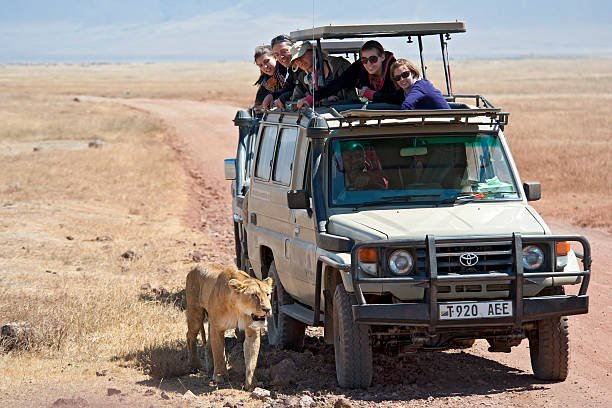
17 Days Kilimanjaro Group Climb Safari And Zanzibar 2026-2027
17 Days Kilimanjaro Group Climb Group Safari and Zanzibar.
View package details
20 Days Northern Circuit Kilimanjaro Safari And Zanzibar 2026-2027
20 Days Northern Circuit Kilimanjaro Safari and Zanzibar.
View package details
19 Days Kilimanjaro Trekking Safari And Zanzibar 2026-2027
19 Days Kilimanjaro Trekking Safari and Zanzibar.
View package detailsNo related package matches those filters. Clear one or more filters to see the other topic-matched options.



