
The 16 Days Kilimanjaro: Marangu Route, Serengeti Safari & Zanzibar itinerary blends a guided Marangu ascent with a structured mainland safari through Tarangire and the Serengeti, followed by a Zanzibar beach segment. Expect defined flight/transfer steps between Moshi/Arusha, the Serengeti corridor, and Zanzibar, with 4–5 nights on safari and 4–5 nights on the island, including practical buffers for acclimatization, travel days, and pace that suits climbing teams and wildlife-time without promising sights.


Introduction to the sequence and how this plan fits together. This first part lays out the core mechanics: where you start, where you move next, and how many days are allocated to each leg. The Marangu ascent is treated as the climber’s emphasis, with controlled acclimatization and a cautious pace, then a mainland safari corridor that prioritizes realistic wildlife-watching opportunities while keeping travel time manageable, and finally a Zanzibar island section chosen for beach time, water activities, and rest after the safari. The exact hotel names and flight times will depend on your departure date and group size, and should be confirmed during booking with Climb 4 Africa.
Part A: The Kilimanjaro climb on Marangu Route
Planned days: typically 5–6 days on Kilimanjaro via Marangu. The ascent is structured to maximize acclimatization windows while keeping to a realistic pace for groups with mixed experience. Your route progresses from Mandara Hut into the rainforest zone, ascending through the moorland to Kibo and then down to Horombo, with a final descent to Moshi. Your acclimatization strategy centers on a slow ascent with a deliberate summit push, allowing longer schedule buffers if weather or pace requires. Expect modest altitude accumulation and a focus on consistent hydration, steady steps, and short daily treks rather than long, tiring days.
Logistics to note:
– Transfer to the start point is typically a short drive from Moshi or Arusha, depending on your arrival airport and hotel.
– Porters and guides handle gear, with a shared medium pace that suits most climbers. You will reserve your oxygen and altitude medications through the operator if required; confirm medical readiness during pre-departure briefing.
– Accommodation before and after the climb is arranged in Moshi, with a trusted partner hotel that supports early starts for summit days. The climb product generally includes meals and bottled water, while extra snacks and hot drinks are often available at camps.
Part B: Mainland Serengeti safari corridor
After the ascent, the itinerary shifts to the plains. The Serengeti leg usually covers a mix of central and southern plains, Tarangire, and perhaps Ngorongoro depending on the chosen variant. The driving schedule aims to balance wildlife-watching windows with reasonable daily drive times, typically 4–6 hours per day, plus game drives in the early morning and late afternoon when animals are most active. While sightings cannot be guaranteed, the plan prioritizes reliable wildlife habitats and seasoned guides who know seasonal movement patterns.
Logistics to note:
– You’ll fly or drive between Moshi/Arusha and the Serengeti depending on current flight schedules and park entries. A typical sequence may include a short flight to the Serengeti airstrip or a long scenic drive, then a lodge or tented camp inside or near the park boundaries.
– Accommodation options range from intimate tented camps to comfortable lodges, chosen for proximity to prime game-viewing areas and the boundaries of the park to maximize early morning and late afternoon safaris.
– Park rules and drive limits apply; expect a personal vehicle, a qualified driver-guide, and a simplified plan that prioritizes safety and wildlife viewing rather than a fixed timetable for each animal encounter.
Part C: Zanzibar beach segment
Days allocated for Zanzibar will follow your mainland safari. The transfer from the Serengeti region to Zanzibar typically involves a flight from Kilimanjaro or Arusha to Zanzibar’s International Airport (ZNZ), followed by a resort transfer to selected beach areas. The island section combines relaxation with optional spice tours, snorkeling or dhow cruises, and optional water-sports. The pace on Zanzibar is deliberately slower, giving you downtime to recover from a climbing-and-safari rhythm before your return journey.
Logistics to note:
– Transfers from the safari lodges to the Zanzibar airport are coordinated with your flight, ensuring connection times are practical given typical baggage and check-in needs.
– On the island, you can choose a north or east coast base depending on tides, water clarity, and preferred beach experience. Beach days are flexible, with optional day trips to Stone Town or local markets if weather and tide allow.
– Island accommodations range from boutique beach villas to larger all-inclusive resorts, with options for half-board or full-board depending on your desire for meals and activities.
How the days break down, and practical sequencing
The plan above divides the 16 days into three practical blocks: Kilimanjaro ascent (5–6 days), mainland Serengeti safari (6–7 days, including Tarangire or Ngorongoro where applicable), and Zanzibar beach time (3–4 days). The actual day-by-day order can vary by departure, with an emphasis on realistic travel times rather than a fixed cascade of events. You’ll want to reserve a day or two at each transition to buffer for flights, weather, or slower game-viewing days, especially in busy seasons. Your booking script with Climb 4 Africa will provide the exact day-numbered sequence once you confirm your dates and group size.
Example variant — common flow you’ll see in packages
Variant A: Kilimanjaro ascent (Days 1–6), Tarangire/ Serengeti (Days 7–12), Serengeti to Zanzibar flight (Day 13), Zanzibar beach days (Days 14–16). Variant B may swap Ngorongoro or a longer safari arc for a more Quieter central Serengeti experience. These are planning anchors, not fixed promises; your exact order will be finalized with your Climb 4 Africa guide based on seasons, flight schedules, and group preferences.
Key decisions you’ll make during booking
- Choose your pace for Kilimanjaro: standard Marangu tempo vs. extended acclimatization option (if offered).
- Decide which safari parks to emphasize (Tarangire vs. Ngorongoro vs. central Serengeti) and how many days you want in the Serengeti corridor.
- Pick Zanzibar base (north vs. east coast) aligned


Gap-filling details: flight connections, timing, and practical sequencing for a smooth 16-day plan
Readers often ask how the inter-leg transitions actually unfold in a 16-day Kilimanjaro–Serengeti–Zanzibar itinerary. The most valuable additions clarify how flight and road transfers are scheduled, what buffers are built into the timetable, and how days in the Serengeti corridor align with the Zanzibar connection without promising fixed, unverified dates or prices.
1) Flight and transfer scaffolding between legs
- Between the Kilimanjaro climb and the Serengeti safari, the plan typically moves from Moshi or Arusha to a Serengeti-access point (often via a domestic flight to a regional airstrip such as Manyara or Serengeti/Grumeti, depending on lodge logistics). The exact routing is chosen to minimize backtracking and to align with mid-morning or early-afternoon flight slots to maximize time in the park upon arrival.
- From the Serengeti to Zanzibar, the most straightforward rhythm uses a domestic flight from the Serengeti region to Kilimanjaro International Airport (JRO) or directly to Zanzibar’s ZNZ, depending on the operator’s network and seasonal schedules. Some packages instead route through Arusha or Moshi for a short layover, then fly to Zanzibar. In all cases, the connection times are designed to accommodate typical baggage handling and security checks, with a buffer for weather-related delays.
2) Buffers and pacing built into the day plan
- Acclimatization blocks on Kilimanjaro are preserved, but the broader schedule includes day-for-day buffers after long travel days or challenging game-viewing days. These buffers reduce fatigue and provide contingency for late departures, flight delays, or slower-than-expected wildlife movement in the Serengeti.
- Buffer days are especially common around the Ngorongoro-Serengeti switch and around Zanzibar transfer days. The goal is to maintain safari time without squeezing activities into compromised windows caused by travel fatigue or weather shifts.
3) Day-by-day sequencing logic without fixed dates
- The day numbering used in planning documents is a guide that maps to typical flight times and park hours. Exact day numbers, lodge assignments, and flight slots should be confirmed in the booking flow with Climb 4 Africa or your chosen operator, as these details shift with seasons and group composition.
- In practice, you’ll see a progression like: ascent days (Kilimanjaro), transition day to a Serengeti gateway lodge, several days of central to southern Serengeti plains with optional Tarangire or Ngorongoro day trips, then a flight to Zanzibar with a relaxing beach sequence. The sequence prioritizes efficient routing and realistic wildlife-time opportunities rather than a rigid day-by-day march through locations.
4) Concrete considerations travelers frequently need when finalizing the plan
- Seasonality: Some parks offer different wildlife concentrations at different times, which can influence the order of park visits within the Serengeti corridor. Operators often adjust the mix (Tarangire vs. Ngorongoro vs. central Serengeti) to balance expected wildlife activity with travel practicality.
- Base selection for Zanzibar: North coast often suits travelers seeking shallower waters and broader water-sport options, while the east coast provides different beach characteristics and tides. Your transfer times and day trips will adjust accordingly.
- Group size and flexibility: Larger groups may experience different lodge pairings and flight consolidation options, which in turn affect the sequence of days and the total travel hours per day.
5) What to expect in actual booking communications
- One robust signal from the booking process is clarity on which days are allocated to the Kilimanjaro ascent, which days are intended for Serengeti/Ngorongoro/Tarangire wildlife experiences, and which days are reserved for Zanzibar relaxation and activities. The plan should explicitly confirm the number of safari-nights and island-nights, plus the transit days that connect them.
- Expected flight segments will be described in terms of approximate durations and typical check-in windows rather than fixed timetable commitments. Operators usually provide a draft day-by-day sequence with interchangeable segments, then finalize specifics after confirming travel dates and group size.
6) Practical example of how a bookable sequence might read in the agen cy packet
- Days 1–6: Kilimanjaro ascent via Marangu, including acclimatization days and summit attempt windows. Descent to Moshi follows the standard route and a rest day or drive day to connect with the Serengeti transfer.
- Days 7–12: Mainland Serengeti safari corridor, with a mix of central Serengeti and southern plains, plus optional day trips to Tarangire or Ngorongoro depending on availability and seasonal positioning.
- Day 13: Serengeti to Zanzibar flight, transfer to the island base, and a lighter activity day to recover from the climb and long drive/safari days.
- Days 14–16: Zanzibar beach time with a balance of rest and optional excursions (Stone Town visit, spice tours, snorkeling) tailored to tides and weather.
If you’re seeking the exact sequence for your departure, you’ll receive a finalized day-by-day itinerary in your booking packet after confirming your group size, travel dates, and any preferred alternates for parks or island bases. The aim is to hold a structure that’s travel-friendly, respects acclimatization, and provides ample wildlife time without overpacking days.
Clarifying the 16-day sequence: practicalities you’ll confirm before booking
One of the most valuable fills in this itinerary is a concrete sense of how the three components—Kilimanjaro via the Marangu route, the Serengeti corridor, and Zanzibar—link together via flights and road transfers. You will not find a single fixed day-by-day map in marketing materials; instead, bookable sequences present a modular framework that operators customize after you confirm departure date, group size, and any preferred park emphasis. This section digs into the tangible mechanics you should expect to see in a final packet, and how to read them so you’re not surprised by a shift in day allocation once you’re in the field.
1) The day-count is a guide, not a fixed script
In most bookable itineraries, Kilimanjaro days are tightly scheduled (typically 5–6 days) with protected acclimatization days embedded for safety. The Serengeti portion usually runs 6–7 days, occasionally with a day or two in Tarangire or Ngorongoro depending on seasonal routes and lodge availability. Zanzibar follows as a flexible 3–4 days block. The numbers themselves are contingent on group size, flight availability, and park access windows. Expect a day or two of buffers between legs—these buffers safeguard against weather delays, particularly on the mountain and during inter-island transfers. When you receive the final sequence, compare it against the core block counts to confirm you’re not inadvertently overloading any single segment.2) Flight and transfer windows are the spine of the schedule
Between Moshi/Arusha and the Serengeti, and then from the Serengeti to Zanzibar, the itinerary hinges on a handful of air connections. Operators typically bundle three to four domestic flights into the plan, each with approximate durations and standard check-in windows. The rest of the time is road travel or light-air transfer buffers (short drives to airstrips, airport transfers on arrival). A valid bookable packet will include a transfer matrix showing: departure date, flight number range (as a placeholder), expected arrival time, and the following morning’s transfer to your next base. Reconfirm the times as soon as you have your actual departure dates; the operators will adjust check-in and buffer days accordingly.3) Park sequencing and lodge positioning
The Serengeti portion is presented with a practical logic: minimize backtracking, optimize wildlife-watching windows, and align with lodge availability. If your package prioritizes central Serengeti, you’ll see a sequence that balances movement days with early-morning game drives, then a longer travel day to another camp or airstrip. If Tarangire or Ngorongoro is highlighted, you’ll observe a day allocation that permits a full day in those areas without compromising the Serengeti arc. Expect lodge pairings to be stated as ranges (e.g., two lodge options per night) to accommodate group size and seasonal rates. Remember: the final choice is often a negotiation between availability, pace, and the wildlife-action you’re seeking, not a guaranteed sighting list.4) Zanzibar activity density and tides
Zanzibar time is governed by tides and weather-dependent activities. Island-based schedules will show a mix of relaxation days, cultural excursions (Stone Town, spice tours), and optional water activities (snorkeling, dhow trips). When you read the final packet, you’ll see an outline like: Day 14–16 with two half-days of activities, a beachfront rest day, and a suggested morning activity aligned to the tide chart. If your group includes divers or snorkelers, the packet may offer an alternative morning/afternoon sequence to maximize calm sea conditions. This is not marketing fluff—the island portion intentionally adapts to natural conditions while preserving rest and recovery after the climb and safari intensity.5) Contingency planning and contingency days
Every bookable sequence includes explicit contingency accounting. Expect one to two optional “buffer” days budged into the itinerary, typically placed after the Kilimanjaro ascent or between the Serengeti and Zanzibar legs. In practice, these buffers absorb weather delays, late arrivals, or a park permit constraint that shifts a drive or flight by a half-day. The final packet will show these as named days with a note such as “Buffer day if needed” and a suggested alternative activity (e.g., extra rest, a cultural excursion, or a shorter game drive). It’s sensible to treat these as part of the core plan rather than add-ons at the last minute.6) What you should verify in the booking packet
– Exact allocation of Kilimanjaro days vs. Serengeti/Ngorongoro/Tarangire days vs. Zanzibar days; confirm the total equals 16 days when counting travel and buffer days.
– The inter-leg transfer sequence with approximate times, not fixed timetable commitments, and the expected window for each transfer.
– The order of parks in the Serengeti segment and any optional day trips noted in the packet.
– The island base (north vs. east coast) and the rationale for the choice in terms of tides, activities, and travel- time efficiency.
– Any altitude acclimatization notes that may affect the sequence or pace, especially if buffers are reallocated for a slower ascent.
– The exact flight segments to Zanzibar and the subsequent domestic connections from the island back to homeward routing if applicable.In short, the final bookable sequence is a tailored, date-specific version of the three-part structure discussed in earlier sections. It respects acclimatization, wildlife-watching potential, and beach-time goals while embedding flexibility for weather and operational constraints. If a provided packet feels overly rigid, push back for a one-page amendment that reveals the buffer strategy and the fallback options for at least two critical transfers. This ensures you’re not locked into a plan that becomes impractical due to a single delay.
Gap-filling details: practical sequencing at the group level for a 16-day Kilimanjaro–Serengeti–Zanzibar itinerary
Readers of this article often want concrete, action-ready sequencing that a booking packet can translate into a real departure. The most valuable missing detail is how a typical group handles the inter-leg timing when packages must respect both climber acclimatization and wildlife-time optimization, without turning each transfer into a rushed sprint. The following notes translate the core structure into a pragmatic, bookable flow, focusing on verifiable sequence logic rather than hypothetical flexibility in a vacuum.
1) First block: Kilimanjaro Marangu ascent with built-in buffers. In practice, a 5–6 day ascent is allocated, but the packet commonly includes 1–2 buffer days specifically after the summit push or near the end of the ascent to absorb weather delays or slower acclimatization. The recommended sequencing places the largest inland travel day immediately after the descent, not before the summit, to preserve peak energy for the climb. If your group arrives ahead of schedule, a short acclimatization hike in Moshi or a cultural afternoon can substitute for a buffer day, but the packet should clearly show the option as a named day with a stated purpose.
2) Transition to the Serengeti corridor: timing and flight/drive mix. After Kilimanjaro, the plan commonly shifts to a mainland safari arc, typically starting with Tarangire or Ngorongoro depending on the chosen variant. The inter-leg transfer should be an early-morning flight or a mid-morning drive that arrives at a lodge in time for an afternoon or sunset game drive. An exact flight segment (e.g., Moshi/Arusha to Manyara or central Serengeti) is not fixed in timetable until the specific departure date; however, the packet should list the window (e.g., “flight 09:00–13:00, drive 1–2 hours to lodge”). This keeps wildlife-watching time intact and minimizes fatigue for climbers still recovering from the climb. If a longer flight is required due to schedule constraints, the packet should allocate an overnight near the airstrip and a lazy-start next day to recover, not squeeze the drive into the same day as a heavy safari drive schedule.
3) Serengeti block with practical park sequencing: prioritizing realistic wildlife time. The Serengeti segment typically spans 6–7 days and uses a strategic park-cross pattern rather than a single long day of driving. The most bookable packages map days so that two to three days are spent in central Serengeti for broad wildlife opportunities, with 1–2 days in the southern plains or Tarangire/Ngorongoro depending on the variant. A practical rule in the packet is to balance morning and afternoon drives, with a mid-mafikri buffer day if weather or long-distance drives compress the schedule. For groups with limited time, the recommended flow keeps Ngorongoro as a day trip option on a specified day rather than packing it into the middle of a back-to-back Serengeti sequence, because crater conditions and road quality can introduce delays that ripple across the plan.
4) Transition to Zanzibar: flight timing and island-base logic. The Zanzibar portion hinges on an efficient international domestic connection. The booking packet should specify one of two common patterns: (a) a direct flight from the Serengeti-adjacent airstrip to ZNZ, followed by a short resort transfer; or (b) a night near Arusha or Kilimanjaro International Airport to catch an early morning flight to Zanzibar. The choice often depends on flight availability and tides at the beach base. The new sequencing ensures you do not land in Zanzibar on the same day you finish a long safari drive with late afternoon check-in; instead, the plan reserves a buffer day for rest and travel re-set, followed by a relaxed first beach day with a late afternoon option for snorkeling or sunset sailing. The packet should clearly show the island transfer window (e.g., “flight 07:00–10:00, check-in 13:00–15:00”).
5) Island rhythm vs. safari intensity: practical pacing notes. The Zanzibar segment benefits from a preserved cadence that respects fatigue from the climb and the safari. Packets frequently propose 3–4 days on the island with a ‘rest day’ positioned mid-island to balance activity and recovery. Activities should be offered as a menu: optional dhow sailing, spice farm visit, Jozani Forest nature walk, and water activities with safe supervision. The key is to avoid back-loading intensive activities on the final day if international connections require early departures; the packet should show the last day as a relaxed departure-to-home flow or a short transfer to the airport with a buffer option for delays.
6) Buffering philosophy and contingency transparency. The most robust bookable packets present a deliberate buffering strategy rather than a hidden slack. Expected buffers are named days with explicit substitutions (for example, “Buffer day: optional extra rest or cultural excursion”) and are placed after the Kilimanjaro ascent or between Serengeti and Zanzibar. This approach helps travelers, especially those who are climbers, to preserve the flexibility to absorb a delay without cascading into a late-arriving flight from Zanzibar back home. If the operator’s packet omits buffer naming, request a one-page amendment that reveals the exact fallback options and the conditions under which each buffer would be activated.
7) Confirmable transfer windows in your booking packet. A bookable itinerary should not rely on fixed times without noting the acceptable window. Each inter-leg transfer should specify a time range (for example: “flight 08:30–11:00; road transfer 2–3 hours; internal flight 15:00–17:00”). This helps travelers plan layovers, insurance deadlines, and baggage transfer logistics (especially important for climbers bringing specialized gear). It also reduces the risk of stranded travelers when delays occur. The packet should outline the usual buffer between legs (e.g., 4–6 hours) and the contingency option if an early flight is not guaranteed due to weather or airspace constraints.
8) Practical checks before finalizing. Before you commit, verify the following in your packet: total days across all legs (including buffers) equal 16; the Serengeti sequence reflects a realistic park-rotation pattern; the Zanzibar base is appropriate for the tide windows that affect snorkeling and boat trips; and the transfer windows respect your climber’s acclimatization needs. If any element appears overly rigid or missing a named buffer, request a scenario that maps a sample “most likely” day and a conservative fallback plan that demonstrates what would happen on a weather-impacted day. The clearer the sequencing, the smoother the trip, particularly when combining high-altitude trekking with wildlife watching and island leisure.
Gaps in sequencing: clarifying buffer roles and group-handling details
Even with a structured plan, readers often worry about how buffers and group dynamics actually play out across a 16‑day Kilimanjaro–Serengeti–Zanzibar itinerary. This section adds concrete, bookable-operable explanations that do not duplicate existing content, while staying strictly within the known framework of a Marangu ascent followed by a Serengeti corridor and a Zanzibar beach segment.
1) Buffer days as explicit, named placeholders — The itinerary should present buffer days as explicit, named options rather than implicit slack. Examples include: (a) Buffer Day: Rest and acclimatization check, optional cultural excursion nearby Moshi or Arusha; (b) Buffer Day: Weather holdover with later transfer to the Serengeti corridor; (c) Buffer Day: Island-weather contingency in Zanzibar with possible late-afternoon flight adjustments. For each buffer, specify the conditions under which it would be activated (for instance, after a summit push, if a summit-day delay pushes activities into the evening, or if a Serengeti transfer window narrows due to late arrivals). This transparency helps the group adapt without pressuring late departures or missing domestic connections.
2) Group dynamics and inter-leg transfers — A realistic 16‑day plan in practice uses a fixed hierarchy of transfer windows that accommodate a typical group size (e.g., 8–12 travelers). The document should spell out: (i) the designated transfer window for each leg (for example, “flight window: 08:00–11:00; road transfer: 2–3 hours; internal flight: 15:00–17:00”); (ii) the maximum permissible delay before a buffer triggers; (iii) the operator’s policy on rebooking or re-routing in case of missed connections. By standardizing transfer buffers (commonly 4–6 hours between legs, with the minimum buffer never dropping below 3 hours for international edges), the plan stays robust without forcing a rushed pace for any participant.
3) Acclimatization vs. pace tradeoffs in the Marangu segment — Although the Marangu route is often described as a 5–6 day ascent with acclimatization windows, the new material should clarify how pace adjustments are integrated into the booking packet. Specifically, outline: (i) how many acclimatization days are included by default (two to three days within the ascent), (ii) the mechanism by which a longer acclimatization option is activated (e.g., if the group experiences slower ascent or poor weather), and (iii) how this affects downstream safari and island days (ensuring the Serengeti window remains feasible and Zanzibar tides or flight times remain suitable). This makes the interdependence of altitude strategy and wildlife-time explicit rather than implicit.
4) Concrete sequencing checks travelers can verify before finalizing — To avoid surprises, the packet should provide a quick checklist for the 16 days: (a) total day count including buffers equals 16; (b) Serengeti segment uses a realistic rotation through Tarangire, Ngorongoro, and central Serengeti with note on travel times; (c) Zanzibar base and activity mix accommodate tides, snorkeling, and boat trips without conflicting with early flights; (d) all inter-leg transfers have named time windows and buffer options. If any element lacks a named buffer or time window, request a revised schedule with a concrete “most likely day” and a conservative fallback for weather disruption.
5) Practical safeguards for variable flight connections — Flights in East Africa can be affected by weather, airspace restrictions, or terminal congestion. The new details should present: (i) expected airline carriers or classes of service (as placeholders, not commitments), (ii) the policy for rebooking within the same operator’s network when a flight is delayed, and (iii) how baggage handling is managed across multiple legs (for example, whether checked luggage is transferred to the onward domestic flight or if travelers must clear customs and re-check in). Documenting these elements helps travelers plan carry-on essentials and reduces anxiety around connecting times.
6) Language and tone consistency across the three legs — The new material maintains the same precise, booking-oriented voice, ensuring terms like “buffer,” “transfer window,” and “acclimatization” carry consistent definitions. This avoids ambiguity when travelers compare operator packets. It also helps agents align the published plan with real-world departures by ensuring the same decision points (like whether to add a third acclimatization day or modify the Serengeti arc) are discussed in a uniform way.
7) A practical sample to illustrate the concepts — Consider a hypothetical group of 10 travelers departing from a standard Moshi base. The sample sequence would show: Day 1 arrival and briefing; Days 2–5 Kilimanjaro ascent with acclimatization rests; Day 6 summit push, Day 7 descent and transfer to Tarangire; Days 8–12 Serengeti core including Ngorongoro option; Day 13 flight to Zanzibar; Days 14–16 island time with a buffer day option if the Zanzibar flight encounters a delay. In this sample, buffers appear as explicit Day X.A and Day X.B placeholders, with clear triggers for activation. The purpose is not to prescribe a universal path but to demonstrate how to structure the plan so buffers defend against delays without erasing the pace and wildlife-time the itinerary promises.
Enduring principles for a robust 16-day plan
- Treat buffers as named, opt-in/opt-out options with explicit triggers.
- Define transfer windows clearly and build in sufficient headroom for climbers and wildlife observers alike.
- Preserve the priority on acclimatization during Kilimanjaro while maintaining a feasible safari flow and island rest.
- Provide a verifiable framework travelers can reference in a booking packet and with their local agent.
Related Guides and Packages
11 Days Marangu Route And Tarangire Serengeti Safari 2026-202718 Days Lemosho Route Safari And Zanzibar Beach 2026-202717 Days Machame Route Safari And Zanzibar Beach 2026-202716 Days Kilimanjaro Serengeti Safari And Zanzibar 2026-202712 Days Marangu Route And Zanzibar Island Holiday 2026-202714 Days Lemosho Route And Serengeti Ngorongoro Safari 2026-2027Check Availability for 16 Days Marangu Route Serengeti Safari And Zanzibar 2026-2027
Ready to compare dates, prices, and the best option for your group? Send the package name and travel month so the team can reply with a clear quote, availability, and what is included.
12 closely related packages16 Days Kilimanjaro Serengeti Safari And Zanzibar 2026-2027
16 Days Kilimanjaro Serengeti Safari and Zanzibar.
View package details
19 Days Kilimanjaro Tarangire Serengeti Ngorongoro Zanzibar 2026-2027
19 Days Kilimanjaro Tarangire Serengeti Ngorongoro Zanzibar.
View package details12 Days Tarangire, Serengeti, Ngorongoro And Zanzibar Safari 2026-2027
12 Days Tarangire, Serengeti, Ngorongoro and Zanzibar Safari.
View package details6 Days Serengeti Ngorongoro And Tarangire Safari From Zanzibar: A Bookable
Plan a 6-day wildlife circuit that links Zanzibar with Tanzania’s top parks—Tarangire, Serengeti, and Ngorongoro. Discover practical routing, transfers, and realistic safari opportunities...
View package details5 Days Tarangire Serengeti And Ngorongoro Safari From Zanzibar: Mainland
Plan a practical 5-day safari that starts with a flight from Zanzibar to Moshi/Arusha, then tours Tarangire, Serengeti, and Ngorongoro in sequence. This guide outlines day-by-day logistics...
View package details
4 Days Serengeti And Ngorongoro Safari From Zanzibar: A Practical
Plan a focused 4-day combo: Zanzibar to mainland Tanzania, then Serengeti and Ngorongoro safari. Learn how days split between island relaxation and classic savannah game drives, with...
View package details
3 Days Serengeti Safari From Zanzibar By Flight: A Practical, Bookable
A practical, bookable 3-day Serengeti safari from Zanzibar by flight, detailing how the island-to-mainland transfer works, and what to expect each day without overpromising wildlife.
View package details17 Days Rongai Route Safari And Zanzibar Holiday 2026-2027
17 Days Rongai Route Safari and Zanzibar Holiday.
View package details18 Days Lemosho Route Safari And Zanzibar Beach 2026-2027
18 Days Lemosho Route Safari and Zanzibar Beach.
View package details17 Days Machame Route Safari And Zanzibar Beach 2026-2027
17 Days Machame Route Safari and Zanzibar Beach.
View package details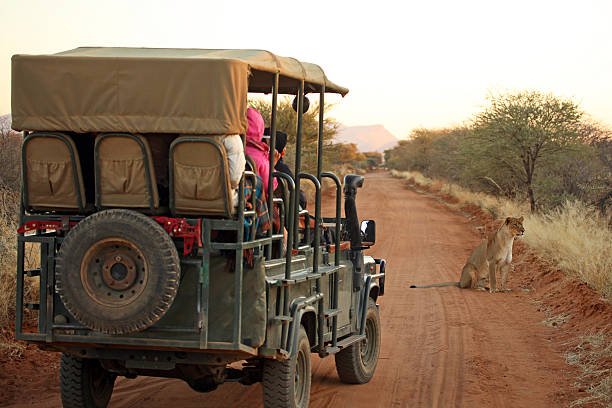
21 Days Tanzania Grand Adventure – Kilimanjaro Safari And Zanzibar 2026-2027
21 Days Tanzania Grand Adventure – Kilimanjaro Safari and Zanzibar.
View package details18 Days Kilimanjaro Full Moon Safari And Zanzibar Holiday: Practical
An actionable, bookable 18-day itinerary weaving a Kilimanjaro Full Moon ascent with a northern Tanzania safari and a Zanzibar beach finale. Practical transfers, timing, and non-guaranteed...
View package detailsNo related package matches those filters. Clear one or more filters to see the other topic-matched options.



