
The 18 Days Lemosho Route Safari and Zanzibar Beach itinerary links a supported Lemosho Kilimanjaro ascent with a guided Tanzania safari followed by a Zanzibar beach stay. A typical flow groups the ascent early on, then a wildlife circuit (Ngorongoro, Serengeti) with a short flight to Zanzibar for several days of island time. Transfers between segments occur by road and short domestic flights; exact day counts vary by departure, but a practical structure is to begin with acclimatization on Lemosho, proceed to a multi‑park safari, then finish with a relaxing Zanzibar beach phase. Availability and prices must be confirmed at booking, with options for pacing and lodging adjusted to group size and flight timings.


Overview of the travel sequence
The plan is built around three linked components: Kilimanjaro ascent (Lemosho route), a Tanzania safari circuit, and a Zanzibar beach conclusion. You should expect an itinerary that starts with the mountain, follows with wildlife viewing in diverse habitats, and ends with a coastal break. Exact days-per-segment are flexible and depend on flight connections and acclimatization needs. This first part lays out the practical flow you’ll discuss with Climb 4 Africa during planning and booking.
Segment 1: Lemosho Route ascent (Kilimanjaro, 7–9 days)
The Lemosho route is chosen for its scenic variety and longer acclimatization window. A typical 7–9 day climb involves arrival in Moshi, gear check, and a steady ascent through forest and moorland to high camps. The objective is to accumulate altitude exposure gradually, with planned rests and shorter summit pushes across multiple nights. Your exact day-by-day progression is set to optimize acclimatization, and nights in comfortable trekking camps balance rugged terrain with rest opportunities. Expect two to three long trekking days, a buffer day for acclimatization, and a final summit push with a midnight departure, followed by a descent back to Mweka Camp and Moshi/Arusha.
Key practical considerations:
- Alternate start dates may shift the sequence slightly to accommodate group sizes and permit windows.
- Diet, altitude medicine protocols, and guide support are tailored to you and reviewed during pre-departure planning.
- Climb 4 Africa emphasizes safety, pacing, and clear communication for acclimatization and weather contingencies.
Segment 2: Tanzania safari circuit (Ngorongoro, Serengeti, Tarangire, 5–6 days)
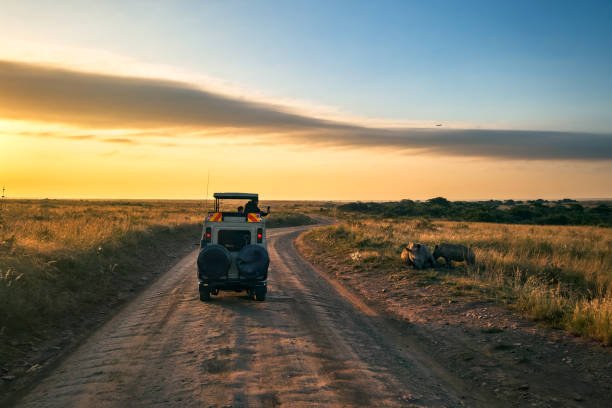
After descending Kilimanjaro, the safari leg typically traverses northern Tanzania’s key parks. A common order begins with Tarangire or Lake Manyara as a gentle intro, then moves to Ngorongoro Crater for a day‑long wildlife experience, followed by Serengeti plains for broader game viewing. Accommodations range from intimate lodges to tented camps, chosen for proximity to wildlife hot spots and road practicality. The safari days are driven by wildlife patterns, not fixed sighting guarantees, and include game drives at dawn and late afternoon when animals are most active.
Practical flow notes:
- Most itineraries require a domestic flight from Kilimanjaro/Arusha to either Manyara or Serengeti airstrips, then road transfers between camps.
- Seasonal factors influence wildlife density and migration corridors; your guide will adjust routes to maximize opportunities while respecting natural habitats.
- Mid-range to luxury lodge options balance comfort with authentic wildlife immersion; upgrades depend on availability and budget.
Segment 3: Zanzibar Beach Break (4–6 days)
A short flight from Arusha or a southern Tanzania gateway lands you on Zanzibar’s coast for a relaxing finish. The beach plan typically includes a couple of full days to recover from the climb and safari while enjoying clear water, spice island culture, and island‑specific activities like snorkeling, dhow sailing, or spice tours. The exact beach base depends on tides, travel pace, and your preferences for quiet coves or lively waterfronts. Booking guidance focuses on a balance between efficient transfers and enough downtime to reset before travel home.
Key choices to consider:
- North Zanzibar (Nungwi, Kendwa) offers wide beaches and busy dining scenes; suitable for active evenings.
- East Coast (Paje, Jambiani) leans toward swimming-friendly shores and more relaxed beachfront vibes, often favored for families or couples seeking downtime.
- Private villas vs. beach resorts: villas give space and flexibility; resorts add on‑site activities and food options.
Logistics: connections, pacing, and transfers
Consolidating three distinct experiences into one 18‑day framework requires careful coordination. The backbone is the sequence: Kilimanjaro ascent first, followed by a multi‑park safari, and concluding with Zanzibar. Transfers between segments are timed around domestic flight schedules and park logistics to minimize layovers. In practice, you’ll likely:
- Fly from Kilimanjaro area to either the Serengeti or Arusha for the safari start, with a buffer day if needed for weather or delays.
- Return from Zanzibar by flight to Kilimanjaro/Arusha corridor or directly to your international gateway depending on routing.
- Choose a pacing that reduces fatigue: shorter safaris or additional acclimatization days can be added if desired.
Accommodations and on‑the‑ground pacing
Across the three segments, a sensible approach keeps you within a comfortable travel rhythm. Expect a mix of comfortable lodges, tented camps, and eco‑friendly stays that respect local communities and ecosystems. The mountain nights will be in fixed trekking camps, while safari nights rotate among different camps with varying viewpoints. Zanzibar stays vary from boutique beachfront properties to larger resorts with included activities.
Booking considerations: what to confirm with Climb 4 Africa
Because availability, timings, and pricing shift, your

When to adjust pacing for acclimatization and how to read a fixed itinerary against real-world variability
One of the most valuable decisions in this 18‑day sequence is how to respond when acclimatization feels longer or shorter than anticipated. The Lemosho ascent benefits from an extended start to the climb, but weather, ground conditions, and the pace of the group can compress or stretch days. A practical approach is to view the day counts as flexible brackets rather than rigid milestones. If a porter‑to‑trekker rhythm yields faster ascent early on, and acclimatization markers (rest days, appetite changes, sleep patterns, and symptoms like headaches) remain stable, the team may opt for a shorter final summit push to avoid fatigue. Conversely, if early days feel strenuous or the ascent stalls, a buffer day can be reintroduced by shifting the schedule’s cadence rather than skipping important acclimatization windows.
For the safari leg, the reading of variability is equally critical. Dry-season clarity, animal movement patterns, and the timing of the Ngorongoro crater floor descent can influence vehicle plans and camp allocations. Guides commonly pace morning game drives when animals are most active and keep afternoons lighter for rest, meals, and transfers. Expect a few optional extensions or slight re-routes within the same park circuit to maximize sightings without deviating from the core structure. The important takeaway is that the itinerary’s three blocks—mountain, safari, and beach—are designed as a framework, not a fixed jail sentence. Your operator should confirm a maximum and minimum day range for each phase, plus a clearly defined contingency window for weather or delays.
How to verify practical connections and avoid timing pitfalls
- Domestic flight buffers: Confirm the minimum layover and the maximum expected transfer time between Kilimanjaro airstrip arrivals and the start of the safari; ensure a buffer day exists for weather‑related delays.
- Ground transfers: Check the vehicle type and seating arrangement for long drives between Tarangire, Ngorongoro, and Serengeti camps; confirm a named driver/guide and a backup plan if a vehicle breaks down.
- Beach interludes: Validate the post‑safari flight routing to Zanzibar, including the possibility of flying into or out of another regional hub if schedules are tight; ensure a recovery day is possible if fatigue accumulates.
- Acclimatization readouts: Establish a simple checklist (headache frequency, fatigue level, appetite, sleep quality) to be reviewed each morning with leaders so that a unified decision on pacing can be made without surprises.
Island timing and tide‑aware activities
On Zanzibar, some water‑based activities are tide dependent. If snorkeling or dhow sailing is a central part of your plan, align the pre‑booked days with local tide calendars to maximize visibility and safety. Lodges with fixed meal schedules or late‑afternoon activities should be prepared to adapt if a preferred beach day requires an early departure for a quiet sunrise; conversely, a late‑day wind can favor sunset walks or cultural tours. Your booking should specify a flexible allocation window for island activities, allowing for a balance between restorative downtime and culturally enriching excursions.
Practical example of a flexible adjustment within the bookable framework
Imagine a scenario where the Lemosho start encounters cloud cover and cooler temperatures that slow the pace, adding a potential extra acclimatization day between camps. The plan could reallocate that day into a morning medical check‑up and a lighter afternoon acclimatization hike, preserving the ascent’s safety while reducing the risk of overexertion. If subsequent days align with a quicker ascent, you can streamline the summit push by consolidating two shorter days into one longer final push, provided the group consensus and guide assessment support the change. In the safari segment, if wildlife activity is slower than expected, the schedule can insert an extra early morning drive and a later return to camp, ensuring you still cover the essential parks but with quieter, more flexible pacing. On Zanzibar, a shift from a full beach day to an additional spice tour can be swapped in without compromising the overall duration, as long as the logistics for flight connections remain intact.
Addressing Practical Gaps: Managing Seasonal Variability and Island Timing for the 18‑Day Lemosho Route Safari and Zanzibar Beach
Readers planning this triple‑phase itinerary often confront questions about how seasonal conditions influence the on‑the‑ground experience, particularly when transitioning from high‑altitude trekking to open‑savanna safaris and then to island beaches. This section identifies concrete, bookable considerations that fill gaps not yet covered in the core framework, focusing on how to adapt within the documented structure without deviating from confirmed sequencing, and without assuming fixed dates, prices, or operator specifics.
1) Seasonal windows and their impact on pacing within a fixed bookable framework — The Lemosho ascent benefits from a flexible acclimatization buffer, but weather, cloud cover, and wind can alter daily progress. In the bookable framework, request a defined acclimatization day range (for example, a maximum of two consecutive rest/adjustment days within the ascent’s early phase). This preserves safety while offering the guide and crew permission to adjust pace as cloud/climate conditions shift. For safari legs, ask your operator to segment the northern circuit into two viable windows: a best‑case “core activities” window and a contingency window that preserves the same park sequence but allows for an extra early morning drive or a later return if animal activity is subdued or if a key vantage point experiences weather constraints. On Zanzibar, align activity blocks to tidal windows only when bookings can formally reflect them; otherwise, secure a flexible‑days clause that permits shifting an island morning expedition to an afternoon slot when tides alter visibility or vehicle access.
2) Concrete transfer timing and day‑by‑day constraints you can confirm with your operator — The trip hinges on multiple transport modes: road transfers among Tarangire, Ngorongoro, and Serengeti camps, plus domestic flights from northern hubs to Zanzibar. In the booking packet, insist on: (a) a named, alternate driver/guide for each long road segment, (b) documented maximum driving hours per day (commonly 4–6 hours with breaks for refreshments and scenery), and (c) explicit buffers for weather delays, fuel stops, and vehicle reliability. For flights, require minimum connection times that include a buffer hour on the ground for terminal transfer and security checks, and a guaranteed later flight option in case a domestic schedule shifts by 1–2 hours. These are not “promises” but verifiable constraints you can lock into a formal amendment or addendum to the original contract.
3) Acclimatization readouts as a practical lifecycle, not a one‑time test — The airway to a successful summit is incremental data. Establish a brief, standardized checklist that guides morning briefings with guides: headache frequency, sleep quality, appetite, fatigue level, and perceived exertion on the previous day. The manifest should specify thresholds that trigger a planned pause (for example, if a headache ≥ twice in three days or sleep quality consistently poor, insert an acclimatization adjustment). Similarly, safari pace should be guided by morning animal activity indicators (e.g., cooler hours yield more wildlife movement; if sightings are unexpectedly sparse, adjust by swapping a mid‑day rest period for a pre‑sunrise drive). For Zanzibar, implement a cadence that protects rest recovery after intense days, such as a fixed recovery day after the safari before hitting the spice markets, to prevent burnout and maintain engagement with island activities within the same booking window.
4) Island activity planning that respects tide calendars while honoring a fixed itinerary structure — The Zanzibar segment in your plan can be sensitive to tides, but the core bookable sequence should not rely on tide‑dependent activities as defaults. Instead, coordinate with the island operator to place two to three pre‑blocked activity blocks per day: (a) a morning reef snorkel or cultural tour, (b) a spice farm visit, and (c) a sunset beach promenade or dhow cruise. Then embed a flexible option: if a tide window for snorkeling is poor on a chosen day, swap in a museum visit or a cooking class. Ensure that the flight connection to the onward departure is preserved; if a tide‑driven activity is delayed, the operator should have a ready backup plan that keeps the overall day length within a pre‑agreed range and preserves the subsequent transport times to the airport or hotel transfers.
5) Practical documentation: what to request in writing — To avoid ambiguity, assemble a compact addendum that includes: (i) the explicit day count for each segment (as per your confirmed booking, not a generic template), (ii) the buffer days allocated for acclimatization and weather variances, (iii) the range of acceptable pace adjustments for both trekking and driving days, (iv) the tide‑aware activity schedule for Zanzibar with alternatives, and (v) the process for making on‑the‑ground changes (who must approve, how changes are communicated, and how costs are managed). A well‑structured addendum will become a practical reference when the group is in transit, preventing misinterpretations of “optional” vs. “required” adjustments and ensuring all travelers share a consistent understanding of the plan.
6) Safeguarding group dynamics within a bookable framework — In mixed‑pace groups (different fitness levels or acclimatization rates), it helps to establish a preferred‑pace policy: leaders agree on a maximum difference in daily distance between the fastest and slowest sub‑groups, with a mid‑day regroup point. On the mountain, this often translates into a two‑tier pacing approach (stronger hikers push to higher camps with the main group, while a parallel, slower team remains in forest/clay terrain with a guide). On safari, diversify vehicle‑based experiences by rotating observers so that all participants have equal chances to witness wildlife without crowding or fatigue. On Zanzibar, staggered activity blocks across the day reduce the risk of fatigue compounding across the itinerary, especially after long transport days or early game drives.
These practical, bookable refinements maintain the trip’s core sequence while acknowledging the realities of travel: weather variability, logistics hiccups, and the diverse rhythms of a multi‑phase adventure. They are designed to be captured in a formal addendum or revised itinerary from Climb 4 Africa, ensuring every participant travels with clear expectations and a defensible plan for adjustments that do not compromise safety or the overall experience.
Managing Seasonal and Island-Specific Gaps in Timing for a Bookable 18‑Day Lemosho Route Safari and Zanzibar Beach
Readers planning this triple‑phase itinerary often confront gaps between the idealized bookable framework and the realities of seasonal variability and coastal tide schedules. The most valuable practical addition to the published plan is a clearly defined, seasonally aware gap‑management approach that remains faithful to the three‑segment sequence while preserving safety, pacing, and group cohesion.
First, anchor the calendar to the two most impactful windows: peak dry season for mainland wildlife viewing and the best practical window for Zanzibar beach activities. In northern Tanzania, wildlife visibility tends to improve during the classic dry season (roughly late June through October and a shorter period in January–February). However, this does not guarantee perfect conditions every year, and some departures will encounter short rain spells or cloud cover. The bookable framework should therefore explicitly designate a primary and a secondary window for the safari segment, with a built‑in fallback plan that preserves drive times and flight connections to Zanzibar.
Second, align Zanzibar timing with predictable tidal and wind patterns that influence snorkeling, dhow sailing, and beach‑based excursions. The most tide‑sensitive activities—snorkeling at certain reefs, low‑tide explorer walks, or coastal fishing experiences—benefit from a local tide calendar. In practice, the bookable plan should earmark specific dates for tide‑dependent activities and offer alternatives for days when tides or seas are unfavorable. Alternatives might include inland spice‑farm visits, island‑culture experiences, or short, sheltered water excursions that still deliver the Zanzibar experience without compromising safety or schedule adherence.
Third, create a repeatable, low‑friction mechanism for on‑the‑ground adjustments that do not cascade into major cost or time penalties. The optimal approach is to define three tiers of adjustments: minor (same day clock changes that do not alter transfers), moderate (one‑day shifts within the same segment, with updated transfer logistics), and major (re‑routing or additional buffers that require operator approval). Each tier should come with explicit decision rights, communication protocols, and a documented impact on pacing and cost. This clarity reduces disputes and keeps the plan defensible when contingencies arise, whether due to weather, air‑traffic delays, or logistical hiccups with camps or lodges.
Fourth, document concrete, bookable alternatives within each segment. For the Kilimanjaro ascent, increase the range of acclimatization days (within the confirmed day count) and provide clearly defined triggers for adding a rest day, moving to a lower camp, or shortening a hiking day due to altitude symptoms. For the safari, offer a paired itinerary option that swaps Ngorongoro Crater and Serengeti stops if road conditions or wildlife movement patterns suggest a more efficient route. For Zanzibar, pre‑arrange a short list of tide‑dependent activities with weather‑neutral substitutes so that the overall day length stays within the agreed range and transfers to airports or hotels remain reliable.
Finally, empower travelers to verify the trip’s “bookable” status in real time with a concise, written addendum that accompanies the core itinerary. This addendum should reiterate the three‑segment sequence, the fixed overall duration, the guaranteed transfer windows, and the operator’s policy for weather or tide‑driven changes. The practical benefit is a shared, enforceable understanding among all participants and the local teams, reducing friction when last‑minute adjustments become necessary.
Addressing Practical Gaps: Island Timing and Flexible Domestic Connections
Readers already planning an 18‑day Lemosho Route Safari and Zanzibar Beach will benefit from a deeper look at the practical gaps that often arise between the bookable framework and on‑the‑ground realities—particularly when island timing, tides, and remote park logistics intersect with fixed safari start dates. The goal here is to illuminate concrete, bookable options that preserve pacing, avoid cascading delays, and maintain the trip’s core sequence without overpromising on adventures that depend on variables outside the operator’s control.
First, acknowledge the three‑segment backbone and the potential fragility of transitions. The Kilimanjaro ascent has the most rigid acclimatization constraints; the safari relies on wildlife movement and road conditions that may shift within a broad, acceptable range; the Zanzibar end can hinge on tide windows and weather. The bookable framework should explicitly show where you have built in buffers and where you have identified viable alternatives that do not derail the overall duration or the essential transfer windows.
On the island, tide calendars should inform pre‑booked activities that are sensitive to water depth and wave conditions. A practical approach is to map each requested tide‑dependent activity to at least one weather‑neutral substitute that can fill the same half‑ or full‑day block. For example, if a preferred snorkel excursion is canceled due to low visibility, a spa or cultural heritage visit to Stone Town, a spice farm tour, or a sheltered water‑based activity such as calm‑water glass‑bottom boat trips can keep the day balanced without introducing new transfer risks or delaying the following flight to the mainland. This keeps the Zanzibar phase flexible yet predictable, ensuring you do not end up stranded with a partially unused day or a rushed transfer.
Second, define and publish concrete tiered adjustment protocols that can be invoked without renegotiating the entire itinerary. A three‑tier framework—minor, moderate, and major—should be part of the bookable addendum and the traveler briefing. Minor adjustments are same‑day clock changes that do not affect transfers (for example, shifting a start time at a camp or adjusting a local activity within a fixed day). Moderate adjustments move within the same segment (such as exchanging a day of Tarangire for a day of Lake Manyara while keeping the Nyumba ya Mungu transfer order intact) with updated logistics and potential minor cost implications. Major adjustments involve re‑routing or adding an extra buffer day, requiring operator approval but still anchored to the same three‑segment goal; a written clause should specify when weather, flight delays, or park access limitations trigger these changes. Clear decision rights—who can authorize, how to communicate, and how costs are prorated—prevent friction when real‑world variability bites.
Third, document a compact set of bookable alternatives within each segment that are truly plug‑and‑play. For Kilimanjaro, offer a confirmed set of acclimatization days that can be lengthened or shortened within the same price tier and with reallocation of meals or rest days at the same camps. For the safari, include a paired route option that allows swapping Ngorongoro Crater and Serengeti segments if road conditions or wildlife patterns indicate a more efficient movement path within the same total days. For Zanzibar, pre‑approve a short list of tide‑dependent activities with weather‑neutral substitutes plus a contingency plan that preserves the overall day count and airport transfers. This approach ensures that the trip remains bookable, even when a single segment must flex due to external conditions, without triggering a cascade of rebookings.
Fourth, strengthen the communication loop with the operator and local teams by codifying real‑time status checks into the plan. A simple three‑check system—arrival status, transfer readiness, and segment‑specific readiness—keeps all parties aligned. If a Kilimanjaro port of entry delays a driver, the plan can automatically trigger a Major or Moderate adjustment, with a pre‑defined compensation or rebooking protocol where permissible. For the Zanzibar end, a daily tide and weather briefing shared with the guest team reduces the likelihood of last‑minute cancellations or suboptimal activity choices on the last day, when travel fatigue is common and you want to optimize the final impression of the trip.
Fifth, ensure the bookable addendum remains a living document that accompanies the core itinerary. The addendum should reiterate the three‑segment sequence, the fixed overall duration, the guaranteed transfer windows, and the operator’s policy for weather or tide‑driven changes. It should also list the exact triggers for minor, moderate, and major adjustments, with contact points and expected timelines for approval. A concise, written addendum provides a defensible framework for all participants and local teams, reducing friction when contingencies arise and ensuring that the trip remains feasible within the stated 18 days.
In practice, this gap‑discovery emphasis yields a more robust, traveler‑friendly plan: one that preserves the intended sequence, respects acclimatization needs on Kilimanjaro, honors the wildlife‑focused logic of the Tanzanian parks, and delivers a tide‑aware, culture‑driven Zanzibar finale without becoming hostage to weather or sea conditions. The result is a trip that reads as a cohesive, bookable schedule, with practical, clearly defined levers for adjustments that keep you within the original time frame while preserving safety, pacing, and value.
Gaps in Practical Timing: Island Transfer Windows and Contingency Sequencing
One practical question readers often raise is how to align the three-part itinerary when external conditions collapse the ideal sequence. The bookable plan hinges on three anchored segments—Kilimanjaro ascent, a guided Tanzania safari circuit, and a Zanzibar beach finish—but weather, road quality, or domestic flight reliability can nudge the days without materially changing the total duration. A focused gap to fill is how to structure transition buffers so that the trip remains bookable and cohesive even when a single leg temporarily shifts.
To address this, the following concrete framework is offered for readers and planners: create a fixed, minimum-transfer window between segments that is guaranteed by the operator, and predefine a small set of locally acceptable substitutes for each leg. For example, if the Kilimanjaro start runs long due to weather delays or acclimatization variance, allow a single optional shift that reclaims a waking-day for briefing and medical checks, and then uses a late afternoon drive to a predesignated, weather-stable camp further along the Lemosho route. The corresponding Zanzibar day is adjusted not by removing activities, but by swapping a tide‑dependent afternoon into a morning block with a compensatory rest period later in the day. These substitutions preserve overall pacing and ensure that transfers remain within the bookable windows.
Concrete, bookable levers to manage such gaps include:
- Guaranteed transfer buffers: codify a 24–36 hour buffer around each segment transition (e.g., Kilimanjaro to safari, safari to Zanzibar) that the operator commits to honoring, with pre-approved alternative routing if a delay arises. This prevents cascading delays that would otherwise threaten domestic connections or arrival metrics.
- Pre-approved substitution decks: maintain a small library of activity alternatives by segment. For Kilimanjaro, substitutions might include an extra acclimatization day with enhanced medical checks or a shorter summit push if conditions require. For safari, alternatives could be a full-day game-viewing drive instead of a mid-day rest, or a partial day focused on birding from a fixed lodge vantage. For Zanzibar, options include choosing between a reef snorkel, a spice farm visit, or a museum-based culture day when the tide or weather is unfavorable.
- Tide-aware sequencing within Zanzibar: tie each activity to a narrow tide window, but pair it with a guaranteed backup indoor or sheltered activity so that a canceled water-based session does not erode the day count. In practice, pre‑approve two tide-dependent activities and two replacements that can be swapped in with no impact on airport transfer logistics.
- Fixed, named contingency contacts: assign clear on-ground points of contact for each segment, with a short, rapid-approval pathway (phone or messaging) to authorize minor and moderate adjustments within a predefined time frame (e.g., 4–6 hours). This minimizes delays caused by back-and-forth approvals and keeps guests connected to the original schedule.
- Documentation of decision thresholds: a compact addendum specifies what constitutes a minor, moderate, or major adjustment, and who approves them. Examples: minor = slight delay < 2 hours; moderate = weather-related reroute within the same country; major = cancellation of a domestic flight requiring overnight rebooking. Such thresholds keep the plan defensible and transparent for guests and local teams.
In practice, this approach preserves the three‑segment logic while acknowledging real-world variability. The Kilimanjaro leg remains the acclimatization cornerstone; the safari follows with wildlife opportunities that are robust enough to withstand short calendar shifts; and Zanzibar remains a flexible, tide‑aware finale that can absorb a timing shuffle without compromising the overall experience or the essential airport Transfer windows. The outcome is a bookable itinerary that prioritizes safety, pacing, and value, rather than a rigid day‑by‑day script that cannot bend to reality.
Related Guides and Packages
Check Availability for 18 Days Lemosho Route Safari And Zanzibar Beach 2026-2027
Ready to compare dates, prices, and the best option for your group? Send the package name and travel month so the team can reply with a clear quote, availability, and what is included.
17 Days Machame Route Safari And Zanzibar Beach 2026-2027
17 Days Machame Route Safari and Zanzibar Beach.
View package details17 Days Kilimanjaro Climb Safari And Zanzibar Beach 2026-2027
17 Days Kilimanjaro Climb Safari and Zanzibar Beach.
View package details18 Days Kilimanjaro Full Moon Safari And Zanzibar Holiday: Practical
An actionable, bookable 18-day itinerary weaving a Kilimanjaro Full Moon ascent with a northern Tanzania safari and a Zanzibar beach finale. Practical transfers, timing, and non-guaranteed...
View package details
20 Days Ultimate Tanzania Kilimanjaro Safari And Beach 2026-2027
A complete 20-day, bookable Tanzania itinerary weaving Kilimanjaro ascent, northern safari circuits, and a Zanzibar-style beach finale with practical logistics and real-world pacing.
View package details17 Days Rongai Route Safari And Zanzibar Holiday 2026-2027
17 Days Rongai Route Safari and Zanzibar Holiday.
View package details
16 Days Marangu Route Serengeti Safari And Zanzibar 2026-2027
16 Days Marangu Route Serengeti Safari and Zanzibar.
View package details21 Days Tanzania Grand Adventure – Kilimanjaro Safari And Zanzibar 2026-2027
21 Days Tanzania Grand Adventure – Kilimanjaro Safari and Zanzibar.
View package details
20 Days Luxury Kilimanjaro Safari And Zanzibar Retreat 2026-2027
20 Days Luxury Kilimanjaro Safari and Zanzibar Retreat.
View package details
18 Days Kilimanjaro Trek Budget Safari And Zanzibar 2026-2027
18 Days Kilimanjaro Trek Budget Safari and Zanzibar.
View package details
17 Days Kilimanjaro Group Climb Safari And Zanzibar 2026-2027
17 Days Kilimanjaro Group Climb Group Safari and Zanzibar.
View package details
20 Days Northern Circuit Kilimanjaro Safari And Zanzibar 2026-2027
20 Days Northern Circuit Kilimanjaro Safari and Zanzibar.
View package details
19 Days Kilimanjaro Trekking Safari And Zanzibar 2026-2027
19 Days Kilimanjaro Trekking Safari and Zanzibar.
View package detailsNo related package matches those filters. Clear one or more filters to see the other topic-matched options.



