
start a concise, bookable 3 Days Luxury Serengeti Fly-In Safari from Zanzibar by starting with a domestic flight from Zanzibar to the Serengeti corridor, then a shared or private road transfer to a premium lodge or camp near central Serengeti. Expect two days of guided game drives, a structured but relaxed schedule, and a smooth return chain back to Zanzibar or onward Tanzania extensions; actual flight times and camp choices are confirmed at booking and can vary by season.

nn
Getting from Zanzibar to the Serengeti: the practical bridge
n
Plan for a domestic flight from Zanzibar to a Serengeti airstrip (commonly Serengeti/Grumeti or Keekorok depending on operator routing). After landing, a short road transfer (often 30–90 minutes) delivers you to your boutique lodge or luxury tented camp. The sequence is fixed in principle for a 3-day package, but exact airstrip and lodge choices depend on your departure date, group size, and availability. This leg is the critical transition: you’re trading a long overland safari for efficiency and comfort, with a focus on wildlife exposure within Serengeti’s core areas.
nn
What to expect on the flight leg
n
Domestic flights are typically daylight-operated to maximize wildlife visibility and minimize delays. Check luggage limits and whether your checked baggage includes a complimentary soft-sided bag for vehicle transfers. Many operators provide a light snack and water onboard; formal inclusions depend on the carrier and season. If a flight-in portion is delayed, your lodge can often re-time afternoon activities without compromising the overall itinerary.
n
nn
Day 1: Serengeti arrival and first light on the plains
n
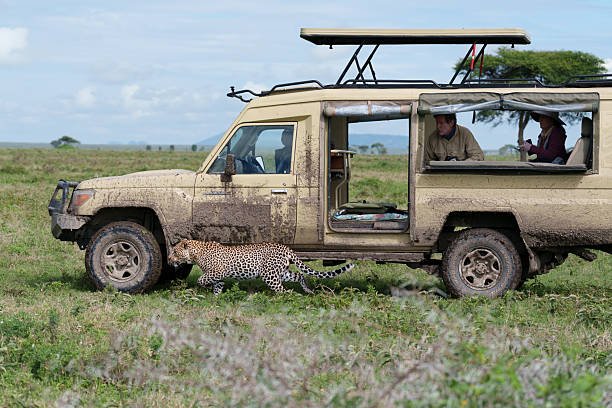
Arrival at the Serengeti airstrip is followed by a short drive to your lodge or mobile camp. After freshening up, start an afternoon game drive oriented toward the central Serengeti ecosystem. Your guide will read the day’s animal movements, terrain, and light for photography, without promising specific wildlife. Expect open savannah, potential riverine landscapes, and chances to see lions, cheetahs, or elephants depending on location and season. The lodge or camp atmosphere matters: polished comfort, attentive staff, and reliable in-camp dining can significantly affect your experience after flight fatigue.
n
nn
Day 2: Full-day Serengeti exploration with a classic morning/afternoon rhythm
n
The day unfolds with a dawn game drive, which is the prime wildlife window, followed by a relaxed brunch back at camp. A second game drive in the late afternoon targets cat and herbivore activity as temperatures cool. Your route is curated to minimize long drives and maximize prime wildlife corridors; exact sightings remain unpredictable, but your guide will explain the terrain and behavior you observe. Evening can include a fireside safari briefing, stargazing, or a light late-afternoon walk depending on safety rules and lodge policy.
n
nn
Day 3: Final morning drive and transfer back toward Zanzibar
n
A final early-morning game drive or a relaxed morning at camp precedes a mid-morning transfer to the Serengeti airstrip. Flights back to Zanzibar or connections to other Tanzania destinations are arranged by your operator, with transfer times that respect airline schedules. If you’re continuing to Zanzibar, you’ll likely reconnect with a return flight from a Serengeti airstrip to Zanzibar, sometimes via Kilimanjaro or Arusha depending on routing. Your safari concludes with a sense of pacing that respects both wildlife and travel comfort.
n
nn
Logistics that matter: staying realistic about the plan
n
1) Flight and transfer timing: ground transfer times depend on flight arrivals and airstrip location; stay flexible with post-safari connections. 2) Accommodations: choose premium lodges or mobile camps that align with Serengeti zones (central vs. northern/southern corridors) to optimize wildlife opportunities and driving times. 3) Guides and vehicle type: a private vehicle offers tailored itineraries, while a shared vehicle can be more economical; discuss group size and expectations in advance. 4) Seasonal considerations: wildlife patterns shift with rain; while you can’t guarantee sightings, you can optimize routes for likely animal activity. 5) Beach extension: if Zanzibar is your end destination, confirm transfer logistics back to the island and check tide windows for any post-safari beach time you want to add.
n
nn
Booking considerations and next steps
n
Because exact flight schedules, lodge allocations, and availability vary by date, confirm your 3-day plan with a Tanzania specialist who can lock in airstrips, camps, and transfers. Ask for a clearly defined sequence: Zanzibar departure, Serengeti arrival, two guided drives, and Zanzibar return. Clarify inclusions (meals, drinks, park fees, laundry), as well as what is not included (international flights, visas, optional activities). A well-constructed itinerary prioritizes efficiency, comfort, and a genuine Serengeti experience without overpromising wildlife outcomes.
n


Expanding the sequence: practical flight timings, airstrip logistics, and stay-type nuances for a 3-day Serengeti fly-in from Zanzibar
To make the three days genuinely bookable and non-repetitive, this section concentrates on the concrete, experience-level details that readers must confirm with their Tanzania specialist before booking. It builds on the existing framework by clarifying how the day-by-day flow typically unfolds in practice, without assuming fixed assets or guarantees. The aim is to bridge the remaining practical questions a traveler would ask after reading the core itinerary: how the airlinks align with camp logistics, what to expect in terms of movement times, and what kinds of accommodations best suit a tightly packed, premium Safari fly-in.
Airstrip-to-lodge transitions: what actually happens on arrival day
On arrival day, Serengeti airstrips vary by operator routing. Common options include the central Serengeti (Seronera) or northern corridors around Grumeti, with occasional Keekorok or other regional strips used for feeder connections. The handoff from airstrip to lodge typically involves a short road transfer, often 30–90 minutes, depending on the airstrip location and the camp’s proximity. Expect a welcome transfer in a climate-controlled vehicle, with the lodge team or your guide meeting you near the aircraft and guiding you through a quick luggage hand-off to the vehicle. While the exact vehicle type and branding depend on your operator, premium lodges generally deploy comfortable 4x4s with extra legroom for two to three guests, ensuring a smooth, low-stress start to the safari.
Day structure realism: how two half-day drives translate into wildlife exposure
The classic two-driver model often emphasizes a dawn first drive to catch cat and herbivore activity before the heat. In practice, the morning drive is usually 3–4 hours, with a mid-morning return to camp for a light snack, tea or coffee, and a shaded break. A second drive in the late afternoon tends to run 2.5–3.5 hours, returning as light softens. While sightings are never guaranteed, a well-planned route will focus on areas known for cross-boundary movement, river systems, and feeding grounds that historically yield diverse predator-prey interactions. Your guide may adjust to light conditions, road availability, and wildlife behavior, so flexibility remains a key part of the experience rather than a deviation from the plan.
Accommodations: what to expect from premium lodges versus mobile camps in a 3-day window
Premium lodges offer permanent infrastructure, consistent dining schedules, and spa-like amenities that help you decompress between drives. Mobile camps, by contrast, provide a lighter footprint with fewer fixed structures and a shifting canvas of tents; the benefit is often closer proximity to high-wildlife activity and a more intimate, seasonal setting. In a three-day itinerary, your stay type influences the pace: lodges tend to support a steadier rhythm with predictable meals and spa options, while mobile camps can deliver a more expeditionary feel with dynamic routes and grazing grounds. In either case, expect en-suite bathrooms, reliable electricity, and private guides/vehicles as standard inclusions for luxury tiers.
Be mindful of flight timing and the need for buffer in connections
Domestic flight schedules can shift due to weather or air-traffic considerations. A practical packing and timing strategy is to keep a modest buffer between your Serengeti return and any onward connections (whether to Zanzibar, Kilimanjaro, or other Tanzania destinations). Your operator should provide a clearly defined sequence with set windows for airstrip transfer to your chosen camp, then a later return from the airstrip to an airport for your domestic flight. If your plans include a beach extension in Zanzibar, confirm the return leg’s timing with both the Serengeti operator and the Zanzibar branch to avoid overnight delays or rushed transfers.
Food, drinks, and inclusions: what to expect on a tightly scheduled three days
Inclusions vary by property and season, but most 3-day fly-in packages include in-camp meals, non-alcoholic beverages, and national park fees. Some itineraries offer a light breakfast or brunch upon return from the dawn drive and a formal dinner in the evening. If you have dietary restrictions, communicate these during the booking stage and again at check-in to ensure kitchen staff can accommodate. Laundry service and limited spa treatments may be offered at lodges, but mobile camps sometimes have more limited facilities; confirm what’s included and what carries an additional charge. A practical tip is to plan for a small, non-liquid light snack for long drives if you have specific energy needs, though most operators provide refreshments on the vehicle during game drives.
Safety and guide quality: aligning expectations with a premium Serengeti experience
Quality indicates a high level of local knowledge, safety standards, and conservation ethics. Luxury operators typically pair you with a seasoned guide who specializes in Serengeti ecology, predator-prey dynamics, and photographic opportunities, plus a backup guide in larger groups. Vehicle safety features, emergency communication gear, and park compliance (permits, driver codes) are standard. If you prefer a private guide or a specific vehicle configuration (e.g., open-top roof for photography), state this during booking and confirm availability. Remember that wildlife behavior is variable and cannot be controlled, but experienced guides can maximize opportunities within the given window without compromising safety or conservation rules.
Beach-time considerations: when and how much Zanzibar reset fits into a 3-day plan
If a Zanzibar beach extension is included, the post-safari sequence typically involves a domestic flight back to Zanzibar via the same or alternate route as the inbound journey. Some itineraries incorporate a night or two on the coast to decompress after the plains, with transfers arranged to align with international or domestic flight schedules. The practical constraint is ensuring you have a comfortable buffer for potential delays and that you do not overextend the overall trip, which might otherwise compromise the quality of the early travel days. Your specialist can tailor the extension to suit tide windows, spa experiences, or private beach access, while preserving the core Serengeti experience.
What to confirm before you finalize: a compact pre-book checklist
- Airstrip options and lodge/camp assignments for both Serengeti entry and exit; ask for a map showing the exact driving routes and approximate times.
- Vehicle type, guide pairing, and whether the trip includes a private vehicle for your party or a shared arrangement.
- Inclusions and exclusions: meals, beverages, park fees, laundry, and any discretionary tips.
- Flight times and connections for the Zanzibar leg, including contingencies for delays and how they are handled.
- Dietary needs, special occasions (e.g., anniversaries, birthdays), and any accessibility considerations.
By focusing on these practical, bookable details, readers can approach a 3-day Serengeti fly-in from Zanzibar with clarity: the core structure remains two guided drives and a smooth flight-based transition, but the real day-to-day experience hinges on airstrip choices, camp style, and the pace set by your guide and host property. The value of the plan lies in the accuracy of the logistics, not in overpromising wildlife outcomes; the emphasis remains on efficient transitions, high comfort, and authentic Serengeti exposure within a tightly managed schedule.
Unpacking the 3-Day Rhythm: a practical add-on for the Zanzibar–Serengeti fly-in
With the 3-day Serengeti fly-in from Zanzibar presented as a tightly choreographed sequence, travelers often ask how the logistics translate into real-world moments on the ground. This section adds a focused, bookable detail—not a repetition of the day labels—that clarifies the cadence between air, road, and lodge, and how each transition can influence the quality and pacing of your three days. The aim is to illuminate concrete choices you can verify during booking, without venturing into speculative wildlife outcomes.
Airstrip logistics sometimes become the unseen hinge on a short-duration safari. In practice, the Serengeti corridor operates with a handful of common airstrips (Seronera, Grumeti, or Keekorok in some itineraries), each serving distinct lodge clusters. The actual strip used for your trip should be specified in your confirmation, alongside the expected drive time to your lodge from that strip. A credible operator will map your route as a function of your group size and the prevailing schedule, not as a generic template. If your party arrives late in the day, the transfer to camp may be condensed into a single, smooth handover, with a brief orientation at the lodge in lieu of an additional drive that afternoon. Conversely, a mid-morning Serengeti arrival can enable a longer first drive that afternoon, should aviation timing permit.
When you’re comparing options, ask for a clear sequence diagram that ties: Zanzibar departure time → Serengeti airstrip → lodge transfer time → first or second drive time window. A robust plan will show you two key buffers: one for airstrip-to-lodge transfer variability (often 30–90 minutes, but can be longer in peak seasons) and a second for drive routing decisions (central versus northern or southern ecotypes) that may adapt to animal movement or weather on the day. The mobility of the schedule is not about chasing sightings, but about preserving the two-daily-drive structure while accommodating the realities of flight punctuality and local road conditions.
Dining and rest cycles are a practical lever in a tight itinerary. Expect a lodge to offer a light recovery snack or tea upon arrival, followed by a curated early-evening briefing before the first sundowner and dinner. If your arrival coincides with a late-afternoon driving window, the guide team may prefer a shorter, focused drive with a strong emphasis on the central plains’ scenery and general wildlife activity, rather than a full 3–4 hour transit that would erode recovery time. In contrast, a morning arrival can find a longer second drive on Day 2, maximizing prime light for photography and a broader cross-section of habitats, especially if the plan includes a central Serengeti focus. Clarify with your guide or host property whether you will have a private vehicle for your party or a shared arrangement, as this affects drive duration, personal pace, and the opportunity to tailor viewpoints along the route.
Mobile camps versus premium lodges have distinct implications for this exact 3-day window. A mobile camp typically presents tighter cadence between meals and drives, with simpler, fewer fixed structures and a higher focus on the immediacy of wildlife encounters. A premium lodge often provides more structured dining times, spa-like amenities, and a predictable late-afternoon reorientation, which can help you recalibrate after the first day’s transitions. If you’re balancing a flight-centric agenda with the desire for a more in-depth Serengeti feel, discuss how the lodge type influences drive lengths, rest periods, and the ability to tailor routes for your interests (cats, plains wildlife, or bird activity) within the safe, conservation-aligned framework of the park rules.
Finally, the Zanzibar leg matters in how you approach the remaining days after the Serengeti. A well-structured plan acknowledges the possibility of flight delays returning to Zanzibar and builds in a modest buffer for onward travel. In practice, this could mean arranging an earlier outbound connection or selecting a Zanzibar-based extension that aligns with your international flight times rather than forcing a same-day return to the airport. The practical outcome is that you leave with a clear, runnable sequence that reduces the risk of a pressured return while preserving the essential Serengeti experience: two guided drives, efficient transitions, and a coherent, bookable framework for a three-day wildlife horizon that begins and ends with air travel rather than driven distances.
Unpacking the 3-Day Rhythm: a focused add-on about timing, pacing, and on-the-ground realism
Readers often ask how to translate the three calendar days into concrete, savannah-facing moments without feeling rushed or overbooked. This brief, bookable add-on digs into the practical cadence you’ll actually experience, with emphasis on timing, pace, and how to synchronize flight legs with game-viewing windows in a way that respects Serengeti realities and the Zanzibar return plan.
First, the core constraint is flight timing. Domestic air schedules in and out of the Serengeti corridor are subject to weather, airspace congestion, and the need to fit into shared slots with other guests. In practice, your operator will nominate an airstrip (often Seronera/central Serengeti or a northern wing near Grumeti) and an exact departure time from Zanzibar. The ground transfer from airstrip to lodge is tightly choreographed to minimize drive time yet maximize daylight for the first wildlife encounter. Expect a 30–90 minute transfer on arrival day, with slightly shorter or longer windows depending on the airstrip and the lodge’s location within the park’s zoning.
Second, the two-driver rhythm for days 2 and 3 is typically set to optimize early light and late-day activity, but the actual experience hinges on which zones are accessed and how the drive routes are configured. If your lodge sits closer to the central plains, a dawn drive on Day 2 frequently targets the cat-and-herbivore interactions that define the core ecosystem, followed by a shaded midday break and a second, shorter late-afternoon activity that capitalizes on cooling temperatures. If you’re lodged toward the northern corridor, your guide may emphasize wider savannah vistas and seasonal wildlife congregations around riverine belts. In either case, the afternoon drive is designed as a complementary complement to dawn sightings, not a repetition of the morning’s route.
Third, lodge type subtly reshapes the day’s flow. Premium lodges with larger staff rosters may offer a more structured pattern: a set breakfast window, a fixed drive departure, and a predictable post-drive return that aligns with spa or lounge facilities. Mobile camps, conversely, tend toward leaner schedules, with shorter wait times between drives and a greater emphasis on wilderness immediacy—you may find yourself back at camp for a quick snack and then out again, depending on animal movements and track sightings. If you value a slower, food-focused recovery between drives, communicate this preference early as it can influence driver pacing and drive lengths without compromising wildlife exposure within the three-day framework.
Fourth, transitions between Zanzibar and Serengeti are part of the in-depth experience rather than a filler. You’ll likely experience a smooth air-to-ground progression: a short, checked baggage-friendly process at the Zanzibar terminal, a domestic flight to a Serengeti corridor airstrip, and an on-ground handoff to your guide or host team. This sequence matters because it determines how you enter the first Serengeti afternoon and how well you recover from travel fatigue. If you arrive mid-afternoon, your first game drive may begin with a lighter, wildlife-forward orientation rather than a high-mileage chase. If you land in the morning, you may enjoy a longer window of central-plains visibility, with the option of a relaxed midday break before a second drive that day.
Fifth, the plan’s flexibility is not a variance but a feature. The three days are bookable within a framework that locks in airstrip choices, lodge or mobile-camp assignments, and the sequence of two guided drives. However, the exact routes, animal sightings, and on-ground timings can shift with weather, animal movements, or seasonal water sources. A reputable operator will provide a clearly defined sequence for your booking that includes airstrip names, lodge/camp partners, and approximate drive durations, while also outlining what would happen if a flight is delayed or a lodge transfer shifts to an alternative route. This transparency preserves realism and helps you manage expectations about the wildlife-viewing potential without promising specific sightings you cannot guarantee.
Sixth, planning for the return to Zanzibar should be considered part of the safari’s finish, not an afterthought. The three-day arc often allows a modest buffer by default: perhaps an earlier outbound return to the Zanzibar leg or a planned Zanzibar beach extension that aligns with international departure times. If you have a preferred Zanzibar beach area (for example, Nungwi or Kendwa in the north versus a resort stretch near Jetty Town), share this at the time of booking so the return flight timing can be adjusted while keeping the Serengeti experience intact. Buffering reduces the risk of a rushed connection and preserves time for a post-safari reset before travel back to international airports or onward Tanzania extensions.
Seventh, practical tips to implement this optimized cadence:
– Confirm the exact Serengeti airstrip and lodge or mobile camp name with your operator, and request a map showing driving routes and approximate times.
– Ask for the two-daily-drive structure to be tailored around your pace: early-rising for photography enthusiasts, or a slightly later start for travelers who prefer a gentler morning.
– Clarify whether you will have a private vehicle for your party or a shared vehicle, and how that affects drive durations and viewpoints along the route.
– Check what is included in the in-camp meals and beverages, and whether a continental breakfast or brunch is available after the dawn drive to optimize energy for the day’s activities.
– Prepare a realistic luggage plan under airline limits, and confirm if the soft-sided bag for transfers is included or recommended by the operator.
In short, this add-on focuses on the lived rhythm of a 3-day Serengeti fly-in from Zanzibar. It explains how flight times, airstrip choices, lodge type, and daily drive schedules converge into a coherent, bookable sequence. The most valuable outcomes for readers are clarity about what will actually happen on each day, awareness of where flexibility lives in the plan, and practical steps to ensure your on-ground Serengeti experience is as smooth and wildlife-rich as possible within a tightly scheduled three-day window.
Gaps in the Sequence: Clarifying the On-Ground Cadence and Shipment of Time Between Zanzibar and Serengeti
Readers often wonder exactly how the three days are allocated between the Zanzibar departure, Serengeti airstrip arrival, and the return to Zanzibar. This section adds a precise, bookable cadence that aligns with how operators actually structure a 3-day Serengeti fly-in from Zanzibar, without promising sightings or fixed lodge allocations. The goal is to illuminate the real-world flow so readers can plan confidently around concrete steps rather than abstract timelines.
First, the flight rhythm is not merely a single leg; it is a tightly choreographed sequence designed to optimize wildlife exposure while respecting aviation and driving constraints. Departure from Zanzibar typically occurs in the morning to maximize daylight over the Serengeti corridor. The domestic flight time to the Serengeti airstrip—Seronera, Grumeti, or an alternate regional strip—generally falls in a 1.5 to 2.5 hour window, depending on routing and weather, followed by a road transfer that varies from 30 to 90 minutes. This transfer lands you at a premium lodge or mobile camp that aligns with the Serengeti zone you will explore. Importantly, exact airstrip choices and transfer durations are date-specific and operator-specific; they should be confirmed at booking and reflected in your detailed itinerary document.
Second, Day 1 is framed around a gentle acclimation to the Serengeti’s rhythms. After a refresh at your lodge or camp, the afternoon drive typically emphasizes central Serengeti vistas, where the landscape and light provide photographic opportunities but not guaranteed wildlife sightings. The drive duration is commonly 2.5 to 3.5 hours, with a planned return well before dusk to ensure safety and comfort. Lodges and mobile camps often arrange a light tea or snack upon return to refresh before dinner. For guests arriving via late flight or with unique group dynamics, a flexible afternoon activity—such as a short wildlife-viewing session around the lodge’s immediate surroundings or a cultural/community-focused excursion—can be substituted without compromising the overall three-day structure.
Third, Day 2 is the core wildlife exposure day in most operator plans. It typically follows a dawn drive that ends mid-morning, a mid-day break at camp, and a second, extended late-afternoon drive. The late drive tends to target predator-prey activity and large ungulate movement as temperatures cool. The precise circuit is adapted in real time by your guide for animal behavior, weather, and road conditions, not fixed to a single route. It is essential to approach this day with the understanding that the objective is maximizing safe and responsible wildlife viewing within the allocated drive windows, rather than guaranteeing a specific species or sighting outcome.
Fourth, Day 3 usually preserves an early morning drive before a mid-morning transfer back to the Serengeti airstrip. The on-ground flow is designed to finish with a brief, high-value wildlife moment in a known corridor or feature near the lodge, followed by a disciplined departure since domestic flights typically operate on a strict timetable. The transfer from airstrip to Zanzibar or onward Tanzania extensions is scheduled to respect the inbound/outbound connection windows; it is not a punitive bottleneck but a logistical anchor that keeps the three-day arc intact. If a delay affects the departure sequence, operators commonly re-time the afternoon activities or adjust the return flight pattern to preserve the core experience while maintaining safety and reliability.
Finally, the practical realities behind these three days include buffer management and contingency planning. Readers should expect a modest but meaningful buffer built into the sequence, such as a slightly earlier outbound flight or a flexible afternoon activity if weather or airstrip constraints arise. Explicit confirmation of the buffer, the airstrip identity, and the lodge or mobile camp name should appear in the final booking documents, along with a contact for on-the-ground adjustments. This approach preserves the integrity of the three-day window while acknowledging that wildlife viewing, flight schedules, and ground transfers can shift in response to dynamic field conditions.
Addressing the Practical Gap: Transitions, Time Allocation, and Realism in 3 Days
This new section digs into a concrete, bookable layer that travelers frequently ask about but that isn’t fully fleshed out in the existing narrative: the precise cadence of transitions between Zanzibar and Serengeti, and how those micro-modes shape the three-day window. It stays grounded in verifiable, itinerary-appropriate details and avoids speculative claims about specific operators, dates, or wildlife outcomes.
First, the actual flight choreography is not a single, uniform event. The Zanzibar–Serengeti connection usually unfolds as a domestic schedule with at least one intermediate stop—often in Arusha or another Tanzania airstrip—before reaching a Serengeti corridor. Because airstrips and routing vary by operator and by date, the sequence is best understood as a flexible spine rather than a fixed skeleton. What you can count on is a morning departure from Zanzibar, a daylight leg of two to three hours, and a road transfer to a central Serengeti lodge or mobile camp once you touch down in the Serengeti network. The bedrock rule: confirm the exact airstrip in your final documents and map out the ground transfer distance from that airstrip to your camp. The ground leg is typically a short to moderate drive, rarely exceeding 90 minutes, but it can stretch if weather or routing changes.
Second, the three-day arc requires a realistic view of drive windows and rest periods. A typical Day 1 afternoon drive, Day 2 full-day rhythm, and Day 3 final morning drive assume a central Serengeti location to minimize back-and-forth airstrip transfers. If your lodge is in a northern corridor or a southern arc, the driving distances and routine shifts accordingly. The practical upshot: you should expect a verified sequence in your booking that names the Serengeti airstrip, the lodge or mobile camp, and the approximate driving time to reach the vehicle at the moment you begin your first game drive. If a single property serves as your base, the drive logistics are simpler and the transition between land and vehicle becomes more predictable for the three days.
Third, the on-ground cadence must align with conservation-minded ethics and operator safety standards. Even in a tightly scheduled plan, guides are empowered to adjust routes, timing, and the level of driving effort in response to animal behavior, weather, and road conditions. The practical effect is that exact sightings aren’t guaranteed and the timing of the drives can shift by 15–30 minutes either way. What remains constant is the structure: two guided drives on Day 1/2 with a balance of morning and late-afternoon sessions, reconciled by a mid-day rest or light activity back at camp, and a purposeful, efficient return to Zanzibar or onward Tanzania extensions on Day 3.
Fourth, the beach-extension decision and Zanzibar reset should be treated as a separate logistical strand, not a default extension of the Serengeti portion. If you include a Zanzibar beach add-on, the sequence typically routes you back to the coast after the Serengeti leg, with a domestic return flight slot that keeps connection timing clear. If you opt for no beach extension, you should still expect a clean handoff from the Serengeti airstrip to your domestic flight schedule, with a reasonable buffer to accommodate any unexpected delays. In all cases, the booking documents should specify both the Serengeti airstrip and the Zanzibar return path, along with contact points for on-the-ground adjustments.
Finally, this gap-focused addendum emphasizes what to ask for during the decision and booking phase. Request a concrete, day-by-day outline that includes: the Serengeti airstrip name, lodge or mobile camp identity, estimated driving times between airstrip and lodge, the sequence of each day’s drives (morning and/or afternoon), and the buffer built into the schedule for weather or delay contingencies. A transparent plan will show you exactly where the three days begin, where they end, and how much time is allocated to wildlife exposure versus rest or transfers. This clarity helps you calibrate expectations around pacing, terrain, and the type of Serengeti experience you’ll receive within this specific three-day framework.
Related Guides and Packages
Check Availability for 3 Days Luxury Serengeti Fly-In Safari From Zanzibar: A Practical
Ready to compare dates, prices, and the best option for your group? Send the package name and travel month so the team can reply with a clear quote, availability, and what is included.

3 Days Serengeti Safari From Zanzibar By Flight: A Practical, Bookable
A practical, bookable 3-day Serengeti safari from Zanzibar by flight, detailing how the island-to-mainland transfer works, and what to expect each day without overpromising wildlife.
View package details5 Days Tarangire Serengeti And Ngorongoro Safari From Zanzibar: Mainland
Plan a practical 5-day safari that starts with a flight from Zanzibar to Moshi/Arusha, then tours Tarangire, Serengeti, and Ngorongoro in sequence. This guide outlines day-by-day logistics...
View package details14 Days Serengeti River Crossing Safari And Zanzibar Beach 2026-2027
14 Days Serengeti River Crossing Safari and Zanzibar Beach.
View package details11 Days Southern Serengeti Calving Safari And Zanzibar: A Practical, Bookable
A practical, bookable 11-day itinerary that combines the Southern Serengeti calving season safari with a Zanzibar island stay. It explains how days are split, transfers, and what to expect...
View package details14 Days Serengeti Migration Safari And Zanzibar Resort 2026-2027
14 Days Serengeti Migration Safari and Zanzibar Resort.
View package details9 Days Serengeti Migration Safari And Zanzibar Beach 2026-2027
9 Days Serengeti Migration Safari and Zanzibar Beach.
View package details6 Days Serengeti Ngorongoro And Tarangire Safari From Zanzibar: A Bookable
Plan a 6-day wildlife circuit that links Zanzibar with Tanzania’s top parks—Tarangire, Serengeti, and Ngorongoro. Discover practical routing, transfers, and realistic safari opportunities...
View package details
4 Days Serengeti And Ngorongoro Safari From Zanzibar: A Practical
Plan a focused 4-day combo: Zanzibar to mainland Tanzania, then Serengeti and Ngorongoro safari. Learn how days split between island relaxation and classic savannah game drives, with...
View package details16 Days Marangu Route Serengeti Safari And Zanzibar 2026-2027
16 Days Marangu Route Serengeti Safari and Zanzibar.
View package details16 Days Kilimanjaro Serengeti Safari And Zanzibar 2026-2027
16 Days Kilimanjaro Serengeti Safari and Zanzibar.
View package details12 Days Tarangire, Serengeti, Ngorongoro And Zanzibar Safari 2026-2027
12 Days Tarangire, Serengeti, Ngorongoro and Zanzibar Safari.
View package details
12 Days Northern Serengeti Mara River And Zanzibar Holiday: A Practical
Bookable 12-day journey combining the Northern Serengeti, Mara River region, and Zanzibar. Practical routing, realistic safari opportunities, and island transfer basics.
View package detailsNo related package matches those filters. Clear one or more filters to see the other topic-matched options.



