
A 1-day fly-in safari from Zanzibar to Nyerere National Park involves a morning flight from Zanzibar Airport to an airstrip near the park, followed by a full-day game drive through remote savannas and riverine woodlands. After lunch in the bush, you return by air to Zanzibar in the late afternoon. This itinerary combines island relaxation with a concentrated safari experience, requiring no overnight stay on the mainland.
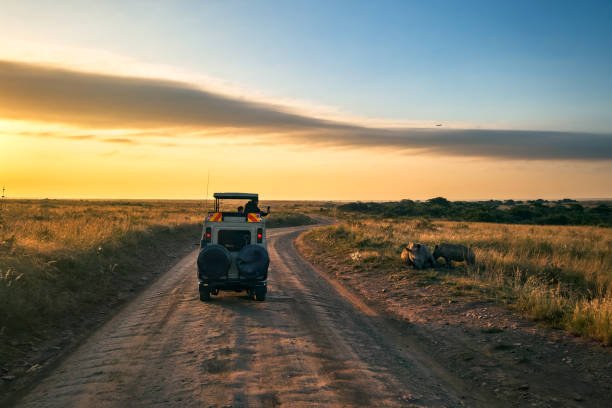

The Real Flow: One Day, Two Worlds
When you book a 1-day fly-in safari from Zanzibar to Nyerere National Park, you’re not just adding a safari to your island holiday — you’re switching worlds in under 24 hours. This trip is designed for travelers who want to experience Tanzania’s largest protected area without sacrificing time on the beach. The journey begins on Zanzibar, where you’re picked up from your hotel or guesthouse and transferred to Zanzibar Airport. There, you board a small charter aircraft — typically a Cessna or similar — for a short flight of about 45 to 60 minutes over the Indian Ocean and the mainland’s southern coast.
Upon landing at the Nyerere Airstrip (often called the Kigoma airstrip or a private landing zone near the park’s northern boundary), you’re met by your guide and transferred to a mobile safari vehicle. The game drive starts immediately, taking you into the core of Nyerere’s vast, unspoiled wilderness. Unlike the crowded parks of northern Tanzania, Nyerere feels remote and untouched, with fewer vehicles and deeper silence. You’ll travel through open grasslands, dense mopane woodlands, and along seasonal rivers where elephants, buffalo, and lions may appear.
What You’ll Actually See: Realistic Expectations
It’s important to understand: in one day, you’re not guaranteed to see specific animals. Wildlife sightings depend on season, weather, and animal behavior. That said, Nyerere is home to a wide range of species, including herds of elephants, large buffalo groups, leopards (rarely seen), cheetahs (occasionally spotted), and a rich birdlife. The park is also one of the few places in Tanzania where you can reliably spot the endangered African wild dog, though sightings are not guaranteed.
Your guide will use local knowledge to track animal signs — fresh tracks, dung piles, bird behavior — to increase your chances. The morning drive is usually the most productive, as many animals are active at dawn. By midday, you’ll stop for a picnic lunch in a scenic spot near a waterhole or riverbank, where you might observe warthogs, dik-diks, or even a herd of giraffes grazing nearby.
Flight Logistics: What You Need to Know
Flights are operated by private charter companies that partner with local tour operators like Climb 4 Africa. These flights are not scheduled commercial services, so departure times are flexible and depend on availability. Most fly-in safaris depart Zanzibar between 7:30 and 8:30 AM to allow for a full morning in the park. Return flights typically leave the airstrip between 2:30 and 3:30 PM, arriving back in Zanzibar by 4:30 PM.
Check-in at Zanzibar Airport is usually 45 minutes before departure. The aircraft seats 4 to 6 passengers, ensuring a private experience. You’ll need to bring only essentials: camera, binoculars, hat, sunscreen, and a light jacket for the cooler morning air. Most operators provide bottled water and snacks on the flight.
Accommodation & Return: smooth Island Integration
Since this is a day trip, you return to Zanzibar the same day. Most guests are transferred directly from the airport to their beach resort or guesthouse. The entire journey — flight, safari, return — is completed within a single day, making it ideal for travelers with limited time or those staying on the island for a short break.
It’s recommended to schedule your safari early in your stay. If you’re flying into Zanzibar on a weekday, you can book a safari for the following morning. The flight schedule is subject to weather and air traffic, so confirm details with your operator at least 24 hours in advance. In rare cases, delays or cancellations may occur due to weather, especially during the rainy season (March to May).
Why This Trip Works for Zanzibar Travelers
For many visitors to Zanzibar, the island’s beauty is undeniable — but so is the desire to experience more of Tanzania. This 1-day safari offers a way to do that without disrupting your holiday. You can enjoy your beachfront villa in the morning, then look at a full wilderness adventure before returning to your island home by evening.
It’s also a great option for travelers with a short window — a long weekend, a mid-week break, or a layover. The trip is structured to minimize travel fatigue, with the flight doing most of the heavy lifting. You don’t need to pack a suitcase or worry about a second night’s stay. The safari is self-contained, from pickup to return.
While it’s not a full safari experience — no night drives, no walking safaris, no multi-day tracking — it gives you a real taste of Tanzania’s wild heart. It’s the closest thing to a wilderness adventure you can fit into a single day while still being on Zanzibar.
Booking & Practical Tips
To book this safari, contact Climb 4 Africa or a local Zanzibar tour operator that partners with fly-in safari providers. They will confirm flight availability, your preferred departure window, and the type of aircraft. Group sizes are small — usually 2 to 6 travelers — ensuring personalized attention.
Bring a waterproof bag for your camera, a small backpack, and avoid wearing bright colors (they can attract insects and may disturb wildlife). The park is remote, so mobile phone reception is limited. Your guide will carry a satellite phone for emergencies.
Consider pairing this day trip with a sunset dhow cruise or a spice tour for a full island experience. The combination of island charm and wild Africa is what makes this itinerary so compelling.
For travelers planning longer stays, Climb 4 Africa also offers extended safaris that include Nyerere as part of a larger journey — such
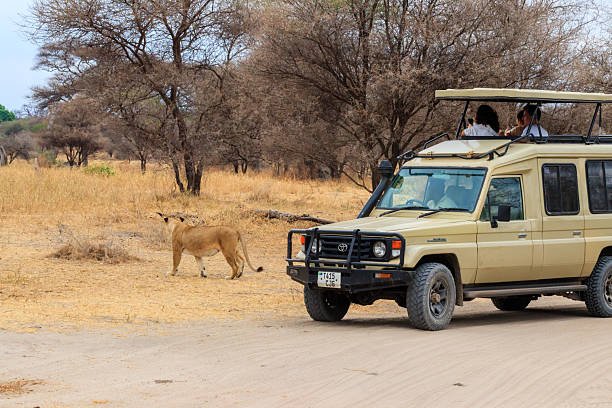

How the Fly-In Safaris Fit with a Zanzibar-Only Holiday: Practical Sequencing and Practicalities
Readers sometimes wonder how a single day of safari can be harmonized with a longer Zanzibar stay without feeling rushed or disjointed. The key is understanding how the logistics are structured, what each leg requires, and what you should prepare for so that the day feels like a smooth extension of your island time rather than a hurried add-on.
First, the morning transfer to the airport is designed to depart from your hotel or a central pickup point before the first light, so you don’t lose valuable time on the beach at the start of your day. You’ll typically arrive at Zanzibar Airport with ample time to check in a domestic-charter style window, usually handled by the operator’s support team to minimize stress. From there, you board a small Cessna-type aircraft. The flight is short and scenic, giving you a rare aerial perspective of the coastal strip and the inland savannas as you approach Nyerere National Park, avoiding the need for a long land transfer that would eat into your wilderness time later in the day.
On arrival at the park airstrip, you’ll meet your guide and transition directly into a game-drive vehicle. The emphasis in a 1-day itinerary is on efficient use of daylight and maximum time in the bush, not on stopping for long lunches or multiple vehicle exchanges. Your guide will outline the plan for the day—where the best chances for wildlife observation lie given the season and recent animal activity—so you have a clear sense of structure and expectations before you start driving. This helps you align your island pace with the intensity of a safari morning.
Lunch, served in a shaded camp or a prepared bush-site, is typically a well-balanced, picnic-style arrangement designed to minimize downtime. Depending on the operator and the location, it may be a boxed lunch on a panoramic savanna viewpoint or a shaded bush café setup where guests can stretch, refill water bottles, and refresh before the drive continues. After the afternoon drive, you head back to the airstrip for the return flight to Zanzibar. The late-afternoon/early-evening arrival is timed to integrate with sunset plans on the island, allowing you to transition back to your beachfront retreat without overnight travel fatigue.
To ensure your experience remains coherent with a relaxed island holiday, these are the practical sequencing tips to keep in mind:
– Confirm the exact pickup location and time the day before. Minor changes in pickup points can save you precious minutes on arrival.
– Prepare a compact camera setup and a light press pack or personal bag that can be stowed quickly. The vehicle flow is designed to minimize bag handling and maximize wildlife viewing time.
– Bring sun protection and a light layer. The savanna sun can be strong, even when the climate feels mild in the shade of trees or during cooler morning hours.
For many travelers, the appeal lies in a single, well-structured transport chain: an island morning, a bush afternoon, and an island return. It’s not a multi-day deep dive, but it is a carefully choreographed immersion into two distinct environments that you can still experience during a standard Zanzibar itinerary. The practical upshot is that you gain a meaningful wilderness encounter without sacrificing the rhythm of your beach days, spa time, or spa-tool sunsets back on the island.
Seasonality and timing influence what you experience in the park and what you can realistically expect to see. In the dry season, open plains increase visibility and animal movements may be more predictable, whereas in the wet season, wildlife hotspots shift with water sources and temporary rivers. Your guide uses live updates and recent sightings to tailor the route for the day, focusing on the greatest opportunities rather than a fixed checklist. That adaptive approach is what makes a one-day safari credible and rewarding, rather than a static “list of species” claim.
When you return to Zanzibar in the late afternoon or early evening, the contrast between your two worlds remains in your memory without requiring a change of clothes or a long travel schedule. You still have access to the island’s iconic sunsets, warm sea breezes, and the comfort of your chosen accommodation. The experience becomes an example of how to compress a broad, wild experience into a single, well-paced day that respects both environments and your vacation tempo.
Deeper Dive: Practical Sequencing and On-the-Ground Realities of a 1-Day Fly-In Safari
Beyond the broad strokes of a single-day itinerary, a successful Zanzibar-to-Nyerere fly-in safari hinges on the practical choreography of timing, transport quirks, and on-the-ground realities that rarely appear in glossy brochures. This section pulls back the curtain on what actually happens on the day, what travelers should plan for, and how to minimize friction while maintaining the flexibility that a small-ship, low-volume operation requires.
Pre-dawn to takeoff: arrivals and check-ins The day starts with a precise, ticketed window. Zanzibar departures cluster around early morning slots because the return flight is timed to land before late afternoon light fades for island schedules. At the airport, expect a streamlined hand-off: a dedicated host will check you in, verify passenger details, and tag your hand luggage for the bush leg. There is rarely a formal traditional check-in desk as you would find at a commercial flight; instead, a small team will greet you, confirm your seating, and ensure your boarding card aligns with the aircraft’s manifest. It’s advisable to keep essential items (identification, medications, a light layer, sunscreen) on your person or in a small daypack to expedite transfers between vehicles and aircraft.
Airstrip realities: small plane, big cockpit choices The aircraft is typically a light, piston-engined plane—think 6 to 9 seats with a minimal cabin profile. Seating is usually assigned to balance weight and ensure safe takeoff and landing performance. While the flight may feel short, the pilot’s briefing is practical: expect a smooth climb, occasional gentle bumps over inland ridges, and a descent that emphasizes a gentle approach into the park’s airstrip. Weather in the dry season is often favorable for punctual departures; during the shoulder seasons, you may see brief delays if visibility or wind conditions are marginal. The crew handles luggage with care, and you’ll be guided to a waiting safari vehicle as soon as you step down, minimizing ground handling time between air and land.
First drive: transitioning into Nyerere’s landscape The opening game drive usually starts almost immediately after you meet your guide. Your route is selected in real time by a licensed guide who uses recent sightings, water sources, and animal movement patterns. Because Nyerere’s habitat is extensive and sparsely trafficked, your initial open-vehicle pulse into the savanna prioritizes open plains, riverine corridors, and mopane woodland edges where cats and antelope trends tend to concentrate. The pace is variable: long, contemplative stretches interspersed with short, purposeful stops for tracks, birds, or signs of larger wildlife. Expect a few classic moments—elephant herds crossing a distant floodplain, a giraffe silhouette against a distant acacia, or the quiet rustle of reeds in a seasonal riverbed—that are more about ambience than a checklist of species.
The middle of the day: lunch in the bush and adaptive routing Lunch is typically a mobile camp setup or a shaded, open-air dinette along a known wildlife line. The food is simple, hearty, and designed to be eaten on a temporary table with minimal waste. The key practical note is that the safari team uses a flexible routing strategy: if a herd or predator situation is developing in one direction, the guide may adjust route and timing to maximize visible opportunities without forcing a rushed schedule. This adaptive approach is essential in a single-day itinerary, where every minute counts but over-planning can erode the quality of the experience.
Return leg: timing to line up with Zanzibar’s rhythms The late-afternoon flight back to Zanzibar is scheduled to land at a time that integrates with island sunset routines and hotel check-in windows. It’s common to arrive back at the Zanzibar terminal around late afternoon or early evening, with a short drive back to your resort or a pre-arranged transfer to your beachfront property. The post-flight experience is intentionally low-friction: a driver will be waiting with a sign, your bag returns to your resort, and you can slide back into your preferred beach tempo without the fatigue of an extended overland journey or overnight cross-country travel.
Wildlife opportunities versus certainty: how to calibrate expectations A practical reader question often centers on expectations for sightings. In a single-day framework, the emphasis is on breadth of habitat exposure rather than guaranteed sightings of particular species. Your guide will aim for a couple of versatile wildlife windows—the likely presence of large herbivores near water, opportunistic big-cat behavior near hunting grounds, and the chance encounter with an elusive or reclusive species. The best it can offer is a well-informed, hopeful window rather than a predictive guarantee. This is a deliberate design feature: the experience prioritizes immersion in a pristine, less-commercialized landscape and the thrill of movement through two distinct ecosystems within a single day.
What to carry and how to pack for efficiency Pack light, with a focus on utility. A compact camera or smartphone with a mid-range zoom is often sufficient for capturing moments without slowing down the vehicle. Bring a compact rain shell or light layer for cool mornings and late afternoons, even in dry-season windows. Binoculars are optional; most operators provide high-quality spotting equipment on the vehicle. A small, waterproof daypack for personal items makes transitions—airport to vehicle to bush—more efficient and reduces the chance of misplacing valuables in transit.
Safety and etiquette on the fly-in format Safety protocols emphasize clear briefing, safe distances from wildlife, and a strict no-disembark rule except at designated, supervised stopping points. The guide ensures that vehicle windows remain closed during high-activity sections and only opened for brief, controlled photo opportunities. Etiquette guidelines emphasize minimal disturbance to wildlife and respect for local communities, with a gentle reminder that this is a premium wildlife encounter, not a crowded, hyper-structured park visit. Visitors who follow these guidelines typically report higher satisfaction due to the unhurried, respectful rhythm of the day.
Seasonal nuances that influence the day’s flow Dry-season operations often benefit from clearer animal movement and more reliable road conditions, while wet-season options hinge on river dynamics and seasonal waterholes. The guide’s adaptive routing is particularly valuable in the shoulder seasons, when weather patterns can shift but wildlife remains highly active. This adaptability is a core strength of a one-day fly-in: it leverages real-time conditions to maximize opportunity without creating a rushed, checklist-driven experience.
Bridging the Gap: Practical Details for a 1-Day Fly-In Safari from Zanzibar to Nyerere National Park
Since the article already covers the broad flow and realistic expectations, this section hones in on the concrete, bookable mechanics that travelers actually confront when planning the mainland leg of a Zanzibar-centered fly-in safari. The goal is to illuminate decisions that don’t fit neatly into a generic description but genuinely affect day-of experience, timing, and comfort without venturing into unverified pricing or published schedules.
1) Confirmed transfer windows and flexibility: In practice, the key variable is the window of the outbound flight from Zanzibar to the airstrip near Nyerere. Operators typically hold a preferred range that aligns with the park’s daylight hours and the local vehicle availability. When you book, you’re not purchasing a fixed hourly timetable; you’re securing a priority slot within a window, with the exact departure time contingent on the day’s logistics, including weather and airstrip accessibility. The implication for your day is that you should expect a morning departure within a half-hour to an hour range, rather than a rigid exact time, and you should prepare for a potential slight shift in the subsequent driving sequence if the flight arrives later or earlier than the most commonly observed pattern.
2) Your guide and vehicle assignment: The human factor in a one-day fly-in safari is where much of the day’s texture comes from. When you arrive at the airstrip near the park, you will be met by a licensed guide who will typically have a vehicle ready for the short transfer into the core wilderness zone. In many cases, you’ll be joined by travelers from the same flight who share the ride into the park, fostering a small, cohesive group dynamic for the day. Guides carry a deep reservoir of knowledge about seasonal movements and local behavior cues; they also adapt to the pace of the group. If you’re traveling with children, or if you have particular areas of interest—birdlife, photography, or historical sites along the river—communicate these preferences ahead of time so the guide can tailor the first drive window accordingly.
3) The on-ground rhythm: After you land, the first leg is a game drive that prioritizes the most wildlife-accessible zones within reach of the airstrip. In practice, your guide will choose a route that balances likely wildlife concentrations with vehicle friendliness—so you won’t traverse the park’s farthest corners in a single morning. Lunch is often served at a simple bush-break location or a basic safari camp setup with shade and seating, designed to minimize time away from the wildlife corridor while offering a comfortable pause. You won’t find a restaurant-grade menu in this setting, but you will encounter fresh, field-ready fare intended to sustain energy without slowing the pace too much. The afternoon drive then centers on any late-morning opportunities or newly active areas as the heat dips and animals shift to water sources or last-minute grazing before dusk.
4) Managing expectations for drives and photography: Given the compressed timescale, the day is optimized for movement and observation windows rather than a fixed animal list. Photographers may value the early-morning light and the cooler air, which often yield clearer landscapes and more active fauna along riverbanks. In practice, you should plan for a few high-probability moments rather than a full gallery of megafauna sightings. If you’re carrying a camera, keep it accessible but restrained—stop-and-go stops for photography can be requested, but the guide may prefer not to linger in one spot to preserve the day’s momentum and minimize impact on wildlife nearby.
5) Safety, compliance, and park etiquette in the field: The on-the-ground protocol remains consistent with premium safari conduct. Seat belts are worn, noise levels are kept to respectful levels, and you adhere to the guide’s instructions regarding animal distances and vehicle positioning. If weather turns quickly and road conditions become challenging, the guide’s decision to alter the route is guided by safety and the welfare of both guests and wildlife. Plan for a light, quick briefing before the day begins: a recap of code-of-conduct, emergency procedures, and a reminder to maintain a respectful presence around water sources and large mammals.
6) The return leg: The late-afternoon flight back to Zanzibar is typically the same airstrip and operator network that brought you in. The schedule is structured to ensure you have enough buffer time for the flight, post-flight transfer to your island accommodations, and a relatively relaxed evening back on the coast. If your accommodation requires a late arrival, you can coordinate a brief note with your hotel or the operator to arrange a smooth handover from the airstrip to your room. It’s common for guests to slip back into the rhythm of island life with a calm evening on the beach, but you should anticipate a possible late arrival depending on flight and road conditions.
7) What to pack specifically for the mainland leg: In addition to your Zanzibar-bound beach gear, carry a compact, warm layer for the early morning chill in the savannah, a small water bottle, and a lightweight hat for sun protection. Binoculars, if you have them, should be accessible but not essential; many operators provide optical aids on the vehicle. A compact, quick-dry second layer can be helpful for the bush lunch or a shaded rest stop during the day. Sunscreen, insect repellent, and a basic first-aid kit are prudent inclusions for the vehicle side of the day. Ensure you have your passport or identification, your permit copy if required, and any visas or yellow fever documentation as applicable to your travel route.
8) Booking signals you should watch for, without overcommitting: When evaluating a 1-day fly-in option, focus on the certainty of the core elements rather than the exact times. Ask your operator which airstrip is used, what’s included in the bush lunch, and whether the day includes a rest stop where portable facilities are available. Seek clarity on what the vehicle and guide will cover in the game drive—whether there’s a plan to target specific habitats or a broad sweep of the park’s different ecosystems. If you have accessibility needs, share them ahead of time so the operator can align the vehicles, seating, and briefing accordingly. These are practical questions that influence the day’s pace and comfort without venturing into speculative claims about wildlife movement.
9) Integration with the Zanzibar stay: The essence of the experience hinges on your ability to thread this mainland excursion into your island schedule without fatigue. A standard approach is to schedule the flight-to-park portion as a morning or early afternoon commitment, then align your return to Zanzibar with a late-afternoon to early-evening timeline. If your beach days are book-ended by a summit of energy—look at your swimwear and spa routines immediately after landing, or choose a quieter beachfront evening to accommodate the mental shift after the bush—this is a deliberate, not accidental, design choice. Clarity on this sequencing reduces the risk of a disrupted sleep cycle, especially for travelers who are light sleepers or sensitive to time-zone changes.
10) Acknowledging the gap: Even with meticulous planning, a one-day safari cannot replicate a multi-day wilderness immersion. The value lies in the concentrated dose of landscape, movement, and wildlife cues within a single, in-depth day. By understanding the practical sequencing—from airport transfer to bush drive, to bush lunch, to the return flight—you can approach the day with realistic expectations and a sharper appreciation for the strategic design that makes a Zanzibar-to-Nyerere fly-in feasible in a single calendar day.
Bringing the Mainland Day to the Island Rhythm: Practical Micro-Detours and Contingencies
Even with meticulous planning, a single-day safari run can encounter small, meaningful hiccups that shape the pace and comfort of the journey. This section delves into practical micro-detours and contingencies that travelers actually experience, without veering into speculative forecasts or marketing language. The aim is to empower readers to adapt smoothly should, for example, a flight be delayed, a lunch service shift, or a last-minute route adjustment occur.
1) Flight variability and airport choreography: While operators aim for punctuality, small shifts in air-traffic or weather can nudge departure or arrival windows by 15–30 minutes. If your Zanzibar pickup runs late, crews typically prioritize your safety and the integrity of the day’s plan by re-scheduling the ground briefing en route or adjusting the vehicle sequence so you still maximize your time in the park. A practical tip is to confirm a flexible pickup window with your agent and to carry light, unobtrusive essentials that don’t constrain carry-on space but keep you comfortable during any small delays.
2) Ground logistics in the park area: Access to the park-bound airstrip near Nyerere can depend on local ground conditions. While the core drive to the park is straightforward, a temporary change—such as a brief detour to a shaded rest area or a different route through mopane woodland—may be employed to optimize wildlife visibility and heat management. Guides are trained to balance the science of animal behavior with road safety, ensuring that any detour remains within the park’s permitted corridors and preserves the day’s tight timing framework.
3) Lunch and refreshment pivots: The bush lunch is designed as a smoothly coordinated element of the itinerary, but in practice kitchen teams may need to adjust menus or serving times in response to vehicle schedules or guest dietary needs. If you have specific dietary restrictions, communicate these clearly to your operator well before departure. Most bush lunches can accommodate vegetarian, vegan, or culturally specific options with advance notice, but last-minute substitutions might shift the cadence of the meal to fit the group’s pace on the ground.
4) Weather’s quiet influence on pace: Heat, humidity, or sudden cloud cover can subtly influence how quickly the day unfolds. Shade breaks, water availability, and sunscreen use are integrated into the program to keep energy levels stable. If the heat spikes, the guide may shorten or adjust a drive segment to keep you comfortable while still delivering a rewarding wilderness experience. Conversely, a light, cooler afternoon can allow a longer drive window, provided safety margins with the return flight are kept intact.
5) Wildlife movement and timing: The same unpredictability that makes wildlife watching exciting can influence the perceived success of a 1-day safari. Guides frame the day around habitat diversity rather than chasing specific species. If your vehicle encounters a particularly active herd or a dramatic predator action sequence, it may extend one leg of the drive slightly while ensuring you’re not rushed toward the airstrip. The objective remains to deliver a concentrated, high-quality wilderness encounter within the day’s legal and logistical constraints, not a guaranteed animal-count.
6) Documentation and security: Your passport, permit copies, and any visas should be kept in a secure, easily accessible place during both the flight and the ground portion. Operators typically provide briefings on where to store documents during the drive and in the air, with an emphasis on minimal disruption to the wildlife-viewing experience. If security checks require extra time at any point, your operator should communicate promptly and adjust the schedule to protect both safety and satisfaction.
7) Safety-first adjustments: In rare circumstances—such as a brief mechanical check on the aircraft or a cautious weather assessment—the day’s plan may include a short hold in a shaded viewpoint with water and light snacks. These pauses are designed to preserve the integrity of the journey, not to frustrate you. Experienced guides view such moments as opportunities to share nuanced commentary about park ecosystems, birdlife, and migrant patterns that enrich the overall experience even when movement pace slows.
8) Post-lunch return timing: The late-afternoon flight back to Zanzibar is sensitive to airstrip availability and sea-breeze conditions. If the window tightens due to delays earlier in the day, the operator may substitute a slightly earlier bush drive endpoint or compress the transit time to the airstrip. Communication from your guide or operator will keep you informed, with the aim of preserving safety while maximizing your remaining time in the park’s landscapes.
9) Personal pace and rest needs on a compressed day: For travelers who value a steadier rhythm, request a slower drive tempo, a shorter walk stop if offered, or a longer seated viewpoint during key wildlife sections. This may yield a more relaxed surge of time at the airstrip and on the return to your Zanzibar lodging. The key is transparent expectations—your operator should confirm any pace accommodations before the day begins, so you’re not surprised by a sudden sprint or a rushed landing.
10) After-action clarity: Once you’re back in Zanzibar, a brief debrief with your guide or operator can help you capture practical notes for future bookings. They can share recommended adjustments based on the day’s actual chronology, such as preferred departure windows, best beach-side restrooms en route, or which safari segments felt most worthwhile given your interests. This feedback loop helps calibrate future itineraries without altering the one-day’s core structure.
In sum, the day’s success hinges on the clarity of the plan, the flexibility of the execution, and the mutual understanding between traveler and guide about what is feasible within a 24-hour frame. The aim is to preserve the sense of two worlds—the island’s tranquil mornings and the park’s expansive wilderness—without sacrificing safety or comfort, even when small, real-world detours arise.
Related Guides and Packages
Check Availability for 1 Day Nyerere National Park Fly-In Safari From Zanzibar 2026-2027
Ready to compare dates, prices, and the best option for your group? Send the package name and travel month so the team can reply with a clear quote, availability, and what is included.
3 Days Nyerere Safari And Boat Experience From Zanzibar: Mainland To National
A practical, bookable 3-day sequence starting from Zanzibar: fly to the mainland, game drive in Nyerere National Park, river/boat safari, and a day on the coast for a Zanzibar boat...
View package details
2 Days Nyerere Safari From Zanzibar With Boat Mainland Parks, Shared
Book a practical 2-day plan from Zanzibar to Nyerere National Park, including transfers, a mainland safari segment and a boat safari along the coast. Realistic pacing, accommodations and...
View package details
1 Day Mikumi National Park Fly-In Safari From Zanzibar: Practical, Bookable
A practical, bookable 1-day Mikumi National Park fly-in safari from Zanzibar blends a Zanzibar arrival with a succinct Mikumi wildlife drive, balancing flight times, transfer logistics, and...
View package details
4 Days Nyerere And Mikumi Safari From Zanzibar 2026-2027
4 Days Nyerere and Mikumi Safari from Zanzibar.
View package details2 Days Mikumi National Park Safari From Zanzibar: Practical, Bookable Route
A concise, bookable 2-day Mikumi safari from Zanzibar combining mainland park exploring with a Zanzibar connection. This guide explains the practical sequence, transfers, and where you’ll...
View package details
3 Days Luxury Serengeti Fly-In Safari From Zanzibar: A Practical
A focused, bookable 3-day Serengeti fly-in safari that begins with a Zanzibar departure and lands you into the Serengeti for guided game drives, with practical transfer details and...
View package details
5 Days Tarangire Serengeti And Ngorongoro Safari From Zanzibar: Mainland
Plan a practical 5-day safari that starts with a flight from Zanzibar to Moshi/Arusha, then tours Tarangire, Serengeti, and Ngorongoro in sequence. This guide outlines day-by-day logistics...
View package details
3 Days Serengeti Safari From Zanzibar By Flight: A Practical, Bookable
A practical, bookable 3-day Serengeti safari from Zanzibar by flight, detailing how the island-to-mainland transfer works, and what to expect each day without overpromising wildlife.
View package details12 Days Great Migration Photography Safari And Zanzibar 2026-2027
12 Days Great Migration Photography Safari and Zanzibar.
View package details9 Days Tanzania Budget Safari And Zanzibar Beach 2026-2027
9 Days Tanzania Budget Safari and Zanzibar Beach.
View package details11 Days Tanzania Migration Safari And Zanzibar Honeymoon 2026-2027
11 Days Tanzania Migration Safari and Zanzibar Honeymoon.
View package details14 Days Serengeti River Crossing Safari And Zanzibar Beach 2026-2027
14 Days Serengeti River Crossing Safari and Zanzibar Beach.
View package detailsNo related package matches those filters. Clear one or more filters to see the other topic-matched options.



