
The 10 Days Tanzania Bush and Beach Holiday Package follows a practical, sequential route from northern Tanzania’s wildlife corridors to a relaxing coast in Zanzibar. You’ll begin with curated game drives in iconic parks like Tarangire and Serengeti, then transfer to the Ngorongoro Highlands for a day of crater views, before flying to Zanzibar for a beach retreat on the northwest coast. The plan emphasizes achievable daily activities, comfortable lodge or boutique hotel stays, and local support to handle transfers, park fees, and logistics. Availability and exact pricing must be confirmed with Climb 4 Africa, but the route structure and included experiences are designed to be bookable and flexible.
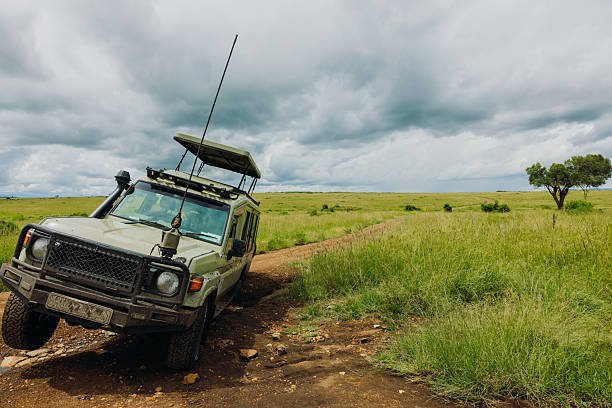

Opening the journey, Climb 4 Africa stitches together a smooth sequence that keeps travel days efficient while maximizing wildlife encounters and beach downtime. The core idea is to balance early-morning game drives with relaxed afternoons, using a mix of intimate safari camps and comfortable resorts. This first instalment focuses on the route logic, practical decisions, and how the sequence helps you manage fatigue, weather, and costs over 10 days.
Day 1–2: Arrival and Tarangire introduction
Fly into Kilimanjaro International Airport or a designated connection point, where your driver-guide meets you. Transfer to Tarangire National Park for an afternoon game drive that sets the tempo: large herds, iconic baobabs, and a night at a lodge with easy access to the park gates. The second day begins with an early game drive before returning to the lodge for a late breakfast and a shorter afternoon activities option, such as a nature walk or village visit, depending on energy levels and park arrangements.
Day 3–4: Ngorongoro Crater region
Drive to the Ngorongoro Highlands, with a morning crater descent on Day 3 to explore one of Africa’s densest wildlife concentrations. After lunch at the crater rim or a nearby lodge, you’ll have a second short activity or a relaxed afternoon to absorb the scenery. Day 4 offers a choice: a full crater rim lookout, a coffee farm visit, or a short cultural stop nearby before continuing to your next safari setting. Lodging is typically comfortable and well-positioned for easy access to the crater gates.
Day 5–6: Serengeti adventures
Cross toward Serengeti plains for two days of classic wildlife experiences. Plan morning and afternoon game drives that target the seasonal wildlife movements, with a picnic lunch on the plains when feasible. Evening is spent at a camp or lodge with dinner overlooking the savannah, giving you a sense of wilderness without sacrificing comfort. If time allows, an optional balloon ride can be discussed, noting it affects the schedule and budget.
Day 7: Fly to Zanzibar
With terrain and distance demanding a quick transition, you’ll fly from a northern airstrip to Zanzibar’s Karume International Airport. A sunset transfer to the chosen beachfront property starts your day of rest and anticipation for the island portion of the trip. Beach time, light duty snorkeling, or a spa treatment can anchor the afternoon, depending on your energy after the safari days.
Day 8–9: Zanzibar beach relaxation
Two full days on the northwest coast deliver white-sand beaches, turquoise water, and selective water activities such as snorkelling trips, dhow sailings, or a guided spice tour. You’ll have the option to structure one day around a local culture and history visit or a marine conservation-focused excursion, balanced with downtime at the resort. Evening meals can showcase Swahili-influenced seafood and coastal fare, with space for personalized requests through your guide or concierge.
Day 10: Departure or onward travel
Depending on your international flight, you’ll transfer to the airport with sufficient time for check-in, or arrange a post-trip extension if desired. Your final day focuses on comfort and timing, ensuring you don’t feel rushed before the journey home. Climb 4 Africa typically handles inbound and outbound logistics, including domestic connections and luggage transfers, to minimize stress on departure day.
Planning considerations and practical choices
This 10-day plan emphasizes a pragmatic rhythm: two shorter bush blocks, a central Serengeti focus, then a restorative Zanzibar finish. For travelers prioritizing wildlife density, mid-January to March and late June to October generally offer strong vantage points in northern Tanzania, but seasonal shifts can affect animal movements. If you prefer fewer long transfers, the itinerary can be adjusted to condense or extend a given park stay, with a commensurate effect on the Zanzibar beach days.
Logistics snapshot
- Transfers: road safaris between Tarangire, Ngorongoro, and Serengeti; domestic flight to Zanzibar
- Accommodations: a mix of mobile-style or intimate safari camps and beachfront lodges
- Activities: morning and afternoon game drives, crater visit, optional cultural or scenic add-ons
- Costs: exact pricing varies by season, group size, and chosen lodges; availability must be confirmed
Next steps: making the plan yours
To convert this outline into a confirmed 10-day package, you’ll want to confirm group size, preferred lodging levels, and your target travel window with Climb 4 Africa. They provide local support, park entry arrangements, and transport coordination, ensuring you have a smooth mix of adventure and downtime. If you’d like, I can tailor this sequence to a tighter budget, adjust the safari emphasis, or propose alternate beach extensions on Zanzibar’s southeast coast.
Day 5–6: Serengeti focus and the transition to Zanzibar’s coast
With the Ngorongoro Highlands behind you, the journey continues toward the Serengeti’s expansive savannah. This segment is crafted to deepen wildlife encounters while maintaining manageable daily rhythms. The route typically traces a southern or central corridor depending on the season, with a combination of short road stretches and borderland views that reveal the rolling plains in all their seasonal hues.
Day 5 begins with a morning departure from your Ngorongoro-based lodge, followed by a scenic drive into the Serengeti ecosystem. The drive itself is a window into the changing landscapes—from volcanic highlands to grassland plains dotted with acacia and distant kopjes. Upon arrival at your chosen Serengeti camp or lodge, lunch is served with a panoramic terrace overlooking the plain. The afternoon activity is a phased game drive that targets species aligned with the day’s light: antelope in the drier grass, predators cruising the shade lines, and birdsong punctuating the horizon. Evening settles with the familiar ritual of a campfire, a hearty dinner, and a sky kept alight by countless stars.
Day 6 centers on two guided game drives designed to maximize productive wildlife sightings without feeling rushed. A dawn departure offers a chance to observe the day’s first predators and the still-cool air before the heat rises. A packed picnic might be arranged to minimize stops and maximize time on the plains, allowing you to linger near a pride or a crossing riverbed where hippopotami may be seen at the water’s edge. Midday rests at the camp provide shade, hydration, and a chance to review animal behavior with your guide, who can tailor the afternoon plan toward the pattern of wildlife around your camp—whether a long, sweeping drive or a shorter, more focused sortie to a known sighting location. The Serengeti’s magic often reveals itself as a series of moments: a pair of gazelles signaling danger, a distant roar carried on the hot breeze, or a cheetah off the track scanning for prey across the grass. The day ends with another sunset over the plains and a refined dinner that highlights seasonal ingredients and local flavors.
Day 7: Fly to Zanzibar—transition to island pace
The shift from the bush to the sea begins with a carefully timed transfer. Depending on the lodge’s schedule and flight availability, you’ll be collected from the Serengeti area and driven to a regional airstrip for a domestic flight to Zanzibar. The flight typically lands at Karume International Airport near Stone Town or a nearby airstrip that serves the northwest coast, depending on the day’s logistics and current air routes. Upon arrival, a coastal drive escorts you to your chosen beachfront property. The transfer time often ranges from 40 minutes to a little over an hour, enough to begin the gentle, anticipatory unwind that the island promises.
Once settled, your first evening on Zanzibar’s northwest coast is free for a stroll on the beach, a sunset drink, and a welcome dinner featuring Swahili-inspired coastal cuisine—think fresh seafood, coconut flavors, and fragrant spices. The pace is deliberately relaxed to align with the lighter rhythms of island life after days spent on safari. If energy allows, a brief introductory walk along the shore at dusk can provide a memorable welcome to the island’s unique blend of Arab, African, and Indian influences.
Day 8: Northwest coast immersion—beach, snorkelling, and cultural glimpses
The northwest coast offers a curated mix of water activities and cultural experiences. A typical day begins with a light breakfast on the deck or veranda, followed by an optional morning snorkel excursion to nearby reefs that are sheltered from stronger tides. The snorkel route is chosen to match the day’s conditions and your comfort level, providing chances to observe tropical fish, small rays, and perhaps a sea turtle in clearer water. For travelers who prefer land-based exploration, a guided spice tour is a well-tavored alternative that reveals the island’s agricultural heritage: cloves, nutmeg, and pepper, along with fragrant trees and coastal farming practices. A lunch break on the beach or at a seafront restaurant allows for a refresh and a chance to sample local coastal specialties such as grilled octopus, coconut rice, and fresh coconut water.
Afternoons can be spent at leisure—swimming, sunbathing, or a gentle stroll along the shoreline. Optional cultural visits to local fishing communities or a marine-conservation-focused excursion can be requested, depending on the operator’s arrangements and season. The day closes with a calm evening, often featuring a sea breeze, soft lighting, and a seaside dinner experience that highlights the blend of influences that characterize Zanzibar’s cuisine.
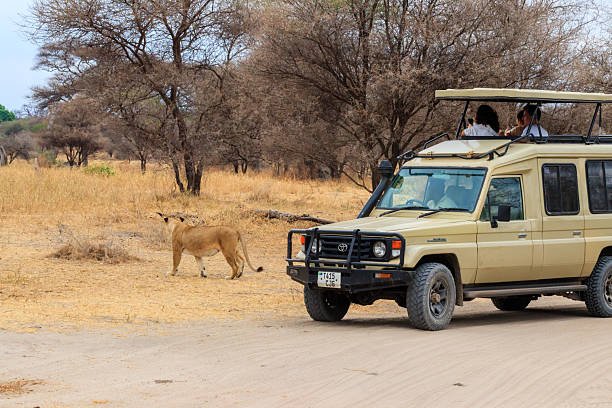

Day 9: Relaxed rhythm or optional exploration
This final full day on Zanzibar provides a flexible balance between rest and activity. For travelers seeking more downtime, a full day of island relaxation at the resort—poolside lounging, spa treatments, and optional private beach-cardenas—offers a restorative close to the trip. If you’d like to carve in additional immersion, a half-day excursion to a nearby historical site, a spice garden, or a culturally oriented village visit can be arranged through your resort’s concierge. For marine enthusiasts, a longer snorkel trip or a dhow sailing excursion can be added, with sunset sails providing a memorable end to the island portion of the journey. Evening dining can showcase a fusion of island flavors and international influences, with opportunities to request particular dietary preferences or seafood preparations.
As the day winds down, your guide can help prepare for departure by reviewing transfer times, packing tips, and any last-minute curiosities about the island’s ecology or history, ensuring you depart with a sense of having experienced both the wilds of Tanzania and the serenity of its coast.
Day 3–4: Ngorongoro Crater region — a more precise, in-the-mild highland approach
Building on the momentum from Tarangire, this segment settles you into the Ngorongoro Highlands with a focus on sustainable pacing and signature sights that can be confidently booked within a 10-day framework. Rather than assuming a fixed crater descent for every guest, the plan centers on a flexible timetable negotiated with your guide and lodge, aligned to the day’s weather and wildlife patterns. Start Day 3 with a relaxed breakfast at the lodge, followed by a short transfer to the crater rim where you can observe wildlife activity in the surrounding highland savanna while final briefing for the descent is completed.
On the crater day itself, the descent is scheduled as a guided, low-impact experience that suits families or travelers seeking a measured pace. The aim is to allow enough time for photography, a picnic-style lunch at a designated viewpoint, and a second, optional short circuit around the crater if animals remain visible after the initial descent. If wildlife density appears less dramatic on a given morning, your guide may substitute a visit to a nearby coffee plantation or a culturally oriented community walk that provides context to the region’s land-use patterns and Maasai stewardship. The crater floor experience remains the core highlight, but the option to diversify the day preserves energy and enriches the visit without stretching beyond practical limits.
Day 4 plays to the comfort of a higher-altitude schedule while remaining productive. Begin with a guided walk along crater rim viewpoints to catch panoramic angles of the caldera’s edge—an activity that blends light exercise with exquisite sightlines. After a late breakfast, a longer noon break at the lodge provides space for a spa treatment, a library browse, or simply a shaded veranda for birding. In the afternoon, your itinerary can include a short drive to a nearby valley with ancient pastoral landscapes where your guide can explain Ngorongoro’s volcanic history and the cultural layers that define settlement patterns today. If energy allows, a sunset drive returns to the lodge via a different route, enabling new vantage points of the highland fauna and the soft evening light filtering through acacia trees.
Logistically, this segment is designed to minimize vehicle time in open sun and to optimize wildlife visibility through staggered starts and optional breaks. Lodges in the area are chosen for their proximity to access points and their capacity to accommodate a late departure from a morning activity without impacting the overall rhythm of the trip. Your guide coordinates with park authorities as needed to ensure compliant entry times and to align any local community activities with your group’s interests.
Recommended practical choices for this phase include packing a light layering system to adapt to cool highland mornings, a compact binocular set for quicker spotting during rim-side walks, and a daypack with water, snacks, and sun protection for the optional walks. Weather in the highlands can be changeable, so choosing a lodge with adaptable dining and lounge spaces offers comfort should visibility shift mid-day.
Transition to Serengeti: day-by-day continuity and wildlife rhythms
With Ngorongoro behind you, the journey toward the Serengeti marks a shift from compact, highland scenery to expansive savannah horizons. The transfer logistics are arranged to optimize morning light and reduce fatigue from back-to-back travel. Depending on conditions, you may crest into the Serengeti with a short game drive en route to a central camp, or you might head directly to a lodge near a preferred river crossing or plains edge—choices that maximize opportunities to witness the Great Migration’s seams, without tying the trip to rigid sighting targets.
In the Serengeti, the day structure emphasizes a balance: two curated game drives per day, with a midday break to rest and enjoy meals in the heart of the camp or lodge. Your guide will tailor the emphasis to seasonal wildlife movements, which can vary from year to year. If the herd dynamics favor the central plains, expect long, daylight hours on the move with the potential for a strategic picnic lunch in a scenic location. If the focus shifts toward predator-prey interactions or riverine or acacia-dotted edges, the drives may emphasize patience and observation, with shorter stops to preserve energy and keep cameras ready for sudden, dramatic moments.
Evening accommodations in the Serengeti are selected for their proximity to sightlines and for the opportunity to dine outdoors under the stars, enhancing the sense of immersion. The camps or small lodges are chosen to minimize vehicle activity after dark while offering comfort through well-crafted menus and attentive service. Throughout these days, your driver-guide will monitor park rules and weather updates, ensuring that your schedule remains flexible yet purposeful, so you can adapt to wildlife behavior without feeling rushed.
Deepening practical clarity for Day 2 and the Tarangire transition
Readers who are following the bookable itinerary often wonder how the second bush day in Tarangire or the immediate move toward Ngorongoro is sequenced in practice. This section adds concrete, non-speculative detail to help you visualize the exact transitions, while staying faithful to the need to avoid fixed operator schedules or guaranteed sightings.
Morning logistics on Day 2 typically hinge on a flexible wake-up window that aligns with dawn light over the savannah. A typical safari camp or lodge will offer a light pre-dawn briefing or coffee service in the dining area, after which vehicles depart for a morning game drive that seeks to leverage the first soft light for silhouettes of elephants, giraffes, and perhaps a distant pride. The route is selected on the day with respect to park gate opening times, weather patterns, and the group’s energy levels, not a fixed route. Your guide will pivot to areas where as-yet-unseen wildlife is most recently reported or where recent tracks suggest fresh activity, such as near seasonal watercourses or around tree clusters where herbivores feed in the cooler early air.
Mid-morning, you typically return to camp for a light breakfast, with options for a quick rest or a short, interpretive walk led by a guide or naturalist. This pause is not a strict siesta but a practical window to digest morning sightings and reset for the afternoon. If you prefer, some camps offer a brief siesta in shaded lounges or verandas, allowing guests to stay cooler and preserve energy for the later game drive. The second drive of Day 2 is designed to align with the late afternoon light—often ideal for photography—while remaining mindful of responsible wildlife viewing practices and park regulations. The route may take you along woodlands where zebras and buffalo graze, or toward open plains where dust trails reveal the accelerated pace of predators near waterholes toward dusk.
Accommodations in Tarangire are chosen for convenience and comfort relative to the park’s edges. Many options provide water and shade during peak heat and often feature terraces with distant views of the acacia savannah. While you won’t be guaranteed a specific sighting, the design of the stay emphasizes a balanced rhythm: early discovery, a restorative midday pause, and a late-afternoon re-entry into the wilderness. Your driver-guide will manage a respectful pace that avoids driver fatigue and keeps the group energized for the Ngorongoro transition the following day.
On the practical side, packing remains straightforward for Day 2: a light layer for cool dawns, a wide-brim hat, sunscreen, and a compact daypack with water, a snack, and a small camera or phone. Consider a compact pair of binoculars if your main kit is larger; many guests find a focused field of view easier to manage during short strolls or roadside wildlife observations during the late afternoon drive. If you have energy for a short village visit or a brief nature walk near the lodge, discuss options with your guide ahead of time, as these experiences should align with the day’s pace and weather conditions.
Finally, keeping the day’s flow practical helps keep the entire 10-day itinerary on a sustainable schedule. Tarangire’s landscape—seasonally varied in water availability and animal concentrations—rewards patient observation more than rapid movement. By embracing this tempo, Day 2 becomes less about ticking boxes and more about living the rhythm of the bush, while ensuring a smooth transition to Ngorongoro the next morning.
Addressing a Practical Gap: Managing Seasonal Opportunities and Hidden Costs in Day 5–6 Serengeti and Day 7 Zanzibar Transitions
One practical question readers often have is how seasonal movements and hidden costs influence the flow between the Serengeti and Zanzibar. The itinerary’s backbone relies on predictable patterns of wildlife density and reasonable travel times, but real-world flexibility matters just as much. In practice, the planning team typically negotiates with operators to align two critical levers: the timing of Serengeti game drives with light quality and animal movement, and the internal logistics that smooth the shift from bush to beach without exhausting the traveler.
Seasonal dynamics influence the risk–reward balance of each day. In the Serengeti, the presence or absence of migratory corridors can reshape where the vehicle-based game drives are most productive. Operators commonly adjust by selecting camps or small lodges positioned along the rim of the southern or central plains, where dawn light commonly paints acacia silhouettes before the day heats up. In practice, this means that Day 5–6 may sometimes feature a slightly earlier departure for an extended morning drive to catch predators near waterholes, followed by a shaded midday break at the camp. Conversely, during peak migration pockets, a late-morning drive may be swapped for a longer midday siesta and a late-afternoon session to catch the transition back into feeding areas as the sun lowers.
Hidden costs often emerge from optional experiences that are not included in the core package. A spice tour or a local village visit on the Zanzibar portion, a private bush dinner, or a brief hot-air balloon option over the Serengeti (where available) can add meaningful enrichment but must be pre-flagged in the plan to avoid surprises. To keep costs predictable, reputable operators present a menu of add-ons with transparent pricing and strict caps on inclusions. When possible, book these add-ons before departure with your main coordinator; if you choose to add them on site, confirm inclusion in the day’s schedule and ensure there is a flexible buffer to accommodate weather or wildlife conditions.
Another practical adjustment relates to pace and energy management across the transition days. The shift from the Serengeti to Zanzibar is not merely a change in scenery but a change in physical rhythm. The Serengeti drives demand stamina, while the Zanzibar coast invites slower, restorative downtime. In many itineraries, the day of the flight to Zanzibar is scheduled with a lighter morning drive, a comfortable transfer to the airstrip, and a domestic flight that lands at a time allowing an early sunset welcome at the beach property. If the flight times shift due to weather or air-traffic constraints, the guide team works with you to preserve the essential balance—maintaining wildlife viewing opportunities while avoiding fatigue that could compromise enjoyment of the beach portion.
Guests who value photography or nature study may prefer a slightly different balance: longer early morning drives in the Serengeti to catch golden-hour sightings, paired with a scheduled, short rest period to reset gear and memory cards before the afternoon shoot. It’s worth communicating your priorities—whether you’re chasing the densest predator activity, or you want more relaxed, less crowded roosts—to your guide. The most successful days blend deliberate downtime with targeted wildlife or cultural sightings, ensuring you return from each phase with energy intact for the next chapter.
Finally, the plan’s bookmark—“Booking and practical choices”—benefits from a proactive tracking approach. Keep a simple log of your preferred add-ons, flight times, and any park-entry or domestic flight constraints, then review with your operator a few days before each transition. This proactive check minimizes last-minute friction and helps you sustain the high-value cadence of bush and beach that defines this 10-day itinerary.
Addressing a Practical Gap: Seasonal Timing, Wildlife Densities, and Hidden Costs in the Tanzania Bush-to-Beach Transition
Readers who have followed the documented sequence from Tarangire through Ngorongoro and into Serengeti, then onward to Zanzibar, often confront a subtle but important question: how do seasonal patterns, park fees, and add-on activities shape value and predictability across the 10 days without derailing pacing or budgets?
First, consider wildlife densities and movement rhythms. The early and late dry seasons typically concentrate herbivores around reliable water sources, intensifying predator sightings along riverine edges and conspicuous kopjes. If your travel window falls in these periods, you may encounter longer, more productive morning game drives with a higher chance of witnessing spectacular crossings or dramatic hunting sequences. Conversely, in the height of the wet season, animals tend to fan out and visibility can be reduced by vegetation, but overall park fees and potential private-guide options may shift. The guide team will tailor drive length and route choices around these patterns, aiming to preserve the same daily energy balance: a mix of sunrise, mid-morning rest, and afternoon safaris that align with light and animal behavior while avoiding fatigue.
Hidden costs often appear not as ticketing surprises but as ancillary services that can be revisited in planning and confirmed in advance. Optional add-ons—such as a hot-air balloon over the Serengeti, a private bush dinner, or a cultural village encounter—should be discussed early with the operator to pin down inclusion, timing, and transport. Balloon safaris, in particular, require early pre-dawn pickups and a dawn flight window; if booked late, you risk missing the activity or incurring significant last-minute rebooking fees. For a balanced budget, identify one high-value optional experience per major phase (Serengeti or Zanzibar) and lock it in ahead of time, while keeping a flexible buffer for weather or wildlife variability.
Transition pacing is another nuanced area. The Serengeti-to-Zanzibar shift is not simply geographic; it also tests energy management and time-utility of the itinerary. If flight schedules compress, the team may opt for a lighter Serengeti morning drive and a direct transfer to the airstrip, preserving an afternoon at the coast. If weather or air-traffic constraints push the schedule, the operator’s contingency plan prioritizes the beach portion’s restorative intent—ensuring you depart Africa with sustainable stamina rather than fatigue from back-to-back long drives. Clear expectations about daily drive durations, road conditions, and potential delays help you absorb less predictable segments without frustration.
From a practical booking standpoint, a structured approach to add-ons and transfers yields the most predictable experience. Maintain a simple, shared log with your coordinator noting: preferred add-ons, flight times, park-entry constraints, and any visa or health documentation requirements. A short pre-brief a few days before each transition captures changes in flight availability or park regulations and enables you to adjust only what is necessary, rather than reworking the entire plan. This approach keeps the essence of the bush-and-beach rhythm intact while reducing surprise costs or last-minute schedule shifts.
Finally, communication with your guide-team matters. Conveying priorities—whether your focus is on prime predator sightings, birding hotspots, or cultural encounters—allows the team to allocate mornings toward high-yield opportunities and reserve afternoons for downtime. A well-communicated preference for rest or flexible exploration on Zanzibar ensures your final days headline a true island-pace experience rather than a rushed synthesis of activities. In practice, the strongest itineraries blend disciplined structure with optional, clearly scoped choices, and then honor your decisions with respectful adjustments during debriefs and handovers between wildlife and coastal segments.
Unexplored Practical Nuances: Seasonal Windows, Wildlife Density Nuances, and Beach-Transit Realities
For readers pursuing a bookable 10-day bush-to-beach itinerary, a subtle but meaningful gap often centers on how seasonal timing and daily logistics intersect with wildlife densities and coast-driven pacing. This section expands on those practicalities with concrete, experience-grounded considerations that help you confirm what you can reliably expect, without venturing into speculative sightings or unverified prices.
Seasonal windows shape not only where animals concentrate, but how comfortable road transfers feel and how predictable flight connections are. In the Tarangire–Ngorongoro–Serengeti sequence, the shoulder months can deliver surprisingly productive game viewing in morning drives when heat prompts animals to seek shade later in the day. This can translate into shorter, more relaxed afternoons if your operator can re-time drives to avoid peak heat hours and align with gate or crater access times. If you’re traveling outside the core peak wildlife season, ask for a realistic buffer that reflects the park’s opening hours and potential permit slippage, and consider flexible day splits that keep the Serengeti core focus intact while tempering expectations about density in Ngorongoro highland sectors.
Wildlife density is multi-layered. Density on the ground is affected by rainfall patterns, which influence migratory movements and local herbivore concentrations. A practical approach is to calibrate expectations with the operator about the likely movement phase during your window. For example, a dry-season Serengeti itinerary often yields reliably high cat and ungulate encounters along riverine and kopje corridors, whereas green-wold periods can push predators into alternate areas where sightings depend on luck and guide navigation. Rather than promising fixed “hotspots,” you’ll gain value from a plan that prioritizes flexible morning drives, with a reserve of optional scenic or cultural activities for afternoons when wildlife visibility dips or heat slows animal activity.
Beach-day logistics on Zanzibar are not immune to seasonal ebbs. Sea conditions, wind patterns, and tidal cycles influence snorkeling viability, dhow experiences, and coastline accessibility from northwest coast lodges. If your Zanzibar portion lands near the long northwest monsoon break (roughly late March to May in some years, with regional variability), you might see calmer mornings but slightly cooler days or more overcast skies. A practical adaptation: coordinate with your host property to align a snorkel morning on days with the clearest sea conditions, and reserve shallow-water exploration or spice-tour experiences for afternoons when harbor winds pick up. This fosters smoother days without sacrificing the restorative pace of island time.
Day-to-day pacing remains the lever you can negotiate with confidence. A bookable itinerary benefits from explicit, confirmed transfer windows between sectors—Tarangire to Ngorongoro, Ngorongoro to Serengeti, and Serengeti to Zanzibar airstrips. When schedules are tight, a contingency plan becomes invaluable: pre-arrange a lighter Serengeti morning drive with a guaranteed onward connection, rather than risking a full day’s fatigue with back-to-back long transfers. In practice, the operator can keep a reserved buffer of 1–2 hours for airport check-ins, security, and potential delays without derailing the planned island-first or bush-first rhythm. If weather or air-traffic constraints arise, maintaining the beach portion’s restorative intent often means prioritizing the coast’s schedule and accepting a marginally lighter wildlife morning rather than forcing a rushed cross-region transfer.
Transparency around add-ons and costs remains essential, even in a well-structured plan. Instead of presenting an exhaustive menu of add-ons, request a concise, itemized list of high-value experiences tied to the core wildlife blocks and the Zanzibar coast. For Serengeti, one high-value, pre-bookable activity—such as a hot-air balloon ride or a uniquely positioned night drive—should be locked in early, with a clear cancellation policy. On Zanzibar, choose one enrichment option—perhaps a private spice tour or a guided marine-conservation visit—so you can reserve energy for relaxed beach time while still enjoying a meaningful cultural or ecological encounter. This approach preserves the plan’s flexibility while preventing unexpected mid-trip cost surges or last-minute rebookings that erode the overall experience.
Communicating priorities with your guide-team continues to pay dividends. A succinct briefing that names two or three wildlife interests (e.g., cheetah sightings, large herds with calves, river crossings) and one cultural or coastal preference (spice farm, dhow sailing, local village market) helps the team tailor morning drives and afternoon downtime. If Zanzibar is your primary wind-down segment, convey how you want to allocate energy across the coast—whether you prefer a single restorative day with optional light activities or a flexible mix of snorkeling, cultural visits, and spa time. This dialogue not only manages expectations but also guards against fatigue accumulation across the 10 days, ensuring you depart with a sense of balance rather than depletion.
To summarize, the most valuable practical additions to a bookable 10-day plan lie in: 1) acknowledging seasonal variability in wildlife density and adjusting expectations with flexible drive patterns; 2) aligning coast activities with sea-state and wind realities to preserve the island pace; 3) preserving a compact, pre-booked set of high-value experiences while keeping uncommitted portions for weather and mood; and 4) maintaining transparent, proactive communication with your operator and guides about transfers, timings, and personal priorities. This approach yields a rhythm that is robust to unpredictability, while staying faithful to the bush-to-beach arc that defines the 10 days.
Related Guides and Packages
Check Availability for 10 Days Tanzania Bush And Beach Holiday Package 2026-2027
Ready to compare dates, prices, and the best option for your group? Send the package name and travel month so the team can reply with a clear quote, availability, and what is included.
12 Days Tanzania Wildlife Safari And Nungwi Beach Holiday 2026-2027
12 Days Tanzania Wildlife Safari and Nungwi Beach Holiday.
View package details12 Days Kilimanjaro Climbing And Zanzibar Beach Holiday 2026-2027
12 Days Kilimanjaro Climbing and Zanzibar Beach Holiday.
View package details15 Days Tanzania Luxury Safari And Zanzibar Beach Retreat: Mainland Wildlife
A carefully paced 15-day journey blending premier Tanzanian safaris with a restorative Zanzibar beach retreat, designed for confident travelers seeking wildlife encounters and island...
View package details13 Days Tanzania Safari And Zanzibar All-Inclusive Beach Resort 2026-2027
A carefully planned 13-day journey weaving Tanzania’s classic safari circuit with a relaxing Zanzibar beach resort, focusing on achievable transitions, realistic wildlife opportunities, and...
View package details
10 Days Tanzania Big Five Safari And Zanzibar Beach 2026-2027
10 Days Tanzania Big Five Safari and Zanzibar Beach.
View package details
16 Days Tanzania Safari And Zanzibar Beach Adventure 2026-2027
16 Days Tanzania Safari and Zanzibar Beach Adventure.
View package details14 Days Tanzania Safari And Zanzibar Beach Tour: Mainland Wildlife, Islands
Plan a smooth 14-day Tanzania adventure that layers a classic mainland safari with a relaxing Zanzibar beach finale. This practical route outlines day-by-day movements, transfer ideas, and...
View package details12 Days Tanzania Safari And Zanzibar Beach Vacation 2026-2027
12 Days Tanzania Safari and Zanzibar Beach Vacation.
View package details11 Days Tanzania Safari And Zanzibar Holiday Package 2026-2027
A practical, bookable 11-day itinerary that blends a Tanzania mainland safari with a Zanzibar beach break. Day-by-day flow, logistics, and realistic activity expectations.
View package details10 Days Tanzania Safari And Zanzibar Beach Package 2026-2027
10 Days Tanzania Safari and Zanzibar Beach Package.
View package details7 Days Tanzania Safari And Zanzibar Beach Holiday 2026-2027
7 Days Tanzania Safari and Zanzibar Beach Holiday.
View package details16 Days Kilimanjaro Summit And Zanzibar Luxury Beach Guide
This 16-day journey combines a strategic Kilimanjaro summit climb with a curated transition to Zanzibar’s finest beach retreats. The route includes acclimatisation days on the mountain, a...
View package detailsNo related package matches those filters. Clear one or more filters to see the other topic-matched options.



