
The 6 Days Kilema Route Kilimanjaro Bike Tour – 12–17 December 2026 is a bookable, multi-day cycling ascent planned by Climb 4 Africa. This installment outlines Day 1 through Day 6 with the sequence, key route segments, acclimatization rationale, and practical decisions; final prices, availability, and exact hotel details require confirmation with the operator.
Introduction to a precise, bookable plan
When a journey promises six days on the Kilema Route with bike support toward Kilimanjaro, the emphasis is on a continuous, day-by-day progression that balances pedaling effort, altitude gain, and rest. The Kilema Route is less commonly trodden than Marangu or Machame, offering a unique cycling-forward approach to acclimatisation and scenery. This installment presents Day 1 through Day 6 as a coherent sequence, with attention to where cycling happens, how the route threads through terrain, and where the body can adapt to rising elevations while the team maintains safety and logistical clarity.
What this article covers
We outline the planned day-by-day flow, including where you start, where you ascend, possible terrain on the bike segments, and the support services typically available from a Kilimanjaro specialist operator. The information here is intended to help you compare with other Kilimanjaro bike options and to prepare practical questions for the booking phase. Remember that exact departure dates, spaces, and inclusions should be verified directly with Climb 4 Africa for the 12–17 December 2026 window.
Day 1 — Kilimanjaro gateway to the hills
The journey begins near Moshi or another Kilimanjaro gateway town. The first day centers on bike setup, equipment checks, and a cautious, rolling acclimatisation ride that stretches the legs without compressing the lungs. Riders may cover a modest distance across villages and terraced coffee farms, using the afternoon to shuttle between ascent bases and brief orientation sessions. Expect a short acclimatisation ride to allow the body to adjust to the altitude, camera-ready landscapes, and the initial impression of the route’s character: rolling hills rather than steep climbs on day one.
Day 2 — Progression toward intermediate highlands
On Day 2 the route begins a gentle climb into higher plateaus, with a focus on sustained cycling tempo and efficient nutrition. The terrain includes gravel roads and well-graded pistes that support a comfortable cadence for most riders. The day typically ends at a comfortable camp or simple lodge at a mid-elevation zone, with a brief briefing about altitude management and day-by-day expectations. The balance between riding time and rest remains critical, as the altitude begins to bite subtly for those who are not yet fully acclimatised.
Day 3 — The first major cycling shoulder with terrain variety
Day 3 introduces a longer cycling segment with mixed surfaces, including compact gravel and intermittent dirt sections. The ascent profile is paced so that the bike ride coincides with the need to maintain energy for the later stages. Climbs are steady rather than abrupt, with opportunities to pause for longer views of the surrounding montane forest and the Rift Valley horizon. Lodging moves to a higher, cooler environment, reinforcing the acclimatisation approach rather than aggressive acceleration up the mountain.
Day 4 — High-altitude cycling discipline
Day 4 pushes into the higher subalpine zones. Tour logistics emphasize rest breaks, hydration strategy, and pace discipline to prevent fatigue. The cycling segments become more exposed to wind and weather changes, so riders are prepared for cooler temperatures and the need for layered clothing. The plan typically includes a mid-ride regroup and a crew-supported rest stop to ensure that nutrition and electrolytes are managed well, with a focus on maintaining cadence and form as the altitude continues to rise.
Day 5 — The penultimate push before summit approaches
With the ascent window narrowing toward the final approach, Day 5 combines longer distances with consistent elevation gain across the most challenging sections. The bicycle route threading through alpine zones requires careful route choice to balance time on the bike with essential rest. Support staff monitor riders for signs of altitude stress, and the team uses a staged acclimatisation strategy that prioritises safety and steady progression over speed. The landscape becomes strikingly rugged, offering panoramic views that reward the disciplined ride.
Day 6 — Final crest and descent logistics
The last day typically culminates in a crest effort with a planned descent or transfer to the lower elevations where bikes are repacked for road legs back toward the access towns. This closing stage respects fatigue and recovery needs, ensuring that the descent does not overwhelm riders who have spent six days adapting to altitude. After the bicycle sequence, the group returns to the lowlands for departure logistics, celebration, and a debrief on the journey’s overall route strategy and practical takeaways for future Kilimanjaro bike tours.
Route choices and acclimatisation logic
The Kilema Route, as a bike-oriented itinerary, weaves cycling segments with strategic days designed for gradual altitude exposure. This approach helps riders accumulate fatigue management strategies—hydration, nutrition timing, sleep quality, and pacing—while still delivering the sense of accomplishment that comes with covering kilometres in the shadow of Kilimanjaro. The route structure emphasizes a balance between pedal-driven ascent and rest opportunities that enable participants to arrive at higher elevations with a reasonable level of acclimatisation and confidence.
Inclusions and exclusions to clarify before booking
What is commonly included by operators for a 6 Days Kilema Route Kilimanjaro Bike Tour includes meals on the biking days, local guides, support vehicles, bike maintenance on the trail, and some lodge or camping accommodations within the route network. Exclusions typically cover international flights, personal travel insurance, visa fees, single-supplement charges (if applicable), and optional activities not specified in the confirmed itinerary. For December 12–17, 2026, exact inclusions should be confirmed with Climb 4 Africa, as schedules and services can vary by deployment and group size.
Departure windows, availability, and booking steps
Because this is a bookable plan tied to a specific date window, the number of spaces and the exact schedule must be confirmed with the operator. Climb 4 Africa provides Kilimanjaro climbing and biking experiences with local support in Tanzania, and availability for 12–17 December 2026 will depend on current bookings, group rates, and any seasonal adjustments. Prospective travelers should contact the operator to verify space, confirm the precise day-by-day sequencing, and discuss any personal requirements such as
Unanswered question you still may have about the 6 Days Kilema Route Kilimanjaro Bike Tour – 12–17 December 2026
How does the Day 3 cycling shoulder set the stage for the higher, more exposed sections, and what exactly should riders expect in terms of elevation gain, surface transitions, and pacing on that pivotal day?
On Day 3, the route through the first major cycling shoulder injects a mix of terrains that tests balance between endurance and technique. The plan hinges on converting accumulated acclimatisation into a sustained climbing effort, while still preserving a strong cadence for the later, more demanding segments. Riders typically encounter a longer continuous ascent with a blend of compact gravel, gentle paved stretches, and intermittent dirt sections. The elevation profile commonly features a gradual to moderate grade that allows the body to work efficiently without triggering abrupt fatigue spikes. The exact gradient will vary with the day’s wind, weather, and minor route adjustments dictated by trail conditions, but the intent remains the same: maintain a steady rhythm that supports energy reserves for Day 4’s higher, cooler air and potential gusts.
Practical pacing for Day 3 involves sequencing efforts with planned recoveries: a steady micro-interval approach where riders maintain a sustainable heart-rate zone for the majority of the climb, followed by short, deliberate recoveries at shaded pull-offs or scenic overlooks. This pattern helps diversify energy usage across both the muscular and respiratory systems, which is critical at altitude, where oxygen availability begins to decline. Nutrition also plays a decisive role: small, frequent intakes of carbohydrates and electrolytes prevent the onset of early fatigue, while hydration timing keeps cramping risk low on longer segments.
The surface transitions—gravel to dirt, with occasional road patches—demand a flexible line on the bike. Line choice matters more here than raw power: choosing a line that minimizes abrupt changes in traction, especially on exposed sections where wind can push the bike laterally, reduces energy leaks and helps sustain a comfortable cadence. Tubeless-ready tires with a modest low-pressure setup can absorb minor irregularities without sacrificing rolling efficiency on the smoother portions. For riders who prefer slightly more stability, a wider tire footprint (around 2.0 to 2.25 inches) often provides a reliable balance between grip and speed on mixed terrain.
Altitude-wise, Day 3 sits between the relatively gentle beginnings of Day 1 and the high-exposure realities of Day 4. That makes it the turning point where acclimatisation meets the practical reality of sustained climbing. Expect a crust of variable weather—clear skies punctuated by a cooling breeze at higher elevations. The crew typically schedules two to three brief rest camps along the shoulder where the group can rehydrate, reassess nutrition, and ensure that everyone is managing fatigue without compromising the upcoming push. If a rider experiences light dizziness or a sudden drop in energy, the plan usually allows a short pause and a slower descent to a regroup point before continuing, underscoring the program’s emphasis on safety and gradual progression.
In summary, Day 3 is designed to consolidate acclimatisation gains while introducing terrain variety that trains the body and mind for the higher, colder, and windier stages to come. By maintaining a controlled pace, adapting line choices to surface conditions, and prioritising consistent nutrition and hydration, riders can complete Day 3 with a clear buffer for the more demanding phases ahead. This day acts as the practical bridge between the comfortable cycling of the lower elevations and the disciplined ascent that characterises the final push toward Kilimanjaro’s alpine environment.
If you’re planning to book the 6 Days Kilema Route Kilimanjaro Bike Tour – 12–17 December 2026, use Day 3 as a benchmark for your personal pacing, equipment checks, and acclimatisation strategy, and coordinate with your guide on the best lines through the shoulder to maximise efficiency and safety.
New insights to close the loop on Day 3: practical pacing, surface transitions, and acclimatisation calibrations
Day 3 on the 6 Days Kilema Route Kilimanjaro Bike Tour continues the deliberate ascent, but it marks a critical turning point where acclimatisation meets the growing demand of terrain variety. This day tests a rider’s ability to read the road, anticipate traction shifts, and maintain a cadence that sustains energy for the higher, colder elevations to come. The following details augment the earlier narrative by translating the day’s terrain into actionable pacing and equipment considerations, rooted in the proven logic of gradual altitude exposure and controlled exertion.
Route flow and key milestones on Day 3 begin with a deliberate start that respects the body’s need to settle into the increased elevation from the prior days. The shoulder often unfolds along a spine of mixed surfaces—compact gravel that rewards steady momentum, followed by intermittent dirt sections where traction is more variable. Riders should anticipate a sequence where long, steady climbs balance with short but meaningful descents into micro-valleys. This push is designed to consolidate acclimatisation gains while introducing the terrain variety that simulates the changing character of the Kilimanjaro approach on the Kilema Route.
Elevation gain on Day 3 typically falls within a tier that challenges stamina but remains under the most aggressive phases of the ascent. Expect cumulative elevation in the mid to upper thousands of feet range, distributed across comfortable segments with built-in regroup points. The pacing objective is to maintain a sustainable heart rate and power output that preserves glycogen for the later, cooler ascents. For many riders, that translates to a cadence in the mid-70s to low-80s revolutions per minute on flat or rolling sections, with a controlled reduction on steeper pitches to preserve technique over raw speed.
Surface transitions demand mindful line choices. On gravel, the recommended approach is to hold a stable, slightly lower tire pressure within the rider’s comfort zone (typically 25–28 psi for tubeless setups in mixed terrain), which improves grip without sacrificing rolling efficiency. When encountering dirt patches, anticipate tighter turns and a reduced radius, so keep the inside pedal up and allow a smooth, uninterrupted pedal stroke to avoid catching roots or loose material. The anticipation of a slightly looser surface on the inner shoulder makes it important to bias toward a line that maintains momentum while avoiding abrupt changes in traction. The crew’s support vehicles and patch kits remain close at hand for minor adjustments or gear swaps if the group encounters a patch that requires a temporary change in tire setup.
Nutrition and hydration on Day 3 are central to successful progression. The ascent demands steady fueling, with a plan that places a quick, easily digestible carbohydrate source in the mid-morning and mid-afternoon windows. Hydration should be steady rather than reactive: drinking to thirst is insufficient at altitude, where fluid losses can outpace intake. A practical approach is to consume 400–600 ml of fluid every 20–30 minutes during longer climbs, supplemented by small electrolyte-containing drinks to sustain electrolyte balance and reduce cramp risk. The rest camps give a chance to reassess electrolyte intake, verify the likelihood of cramp occurrence, and adjust the plan for the next day’s higher elevations.
Acclimatisation logic ties Day 3 to the broader arc of the itinerary. The shoulder’s altitude sits higher than Day 2, yet not as high as Day 4’s alpine exposure. This makes Day 3 the moment to consolidate adaptation without pushing beyond safe thresholds. The guide team monitors signs of early fatigue, dizziness, or overwhelming shortness of breath, offering a short pause or a slower regroup if necessary. The goal is to keep the group’s average pace within a sustainable envelope while ensuring that no rider becomes a bottleneck due to fatigue. The day’s schedule deliberately includes flexible rest camps that accommodate different paces and ensure ample rehydration and nutrition opportunities before rejoining the main group.
Weather variability is a practical factor on Day 3. Early morning conditions may be cool with a rising sun that warms the shoulders as the day progresses. Riders should be prepared for wind gusts that can appear suddenly at higher points and should carry a light windproof layer for the top-of-shoulder sections. A cap or beanie and lightweight gloves help prevent cold-induced numbness, especially as riders gain elevation and visibility improves. The team may adjust the day’s timing if cloud cover reduces visibility on exposed ridges; safety remains the priority, with optional contingency descents to the regroup point if weather worsens.
From a logistics perspective, Day 3’s shoulder segment is designed to be a robust training day that also reinforces safety practices. The bike setup—tubeless tires with a modestly inflated range, a spare tube, a compact multi-tool, and a chain lubricant—remains in effect. The crew reinforces standard safety checks: brake performance, tire condition, and gear stowage. After a long shoulder section, the afternoon rest stop becomes an opportunity to reassess the route options for Day 4 and to confirm that everyone is comfortable moving into higher terrain with more exposed conditions. The day ends at a pre-determined rest hut or lodge that serves as a stable base for the night’s recovery preparations and acclimatisation checks.
In summary, Day 3 serves as the practical bridge between the early, gentler starts and the high-exposure phases to come. It trains the rider to read the surface, manage energy with disciplined pacing, and maintain a steady, efficient cadence through varied terrain. The day’s success hinges on keeping a flexible line, maintaining nutrition and hydration integrity, and leveraging the acclimatisation gains achieved on Days 1 and 2. For riders considering the 6 Days Kilema Route Kilimanjaro Bike Tour – 12–17 December 2026, Day 3 outcomes translate directly into readiness for Day 4’s higher, windier, and cooler plateaus.
The unanswered question readers often have about this specific day is how to balance a longer shoulder with the need to keep energy available for Day 4’s alpine conditions. The best practice is to adhere to the day’s planned cadence and to use the rest camps for micro-refuels, ensuring that you can sustain the targeted pace while preserving form and posture on the bike. If you are preparing to book the 6 Days Kilema Route Kilimanjaro Bike Tour, Day 3 should inform your pacing strategy, your expectations of terrain variety, and the real-world needs for hydration and nutrition on elevated, mixed-surface cycling.
The Day 3 experience thus reinforces the itinerary’s core principle: progress with control. Climb 4 Africa’s plan for Day 3 privileges stable energy management, adaptive line choices, and careful acclimatisation, so riders emerge ready for the sharper ascents and increasingly exposed conditions that follow on Days 4, 5, and 6.
Related Guides and Packages
Check Availability for 6 Days Kilema Route Kilimanjaro Bike Tour – 12–17 December 2026
Ready to compare dates, prices, and the best option for your group? Send the package name and travel month so the team can reply with a clear quote, availability, and what is included.
6 Days Kilimanjaro Kilema Bike Route – 1–6 December 2026
6 Days Kilimanjaro Kilema Bike Route – 1–6 December 2026.
View package details6 Days Kilimanjaro Kilema Bike Route – 26–31 December 2026
6 Days Kilimanjaro Kilema Bike Route – 26–31 December 2026.
View package details6 Days Kilimanjaro Christmas Bike Expedition – 21–26 December 2026
6 Days Kilimanjaro Christmas Bike Expedition – 21–26 December 2026.
View package details6 Days Kilimanjaro New Year Cycling Tour – A Bookable, Purpose-Built Route
Explore a unique six-day Kilimanjaro New Year cycling itinerary designed for the period 28 December 2026 to 2 January 2027. This installment outlines Day 1 through Day 3, highlighting route...
View package details6 Days Kilimanjaro Mountain Cycling Expedition – 6–11 December 2026
6 Days Kilimanjaro Mountain Cycling Expedition – 6–11 December 2026.
View package details6 Days Kilimanjaro Mountain Biking Adventure – 18–23 December 2026
6 Days Kilimanjaro Mountain Biking Adventure – 18–23 December 2026.
View package details6 Days Umbwe Route Kilimanjaro Climb – 1–6 December 2026
6 Days Umbwe Route Kilimanjaro Climb – 1–6 December 2026.
View package details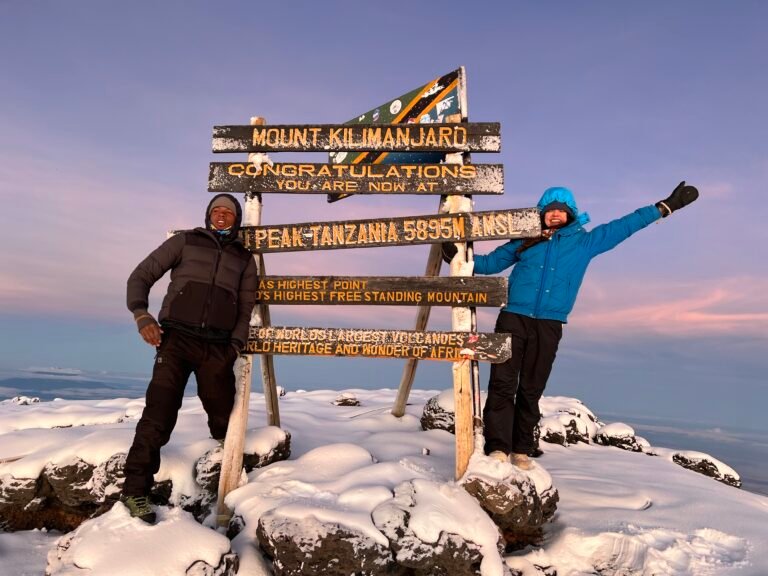
6 Days Rongai Route Kilimanjaro Hiking – 6–11 December 2026
6 Days Rongai Route Kilimanjaro Hiking – 6–11 December 2026.
View package details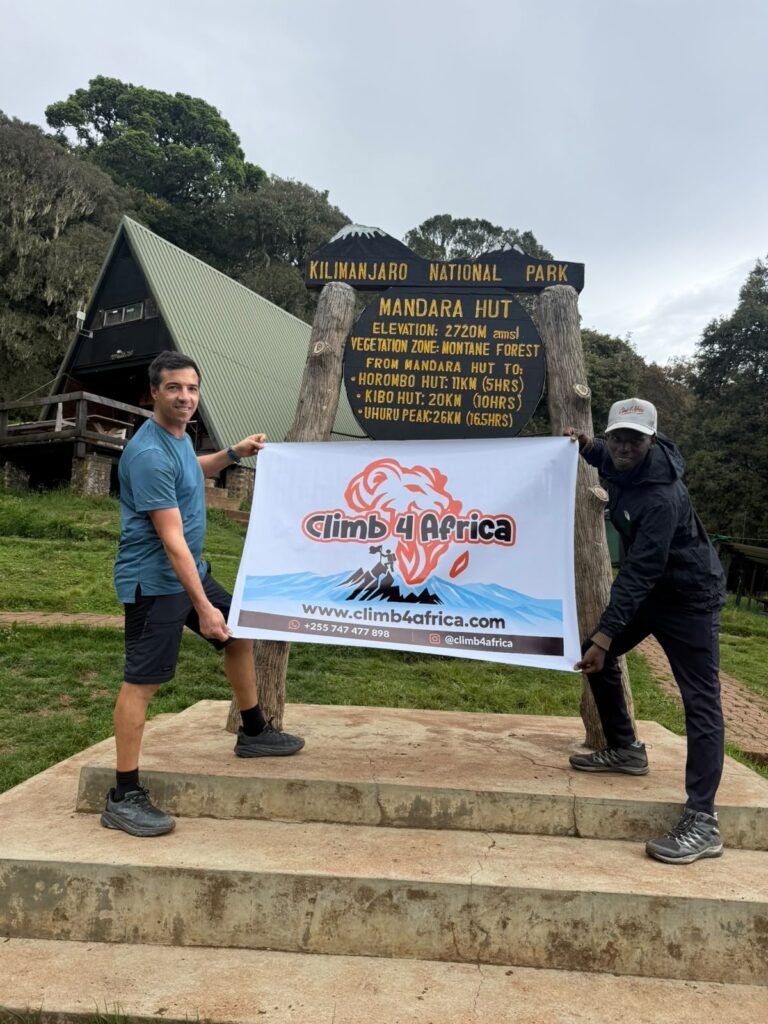
6 Days Marangu Route Kilimanjaro Group Departure – 16–21 December 2026
6 Days Marangu Route Kilimanjaro Group Departure – 16–21 December 2026.
View package details6 Days Marangu Route Kilimanjaro Group Joining – 1–6 December 2026
6 Days Marangu Route Kilimanjaro Group Joining – 1–6 December 2026.
View package details5 Days Marangu Route Kilimanjaro Group Climb – 8–12 December 2026
5 Days Marangu Route Kilimanjaro Group Climb – 8–12 December 2026.
View package details5 Days Marangu Route Kilimanjaro Trek – 2–6 December 2026
5 Days Marangu Route Kilimanjaro Trek – 2–6 December 2026.
View package detailsNo related package matches those filters. Clear one or more filters to see the other topic-matched options.



