
This plan is the standard 5-day Marangu Route Kilimanjaro trek mapped for 2–6 December 2026: Day 1 Marangu Gate to Mandara Hut, Day 2 Mandara Hut to Horombo Hut, Day 3 acclimatisation day at Horombo Hut with short day-hike, Day 4 Horombo Hut to Kibo Hut, Day 5 pre-dawn summit push to Uhuru Peak and descent to Marangu Gate. Accommodation is in mountain huts; exact availability, guide assignment and final pick-up times must be confirmed with Climb 4 Africa before booking.
Why this precise 2–6 December 2026 plan matters
The focus of this page is the concrete travel sequence you will follow if you choose the 5 Days Marangu Route Kilimanjaro Trek – 2–6 December 2026 with Climb 4 Africa. You’re buying a specific five-day movement across the mountain: the day-to-day route, the acclimatisation design, and the logistics for transfers, hut stays and the summit attempt. This article explains what each day looks like, why each stage is ordered as it is, what trade-offs you should consider (fitness, altitude tolerance, and time windows) and what must be confirmed with the operator before you commit.
How the Marangu Route behaves in early December
December is the start of the short rainy season in northern Tanzania; trail conditions can vary day-to-day. The Marangu Route uses established hut accommodation on all nights, which simplifies logistics compared with camping routes. However, hut capacity is limited and the route is popular in December—book early and confirm your hut reservations and park permits with Climb 4 Africa. Weather variability means bringing waterproof layers and being flexible about summit timing while keeping safety priorities first.
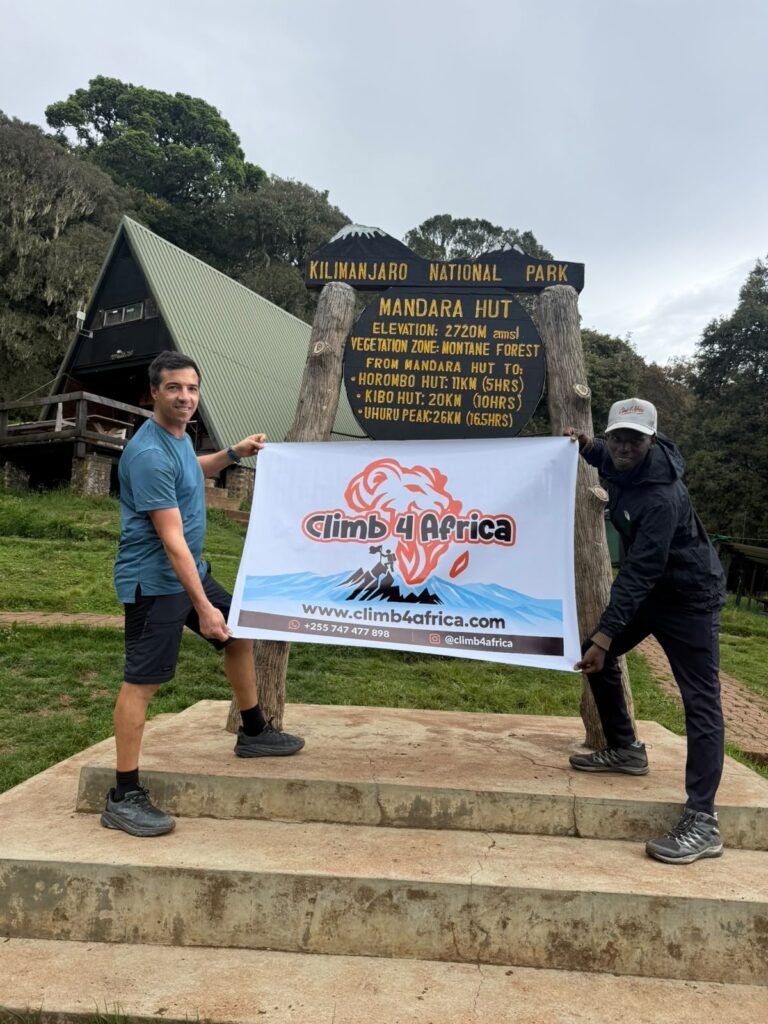
Day 1 — Marangu Gate to Mandara Hut
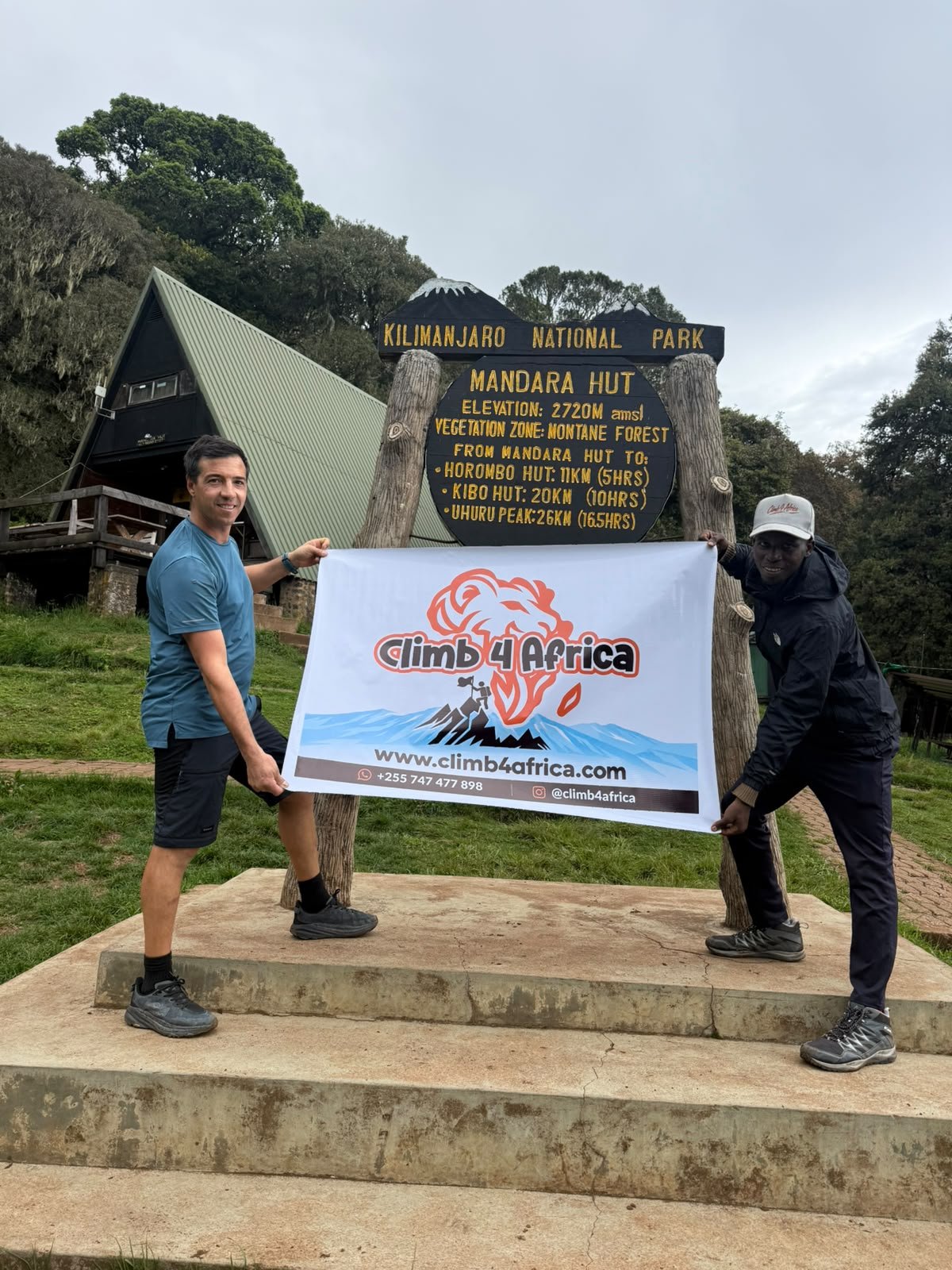
Route flow: Arrive from Moshi or Arusha to Marangu Gate (the operator will confirm your transfer pick-up time). The day begins with registration at the gate, then a gentle to moderate trek through montane rainforest up to Mandara Hut (the climb takes several hours depending on group pace). This stage is primarily about walking in, checking gear, and starting altitude exposure slowly.
Why it matters: The rainforest section is shaded and humid; energy conservation and steady pacing are the priorities. Mandara Hut is the first overnight stop and provides basic bunk-style accommodation. Use the afternoon to dry out any damp gear, review summit kit, and eat a carbohydrate-rich dinner. Confirm whether your package includes park entry at Marangu Gate and hut fees—Climb 4 Africa will provide the permit names and gate procedures.
Day 2 — Mandara Hut to Horombo Hut
Route flow: From Mandara you leave the dense forest and climb into heath and moorland, crossing progressively drier and more open terrain until you reach Horombo Hut. This is a long walking day designed to increase altitude exposure while keeping ascent moderate.
Acclimatisation logic: The second day gains significant altitude but keeps slopes manageable to allow gradual acclimatisation. Horombo Hut sits at a higher elevation and becomes your base for an acclimatisation day. Overnight facilities are again hut-style; verify sleeping arrangements and any kit storage rules with Climb 4 Africa.
Day 3 — Horombo Hut acclimatisation (short hikes & rest)
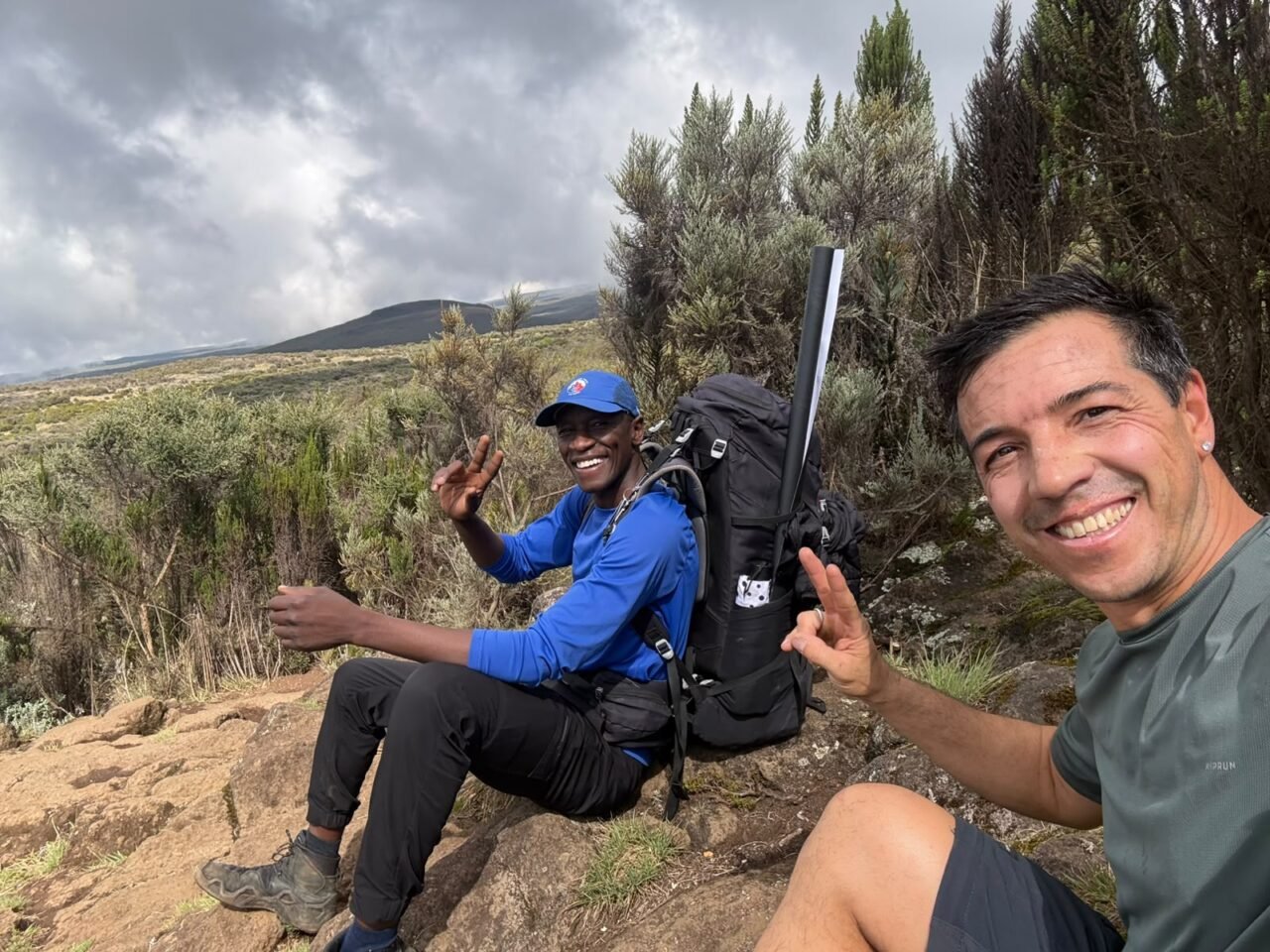
Route flow: A deliberate acclimatisation day at Horombo Hut. Typical activities include short daytime hikes to nearby features such as Zebra Rocks or a longer-but-moderate ridge walk, followed by a return to Horombo for an afternoon rest. This staged approach (climb high, sleep low relative to the day’s highest point) is the simplest proven acclimatisation tactic available on the Marangu Route.
What to do: Walk for 3–5 hours at a comfortable pace, hydrate, eat well, and monitor symptoms of altitude sickness. Practice dressing in layers so you can experience different altitude microclimates. This day reduces summit failure risk by improving oxygen adaptation before the high push to Kibo Hut.
Day 4 — Horombo Hut to Kibo Hut
Route flow: A steady but increasingly challenging day as you ascend from Horombo into alpine desert toward Kibo Hut, the last refuge before the summit push. The terrain becomes more barren, with wide volcanic slopes and fewer wind breaks.
Important logistics: Expect a much earlier breakfast and an earlier start than previous days to maximise daylight at higher elevations. Kibo Hut is basic and used mainly as a rest stop before the pre-dawn summit attempt. Confirm with Climb 4 Africa whether your package provides a private or shared sleeping area in Kibo Hut and what warm clothing the operator stores for you before the summit.
Day 5 — Kibo Hut to Uhuru Peak and descend to Marangu Gate
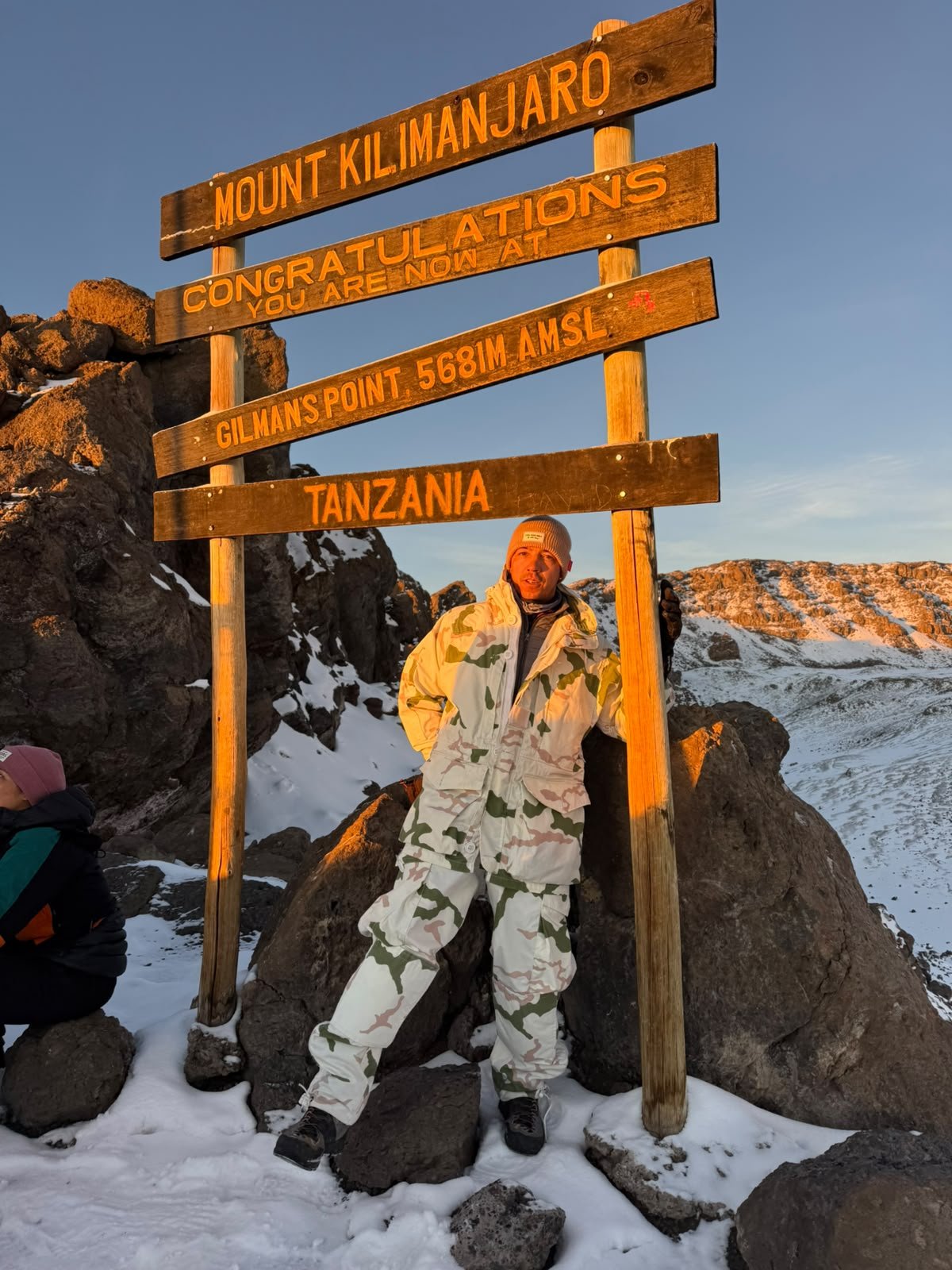
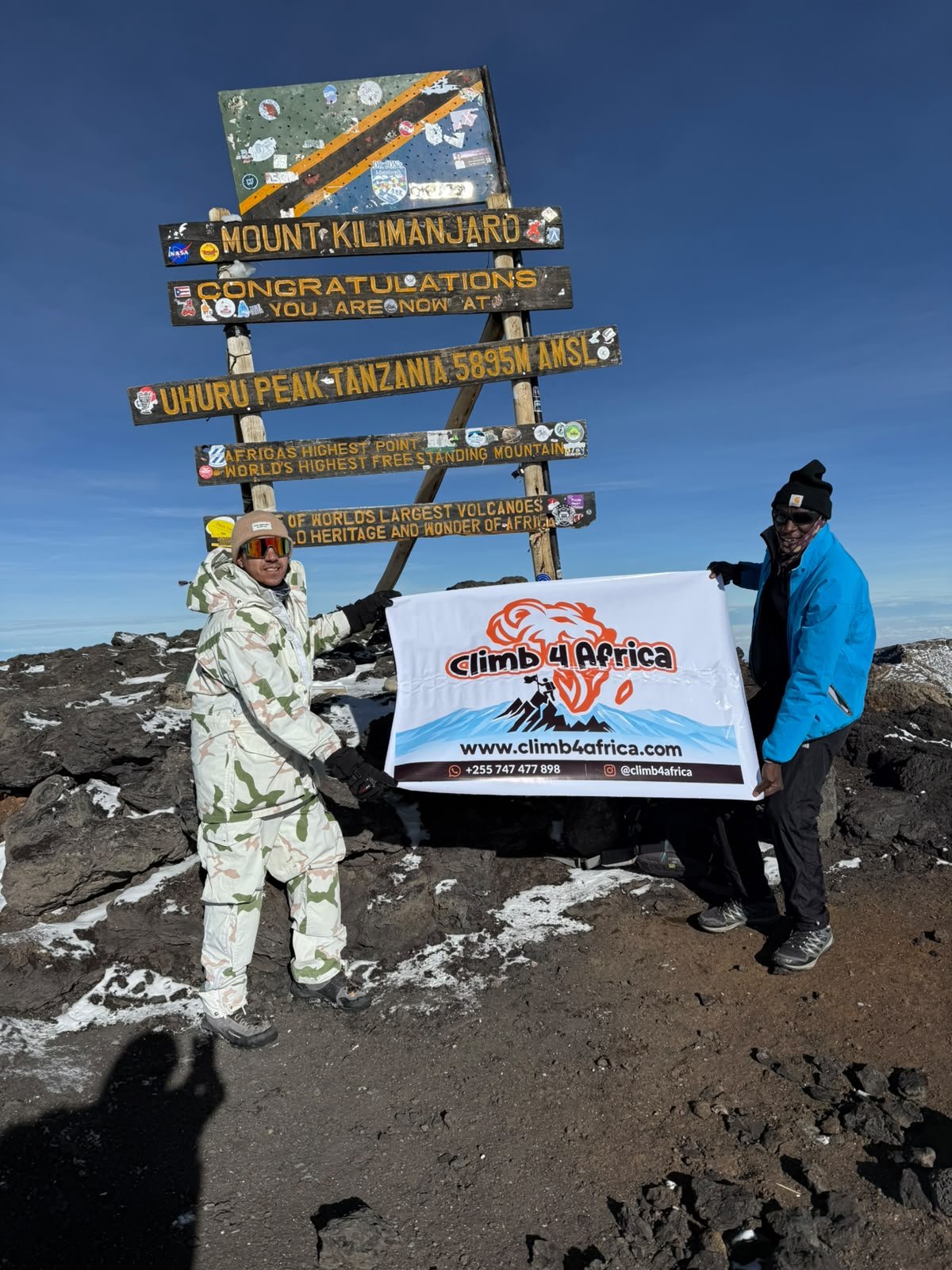
Route flow: Summit day begins around midnight with the pre-dawn ascent from Kibo Hut, climbing through the crater rim via the scree slopes to Gilman’s Point and onward to Stella Point and Uhuru Peak. After reaching Uhuru Peak you descend by the Marangu route back to Mandara Hut or, on this plan, continue descending to Marangu Gate for collection and transfer back to Moshi/Ar
What to expect in Marangu-route huts and day-to-day logistics
One practical gap readers often ask after seeing the 2–6 December 2026 sequence is what life actually looks like inside the Marangu-route huts and how daily logistics influence your pace, comfort and summit-night readiness. Below are concrete, widely applicable expectations for hut accommodation, food and basic services on the Marangu Route—plus the small operational checks you must make with Climb 4 Africa before you book.
Sleeping arrangements and communal life
Marangu is the only route on Kilimanjaro with permanent huts; this removes the need for tents but introduces shared sleeping areas. Expect dormitory-style rooms with bunk beds. In high season (December is busy) you will usually share a room with other trekkers unless you have pre-booked a private option and the operator confirms it. Beds are simple: mattress, pillow and basic blankets. Hut interiors are cold at night; a warm sleeping bag rated to at least -5°C to -10°C is strongly recommended for Kibo Hut and summit night. Bring a silk liner for hygiene and a small pad for extra insulation, as mattresses can be thin.
Meals and mealtimes
Hut meals follow a predictable schedule intended to support acclimatisation and energy balance. Breakfasts are early on summit day but normally follow a hearty pattern: porridge or eggs, bread, tea/coffee and fruit. Lunch is typically a set hot meal around mid-day after walking; dinners are served in the early evening. Vegetarian and most dietary restrictions can generally be accommodated with advance notice—confirm dietary needs when you book. Carry small, familiar snack items (energy bars, electrolyte powder, preferred chewables) because hut mess meals vary in portioning and timing.
Water, filtration and hydration strategy
Safe drinking water is provided at huts but policies differ: some huts supply boiled water; some require purification tablets or filters. On longer walking days carry at least 2–3 litres in a readily accessible bottle or hydration pack. Bring your preferred water-treatment method as a backup and ask Climb 4 Africa whether boiled water or bottled water is included with your package for each hut night.
Sanitation and hygiene
Toilets are basic. Lower-elevation huts may have sit toilets with running water; higher huts commonly use pit or bucket systems. Hot showers are uncommon at altitude and, where available, can be very limited or charged extra. Hand sanitiser, biodegradable wet-wipes, and a lightweight towel are useful. Expect limited privacy and plan for modesty and patience in communal spaces.
Charging devices, lighting and communication
Power is scarce at higher huts. Some huts provide a communal charging point for a small fee; others have no charging at all. Carry spare batteries, a power bank rated for cold-weather operation, and a headlamp with fresh batteries. Mobile signal is intermittent above Horombo; confirm with your operator whether they provide any emergency communication gear in your group.
Kit storage, laundry and daypack management
Huts have limited secure storage. If you want to leave non-essential items at Horombo or Mandara while doing a summit push, discuss this with your operator in advance; many companies will store a small duffel in a locked area at base or Horombo. Laundry is not available on-route—bring a small zip bag for dirty clothes and plan clothing layers to minimize changes.
Porters, guides and tipping culture
Marangu route climbs are supported by guides and porters. Porters carry communal supplies and personal porter loads are governed by local regulations and operator policies. Tipping is customary at the end of the trek; organise expectations with Climb 4 Africa before departure so you understand recommended amounts and whether tips are pooled or distributed individually.
Summit-night logistics specific to huts
Kibo Hut is a short rest stop rather than a comfort zone. Beds are crowded; many clients only rest briefly before the pre-dawn start. Heat retention, food timing and quick layering systems matter most on summit night. Prepare clothes in a single summit bag (waterproof shell, insulated jacket, gloves, hat, spare socks) and leave non-essential luggage at Horombo after confirming storage options.
Confirmations you must get from Climb 4 Africa
- Exact sleeping arrangements (shared dormitory vs private options) for each hut night.
- Whether boiled/bottled water or water treatment is supplied at huts.
- Charging availability and any fees at Horombo and Kibo Huts.
- Porter allocation per client and the operator’s tipping recommendation or system.
- Explicit policy for storing kit at Horombo if you plan to leave gear while summit-pushing.
These confirmations are operational details that materially affect comfort, summit readiness and packing choices. Asking them before you pay a deposit ensures you can pack, plan and pace your 5 Days Marangu Route Kilimanjaro Trek – 2–6 December 2026 with realistic expectations rather than surprises.
Post-summit descent, transfers and immediate recovery — practical steps after Day 5 (6 December 2026)
One of the most commonly under-explained moments on a Marangu-route schedule is what happens after the long summit push: the physical, logistical and administrative sequence between reaching Marangu Gate and being back at your hotel that same day. For the 5 Days Marangu Route Kilimanjaro Trek – 2–6 December 2026 this period is usually compressed and active. Below are concrete, typically reliable expectations and clear actions you should confirm with Climb 4 Africa before you travel.
Typical arrival window at Marangu Gate and what follows
After summiting and descending to Kibo and Horombo, most parties reach Marangu Gate late morning to mid-afternoon on Day 5. Exact timing depends on summit success, group size and pace; expect a broad arrival window roughly between 09:00 and 16:00 local time. At the gate you will complete official sign-out formalities with park staff and present any rescue or medical forms if used during the trek. Guides and porters commonly organise a final group photo and a short debrief for the team and porter tips.
Practical items to confirm in advance with your operator: the expected transfer pick-up point and earliest/ latest pick-up times from Marangu Gate; whether snacks, hot drinks or a short warm meal are available at the gate; and where your stored luggage will be returned (some operators leave bags at a base office in Marangu village or at a park collection point).
Transport logistics: transfers to Moshi/Arusha and timing constraints
Most climbers plan an onward transfer to Moshi (the nearest town) or Arusha on the afternoon of Day 5. Transfers are typically by minivan or private car and can take from 45 minutes to 3 hours depending on destination and road conditions. If you need to reach Moshi or an airport that same evening, tell Climb 4 Africa in advance so they can schedule an appropriate vehicle and avoid long waits at the gate. Operators rarely guarantee same-day long-distance transfers (for example to Kilimanjaro International Airport) without prior arrangement because summit-day timing is unpredictable.
If you prefer to rest in Marangu village first, confirm with your operator whether they provide a short-time “post-trek” resting space or whether you must proceed directly to your booked hotel in Moshi. Reserve your hotel night in Moshi for the evening of 6 December and note an expected late morning–afternoon check-in; many hotels will hold a late check-in for climbers but confirm their policy.
Immediate medical checks and recovery priorities
After several hours at high altitude and a strenuous descent, the highest priorities are hydration, warmth and monitoring for altitude-related symptoms. Guides will usually conduct an informal medical check at the gate: pulse, breathing, ability to mobilise and orientation. If you feel unusually breathless, confused, faint, or unable to walk unaided, notify staff immediately—do not wait for the scheduled debrief.
Brief practical recovery steps to follow as soon as possible: rehydrate with electrolyte fluids, change into dry clothes, eat a balanced carbohydrate-protein snack, rest in a warm environment, and avoid alcohol for 24 hours. If you have pre-booked a hotel shuttle, use it only after your guide confirms you are fit to travel.
Contingency: missed summit, slow descent or emergency evacuation
Not everyone reaches Uhuru Peak. If you do not summit, the same post-trek sequence applies: debrief, sign-out at the gate, and transfer planning. If the group experiences a slow descent and arrives at the gate late in the day, Climb 4 Africa should have a contingency plan for night-time shelter or delayed transfers—confirm their late-arrival procedures before departure.
Evacuation for serious illness or injury is handled by the guides liaising with park rangers and, if necessary, arranging road or air evacuation. Ask Climb 4 Africa prior to booking about their evacuation processes, typical response times in the Marangu sector, and what your travel/medical insurance must cover. Carry printed and digital copies of your insurance policy, emergency contact numbers and any relevant medical history in your daypack.
Final logistical checklist for Day 5 planning
- Confirm transfer pickup location and earliest/latest pickup times from Marangu Gate with Climb 4 Africa.
- Reserve your hotel night in Moshi for 6 December with a flexible check-in or notify the hotel of a potential late arrival.
- Agree with your guide where your stored luggage will be returned (gate, operator office or hotel).
- Verify the operator’s late-arrival and medical-evacuation procedures and document your insurance details.
- Plan cash for porter tips and small post-trek purchases at the gate or in Marangu village.
Addressing these post-summit logistics before you start the climb removes common stressors on the final day and helps you recover safely and promptly after the 5 Days Marangu Route Kilimanjaro Trek – 2–6 December 2026.
Practical Horombo Hut acclimatisation plan: detailed options, timing and measurable goals
Readers commonly ask how to use the Horombo Hut day most effectively: what to do, when to move, and how hard to push to gain acclimatisation without risking fatigue before the summit. Below is a concrete, practical short‑day schedule you can follow on Day 3 that turns a loose “rest and optional hike” into a deliberate acclimatisation session tailored to the Marangu rhythm.
Overarching objective: increase time spent at higher altitude with brief, controlled exertion to stimulate acclimatisation while conserving energy for the Day 4 approach to Kibo and the summit night on Day 5.
- Morning: light wake, assessment and short walk (07:00–10:00)
Wake naturally after a normal hut breakfast. Use the first 60–90 minutes to hydrate, eat a light carbohydrate-rich snack, and let your guide perform a brief wellness check (heart rate, respiratory rate, subjective symptoms). Aim for a short, gentle walk from Horombo toward a nearby landmark such as Zebra Rocks or a ridge viewpoint. Keep pace conversational and stop frequently; the walk should feel easy rather than aerobic. Duration: 60–90 minutes out and back. The aim is exposure to slightly higher terrain without accumulating fatigue.
- Midday: rest, nutrition and passive acclimatisation (10:30–14:30)
Return to Horombo for a substantial rest window. Eat a hot mid‑day meal with a balance of complex carbs and some protein. Rest in layers to conserve energy and allow peripheral circulation to normalise. Passive acclimatisation—spending relaxed hours at this altitude—has real physiological benefit; avoid napping so long that you disrupt night sleep before the summit push.
- Afternoon: optional controlled “climb high, sleep low” hike (15:00–17:30)
If you feel well, attempt a guided 2–3 hour hike to higher terrain above Horombo (often to a ridge that gains a few hundred metres). Follow the principle of “climb high, sleep low”: ascend slowly, spend 30–60 minutes at the higher point to maximise oxygen exposure, then descend back to Horombo to sleep. Keep exertion moderate—talk frequently with your guide about breathing and perceived exertion. If at any moment you feel sustained headache, nausea, dizziness or extreme breathlessness, stop and descend immediately.
- Evening: tactical preparation and sleep hygiene (18:00 onward)
Aim for an early, carbohydrate-focused dinner timed to allow digestion before the pre‑midnight summit departure. Lay out summit clothes and keep a small personal summit bag ready. Prioritise sleep hygiene: limit caffeine and screens in the final hour, and use earplugs and an eye mask if the hut is busy. Even if you don’t fall into deep sleep, short, quality rest is more valuable than excessive daytime napping on this day.
Measurable targets and safety checks
- Keep aerobic intensity low: you should be able to converse in full sentences at all times during walks.
- Monitor subjective symptoms: persistent headache, nausea, or reduced coordination necessitate immediate rest and medical assessment by your guide.
- Hydration target: sip steadily throughout the day rather than drinking large volumes at once—use electrolyte fluids if available.
- Pulse and breathing: if you track pulse, expect a modest elevation with exertion; values should return close to resting baseline within 10–15 minutes of stopping. Guides will perform spot checks.
Gear and food choices for the Horombo acclimatisation day
- Carry a small daypack with a waterproof layer, warm mid‑layer, hat, gloves, headlamp, 1–2 litres of water and a couple of energy snacks (bars, dried fruit).
- Wear breathable base layers and avoid cotton; change into dry socks after walks to prevent chill.
- A small personal thermometer or pulse oximeter is useful only if you and your guide agree on thresholds for action; do not self‑diagnose—use readings to inform a professional assessment.
Decision points your guide will use
- Proceed with the afternoon “climb high” only if daytime checks (sleep quality, appetite, symptom absence) are satisfactory.
- If you show any moderate altitude symptoms, the guide will cancel further hikes and increase monitoring or consider a minor descent if needed.
This focused Horombo day plan transforms a single acclimatisation day into a structured, evidence-based step that supports the Day 4 approach to Kibo and the Day 5 summit attempt. Discuss this schedule with your Climb 4 Africa guide on arrival at Horombo so you agree on timing, individual pacing, and the precise short-hike objectives for your group.
Related Guides and Packages
Check Availability for 5 Days Marangu Route Kilimanjaro Trek – 2–6 December 2026
Ready to compare dates, prices, and the best option for your group? Send the package name and travel month so the team can reply with a clear quote, availability, and what is included.
5 Days Marangu Kilimanjaro Christmas Trek – 22–26 December 2026
5 Days Marangu Kilimanjaro Christmas Trek – 22–26 December 2026.
View package details5 Days Marangu Kilimanjaro New Year Trek – 29 December – 2 January 2026
5 Days Marangu Kilimanjaro New Year Trek – 29 December 2026 – 2 January 2027.
View package details5 Days Marangu Kilimanjaro Full Moon Trek – 21–25 December 2026
5 Days Marangu Kilimanjaro Full Moon Trek – 21–25 December 2026.
View package details5 Days Marangu Kilimanjaro December Trek – 19–23 2026
5 Days Marangu Kilimanjaro December Trek – 19–23 December 2026.
View package details5 Days Marangu Route Kilimanjaro Group Climb – 8–12 December 2026
5 Days Marangu Route Kilimanjaro Group Climb – 8–12 December 2026.
View package details6 Days Marangu Kilimanjaro Hut Trekking – 6–11 December 2026
6 Days Marangu Kilimanjaro Hut Trekking – 6–11 December 2026.
View package details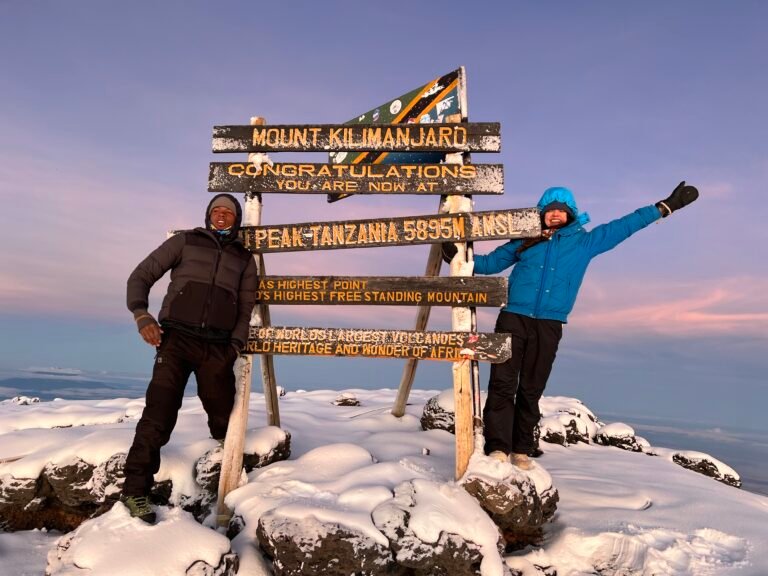
6 Days Rongai Route Kilimanjaro Hiking – 6–11 December 2026
6 Days Rongai Route Kilimanjaro Hiking – 6–11 December 2026.
View package details6 Days Marangu Kilimanjaro New Year Climb – 28 December – 2 January 2026
6 Days Marangu Kilimanjaro New Year Climb – 28 December 2026 – 2 January 2027.
View package details6 Days Marangu Kilimanjaro Christmas Holiday Climb – 21–26 December 2026
6 Days Marangu Kilimanjaro Christmas Holiday Climb – 21–26 December 2026.
View package details6 Days Marangu Kilimanjaro Full Moon Climb – 20–25 December 2026
6 Days Marangu Kilimanjaro Full Moon Climb – 20–25 December 2026.
View package details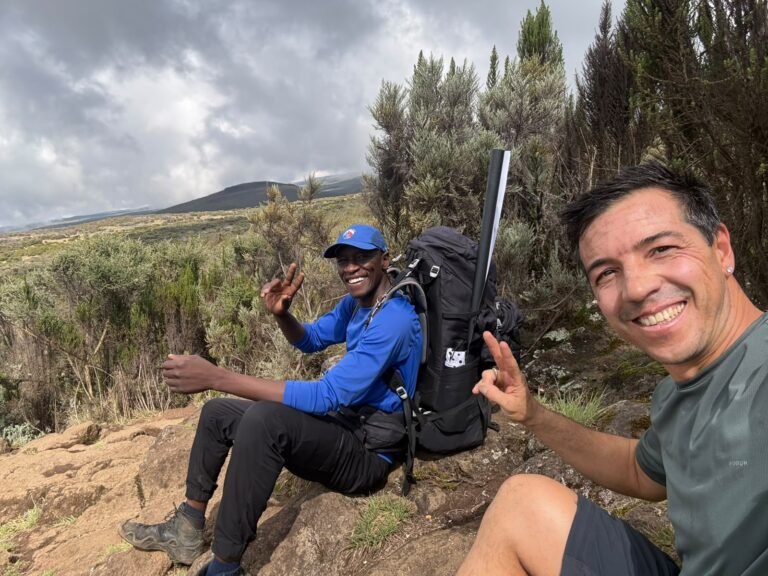
6 Days Marangu Kilimanjaro Group Hiking – 9–14 December 2026
6 Days Marangu Kilimanjaro Group Hiking – 9–14 December 2026.
View package details6 Days Marangu Route Kilimanjaro Group Departure – 16–21 December 2026
6 Days Marangu Route Kilimanjaro Group Departure – 16–21 December 2026.
View package detailsNo related package matches those filters. Clear one or more filters to see the other topic-matched options.



