
This 5 Days Marangu Kilimanjaro December Trek – 19–23 December 2026 follows the classic Marangu Route with hut accommodation: summit attempt from Kibo Hut on Day 4/early Day 5 and descent via Horombo Hut back to Marangu Gate by late Day 5. The package is a structured 5-day climb with local guides, porters and hut nights; exact group departures, availability and final inclusions must be confirmed directly with Climb 4 Africa.
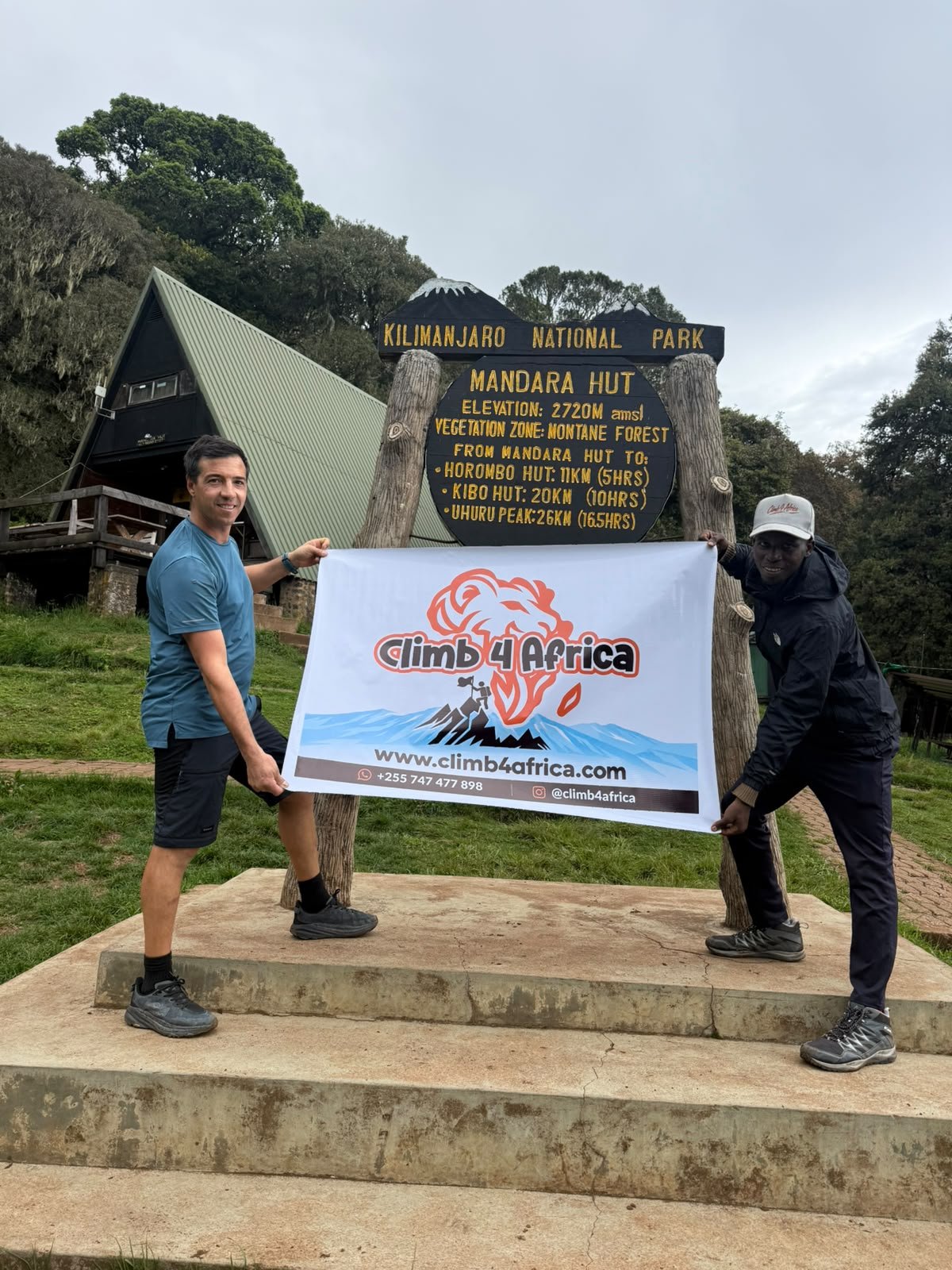
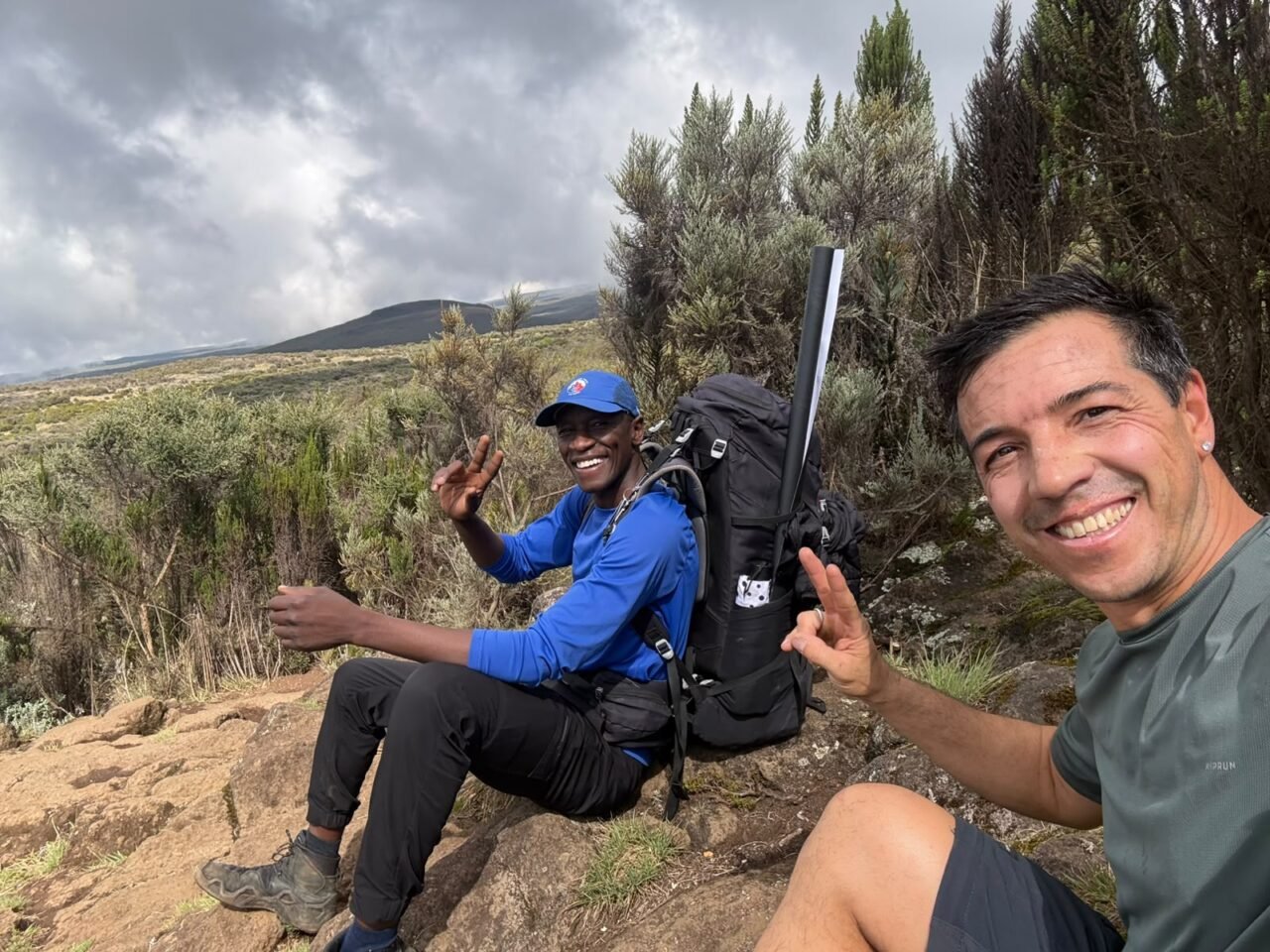
Below is a practical, field-guide style plan for the 5 Days Marangu Kilimanjaro December Trek – 19–23 December 2026. Focus is on daily route flow, why each stage is ordered that way, what you should expect at huts, simple equipment reminders, and which points require confirmation with the operator before you book.
Quick practical notes before the day-by-day
Marangu is the only route on Kilimanjaro with permanent hut accommodation on the mountain; that matters for planning kit weight and sleeping comfort. This 5-day variant is a fast Marangu schedule that keeps a summit night at Kibo Hut. Because the itinerary shortens acclimatisation time versus 6–7-day options, fitness and conservative pace are important. Confirm with Climb 4 Africa the guide-to-client ratio, porter allowance, sleeping arrangements in huts, and whether meals, park fees and rescue insurance are included for the 19–23 December 2026 dates.
Day 1 — Marangu Gate to Mandara Hut
Route flow: pick-up from Moshi/Arusha area in the morning, park registration at Marangu Gate (1,860 m), then forest walk to Mandara Hut (2,700 m). Expect 3–5 hours walking depending on group pace. The trail climbs through dense montane forest and can be damp in December; waterproofs and quick-dry layers matter. Food is held at Mandara Hut dining area; huts have bunk beds and shared facilities—confirm whether the hut uses hot-water buckets and the current sanitary arrangements.
Why this order: Mandara Hut is the traditional first-night stop on Marangu. It allows an easier first day to settle in and gives you exposure to mountain weather without aggressive altitude gain. On arrival, hydrate, eat, and do light stretching. Avoid strenuous afternoon exertion to help begin acclimatisation.
Day 2 — Mandara Hut to Horombo Hut
Route flow: after breakfast, leave the forest zone, cross moorland and heather through the first ridge and head to Horombo Hut (3,720 m). Walking time typically 6–7 hours. The terrain opens up: views improve and nights get colder. The progressive ascent from 2,700 m to 3,720 m is the main acclimatisation step on this schedule.
Acclimatisation logic: this longer day gains significant elevation but uses a steady trail and a good hut at Horombo for recovery. Take time on arrival to check your oxygenation (resting pulse and symptoms of mild AMS). Ask guides about adjusting your pace the following day if you show any signs of altitude trouble.
Day 3 — Horombo Hut to Kibo Hut (via saddle approach)
Route flow: a relatively short but important day: Horombo to Kibo Hut (4,703 m). Expect 4–6 hours of trekking crossing the saddle area between Mawenzi and Kibo. The landscape shifts to volcanic scree and sparse vegetation. Kibo Hut is high and cold; it is the staging point for the summit attempt. Confirm whether your hut mattress and sleeping bag requirements are supplied or whether you must bring a mountaineering-grade sleeping bag.
Why this day matters for summit success: this is your last active day before the summit push. Guides will brief you in the evening about wake times, headlamp use, layering strategy, and the pace to expect. Hydration and carbohydrate intake on Day 3 affect how you handle the cold and exertion during the summit night.
Day 4 — Summit attempt: Kibo Hut → Summit (Uhuru Peak) → Horombo Hut
Route flow: start late-night (often between 23:00–01:00) from Kibo Hut, climb through lunar scree to Gilman’s Point (5,681 m) then along the crater rim to Uhuru Peak (5,895 m), then descend back to Horombo Hut for sleep—this itinerary keeps descent to Horombo on the same calendar day. Summit times and starting hour are arranged by the guide based on weather and team condition. The ascent is steep, slow and cold; headlamp, crampon alternatives, and layered down clothing are essential. The descent from the crater rim back to Horombo is long—expect a full day of travel.
Acclimatisation and safety: because the 5-day plan compresses acclimatisation, be aware of greater summit strain. Guides will monitor clients closely; if you or the guide consider conditions unsafe, summit attempts may be delayed or turned back. Confirm with Climb 4 Africa how turns-backs are handled operationally and how descent logistics (like porter reallocation) work.
Day 5 — Horombo Hut to Marangu Gate and onward transfer
Route flow: after breakfast at Horombo, descend through moorland and forest back to Marangu Gate for official sign-out and transport to Moshi/Arusha. Typical walking time 5–6 hours. Expect relief on reaching the gate; arrangements for collecting certificates (if issued) and returning luggage should be checked ahead of time. This day completes the 19–23 December 2026 sequence.
Post-trek logistics: confirm your transfer windows with Climb 4 Africa—whether they return you to your Moshi hotel or the airport—and advise them of any onward travel. December is a busy month; reconfirm pick-up times and whether a shower/change room is available at the park exit or your hotel.
What is included and what you must confirm
- Included typically: local registered guides, porters, park fees, hut accommodation on
Essential pre-summit checklist: acclimatisation, pacing, medication and emergency protocols
Because the 5 Days Marangu Kilimanjaro December Trek compresses acclimatisation into a short schedule, the most valuable single addition to the existing itinerary is a concrete, practical pre-summit checklist that ties together pacing, medical preparedness and emergency procedures you must sort before and during the climb. This section explains what to arrange with your operator and what to pack and monitor so that the summit night (Kibo Hut → Uhuru Peak) has the best possible chance of success while keeping safety the priority.
Acclimatisation and pacing — how to move during each stage
On a short Marangu itinerary the mantra is: slow up, faster down. During ascent days (especially Day 2 and Day 3) maintain a deliberately slow walking rhythm—think trekking pole cadence and frequent short breaks every 20–30 minutes rather than long rests. Small, regular snacks and high fluid intake are more effective than occasional large meals. At Kibo Hut on Day 3, rest as much as possible in the afternoon; avoid heavy activity, take in carbohydrate-rich food and confirm the summit start time with your guide.
Key personal medical items to carry
- Prescription medications in original packaging plus a copy of the prescription.
- Acetazolamide (Diamox) only if already prescribed by your physician — discuss prophylactic or symptom-based use before travel.
- Analgesics (paracetamol/ibuprofen), anti-nausea tablets, and a short course of antibiotics if advised by your doctor for remote expedition use.
- Blister kit, high-SPF lip balm and any personal asthma inhalers or other inhaled therapies.
- Small first-aid kit including sterile dressings, antiseptic wipes and a triangular bandage; porters and guides carry larger group kits, but personal items are faster to access.
- Pulse oximeter and wristwatch (or heart-rate monitor) — useful tools for regular self-monitoring of oxygen saturation and pulse on the summit night and at high camp. These are not diagnostic alone but help guide conversations with your guide.
Recognising and responding to altitude illness
Know the basic red flags of acute mountain illness: persistent severe headache not relieved by analgesics, increasing breathlessness at rest, severe nausea or vomiting, confusion, inability to walk steadily, and cough producing frothy sputum. If any of these signs appear, alert your guide immediately — descent is the only definitive treatment. Confirm with Climb 4 Africa in advance how they implement turn-back decisions, evacuation procedures and whether supplemental oxygen and emergency descent stretcher services are available on your selected dates.
Practical kit and hut-specific items
Because Marangu uses huts, you can reduce weight compared with camping routes, but December brings damp and cold at altitude. Recommended hut-specific items:
- Sleeping bag rated to at least -10°C (down or synthetic) — operators sometimes supply mattresses but not sleeping bags; confirm with Climb 4 Africa.
- Lightweight, warm sleeping liner or fleece sheet to add hygiene and an extra warmth layer.
- Quality headlamp with spare batteries and a compact power-bank (note: charging is often possible at huts for a fee; confirm availability).
- Water bottle(s) or insulated flask(s) and a small thermos for hot drinks. Hot water at huts and on summit night may be limited—plan to treat or purify water as needed.
- Gaiters, stiff-soled hiking boots, trekking poles (highly recommended for knees on descent), gloves (liners and insulated outer), and a down jacket or belay parka for summit exposure.
Emergency and insurance confirmations to make before you travel
- Confirm that your operator carries adequate group medical kits, communication equipment (satellite phone/VHF), and protocols for helicopter evacuation or ground evacuation if required on your specific 19–23 December 2026 departure.
- Obtain travel insurance that explicitly covers high-altitude trekking to 5,895 m (Uhuru Peak) and emergency helicopter evacuation; keep a copy of the policy and emergency contact numbers with your guide and in your day pack.
- Confirm with your operator how turn-back decisions are communicated, whether clients can be flown out directly from the high route, and the likely cost-recovery arrangements for rescue services (so you know what insurance must cover).
Implementing this checklist—controlled pacing, active monitoring for AMS, an appropriate personal medical kit, and clear pre-trip confirmations with Climb 4 Africa about emergency procedures and equipment—closes the practical safety gap left by an accelerated 5-day Marangu itinerary. These steps do not guarantee summit success, but they do maximise safety, maintain clear expectations between client and guide, and prepare you to respond quickly if conditions change on the summit night.
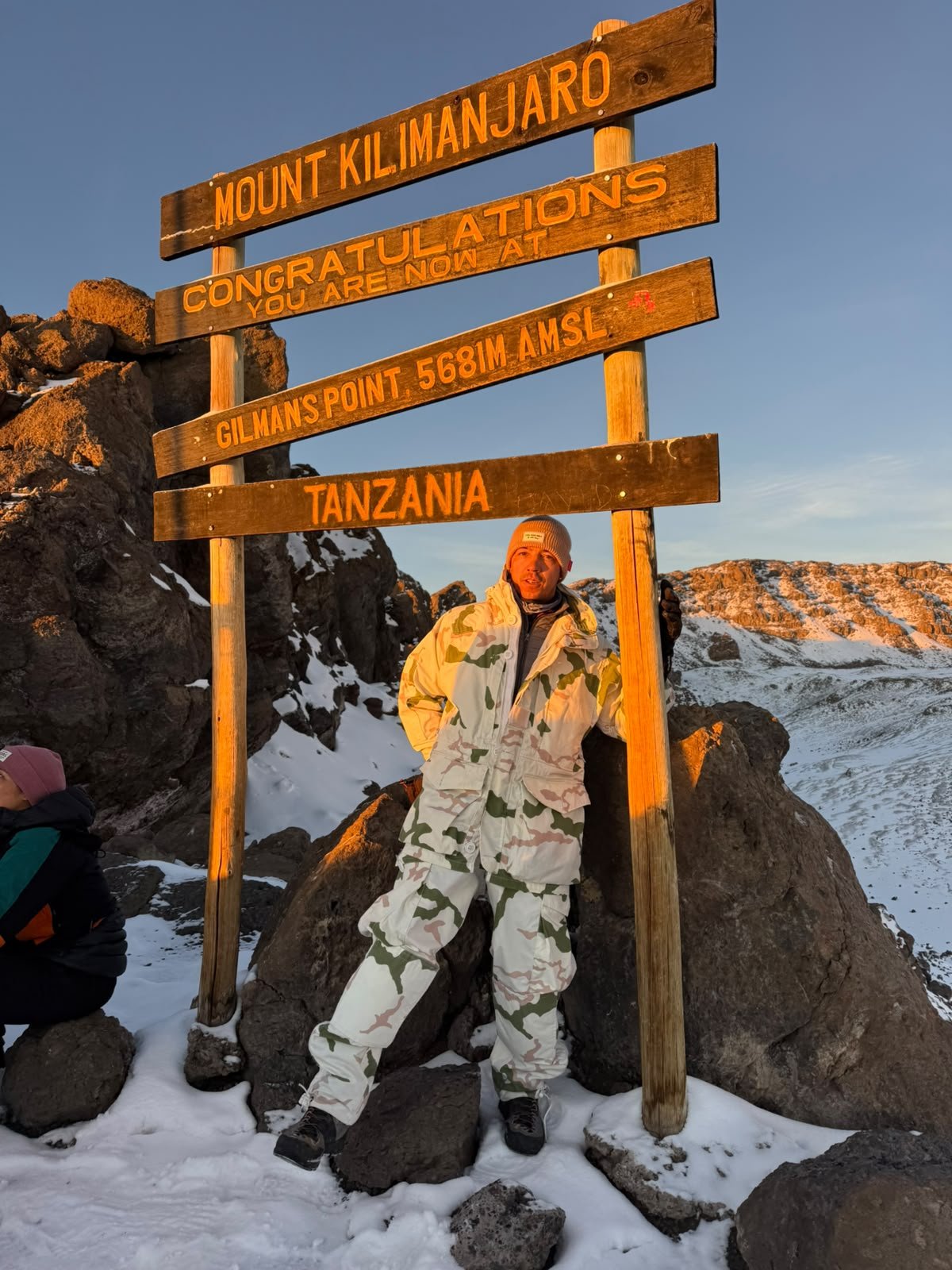
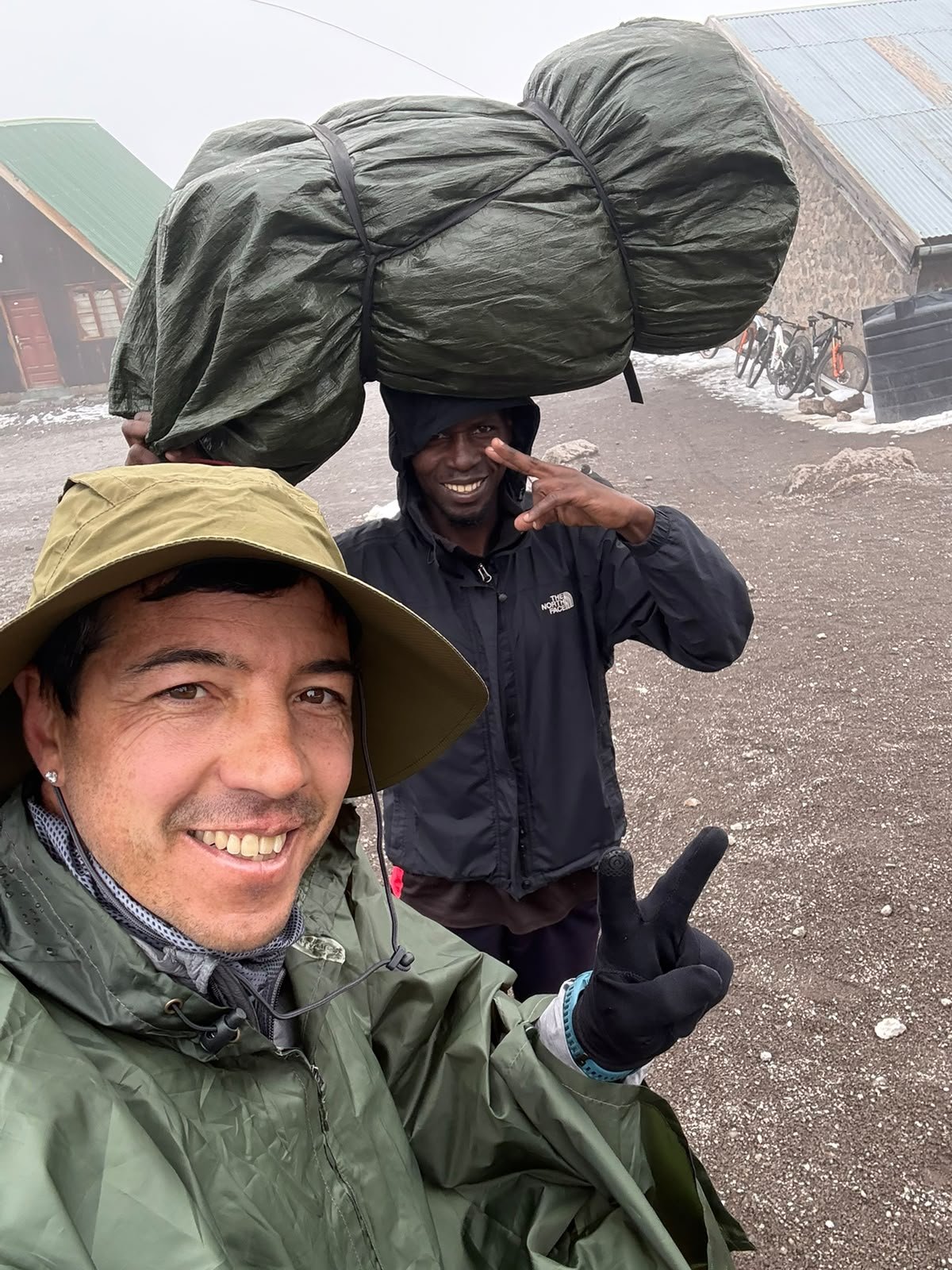
Hut etiquette, porter & guide interaction, and on-mountain services (what to expect and what to confirm)
One practical area not yet covered in detail is the social and service structure you will rely on during the 5 Days Marangu Kilimanjaro December Trek – 19–23 December 2026: hut norms, guide/porter roles, tipping protocol, charging and laundry expectations, and simple etiquette that keeps camps running smoothly. These elements materially affect your comfort, group dynamics and day-to-day planning—especially on the Marangu route where everyone sleeps in close quarters and services are concentrated in fixed huts.
Hut routines and shared spaces
Huts on Marangu operate on a shared-use basis: communal dining rooms, shared bunk dormitories, and centralized hut wardens who manage food service and basic housekeeping. In December you should anticipate damp conditions at lower hut levels and cold at higher huts; ventilation varies and bunks are usually wooden platforms with thin mattresses. Ask Climb 4 Africa in advance about current mattress provision, whether they provide mattress covers, and whether bunks are single or shared with other groups.
Practical hut etiquette:
- Keep personal items in a small, soft duffel that can fit under the bunk: space is limited and porters will stack gear outside or in communal storage areas.
- Use the dining area only at meal times—guides and cooks will organise set meal windows. If you need snacks between meals, keep them discreet to avoid wildlife attraction and clutter.
- Respect quiet hours: summit-night starts late and many clients rest early; minimise noise and bright lights in dorms after 20:00.
- Bring your own hygiene supplies (wet-wipes, tissues, small towel). Toilet facilities can be basic and hygiene kits are personal items.
Guide and porter roles—what they do (and what to confirm)
Guides are responsible for route leadership, pace-setting, symptom monitoring for altitude sickness, and management of group decisions such as turn-backs. Porters carry client kit and camp supplies; on Marangu they typically transport group food and luggage between huts. Confirm the following with Climb 4 Africa before you travel:
- Guide-to-client and porter-to-client ratios for your 19–23 December 2026 departure (this affects individual load and safety).
- Whether porters carry only communal kit or also personal duffels; if they carry personal bags, check the maximum porter load in kilograms and whether you are expected to carry a daypack only.
- How guides communicate health concerns to clients and to park authorities—ask for the operator’s decision protocol for suspected severe AMS or evacuation scenarios.
Tipping, payment methods, and fair practice
Tipping is customary and an important part of porter and guide income. Do not invent fixed amounts—request recommended tipping guidelines from Climb 4 Africa and ask whether tips should be pooled or given individually. Practical points:
- Bring small denominations of Tanzanian shillings or USD in clean bills—some hut wardens and porters accept both; confirm the operator’s advice on currency preferences.
- Decide in advance whether the group will pool tips; this often reduces friction and ensures equitable distribution among porters and cooks.
Charging, communications and laundry expectations
Charging options at huts are limited and sometimes costly. Common arrangements include a communal charging point or a hut charging service for a small fee—confirm availability, costs and whether power is solar-limited (which affects evening charging). Consider these steps:
- Bring a power-bank capable of at least one full smartphone charge and spare batteries for headlamps.
- If you need to charge medical devices, notify the operator before departure so they can prioritise access or arrange alternatives.
- Laundry is generally not available; wet items can be hang-dried at lower huts but drying times in December can be long—plan spare warm layers accordingly.
Health, privacy and group decisions
In shared huts, privacy is limited. If you require any personal medical treatments or quiet time, coordinate with your guide ahead of time so they can schedule private consultations away from the dining area. On summit night, expect the guide to make final timing decisions: ask how these are made and recorded. Good operators document client oxygen saturation, resting heart rate and symptoms before approving summit attempts—ask Climb 4 Africa whether they perform these checks and what thresholds they use.
These service and etiquette details are not glamour, but they determine your daily experience on the 5 Days Marangu Kilimanjaro December Trek – 19–23 December 2026. Before booking, request a written summary from Climb 4 Africa that covers guide/porter ratios, tipping policy, hut mattress and charging arrangements, evacuation and medical protocols, and the expected division of roles between guides and porters. Clear expectations make a short, compressed Marangu schedule safer and more comfortable for everyone involved.
Summit decision points, turnaround criteria and on-route contingency plans
A crucial question many climbers still ask at booking time is: what exactly determines whether I go for Uhuru Peak on the night of Day 4? The 5 Days Marangu Kilimanjaro December Trek – 19–23 December 2026 compresses acclimatisation, so clear, pre-agreed decision points and practical contingency plans are essential. Below are the standard on-route checkpoints, objective and subjective criteria guides commonly use, and the simple, actionable contingency steps you should confirm with Climb 4 Africa before departure.
Pre-departure summit check (late evening at Kibo Hut)
Before the late-night push from Kibo Hut you will usually have a formal group briefing and a medical check. Typical items covered and verified include:
- Resting oxygen saturation (SpO2) and heart rate—recorded, compared to earlier baseline values, and logged by the guide.
- Clinical symptoms checklist—presence or absence of headache, severe nausea or vomiting, dizziness, confusion, ataxia (loss of coordination) or breathlessness at rest.
- Client readiness—adequate sleep for the expected pre-dawn wake, availability of required clothing layers, headlamp batteries, and food/fluids for the summit window.
- Weather and trail conditions—wind, temperature and forecasted visibility on the crater rim and descent route.
Confirm before booking whether your operator uses objective thresholds (for example, documented progressive AMS symptoms or persistent low SpO2) and how they record and communicate the decision to proceed or turn back.
Objective and subjective turnaround criteria used on Marangu
Guides generally combine objective measures with clinical judgment. Commonly-applied criteria include:
- Progressive altitude illness: worsening headache despite analgesia, persistent vomiting, severe weakness, ataxia, confusion or inability to walk—these prompt immediate descent.
- Oxygen saturation trends: a single low reading is weighed together with symptoms. Many teams treat consistently low SpO2 values plus symptoms as grounds for halting a summit attempt—discuss exact numeric thresholds with Climb 4 Africa beforehand.
- Performance on the early ascent: inability to maintain the group pace or repeated stoppages for breath beyond normal breaks.
- Severe hypothermia risk: shivering uncontrolled by layers, confusion or slow response—descent is the safe option.
On-route contingency and evacuation logistics
Because Marangu uses hut accommodation and established trails, typical contingency steps follow a predictable sequence. Confirm these logistics in writing:
- Immediate on-mountain care: guides carry first-aid kits and supplemental oxygen; they will stabilise and assess before any move.
- Descent staging: minor issues are usually managed by returning to Kibo or Horombo Hut for rest and observation. More serious cases are descended promptly to lower huts where park rescue teams can access the patient.
- Formal evacuation: the park has stretcher teams and ambulance access from the Marangu roadhead; helicopter evacuation is rare, weather-dependent and not guaranteed—ask your operator to explain typical timelines and who pays for helicopter lifts if needed.
- Communication: confirm how guides will contact base, the operator or park rescue (satphone, VHF, or mobile signal where available) and what contact numbers you should carry for emergency family communication and insurance providers.
Practical items to pack for rapid turns and safer descents
- A small ‘summit kit’ separate from your main bag: spare warm jacket, extremity layers (balaclava, gloves), emergency foil blanket, extra headlamp batteries, and compact high‑calorie snacks.
- Personal medication clearly labelled and easily accessible; any rescue medications (e.g., prescription nifedipine or dexamethasone if prescribed) kept with you and discussed ahead of the summit night.
- Water treatment tablets or a small water bottle so you stay hydrated during an unexpected extended descent.
Before booking, request Climb 4 Africa’s written policy on summit decision-making, SpO2 use, evacuation costs and communication protocols. That single document keeps expectations aligned and makes the compressed 5-day Marangu schedule safer and less stressful for everyone involved.
Related Guides and Packages
Check Availability for 5 Days Marangu Kilimanjaro December Trek – 19–23 2026
Ready to compare dates, prices, and the best option for your group? Send the package name and travel month so the team can reply with a clear quote, availability, and what is included.

5 Days Marangu Kilimanjaro Christmas Trek – 22–26 December 2026
5 Days Marangu Kilimanjaro Christmas Trek – 22–26 December 2026.
View package details5 Days Marangu Kilimanjaro New Year Trek – 29 December – 2 January 2026
5 Days Marangu Kilimanjaro New Year Trek – 29 December 2026 – 2 January 2027.
View package details5 Days Marangu Kilimanjaro Full Moon Trek – 21–25 December 2026
5 Days Marangu Kilimanjaro Full Moon Trek – 21–25 December 2026.
View package details6 Days Marangu Kilimanjaro Hut Trekking – 6–11 December 2026
6 Days Marangu Kilimanjaro Hut Trekking – 6–11 December 2026.
View package details5 Days Marangu Route Kilimanjaro Trek – 2–6 December 2026
5 Days Marangu Route Kilimanjaro Trek – 2–6 December 2026.
View package details6 Days Marangu Kilimanjaro New Year Climb – 28 December – 2 January 2026
6 Days Marangu Kilimanjaro New Year Climb – 28 December 2026 – 2 January 2027.
View package details6 Days Marangu Kilimanjaro Christmas Holiday Climb – 21–26 December 2026
6 Days Marangu Kilimanjaro Christmas Holiday Climb – 21–26 December 2026.
View package details6 Days Marangu Kilimanjaro Full Moon Climb – 20–25 December 2026
6 Days Marangu Kilimanjaro Full Moon Climb – 20–25 December 2026.
View package details
6 Days Marangu Kilimanjaro Group Hiking – 9–14 December 2026
6 Days Marangu Kilimanjaro Group Hiking – 9–14 December 2026.
View package details5 Days Marangu Route Kilimanjaro Group Climb – 8–12 December 2026
5 Days Marangu Route Kilimanjaro Group Climb – 8–12 December 2026.
View package details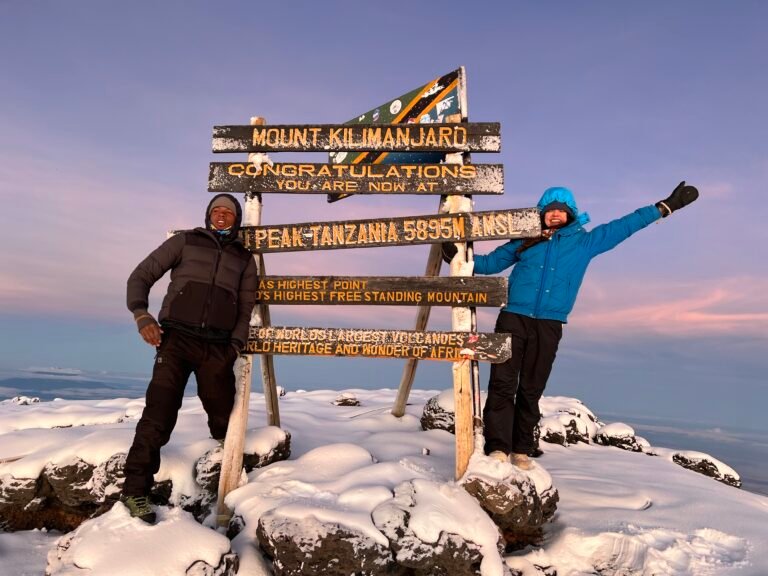
6 Days Rongai Route Kilimanjaro Hiking – 6–11 December 2026
6 Days Rongai Route Kilimanjaro Hiking – 6–11 December 2026.
View package details
December 4, Mount Kilimanjaro Marangu Day Hike
December 4, 2026 Mount Kilimanjaro Marangu Day Hike.
View package detailsNo related package matches those filters. Clear one or more filters to see the other topic-matched options.



