
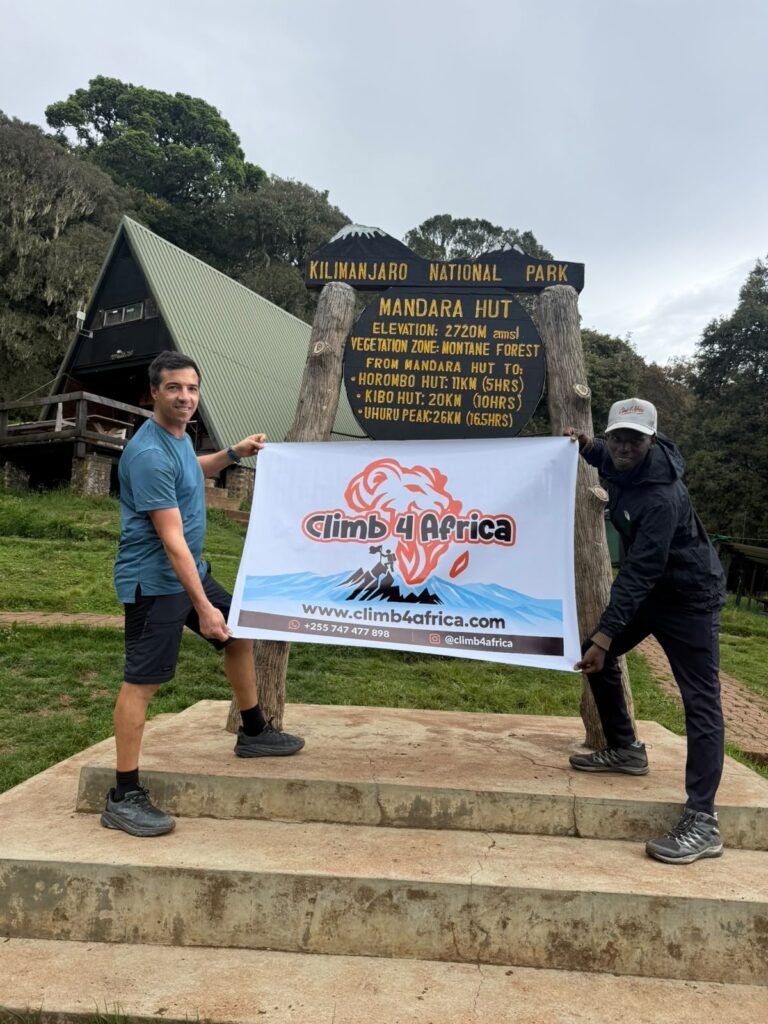
This December 4, 2026 Mount Kilimanjaro Marangu Day Hike is a single-day, guided ascent on the Marangu approach that starts with transfer from Moshi or Arusha to Marangu Gate, a permitted trek through rainforest and heath to Mandara Hut (or Maundi Crater viewpoint depending on the chosen variant) and returns the same day. The offer includes park permits, an experienced local guide, porters for group gear when booked through Climb 4 Africa; confirm availability and exact pick-up times before booking.
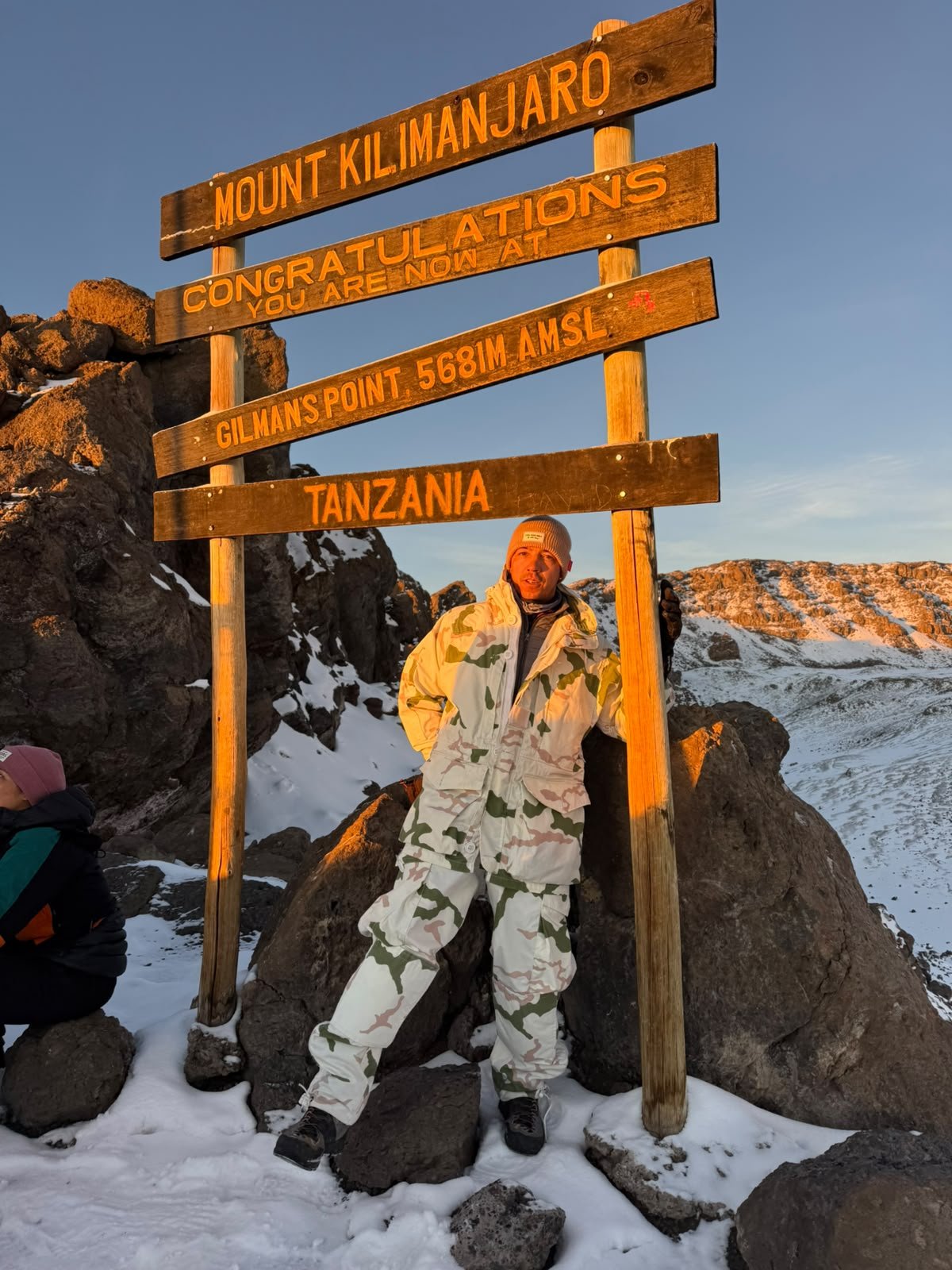
Below you’ll find a practical play-by-play for the day, sensible variants depending on fitness and acclimatisation needs, clear decisions to make when you book, and the logistical steps Climb 4 Africa will handle on your behalf. This is a one-day, bookable plan rather than a multi-night summit attempt — choose it when you want a solid Kilimanjaro experience without committing to several days on the mountain.
Why pick the December 4, 2026 Mount Kilimanjaro Marangu Day Hike?
Choose the Marangu day hike when you want a guided exposure to Kilimanjaro’s lower ecosystems in a single day: rainforest, giant heather and moorland sections, with a high-altitude campsite/hut area as the turnaround. It’s best for travellers with limited time, beginners wanting an introduction before a longer climb, or guests staying in Moshi who want a full-day mountain activity without overnighting on the trail.
Standard travel sequence (what you’ll actually do)
The following sequence is the practical spine of the day. Exact pick-up times and final route variant must be confirmed with Climb 4 Africa when you book.
Pre-dawn / morning — Meet and transfer
- Pickup from Moshi or Arusha accommodation early morning—confirm pickup time with Climb 4 Africa.
- Drive to Marangu Gate; at the gate you register and pay the park entrance (if not included in your package—confirm inclusions).
Trail stage — Gate to Mandara Hut (or Maundi Crater option)
Expect a gradual ascent through rainforest and open heath. The typical turnaround point for a day hike is Mandara Hut (the hut area offers rest and views). Some groups prefer to add the Maundi Crater rim or a longer ridge walk if time, fitness and park regulations allow—discuss this when booking.
Return — Descent and transfer back
Retrace the route to Marangu Gate and return to Moshi or Arusha. You’ll usually be back in town by late afternoon. Exact return times depend on group pace and any optional stops your guide arranges.
Two booking variants and who they suit
- Standard Day Hike (Mandara Hut turnaround): Best for first-time visitors, limited-time travellers, and those who want a moderate day with clear finishing point. Lower physical demand, minimal logistical complexity.
- Extended Day Hike (Maundi Crater rim or ridge loop): For fitter walkers who want more distance, extra viewpoints and a longer day on the slopes. Requires more time and should be checked for route permissions and guide recommendation.
What Climb 4 Africa includes and what you must confirm
When you enquire, ask for a written inclusions list. Typical inclusions for a bookable day hike through Climb 4 Africa are: local guide, park entry/permit (verify), transport to/from Moshi, and porter support for communal gear if required. Confirm whether packed lunch, bottled water, tip guidance and travel insurance handling are included. Do not assume park permits or transfers are included until they appear in your booking confirmation.
Packing and preparation — practical checklist
- Daypack with rain jacket, warm mid-layer, hat and gloves (higher sections can be cool).
- Sturdy hiking boots with ankle support and comfortable socks.
- Sunscreen, sunglasses and a reusable water bottle (the guide will advise refills/filters).
- Personal snacks, medication and a small first-aid kit. If you require prescription meds, bring extras.
- Headlamp for an early start or late return; charged phone and power bank.
Fitness and acclimatisation — realistic expectations
This is not a summit attempt; however, altitude gain still matters. The day hike gives exposure to higher elevation without overnighting on the mountain. If you plan to follow this day hike with a multi-day climb later in your trip, treat it as light acclimatisation rather than a full acclimatisation strategy. Tell your guide about previous altitude exposure and any medical concerns.
Timing, departures and availability
December is a busy month. Specific departures, group sizes and availability for the December 4, 2026 Mount Kilimanjaro Marangu Day Hike must be confirmed directly with Climb 4 Africa. We cannot publish live availability or guaranteed spaces here; contact
Choosing the variant on the day: Mandara Hut turnaround vs Maundi Crater vs extended ridge loop
One of the most practical unanswered questions for someone booked on the December 4, 2026 Mount Kilimanjaro Marangu Day Hike is: how do you decide, in real time, which route variant to take? Your booking may specify a default (typically the Mandara Hut turnaround) but guides commonly confirm the final plan at the gate based on conditions, group readiness and available daylight. The following decision framework helps you and your guide make a safe, sensible choice that matches your fitness, acclimatisation goals and expectations for the day.
Key factors your guide will weigh
- Group fitness and pace: How the slowest participants are feeling—comfortable walking pace, rest needs, and any reported symptoms of light altitude discomfort—shapes whether the leader keeps to the standard turnaround or extends the route.
- Time of day and daylight remaining: Even with a pre-dawn start, the guide checks current time against the expected pace and the park’s allowed exit time. Longer options are only offered when there is clear margin for a safe return before dusk.
- Trail and weather conditions: Rainy or slippery undergrowth, heavy mist or strong winds at higher elevations can make exposed ridge sections and the Maundi Crater rim less desirable. The guide will favour the sheltered Mandara Hut option in uncertain conditions.
- Acclimatisation considerations: If you’re using the day-hike as light acclimatisation before a multi-day climb, a slightly longer outing that gains more elevation might be useful—but only if you tolerate the higher altitude comfortably and can descend promptly if symptoms appear.
- Permit and park regulations: Some route additions may require explicit route permissions or ranger approval; your operator should confirm permitted variants ahead of the hike and the guide will not improvise beyond those permissions at the gate.
- Logistics and support: Availability of porters, whether a packed lunch is on hand, and radio or phone coverage for emergencies influence the decision to extend the day.
Practical decision checklist for clients (ask these before you start)
- “What is our planned turnaround point and what alternatives do you recommend today?” — get the guide’s default and the trigger criteria for change.
- “How much extra time and distance does the Maundi Crater or ridge loop add compared with Mandara Hut?” — request an approximate additional walking time in hours, not vague statements; the guide should give a realistic estimate based on current conditions.
- “If someone in our group feels unwell, what is the retreat plan?” — confirm descent options and assembly points so everyone understands the safety protocol.
- “Are permits and park rules needed for the extended options?” — ensure the guide confirms legalities so you’re not surprised at the gate.
- “Do we have sufficient water, food and clothing for an extended variant?” — if not, choose the standard turnaround.
Simple, practical outcomes by scenario
- If the group is steady, daylight ample and weather clear: The guide may offer the Maundi Crater rim or a ridge loop for extra views. This suits fit walkers who want more altitude exposure and view variety.
- If one or more participants report breathlessness, dizziness, or strong fatigue: The prudent choice is Mandara Hut turnaround and an early descent. Safety and conservative responses to altitude symptoms are standard practice.
- If conditions are damp, visibility poor, or the trail is slippery: Sheltered, lower-elevation options to Mandara Hut are preferable; exposed ridges are avoided.
- If you’re short on time (late pickup or planned evening commitments): Stick to the standard Mandara Hut plan to ensure a timely return to Moshi or Arusha.
How to communicate your preference without overriding safety
It is fine to tell your guide you’d like the extended option, but do so as a preference rather than a demand. Ask the guide to assess the factors above and confirm whether they recommend extension. Guides are experienced at balancing guest wishes with safety and park rules; a collaborative tone keeps the decision process clear and respectful.
Use this framework at the Marangu Gate briefing to leave the hike with confidence that the chosen variant—Mandara Hut, Maundi Crater rim or a longer ridge loop—reflects the day’s reality rather than a preconception. That clarity improves safety, satisfaction and the overall experience on the December 4, 2026 Mount Kilimanjaro Marangu Day Hike.
Using the December 4, 2026 Mount Kilimanjaro Marangu Day Hike as planned acclimatisation before a multi-day summit attempt
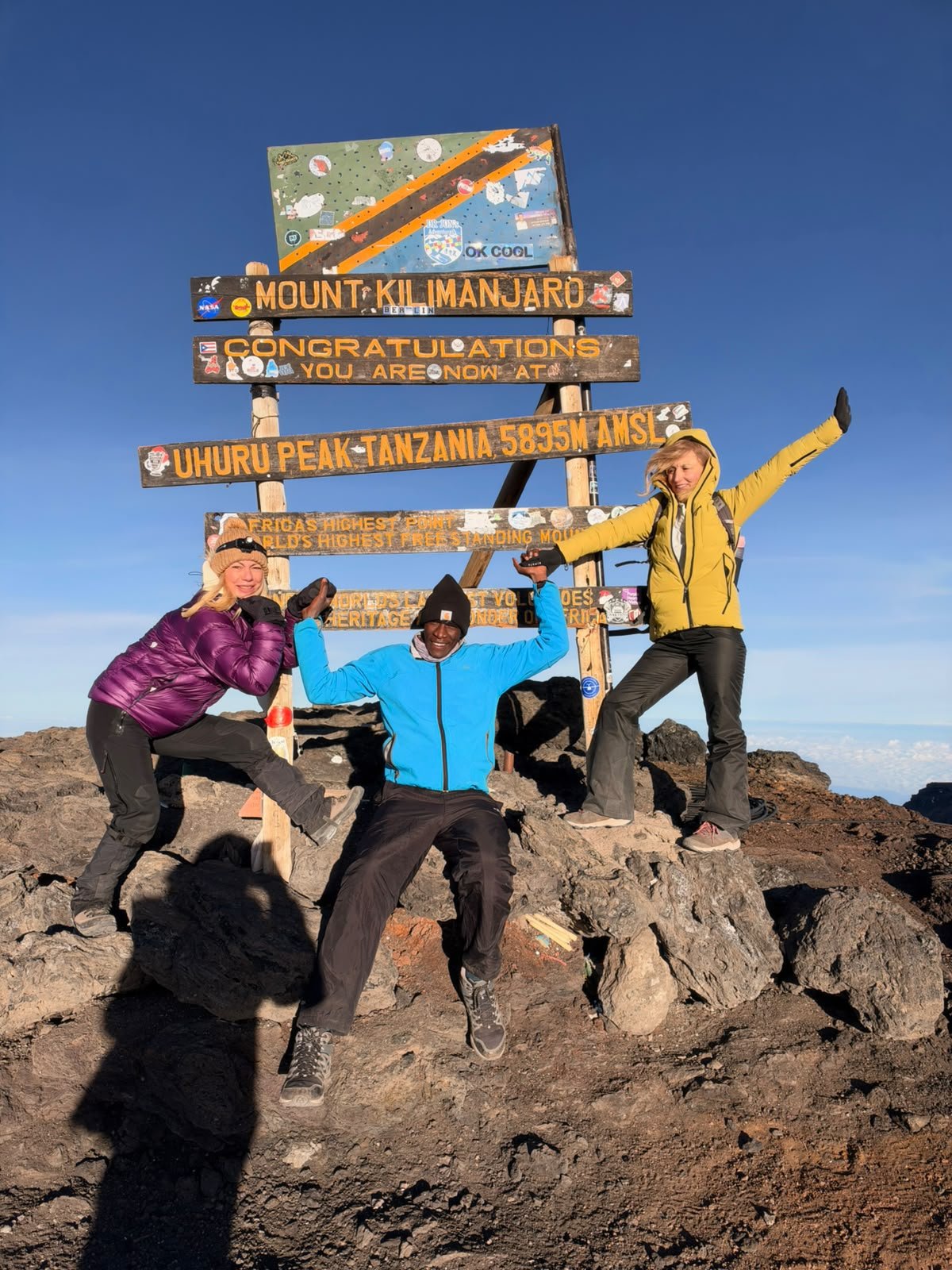
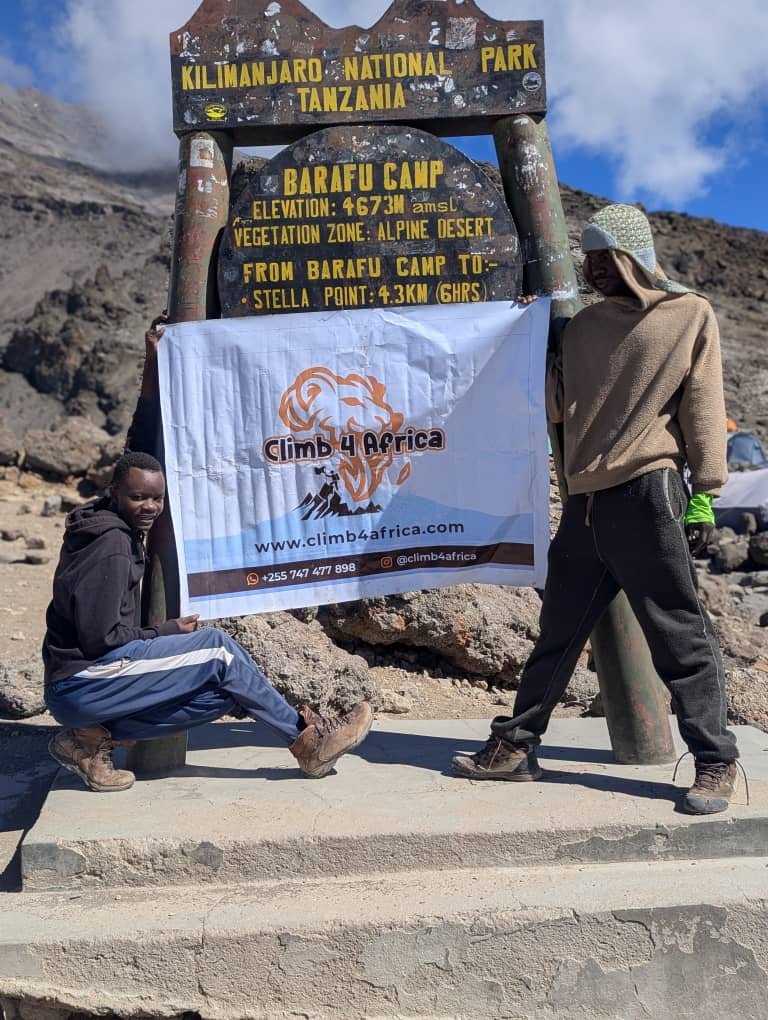
One clear, practical question remaining for many readers is whether and how the December 4, 2026 Mount Kilimanjaro Marangu Day Hike can be used deliberately as part of an acclimatisation strategy for a subsequent multi-day Kilimanjaro climb. The short answer: yes—used correctly the Marangu day hike is a useful, low-risk exposure to higher altitude that can inform and support a later multi-day itinerary, but it must be scheduled and managed to avoid undermining your summit attempt.
When to schedule the Marangu day hike relative to a multi-day climb
Best practice is to place the Marangu day hike at least 48–72 hours before beginning your multi-day Kilimanjaro trek. This gives your body time to settle after the single-day ascent and descent and avoids acute fatigue immediately before the multi-day start. If you plan a full acclimatisation block (several days), consider doing the day hike earlier in your trip—ideally 3–7 days before your multi-day climb—so the exposure contributes to progressive acclimatisation without creating overlapping recovery demands.
How the day hike helps acclimatise practically
- Controlled altitude exposure: The Marangu day hike typically reaches elevations that are higher than many base hotels in Moshi or Arusha, giving a real-time test of how your breathing and energy respond to altitude while you remain near medical and logistic support.
- Symptom baseline: Mild headaches, breathlessness on steep sections, or disrupted sleep the night after the hike provide useful early indicators of your altitude sensitivity so guides can tailor subsequent daily gain rates.
- Fitness confirmation: The day walk offers a low-commitment assessment of your fitness and endurance on trail terrain (packed boots, layered clothing, uneven paths), which can guide decisions on pace groups and porter support for the multi-day climb.
How guides will interpret the day-hike findings
Experienced operators use the day hike information in three concrete ways: 1) modifying your suggested day-to-day itinerary (e.g., choosing a 6- or 7-day route schedule that reduces daily altitude gain), 2) recommending extra rest or an additional acclimatisation day before the climb, and 3) adjusting personal kit and support (adding a porter, suggesting different sleeping arrangements). Make sure Climb 4 Africa records your response to the hike so these practical adjustments can be made in writing before your multi-day start.
What to avoid doing after the day hike
- Don’t start an immediate, strenuous transfer or another long hike the same day—prioritise low activity and hydration for the remainder of the day.
- Avoid heavy alcohol, long-haul travel the same night, or sustained physical exertion within 24 hours that could exacerbate dehydration or delay recovery.
- If you experience any moderate altitude symptoms during or after the day hike (persistent headache, nausea, severe fatigue, dizziness), report them immediately and delay starting the multi-day climb until cleared by your guide and, if required, a medical professional.
Using the day hike data to choose a multi-day route
If the day hike reveals significant breathlessness or slow recovery, prefer multi-day routes with slower daily altitude gain and an extra acclimatisation night (e.g., longer itineraries that include huts or camps at intermediate elevation). If the day hike is straightforward and you feel recovered in 48 hours, a standard multi-day itinerary remains reasonable—but always confirm that your operator will adapt pace and rest breaks to your measured performance, not just the group average.
Practical checklist to hand to your guide after the day hike
- Record highest elevation reached and approximate duration of ascent/descent.
- Note any symptoms experienced during or after the hike and how long they lasted.
- Confirm recovery timeline (when you felt back to normal) and any medication used.
- Ask the guide to confirm, in writing, recommended changes to your planned multi-day itinerary based on these observations.
When used deliberately, the December 4, 2026 Mount Kilimanjaro Marangu Day Hike becomes more than a scenic outing: it’s a diagnostic and preparatory tool that increases the likelihood of a safe, comfortable multi-day summit attempt. Coordinate timing, report symptoms clearly, and ensure your guide formalises any itinerary changes based on the day-hike findings.
On-the-day medical assessment protocol your guide should follow (what you’ll actually see)
One notable gap for many clients is exactly how guides monitor health and altitude tolerance during a single-day Marangu outing. You should expect a short, structured medical/fitness check before you start, and repeated informal checks during the climb. The purpose is diagnostic: to detect early signs of altitude illness or over-exertion before they become limiting, and to provide objective grounds for any route adjustments that protect the whole group.
Before leaving the vehicle: a quick baseline.
- Confirm recent health information. Your guide will ask about current medications, any overnight illness, sleep quality the prior night, and whether you took any new drugs since booking (including alcohol or sedatives).
- Record resting condition. Expect your resting pulse and breathing to be noted informally; some operators use a pulse oximeter if available. Your guide may also ask you to walk a short distance and return to check recovery rate—an effective, low-tech functional test.
- Agree turnaround/trip-wish. The guide will reiterate the planned turnaround point (Mandara Hut by default) and confirm what additional checks would be required to consider a Maundi rim or ridge extension.
During the walk: routine, visible monitoring.
- Frequent visual checks. Guides scan for pale/ashen skin, excessive sweating, or laboured breathing. They also watch for behavioural signs: confusion, slowed responses, or unusual quietness—red flags at any altitude.
- Symptom questions at rest stops. At scheduled breaks the guide will ask direct, standardised questions: headaches, nausea, dizziness, difficulty sleeping (if applicable), and coordination problems. Expect to be asked to rate symptoms rather than give a vague “I’m OK.”
- Walk-and-talk test. A simple on-the-ground assessment: can you talk in full sentences while walking at the group pace? If you struggle to speak without pausing for breath, the guide will slow the group or suggest turning back.
Objective measurements and decision thresholds.
- Use of simple scores. Many guides use a short symptom checklist or a recognised AMS questionnaire to quantify severity. Even without formal scoring, any sign of progressive headache-plus-gastrointestinal upset or increasing dizziness triggers extra caution.
- Pulse oximetry if available. Some operators carry a fingertip pulse oximeter. A falling oxygen saturation trend, or a significant gap between your pulse and perceived effort level, will prompt slower ascent, longer rest, or descent—depending on context.
- When to stop or descend. The guide will err on the side of descent when symptoms are progressive, when more than one person reports worrying symptoms, or when daylight/route time margins shrink. Personal preference for extension cannot overrule clear medical signs.
Emergency preparedness and communication.
- Immediate on-trail response. Guides carry basic first-aid supplies and often portable oxygen and a small emergency bag. They will stabilise the person, monitor symptoms, and assess whether descent is required.
- Evacuation planning. If descent alone is insufficient, the guide will coordinate evacuation using the park network and operator logistics—this includes summoning assistant porters, vehicle transfer from the nearest trailhead, or arranging professional medical transfer if needed. Expect the guide to inform the whole group of any evacuation steps for transparency and safety.
- Record keeping and follow-up. Guides should note symptoms, approximate times and any interventions taken, and then report these findings to your operator (Climb 4 Africa) so they can adjust any subsequent multi-day plans or medical advice.
What you can do to help the process
- Be candid and specific about symptoms; describe duration and intensity rather than saying “I’m fine.”
- Cooperate with simple tests—talking while walking, short rest checks, and pulse oximeter readings when asked.
- Follow guide advice immediately. The fastest recovery often comes from conservative action (rest, hydration, descent) rather than waiting to see if symptoms resolve.
Clear, consistent checks and an explicit decision protocol on the day make the Marangu day hike safe and useful as both an experience and an acclimatisation tool. If you want to know the exact checks your guide will use, ask for the operator’s on-the-day medical protocol before you book so there are no surprises at the trailhead.
Post-hike documentation you should request (what to record and why it matters)
One practical gap many clients overlook is the formal record produced after a December 4, 2026 Mount Kilimanjaro Marangu Day Hike. A short, standardised handover document—completed by your guide and signed by you—turns on-trail observations into usable data for subsequent decisions (e.g., choosing a multi-day route, confirming extra acclimatisation nights, or supporting a medical consultation). Ask Climb 4 Africa for this write-up before you start so you know it exists and what will be captured.
Below is a concise but comprehensive list of fields your guide should record immediately after the day hike. Having these details in writing protects you and helps the operator make evidence-based adjustments to later plans.
- Participant details: Full name, age, nationality, contact phone/email, and booking reference. This links the medical record unambiguously to your booking.
- Date and route variant: “December 4, 2026 — Marangu Gate to Mandara Hut (turnaround)” or “— Maundi Crater rim (extended).” Exact route wording matters for elevation context.
- Highest elevation reached: Record altitude (metres) of the turnaround point. If the group reached an intermediate high point (e.g., ridge saddle), note that too.
- Times: Trailhead departure time, time of highest point, and gate return time. These timestamps show ascent/descent rates and total exposure duration.
- Pace and rest pattern: Average walking pace category (leisure/steady/brisk), number and length of scheduled rests, and any unscheduled stops due to symptoms.
- Objective measurements: Resting pulse (beats per minute) and SpO2 (if a pulse oximeter was used) at the highest point and at gate return. Record device brand/model if available.
- Symptoms observed or reported: Headache, nausea, dizziness, breathlessness on exertion, poor sleep before the hike, or any other complaints. Note onset time and severity (mild/moderate/severe) and whether symptoms resolved with rest or required descent.
- First-aid/medication given: Any drugs administered (e.g., paracetamol, antiemetic, acetazolamide), doses, times given, and immediate effect.
- Hydration and nutrition: Amount of water and snacks consumed and any vomiting or diarrhoea episodes during/after the hike.
- Weather and trail conditions: Temperature range, visibility, and notable hazards (mud, ice, slippery sections) that affected pace or group safety decisions.
- Evacuation or assistance: Any use of porters, vehicle transfer, or external medical support; timelines for those actions and names of responders where relevant.
- Guide assessment and recommendations: A short professional judgement about immediate next steps—e.g., “fit to begin 6-day route in 72 hours,” “recommend extra rest day and lower daily gain route,” or “refer to medical clinic if symptoms persist beyond 24 hours.”
- Signatures and contacts: Signature and printed name of the lead guide, date/time of report, and operator office contact details. Where possible, include the supervising guide’s licence or ID number.
Why this matters: a written record anchors subjective impressions (e.g., “felt tired”) to objective data (altitude reached, SpO2 trends, medications given). If you later experience symptoms, you and any clinician will have an immediate, verifiable summary to inform treatment. For operators, consistent records improve route-scheduling decisions and reduce the risk of inappropriate advancement toward higher-altitude days.
How to request and store the document: ask Climb 4 Africa at booking or at the trailhead for a printed or emailed copy on completion. Save a photograph of the signed form and add it to your trip notes. If you plan a multi-day climb, hand the document to your multi-day lead guide or the operator’s office before departure; failure to present it can delay or change your scheduled itinerary for safety reasons.
Sample short template line you can ask the guide to fill in: “Participant: [name] — Highest elevation: [m] — SpO2 at top: [%] — Symptoms: [list] — Medication given: [drug, dose] — Guide recommendation: [action].” Keeping the template compact ensures it is completed promptly while still capturing essential, actionable information from the December 4, 2026 Mount Kilimanjaro Marangu Day Hike.
Interpreting objective physiological readings from the December 4, 2026 Marangu Day Hike (SpO2, heart rate and recovery)
One concrete gap many clients face after the Marangu day hike is turning numbers into decisions. Guides may record SpO2 (peripheral oxygen saturation) and heart-rate values during the outing, but what do those figures mean for your planned multi-day Kilimanjaro climb or for the same-day safety decision to extend to Maundi Crater? This section gives practical, non‑medical thresholds and a simple workflow you can use with your guide to interpret readings from the day hike.
Basic context: what to expect in readings on the Marangu route
- Resting SpO2 near Moshi/Arusha: typically mid-to-high 90s at sea level; your resting value at the gate will be a personal baseline.
- SpO2 on the Marangu day-hike summit zone (Mandara Hut / Maundi rim): expect a physiological drop — many healthy walkers record mid 80s to low 90s when standing at higher elevation during moderate exertion.
- Heart rate: rises with exertion. A sustained heart rate significantly above your expected exercise zone for the given effort signals overexertion or poor acclimatisation.
Practical thresholds and actions your guide should use (field-friendly)
- SpO2 ≥ 92% at rest after 5–10 minutes: generally acceptable to consider normal recovery; can proceed with normal multi-day plans if no symptoms are present and recovery is consistent.
- SpO2 88–91%: common at altitude but requires caution. If this is accompanied by slow recovery (>15 minutes to return toward baseline) or symptoms (headache, lightheadedness, nausea, marked breathlessness), guides should recommend an easier multi-day itinerary (lower daily gain) or an extra acclimatisation night before pushing higher.
- SpO2 < 88% at rest or falling trend during descent: trigger for active management — extended rest, supplemental oxygen if available, descent if symptoms present. This is the usual safety cut-off most guides will not ignore.
- Heart-rate signal: if your heart rate is disproportionately high (>20–30% above expected for the effort) and does not decrease within 10–15 minutes of rest, treat as impaired recovery—aligns with the SpO2 precaution levels above.
Simple, standardised read-and-record routine to use on the trail
Ask your guide to run this quick protocol at the gate, at the highest turnaround point, and again 10–15 minutes after a seated rest on descent. Having three time-stamped readings makes interpretation far more useful than a single number.
- Gate (baseline): SpO2 at rest, heart rate at rest, subjective breathlessness (none/mild/marked).
- Top (Mandara Hut / Maundi rim): SpO2 while seated, heart rate, time to recover after 5 and 15 minutes, any symptoms, and medications given.
- Post-rest (descent stop): repeat SpO2 and heart rate after 10–15 minutes sitting; note whether values have moved toward baseline and whether symptoms have abated.
How to use the results when choosing a multi-day itinerary
If your readings show good recovery (SpO2 returning to within ~3–5 percentage points of baseline, heart rate settling) and no troubling symptoms, you can reasonably follow the operator’s standard multi-day recommendation. If readings fall into the caution range (persistent SpO2 in high 80s, slow heart-rate recovery, or subjective symptoms), insist on one of these three practical adjustments: 1) add an extra acclimatisation night before the first high-altitude day, 2) select a longer route with slower daily altitude gain, or 3) plan for closer daily medical monitoring (more frequent SpO2 checks and a lower threshold for supplemental oxygen/descent).
Example compact template to record with your guide on completion
Ask the guide to complete a short line you both sign. Example: Participant: [name] — Gate SpO2/HR: [%, bpm] — Top SpO2/HR: [%, bpm] — 10min postrest SpO2/HR: [%, bpm] — Symptoms: [list] — Guide recommendation: [action]. Keeping each entry concise ensures it’s completed reliably and can be handed to your multi-day lead.
Using objective readings in this structured way turns the December 4, 2026 Mount Kilimanjaro Marangu Day Hike into actionable data rather than anecdote. It improves safety decisions and makes follow-on itinerary choices transparent and defensible for both guests and guides.
Field protocol for supplemental oxygen, descent and emergency evacuation on the Marangu day hike
One practical gap many clients ask about after a guided Marangu day hike is: when and how will guides actually use supplemental oxygen, order descent, or arrange evacuation during a single-day outing? This matters because the Marangu day hike reaches elevations where symptoms of altitude illness can occur, and decisions must be fast, practical and proportionate to a day-trip environment. Below is a concise, field-friendly protocol you should expect guides to follow (and to ask about before you start).
1. Equipment and readiness: what a competent guide carries
- At least one functioning pulse oximeter and an extra set of batteries.
- Portable oxygen cylinder(s) sized for field use (typically 2–4 litre/min flow capability) or a validated oxygen concentrator if the operator provides mains-independent units. Confirm availability when you book.
- First-aid kit with altitude-relevant medication: oral acetazolamide (if prescribed and carried by client), analgesics, antiemetics, and aspirin; a chewed packet of oral glucose or glucose gel for hypoglycaemia; and quick-access rescue blankets.
- Communications: VHF/UHF radio or a reliable mobile/satellite phone with the operator’s emergency number pre-programmed, plus an agreed local evacuation plan (nearest road access, ranger post coordinates).
- Means to improvise faster descent: additional spare poles, headlamps, warm layers and a lightweight stretcher or conveyance method for short carries.
2. Verbal and documented trigger points the guide will use
Expect the guide to state these triggers during the pre-hike briefing and to record any activation in the post-hike document. The commonly accepted field triggers for escalation on a single-day Marangu outing are:
- Immediate descent and likely evacuation if any participant develops suspected High Altitude Pulmonary Edema (HAPE) or High Altitude Cerebral Edema (HACE): severe breathlessness at rest, inability to walk, pink frothy sputum, altered consciousness, ataxia or inability to sit/stand safely.
- Provision of supplemental oxygen and reassessment if seated SpO2 is persistently <88% and accompanied by breathlessness, confusion, or poor recovery within 10–15 minutes.
- Consider oxygen plus descent if SpO2 88–91% with ongoing symptoms (severe headache not responding to simple analgesia, persistent nausea/vomiting, marked fatigue and slowed cognition) or if heart-rate recovery is abnormally slow despite rest.
- Conservative monitoring and no immediate escalation if SpO2 remains ≥92% on rest and the participant is asymptomatic or only mildly symptomatic (mild headache, slight breathlessness while walking but good recovery on rest).
3. Practical sequence when a trigger is met
- Pause: the guide calls an immediate short rest stop, records vital signs (SpO2, heart rate, respiratory rate if possible) and documents subjective symptoms.
- Oxygen decision: if SpO2 <88% or severe symptoms present, oxygen is started (typical flow 2–4 L/min via mask or nasal cannula). Time-stamp and record response at 5 and 15 minutes.
- Descent decision: if no clear improvement after 10–15 minutes on oxygen, or if symptoms suggest HACE/HAPE, the guide initiates descent immediately. For marginal cases with partial response to oxygen and improving vitals, the guide will typically descend but may do so at a controlled pace while continuing oxygen and monitoring.
- Evacuation logistics: if the person is unable to walk or condition worsens, the guide calls for assisted evacuation—this can mean arranging a portered carry to the nearest vehicle access point or coordinating park ranger/ambulance transfer. Timing and route depend on where on the Marangu trail the group is located; the guide should brief clients on likely evacuation corridors before the hike.
4. Communication and client involvement
Good operators will make these protocols transparent: before you set off, your guide should explain what oxygen they carry, how they will use it, what SpO2 and symptom thresholds matter, and the expected steps for evacuation. If you carry prescribed acetazolamide or other medication, inform your guide and place it in an easily accessible part of your pack. Always confirm whether your travel insurance covers evacuation at altitude and whether the operator will assist with coordination and initial costs.
5. After-action: documenting escalation steps
Any use of oxygen, initiation of descent for medical reasons, or evacuation should be entered into the post-hike record you sign with the guide. That record should list times, readings, treatments given and a short rationale. This documentation becomes part of your medical history for any follow-on multi-day climb and may be required by a later operator to make a safe decision about your participation.
Knowing this field protocol removes ambiguity: the goal on the December 4, 2026 Mount Kilimanjaro Marangu Day Hike is to spot deterioration early, apply brief on-trail treatments (oxygen and rest), and descend promptly when indicated. Ask your guide to walk you through these steps at the gate so there are no surprises if a decision becomes necessary.
Related Guides and Packages
Check Availability for December 4, Mount Kilimanjaro Marangu Day Hike
Ready to compare dates, prices, and the best option for your group? Send the package name and travel month so the team can reply with a clear quote, availability, and what is included.
5 Days Marangu Kilimanjaro Christmas Trek – 22–26 December 2026
5 Days Marangu Kilimanjaro Christmas Trek – 22–26 December 2026.
View package details5 Days Marangu Kilimanjaro New Year Trek – 29 December – 2 January 2026
5 Days Marangu Kilimanjaro New Year Trek – 29 December 2026 – 2 January 2027.
View package details6 Days Marangu Kilimanjaro New Year Climb – 28 December – 2 January 2026
6 Days Marangu Kilimanjaro New Year Climb – 28 December 2026 – 2 January 2027.
View package details6 Days Marangu Kilimanjaro Christmas Holiday Climb – 21–26 December 2026
6 Days Marangu Kilimanjaro Christmas Holiday Climb – 21–26 December 2026.
View package details5 Days Marangu Kilimanjaro Full Moon Trek – 21–25 December 2026
5 Days Marangu Kilimanjaro Full Moon Trek – 21–25 December 2026.
View package details6 Days Marangu Kilimanjaro Full Moon Climb – 20–25 December 2026
6 Days Marangu Kilimanjaro Full Moon Climb – 20–25 December 2026.
View package details5 Days Marangu Kilimanjaro December Trek – 19–23 2026
5 Days Marangu Kilimanjaro December Trek – 19–23 December 2026.
View package details
6 Days Marangu Kilimanjaro Group Hiking – 9–14 December 2026
6 Days Marangu Kilimanjaro Group Hiking – 9–14 December 2026.
View package details5 Days Marangu Route Kilimanjaro Group Climb – 8–12 December 2026
5 Days Marangu Route Kilimanjaro Group Climb – 8–12 December 2026.
View package details6 Days Marangu Kilimanjaro Hut Trekking – 6–11 December 2026
6 Days Marangu Kilimanjaro Hut Trekking – 6–11 December 2026.
View package details5 Days Marangu Route Kilimanjaro Trek – 2–6 December 2026
5 Days Marangu Route Kilimanjaro Trek – 2–6 December 2026.
View package details
10 Days Northern Circuit Kilimanjaro Christmas Holiday Trek – 21–30 December
10 Days Northern Circuit Kilimanjaro Christmas Holiday Trek – 21–30 December 2026.
View package detailsNo related package matches those filters. Clear one or more filters to see the other topic-matched options.



