
The 10 Days Northern Circuit Kilimanjaro Christmas Holiday Trek – 21–30 December 2026 is a full ten-day route that begins with approach and low-altitude acclimatisation, follows the long northern loop around Kilimanjaro and finishes with descent and transfer out on 30 December. This article is a detailed sample itinerary with daily stages, acclimatisation rationale and booking checkpoints; confirm exact departure logistics and available spaces with Climb 4 Africa before committing.
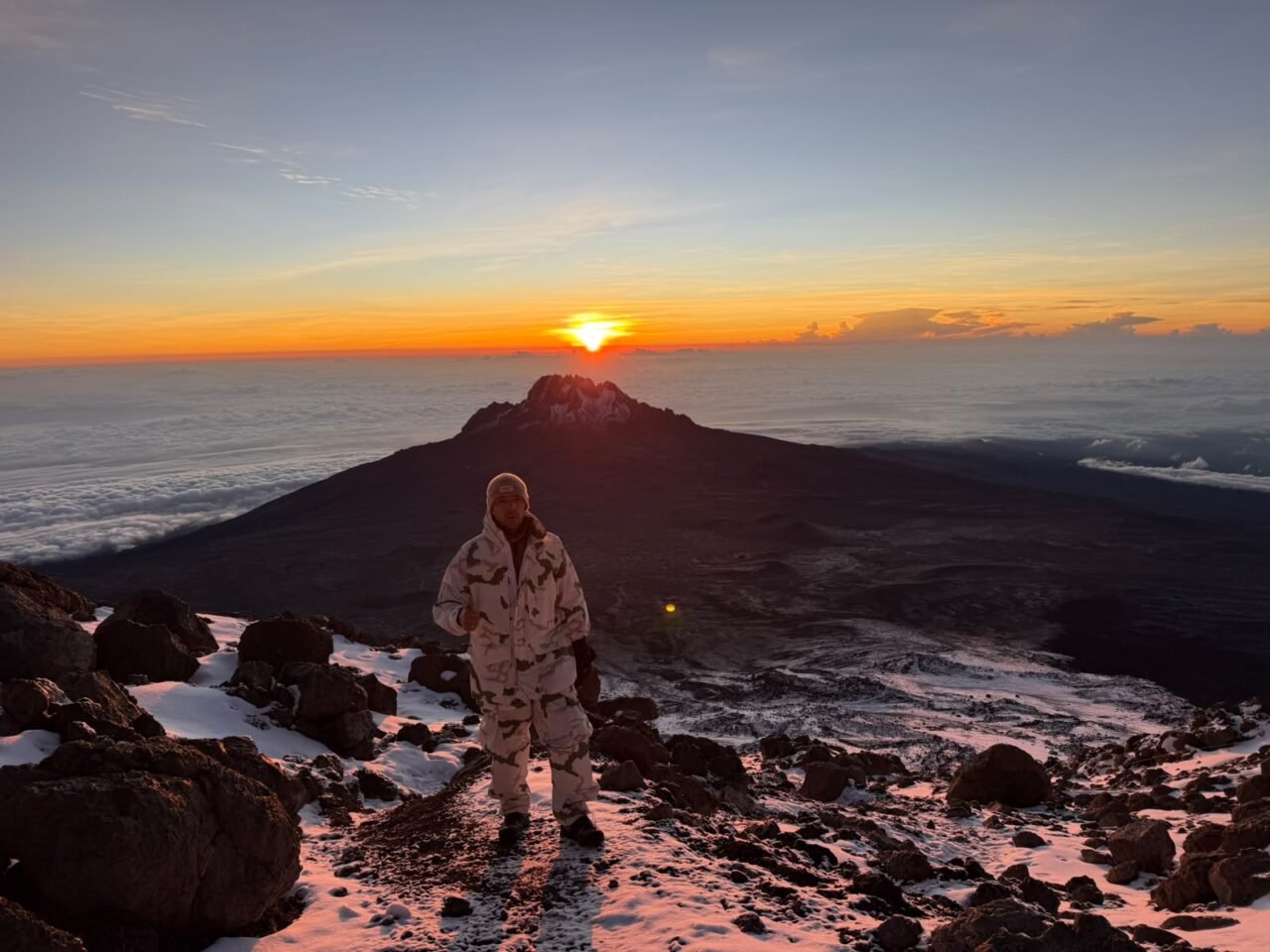
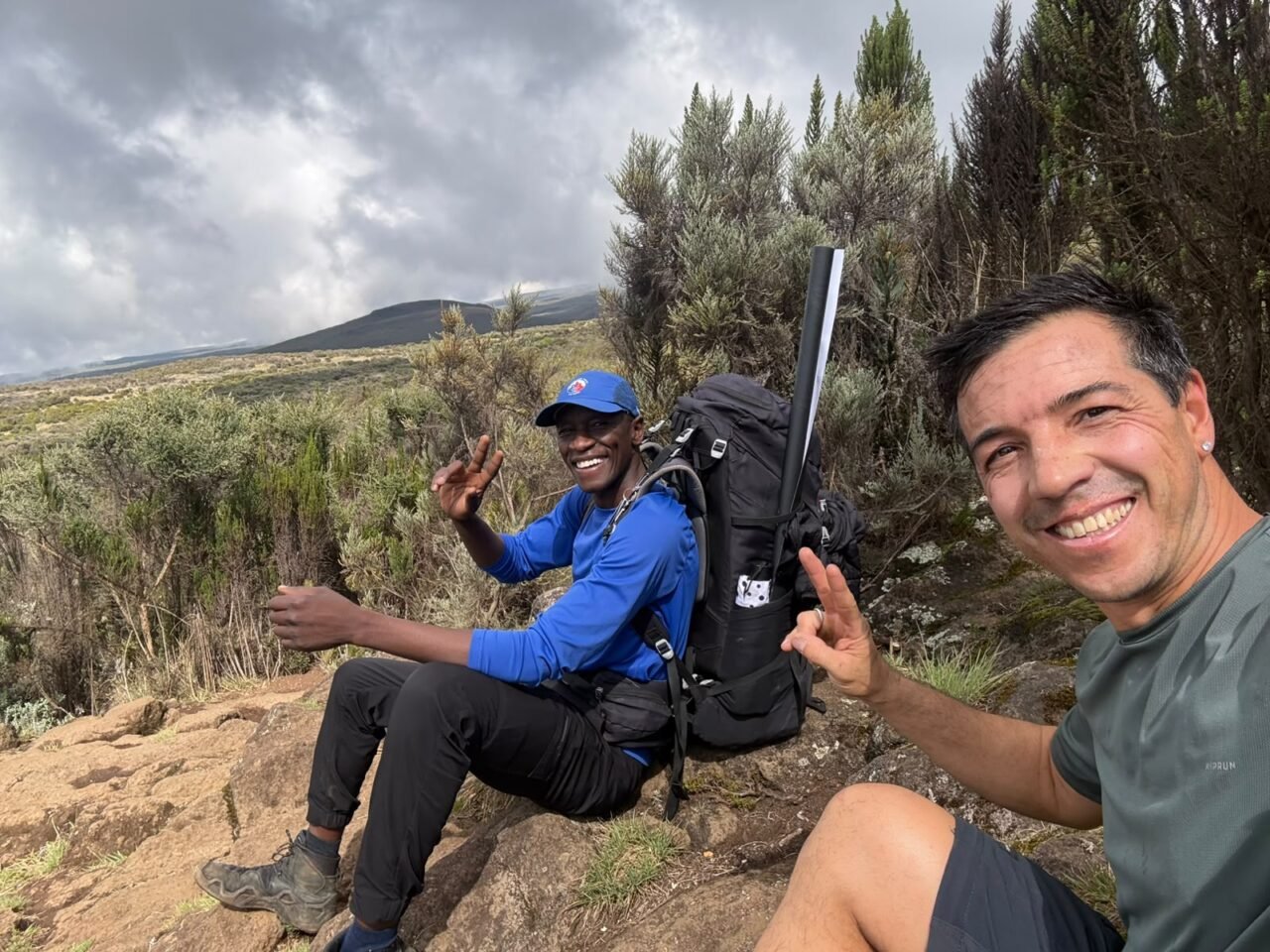
This first installment focuses on the core travel sequence and the daily route logic you need to decide whether the 10 Days Northern Circuit Kilimanjaro Christmas Holiday Trek – 21–30 December 2026 fits your fitness, timing and holiday plans. The structure below presents a sample day-by-day program, explains how each day supports acclimatisation and identifies the practical choices you must confirm with the operator.
Why choose the northern circuit for a Christmas Kilimanjaro trip?
The northern circuit is the longest official trail around Mount Kilimanjaro, prized for gradual altitude gain and sustained acclimatisation days. For a Christmas holiday trek scheduled 21–30 December 2026, the route’s extended profile reduces summit-day risk compared with shorter routes because you gain elevation more slowly and spend more nights above tree line in lower-ascent increments. That makes the 10-day northern circuit a realistic holiday option for fit, prepared walkers who want more isolation on the mountain and varied terrain: montane forest, moorland, alpine desert and the glacier-fringed summit approach.
Important booking and confirmation notes
Because this is a bookable Christmas departure, you must confirm three practical facts with Climb 4 Africa before you proceed: exact meeting/transfer point and time on 21 December 2026, the final group size and guide-to-client ratio for the departure, and accommodations for nights either side of the trek (pre- and post-climb hotels often sell out around Christmas). The itinerary below is a sample route flow: operators sometimes alter campsites, transfer timings and exact day distances due to permits or park management directives — verify the final plan on booking.
How this sample 10-day schedule approaches acclimatisation
The day-by-day plan that follows staggers altitude increase, with deliberate lower-altitude nights early on and longer acclimatisation days roughly mid-way. Summit day is scheduled late in the sequence to maximise rest and recovery time. The logic: slow ascend, high-day/low-night where possible, and a summit attempt after a conservative final rise — all standard physiological strategies to reduce altitude sickness risk. This article explains each day’s objective and what sort of walking you should expect.
Day 1 — Arrival in Moshi (or Arusha), meet and briefing
On 21 December 2026 you typically arrive in Moshi or Arusha and are collected by your operator. The day is administrative and practical: equipment check, medical questionnaire, and a detailed briefing about daily schedules, porter distribution and communication on the mountain. If your international flight arrives late, a short transfer night in Moshi is standard. Confirm whether the operator includes this pre‑trek night in the package and the hotel category provided.
Day 2 — Park gate to first camp: approach through montane forest
Start the trek at the designated northern circuit trailhead. The first day usually follows a steady track through montane forest with variable muddy patches after seasonal rain. Walking time is mostly moderate: expect several hours of steady uphill with intermittent flat sections. The priority is to settle into walking rhythm, test gear and keep effort low. Camp is at a lower altitude to help gradual acclimatisation.
Day 3 — Forest to higher moorland: increasing altitude slowly
On Day 3 the trail climbs out of the dense forest into heath and moorland. Vegetation opens, temperature range increases, and sun exposure rises. This day is about adapting to thinner air while maintaining a conservative pace. Expect a mix of uphill and rolling terrain; crews typically brief you on layering and hydration strategies overnight.
Day 4 — Moorland traverse and longer day for acclimatisation
This day often includes a longer scheduled walking period to gain elevation gradually; it functions as an acclimatisation day. The landscape may include giant lobelias and senecio, a dramatic change from lower forest. From a decision perspective, note that longer days early in the itinerary are intentional: they reduce the steepness of subsequent stages. If you feel unusually breathless, communicate immediately with the lead guide — the route allows retiming on many sections.
Day 5 — High plateau camp and rest/short walks
Day 5 typically places you on a high plateau or at a camp that serves as a short-walk rest day. The purpose is ‘climb high, sleep low’ where possible: a morning walk to a higher viewpoint followed by descent to camp to sleep at a lower altitude. Keep activity light, focus on slow eating and fluid intake. This is one of the most important days for lowering summit risk later in the trek.
Day 6 — Alpine zone approach: features and pacing
As you move into the alpine zone, vegetation thins and the trail becomes rockier. Hiking time may still be moderate but with higher wind exposure and colder nights. Pacing should remain conservative: shorter steps and regular micro-breaks. Equipment checks (sleeping bag, layers, boots) are
Day 7 — High alpine camp to pre‑summit camp (approach to crater rim)
Day 7 continues the deliberate rise through the alpine desert toward the high pre‑summit camp. On the 10 Days Northern Circuit Kilimanjaro Christmas Holiday Trek this stage is typically a shorter walking day designed to conserve energy for the summit push: you move from the higher plateau campsite into progressively rockier, wind‑exposed terrain and set up at a camp positioned to shorten the summit night’s ascent. Expect variable surface underfoot — coarse scree, volcanic rock and loose talus — and increased solar exposure during the day with much colder nights. The day’s objective is low exertion: steady pace, frequent micro‑breaks, and attention to hydration and calorie intake. Guides will check equipment (headlamp batteries, gloves, crampons if carried) and confirm the summit plan, turnaround thresholds and emergency descent options. If you experience persistent headaches, nausea or dizziness, report immediately; the group will follow established altitude‑management protocols and may alter the schedule.
Day 8 — Summit night and Uhuru Peak (summit day) — timing and pacing
Day 8 is the summit attempt night and day. On a sample 10 Days Northern Circuit Kilimanjaro Christmas Holiday Trek the standard timeline begins late evening (usually around 23:00 to 00:30) when the team departs the pre‑summit camp for the final ascent. The route climbs steadily but relentlessly, often switching between steep scree sections and rocky ledges, and summit timing depends on group pace and conditions. Guides set a conservative turnaround time and monitor every member. Key pacing points: very short, regular breaks (one to two minutes every 10–15 minutes), strict sleeping bag and clothing protocols to preserve heat during stops, and spoon‑by‑spoon eating of energy foods and sipping warm fluids if available.
Reaching the crater rim or Uhuru Peak will take several hours; summit views (weather permitting) are brief and exposure intense — strong winds and freezing temperatures are common. After allowing time for photos and a short rest, descent begins immediately. The descent is long and hard on knees; many guides use a step‑count strategy to pace the drop and recommend layered clothing and trekking poles. Because the northern circuit lengthens the overall schedule, summit nights on this sample itinerary are positioned where the group has accumulated more nights for acclimatisation, lowering objective risk compared with shorter routes, but weather and individual responses still determine success.
Day 9 — Descent to lower camp and recovery
Day 9 on the 10 Days Northern Circuit Kilimanjaro Christmas Holiday Trek is a full descent day with a strong emphasis on recovery. After the summit descent, you continue down to a lower campsite located well below the alpine zone — often back into heath or moorland depending on the northern loop’s sequencing — where the aim is to rest, rehydrate and begin muscular recovery. Expect a much longer walking period than ascent days because of the vertical distance to cover; however, the gradient usually allows for faster walking. Guides will monitor feet and joints for blisters and cold‑related issues and advise on active recovery: light stretching, compression layers if available, and nutritional intake focused on carbohydrates and electrolytes. This day also includes formal debriefing about the summit: which members reached the top, what weather conditions were encountered, and any immediate medical checks required before transfer out of the park.
Day 10 — Final descent to park gate, transfer to Moshi/Arusha and onward
The final day of the 10 Days Northern Circuit Kilimanjaro Christmas Holiday Trek covers the descent from the lower camp to the park gate, saddle packing, porter settlement and the formal exit from Kilimanjaro National Park. Walking time on Day 10 varies with the chosen exit gate on the northern loop and trail conditions; expect several hours on a predominantly downhill trail followed by a short transfer to Moshi or Arusha. On arrival in town you’ll usually have a hot meal, a final kit check and time to wash and rest. Because this is a Christmas departure, confirm with Climb 4 Africa whether the package includes a post‑trek night in Moshi (recommended if your outbound flight is the next day) and whether transfer to the airport is scheduled for 30 December 2026 or requires separate arrangement. The operator will also finalise porter and guide gratuities at this point; protocols and suggested ranges should be clarified before departure so there are no last‑minute misunderstandings.
Most important unanswered question for this specific itinerary
The single most important remaining question readers need answered is: what exactly happens on summit night if weather or individual altitude response forces an earlier or later summit attempt? This is crucial because the sample 10 Days Northern Circuit Kilimanjaro Christmas Holiday Trek positions the summit late in the itinerary to optimise acclimatisation, but mountain conditions and human physiology can still require rapid changes.
Operationally, the answer is: the lead guide holds mandate authority to change the summit schedule. If forecasts predict high winds or heavy snowfall on the planned summit night, the team may either (a) move the summit attempt to the preceding or following night if terrain, logistics and the group’s acclimatisation allow, (b) postpone the summit and use an extra acclimatisation walk (if available) to stabilise members, or (c) abort the summit attempt and focus on descent and safety. Likewise, if a member shows moderate to severe signs of acute mountain sickness (persistent vomiting, ataxia, altered mental state, severe breathlessness), the guide will implement descent protocols immediately; this can include a rapid descent with support from porters or radio‑call for evacuation. Those contingencies are not specific to any operator but are standard practice on the northern circuit because its longer schedule gives flexibility — the route’s extra days permit rescheduling on some legs but do not remove the need for real‑time medical judgment.
Before committing to the 10 Days Northern Circuit Kilimanjaro Christmas Holiday Trek you should therefore confirm with Climb 4 Africa: emergency communication procedures on the 21–30 December 2026 departure, the guide’s authority and decision protocols for summit rescheduling, and whether the itinerary includes buffer time or designated fallback camps if the summit night is shifted. These are operator‑verified details you must have in writing prior to travel.
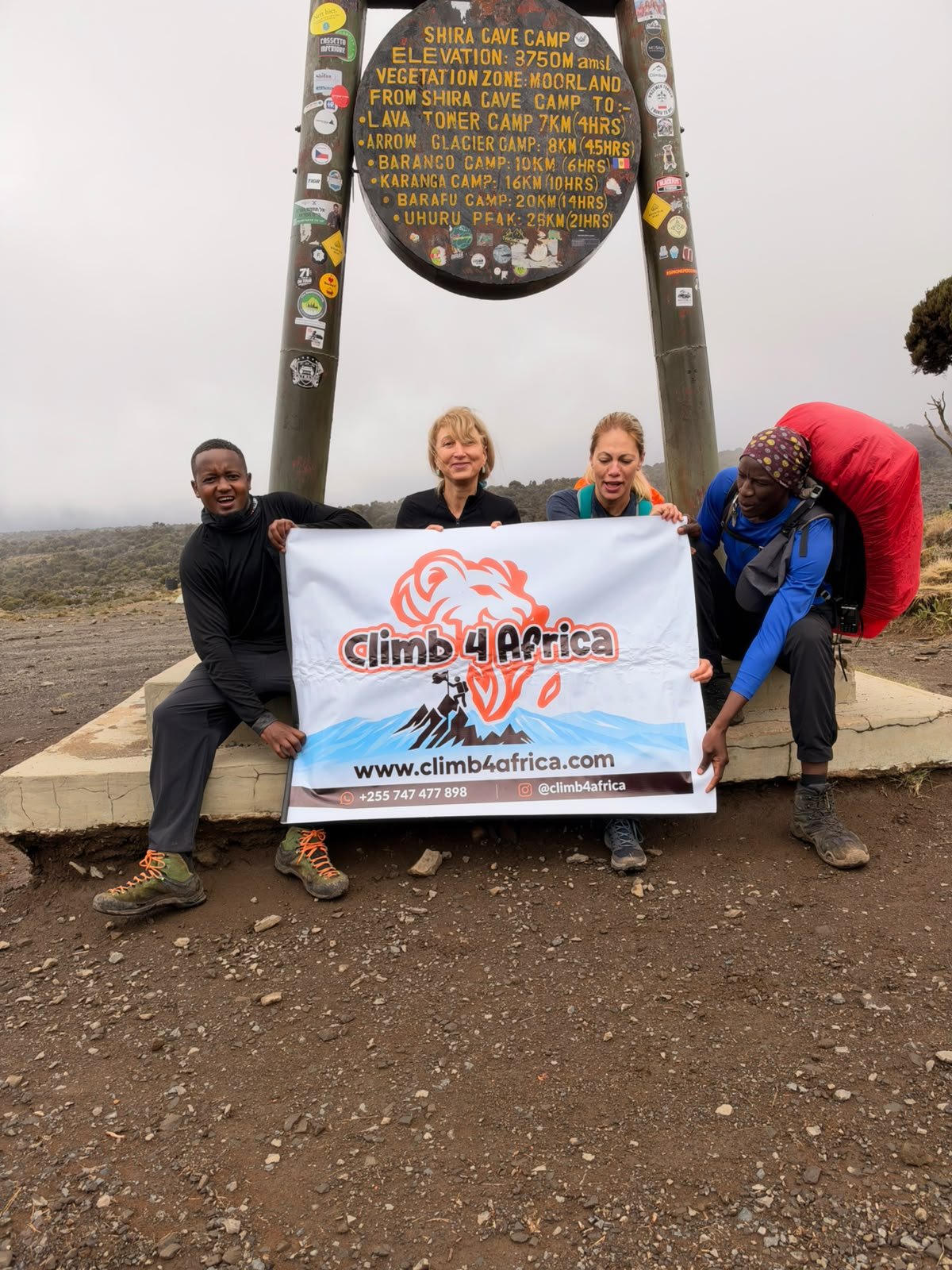
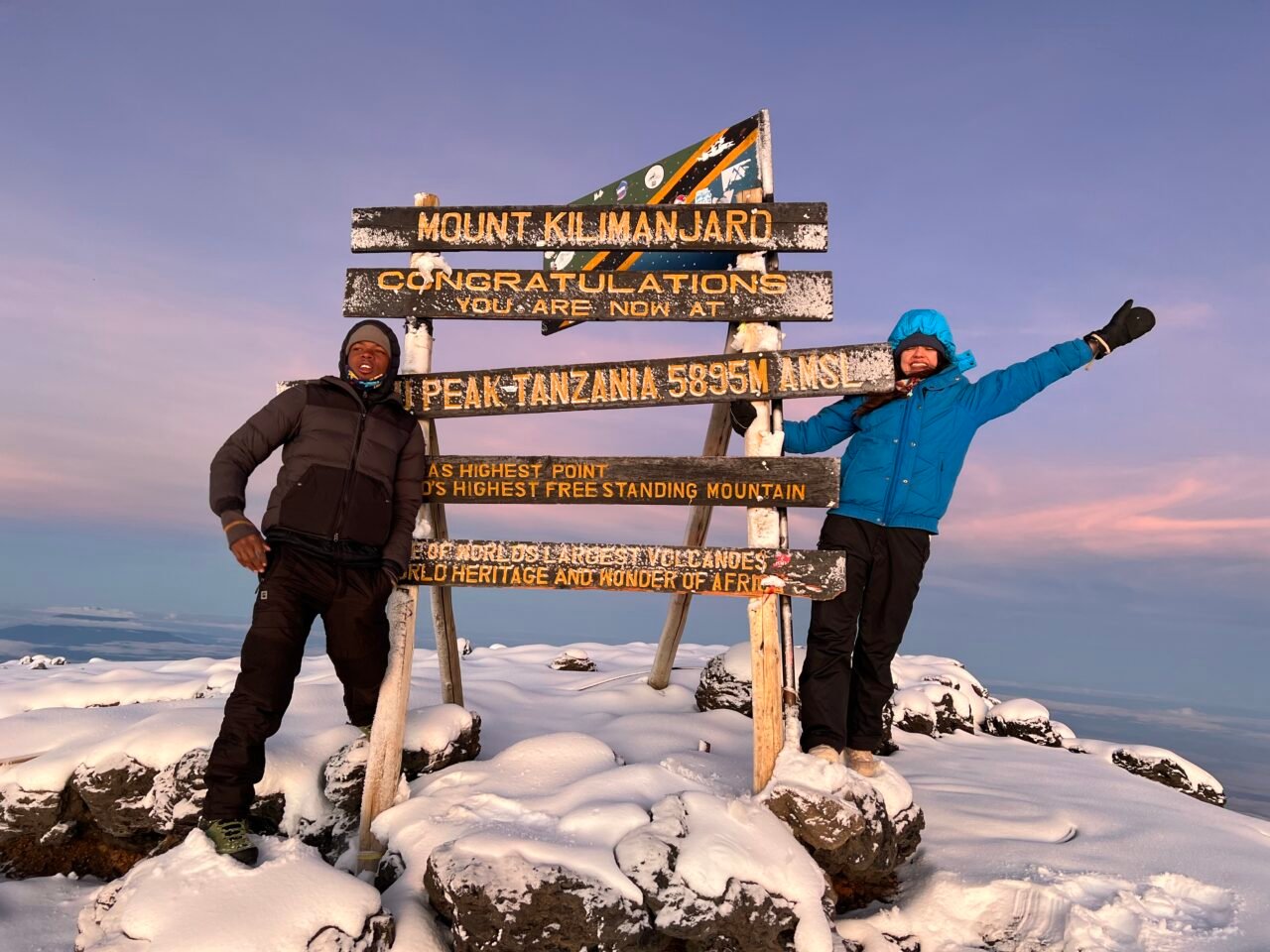
What happens logistically if the summit night on the 10 Days Northern Circuit Kilimanjaro Christmas Holiday Trek must be moved?
Beyond the high‑level safety decision described earlier, readers need a clear, practical picture of the immediate logistical consequences when the lead guide elects to change the summit night on the 21–30 December 2026 10 Days Northern Circuit Kilimanjaro Christmas Holiday Trek. Moving the summit attempt is not just a scheduling note: it affects camp stays, porter and guide working hours, food allocation, permit use and onward travel plans. Below are the specific operational areas that change and the realistic expectations you should confirm with Climb 4 Africa before booking.
Camping sequence and fallback camps
The northern circuit’s longer itinerary offers more on‑route camps that can serve as fallback overnight sites. If the summit night is shifted one night earlier or later, the team typically either holds at the previous high camp for an extra 24 hours or moves up to a nearer pre‑summit position and rests there. Practically, this means:
- If the attempt is postponed: expect an additional night at the high plateau or pre‑summit camp with planned short acclimatisation walks. This uses existing food and fuel stocks but does require the operator to confirm spare sleeping allocations (space in tents if tents are shared) and extra staffing hours.
- If the attempt is moved earlier: the team must accelerate rotations, which can strain less‑acclimatised members. Guides will only do this if the group’s condition supports it; rapid moves are uncommon because they increase AMS risk.
Porter and guide logistics, working hours and gratuities
Porters and assistant guides are contracted to support a specific schedule. A summit‑night shift can extend working hours or require redistribution of loads between porters. Confirm with Climb 4 Africa how they handle the following:
- Does the quoted price include contingency extra porter/guide hours for schedule changes, or are additional fees possible?
- Will porters remain at high camps overnight if the summit is postponed, and are those nights covered in the operator’s plan (food, shelter, overtime pay)?
- What are recommended gratuity adjustments if porters and guides work extra hours on summit rescheduling?
These are operational details the company can confirm; ask for them in writing so you know whether a reschedule could lead to out‑of‑pocket charges or changed gratuity expectations.
Food, fuel and equipment allocation
Meals and fuel on the mountain are planned to match the published itinerary. A postponed summit night typically draws on contingency food reserves the operator keeps for emergencies or extra days. Specifics to verify with Climb 4 Africa include:
- Does the itinerary price include contingency rations for one additional high camp night?
- If a delay requires two extra nights, who covers the incremental food and fuel costs?
- Are client personal consumables (snack bars, hot drink mixes) expected to cover minor schedule changes?
Park permits and administrative flexibility
Park entry permits are date‑specific but not minute‑to‑minute restrictive for reasonable itinerary shifts within the booked window. Still, confirm these points with the operator:
- Does the permit for the 21–30 December 2026 departure permit an extra night on route without re‑application or fee?
- If a reschedule forces you to exit the park a day later than planned, will the operator handle gate clearance and porter settlements on the revised exit day?
Downstream travel and accommodation impacts
An altered summit night may push the entire descent schedule by 24 hours. For a Christmas departure, this can affect post‑trek hotel reservations, onward flights and transfers. Practical steps:
- Book a buffer night in Moshi or Arusha after 30 December 2026 (operator‑booked or self‑booked) so you are not stranded if the itinerary slips.
- Avoid tight international connections on 30 December; confirm the operator’s policy for airport transfers if the group arrives later than scheduled.
Medical evacuation and insurance coordination
If a summit shift is linked to an altitude illness case, evacuation becomes the priority. You should verify now how Climb 4 Africa coordinates medevac and how that affects the rest of the group’s schedule. Questions to ask:
- Which evacuation services are on contract, and how quickly can they reach the northern circuit camps?
- If an evacuation removes a guide or porter from the group, what is the plan for continuing (replacing personnel, redistributing loads)?
- Does your travel insurance provider recognise the operator’s medevac procedure and cover associated delays or rescue costs?
What you should have in writing before you go
To avoid surprise costs or logistical confusion if the summit night is moved on your 10 Days Northern Circuit Kilimanjaro Christmas Holiday Trek, request these items in writing from Climb 4 Africa when you confirm your booking:
- Policy on extra nights on mountain (who covers additional expenses, and what is included).
- Porter and guide overtime and contingency coverage details.
- Park permit flexibility and gate‑exit procedures for delayed descents.
- Medevac coordination and insurance contact protocol.
These operational confirmations turn an abstract safety decision into predictable logistics for you, your companions and the support crew. The 10 Days Northern Circuit Kilimanjaro Christmas Holiday Trek – 21–30 December 2026 is designed with flexibility in mind; nevertheless, asking for these specifics ahead of time ensures the holiday stays manageable and that any necessary summit rescheduling is handled transparently and professionally.
Decision protocol when individual climbers cannot continue on the planned summit night
One practical gap readers still need filled is the specific, step‑by‑step process your group follows when one or more clients cannot proceed with the summit attempt on the scheduled summit night (for example because of AMS symptoms, injury, exhaustion or equipment failure). This is separate from the broader “move the summit night” contingency already described: it covers what happens when only part of the party is unable to continue while the rest are still fit and want to attempt Uhuru Peak. Knowing the expected protocol in advance prevents confusion, protects safety and clarifies costs and logistical consequences.
Typical on‑mountain decision sequence (what your guide will normally do)
While operators differ in detail, most professional guiding teams follow a consistent, safety‑first sequence. Confirm Climb 4 Africa’s exact policy in writing, but expect these steps:
- Immediate medical assessment: the lead guide or head guide conducts a focused assessment for altitude illness, injury or other acute problems. This includes pulse/respiration check, AMS score (Lake Louise or equivalent checklist), and a practical review of symptoms and severity.
- Triage and options discussion: the guide explains options to the affected climber: rest at camp with monitoring, descent to a lower camp or evacuation off the mountain. If symptoms are mild and the climber prefers to stay, the guide outlines monitoring frequency and who will remain with them.
- Determine continuity for the rest of the group: the lead guide assesses whether it is safe and operationally possible for the remainder of the team to proceed with the summit attempt without delay. Key inputs include remaining guide and porter availability, weather forecast, and whether the affected climber needs a dedicated assistant to descend or remain at camp.
- Formal guidance on split parties: if the rest of the team is cleared to go, the lead guide will specify who accompanies the summit party (minimum guide ratio), and who remains with the non‑summiting climber (assistant guide, extra porter or a combination). This step also sets rendezvous expectations and likely timelines for reunion on descent.
- Load redistribution and documentation: loads may be shifted to other porters or carried by assistant guides if permitted under local labour rules. The team documents the decision (time, personnel, reason) and files any immediate permit or gate notifications required by park authorities.
- Confirm evacuation if required: if the assessment recommends descent or medical evacuation, the guide initiates the operator’s medevac protocol and informs the company office and insurance contacts. Evacuation is prioritised over remaining with the summit party.
Operational implications you should clarify with Climb 4 Africa before departure
To avoid surprises, ask for written answers to these specific questions so you know how a split is handled in practice:
- Minimum permitted guide‑to‑client ratio for a summit attempt and whether the operator will leave a lead guide behind to tend to a non‑summiting client.
- Who covers costs if the operator must hire additional staff or porters to stay with the non‑summiting climber (overtime, extra porter fees, or replacement staff)?
- If loads are redistributed on‑route, what are the maximum permitted weights per porter and will any client be expected to carry additional shared gear?
- What is the written medevac activation process and expected response time for the northern circuit camps? Which evacuation provider is contracted and will insurance companies accept their procedures?
- How will permits and gate paperwork be adjusted if the non‑summiting climber descends earlier or later than scheduled? Who arranges the gate clearance and how does the operator settle porter wages in that case?
- If the summit party leaves without one or more clients, where and when is the agreed meeting point on descent? Is there a fallback camp for reunification if conditions delay either subgroup?
Practical actions for individual climbers to reduce disruption
- Carry clear instructions on personal medical concerns and emergency contacts in your daypack and ensure the lead guide has a copy.
- Bring your own small emergency kit (basic meds, blister care) so daily issues don’t force a group split unnecessarily.
- Discuss your summit intentions with your group early: agree whether to wait for a slow‑moving teammate or to continue for timing and safety reasons.
- Purchase travel insurance that explicitly covers high‑altitude evacuation and mounts claims to operators used on Kilimanjaro; confirm the insurer recognises the operator’s medevac contractors.
Addressing this decision protocol before you go removes uncertainty at a pivotal moment on the 10 Days Northern Circuit Kilimanjaro Christmas Holiday Trek – 21–30 December 2026. Ask Climb 4 Africa to provide their standard operating procedure for in‑route splits and medevac responses in writing; that one document is one of the most useful pieces of information a climber can carry into a Christmas departure.
What happens if the summit attempt is delayed beyond Day 8 due to weather or health concerns?
On the 10 Days Northern Circuit Kilimanjaro Christmas Holiday Trek – 21–30 December 2026, the summit night is scheduled for Day 8, but this is not a fixed deadline. The decision to proceed with the summit attempt is contingent on real-time conditions, not a rigid timetable. If weather deteriorates (e.g., snowfall, high winds, or low visibility), or if one or more climbers show signs of acute mountain sickness (AMS), altitude-related fatigue, or other health concerns, the lead guide will initiate a delay. This is not a deviation from the plan—it is a core component of the operational safety protocol.
In such cases, the team typically remains at the pre-summit camp (usually located at around 5,500–5,700 meters) for an additional 24 hours. This allows time for weather to improve, climbers to recover, and the body to acclimatize further. The additional night is not an extra cost to the client if the delay is due to safety reasons, as it is included in the operator’s contingency planning. However, this requires confirmation of availability at the pre-summit camp, which is not always guaranteed if other groups are using the same route.
The decision to delay is made collectively by the lead guide and assistant guides after assessing medical status, weather forecasts from local stations (such as Kilimanjaro National Park’s monitoring posts), and the physical condition of each climber. The group may also consult with the operator’s base office in Moshi or Arusha via satellite phone, though final on-mountain decisions rest with the guide team.
During the extra night, the group maintains minimal activity. Climbers are encouraged to rest, hydrate, and monitor symptoms. The team may conduct a brief medical check-in, including pulse oximetry readings, and adjust oxygen use if needed. Meals are served as normal, and sleeping bags are kept in use. The porters and guides remain on duty, with no change in their standard roles unless a medical evacuation becomes necessary.
If the delay extends beyond one night, the team may consider moving to a higher fallback camp—such as Camp 5 (around 5,800 meters) or even the summit plateau itself—only if the weather clears and the risk of frostbite or exposure is low. However, this is rare and only done under strict supervision. The northern circuit’s longer profile gives more flexibility than shorter routes like Machame or Marangu, where a delay often forces a premature descent.
It’s important to note that the operator’s standard itinerary assumes a summit attempt on Day 8. Any delay pushes the final descent and gate exit to Day 11, which means the client’s return flight or onward travel must be adjusted. This is why it’s essential to book a buffer night in Moshi or Arusha after 30 December 2026, even if the trek is officially 10 days. The operator may offer to rebook accommodations or provide transfer support at no extra cost if the delay is due to safety, but this is not guaranteed and must be confirmed in writing.
The key takeaway is that a delay on summit night is not a failure—it is a necessary, pre-planned safety measure. The 10 Days Northern Circuit Kilimanjaro Christmas Holiday Trek is designed with this flexibility in mind. The route’s extended length, multiple high-altitude camps, and gradual ascent allow for such adjustments without compromising the overall success rate of summiting. However, the success of this process depends entirely on clear communication, written protocols, and the operator’s readiness to adapt.
Therefore, the most critical action before departure is to obtain a written confirmation from Climb 4 Africa that:
- Their standard policy allows for a summit night delay of up to 24 hours without additional charges.
- They will provide a contingency meal and fuel reserve for an extra night on route.
- They have a pre-arranged fallback camp or a plan to extend the stay at the current pre-summit camp.
- They will cover any additional porter or guide overtime costs if the delay exceeds one night.
- They will assist with rebooking post-trek accommodation and transfers if the final descent is pushed to 31 December 2026.
Without these commitments in writing, the risk of financial loss or logistical disruption increases significantly. A delay is not uncommon—especially during the December Christmas period, when weather can shift rapidly—but only a fully documented operational plan ensures that the experience remains safe, predictable, and stress-free.
Related Guides and Packages
Check Availability for 10 Days Northern Circuit Kilimanjaro Christmas Holiday Trek – 21–30 December
Ready to compare dates, prices, and the best option for your group? Send the package name and travel month so the team can reply with a clear quote, availability, and what is included.

16 Days Northern Circuit Kilimanjaro And Zanzibar: A Bookable Trek-With-Beach
A practical 16-day plan pairing Kilimanjaro's Northern Circuit ascent with a relaxing Zanzibar escape. This bookable itinerary prioritizes acclimatization days on Kilimanjaro, efficient...
View package details
5 Days Marangu Kilimanjaro Christmas Trek – 22–26 December 2026
5 Days Marangu Kilimanjaro Christmas Trek – 22–26 December 2026.
View package details6 Days Marangu Kilimanjaro Christmas Holiday Climb – 21–26 December 2026
6 Days Marangu Kilimanjaro Christmas Holiday Climb – 21–26 December 2026.
View package details
15 Days Northern Circuit Kilimanjaro And Safari 2026-2027
A practical 15-day plan weaving Kilimanjaro’s Northern Circuit climb with a Tanzania safari, detailing route progression, acclimatisation, driving logistics, and accommodation choices...
View package details5 Days Marangu Kilimanjaro New Year Trek – 29 December – 2 January 2026
5 Days Marangu Kilimanjaro New Year Trek – 29 December 2026 – 2 January 2027.
View package details5 Days Marangu Kilimanjaro Full Moon Trek – 21–25 December 2026
5 Days Marangu Kilimanjaro Full Moon Trek – 21–25 December 2026.
View package details5 Days Marangu Kilimanjaro December Trek – 19–23 2026
5 Days Marangu Kilimanjaro December Trek – 19–23 December 2026.
View package details6 Days Marangu Kilimanjaro Hut Trekking – 6–11 December 2026
6 Days Marangu Kilimanjaro Hut Trekking – 6–11 December 2026.
View package details5 Days Marangu Route Kilimanjaro Trek – 2–6 December 2026
5 Days Marangu Route Kilimanjaro Trek – 2–6 December 2026.
View package details
December 4, Kilimanjaro Trekking Packing List
December 4, 2026 Kilimanjaro December Trekking Packing List.
View package detailsDecember 4, Kilimanjaro Budget Trekking With Shared Group
December 4, 2026 Kilimanjaro Budget Trekking with Shared Group.
View package details
12 Days Kilimanjaro Trekking And Serengeti Ngorongoro Safari 2026-2027
12 Days Kilimanjaro Trekking and Serengeti Ngorongoro Safari.
View package detailsNo related package matches those filters. Clear one or more filters to see the other topic-matched options.



