
The 5 Days Marangu Kilimanjaro New Year Trek (29 December 2026–2 January 2027) is a classic hut-based ascent using the Marangu route: Kilimanjaro Park gate to Mandara Hut (day 1), then Horombo Hut (day 2), approach to Kibo Hut with summit night on day 4 and descent to Marangu Gate on day 5. This plan trades extra acclimatisation days for a shorter schedule; confirm availability and group-space with Climb 4 Africa before booking.
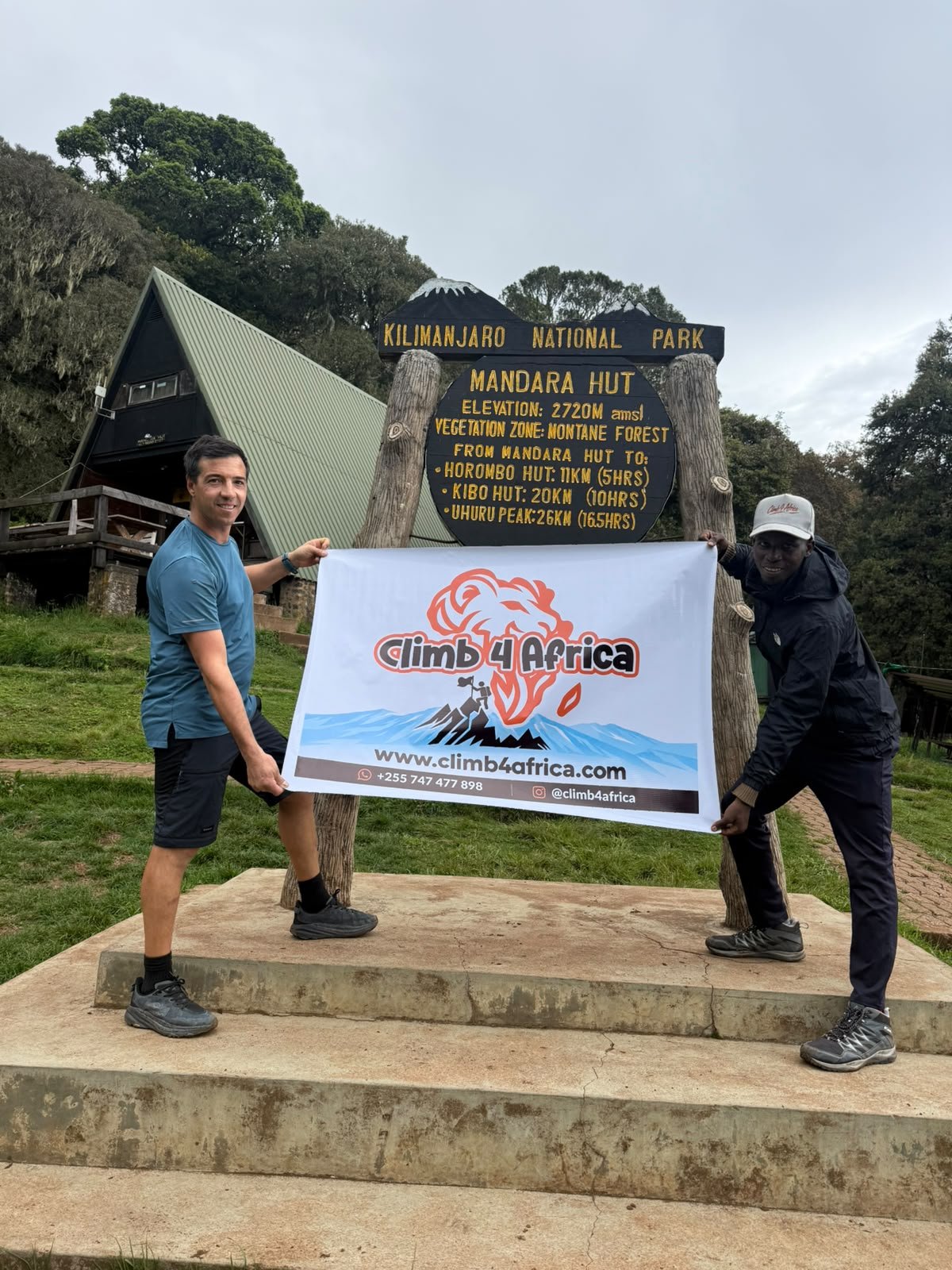
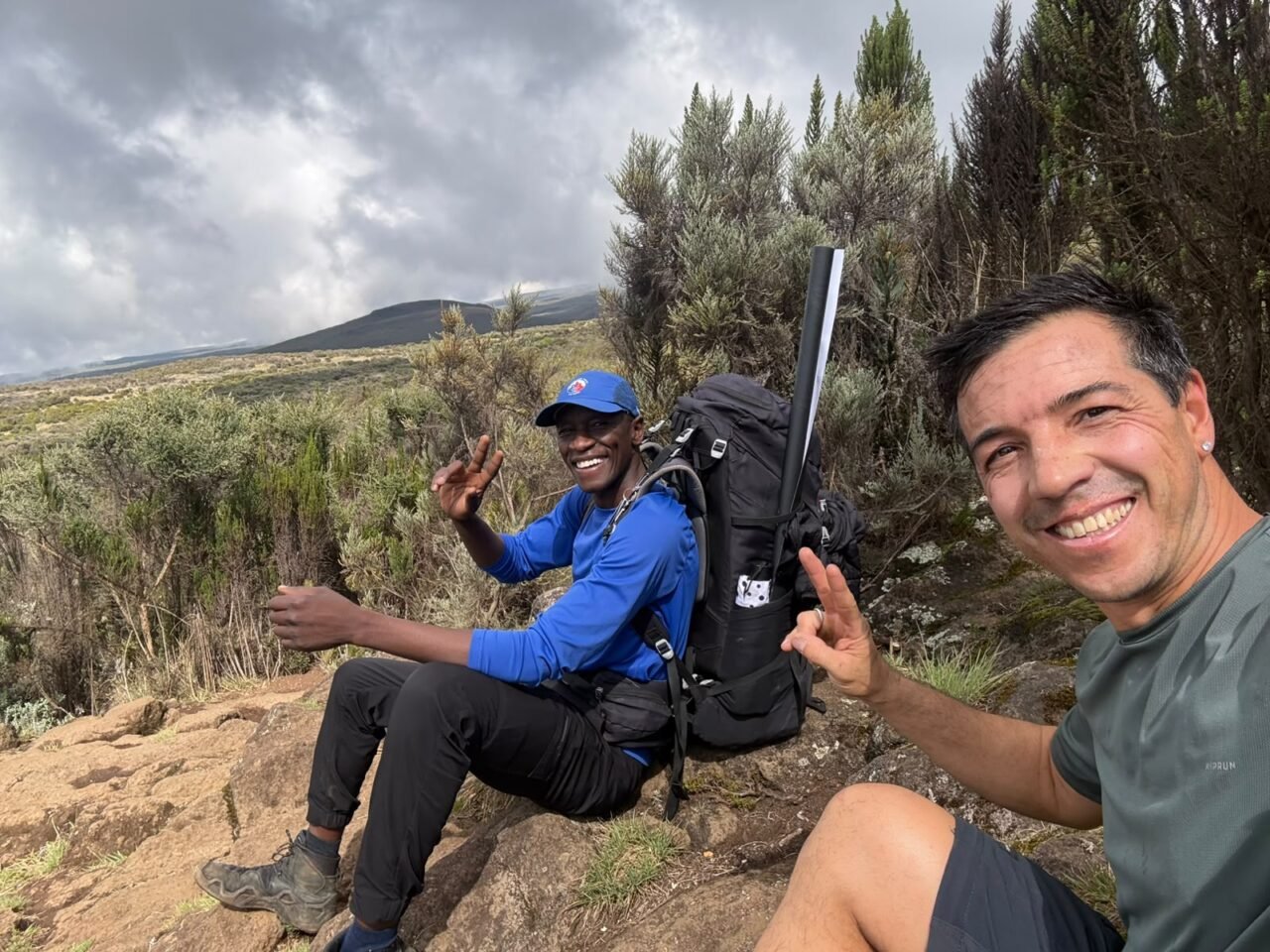
This article is the first, complete part of a practical itinerary and planning guide for the 5 Days Marangu Kilimanjaro New Year Trek (29 December 2026 – 2 January 2027). Below you’ll find the day-by-day route, rationale for pacing and acclimatisation, luggage and kit guidance, travel logistics around the trek dates and clear next steps to confirm your booking. Where specifics (departure slots, hut allocations, guide availability) cannot be assumed, I note when you must verify with Climb 4 Africa.
Quick planning decisions to make before you commit
Two decisions shape whether this 5-day schedule will work for you: your prior altitude experience and your flexibility on summit success. The Marangu route is the only hut-based route on Kilimanjaro and is efficient for short schedules. However, five days gives less acclimatisation margin than longer options (6–7 days). If you have prior high-altitude trekking experience and good fitness, the 5-day Marangu New Year plan is a sensible trade-off between time and cost. If you’re new to altitude or want a higher summit probability, ask about 6-day or extra acclimatisation alternatives before booking.
Travel logistics around the 29 Dec 2026 – 2 Jan 2027 dates
Arrival: For the 29 December start you should plan to arrive in Moshi or Kilimanjaro International Airport at least one day before the trek start to handle transfers, permit payments and a pre-trek briefing. Popular arrival cities are Kilimanjaro International Airport (JRO) and Dar es Salaam (longer land transfer). Climb 4 Africa provides pre-trek briefings and transfers—confirm pick-up time and meeting point when you book.
End of trek: The schedule finishes at Marangu Gate on 2 January 2027 (sample plan). Expect a park vehicle transfer back to Moshi or a drop-off arranged by your operator. Allow for onward travel time if you have flights immediately after return; same-day international flights are risky after a summit night.
Inclusions you should verify with Climb 4 Africa
- Park fees and Kilimanjaro rescue insurance (confirm these are included in your quote).
- Hut accommodation on the Marangu route (dormitory-style: confirm hut allocations and mattress arrangements).
- Guide, assistant guides and porters—verify porter ratios and tipping guidance.
- All meals on the mountain, hot water, and tea service—double-check meal schedule and dietary options.
- Emergency oxygen and evacuation protocol—ask for clarity on rescue procedures.
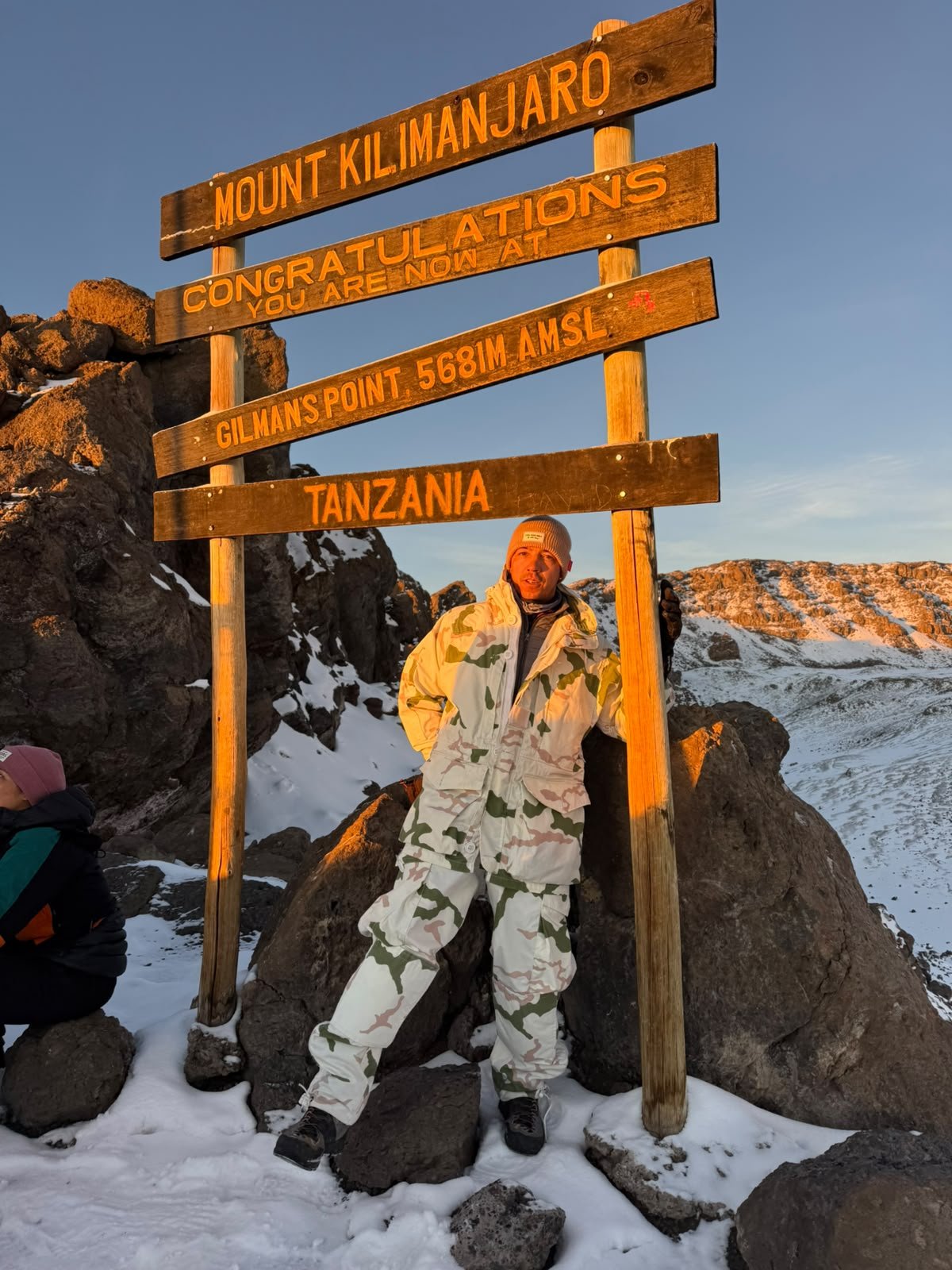
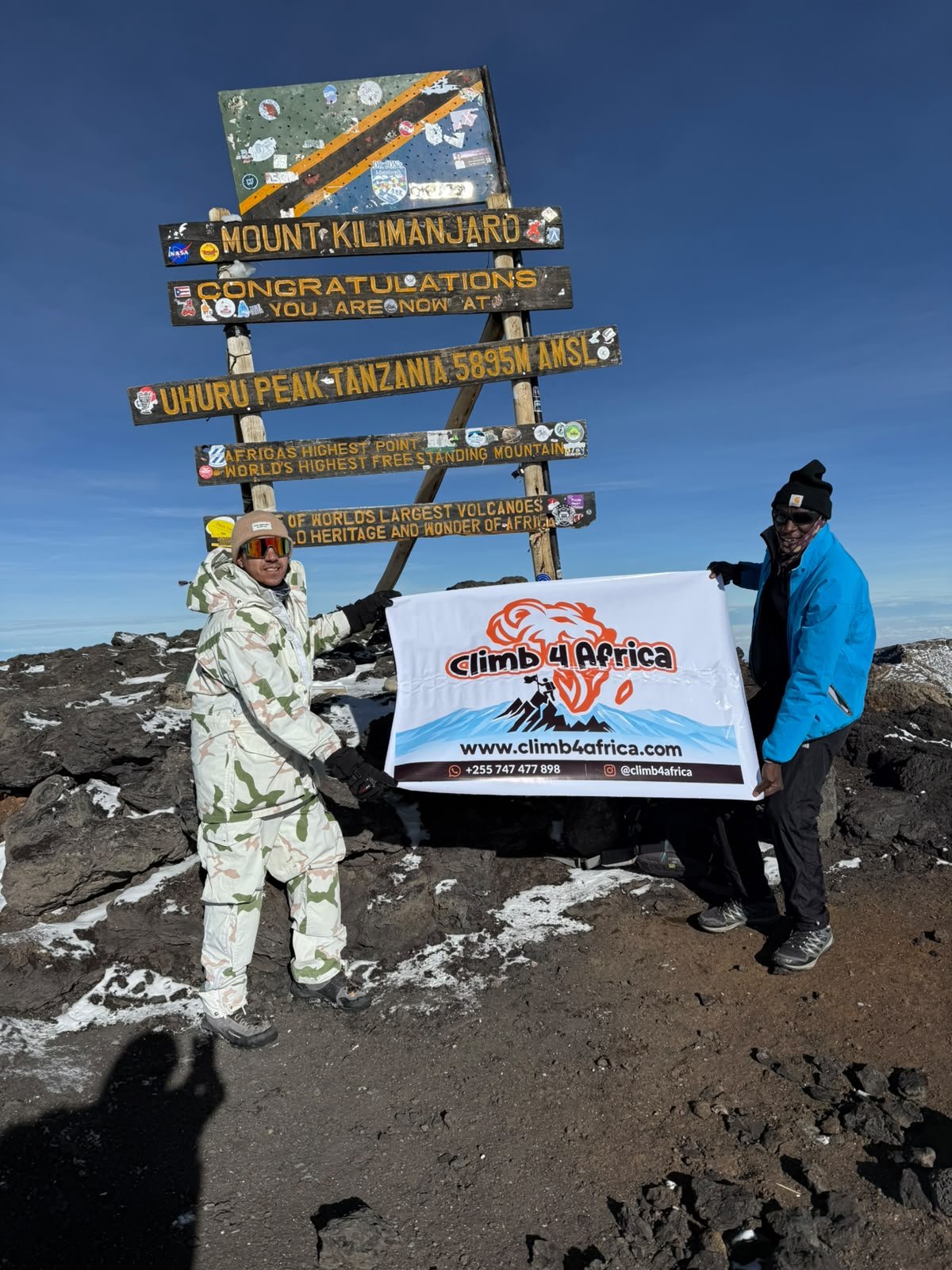
Route logic and acclimatisation strategy
The Marangu route follows a steady, more direct line to the summit via established huts. In a 5-day itinerary the acclimatisation approach uses progressive overnight altitude gain: a gentle first day into montane forest, a second day higher at Horombo Hut for adaptation, an approach to Kibo Hut to prepare for the summit push, then the summit attempt from Kibo during the night. This preserves one additional night at Horombo compared with a four-day schedule but still concentrates altitude gain—expect a higher reliance on effective walking pace, hydration and sleep to succeed.
Day 1 — Marangu Gate to Mandara Hut
Route flow: Park gate (start) → montane forest trails → Mandara Hut. Distance and time: typically 3–4 hours walking depending on group pace. Terrain: forested, steady ascent with lush vegetation and frequent shade. Purpose: an easy start to check gear, meet the crew and begin gradual altitude gain while leaving energy for following days. Accommodation: Mandara Hut dormitories (sample plan). What to focus on: settle kit, check sleeping arrangements and sleep early to adapt to night at altitude.
Day 2 — Mandara Hut to Horombo Hut
Route flow: Mandara Hut → heath and moorland → Horombo Hut. Distance and time: 5–7 hours typical. Terrain: open moorland, more exposure and steadily higher elevation. Purpose: primary acclimatisation night—spend time walking slowly, hydrate and eat well. Evening: light stretching, rest; the extra height prepares you for the longer push later in the trek. Horombo has better facilities and is the staging base for several summit attempts.
Day 3 — Horombo Hut to Kibo Hut (approach)
Route flow: Horombo Hut → alpine desert → Kibo Hut. Distance and time: usually 6–7 hours. Terrain: drier, rocky alpine desert with colder temperatures. Purpose: move higher to Kibo Hut in the afternoon, rest during daylight and prepare clothing and headlamps for the summit night. Night at Kibo is critical: you’ll try to sleep before a midnight start; limited hut facilities make insulating layers and a good sleeping bag essential. If weather or group condition is poor, guides may recommend a delayed summit attempt or return to Horombo—confirm contingency policies with the operator.
Day 4 — Summit night: Kibo Hut to Uhuru Peak and down to Horombo Hut
Route flow: Kibo Hut (midnight start) → Stella Point → Uhuru Peak → descend to Horombo Hut. Summit timing: alpine night ascent, long and steep, typically 6–8 hours up and
Day 5 — Kibo/Horombo Hut down to Marangu Gate (descent and exit)
Route flow: Horombo Hut → Mandara Hut (optional short stop) → Marangu Gate → vehicle transfer to Moshi or Kilimanjaro Airport area. Distance and time: descent day is long but mostly downhill; expect 5–7 hours of walking from Horombo to the park gate depending on group pace, rest breaks and any ceremonial stops at Mandara. Terrain: initially alpine moorland dropping into heath and then montane forest; footing is generally easier than the ascent but can be muddy or uneven in the forest section. Purpose: a careful, steady descent to complete permit check-out formalities, receive your summit certificate (where issued) and transfer you back to base facilities. The final day is not a sprint—your legs will be tired and some soreness is normal after the summit push.
Practical sequence and timing: groups typically leave Horombo after breakfast, aiming to reach Mandara Hut in mid-morning for a tea stop and to pay respects to the crew who will often perform a short song or farewell. After a break you continue downhill through the forest, arriving at Marangu Gate by early to mid-afternoon. Allow extra time for slow walkers and for any final administrative checks at the gate. If your booking with Climb 4 Africa includes an afternoon transfer, confirm the pickup window; if you arranged separate transport, coordinate pick-up at least 24 hours before the trek finish to avoid delays.
What to expect at the gate and handover: at Marangu Gate park staff complete permit check-out and sign your trek completion. Guides will collect any final porter or hut paperwork and organise group tipping if not already handled. Expect a short debrief from your lead guide covering the climb, weather and any medical notes. Your guide should provide the official climb certificate if the park issues it at the gate or advise on collection; if certificates are handled later by the operator, confirm where and when you’ll receive it (hotel, Moshi office, or email scan).
Medical and fitness checks: if you experienced altitude illness symptoms (severe headache, persistent nausea, confusion or breathing difficulty), alert your guide immediately at Horombo and again at the gate so the operator can document and escalate any required care. Even mild symptoms deserve mention — guides and porters are trained to note post-trek condition and can recommend a clinic in Moshi if needed. Carry any personal medication and a simple first-aid kit for blisters and muscle soreness; the operator will usually have basic supplies but post-climb issues are easier managed in town.
Post-trek practicalities: transfers, certificates, tipping and recovery
Transfer logistics: confirm your onward transfer arrangements before the trek starts. For the 29 Dec–2 Jan period, vehicle availability can be constrained due to peak travel—ask Climb 4 Africa to reconfirm pickup time, expected travel duration to your Moshi hotel or KIA, and who will handle luggage loading. If you have a same-day flight departing from Kilimanjaro International Airport, allow a minimum of 4–6 hours between the Marangu Gate exit time and your flight check-in to cover transfer time, traffic and unexpected delays; if uncertain, plan to overnight in Moshi and fly the following morning.
> Summit certificates and photos: operators vary in how they distribute summit certificates and professional summit photos. Ask Climb 4 Africa whether they issue a physical certificate at Marangu Gate, supply a digital certificate after the trip, or both. If you want high-quality summit photos, check in advance whether guides/porters will take pictures, whether a professional photographer is available, and how photos will be delivered (USB, cloud link, or printed). Never rely on gate staff to supply certificates without prior confirmation from your operator.
Tipping protocol and suggested amounts: tipping is customary and an important income component for guides and porters. Confirm Climb 4 Africa’s recommended tipping guidelines before you travel—typical ranges vary by group size and service, but ensure you have small-denomination Tanzanian shillings or widely accepted currencies (USD) in clean, intact notes. Decide whether you’ll tip collectively (handled by the lead guide and distributed) or individually and brief the group so expectations are clear.
Immediate recovery advice: after returning to Moshi or your hotel, prioritize rest, hydration and a gentle meal. Avoid strenuous activity for the rest of the day—walking around the town markets is fine, but cancel any long excursions or immediate long-haul travel if you feel unwell. A warm shower, light stretching and elevation-friendly food (salty snacks, carbohydrates and lean protein) help. Seek medical attention if you experience concerning symptoms such as shortness of breath at rest, chest pain, severe disorientation, or worsening headache.
Documentation and feedback: before you disperse, confirm with Climb 4 Africa how trip feedback, incident reports or equipment issues will be handled. Operators often ask for a short debrief and a rating—provide constructive feedback on guide performance, porter welfare and hut arrangements so future groups benefit. If you intend to claim travel insurance for any reason, collect and keep the park exit paperwork, any medical notes and the guide’s incident report; these documents can be essential for insurer claims.
Contingency if plans change: holiday-season traffic and weather mean delays happen. If you miss a flight or need an overnight due to unexpected issues, Climb 4 Africa should assist with last-minute hotel recommendations and transfers. Confirm the operator’s contingency policy before you depart and carry the emergency contact numbers for your local agent, your embassy and your travel insurer.
Why the 5-Day Marangu Route Demands Strategic Rest and Recovery on Descent Day
The fifth day of the 5 Days Marangu Kilimanjaro New Year Trek—descending from Kibo and Horombo Huts back to Marangu Gate—is often underestimated in both physical demand and mental preparation. While the route is predominantly downhill, the cumulative fatigue from the summit night, combined with high-altitude physiological stress, makes this day a critical recovery phase. Unlike the ascent, where elevation gain is gradual and predictable, the descent presents unique challenges: joint strain from repeated downward pressure, potential for altitude-related dizziness, and the risk of dehydration or overexertion after 36+ hours without full rest. Proper pacing, hydration, and body awareness are essential to prevent injury and ensure a safe return to base camp.
Descent Route Flow and Timing: From Horombo to Marangu Gate
The descent begins at Horombo Hut, typically around 08:00–09:00 AM, after a brief breakfast and gear check. The route follows the same path used on Day 2, descending through heath and moorland zones before re-entering the dense montane forest near Mandara Hut. The distance from Horombo Hut to Marangu Gate is approximately 11–13 kilometers, with a total elevation drop of around 2,100 meters. Despite the downhill gradient, the terrain is uneven—rocky paths, steep switchbacks, and muddy sections after recent rains—requiring careful footing and steady movement. Most groups complete this leg in 5 to 7 hours, depending on group pace, weather conditions, and individual recovery status.
Many trekkers choose to pause briefly at Mandara Hut for water, a snack, or to stretch. This stop is not mandatory but recommended, especially for those who feel fatigue or knee discomfort. The hut is typically passed between 11:30 AM and 12:30 PM, depending on start time. From there, the final stretch to Marangu Gate is flatter and more forested, offering shade and a sense of completion. The gate is usually reached by 3:00–4:00 PM, though delays can occur due to weather, group size, or logistical coordination.
Physical and Mental Recovery Strategy During Descent
On descent day, the body is not just tired—it’s metabolically stressed. After summiting Uhuru Peak at around 5,895 meters, your body has experienced extreme cold, low oxygen, and sleep deprivation. The descent is not a passive recovery; it’s an active phase where proper technique prevents long-term strain. Key recovery strategies include:
- Pace yourself: Walk at a controlled, slow pace. Use trekking poles to reduce joint impact and maintain balance.
- Hydrate consistently: Drink at least 2–3 liters of water or electrolyte-rich fluids throughout the day. Dehydration can worsen dizziness and fatigue.
- Take short breaks: Pause every 30–45 minutes to stretch your legs, roll your ankles, and check your gear. Avoid sitting for long periods, which can cause stiffness.
- Monitor symptoms: Watch for signs of acute mountain sickness (AMS) returning—headache, nausea, confusion, or shortness of breath. If symptoms appear, stop and inform your guide immediately.
- Protect your joints: Wear well-fitted boots with cushioned insoles. Avoid sudden movements or leaning heavily on poles.
Post-Descent Logistics and Immediate Recovery in Moshi
Upon reaching Marangu Gate, the group is greeted by the trekking team and transferred to a waiting vehicle. The transfer to Moshi typically takes 45 minutes to 1.5 hours, depending on road conditions and traffic. During this ride, most trekkers are physically and mentally drained. The vehicle is equipped with water, light snacks, and blankets—essential for those still recovering from cold exposure.
Upon arrival in Moshi, your guide will assist with luggage, provide final debriefing, and confirm onward travel plans. If you’re staying in a hotel, the operator will often arrange a complimentary dinner or welcome drink. It’s recommended to avoid heavy meals, alcohol, and strenuous activity on the first evening back. Instead, prioritize rest, hydration, and a light meal with carbohydrates and protein to aid muscle recovery.
For those traveling immediately after the trek—especially on 2 January 2027—ensure your onward flight is scheduled for late afternoon or evening. Flying too soon after descent increases the risk of altitude-related complications, including pulmonary or cerebral edema. The Tanzania Civil Aviation Authority advises a minimum 24-hour recovery period after summiting Kilimanjaro before flying at altitude.
Essential kit list and hut-specific packing strategy for the 5 Days Marangu Kilimanjaro New Year Trek
One of the single most practical questions left unanswered for many short-schedule Kilimanjaro treks is: what exactly do I pack for a hut-based, five-day New Year ascent on the Marangu route? The Marangu route’s hut system changes some of the usual trekking assumptions—you don’t need a tent, but you do need to manage shared sleeping space, cold summit conditions, limited power and wet-to-dry transitions across vegetation zones. Below is a focused, realistic packing and kit-handling plan that addresses both everyday needs on trail and the specific constraints of hut life during a December–January New Year window.
Core luggage and porter arrangements
Use a soft duffel or kit bag for the items your porters will carry and a separate daypack for everything you need while walking. Before you book, confirm with Climb 4 Africa the permitted porter weight per client and whether personal items can be split between porters. Pack heavier items (extra warm layers, spare boots) in the duffel; essential summit clothing, water, snacks, documents and a first-aid blister kit stay in your daypack. Clearly label both bags with your name and group leader details.
Sleeping and hut comfort (non-negotiable)
Huts provide mattresses but no bedding. Bring a high-quality, mummy-style sleeping bag rated for below-freezing temperatures (comfortable rating around 0°C to -10°C is a conservative guideline for summit night conditions; confirm your personal needs with a gear specialist). Add a lightweight sleeping-bag liner for hygiene and extra warmth, and a small inflatable pillow or compressible travel pillow. Carry earplugs and a slim eye-mask—hut dorms are communal and New Year groups can be noisy.
Clothing system: layers, redundancy and summit kit
- Base layers: moisture-wicking long-sleeve and short-sleeve tops.
- Mid layers: insulated fleece or light down jacket for daytime at higher elevations.
- Outer shell: waterproof-breathable jacket and overtrousers for rain and wind.
- Summit kit (worn/accessible at Kibo): expedition down parka, insulated pants, warm hat, balaclava, expedition gloves plus thin liner gloves, gaiters, and sturdy boots with good ankle support. Pack all summit items in your daypack the last afternoon at Kibo.
Footwear, poles and personal items
Break in boots well before travel. Bring lightweight camp shoes or sandals for hut evenings. Trekking poles are strongly recommended for both ascent and long descents—adjust them for downhill shock absorption. Personal items should include sunscreen, lip balm, sunglasses, a small quick-dry towel, and a minimal toiletry kit. Pack toilet paper and hand sanitizer (hut toilets may be basic).
Electronics, charging and lighting
Expect limited and variable charging options in huts—do not rely on hut power. Bring a high-capacity power bank, USB charging cables, and an LED headlamp with fresh spare batteries. Keep electronics in waterproof pockets and switch power banks to airplane mode overnight to conserve charge.
Medical, hydration and food access
Carry a personal blister kit, your altitude medication plan (as discussed with Climb 4 Africa and your guide), and any prescription medicines in original packaging. Bring a reusable water bottle and a water purification option if you prefer redundancy. Pack compact, high-calorie snacks (nuts, energy bars, electrolyte tablets) to supplement hut meals during long summit efforts.
Practical New Year extras and etiquette
Small items that improve group morale—compact games, a small notebook for the group sign-in, or a lightweight New Year token—are welcome but keep them minimal. Respect hut rules: keep lights low after quiet hours, dry wet clothing on provided lines or designated areas only, and consolidate rubbish to minimise load for porters. Always confirm tipping protocols and porter weight allowances with Climb 4 Africa before final packing.
Related Guides and Packages
Check Availability for 5 Days Marangu Kilimanjaro New Year Trek – 29 December – 2 January 2026
Ready to compare dates, prices, and the best option for your group? Send the package name and travel month so the team can reply with a clear quote, availability, and what is included.

6 Days Marangu Kilimanjaro New Year Climb – 28 December – 2 January 2026
6 Days Marangu Kilimanjaro New Year Climb – 28 December 2026 – 2 January 2027.
View package details5 Days Marangu Kilimanjaro Christmas Trek – 22–26 December 2026
5 Days Marangu Kilimanjaro Christmas Trek – 22–26 December 2026.
View package details5 Days Marangu Kilimanjaro Full Moon Trek – 21–25 December 2026
5 Days Marangu Kilimanjaro Full Moon Trek – 21–25 December 2026.
View package details5 Days Marangu Kilimanjaro December Trek – 19–23 2026
5 Days Marangu Kilimanjaro December Trek – 19–23 December 2026.
View package details6 Days Marangu Kilimanjaro Hut Trekking – 6–11 December 2026
6 Days Marangu Kilimanjaro Hut Trekking – 6–11 December 2026.
View package details5 Days Marangu Route Kilimanjaro Trek – 2–6 December 2026
5 Days Marangu Route Kilimanjaro Trek – 2–6 December 2026.
View package details6 Days Marangu Kilimanjaro Christmas Holiday Climb – 21–26 December 2026
6 Days Marangu Kilimanjaro Christmas Holiday Climb – 21–26 December 2026.
View package details6 Days Marangu Kilimanjaro Full Moon Climb – 20–25 December 2026
6 Days Marangu Kilimanjaro Full Moon Climb – 20–25 December 2026.
View package details
6 Days Marangu Kilimanjaro Group Hiking – 9–14 December 2026
6 Days Marangu Kilimanjaro Group Hiking – 9–14 December 2026.
View package details5 Days Marangu Route Kilimanjaro Group Climb – 8–12 December 2026
5 Days Marangu Route Kilimanjaro Group Climb – 8–12 December 2026.
View package details
6 Days Rongai Route Kilimanjaro Hiking – 6–11 December 2026
6 Days Rongai Route Kilimanjaro Hiking – 6–11 December 2026.
View package details
December 4, Mount Kilimanjaro Marangu Day Hike
December 4, 2026 Mount Kilimanjaro Marangu Day Hike.
View package detailsNo related package matches those filters. Clear one or more filters to see the other topic-matched options.



