
The 6 Days Marangu Route Kilimanjaro Group Joining (1–6 December 2026) is a standard hut-based climb up Mount Kilimanjaro that follows the Marangu trail from Marangu Gate to Uhuru Peak and back to Marangu Gate over six calendar days. The offering typically includes park fees, professional mountain crew, hut accommodation on the mountain, most meals on trek and transfers to/from Moshi; exact availability, confirmed group capacity and final inclusions must be verified with Climb 4 Africa before booking.
This article gives a practical, day-by-day description of the planned 6 Days Marangu Route Kilimanjaro Group Joining for 1–6 December 2026, explains the route logic and acclimatisation trade-offs, and tells you how to request confirmed departure details and reserve a space through Climb 4 Africa. Where operator-verified specifics (such as live availability or final group size) are required, I note how to obtain them instead of inventing them.
How this group-joining plan works and what to confirm
Group joining means you join a mixed group of climbers on a scheduled departure. The Marangu Route is the only Kilimanjaro route with hut accommodation in alpine huts, making it popular for climbers who prefer sleeping off the ground. For the 1–6 December 2026 group-joining climb you should confirm three things with Climb 4 Africa before committing: 1) whether the specific departure still has open places; 2) the exact inclusions (some carriers add airport transfers, some do not); and 3) the minimum group size and final meeting point in Moshi or Arusha.
Practical note: the Marangu Route is more direct and has less elevation profile flexibility than Lemosho or Machame. Six days on Marangu adds a day for better acclimatisation compared with the standard five-day Marangu itinerary, so it’s the preferred choice for walkers needing gradual ascent stages while retaining hut accommodation.
What is normally included on a Climb 4 Africa group-joining Marangu climb?
- Park entry fees and rescue insurance (subject to operator confirmation)
- Professional mountain guide and support crew (lead guide, assistant guides, porters, cook)
- Hut accommodation on the mountain and meals while trekking (breakfast, lunch, dinner)
- Transfers between Moshi/Arusha meeting point and Marangu Gate on trek days (confirm exact pickup details)
- Certificate of summit if successful (standard practice; confirm format)
Excluded items usually include international flights, pre- or post-climb hotels unless booked in advance, personal climbing equipment (sleeping bag, warm layers), tips for crew and optional extras. Always request a written inclusions/exclusions list for the 1–6 December 2026 departure.
Route logic and acclimatisation strategy for six days
The six-day Marangu itinerary lengthens the climb for incremental altitude gain and a gentler summit push. Key trade-offs: Marangu is the most straightforward path and uses established huts, but it has less variety of terrain and some steep sections. The six-day version improves summit success odds by allowing a better rest day distribution and a later summit night start (shorter summit push from Kibo Hut compared with five-day schedules).
Important: physical preparation and kit choice
Cardio fitness, long walks with weight and multi-day stamina matter most. Hut bunks mean you need a good 0°C to -10°C sleeping bag for December summit nights. Layering for cold, a reliable headlamp and walking poles are essential. Confirm with Climb 4 Africa what sleeping bag grade they require or rent for the departure.
Day-by-day itinerary (sample plan for 1–6 December 2026)
Day 1 — Moshi/Arusha to Marangu Gate; Marangu Gate to Mandara Hut
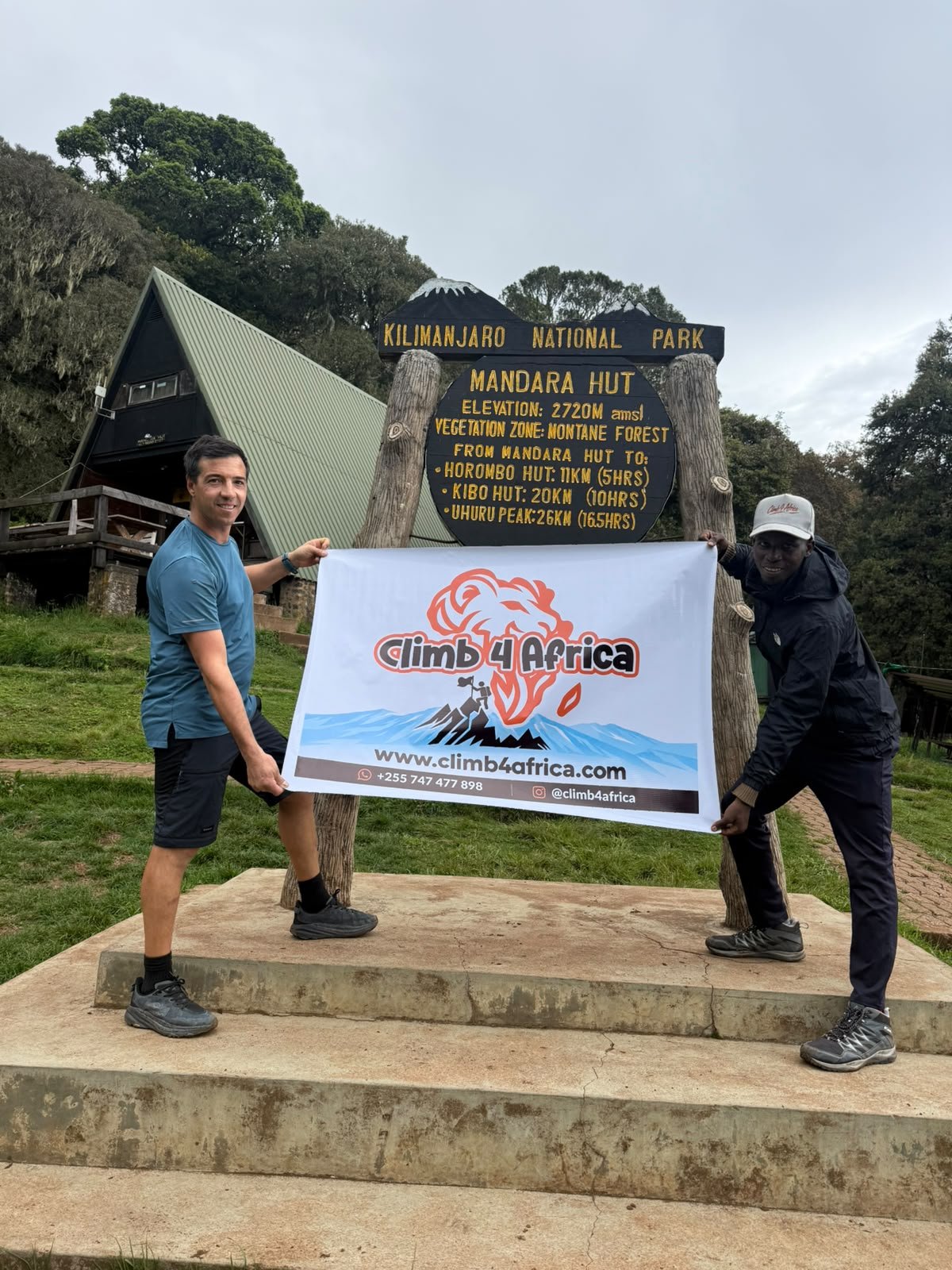
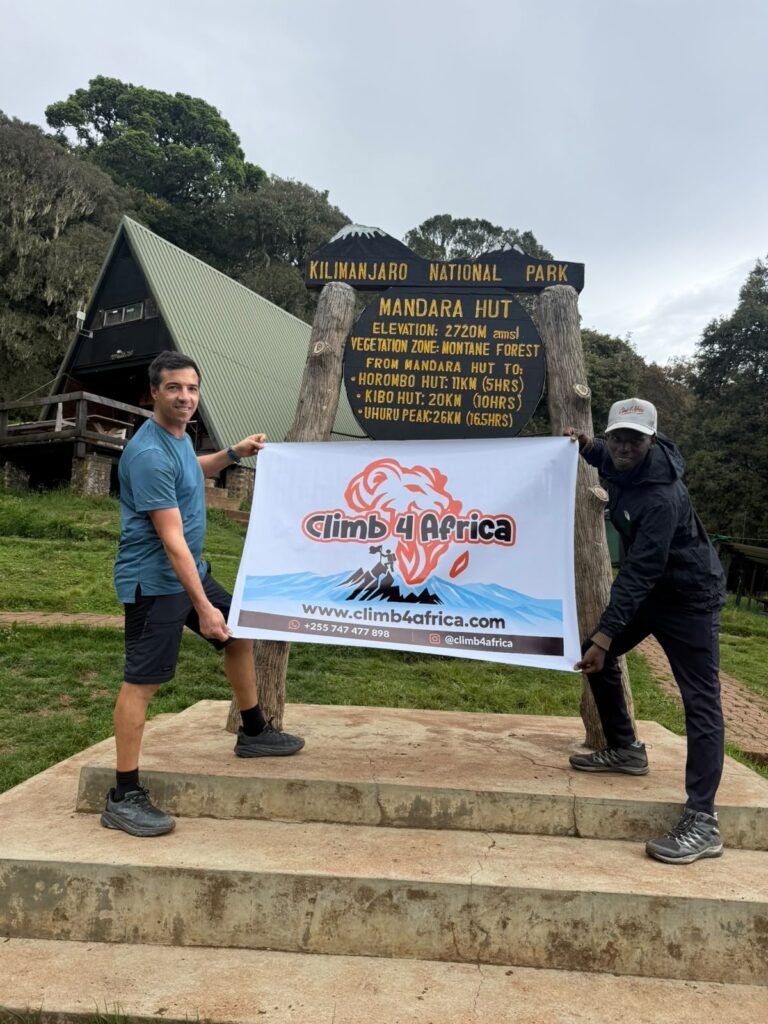
Meet at the agreed Moshi/Arusha meeting point in the morning for a pre-climb briefing and final equipment check. Transfer by vehicle to Marangu Gate (elevation ~1,860 m). After gate formalities, begin the trek through lower montane rainforest. The day’s walk is steady, with porter support for your main duffel; you carry a daypack. Expect to reach Mandara Hut (approx. 2,700 m) in the afternoon for dinner and an early night. Mandara Hut gives the first night in a communal hut with basic facilities; confirm exact hut arrangements and bedding with the operator.
Day 2 — Mandara Hut to Horombo Hut
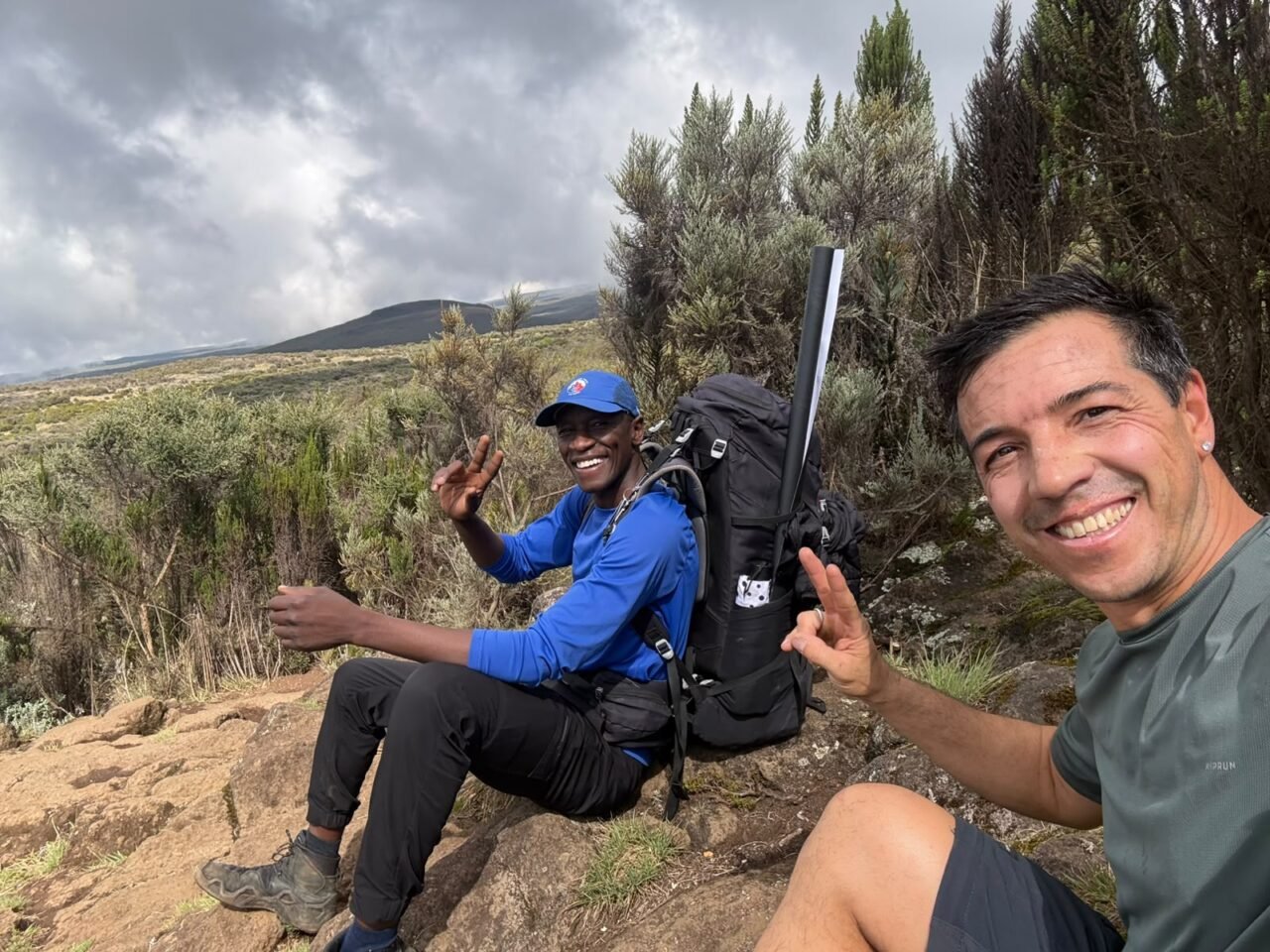
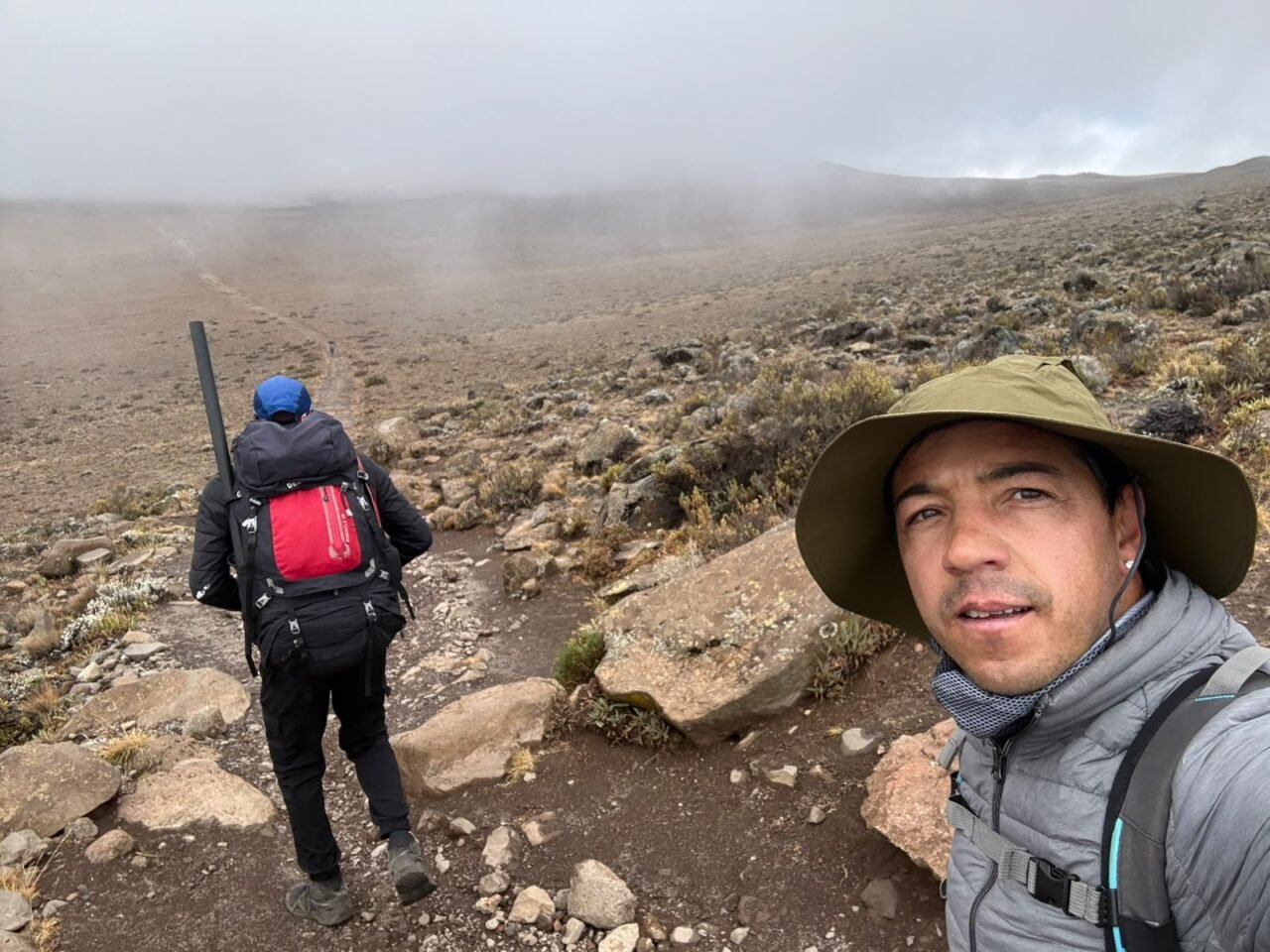
After breakfast, you cross the heath and moorland zone, gaining views as you leave the rainforest. The trail can be rocky; the day is longer than Day 1 but designed to gain controlled altitude and aid acclimatisation. Arrive at Horombo Hut (approx. 3,700 m) in late afternoon. The evening is used to rest, have an early dinner and hydrate. Horombo is the main acclimatisation base on Marangu; note that facilities are basic and bunks are shared by gender.
Day 3 — Acclimatisation at Horombo Hut (short hikes and rest)
To improve altitude adaptation, Day 3 is a designated acclimatisation/rest day. Typical activities include short hikes to nearby ridges, visits to the Koboi Plateau or just relaxed time at the hut to hydrate and eat. Your guide will advise on any short acclimatisation walks based on how the group feels. This slower day is one of the reasons the six-day Marangu itinerary raises summit success odds.
Day 4 — Horombo Hut to Kibo Hut
Day 5 — Kibo Hut to Uhuru Peak and descent to Horombo Hut
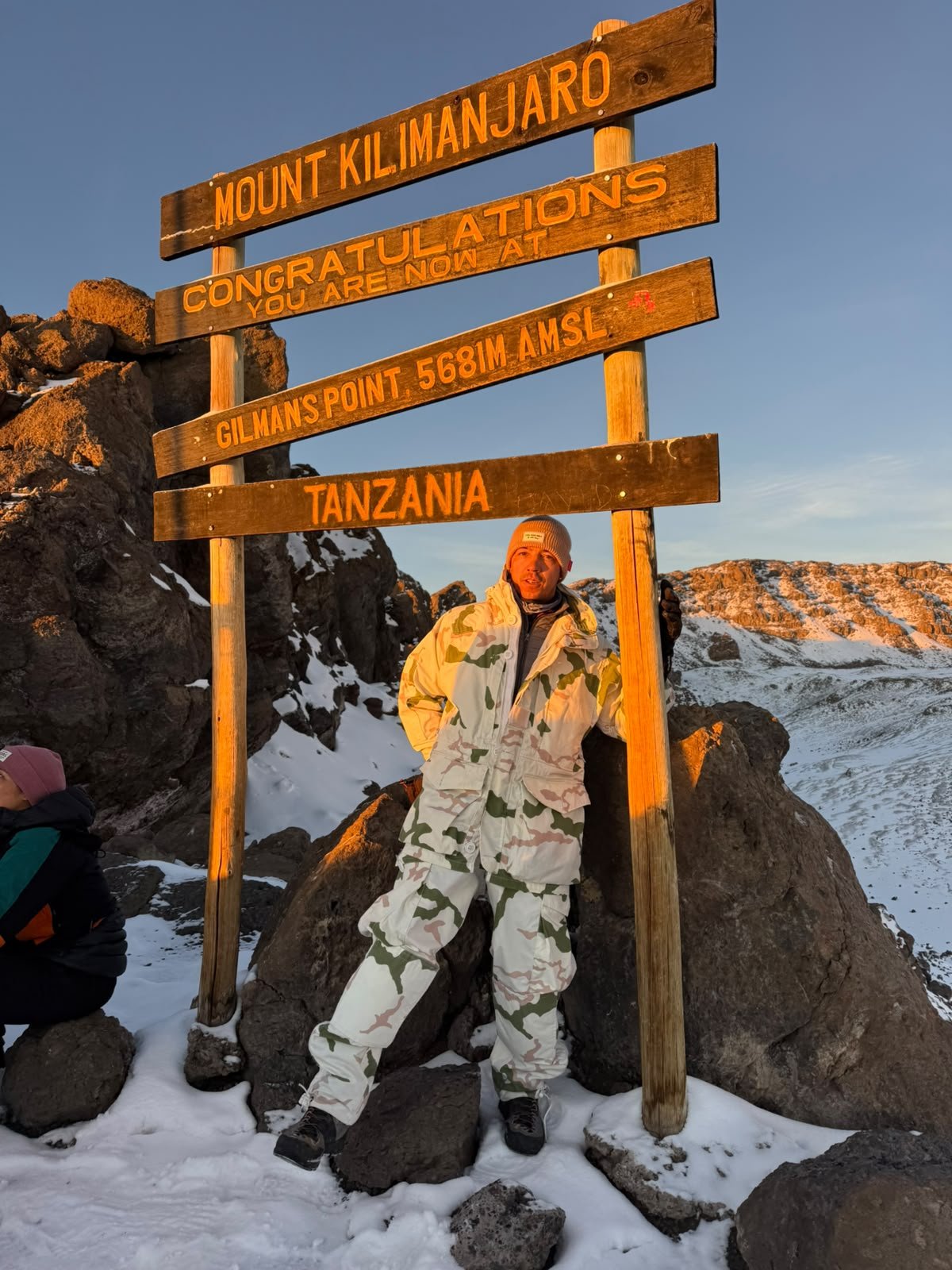
The summit push begins in darkness, typically around 11:00 PM or midnight, depending on weather and group pace. After a light pre-summit breakfast and final gear check, you depart Kibo Hut (approx. 4,700 m) under headlamp beams, navigating the steep, rocky, and often icy terrain of the final ascent. The trail ascends through the lunar-like landscape of the saddle between Kibo and Mawenzi, crossing the crater rim before climbing to the summit ridge. The final stretch involves a steep scramble up the last few hundred meters to Uhuru Peak (5,895 m), the highest point in Africa. This segment demands focus, steady breathing, and careful footing—especially on exposed sections with loose scree or frozen ground.
Reaching the summit is a moment of profound achievement. The sunrise over the African plains, visible from the peak, often paints the sky in vivid hues of gold and crimson, creating a impressive backdrop for celebration and photos. The summit experience is brief—typically 15 to 30 minutes—before beginning the descent. The return route from Uhuru Peak follows the same path down, but with a greater emphasis on controlled movement to protect knees and conserve energy. The descent is long and steep, particularly from the crater rim to the saddle, and requires steady, deliberate steps.
By mid-morning, you will arrive at the crater floor, where the trail begins to level slightly before descending into the moorland zone. You will pass the old Kibo Hut ruins and continue down to Horombo Hut (approx. 3,700 m), arriving in the early afternoon. The day ends with a hot meal, rest, and a well-earned recovery. This is a physically demanding day, and your guide will monitor group members for signs of altitude sickness or fatigue. Hydration, warmth, and nutrition are critical during and after the summit push.
Day 6 — Horombo Hut to Marangu Gate and transfer to Moshi/Arusha
After a full night’s rest at Horombo Hut, you begin the final descent on Day 6. The trail follows the same route taken on Day 2, but now with a lighter load and a sense of accomplishment. The descent is gradual and less strenuous than the summit push, allowing time to reflect on the journey and enjoy the changing scenery—from alpine moorland back into heath and then into the lush lower montane rainforest.
By midday, you will reach Marangu Gate (approx. 1,860 m), where you complete the official exit formalities with park rangers. Your climbing permit is stamped, and you receive a summit certificate if you reached Uhuru Peak. After a final group photo and brief debrief, you board the vehicle for the transfer back to Moshi or Arusha, depending on your original meeting point. The journey typically takes 1.5 to 2 hours, depending on traffic and road conditions.
Upon arrival in Moshi or Arusha, you are welcomed with a celebratory drink and a group dinner (if included). This is a moment to share stories, reflect on the climb, and thank your guide and crew. The 6 Days Marangu Route Kilimanjaro Group Joining (1–6 December 2026) concludes at the end of Day 6. All group members are responsible for their own personal travel insurance and onward flights, which should be booked after confirming successful summit completion.
Post-climb logistics, recovery and practical next steps after the 6 Days Marangu Route Kilimanjaro Group Joining (1–6 December 2026)
After completing the 6 Days Marangu Route Kilimanjaro Group Joining (1–6 December 2026), there are a compact set of practical steps most climbers need to handle before dispersing: official formalities at the gate, short-term recovery and medical checks, luggage and hotel arrangements, tipping and crew thanks, and onward travel timing. This section explains what typically happens immediately after descent and clarifies sensible next actions you should prepare for when you confirm your booking with Climb 4 Africa.
Gate formalities and documentation
At Marangu Gate you will complete the park exit process and—if you reached Uhuru Peak—your summit achievement will be recorded. Guides usually collect the summit information and organise the printed summit certificate through the park office; some operators provide a certificate at the finish while others arrange digital copies after the trip. Confirm with Climb 4 Africa whether you will receive a physical certificate at Marangu Gate or a scanned certificate by email, and whether you should keep any personal paperwork (original passport) on your person for the exit check.
Immediate recovery: food, fluids and rest
Expect to arrive at your Moshi or Arusha meeting point in the early to mid-afternoon. The first priorities are rehydration, a carbohydrate- and protein-rich meal, gentle stretching and a shower if your hotel offers one. Altitude and exertion fatigue can persist; avoid strenuous activity for the remainder of the day and allow 24–48 hours for sleep and light mobility. If you have pre-booked a post-climb hotel package through Climb 4 Africa, check whether it includes a late check-in, hot shower and a hot meal timed for arriving climbers.
Tipping the Kilimanjaro crew
Tipping is customary and an important part of crew income. Many group-joining trips pool tips and distribute them among guides, assistant guides, cooks and porters. If not already advised by the operator, ask Climb 4 Africa before the trip about the recommended per-person amount, the preferred currency (often US dollars), and whether the group leader will collect pooled tips. Prepare small, intact bills for this purpose—creased or damaged notes can be difficult to change locally.
Health checks, blister care and when to seek medical attention
Minor issues—blisters, sore knees, nausea or sleep disruption—are common after a summit push. Conduct basic first-aid care: clean and dress blisters, use compression for painful knees, and prioritise hydration and electrolyte replacement. If you have persistent symptoms (shortness of breath at rest, chest pain, confusion, severe headache that doesn’t respond to medication), seek immediate medical evaluation. Confirm with Climb 4 Africa whether they provide guidance to nearby clinics or can assist with an urgent referral in Moshi or Arusha.
Onward travel timing and flight considerations
Aim to avoid same-day long-haul flights whenever possible. Even if you feel well, post-altitude fatigue and residual dehydration can complicate air travel. If your international flight is scheduled the same evening as descent, contact Climb 4 Africa about arranging airport transfer times and consider asking your airline about flexibility. If you must travel soon after descent, prioritise a short domestic transfer to the airport, early check-in, and continued hydration; otherwise, plan on spending at least one restful night in Moshi or Arusha before long flights.
Luggage, lost property and photos
Group-joining arrangements sometimes mean you shared porter services and stored gear in communal vehicles. Check your kit before leaving the meeting point: confirm your passport, summit certificate (if issued there), electronics and any valuables. Many operators offer professional summit photos and group images—ask Climb 4 Africa how these are delivered (USB stick, cloud link or printed) and whether there’s a collection point in town. If something is left on the mountain, prompt notification increases the chance of recovery; request immediate assistance from the lead guide if you suspect lost items.
Practical next-day checklist
- Confirm your post-climb hotel check-in and any airport transfer times with Climb 4 Africa.
- Prepare local currency for tipping and incidental purchases.
- Document any medical symptoms and have emergency contacts ready (local clinics/hospitals, your travel insurer).
- Back up summit photos and copies of the summit certificate.
- If you plan further travel in Tanzania, check recommended rest times and consider booking transport that allows recovery time.
These post-climb steps close the practical loop of the 6 Days Marangu Route Kilimanjaro Group Joining (1–6 December 2026). They reduce risk, preserve the value of your achievement and make the transition from mountain to onward travel straightforward—confirm operator-specific options (certificate handling, tipping guidance, transfers and post-climb hotel packages) with Climb 4 Africa when you reserve your place.
Summit‑night: pacing, nutrition, breathing rhythm and group dynamics on the Marangu six‑day
The single most decisive part of the 6 Days Marangu Route Kilimanjaro Group Joining (1–6 December 2026) is the summit night from Kibo Hut to Uhuru Peak and back to Horombo Hut. Climbers frequently ask for concrete, practical guidance beyond “leave late at night” — the key unanswered reader need in the existing article is a clear, usable playbook for how to manage pace, food, rest and group interactions during the summit push. Below is a focused, realistic set of expectations and behaviours that help you get to the summit and down safely, tailored to a hut‑based, group‑joining Marangu climb.
Start time, rhythm and walking strategy
Expect a pre‑midnight or midnight departure from Kibo Hut. Guides schedule the start to match forecasted summit window and the group’s assessed fitness; do not assume everyone will move at the same speed. Adopt a conservatively steady rhythm: short steps, slow cadence, and a breathing pattern you can maintain without gasping. A common and effective rule of thumb is “one minute walk, then 10–20 seconds of focused breathing/short rest” rather than alternating long walking and long stops. This keeps muscles engaged and reduces the chilling effect of long standstills on summit night.
Breathing technique and maintaining oxygenation
At altitude the body responds to low oxygen by increasing breathing rate; when climbing you need to monitor rate and depth. Use slow, diaphragmatic inhalations (nose or mouth as is comfortable) and longer, controlled exhales. Aim for a rhythm allowing you to speak a short sentence without needing to stop — if you can’t, slow your pace. Guides often instruct “two steps inhale, two steps exhale” or similar ratios; find a count that keeps you aerobic rather than pushing into breathlessness.
Nutrition, hydration and small frequent intake
Large meals are difficult on summit night. Instead, plan small, frequent, high‑energy snacks: energy gels, chews, half a sandwich, banana pieces, or chocolate. Sip fluids regularly — warm electrolyte drinks are best if available because they supply both calories and sodium. Avoid excessive caffeine late in the day if it disrupts sleep at Kibo Hut, but on summit night a modest caffeinated gel or chew can temporarily boost alertness for the final sections; test this in training so you understand how it affects your digestion and sleep afterwards.
Layering and managing body temperature
Summit night is the coldest period. Use a layering approach so you can remove or add insulation easily during brief rest stops. Wear a breathable base layer, insulating mid layer, and a wind‑proof outer shell; keep a warm hat, balaclava and gloves accessible. Avoid overheating during slow walking — you should be warm but not sweating; moisture trapped in layers can chill quickly during rest. Protect exposed skin with lip balm and a thin buff for wind‑burn prevention.
Headlamp etiquette, spacing and visibility
Groups on Marangu often form a procession. Keep your headlamp on a lower intensity when following others to preserve night vision and reduce glare for the person ahead. Maintain a steady spacing (several metres) to avoid accidental tripping and allow room for stops. If you overtake, do so deliberately and communicate: “Passing on the left” is sufficient. Conserving batteries is important — carry a spare power source and consider a small backup light in a pocket.
Group dynamics and guide leadership
On group‑joining departures there will be climbers with varied experience and different summit goals. Respect guide instructions about pacing and turning points. Guides monitor individual climbers for signs of acute mountain sickness and manage group tempo; when you are tired, fall back and be honest about symptoms. If the guide asks a climber to rest, descend or use supplementary measures, accept that decision — the group’s safety and the ill person’s wellbeing come first. If you have concerns about a fellow climber, tell a guide rather than attempting to resolve issues within the group.
Turning points and contingency expectations
There is a strict turnaround time set by the lead guide or park authority; if you reach a decision point late, you may be asked to turn around. Mentally prepare for this possibility: a non‑summit day does not equal failure — it’s often the safest choice and preserves the possibility of another attempt in the future. If someone in your group is unable to continue, guides will stabilise them and organise a controlled descent. Familiarise yourself beforehand with the operator’s evacuation procedures and the role you may be asked to play (e.g., assisting a porter with a pack or giving space on the trail).
Descent pacing and early recovery
Once you reach the crater rim or Uhuru Peak, expect a brief celebration and photography window, then begin a steady, careful descent. Descending can be harder on knees and feet — use poles where helpful and take short, frequent rests. On the return to Horombo Hut, warm liquids, dry clothing (including a fresh set of socks) and immediate quiet rest will speed recovery. Follow the specific post‑summit instructions your guide provides for fluids, light food and sleeping priorities.
This practical summit‑night playbook answers the single most useful remaining reader question for the 6 Days Marangu Route Kilimanjaro Group Joining (1–6 December 2026): how to manage the human, physiological and group elements that determine summit success. Use these tactics in training and discuss them with your guide during the pre‑climb briefing so expectations and contingency plans are shared by all.
Related Guides and Packages
Check Availability for 6 Days Marangu Route Kilimanjaro Group Joining – 1–6 December 2026
Ready to compare dates, prices, and the best option for your group? Send the package name and travel month so the team can reply with a clear quote, availability, and what is included.
6 Days Marangu Route Kilimanjaro Group Departure – 16–21 December 2026
6 Days Marangu Route Kilimanjaro Group Departure – 16–21 December 2026.
View package details5 Days Marangu Route Kilimanjaro Group Climb – 8–12 December 2026
5 Days Marangu Route Kilimanjaro Group Climb – 8–12 December 2026.
View package details
6 Days Marangu Kilimanjaro Group Hiking – 9–14 December 2026
6 Days Marangu Kilimanjaro Group Hiking – 9–14 December 2026.
View package details5 Days Marangu Route Kilimanjaro Trek – 2–6 December 2026
5 Days Marangu Route Kilimanjaro Trek – 2–6 December 2026.
View package details
December 4, Kilimanjaro Budget Trekking With Shared Group
December 4, 2026 Kilimanjaro Budget Trekking with Shared Group.
View package details1–8 January , 8 Days Lemosho Route Kilimanjaro Group Joining 2027
1–8 January 2027, 8 Days Lemosho Route Kilimanjaro Group Joining.
View package details
Climb Kilimanjaro In Budget 12-December-2026, Join Group 2027
climb kilimanjaro in Budget 12-december-2026, Join Group.
View package detailsClimb Kilimanjaro In 12-December-2026, Small Group in 2027
climb kilimanjaro in 12-december-2026, Small Group.
View package details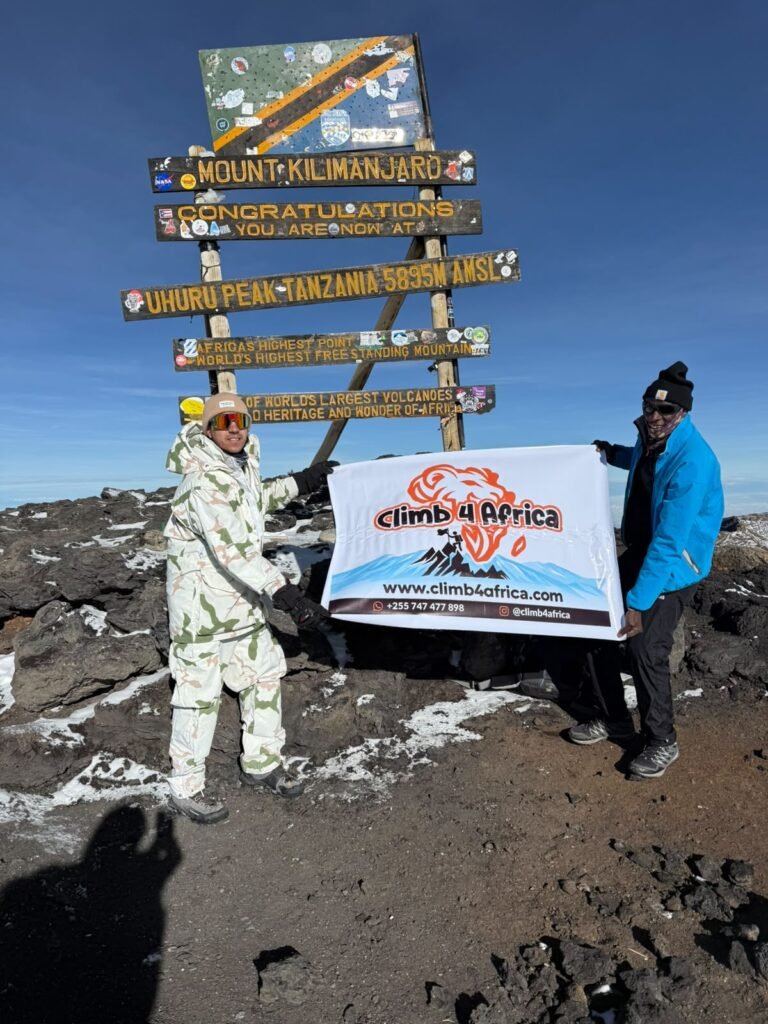
Join Kilimanjaro Group In 4-December-2026, Small Departures 2027
Join kilimanjaro Group in 4-december-2026, Small Departures.
View package details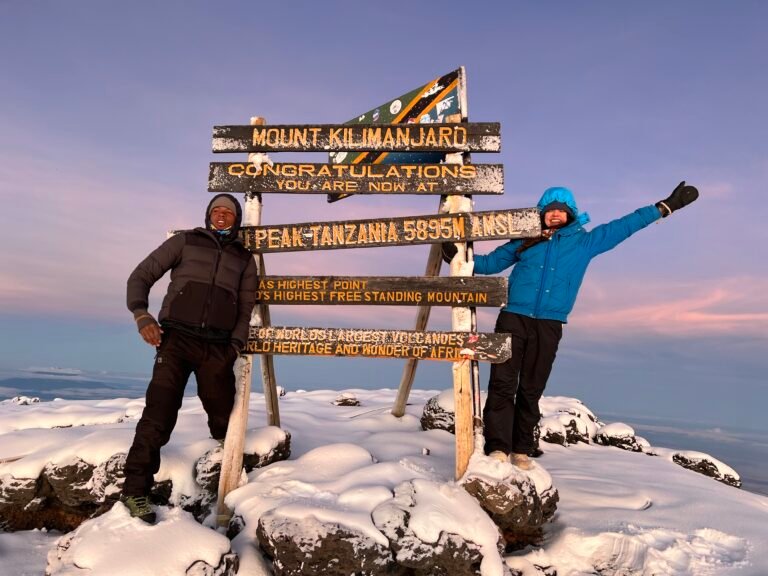
6 Days Rongai Route Kilimanjaro Hiking – 6–11 December 2026
6 Days Rongai Route Kilimanjaro Hiking – 6–11 December 2026.
View package details5 Days Marangu Kilimanjaro Christmas Trek – 22–26 December 2026
5 Days Marangu Kilimanjaro Christmas Trek – 22–26 December 2026.
View package details5 Days Marangu Kilimanjaro New Year Trek – 29 December – 2 January 2026
5 Days Marangu Kilimanjaro New Year Trek – 29 December 2026 – 2 January 2027.
View package detailsNo related package matches those filters. Clear one or more filters to see the other topic-matched options.



