
If you want to join a December 4, 2026 Kilimanjaro budget trekking with a shared group, availability and confirmed departure must be requested from the operator: Climb 4 Africa only publishes some fixed group dates and spaces are limited. This page explains exactly what to verify (confirmed departure, group size, shared equipment, guide-to-client ratio and porters), what the budget package normally includes and excludes, and how to request a verified booking or join a nearby compatible departure.
Searching for a December 4, 2026 Kilimanjaro Budget Trekking with Shared Group means you likely want an affordable climb, shared logistics and a preset departure date. Because operator-verified departures and capacities change, this article focuses on the decision steps you must take now, the concrete items a budget shared-group package should include, and the practical trade-offs when you choose low-cost group joining rather than a private climb.
Is there a confirmed December 4, 2026 shared-group departure?
Short answer: you must confirm with Climb 4 Africa or an authorised booking contact. We do not publish unverified departure lists here. To check immediately, use the operator’s live contact channels or the group’s joining pages. If the December 4 departure is not listed or sold out, ask about any nearby group dates or an option to join a private or mixed departure.
How to request verification (fast checklist):
- Send a booking enquiry with your full name, passport nationality, preferred route length (e.g. 6- or 7-day), fitness notes and number of people.
- Ask for written confirmation of the actual departure date, meeting point in Tanzania, and space available in the shared group.
- Request a packing list and local transport plan (airport transfer or meeting in Moshi/Arusha).
- Confirm cancellation and refund terms for budget group joins — these are often stricter than private bookings.
What “budget” and “shared group” typically mean on Kilimanjaro climbs
Budget shared-group climbing packages focus on lower per-person costs by combining climbers into one departure and sharing some services. Standard characteristics you should verify:
- Shared tents and smaller-group dining tents: Budget groups may reduce tent allocation; ask whether tents are single, double or shared between climbers.
- Higher porter-to-client ratios: Porters are still required by Tanzanian law and respected operators keep good ratios. Confirm the number of porters per climber and whether you carry a daypack only.
- Fewer extras: Budget packages often exclude airport transfers, park fees paid in advance, hot showers, and tip pooling. Get a full inclusions list in writing.
- Standard routes and 6–8 day itineraries: Budget options commonly use Machame or Marangu on 6–7 day schedules. If you need a longer acclimatisation window, you may need to upgrade.
Key inclusions and exclusions to confirm before booking
When considering a December 4, 2026 Kilimanjaro Budget Trekking with Shared Group, ask for explicit confirmation of the following items. Operators sometimes advertise ‘inclusive’ packages but omit important logistics.
- Inclusions to expect and verify:
- Park entry and rescue/medical insurance for the mountain (confirm policy details).
- Professional guide(s) certified for Kilimanjaro, plus porters and cook(s).
- Group camping equipment (dining tent, cooking equipment) and meals while on the mountain.
- Transport from Moshi/Arusha meeting point to the trailhead and back.
- Common exclusions to budget packages:
- International flights, visa fees, and airport transfers unless stated.
- Personal climbing equipment (down jacket, sleeping bag rated to at least -10°C — ask if rental is available).
- Tips for guides and porters (locally customary and usually not optional).
- Optional extras such as private porter, pre/post trek hotel nights, or Zanzibar extensions.
Choosing the right route and acclimatisation for a budget climb
Budget treks often select efficient routes to reduce nights on the mountain, which lowers cost but increases altitude risk. If your aim is summit success it’s worth confirming the exact itinerary and asking whether the shared group will follow a longer acclimatisation profile if some members need it. Key trade-offs:
- 6-day routes: cheaper and faster but harder on acclimatisation; better for well-prepared, experienced trekkers.
- 7–8-day options: increase summit probability and reduce altitude sickness risk
Verifying guide-to-client and porter ratios — what to request, why it matters, and acceptable standards
A recurring, practical gap for anyone joining a December 4, 2026 Kilimanjaro budget trekking with a shared group is concrete guidance on how many guides and porters will accompany your party and what those numbers mean for safety, comfort and summit success. Operators and local regulations vary; budget departures frequently economise by reducing staff-to-client numbers or consolidating services across multiple groups. Before you book, get explicit answers and evaluate the impact.
Why guide and porter ratios matter on a budget shared-group climb
- Safety and decision-making: Guides are the trained decision-makers for route choice, diagnosing altitude illness, and emergency evacuations. A lower guide-to-client ratio can slow response times and reduce individual attention for symptoms that benefit from early detection.
- Physical load and fatigue: Porters are responsible for carrying tents, food, fuel and most clients’ heavy gear. Too few porters means either climbers carry extra loads (contrary to many package promises) or existing porters are overloaded, which affects campsite readiness and team morale.
- Summit timing and pace: When guides must manage many clients at different fitness levels, pace-setting becomes conservative or fragmented, which may reduce summit probability for some members or prolong exposure to altitude.
- Quality of camp setup: Fewer cooks and porters can mean slower meal service, less frequent water heating, and a lower standard of camp hygiene—factors that make a tough day feel harder than it needs to.
Ask for specific, verifiable details — a checklist to send with your booking enquiry
- How many professional Kilimanjaro-certified guides will be assigned to the shared group, and will they be full-time for the whole climb?
- How many porters and cooks per climber are allocated for this departure? Request a written roster or staff-to-client statement for the December 4 departure.
- What are the expected roles of each staff member (lead guide, assistant guide, number of cooks, head porter/“sherpa” equivalent, and porter-to-tent ratio)?
- Will porters carry personal team kit only, or are guests expected to shoulder extra weight? Confirm maximum permitted guest carry weight and whether that is usually enforced.
- Who is responsible for medical evacuation and what resources (e.g., stretcher, oxygen) will be available on this departure?
- Will staff be shared across two or more simultaneous groups on the same date (a cost-saving practice that reduces effective staffing per group)? If yes, how is workload scheduled?
Interpreting operator answers — red flags and positive signs
- Red flags: vague replies like “sufficient staff will be provided” without numbers, refusal to confirm roles in writing, or statements that porters must carry clients’ main packs because of “logistics”. These indicate hidden costs or potential safety compromises.
- Positive signs: a written staff roster or explicit ratios, a named lead guide with certification details, and clarity on maximum guest pack weight (often expressed in kg or lb) and enforcement. Operators who explain contingency plans for sick or slow climbers (backup guides, extra porters on call) demonstrate better professionalism even for budget departures.
Practical implications — what to expect and how to prepare
- If the operator shows limited staff numbers, plan to bring and use rental options for heavy personal items (e.g., don’t assume a porter will carry a non-rented 15–20 kg duffel).
- Budget groups may pool tips. Ask whether the tipping protocol is per-climber, pooled by team, or handled by the operator. Tipping remains a major part of staff income; understanding the expected amount helps you budget fairly.
- Consider travel insurance that covers high-altitude evacuation. If staffing looks lean, having a reliable evacuation plan and insurance is more important.
On a budget shared-group climb, the guide and porter numbers are not just a detail — they directly affect safety, comfort and acclimatisation effectiveness. Ask for precise ratios in writing for the December 4, 2026 departure and treat unclear answers as a prompt to negotiate additional staffing, request written contingency plans, or choose a different departure with verified support levels.
How to join or be added to a December 4, 2026 shared group when spaces look full
If the December 4, 2026 shared-group departure you want appears sold out or uncertain, there are practical, verifiable steps you can take to increase the chance of joining that exact date without paying for a private climb. This section explains concrete actions—what to ask, what to offer, and how to remain flexible—so your enquiry is effective and provable.
1) Confirm live availability, then request a standby or waitlist place in writing
Telephone or chat enquiries are fast, but always follow up with a written request (email or the operator’s booking portal) that explicitly asks to be placed on a standby/waitlist for the December 4, 2026 shared-group departure if the operator currently lists the date as full. Ask for a timestamped confirmation reply from the operator showing:
- Current booking status for December 4 (confirmed, waitlist, or full).
- Your position on the waitlist, if applicable.
- Any deposit required to hold a standby spot and the deadline for payment.
Having the operator’s written confirmation prevents misunderstandings and gives you a clear timeline for follow-up.
2) Offer flexible participation options that operators prefer
Operators are more likely to add you to a full group when you make it easy for them. Useful, non-binding flexibility you can offer in your enquiry includes:
- Willingness to accept shared tenting or mixed-gender tenting (if you’re comfortable).
- Accepting a longer/shorter route variant that can accommodate one extra guest.
- Agreeing to meet in Moshi/Arusha rather than requiring an airport transfer at a strict time.
State these preferences clearly and concisely—operators handle many enquiries and prefer simple, actionable replies.
3) Ask about group mergers and compatible departures
Sometimes operators run two nearby departures that can be merged if numbers permit. Ask whether the operator may combine the December 4 group with another nearby date (for example, December 3 or December 5) and what the practical implications are: changes to itinerary, staff ratios, or meeting logistics. If you are flexible on arrival dates this widens your usable options without forcing a private climb.
4) Propose a conditional deposit and clear cancellation terms
If the operator asks for a deposit to hold a standby spot, request a conditional, refundable deposit structure in writing—i.e., your deposit is refunded if the operator cannot confirm your place X days before departure (agree on X in the message). This shows commitment on your side while protecting you if space never materialises. Never transfer the full climb balance until your place is formally confirmed on December 4 in writing.
5) Offer to be a documented alternate and request a confirmation deadline
Ask the operator to confirm a specific cutoff date for when they will convert waitlist spots to confirmed bookings (for example, 10–14 days before departure). If they refuse a clear deadline, treat that as a warning sign. A sensible conversion timeline forces operators to manage staffing and tents responsibly and allows you to decide whether to pursue alternatives.
6) Use a concise sample booking message (copy, edit, send)
Below is a short, copy-ready template you can adapt and send to the operator. It asks precisely for what staff and operators need to know and establishes written terms:
Subject: Standby request – December 4, 2026 shared-group Kilimanjaro climb

Hello [Operator name],

I would like to join the shared-group departure on 4 December 2026. Please confirm current availability and, if full, place me on the official waitlist/standby. My details:
• Full name (as passport): [Name]
• Nationality: [Country]
• Route preference: [e.g. 6-day/7-day route — flexible]
• Tent preference: [single/shared — flexible]
• Arrival flexibility: [e.g. can arrive in Moshi on Dec 3–4]

Please confirm in writing:
1) My current status (confirmed/waitlist/standby) and position on the list.
2) Any deposit needed to hold a waitlist spot and refund terms if I am not confirmed X days before departure.
3) Deadline when waitlist conversions will be decided.
4) Whether staff or tents are ever shared with other groups on this date.

I can pay a conditional deposit of [amount] if you require it. Thank you — I look forward to your reply.

Regards,
[Name, contact phone, email]
Saving this message and the operator’s reply gives you a clear audit trail for follow-up and dispute resolution if necessary.
7) Parallel backup plan: book an alternate nearby date or operator
While on the waitlist for December 4, secure an affordable alternative (a nearby date or another reputable operator) that has transparent staffing and cancellation terms. If a standby confirmation arrives, immediately cancel the backup according to its written cancellation policy to avoid losing deposits. This strategy balances affordability with the realistic chance that the original date may not free up.
Following these steps—documented waitlist requests, flexible preferences, conditional deposits, and a priced backup—gives you the best chance of joining a December 4, 2026 Kilimanjaro budget shared-group departure without compromising your protections or paying for a private climb.
Assessing medical cover and emergency evacuation on a December 4, 2026 budget shared-group climb
One of the most important practical gaps when joining a budget shared-group Kilimanjaro departure is clear, verifiable assurance about medical support and evacuation procedures. Budget operators can still run safe trips, but because resources are consolidated across climbers, you must confirm how medical incidents are handled in practice — not with marketing phrases, but with explicit operational details you can check before paying.
What to request in writing (and why each item matters)
- Designated lead guide with medical training: Ask the operator to name the lead guide assigned to the December 4 departure and state their certification level (wilderness first responder, advanced first aid, or equivalent). Knowing the guide’s training and whether they will remain with the group all the way to the summit reduces uncertainty in decision-making during altitude illness.
- On-mountain medical kit contents: Request a written inventory of the on-mountain medical kit. It should list basic resuscitation supplies, altitude medicines (acetazolamide—if carried—requires clinician oversight; dexamethasone for acute mountain sickness is commonly available), antibiotics, wound care, and oxygen cylinders with regulator specifications. If the operator declines to enumerate supplies, treat that as a red flag.
- Oxygen capacity and refilling plan: Ask how many cylinders of supplemental oxygen will be carried on this specific departure and who is authorised to administer it. Clarify whether spare cylinders are held at the high camp or only at lower camps, and whether the operator has a local supply chain to replace used cylinders quickly.
- Evacuation timeline and options: Require a clear description of the operator’s evacuation procedure for moderate and severe cases (e.g., suspected HAPE/HACE). This should include: on-the-spot descent protocols, use of rescue stretchers, porter or complementary vehicle support to the nearest roadhead, and contact details for local helicopter evacuation providers (if available). If a helicopter is mentioned, confirm it is not merely a marketing promise — ask whether the operator has pre-arranged contracts and estimated mobilisation times for this departure.
- Insurance requirements and verification: Confirm what level of travel and rescue insurance the operator requires and whether they will request proof before departure. Budget groups sometimes try to omit this step; insist on seeing acceptable policy language (coverage for high-altitude rescue to at least 6,000 m and helicopter evacuation) or get an insurer’s written confirmation that your policy covers Kilimanjaro and mountain rescue.
- Nearest medical facilities and transport times: Ask the operator to list the nearest clinic and hospital capable of handling altitude-related complications in Moshi/Arusha, including approximate road transfer times from the park gate under normal conditions. This helps you weigh the practical evacuation time in the event ground transport is used.
Practical verification steps before you commit
- Insist that the operator include the named lead guide and an on-mountain medical inventory in the booking confirmation or an attached departure briefing PDF.
- Request screenshots or PDF copies of any rescue helicopter agreements if the operator says helicopter evacuation is available; vague assurances without documentation should not suffice.
- Contact the insurer you intend to use and read the policy wording to confirm explicit coverage for high-altitude rescue and helicopter repatriation. Keep a copy of the insurer’s emergency contact number and policy reference with you on the mountain.
- If possible, call the listed Moshi/Arusha medical facilities to confirm they are open and familiar with treating altitude illness; this cross-check is quick and helpful.
On-climb behaviour and shared-group considerations
In a shared group, the practical burden of an evacuation falls on the whole party. Before departure, discuss with your operator how the group handles a climber who must descend: will remaining participants continue, wait, or reroute? Budget groups sometimes have fewer spare staff to support a single-climber evacuation without disrupting the whole group. Confirm these contingency plans, and ensure you are comfortable with them.
Finally, carry your own small, personal altitude first-aid kit (basic meds you may personally tolerate and your insurer permits) and an emergency communication device if you can (satellite messenger or local SIM with guaranteed coverage plans); both measures strengthen your personal safety margin on a budget shared-group climb.
Frequently asked questions
Q: Can a budget operator legally refuse to arrange helicopter evacuation?
A: Operators are not legally required to provide helicopter evacuation, but they must explain realistic evacuation options. If a helicopter is not contracted, they must disclose this; prompt ground-evacuation protocols and medical training for guides become more important in that case.
Q: Is personal travel insurance sufficient or do I need additional rescue coverage?
A: You need a policy that explicitly covers high-altitude rescue and helicopter evacuation to the altitudes involved on Kilimanjaro. Verify wording with the insurer and keep proof accessible; standard travel policies may exclude mountain rescue above certain elevations.
Q: If the operator lists oxygen but I want portable concentrator support, is that feasible?
A: Portable concentrators require power and are rarely practical on Kilimanjaro’s higher camps. Ask if the operator permits personal oxygen cylinders and check logistics for carriage and refilling; both need written confirmation in advance.
Practical baggage, porter limits and on-mountain luggage management for a December 4, 2026 budget shared-group climb
One practical gap many climbers experience on budget shared-group departures is uncertainty about exactly what porters will (and will not) carry, how excess baggage is handled, and what you should bring to avoid extra cost or burdening the group. Operators vary. Don’t assume standard practice; get the concrete rules for the December 4, 2026 shared-group departure in writing.
Common porter allowance models — what to expect and what to verify
- Per-climber porter allowance (typical): operators commonly state a per-person porter allowance expressed in kilograms (often 13–18 kg). Confirm whether that weight covers only the duffel they provide or includes your personal daypack. Ask if soft duffels are required and whether zips/locks are permitted.
- Shared-equipment exclusion: some budget packages require climbers to carry their own sleeping bags and personal clothing daypack, while porters only carry communal gear (tents, cooking equipment). Check the booking terms and the written departure briefing for exclusions.
- Per-porters-or-per-group statements: occasionally operators advertise a porter-to-client ratio (e.g., one porter per two climbers) but then limit individual carriage to a smaller weight. Always request both the ratio and the per-porters’ per-climber weight allowance in kilograms.
What to get in writing before you travel
- Exact porter allowance in kg per climber and whether personal daypacks are counted.
- Maximum dimensions and permitted bag types (soft duffel vs hard suitcase) and whether the operator supplies the duffel.
- Policy for excess weight: flat surcharge per extra kilogram, requirement to carry excess yourself, or refusal to accept extra items.
- Rules for valuables and important documents (whether porters will carry them — usually not recommended — and where the operator stores valuables overnight at gate/hotel).
- Who is responsible for transferring airport-to-hotel luggage and any separate charges for that service.
Practical packing strategy that reduces risk and cost
Given the variability in porter rules for budget shared groups, adopt a conservative packing strategy:
- Prepare a light, clearly labelled soft duffel that fits the operator’s stated dimensions and the common 13–18 kg allowance. Keep the bag soft-sided; rigid bags are often rejected for porter carriage.
- Use a compact daypack (20–30 L) for items you must carry yourself on trekking days: water, snacks, warm layers, camera, sunscreen, and basic medical kit. Operators rarely allow porters to carry daypacks during the day unless explicitly stated.
- If your sleeping bag is not included in the package and you cannot rent one locally, plan for that weight within the porter allowance or be prepared to carry it yourself on summit night; ask the operator whether they provide sleeping bags for budget climbs.
- Limit valuables and documents in your mountain bag. Carry passports, cash for tips, and insurance details with you rather than packed in porter luggage. Consider a waterproof pouch for essential documents in your daypack.
Managing group-shared items and tipping logistics
On many budget shared-group climbs, common items (cooking fuel, big kitchen tents, shared tables) are stored and carried by porters but are not attributed to specific climbers. Clarify who is responsible for securing these items at camp and whether climbers should help in specific circumstances (for example, at high winds). Also confirm the tipping protocol and whether porter tip envelopes are pooled or individual; this prevents confusion at the end of the climb and avoids last-minute cash shortfalls.
Contingency: excess weight at gate or last-minute kit swaps
Budget operators sometimes enforce weight limits strictly at the park gate. If your luggage exceeds the allowed weight, the operator may ask you to redistribute items into other climbers’ bags (with consent), pay an excess fee, or carry extras yourself. To avoid this, weigh your fully packed duffel beforehand, bring spare pack liners for re-distribution, and have a written confirmation from the operator showing permitted weight and excess fee structure to dispute unexpected charges.
Bottom line: for a December 4, 2026 Kilimanjaro budget shared-group climb, the single most effective step to avoid baggage problems is to request explicit porter allowance and excess-weight rules in writing and then pack to that precise limit. That reduces surprises, preserves group goodwill, and protects your summit chances when climbing with a shared, budget-conscious party.
What to expect on the day of departure (meeting, gate checks and park procedures for a December 4, 2026 shared-group climb)
Budget shared-group departures commonly compress administrative tasks into a short window on the morning of departure. That creates stress points where miscommunication or unclear responsibilities can delay the group, incur unexpected fees, or force last-minute redistribution of luggage. The following practical timeline and checklist explain the typical sequence of events at the lodge/meeting point, at the park gate, and at the official Kilimanjaro park registration so you know exactly what to ask the operator and prepare to do yourself.
Typical time sequence (what usually happens and when)
- Pre-dawn / early morning pickup: Operators normally schedule either an early transfer from your Moshi/Arusha hotel or an on-site meeting at a designated lodge the evening before. If your booking specifies a morning transfer, confirm the pickup time and expected vehicle type (minivan, boda-boda, 4×4). Ask for a contact number for the driver or local office.
- Arrival at the park gate (registration and weigh-in): At the gate the group will present passports, group manifest and park fees for each climber. Expect a porter weight check here: porters’ combined loads are often weighed and the operator must show compliance with porter weight rules. Instructors: ask whether the operator handles this paperwork or if you must carry printed confirmations.
- Final gear checks and redistribution (if needed): Some groups are asked to re-balance bags to meet porter allowances. This is the last point to change who carries what; have your duffel pre-weighed and bring spare pack liners if redistribution is likely.
- Short briefing and group photo: Operators typically run a 10–20 minute briefing at the gate covering route for the day, expected hiking time, tent allocations and tipping protocol. Confirm at this stage who is the named lead guide present.
- Hike start: After paperwork and briefings the group will set off. Time at the gate varies (30–90 minutes) depending on paperwork, payment processing and any equipment issues.
Checklist to confirm with the operator before you travel
- Exact meeting time, night-before accommodation (if provided) and an emergency contact number for the local office and lead guide.
- Which documents you must bring in hard copy to the gate (passport, proof of payment, printed voucher or group manifest). Many gate officials request originals.
- Whether the operator will present the group manifest and pay park fees on your behalf, or if you must pay or sign at the gate.
- Porter weight policy at gate: confirm the permitted kg per porter and the operator’s process for excess weight (surcharge, redistribution, or refusal). Get the exact figure in writing.
- Expected length of time at the gate and whether the operator reserves time for an initial medical check (pulse, oxygen saturation) for each climber.
- Any additional gate fees or local levies that may sometimes be collected in cash on arrival (e.g., community levies) and who pays them.
Practical actions to reduce problems on departure morning
- Weigh your fully packed duffel at your hotel or with a luggage scale before leaving Moshi/Arusha; carry the scale and a receipt or photo showing the measured weight if contested.
- Bring cash (local currency) in small denominations for unexpected gate charges or last-minute tips; do not rely on the operator’s ability to make change.
- Arrive 10–15 minutes before the scheduled pickup time if meeting at a lodge; ferrying multiple clients to a shared-group vehicle can be delayed if someone is late, and budget groups have tighter turnaround windows.
- Keep passport and insurance card in a waterproof pouch on your person; gate officials will often need to see originals and you may need them again later in the trek.
- If you are travelling alone and joining a mixed shared-group, carry a printed copy of your booking confirmation and the operator’s confirmation that you are assigned to the December 4 departure—this avoids confusion if multiple small groups converge.
Questions to ask on arrival at the gate (quick script)
- “Which guide is leading this climb today and may I see their certification/ID?”
- “Can you confirm the porter weight allowance per climber in kilograms and where it is recorded?”
- “Are there any additional local fees due today that I should pay in cash?”
- “What is the expected duration of today’s hike and the first camp name?”
Covering these items before you leave Moshi or the lodge removes most surprises at the gate and protects your place in the December 4, 2026 shared-group climb. If the operator responds vaguely when you request exact gate procedures or a named lead guide, treat that as a practical red flag and escalate before arrival.
What to do if staffing, porter or guide commitments are changed or misrepresented during the climb
Even with careful pre-trip verification, budget shared-group climbs occasionally experience mid-climb staffing shortfalls or role changes: a guide is re-assigned, porters are fewer than promised, or porters are asked to carry more than the confirmed allowance. When this happens, act quickly, calmly and with an eye toward safety, documentation and a practical resolution that preserves the group’s wellbeing.
Immediate safety-first actions
- Prioritise safety and medical needs. If any climber shows significant symptoms of AMS, hypothermia, or injury, the lead guide’s instructions take precedence—ensure the affected person is stabilised and, if necessary, descended to lower altitude immediately.
- Do not allow porters or guides to perform tasks beyond their competence if it risks safety (e.g., unassisted patient carry, improvised high-altitude rescue). Request qualified assistance or a conservative, safe plan if the guide proposes an untested workaround.
- Keep the group together when possible. Fragmentation—individuals leaving the main party to redistribute gear without oversight—creates additional risk and confusion.
Document what changed: what to record and how
Collect clear, time-stamped records at the earliest opportunity. These items are essential for any immediate negotiation and for a post-climb complaint or refund claim:
- Photos: take photos of the group manifest, porter counts, tents, and any written notes the lead guide produces. Photograph name badges, IDs or guide certifications if offered.
- Short video statements: with consent, record brief on-camera confirmations from the lead guide and from one or two independent climbers describing the staffing change and the proposed immediate plan.
- Keep receipts and written notes: note who said what and when, and save any text messages, WhatsApp or email communication that changed staffing expectations.
- Medical logs: if the guide records vital signs, medication or an evacuation decision, request a copy or photograph of that entry.
On-site negotiation: practical scripts and options
Use neutral, constructive language. The goal is an operational fix that restores reasonable workload and safety—without escalating unnecessarily. Sample on-site phrases:
- “We were confirmed X porters and a lead guide with Y qualifications. Can you show where the booking manifest records this group’s staffing?”
- “Given the current porter numbers, can we agree a revised maximum carry per person and a shared tipping adjustment so porters are paid fairly?”
- “If the operator cannot supply the agreed staffing, we require a written plan for evacuation and a statement of who is responsible for extra costs.”
Reasonable resolutions to propose on the mountain include: temporary redistribution of non-essential group kit into communal bags, staged shorter hiking legs to reduce porter strain, agreed extra payment for additional porters (paid only if you accept a written receipt), or an organised, safe early descent for anyone uncomfortable continuing.
When to escalate to the operator or local authorities
- Escalate to the operator’s local office or your booking contact immediately if the guide refuses to provide identification, medical supplies are absent, or safety is compromised.
- If the operator is unresponsive and a climber requires emergency medical evacuation, request the guide call regional emergency services or the park authorities—do not defer a genuine medical emergency for later complaint handling.
- For formal complaints after the climb, consolidate your documentation (photos, videos, receipts, booking confirmation) and send a chronological account to the operator within seven days. Keep copies of all communications.
Post-climb remediation and claims
If the on-climb issue caused additional costs, reduced services, or safety concerns, email the operator a concise claim with attachments: 1) booking reference; 2) short timeline of events; 3) supporting photos/videos; 4) requested remediation (partial refund, reimbursement for emergency payments, formal apology, or assurance of policy changes). Ask for a response deadline (typically 14 days). If unresolved, escalate to your payment provider, travel insurer or the regulator that licenses the operator.
Handling mid-climb staffing problems with calm documentation and clear, practical negotiation maximises the chance of an immediate workable fix and strengthens any later claim. Safety comes first; compensation and dispute resolution follow.
Related Guides and Packages
Check Availability for December 4, Kilimanjaro Budget Trekking With Shared Group
Ready to compare dates, prices, and the best option for your group? Send the package name and travel month so the team can reply with a clear quote, availability, and what is included.

Climb Kilimanjaro In Budget 12-December-2026, Join Group 2027
climb kilimanjaro in Budget 12-december-2026, Join Group.
View package details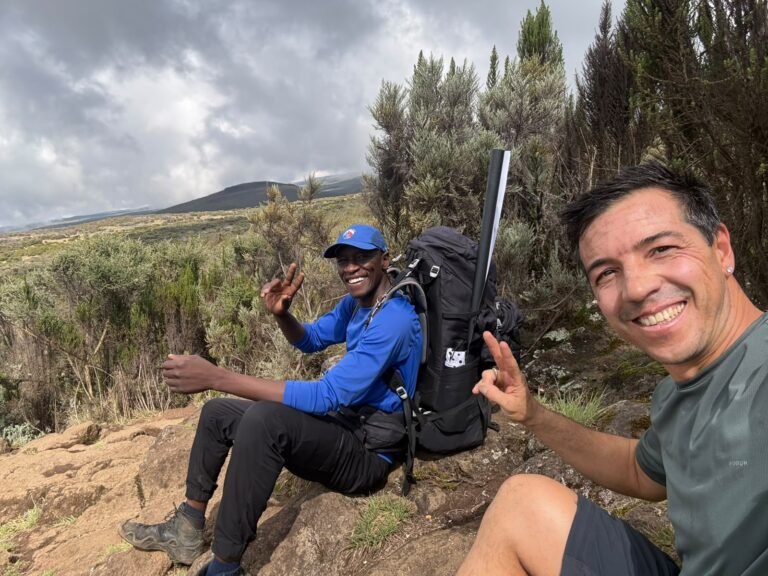
6 Days Marangu Kilimanjaro Group Hiking – 9–14 December 2026
6 Days Marangu Kilimanjaro Group Hiking – 9–14 December 2026.
View package details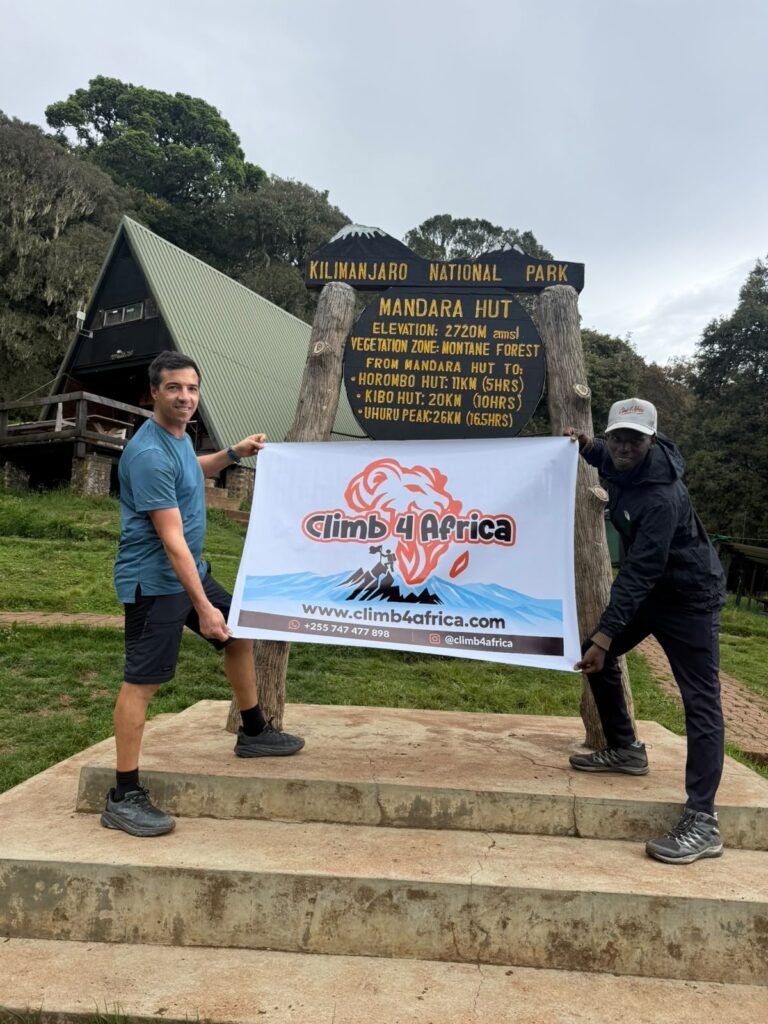
5 Days Marangu Route Kilimanjaro Group Climb – 8–12 December 2026
5 Days Marangu Route Kilimanjaro Group Climb – 8–12 December 2026.
View package detailsClimb Kilimanjaro In 12-December-2026, Small Group in 2027
climb kilimanjaro in 12-december-2026, Small Group.
View package details6 Days Marangu Kilimanjaro Hut Trekking – 6–11 December 2026
6 Days Marangu Kilimanjaro Hut Trekking – 6–11 December 2026.
View package details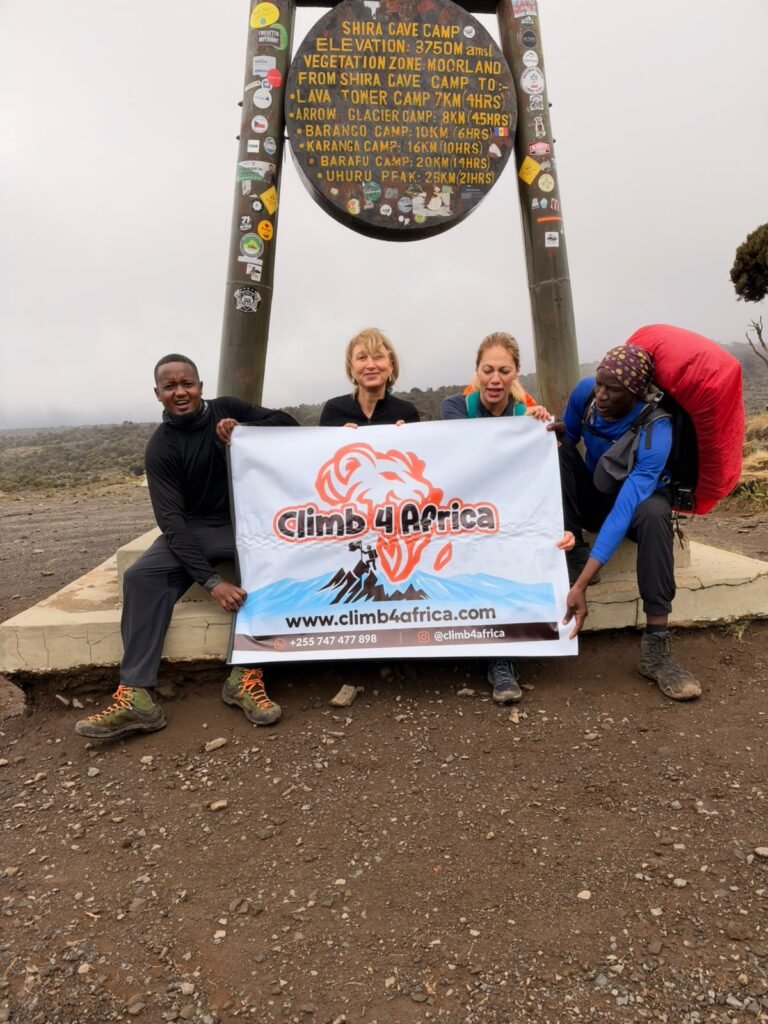
December 4, Kilimanjaro Trekking Packing List
December 4, 2026 Kilimanjaro December Trekking Packing List.
View package details2–8 January , 7 Days Lemosho Route Kilimanjaro Group Climb 2027
2–8 January 2027, 7 Days Lemosho Route Kilimanjaro Group Climb.
View package details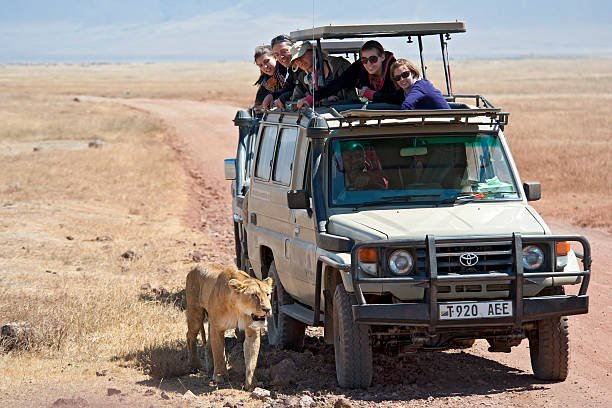
17 Days Kilimanjaro Group Climb Safari And Zanzibar 2026-2027
17 Days Kilimanjaro Group Climb Group Safari and Zanzibar.
View package details6 Days Marangu Route Kilimanjaro Group Departure – 16–21 December 2026
6 Days Marangu Route Kilimanjaro Group Departure – 16–21 December 2026.
View package details6 Days Marangu Route Kilimanjaro Group Joining – 1–6 December 2026
6 Days Marangu Route Kilimanjaro Group Joining – 1–6 December 2026.
View package details
Join Kilimanjaro Group In 4-December-2026, Small Departures 2027
Join kilimanjaro Group in 4-december-2026, Small Departures.
View package details
10 Days Northern Circuit Kilimanjaro Christmas Holiday Trek – 21–30 December
10 Days Northern Circuit Kilimanjaro Christmas Holiday Trek – 21–30 December 2026.
View package detailsNo related package matches those filters. Clear one or more filters to see the other topic-matched options.



