
If you are booking the December 4, 2026 Kilimanjaro Solo Female Traveler Climbing Tour with Climb 4 Africa, expect a guided climb with a certified lead guide, supporting porter team, park permits and either camping or hut accommodation depending on route; exact route (Lemosho, Machame, or Marangu), duration (typically 6–8 days) and availability must be confirmed with Climb 4 Africa before payment — this page helps you choose the best route and prepare safely.
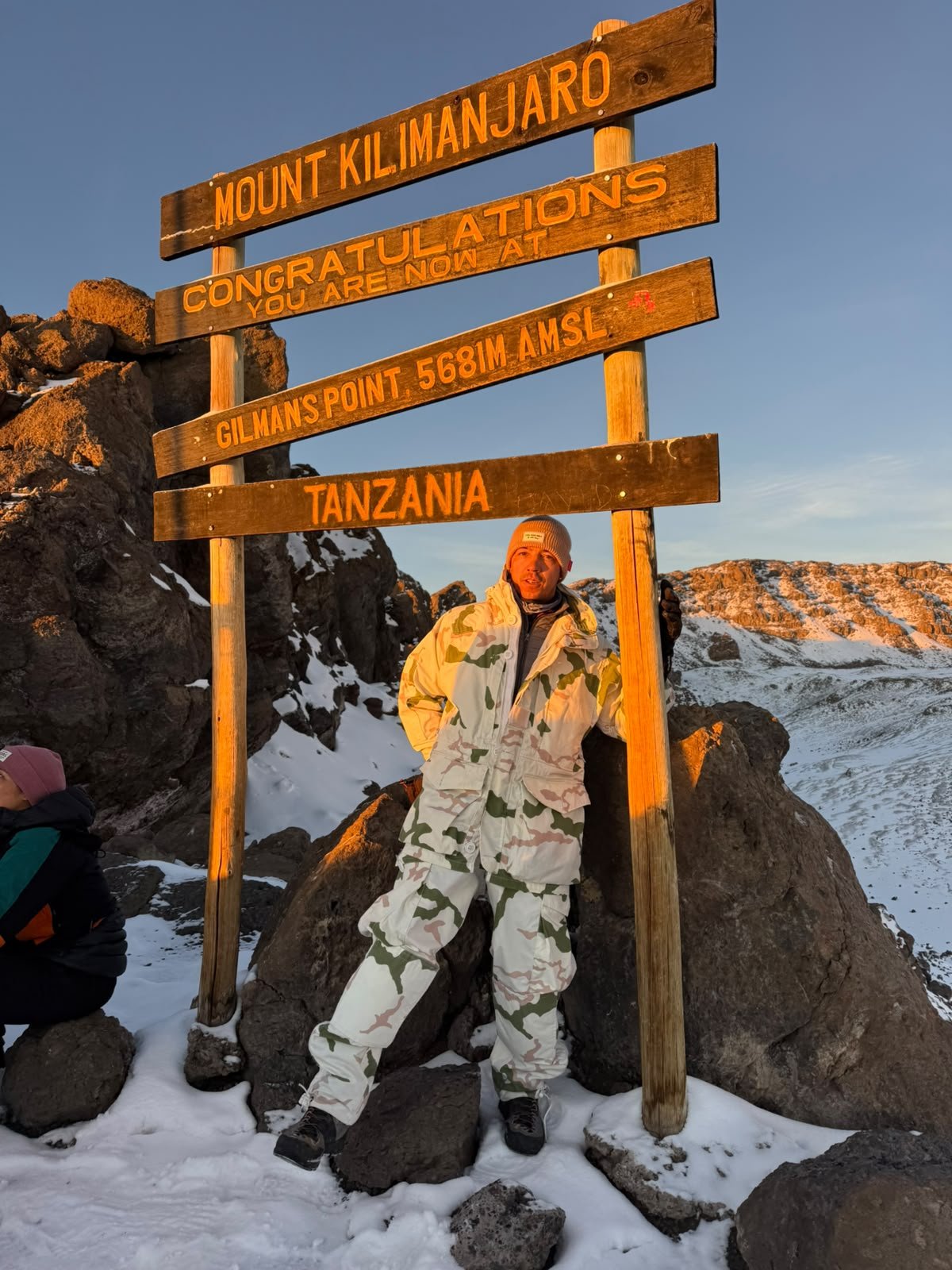
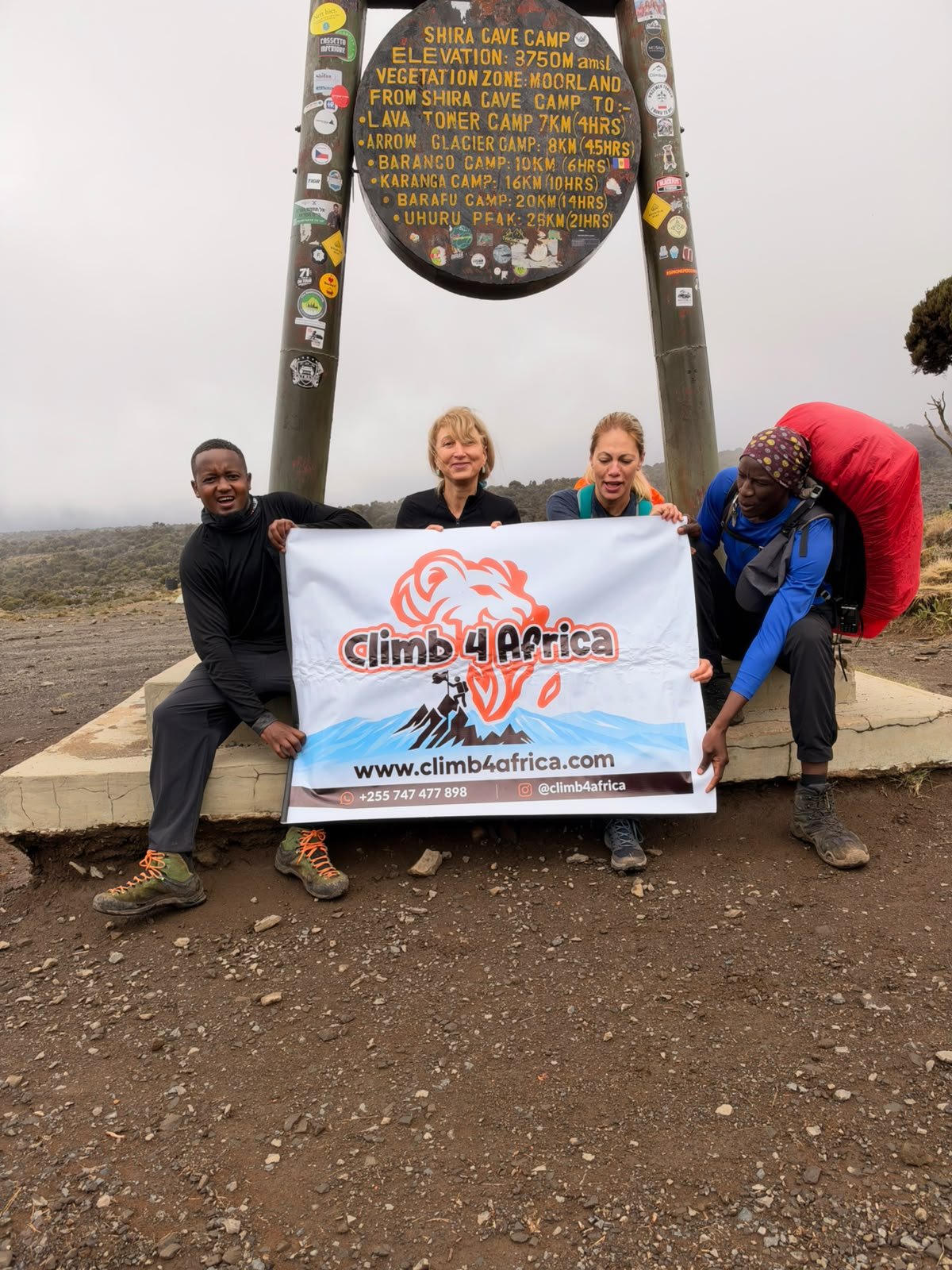
The remainder of this article explains which route fits a solo female traveler departing December 4, 2026, how the logistics usually work, safety and gear priorities, and the booking steps you’ll need to complete with Climb 4 Africa. Where a detail can vary by departure (exact group make-up, confirmed guide, or campsite vs hut nights), I’ll point out what you must verify rather than guess.
What kind of trip does “December 4, 2026 Kilimanjaro Solo Female Traveler Climbing Tour” imply?
The phrase signals a scheduled Kilimanjaro departure on that date aimed specifically at a woman climbing alone — either joining a small mixed group, a women-only group, or booking a private solo package. Operators typically offer the following variations:
- Shared group departure — solo climbers join others on the same start date; costs split and you share porters and guide(s).
- Women-only departure — groups limited to female climbers, often with female guides where available; good for social comfort and peer support.
- Private solo climb — you hire a dedicated guide and crew for a fully private ascent (more expensive but highest privacy and flexibility).
Climb 4 Africa runs different formats; you must confirm whether the December 4 departure is shared, women-only, or private when enquiring.
Which route should a solo female traveler pick for a December 4 start?
Selection matters more for acclimatisation, social comfort and logistics than for gender—here’s a comparison to match personality and fitness:
Lemosho (recommended for acclimatisation and scenery)
- Best for: climbers who want a longer profile for slow acclimatisation, keen photographers and those nervous about altitude.
- Pros: longer routes (usually 7–8 days), gradual ascent profile, spectacular remote scenery and higher summit success rates when properly paced.
- Cons: slightly higher cost and longer travel time to start point; you’ll likely camp rather than sleep in huts.
Machame (balanced choice)
- Best for: solo climbers with moderate fitness who want high success odds without the full length of Lemosho.
- Pros: excellent scenery and commonly used for guided climbs; available in 6–7 day variants.
- Cons: steeper sections and some days have larger elevation gains; verify group size and guide experience when booking.
Marangu (hut route—more social, less flexible)
- Best for: climbers who prefer sleeping in huts and a slightly simpler logistics footprint.
- Pros: huts reduce the amount of personal camping gear needed.
- Cons: faster ascent profile usually, lower summit success rates unless you add acclimatisation days; less privacy.
For a solo female traveler departing December 4, 2026, I generally recommend Lemosho for safety and acclimatisation unless time or budget constraints make Machame a better fit. Contact Climb 4 Africa to confirm which routes are operating that date.
Safety, support and guide setup you should confirm
When enquiring specifically about December 4, 2026 Kilimanjaro Solo Female Traveler Climbing Tour, ask Climb 4 Africa to confirm these operator-verified items before you book:
- Lead guide certification and language(s) spoken on your departure.
- Guide-to-client ratio for that departure and whether a female guide is available (important for many solo women).
- Number of porters, their load limits and porter welfare practices (fair pay, insurance).
- Exact route, number of trekking days, camping vs hut nights, and summit night plan.
- What is included: park fees, hut/camp fees, rescue insurance, meals, and transfers from Moshi/Arusha.
- Cancellation and medical evacuation policy for that specific departure date.</li
Pre-departure timeline and checklist for a December 4, 2026 solo female climb
One practical gap many prospective solo female climbers still need filled: a clear, date-driven pre-departure timeline that turns the vague “get fit and pack” advice into concrete tasks you can tick off before the December 4 start. Below is a usable schedule and checklist tailored to issues that matter most for a woman travelling alone: health paperwork, communication plans, female-specific clothing and hygiene items, and final confirmations with Climb 4 Africa.
8–12 weeks before departure
- Confirm booking details with Climb 4 Africa: ask for the exact meeting point and time on December 4, the confirmed lead guide name and language, and whether the departure is shared, women-only, or private. Request a written itinerary and a clear list of inclusions/exclusions for your departure.
- Medical and travel insurance: purchase a policy that explicitly covers high-altitude trekking to 5,895 m and includes emergency helicopter evacuation. Keep a printed copy and a digital photo of the policy details on your phone.
- Health checks and vaccines: visit your healthcare provider. Discuss altitude risks, obtain any recommended vaccines, and get prescription copies (including antibiotics, altitude-related medication if advised, and routine prescriptions). Ask for letters describing medical needs if you carry medication in checked or carry-on luggage.
- Fitness plan: begin a progressive conditioning plan focusing on long hikes with loaded packs, stair-climbing and aerobic conditioning. If you have limited time, prioritize back-to-back long walks at the weekend to simulate consecutive trekking days.
4–6 weeks before departure
- Gear finalisation: confirm which items Climb 4 Africa supplies (sleeping bag rating, duffel bag for porters, trekking poles) and which you must bring. Buy or borrow female-specific items (well-fitting base layers, trekking bra, insulated jacket cut for your torso length). Try on everything together to ensure compatibility with your backpack and harness if used.
- Period and menstrual planning: decide your preferred strategy—carry enough supplies for the week (tampons, pads, or menstrual cup plus quick-dry underwear), and a small sealable wet-bag for used items. Note that waste disposal on the mountain is limited; bring biodegradable wipes and extra zip-lock bags. If you expect your period around the climb, discuss options with your doctor (some climbers use hormonal scheduling to shift timing) and pack backup pain relief.
- Safety and communication plan: enrol in a temporary international SIM/data plan or confirm availability of local SIMs in Moshi/Arusha. Share a detailed itinerary, contact numbers for Climb 4 Africa, and your emergency contact list with a trusted person at home. Arrange regular check-in times for summit day and each campsite night.
2 weeks before departure
- Documents and copies: make two printed sets of your passport, travel insurance, prescriptions, and your Climb 4 Africa booking confirmation. Store one set with you and leave one with your emergency contact. Take photos or scans and save them to cloud storage.
- Trainer sessions and acclimatisation hikes: do at least one simulated long day with gear; practise eating and drinking routines you plan to use on the mountain. If available, test your sleeping bag in a cold room or outdoors to verify warmth.
- Money and tipping: obtain local currency for arrival costs and small purchases. Confirm Climb 4 Africa’s tipping protocol for guides and porters so you can prepare cash in USD (or the locally requested currency) in small denominations.
72–48 hours before departure
- Final health self-check: rest well, hydrate, and avoid heavy alcohol or new medication. If you feel unwell, notify Climb 4 Africa immediately—there may be options to postpone or reassign you to a later departure.
- Pack a personal safety kit: headlamp with spare batteries, whistle, compact first-aid supplies, a sewn-in name tag with emergency contact and guide company details, and a copy of your insurance policy number. Seal any spare credit card and emergency cash in a separate pocket.
- Confirm transport logistics: get the arranged transfer times from Kilimanjaro Airport to Moshi/Arusha and reconfirm your pickup with Climb 4 Africa for December 4 meeting details.
On arrival and the night before December 4
- Meet your guide in person: if possible, introduce yourself to the lead guide and porter team, go over your medical form and dietary needs, and verify the summit night plan and turnaround criteria.
- Sleep and nutrition: prioritise a calm evening and a carbohydrate-rich dinner. Charge all electronics (or leave devices with your guide if necessary) and keep essential documents and medications in your daypack for the morning departure.
This timeline closes the practical gap between booking a December 4, 2026 Kilimanjaro Solo Female Traveler Climbing Tour and boarding the truck: it’s deliberately actionable, prioritises female-specific needs, and focuses on confirmations you must obtain from Climb 4 Africa rather than assumptions about a departure. If you want, I can convert this schedule into a printable checklist tailored to the Lemosho, Machame or Marangu route you choose.
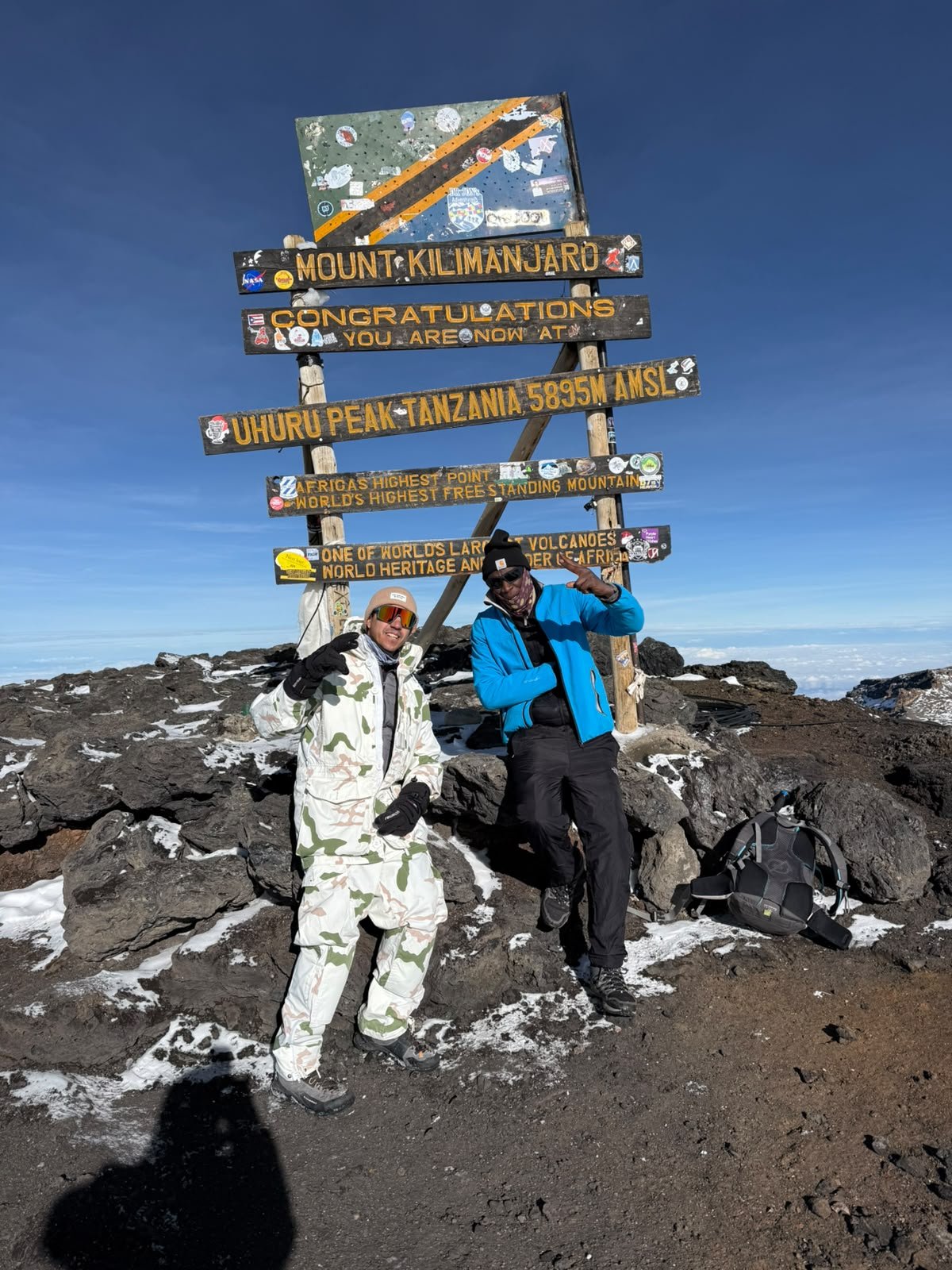
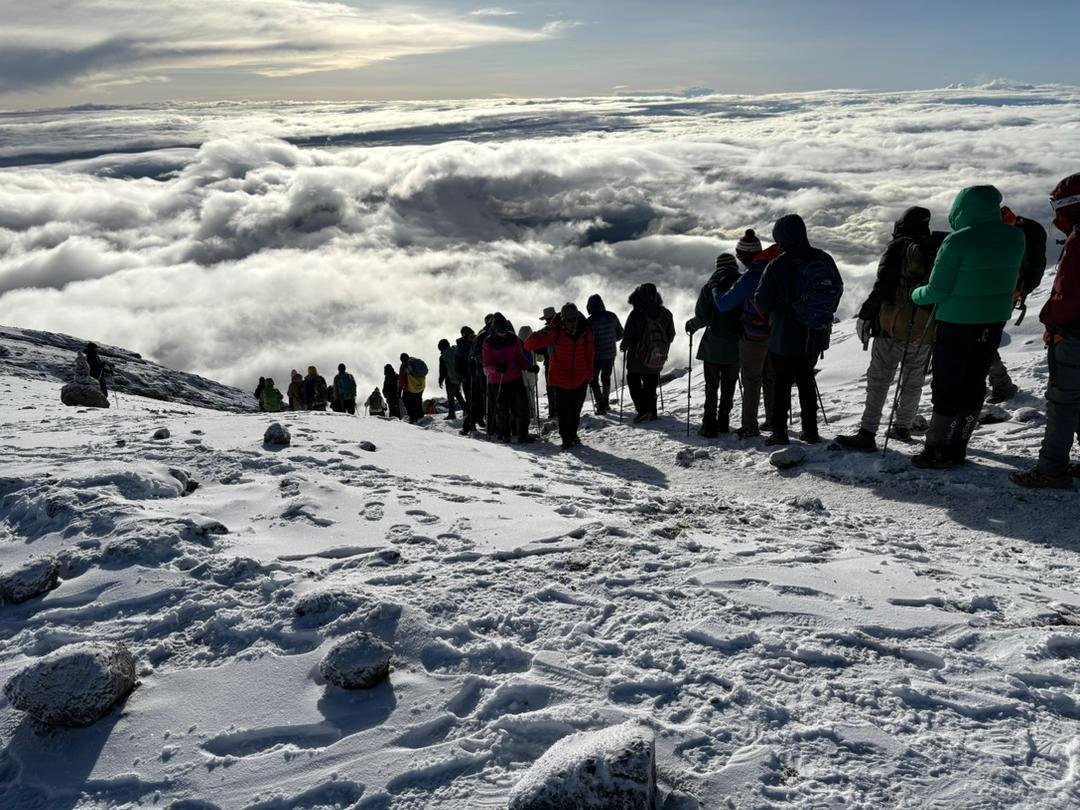
On-mountain personal comfort and privacy: practical guidance for the solo female climber
One important gap many planning guides omit is the day-to-day reality of personal comfort, hygiene and privacy on a multi-day Kilimanjaro climb—matters that especially concern solo female travellers. Below are concrete, operator-neutral practices and small preparations you can make to preserve dignity, manage bodily needs, and stay comfortable without inventing logistics for any specific departure.
Communicate expectations with your guide and crew immediately
At the first opportunity—ideally when you meet your lead guide on arrival—state any privacy preferences (e.g., modesty when changing, sleeping arrangements, showering times where available) and practical needs (menstrual supplies, female-specific medical history, medication timing). Guides and porters work with many solo women and are typically accommodating if you set clear expectations. Ask how your group handles tent layout, shared cooking areas, and washing-water distribution so you can plan around quieter times.
Managing menstrual cycles and feminine care on Kilimanjaro
If your period overlaps the climb, you have safe, practical options—none require operator-specific promises but do require planning:
- Products: bring a comfortable mix of items you trust. Disposable pads in resealable bags, compact tampons (if you use them), or a menstrual cup are all viable. Many climbers prefer a menstrual cup for multi-day treks because it reduces waste and the need to carry used products out. Pack spare supplies in waterproof bags and include antiseptic wipes and small resealable bags for used disposables if you cannot immediately discard them in appropriate bins.
- Hygiene: carry a light, quick-dry towel and biodegradable wet wipes for personal washing; keep hand sanitiser available. Request private time and space from your guide for changing—most crews will set aside a separate area behind a bush or a screened-off corner of camp if you ask.
- Medication: if heavy cramps are typical, bring a supply of analgesics you have used successfully before (paracetamol/ibuprofen) and any prescribed hormonal options. Check interactions with altitude-related advice on medication timing with your doctor before travel.
Sleeping, tent setup and clothing for warmth and modesty
Even in mixed-gender shared tents or hut dormitories, you can preserve comfort with a few tactics:
- Tent zoning: request a tent corner assignment or a tent of your own where available. If private tents aren’t standard on your booked departure, ask whether the operator can prioritise smaller tent groups for female clients—this is often possible on request.
- Layering for sleep: use a fitted base layer and a lightweight mid-layer that you can keep on inside sleeping bags. A thin sleep sack liner or silk sheet provides modesty when sharing hut bunks and adds warmth. Keep a dry set of clothes inside a zippered bag to change into immediately before bed to avoid putting damp layers back on.
- Modesty outdoors: pack a lightweight, quick-dry sarong or oversized buff you can wrap around your waist or shoulders for changing in semi-public areas. It’s small, light and versatile.
Daily sanitation and preserving dignity at high camps
Water is limited high on the mountain. Prioritise basic hygiene actions that make the most difference:
- Hand hygiene: wash hands before meals and after toilet use; use sanitiser when water is scarce.
- Face and intimate care: carry compact, biodegradable wipes for morning and evening freshening. Use a small bottle of bottled or boiled water for intimate rinsing if needed.
- Toilet protocol: find out from your guide what the group’s toileting routine is—many parties use remote latrine areas and request participants carry out used pads in sealed bags. Follow local environmental guidance and crew instructions.
Staying comfortable during long summit nights and descents
Summit night is physically and mentally demanding; small comfort strategies matter. Dress in layers that allow quick adjustment of core and extremity warmth without full undressing. Keep essential items (headlamp, spare batteries, warm hat, a small snack) in an easily reachable inner pocket. If you are prone to chills, consider a small chemical hand-warmer or an extra down layer reserved for the summit push—store it in a waterproof bag to keep insulation effective.
Mental strategies and social navigation
Solo travel is social as well as logistical. Set simple social rules for yourself: exchange names with teammates, mention your preferred pace early in the trek, and accept small team moments while keeping private time at camp for rest. If you want female company, ask Climb 4 Africa beforehand whether the group is women-only or if other female climbers are on the departure; if privacy is essential, consider requesting a private climb.
These practical, non-speculative measures reduce friction and preserve dignity day-to-day. They’re things you can pack, ask about, and implement regardless of the route Climb 4 Africa confirms for your December 4, 2026 Kilimanjaro Solo Female Traveler Climbing Tour.
Emergency and medical contingency planning for the December 4 solo female climb
One practical gap many climbers overlook until they need it: a clear, trip-specific plan for medical issues, altitude illness, and emergency evacuation that you have discussed and documented with Climb 4 Africa before the December 4, 2026 departure. For a solo female traveller this planning reduces anxiety and speeds response if anything goes wrong. Below are concrete, verifiable steps and items to confirm or prepare; none require operator promises you haven’t obtained in writing.
Confirm operator medical and evacuation procedures in writing
Ask Climb 4 Africa to provide, in an email or booking addendum, the following for the December 4 departure: the lead guide’s certification in wilderness medicine (or equivalent), the on-mountain decision-maker for medical incidents, the operator’s standard protocol for suspected altitude illness (AMS, HACE, HAPE), and the escalation path for evacuations (on-foot descent, vehicle to nearest clinic, helicopter lift if available). If any item is not standard, request a written explanation of how the operator will handle that scenario.
Essential medications and medical kit checklist
Carry a personal medical kit and a copy of your prescriptions and allergies. Items to pack (discuss with your physician — this is not medical advice): acetazolamide (for prophylaxis or early AMS under medical guidance), rapid-acting acetaminophen or ibuprofen for headache/fever, anti-nausea medication (e.g., ondansetron if prescribed), a course of broad-spectrum antibiotics if recommended by your clinician, blister and wound-care supplies, oral rehydration salts, and any personal chronic medications in their original packaging. Keep a distinct, labeled pouch for feminine hygiene and medical supplies so they are easy to access without rummaging through main bags during an emergency.
Emergency communication and battery management
Verify with Climb 4 Africa what communication equipment the guide and lead crew will carry (VHF radios, satellite phone, WhatsApp/phone coverage expectations). On the mountain, mobile coverage is inconsistent; ask whether the guide will carry a satellite messenger or if the group will share one. Bring a personal pre-charged power bank (high-capacity, protected against cold), extra headlamp batteries, and a waterproof document pouch containing emergency contact numbers and your travel insurance policy information. Keep one printed emergency contact sheet with local emergency numbers and one digital copy stored in the cloud accessible to your emergency contact.
Insurance verification and evacuation funding
Before December 4, confirm your travel insurance policy explicitly covers high-altitude trekking on Kilimanjaro (5,895 m) and helicopter evacuation from the mountain or surrounding region. Not all standard travel policies include rescue above certain altitudes or for specific activities; obtain written confirmation from your insurer or ask Climb 4 Africa which evacuation services their clients commonly use. Note that evacuation logistics and costs can vary by season and location; having coverage pre-authorised and a direct contact at the insurer speeds action during an incident.
Personal emergency plan and delegation
Prepare a concise emergency information card to carry in an outer jacket pocket: name, blood type (if known), critical allergies, chronic conditions, medications and dosages, emergency contact name/number, insurance policy number and insurer emergency phone, and your guide’s name and Climb 4 Africa booking reference. Leave a copy of the same information with your emergency contact at home and with Climb 4 Africa office staff. Discuss with your guide who will stay with you if you need descent and who will continue to summit with the rest of the party if a separate decision is necessary—understanding these roles beforehand prevents confusion when minutes count.
Recognising altitude illness and immediate self-actions
Know the red flags before December 4: severe, persistent headache not relieved by medication; nausea or vomiting with reduced urine output; progressive breathlessness at rest; confusion, poor balance or drowsiness. If you experience early moderate symptoms (mild headache, nausea), stop ascent and inform your guide immediately; rest, hydrate, and consider prescribed medications under medical advice. For severe symptoms, the approved immediate treatment is descent to a lower altitude as quickly and safely as possible—ask the guide how that will be executed on your specific route.
These checks and documents convert vague “safety planning” into actionable items you can tick off before boarding your flight to Kilimanjaro. Do not rely on verbal assurances alone—get key commitments in writing and carry the personal documentation above. Doing so preserves your autonomy as a solo female traveller while ensuring the fastest possible response if a medical issue arises on or near the December 4, 2026 climb.
Quick-reference emergency FAQs
Q: Who decides on an evacuation? The lead guide is typically the on-mountain medical decision-maker; confirm their role and qualifications before departure and ask how they consult remote medical services if needed.
Q: What if my insurance excludes helicopter evacuation? If your policy excludes helicopter rescue, ask Climb 4 Africa what alternative evacuation methods they will use and what costs, if any, you may be responsible for. Consider upgrading your policy or adding an evacuation supplement before December 4.
Post-summit recovery, descent logistics and onward travel (what to plan for after December 4–5)
Many guides and itineraries focus on summit night and immediate descent, but practical planning for the 24–72 hours after you leave the mountain is a frequent omission that disproportionately affects solo female travellers: transport safety, medical checks, personal care, and onward travel require decisions you should make before December 4. This section gives the concrete steps and options to arrange with Climb 4 Africa and your own contacts so the hours after descent are calm, safe and dignified.
Immediate post-descent: clinic checks, rest and nutrition
On descent day you will be tired, dehydrated and mentally spent even if you feel physically fine. Ask your guide to confirm the nearest clinic or clinic hours in Moshi before you sign off on the summit plan. A brief post-descent medical check (blood pressure, oxygen saturation if available, basic symptom review) within a few hours of arriving at the park gate is good practice; request your guide accompany you or arrange a staff member to escort you if you prefer not to travel alone. If you have taken acetazolamide, continue the same documented plan and bring any remaining prescriptions to the clinic visit.
Plan for at least one full night of rest in Moshi (or Arusha, if that is your booked hotel) after descent. Book a hotel night in advance for the night of descent and the following night so you are not rushed into immediate onward travel. Choose accommodation within an easy, reputable transfer distance from the park gate and confirm day-room availability if your flight out is late the next day.
Organising safe transport from gate to town
Transport arrangements are most reliably handled through Climb 4 Africa or a hotel transfer booked in writing. If you will be travelling alone from the park gate after a long day, ask for a dedicated staff transfer rather than a shared taxi: a guide or driver associated with your booking will know the best route, have local contacts in case of delays, and usually will ensure you reach the hotel with your luggage and any medical paperwork from the mountain. Keep a printed copy of the hotel reservation, the guide’s name and mobile number, and the Climb 4 Africa office number in your day pouch.
Personal care and clothing logistics
Plan to arrive at your hotel in clean clothes. Many climbers bring a compact fresh-change kit in their day pack (a lightweight travel towel, underwear, a change of base layer and dry socks) so you can clean up quickly at the gate or at your first hotel. If you expect to have menstrual needs immediately after the descent, include an extra supply in your day pack and a small sealable bag for used items. Most hotels near Kilimanjaro provide laundry service that can turn around small items within 24 hours — useful if you want one clean set for onward travel.
Deciding whether to fly home or stay longer
Avoid booking an international flight on the same day as your descent. Even if you feel fine, airlines and insurers usually advise against immediate international travel following high-altitude exposure—plus fatigue increases the chance of missing connections. If your schedule permits, plan one to two full recovery days in Moshi or Arusha. Use this time to get a basic physical check if you had any symptoms, rehydrate, rest, and check in with family by phone or video call.
If you must travel onward the day after descent, confirm with Climb 4 Africa a transfer that leaves early enough to meet airline check-in windows and build in extra time for potential delays at immigration, traffic or minor health checks. Carry your personal emergency card and a printed copy of your insurance policy describing high-altitude coverage when you travel.
Follow-up medical and activity restrictions
Within 48–72 hours after descent, if you experienced any worrying symptoms on the mountain (severe headache, persistent nausea, dizziness, shortness of breath at rest, confusion), schedule a follow-up with a physician who understands altitude exposure. If you are asymptomatic, moderate activity such as walking around town is fine, but avoid strenuous exertion, heavy lifting or long hikes for at least 72 hours. If you plan further trekking in Tanzania after Kilimanjaro, discuss the plan with your guide or a medical professional to determine safe pacing and whether a longer rest period is prudent.
Practical checklist to confirm before December 4
- Pre-book at least two post-descent hotel nights (arrival night + 1) within confirmed transfer distance of the park gate.
- Request that Climb 4 Africa documents the recommended post-descent clinic and the lead guide’s plan for escorting you to town if needed.
- Pack a compact fresh-change kit and an extra supply of feminine products in your day pack.
- Do not book an international flight on the same day as descent; build a 24–48 hour buffer where possible.
- Bring printed insurance details and your personal emergency card in an outer pocket for quick access at the gate and during transit.
Handling these post-summit details before you arrive on December 4 reduces stress, preserves dignity, and ensures that whatever happens on the mountain, your immediate return to civilisation is safe, supported and predictable.
Choosing the right group format for a December 4, 2026 solo female climb: women-only, mixed group or private climb?
When booking the December 4, 2026 Kilimanjaro Solo Female Traveler Climbing Tour, one of the single most meaningful choices you’ll make is the group format. Each option—women-only departure, mixed-group shared departure, or private solo climb—affects social dynamics, privacy, cost, logistics and the on-mountain experience. Below is a practical decision framework to help you match the format to your priorities for that specific December departure.
1) Women-only departure: social support and shared expectations
Why choose it: Women-only departures tend to create a predictable social environment: shared norms around privacy, modesty, and female-specific conversation topics (period management, gear fit, sleep comfort). If social connection matters—companionship on summit night, swapping tips on layering, or simply knowing teammates are likely to give you space when needed—a women-only trip usually delivers that reliably.
- Pros: higher chance of compatible tent-mates; possible availability of female guides or assistants; easier to ask for gender-sensitive accommodations (tent allocation, changing etiquette) without awkwardness.
- Cons: can be slightly more expensive than a shared mixed-group split, and availability on a fixed date like December 4 may be limited—confirm with Climb 4 Africa early.
- Tip for December 4: ask the operator whether the departure is already sold as women-only or whether they’ll convert it only if a minimum number signs up; if conversion depends on numbers, consider booking early and asking about their refund or rebooking policy if the trip switches format.
2) Mixed-group shared departure: cost-effective and socially diverse
Why choose it: Shared mixed-group departures are the most common and generally the most cost-effective. You’ll meet climbers of different ages and nationalities, which can be energising and helpful if you appreciate diverse pacing and conversation styles. For a December 4 start—an early December climbing window when demand can rise—mixed groups often have available spots.
- Pros: lower per-person cost; larger group energy; higher chance the departure will run even if some spots remain unfilled.
- Cons: mixed expectations around privacy and social norms; you may need to be more explicit about your boundaries with tent-mates and porters; less likelihood of a female guide being assigned.
- Tip for December 4: when joining a mixed group, request tent placement and mention any specific privacy preferences in writing before arrival (email the lead guide or operations manager) so your wishes are recorded and can be respected when staff allocate tents and sleeping arrangements.
3) Private solo climb: maximum control, highest cost
Why choose it: A private solo climb gives you the greatest flexibility—tailored itinerary, single-person tent, a guide assigned to you, and complete control over decision-making on summit timing and turnaround. This is the right choice if privacy, a pace set entirely by you, or absolute control over crew interactions is non-negotiable.
- Pros: full privacy and tailored support; faster or slower pacing as you prefer; often preferred by clinicians, authors, or people with precise medical needs.
- Cons: significantly higher cost; availability of a dedicated guide/crew on a specific date like December 4 must be checked in advance; logistic complexity if you need a female guide specifically (they can be in short supply).
- Tip for December 4: if you want a female guide, request this early and get confirmation in writing. If a female guide is not available, ask who will be your designated lead and review their qualifications and experience with female solo climbers.
How to decide: a short checklist
- Prioritise privacy and custom pacing? Choose private.
- Want peer support and predictable female-focused norms? Aim for a women-only departure; book early for the December 4 date.
- Budget-sensitive and comfortable setting boundaries with mixed company? Mixed-group is likely fine—document your preferences beforehand.
- Need a female guide specifically? Ask the operator now and get the assignment in writing.
- Worried about the departure running? Confirm the operator’s minimum-group policy for December departures and cancellation/rebooking terms.
Making this choice deliberately—rather than leaving it to chance when you arrive—reduces friction on summit night and after the descent. For the December 4, 2026 departure, contact Climb 4 Africa as soon as possible to verify which formats are available, whether the trip already has confirmed participants, and whether you can reserve a format with a refundable or transferable deposit if the group composition changes.
Related Guides and Packages
Check Availability for December 4, Kilimanjaro Solo Female Traveler Climbing Tour
Ready to compare dates, prices, and the best option for your group? Send the package name and travel month so the team can reply with a clear quote, availability, and what is included.
Mount Kilimanjaro Climbing Packages December 2026
Mount Kilimanjaro Climbing Packages December 2026.
View package details
5 Days Marangu Kilimanjaro Climbing Package – 12–16 December 2026
5 Days Marangu Kilimanjaro Climbing Package – 12–16 December 2026.
View package details
December 4, Kilimanjaro Weekend Climbing Departures
December 4, 2026 Kilimanjaro Weekend Climbing Departures.
View package details
Climbing Kilimanjaro On A Budget In December 2026-2027
climbing kilimanjaro on a budget in December 2026.
View package details
Join Kilimanjaro In 20-December-2026, Climbing From Moshi 2027
Join kilimanjaro in 20-december-2026, ClimBING from Moshi.
View package details
Kilimanjaro New Year Eve Climb – 31 December Summit 2026
Kilimanjaro New Year Eve Climb – 31 December 2026 Summit.
View package detailsKilimanjaro Christmas Holiday Trekking Packages December 2026
Kilimanjaro Christmas Holiday Trekking Packages December 2026.
View package details10 Days Northern Circuit Kilimanjaro Christmas Holiday Trek – 21–30 December
10 Days Northern Circuit Kilimanjaro Christmas Holiday Trek – 21–30 December 2026.
View package details6 Days Rongai Route Kilimanjaro Hiking – 6–11 December 2026
6 Days Rongai Route Kilimanjaro Hiking – 6–11 December 2026.
View package details6 Days Marangu Route Kilimanjaro Group Departure – 16–21 December 2026
6 Days Marangu Route Kilimanjaro Group Departure – 16–21 December 2026.
View package details5 Days Marangu Kilimanjaro Christmas Trek – 22–26 December 2026
5 Days Marangu Kilimanjaro Christmas Trek – 22–26 December 2026.
View package details6 Days Marangu Route Kilimanjaro Group Joining – 1–6 December 2026
6 Days Marangu Route Kilimanjaro Group Joining – 1–6 December 2026.
View package detailsNo related package matches those filters. Clear one or more filters to see the other topic-matched options.



