
The 5 Days Marangu Kilimanjaro Climbing Package (12–16 December 2026) is a hut-based ascent on the classic Marangu Route: Moshi / Marangu Gate → Mandara Hut → Horombo Hut → Kibo Hut → Summit via Gilman’s Point / Uhuru Peak and return to Marangu Gate. This itinerary uses overnight huts, follows a straightforward summit-night schedule and includes park fees, hut beds and guiding support — availability and confirmed inclusions must be verified with Climb 4 Africa before booking.
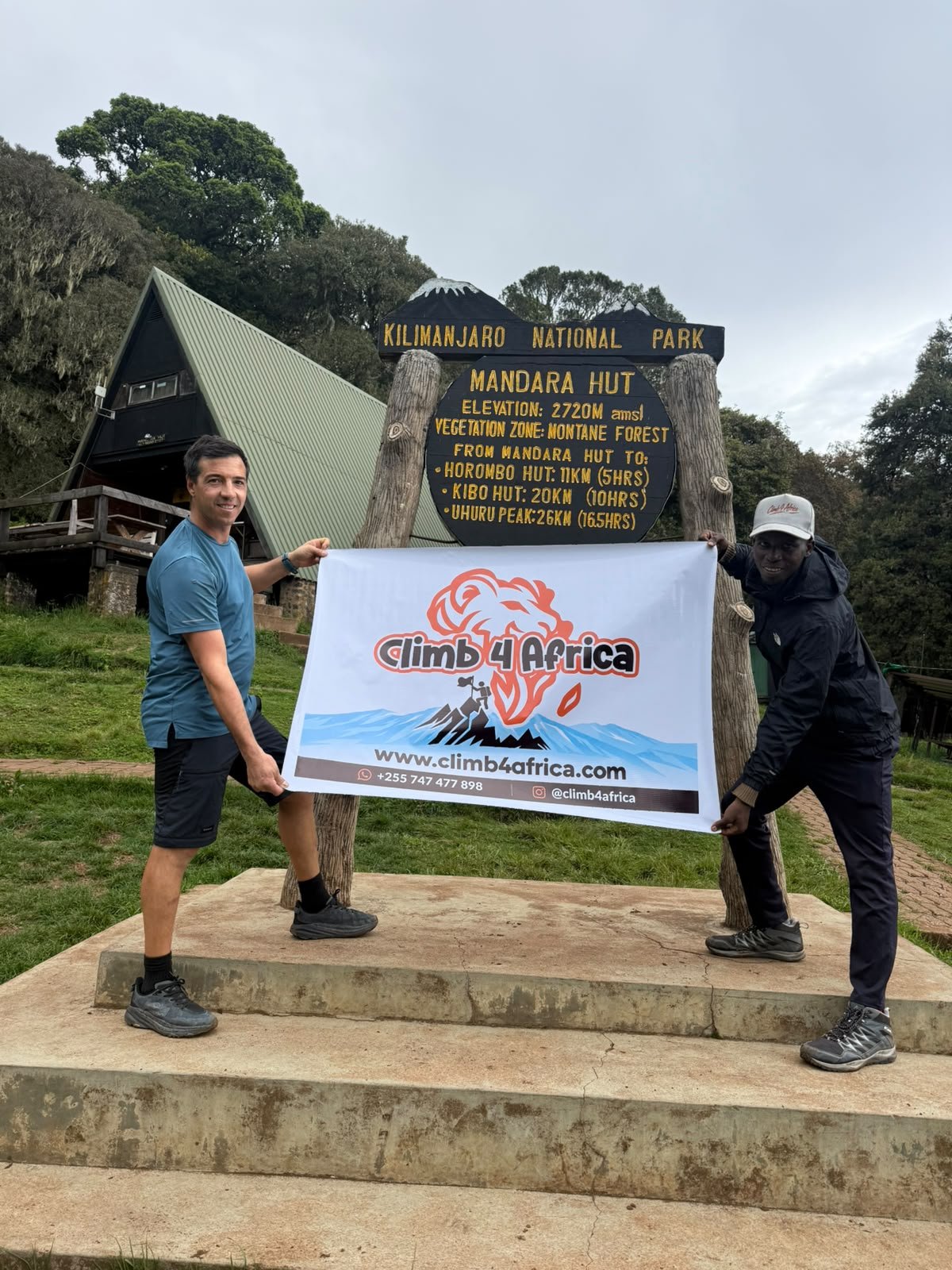
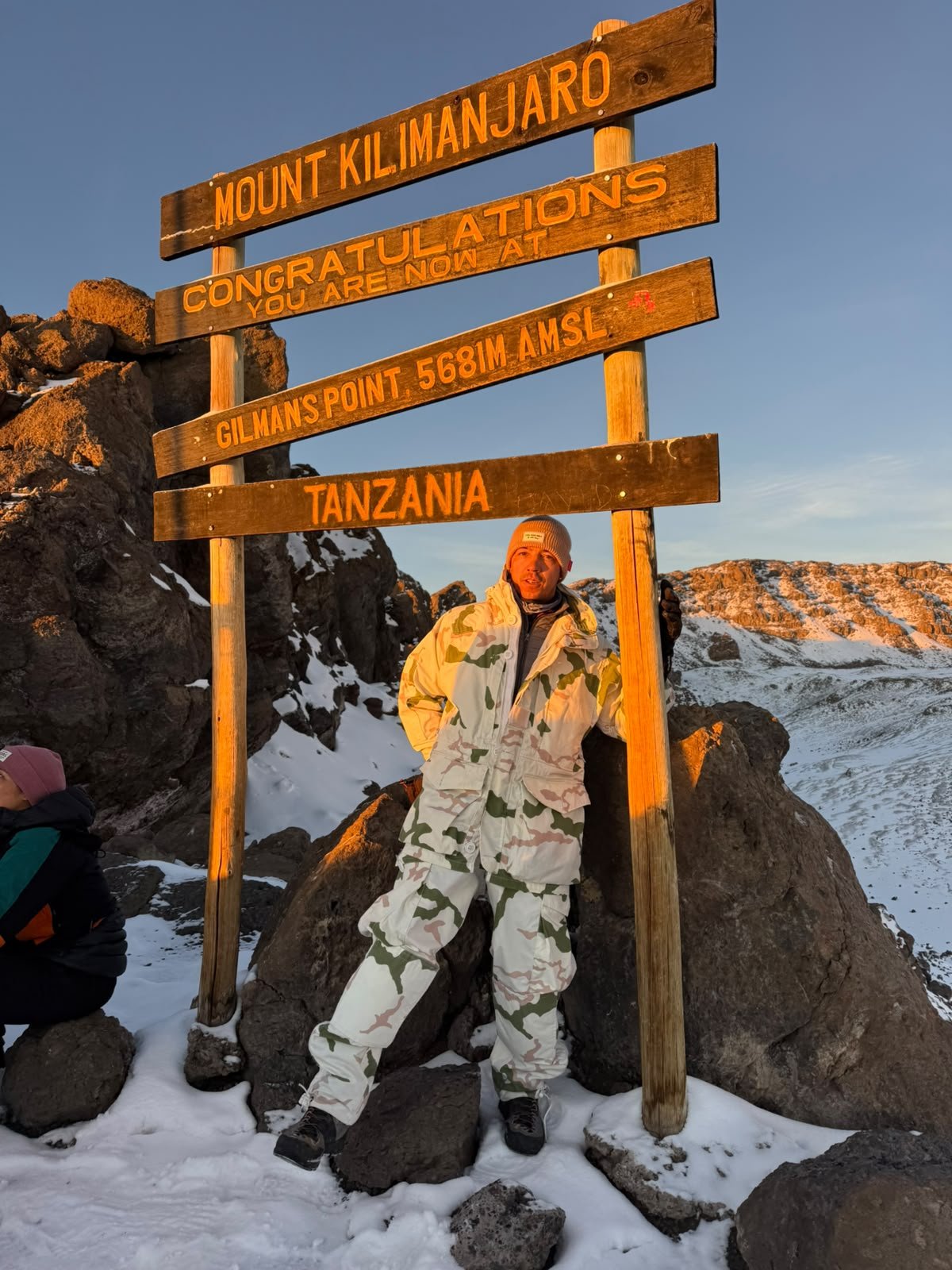
This article lays out the sample day-by-day flow, the route logic behind a 5-day Marangu plan, practical choices you’ll face, and how to check availability with Climb 4 Africa. The emphasis is on what happens each day, how to prepare for the summit night, and which logistics need confirmation (transport, hut allocation, dietary needs, and emergency protocols).
Why choose the 5 Days Marangu Kilimanjaro Climbing Package?
The Marangu Route is the only hut-route on Kilimanjaro, which makes a five-day schedule attractive for walkers who prefer sleeping in huts instead of tents. The 5-day option compresses the climb into a shorter window: that helps travellers with limited time while still offering a guided summit attempt. Be aware that the shorter schedule gives less time for acclimatisation than 6- or 7-day routes; that trade-off affects success rates and comfort on summit night.
Key inclusions you should confirm with Climb 4 Africa
- Park entry and conservation fees (required and included on confirmed bookings)
- Hut accommodation on each night and bed allocation — single rooms are limited
- Number of guides, assistant guides and porters assigned
- Summit-night support and contingency evacuation plan
- Transfers from Moshi (or Kilimanjaro Airport) on start and finish dates
- Meal planning and any special dietary needs
Day 1 — Moshi to Marangu Gate, then to Mandara Hut
Start in Moshi or an arranged pick-up (confirm with Climb 4 Africa). You’ll transfer to Marangu Gate where park formalities occur: registration, medical checks and porter allocation. The hike typically begins through lower montane forest with good chance to stretch legs and test gear. Expect a moderate walk of several hours to Mandara Hut (the first hut on Marangu Route). This is the first night in hut accommodation — beds, communal eating area and a simple hut kitchen are standard. Use the afternoon to hydrate, check kit and rest.
Day 2 — Mandara Hut to Horombo Hut
A longer walking day that climbs above the rainforest into heather and moorland. Horombo Hut is the main acclimatisation stop on Marangu; the early afternoon arrival allows a short acclimatisation walk and time to practise pacing and layering. The objective here is steady ascent and sleep at a comfortable altitude while monitoring symptoms of AMS. Guides will brief you on the route sections ahead and confirm summit-night timing.
Day 3 — Horombo Hut acclimatisation and ridge walks
Unlike more gradual routes, Marangu’s 5-day schedule must still include an acclimatisation day at Horombo. Use this day for a day-hike up to Zebra Rocks or Mawenzi Ridge for gentle exposure to higher altitude before returning to Horombo Hut. This day reduces the shock of the summit night and gives guides chance to adjust pace and possibly advise extra precautions or small itinerary tweaks depending on group condition.
Day 4 — Horombo Hut to Kibo Hut (prepare for summit night)
Today is a shorter trek but essential for staging: you’ll move from Horombo to Kibo Hut where the group rests before the summit push. Kibo Hut lies on the saddle between Mawenzi and Kibo peaks and provides the final pre-summit briefing. Sleep early and focus on hydration, high-energy but light meals, and fitting layers. Guides confirm departure time (usually between midnight and 1:00 am) and test headtorches, crampons if needed, and emergency radio/oxygen equipment.
Day 5 — Kibo Hut to Summit (Uhuru Peak) and return to Marangu Gate
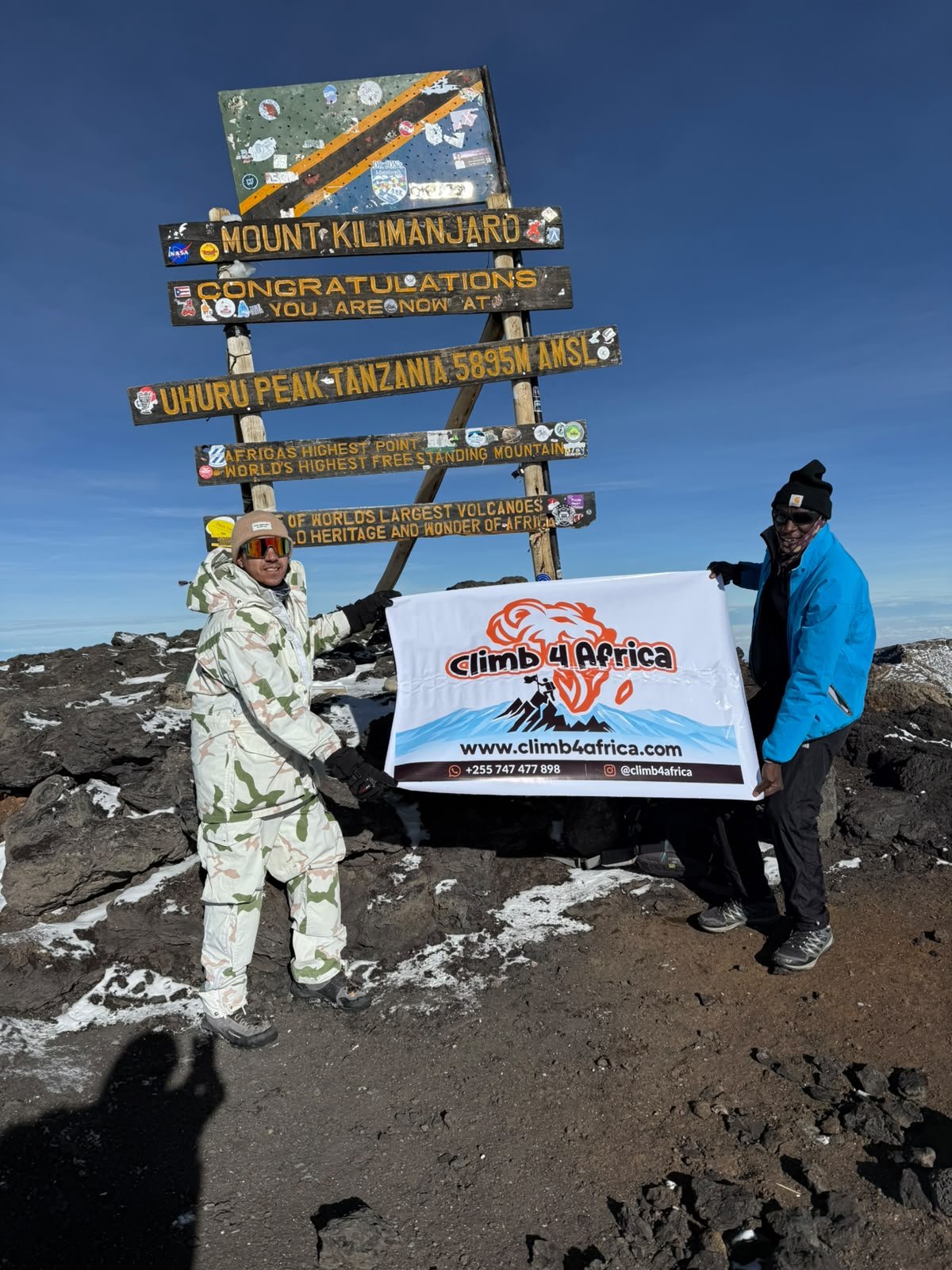
The summit night begins with a steep, slow climb from Kibo Hut to Gilman’s Point on the crater rim. From Gilman’s Point the approach to Uhuru Peak is typically an additional ridge walk and scramble over volcanic scree to the highest point. The pace is extremely slow and dictated by altitude and group condition. After summiting, the usual descent route returns down to Horombo Hut and continues to Marangu Gate where transport collects the group. Expect long day logistics and variable timing — allow flexibility on the finishing transfer and onward plans in Moshi.
Acclimatisation logic and variations
The 5-day Marangu climb balances speed and hut comfort. The main risk is limited acclimatisation time compared with 6–7 day options. If you’re susceptible to altitude, discuss the option of adding an extra acclimatisation day or switching to a longer route with Climb 4 Africa. Guides can adjust pace, add short summit-day breaks, or change summit night timing to improve success rates, but these changes require pre-trip agreement and possibly extra hut nights.
Packing and practical kit for hut nights
- Layered clothing for cold summit conditions: fleece, down jacket, waterproof shell
<
Hut life on the Marangu Route — what to expect at Mandara, Horombo and Kibo
Because the 5 Days Marangu Kilimanjaro Climbing Package uses the route’s staffed mountain huts, practical expectations about daily life in the huts are high‑value for deciding whether this itinerary suits you. Visitors often underestimate the sensory and logistical differences between a lodge in Moshi and a multi‑night stay in basic high‑altitude huts. Below are concrete, reliable details and actionable advice to help you plan for comfort, safety and smooth group dynamics during the nights at Mandara, Horombo and Kibo.
Sleeping arrangements and bedding
Huts on the Marangu Route provide wooden or metal bunkbeds in shared dormitories (mixed gender in many cases unless separate beds are explicitly requested and available). Beds are usually supplied with a thin mattress and a heavy communal blanket; personal sleeping bags rated to at least -10°C are strongly recommended for summit night and for general comfort. Bring a lightweight liner for hygiene and an eye mask and earplugs: snoring, early‑morning activity and headlamp use are common.
Meal service and food routines
Meals in the huts are prepared in a central kitchen and served in a communal dining area. Expect set meal times rather than buffet flexibility—breakfast is early on summit day, and a hot dinner precedes the summit briefing. Typical meals are carbohydrate‑rich and warm (porridge, rice, soup, stews, pasta) designed to supply energy at altitude. If you have strict dietary requirements (medical allergies, vegan, religious restriction), confirm them with Climb 4 Africa well before departure; while guides and cooks usually accommodate reasonable requests, availability of specialty ingredients is limited at high huts.
Water, hydration and boiling
Hut water systems vary: boiled drinking water is usually available (bring a reusable bottle you can swallow from easily). At Kibo and Horombo the emphasis is on boiling or chemical treatment rather than bottled water. Conserving fuel is a priority on the mountain, so hot water may be rationed and is often provided in set amounts for tea and basic washing. Carry a 1–2 litre insulated bottle and a small bottle of water treatment tablets or a SteriPEN if you prefer.
Toilets, showers and hygiene
Expect pit latrines or basic composting toilets rather than flushed plumbing. At lower huts a cold shower may be available for a fee; at Kibo showers are rare or non‑functional. Bring adequate toilet paper and hand sanitiser. Quick daily hygiene (face wash, sponge bath) is realistic; full laundry and drying are limited—pack quick‑dry travel clothes and a small clothesline for inside the hut if you need wet‑weather management.
Electricity, lighting and charging devices
Lighting in communal areas is provided, but dorms are often dark apart from individual headtorches. Some huts have limited charging points for a fee, usually in the dining area, but availability cannot be guaranteed—don’t rely on charging for primary devices at Kibo. A high‑capacity power bank is essential; bring spare batteries for headtorches and keep valuables in a dry, labelled bag. Guides and porters may help with charging logistics, but it’s advisable to arrive self‑sufficient for critical electronics (medical devices, phones used for emergency contact).
Quiet hours, social etiquette and group routines
Huts operate on a rhythm driven by the summit schedule: early dinners, strict lights‑out times on summit night, and quiet early mornings. Respect other climbers’ rest—summit night requires restorative sleep for everyone. Keep common areas tidy, collect your rubbish (pack out what you can), and follow staff instructions about stove areas and sleeping allocations. Tipping porters, cooks and guides is customary in Tanzania; check Climb 4 Africa guidance on suggested amounts and preferred currency.
Medical readiness and contingency at huts
Hut staff and guides carry basic altitude and first‑aid kits; however, the huts are not equipped like mountain clinics. If you have prescription medication, carry it with you each day (don’t pack it in luggage handled by porters) and inform your lead guide of any conditions at registration. Know where the oxygen and evacuation plan is discussed each evening—guides normally brief groups about emergency descent procedures during the pre‑summit meeting.
Packing checklist for optimal hut comfort
- Three‑season sleeping bag with liner (rated to at least −10°C for summit night)
- Earplugs and eye mask
- 1–2 litre insulated water bottle and small water purification method
- Headtorch with spare batteries
- High‑capacity power bank and short charging cable
- Toilet paper, hand sanitiser and small personal towel
- Spare dry socks and a small clothesline for in‑hut drying
Understanding hut life—its constraints and rhythms—helps set realistic expectations for the 5 Days Marangu Kilimanjaro Climbing Package. The comfort trade‑offs are offset by the convenience of sleeping in staffed huts, but success and wellbeing still depend on personal preparation and clear communication with your guides and Climb 4 Africa before the climb.
Post‑summit logistics, descent timing and onward travel
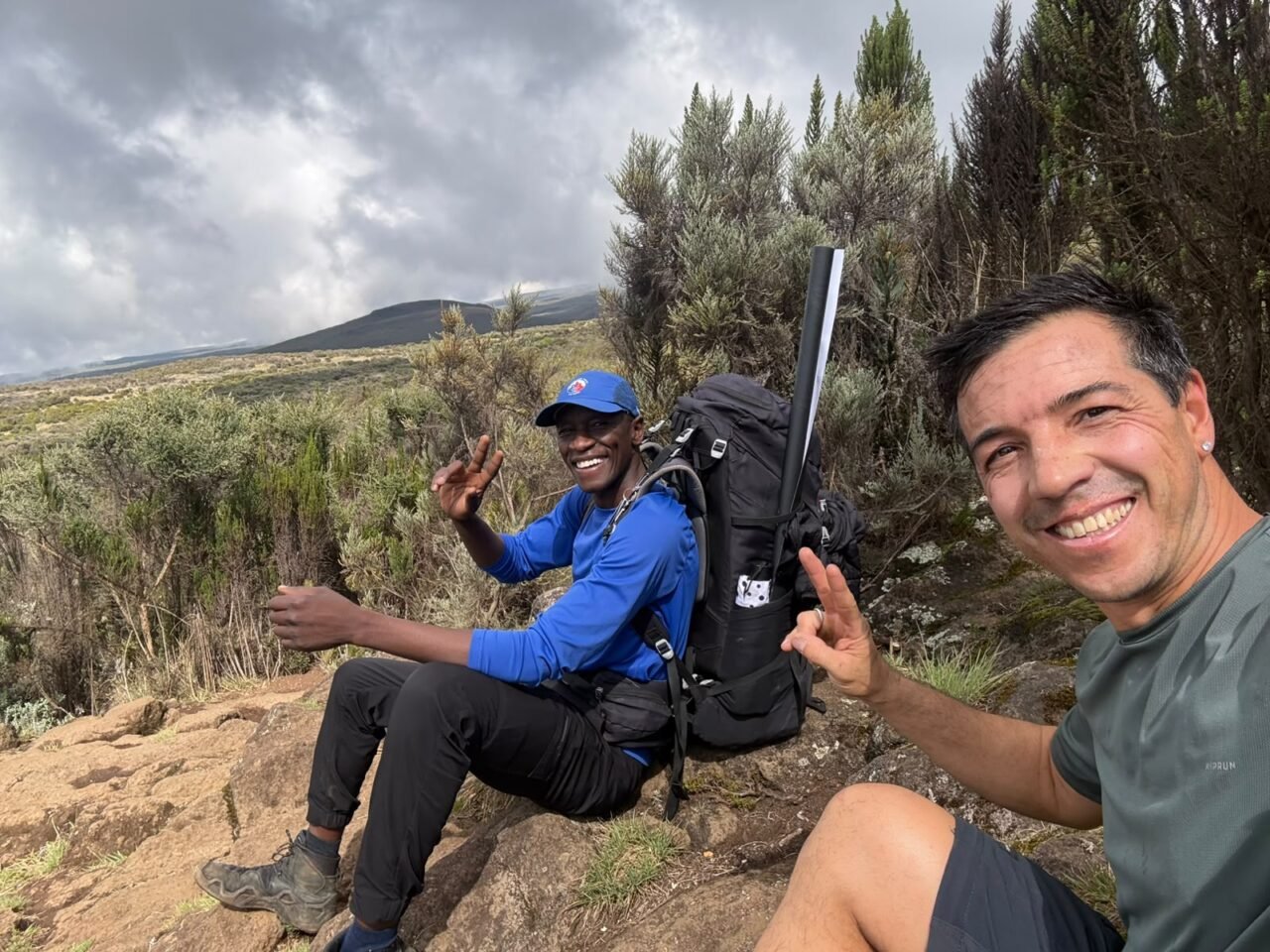
One practical gap many climbers overlook on a five‑day Marangu schedule is what happens immediately after you descend to Marangu Gate and how to manage the next 24–48 hours: recovery, transport, luggage, paperwork and onward arrangements. This section explains the routine sequence you should expect and the decisions to confirm with Climb 4 Africa before you start the climb.
Immediate descent timing and arrival at Marangu Gate
On Day 5 the descent from Kibo/Gilman’s Point to Horombo and then to Marangu Gate is physically demanding despite being downhill — knees, feet and circulation are tired after summit night. Typical groups arrive back at Marangu Gate in the afternoon, but exact timing varies with summit success, weather, and any emergency evacuations. Ask your lead guide to estimate your gate arrival window the night before descent so drivers and hotel staff can coordinate pick‑ups.
Post‑gate procedures: medical checks, certificates and paperwork
At Marangu Gate park officials normally complete exit formalities: sign‑out, record of summit attempts and any incident notes. Climb 4 Africa or your lead guide usually arranges a quick medical check (pulse, oxygen saturation if equipment available) and will provide a summit certificate if you reached Uhuru Peak; if you need a printed certificate or an official park letter, confirm how and when it will be issued — some operators hand them out at the gate, others deliver later to your hotel in Moshi.
Transfers, luggage and reuniting with personal items
Porters typically carry your main bag down to the gate, but small daypacks with valuables should stay with you. If your pre‑booked transfer to Moshi was arranged for a fixed time, allow flexibility: late summit returns and slow descents can push arrivals into the late afternoon. Confirm with Climb 4 Africa where porters will leave bags and whether there’s a secure storage point at the gate or in Moshi for anything you don’t immediately need.
Shower, laundry and immediate recovery options
Most climbers appreciate access to a hot shower and a comfortable bed as soon as possible. Ask whether your hotel in Moshi offers an early check‑in (operators sometimes arrange) or if they can provide a day‑room for recovery. If you plan to overnight in Arusha or fly out the same day, build at least one extra night into your schedule: summit fatigue, delayed transfers and routine post‑altitude assessment make same‑day international flights inadvisable unless explicitly cleared by medical staff and your operator.
Medical follow‑up and insurance procedures
If you experienced significant symptoms of AMS (altitude illness) or required oxygen or evacuation, document everything with your lead guide and request written notes; most insurers require operator incident reports when filing claims. Keep receipts for any additional medical treatment, oxygen use, or evacuation transport. Even with no issues, check in with a physician within 24–72 hours if you feel unwell — delayed headaches, nausea or cardiac symptoms should not be ignored.
Gratuities, lost property and final debrief
At the end of the climb there is commonly a short debrief and a moment for final payments or gratuities. Confirm tipping protocol and recommended ranges with Climb 4 Africa in advance so you can prepare cash in the appropriate currency. If any personal items were lost on the trail, notify the guide immediately — many items turn up at huts or gate offices within a few days; recovery is easier if you provide clear descriptions and the team can search before they leave the mountain.
Next‑day travel planning: flights, onward accommodation and relaxation
- Avoid booking international flights for the day of descent. Allow a minimum 24 hours for recovery and operator debrief unless your insurance and guide explicitly clear your fitness to fly.
- If you need airport transfers, have Climb 4 Africa confirm pickup times and who will meet you at Marangu Gate or your hotel in Moshi. Arrange for any luggage storage or hotel check‑in times in advance.
- Consider booking a post‑climb hotel with a spa or simple physiotherapy service if you anticipate heavy muscle soreness or knee strain.
Clarity on these post‑summit steps prevents stress at the finish line and helps you capitalise on your achievement without logistical confusion. Before departure, review recovery, paperwork and transfer arrangements with Climb 4 Africa so everyone knows where and when you will be met after Marangu Gate.
When you should add an extra night in Moshi (or on the mountain)
Decide before the climb whether you want an extra backup night in Moshi or an added acclimatisation night on the mountain. The most practical reasons to add a night in Moshi: late arrival due to weather, need for medical observation after summit night, or onward flights that require a safety cushion. The reasons to add a night on the mountain (for example extending to a 6‑day itinerary) should be discussed with Climb 4 Africa at booking if you have any history of altitude sensitivity — this change is best arranged before arriving in Tanzania.
Summit‑night pacing, turnaround rules and emergency protocols
One of the single most useful practical gaps for climbers choosing the 5 Days Marangu Kilimanjaro Climbing Package is understanding how summit‑night pacing and clear turnaround rules are applied in practice — and what you should confirm with Climb 4 Africa before you start. Because the schedule compresses acclimatisation, the summit push is where small decisions have large consequences. This section explains the expectations, the sequence of decisions on the mountain, and the emergency procedures you should see written into your booking.
Pacing on summit night — roles, rhythm and group management
On summit night the lead guide sets an overall pace that balances steady progress with conserving energy; assistant guides and porters maintain the line and support slower members. Ask Climb 4 Africa the typical summit‑night group size and guide‑to‑client ratio so you know whether pacing will be personalised or collective. A few practical elements to clarify:
- Start rhythm: expect short stepping intervals (for example 10–15 minutes walking followed by a short rest) rather than long continuous stretches; this conservative rhythm reduces breathlessness and helps maintain body temperature.
- Group segmentation: larger groups are often split into subgroups led by an assistant guide to avoid one pace fitting all. Confirm how subgroups are formed and how leaders report progress to the lead guide.
- Checkpoints and time targets: guides typically set checkpoints (e.g. reaching Gilman’s Point by a target time). Ask to see approximate checkpoint times and what happens if the group is behind schedule.
Turnaround rules — when a guide will call it
Turnaround rules are non‑negotiable safety decisions. Before departure, request Climb 4 Africa’s explicit turnaround criteria in writing. Common, verifiable elements to expect include:
- Objective environmental triggers (e.g. severe weather changes or visibility below a safe threshold).
- Physiological triggers (persistent oxygen saturation below a specified level if pulse oximetry is used, progressive AMS symptoms such as worsening headache, vomiting or altered mental status).
- Time triggers (missing key checklist times for reaching intermediate points, which indicate that continuing would push summit and descent into higher‑risk hours).
Know in advance whether guides will call an individual or group turnaround. For solo‑symptom turnarounds, confirm evacuation options, oxygen provision and how the porter team will assist descent.
Emergency communications and evacuation sequence
Clarify the mountain communications and evacuation plan: what radios or satellite phones the guide carries, where the nearest evacuation access point is, and which evacuation carrier (ambulance, helicopter or road transfer) is contracted for urgent cases. Practical questions to ask and document with Climb 4 Africa before departure:
- Which communication devices the lead guide and head office carry, and whether those devices are tested nightly.
- Estimated response times for non‑flight evacuations from Kibo Hut, Horombo Hut and lower slopes.
- Helicopter evacuation protocol: how to request it, who authorises it, and who covers coordination versus costs (operators sometimes assist but do not prepay third‑party airlift fees).
Personal checklist: what to confirm and carry
- Ask for a written copy of the operator’s evacuation and turnaround policy and keep a digital copy on your phone.
- Carry personal medications clearly labelled, and ensure your lead guide knows your medical history and emergency contact details.
- Bring a small, high‑visibility emergency whistle, a lightweight headlamp with spare batteries, and an insulating emergency sheet — items that materially assist if you must wait for assistance.
Because the 5‑day Marangu package leaves less room for gradual acclimatisation, a clear, pre‑agreed understanding of pacing, the guide’s turnaround rules and the evacuation chain of command is essential. Before you pay any balance, ask Climb 4 Africa to email your group’s detailed summit‑night checklist and the operator’s written emergency/evacuation policy so you can review it with your physician and travel insurer.
Related Guides and Packages
Check Availability for 5 Days Marangu Kilimanjaro Climbing Package – 12–16 December 2026
Ready to compare dates, prices, and the best option for your group? Send the package name and travel month so the team can reply with a clear quote, availability, and what is included.

6 Days Marangu Route Kilimanjaro Group Departure – 16–21 December 2026
6 Days Marangu Route Kilimanjaro Group Departure – 16–21 December 2026.
View package details5 Days Marangu Kilimanjaro Christmas Trek – 22–26 December 2026
5 Days Marangu Kilimanjaro Christmas Trek – 22–26 December 2026.
View package details6 Days Marangu Route Kilimanjaro Group Joining – 1–6 December 2026
6 Days Marangu Route Kilimanjaro Group Joining – 1–6 December 2026.
View package details5 Days Marangu Kilimanjaro New Year Trek – 29 December – 2 January 2026
5 Days Marangu Kilimanjaro New Year Trek – 29 December 2026 – 2 January 2027.
View package details6 Days Marangu Kilimanjaro New Year Climb – 28 December – 2 January 2026
6 Days Marangu Kilimanjaro New Year Climb – 28 December 2026 – 2 January 2027.
View package details6 Days Marangu Kilimanjaro Christmas Holiday Climb – 21–26 December 2026
6 Days Marangu Kilimanjaro Christmas Holiday Climb – 21–26 December 2026.
View package details5 Days Marangu Kilimanjaro Full Moon Trek – 21–25 December 2026
5 Days Marangu Kilimanjaro Full Moon Trek – 21–25 December 2026.
View package details6 Days Marangu Kilimanjaro Full Moon Climb – 20–25 December 2026
6 Days Marangu Kilimanjaro Full Moon Climb – 20–25 December 2026.
View package details5 Days Marangu Kilimanjaro December Trek – 19–23 2026
5 Days Marangu Kilimanjaro December Trek – 19–23 December 2026.
View package details
6 Days Marangu Kilimanjaro Group Hiking – 9–14 December 2026
6 Days Marangu Kilimanjaro Group Hiking – 9–14 December 2026.
View package details5 Days Marangu Route Kilimanjaro Group Climb – 8–12 December 2026
5 Days Marangu Route Kilimanjaro Group Climb – 8–12 December 2026.
View package details6 Days Marangu Kilimanjaro Hut Trekking – 6–11 December 2026
6 Days Marangu Kilimanjaro Hut Trekking – 6–11 December 2026.
View package detailsNo related package matches those filters. Clear one or more filters to see the other topic-matched options.



