
This 6 Days Marangu Kilimanjaro New Year Climb (28 December 2026 – 2 January 2027) follows the classic Marangu Route with programmed acclimatisation over six days, hut or tent options on request, professional guides and park fees handled by Climb 4 Africa. The package is a fixed-date group departure; availability, confirmed group size and final price must be verified with Climb 4 Africa before booking.
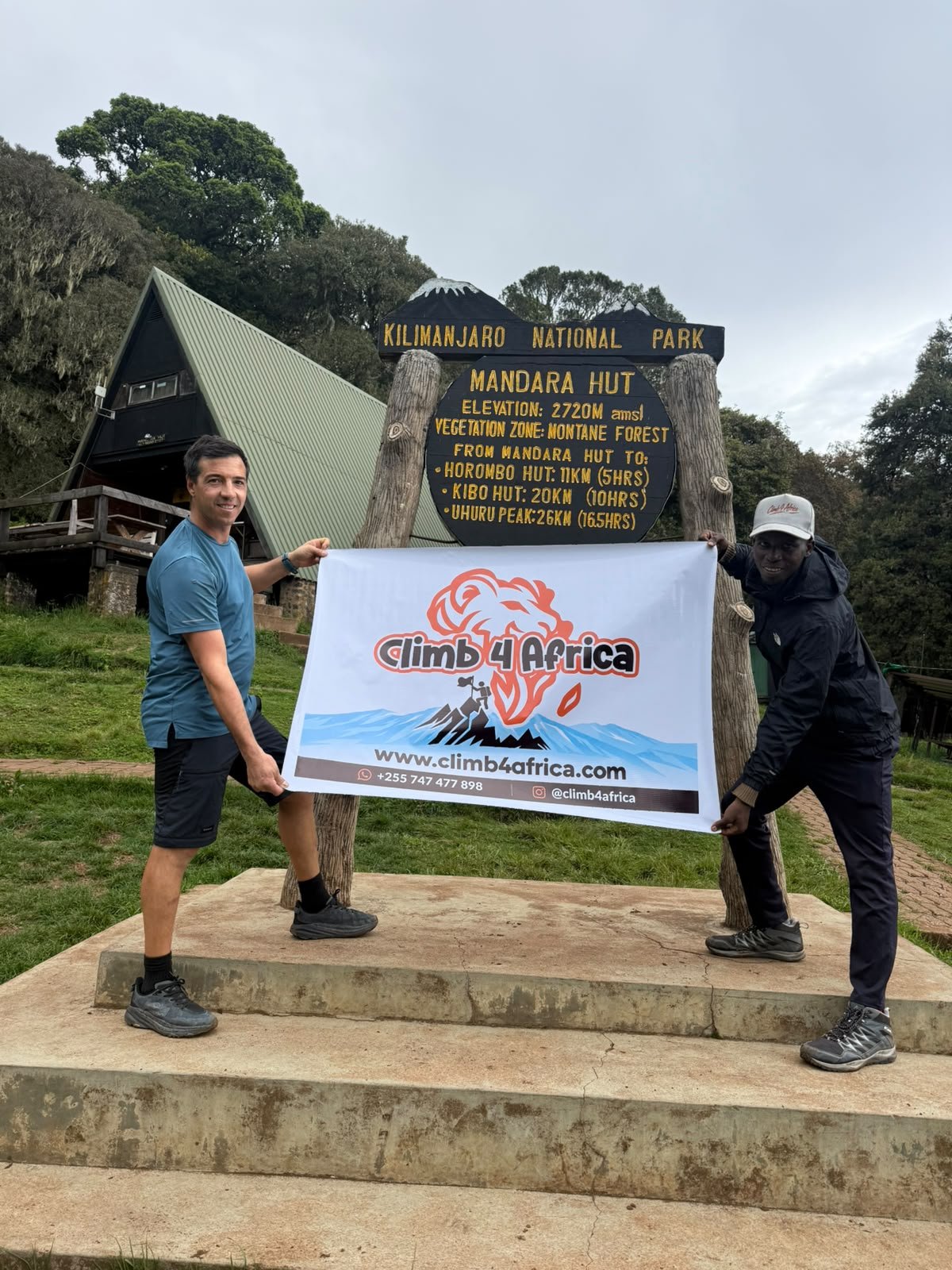
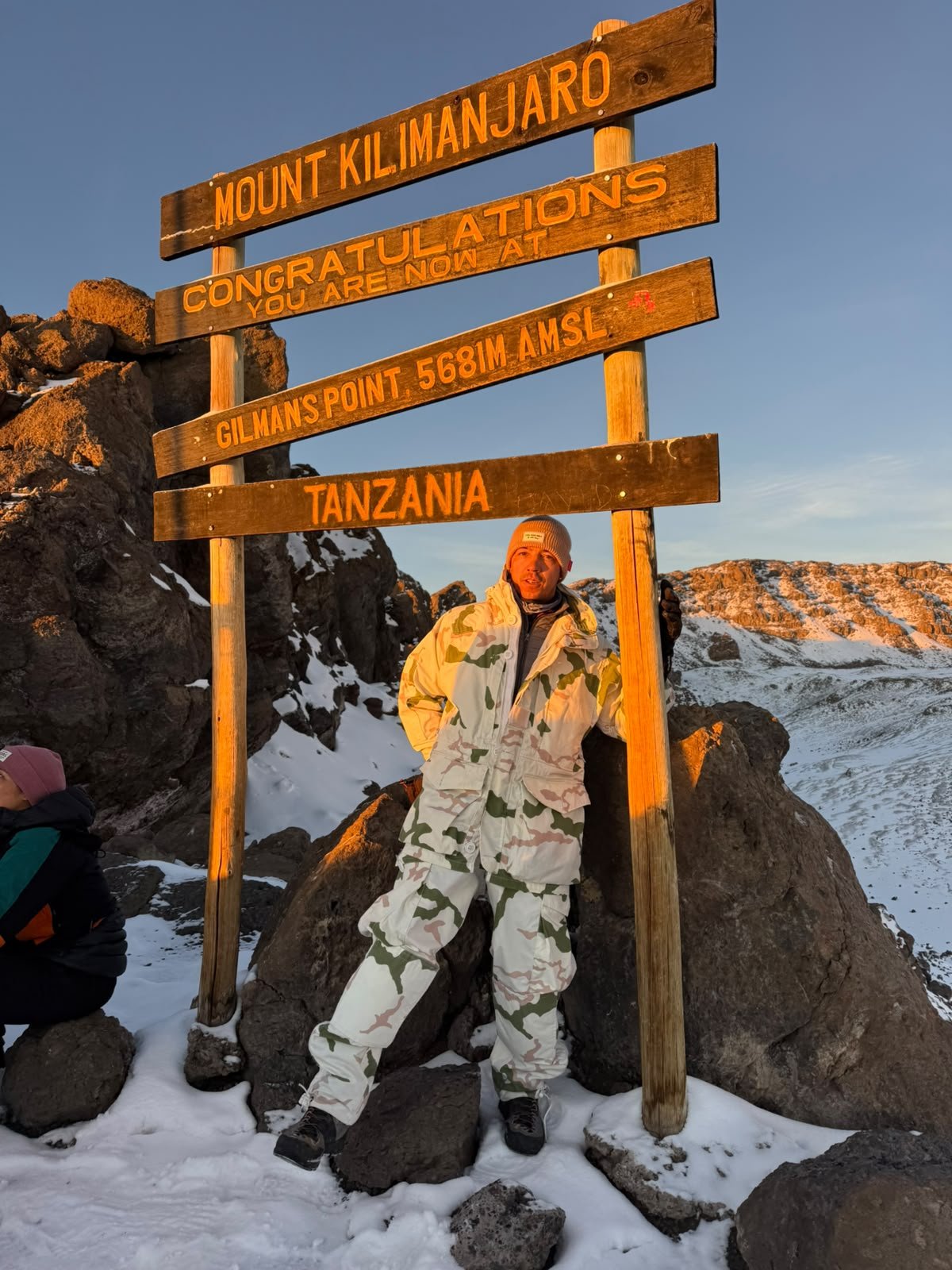
Below is a complete, practical first part of the trip plan: a clear day-by-day route sequence, what happens at each stage, how acclimatisation is managed on the Marangu Route in six days, transport and pre-climb logistics, and the choices you should make now when enquiring or reserving a New Year space.
Why choose the 6 Days Marangu Kilimanjaro New Year Climb
The Marangu Route is the only route with hut accommodation along the trek (subject to availability), and the six-day variant gives one extra day for acclimatisation compared with the typical five-day push. For a New Year climb, the schedule balances festival timing with safer altitude pacing: staggered ascent nights and an earlier summit attempt window. Climb 4 Africa operates this departure as a bookable group climb — ask them whether you will have hut or camping on your confirmed booking, and whether group transfers from Moshi are included.
Pre-climb logistics — what to arrange before 28 December 2026
- International flights: arrive in Kilimanjaro (JRO) or Dar es Salaam and transfer to Moshi the day before the climb. Plan to be in Moshi on 27 December 2026.
- Medical and paperwork: carry your passport, proof of travel insurance covering high-altitude trekking, and any required visas or yellow fever documentation.
- Packing and kit check: Climb 4 Africa typically offers a pre-climb briefing and gear check in Moshi. Confirm which items are provided (sleeping bags, down jackets) and which you must bring.
- Accommodation before departure: book a lodge in Moshi for the night of 27 Dec; Climb 4 Africa can advise local options if you need recommendations.
Daily itinerary — 6 Days Marangu Kilimanjaro New Year Climb (28 Dec 2026 – 2 Jan 2027)
Day 1 — Moshi / Marangu Gate to Mandara Hut
Route: Collection from Moshi early morning, transfer to Marangu Gate, hike through rainforest to Mandara Hut (approx. 6–8 km, 3–4 hours). This first day is gentle and purposefully short to begin acclimatisation and to allow time for a kit check and permit processing at the gate. Expect steady, shaded tracks with increasing views near the hut. Tonight’s accommodation is typically in mountain huts (if booked) or camp at or near Mandara depending on your confirmed package.
Day 2 — Mandara Hut to Horombo Hut
Route: Gradual ascent from Mandara through heathland to Horombo Hut. Distance around 12–16 km and 5–6 hours on foot. This is the main day for moving higher while keeping pace moderate: the trail opens, you’ll pass moorland scenery and giant lobelias, and there’s a higher chance of spotting mountain flora. Horombo is a larger, well-established hut/camp site and acts as the primary acclimatisation base for the Marangu Route.
Day 3 — Acclimatisation day at Horombo Hut
Route: Short day walks from Horombo (up to nearby ridges) and rest. The key objective is to raise altitude exposure gently without a large overnight gain — this reduces altitude sickness risk. Typical activities include a 2–4 hour guided acclimatisation hike to nearby points for better oxygen conditioning and to assess group fitness. Meals and briefing about the summit night are provided. Staying hydrated and eating small, regular meals is emphasised.
Day 4 — Horombo Hut to Kibo Hut
Route: Trek from Horombo to Kibo Hut (the highest hut on the Marangu Route). Distance around 10–12 km and approximately 5–6 hours. The trail becomes sparser and rockier; expect colder temperatures as you near Kibo. This day positions the team for the summit attempt and is intentionally timed so the overnight rest at Kibo is relatively short before a midnight start for the summit push. Confirm whether your package uses Kibo Hut accommodation (limited) or camp on saddle slopes.
Day 5 — Summit night: Kibo Hut to Uhuru Peak to Horombo Hut
Route: The summit attempt starts around midnight from Kibo Hut or the saddle camp. Expect 6–8+ hours ascent to Uhuru Peak (5895m) depending on fitness and group pace, followed by 4–6 hours descent to Horombo Hut. This is the most demanding day physically and mentally. Summit windows vary with group speed and weather; your guide will set the pace, monitor symptoms of altitude illness and decide turnaround times. After summiting, descend to Horombo for an overnight rest.
Day 6 — Horombo Hut to Marangu Gate and transfer to Moshi (2 January 2027)
Route: Final descent from Horombo to Marangu Gate (approx. 15 km, 3–5 hours) and transfer back to Moshi. This day is mostly downhill and allows time for debrief, certificate presentations and return logistics. Expect to arrive in Moshi in the afternoon; plan onward travel after confirming your post-climb arrangements. If you need accommodation for the night of 2 Jan, ask Climb 4 Africa to reserve a post-climb lodge.
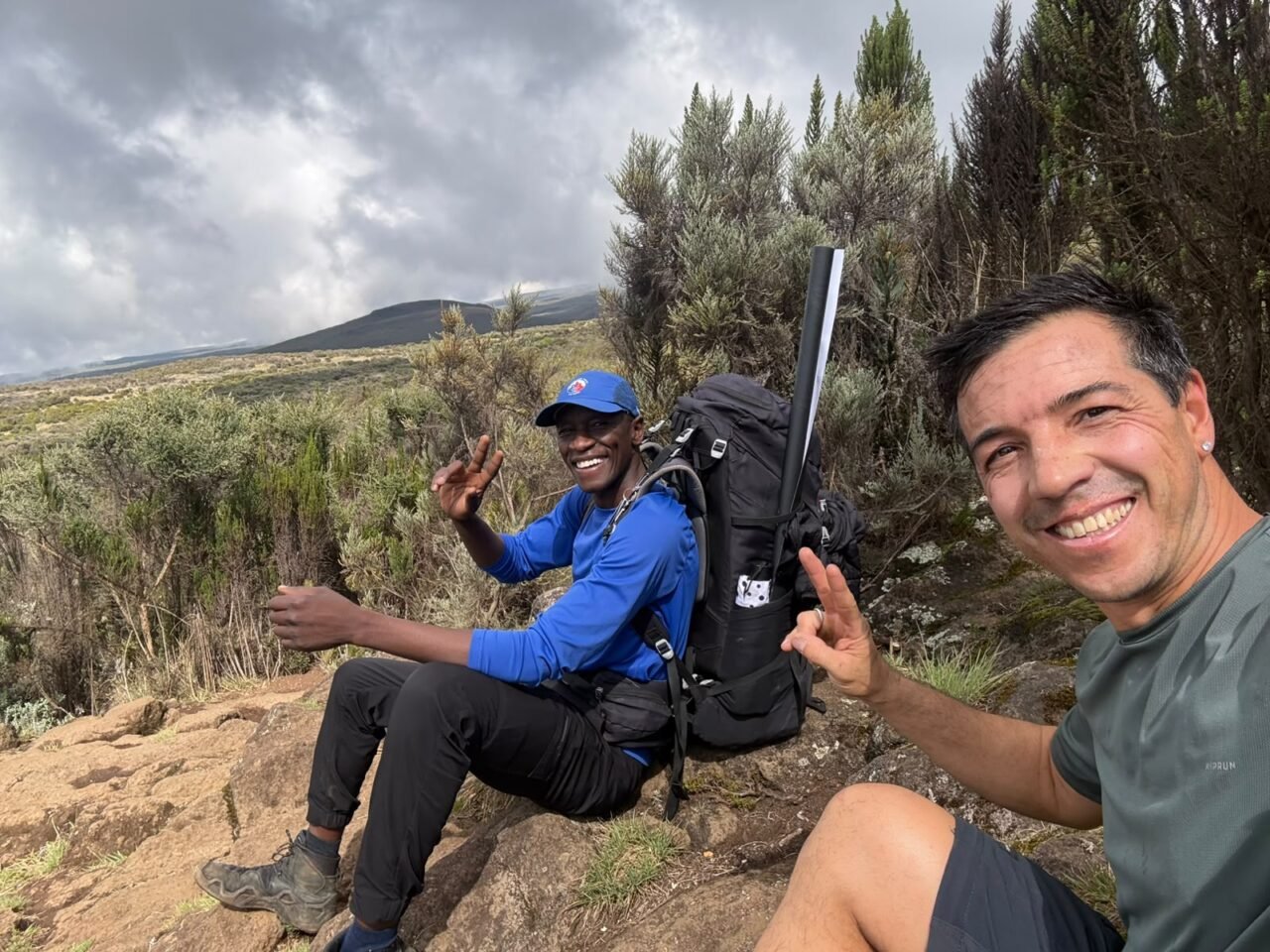
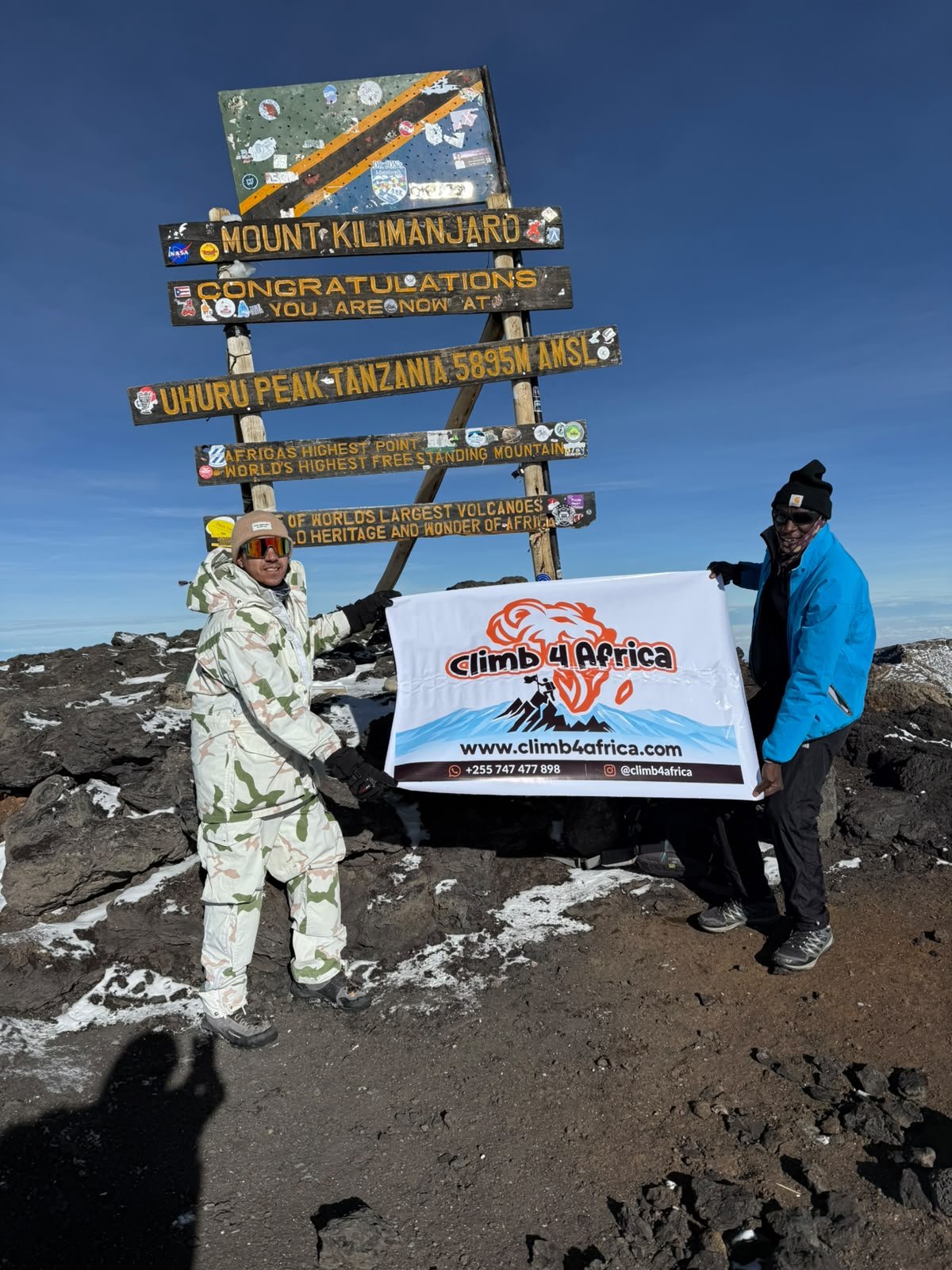
Post-summit recovery, descent logistics and New Year arrangements (2 January 2027 onward)
After reaching Marangu Gate on Day 6 and returning to Moshi, the immediate priorities are recovery, administrative wrap-up with the climbing operator, and confirming onward travel. This section explains the practical sequence of events once the trek finishes, what to expect from Climb 4 Africa at handover, and sensible steps to protect your health and travel plans during the New Year period.
Immediate procedures on arrival in Moshi
When the group arrives back in Moshi on 2 January 2027 the operator normally handles a short debrief and certificate presentation. Expect a formal sign-off where guides confirm each climber’s summit status for ranger paperwork — keep your passport available because some administrative checks use your ID. You will also be asked to settle any outstanding extras (tips, unpaid drinks, extra vehicle costs). Ask your Climb 4 Africa representative to itemise these charges before payment so you have a clear record for your expense claim or travel budget.
Health checks and immediate recovery steps
The body needs deliberate care after a strenuous summit: rehydrate with electrolyte drinks as soon as possible, eat small high-energy meals, and rest. If you have any symptoms that could indicate ongoing altitude illness — persistent headache, nausea, dizziness, or shortness of breath at rest — notify your guide immediately or seek help at a Moshi clinic. Even mild injuries (blisters, ankle sprains) are commonly treated by local clinics; keep the contact details of the operator and your travel insurance policy handy. If you plan to fly within 24–48 hours after descent, consult your insurer and a clinician to ensure it’s safe; most providers recommend at least a short medical review after high-altitude exposure.
Luggage, belongings and lost-item procedures
Arrange to collect any personal gear that was transported separately. If you left items with the operator or at the hut/camp, confirm where they will be stored and when you can access them. Report missing items as soon as possible; Climb 4 Africa typically has a lost-and-found routine and can advise whether retrieval is feasible. If you require laundry or quick drying services, many Moshi lodges and guesthouses provide same-day washing for a small fee—ask your transfer driver or lodge host to recommend a reliable service.
Tips, porter and guide gratuities
Gratuities are normally handled in Moshi during the debrief. If your package did not pre-allocate a tipping pool, prepare cash in small denominations (USD or Tanzanian shillings) to distribute among guides, porters and cooks. Ask Climb 4 Africa for suggested tipping guidelines if one wasn’t provided pre-trip; this avoids awkwardness and ensures fair distribution. If you prefer, request that the operator manage the collection and distribution and provide a receipt for transparency.
Transport, onward travel and timing considerations
Confirm your onward transfer or flight details before leaving Moshi. Peak holiday traffic around New Year can delay transfers, so allow a buffer of several hours when connecting to flights the same day. If your international flight is early on 3 January or the days immediately after, consider staying an extra night in Moshi to reduce stress—ask Climb 4 Africa whether they can arrange or recommend last-minute accommodation. If you must travel on the same day as descent, notify the operator early so they can prioritise drop-offs and any expedited paperwork.
Extending your stay and post-climb activities
If you plan to extend your trip for safari, beach time or a rest day, coordinate bookings before the climb or during the pre-climb briefing. Popular New Year add-ons include short safaris (Tarangire, Lake Manyara) or flights to Zanzibar; these often require transfers from Kilimanjaro Airport and can be arranged by local agents. If you decide to extend after summiting, ask your operator for contact details of trusted providers and potential last-minute availability—don’t rely on street vendors for last-minute bookings.
Contingency: if the summit was not reached
If you were turned back before Uhuru Peak, the same post-climb steps apply, but add a short chat with the head guide to understand the decision-making and options for future attempts. If medical evacuation or clinic care was required, obtain written reports and receipts for insurance claims. Climb 4 Africa can assist with documentation necessary for claims; request copies before you leave Moshi.
Practical New Year notes for Moshi on 2–3 January
Moshi is quieter immediately after New Year but services (shops, banks, clinics) are all operational. If you want a modest celebration on the night of 2 January, check with your lodge for local events or restaurant recommendations — many establishments host small music nights or communal dinners for climbers returning from Kilimanjaro. Above all, prioritise sleep and nutrition: your body needs recovery more than late-night festivities.
If you want Climb 4 Africa to confirm any post-climb arrangements (transfers, lodging extensions, clinic contacts, or documentation for insurance), request these details before you start the trek or during the Day 6 debrief to secure timely assistance.
What to pack and hut‑life essentials for the 6 Days Marangu Kilimanjaro New Year Climb
One important practical gap for climbers booking the 6 Days Marangu Kilimanjaro New Year Climb is precisely how to pack for the Marangu Route when you expect hut accommodation for most nights. Below is a focused, realistic kit list and on‑hut guidance tailored to the Marangu six‑day schedule (28 Dec 2026–2 Jan 2027). This is a working, pragmatic checklist: check with Climb 4 Africa which items they supply so you don’t duplicate or omit essentials.
Personal kit: core clothing and layering
- Base layers: two moisture‑wicking long‑sleeve tops and two thermal leggings. Expect cold at night and variable temperatures on daytime walks.
- Mid layers: one fleece or lightweight insulated jacket and one down or synthetic insulated jacket for summit night.
- Waterproof shell: a breathable, fully seam‑sealed jacket and overtrousers for rain and wind on the higher slopes.
- Trekking trousers and shorts: convertible trousers can be useful for the variability between rainforest and alpine zones.
- Summit clothing: high‑performance insulated pants or heavy fleece trousers to wear over base layers during the night ascent; mittens and an extra warm hat are critical.
- Hiking socks: three to four pairs of merino or technical socks; a thin liner sock can reduce blister risk.
Footwear
- Sturdy, broken‑in waterproof trekking boots with ankle support (recommended for rocky, often muddy trail sections on Marangu).
- Light camp shoes or sandals for hut evenings—huts have concrete or wooden floors where you’ll want to give your feet a rest.
Sleeping and hut comfort
- Sleeping bag rated to at least -10°C to -15°C for summit night. Even if your operator supplies a bag, bring your own if you are sensitive to cold.
- Lightweight liner (silk or thermal): improves hygiene in shared hut bunks and adds warmth.
- Small, fast‑dry towel and a collapsible daypack for hut walks.
- Earplugs and an eye mask—huts have multiple occupants, early starts and variable lighting.
Personal hygiene and sanitation in huts
Marangu huts have basic washrooms; expect communal pit latrines and limited hot water availability. Plan accordingly:
- Hand sanitiser, biodegradable wet wipes and a small personal first‑aid kit (plasters, blister pads, antiseptic wipes).
- Toothbrush, toothpaste and minimal toiletries in travel sizes. Bring extra toilet paper—some huts can be low on supplies.
- Light soap for handwashing and quick clothing freshen‑ups; many groups line‑dry items near hut windows.
Electronics, charging and documentation
- Headlamp with spare batteries (essential for midnight starts and hut navigation).
- Portable power bank: huts do not guarantee plug access and charging in Moshi is easier after the trek. If you need guaranteed charging, ask Climb 4 Africa about solar or charging options.
- Copies of passport and insurance, sealed in a dry bag. Keep originals with you in Moshi before the trek.
On‑mountain practical items
- Insulated water bottle or bladder with a protective sleeve—carry at least 2–3 litres capacity; huts provide boiling water but carry a bottle you can drink from while walking.
- Sun protection: high SPF sunscreen, lip balm, sunglasses with UV protection, and a brimmed hat for daytime walking.
- Trekking poles: strongly recommended for descents and summit slog; they reduce knee stress and help pacing on loose scree.
- Lightweight gaiters for scree and muddy trail sections.
Packing for porters, weight limits and baggage handling
Marangu climbs usually allow each climber a porter to carry up to an operator‑specified weight limit (often around 15–20 kg for personal kit). To avoid extra porter charges, confirm the exact permitted weight with Climb 4 Africa before travel. Pack heavier summit clothing and the sleeping bag into your duffel for porters, while carrying a daypack with water, layers, documents and camera for each day.
Hut etiquette, security and safety
- Keep valuables to a minimum; leave passports and extra cash secured at your Moshi lodge if possible. If you must keep documents on you, use a small dry bag in your daypack.
- Respect bed allocations—bunks are assigned by hut staff and guides to maintain order and altitude groups.
- Observe quiet hours and avoid boiling liquids in sleeping areas. Charging phones near sleeping bunks is rarely permitted for safety reasons; use communal charging points if available.
Finally, before travel confirm the exact hut provisions Climb 4 Africa will provide (mattresses, blankets, hot water policy) and any optional items available to hire in Moshi. This reduces duplicated packing and ensures you carry only what is genuinely needed for the 6 Days Marangu Kilimanjaro New Year Climb.
Recognising and managing altitude illness on the 6 Days Marangu Kilimanjaro New Year Climb
One of the most valuable, under‑explained topics for climbers on this 6 Days Marangu Kilimanjaro New Year Climb is clear, practical guidance on recognition, immediate on‑mountain management and the decision thresholds guides use for descent or evacuation. The Marangu Route’s steady profile and the extra acclimatisation day lower overall risk, but acute mountain sickness (AMS), high‑altitude cerebral oedema (HACE) and high‑altitude pulmonary oedema (HAPE) still occur. This section outlines the common symptoms, simple monitoring techniques, routine on‑mountain responses and what to expect from Climb 4 Africa guides if problems arise.
Common symptoms to watch for
- Early, mild AMS: persistent headache not relieved by paracetamol/ibuprofen, poor appetite, nausea, light‑headedness, difficulty sleeping, mild fatigue. Symptoms often start above ~3,000–3,500 m but can appear lower.
- Moderate AMS: worsening headache, increasing nausea/vomiting, reduced balance and coordination, marked lethargy and inability to participate in normal pace of the group.
- Severe AMS / red flags (possible HACE/HAPE): confusion, severe ataxia (stumbling, inability to walk a straight line), reduced consciousness, persistent coughing with frothy sputum, shortness of breath at rest, blue/grey lips or fingers, very rapid heartbeat. These signs require immediate descent and urgent medical attention.
On‑mountain monitoring and tools your guide will use
Guides conduct routine welfare checks during the climb: verbal symptom questions, visual observation of breathing and coordination, and pulse checks. Many operators now carry pulse oximeters; a safe baseline is individual and variable, but rapid drops in oxygen saturation (SpO2) combined with worsening symptoms prompt action. Expect a pre‑summit check at Kibo Hut and intensified monitoring during the summit night when fatigue and cold amplify risk.
Immediate first‑line responses on the trail
- Stop and rest: if symptoms begin, the first step is to halt exertion, sit or lie down in the shelter of the group and rehydrate with warm fluids and oral rehydration salts.
- Symptom relief: guides may administer pain relief (paracetamol/ibuprofen) or anti‑nausea medication if available and pre‑authorised on your medical form. Always disclose current medications and allergies at the pre‑climb briefing.
- Lower exertion and descent decisions: for mild, stable symptoms the prescribed action is slower pace and extra acclimatisation (e.g., additional short walk to a ridge and return). If symptoms worsen or fail to improve within a few hours, the guide will implement descent protocols.
Medication protocols and medical oxygen
Acetazolamide (Diamox) is commonly used for prevention and symptom reduction; it must be prescribed and discussed with your physician before travel. Dexamethasone is a potent steroid used in severe AMS/HACE as an emergency intervention; it reduces cerebral swelling but is not a substitute for descent. Guides carry oxygen and portable masks on most commercial climbs; oxygen is an adjunct to descent and will be used according to training and availability. Do not assume medication will be administered without your prior consent and medical history details—provide these at briefing.
When guides will insist on descent or evacuation
Descent is the single most effective treatment for serious altitude illness. Expect descent or immediate evacuation in cases of:
- confusion, severe ataxia or reduced consciousness (possible HACE),
- shortness of breath at rest, persistent cough with frothy sputum or low oxygen saturation with progressive symptoms (possible HAPE),
- AMS symptoms that rapidly worsen despite rest and oxygen.
Climb 4 Africa’s guides will coordinate evacuation logistics with mountain rescue teams, Park authorities and the operator’s vehicle network. Evacuation may involve a mule/porter assisted descent to a lower hut, or vehicle transfer from Marangu Gate to a clinic in Moshi; your insurance should cover such emergency transport and treatment—confirm this pre‑departure.
How you can reduce personal risk
- Declare full, accurate medical history and medications at booking and the pre‑climb briefing.
- Follow guide pacing, carry adequate warm clothing and fluids, and prioritise rest on the acclimatisation day at Horombo Hut.
- Consider a pre‑travel medical review if you have cardiorespiratory issues or prior altitude reactions.
- Bring written consent for emergency treatment if you anticipate medication needs while on the mountain.
Clear communication with guides, conservative pacing and prompt reporting of symptoms are the best protections on the 6 Days Marangu Kilimanjaro New Year Climb. If you want clarification about available medical equipment (oxygen cylinders, pulse oximeters) or medication policies for the specific 28 December 2026 departure, ask Climb 4 Africa during booking.
Related Guides and Packages
Check Availability for 6 Days Marangu Kilimanjaro New Year Climb – 28 December – 2 January 2026
Ready to compare dates, prices, and the best option for your group? Send the package name and travel month so the team can reply with a clear quote, availability, and what is included.

5 Days Marangu Kilimanjaro New Year Trek – 29 December – 2 January 2026
5 Days Marangu Kilimanjaro New Year Trek – 29 December 2026 – 2 January 2027.
View package details6 Days Marangu Kilimanjaro Christmas Holiday Climb – 21–26 December 2026
6 Days Marangu Kilimanjaro Christmas Holiday Climb – 21–26 December 2026.
View package details6 Days Marangu Kilimanjaro Full Moon Climb – 20–25 December 2026
6 Days Marangu Kilimanjaro Full Moon Climb – 20–25 December 2026.
View package details5 Days Marangu Route Kilimanjaro Group Climb – 8–12 December 2026
5 Days Marangu Route Kilimanjaro Group Climb – 8–12 December 2026.
View package details5 Days Marangu Kilimanjaro Christmas Trek – 22–26 December 2026
5 Days Marangu Kilimanjaro Christmas Trek – 22–26 December 2026.
View package details5 Days Marangu Kilimanjaro Full Moon Trek – 21–25 December 2026
5 Days Marangu Kilimanjaro Full Moon Trek – 21–25 December 2026.
View package details5 Days Marangu Kilimanjaro December Trek – 19–23 2026
5 Days Marangu Kilimanjaro December Trek – 19–23 December 2026.
View package details
6 Days Marangu Kilimanjaro Group Hiking – 9–14 December 2026
6 Days Marangu Kilimanjaro Group Hiking – 9–14 December 2026.
View package details6 Days Marangu Kilimanjaro Hut Trekking – 6–11 December 2026
6 Days Marangu Kilimanjaro Hut Trekking – 6–11 December 2026.
View package details5 Days Marangu Route Kilimanjaro Trek – 2–6 December 2026
5 Days Marangu Route Kilimanjaro Trek – 2–6 December 2026.
View package details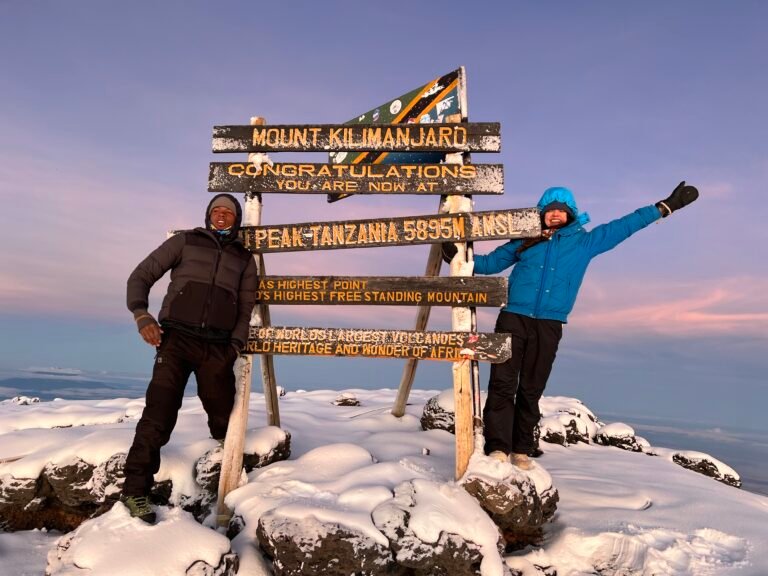
6 Days Rongai Route Kilimanjaro Hiking – 6–11 December 2026
6 Days Rongai Route Kilimanjaro Hiking – 6–11 December 2026.
View package details5 Days Marangu Kilimanjaro Climbing Package – 12–16 December 2026
5 Days Marangu Kilimanjaro Climbing Package – 12–16 December 2026.
View package detailsNo related package matches those filters. Clear one or more filters to see the other topic-matched options.



