
This 6 Days Marangu Route Kilimanjaro Group Departure (16–21 December 2026) follows the classic Marangu approach: climb from Marangu Gate, hut-to-hut nights, and a summit push via Gilman’s Point and Stella Point, returning the same way. The itinerary below is a sample group plan — confirmed departure seats, exact hut assignments and final logistics must be requested and verified with Climb 4 Africa before booking.
What this article delivers
This page gives a practical, route-focused breakdown of the 6 Days Marangu Route Kilimanjaro Group Departure – 16–21 December 2026: a clear day-by-day route, the acclimatisation reasoning behind each stage, likely hut-style accommodation, transport logistics to and from Arusha/Moshi, and how to request verified availability for this specific group departure. I avoid invented prices or guaranteed capacity—Climb 4 Africa must confirm those details.
Who this departure fits
- Walkers comfortable with moderate-to-long days who prefer hut accommodation rather than camping.
- Travellers who want a guided group experience with local crew, steady pacing and shared summiting strategy.
- People who accept a slightly faster 6-day schedule (standard Marangu is 5–6 days) and want clear acclimatisation built into the daily plan.
How to confirm this group departure
Because operator-verified facts (availability, confirmed group size, hut assignments) change, email Climb 4 Africa or use the booking enquiry on the site to request current seats for the 16–21 December 2026 departure. Provide traveller names, nationality, preferred pre/post logistics (Arusha or Moshi), and any medical conditions. Ask for a written booking confirmation that specifies departure meeting time, vehicle pick-up location, included porter/guide ratios and the hut allocation list.
Route logic and acclimatisation principles
The Marangu Route is a direct, well-marked path with hut accommodation, which makes it popular for group departures. On a 6-day schedule the itinerary balances ascent and rest: lower-altitude approach on Days 1–2, a deliberate lodge-style night at higher altitude to aid acclimatisation, and a single long summit push (night to morning) from the highest hut. The day-by-day notes below explain how each stage preserves altitude gain where possible and keeps summit night recovery realistic.
Day 1 — Marangu Gate to Mandara Hut
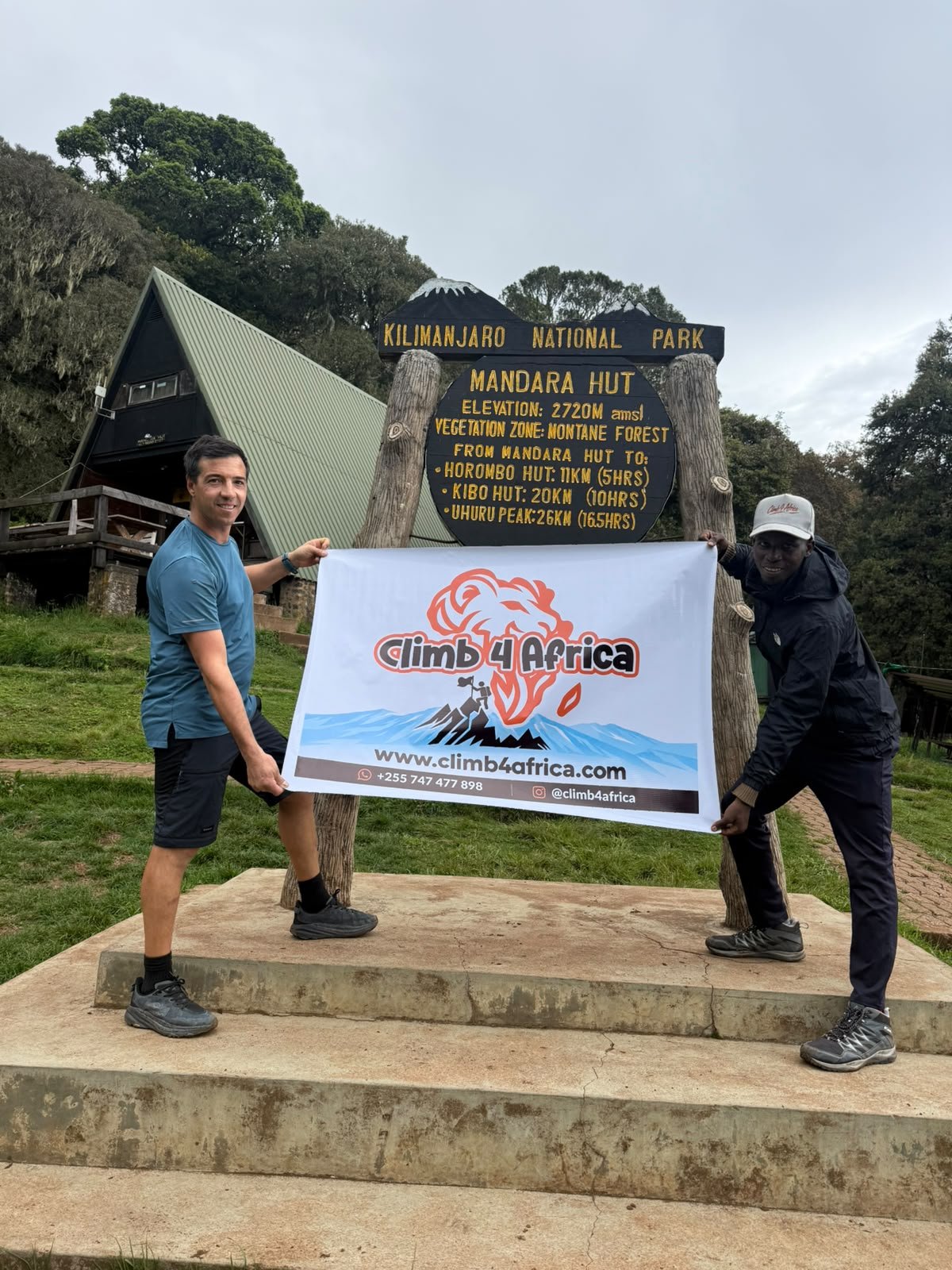
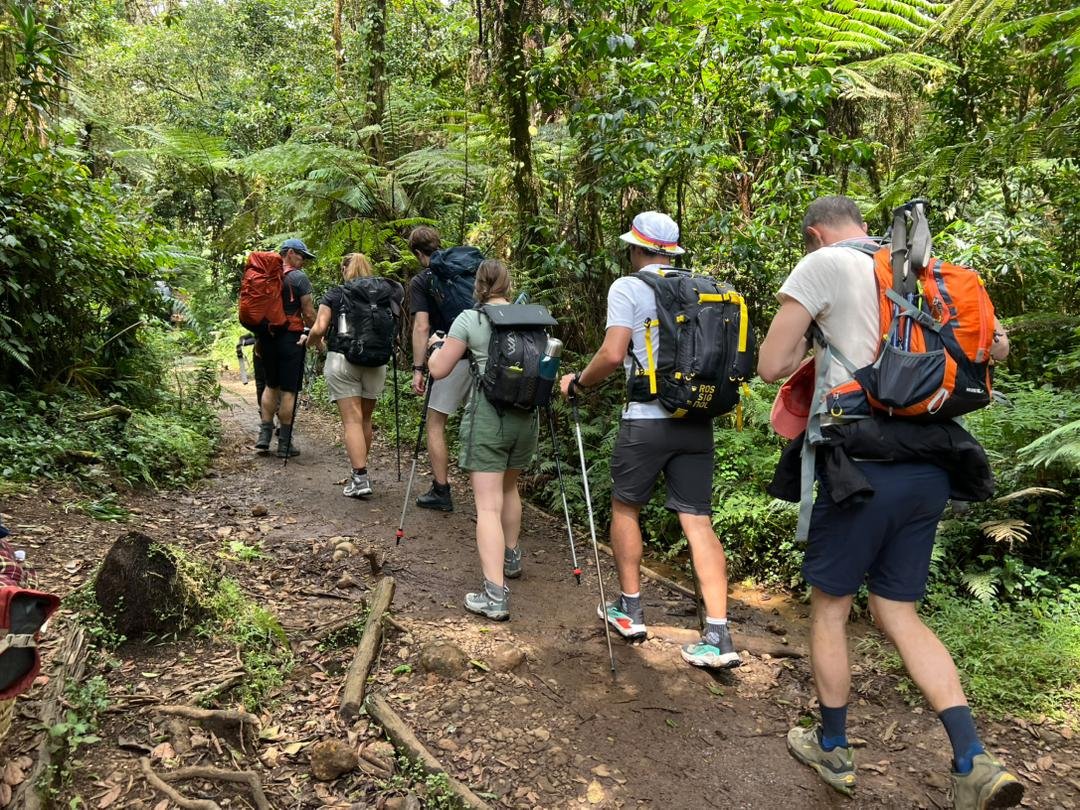
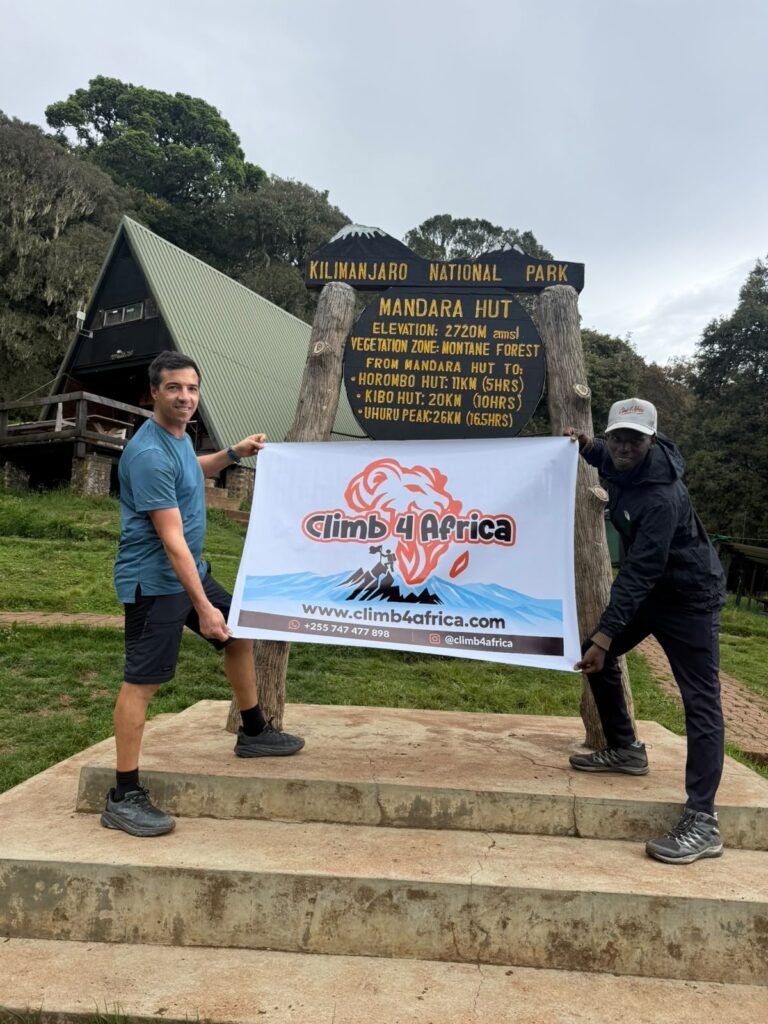
Start at the Marangu Gate (around 1,860 m). After registration and a short briefing the group walks through montane forest, a shaded route with steady climbing. Expect forest wildlife and a cool, damp trail surface in the wet season. Distance and timing vary by group but allow a relaxed pace for the first day: this is about establishing the walking rhythm and letting porters set up the hut. Overnight is at Mandara Hut (approx. 2,700–2,750 m). Hut accommodation: shared dormitory-style rooms; confirm exact hut type with Climb 4 Africa.
Day 2 — Mandara Hut to Horombo Hut
Day 2 moves from the upper forest into heath and moorland as the trail gains altitude. The route traverses volcanic slopes and increasingly open scenery. The climb to Horombo Hut is the longest day on the lower slopes and is the first substantial acclimatisation step. Horombo Hut sits at roughly 3,720 m; the extra night here helps the body adjust before higher gains. Expect a communal dining room and basic sleeping bunks.
Day 3 — Acclimatisation day at Horombo Hut (short hikes and rest)
Rather than pushing higher immediately, Day 3 is an acclimatisation day: short hikes to nearby ridgelines during the day and full rest in the afternoon. Short, controlled ascents (walk-high, sleep-low) to ridges or up toward a local landmark help stimulate acclimatisation without the stress of a long transfer. This day reduces acute altitude illness risk and prepares the legs for the longer Day 4 ascent toward Kibo Hut.
Day 4 — Horombo Hut to Kibo Hut (higher transfer)
This is a key transition: a longer, steady ascent across moorland and alpine desert toward Kibo Hut at roughly 4,700–4,800 m (exact hut altitude varies). The pace is deliberately conservative; group stop frequency and hydration are primary considerations. Kibo Hut is the staging hut for the summit night. Rest early and limit heavy activity in the afternoon to conserve energy for the summit push.
Day 5 — Summit night: Kibo Hut to Uhuru Peak (and descent to Horombo Hut)
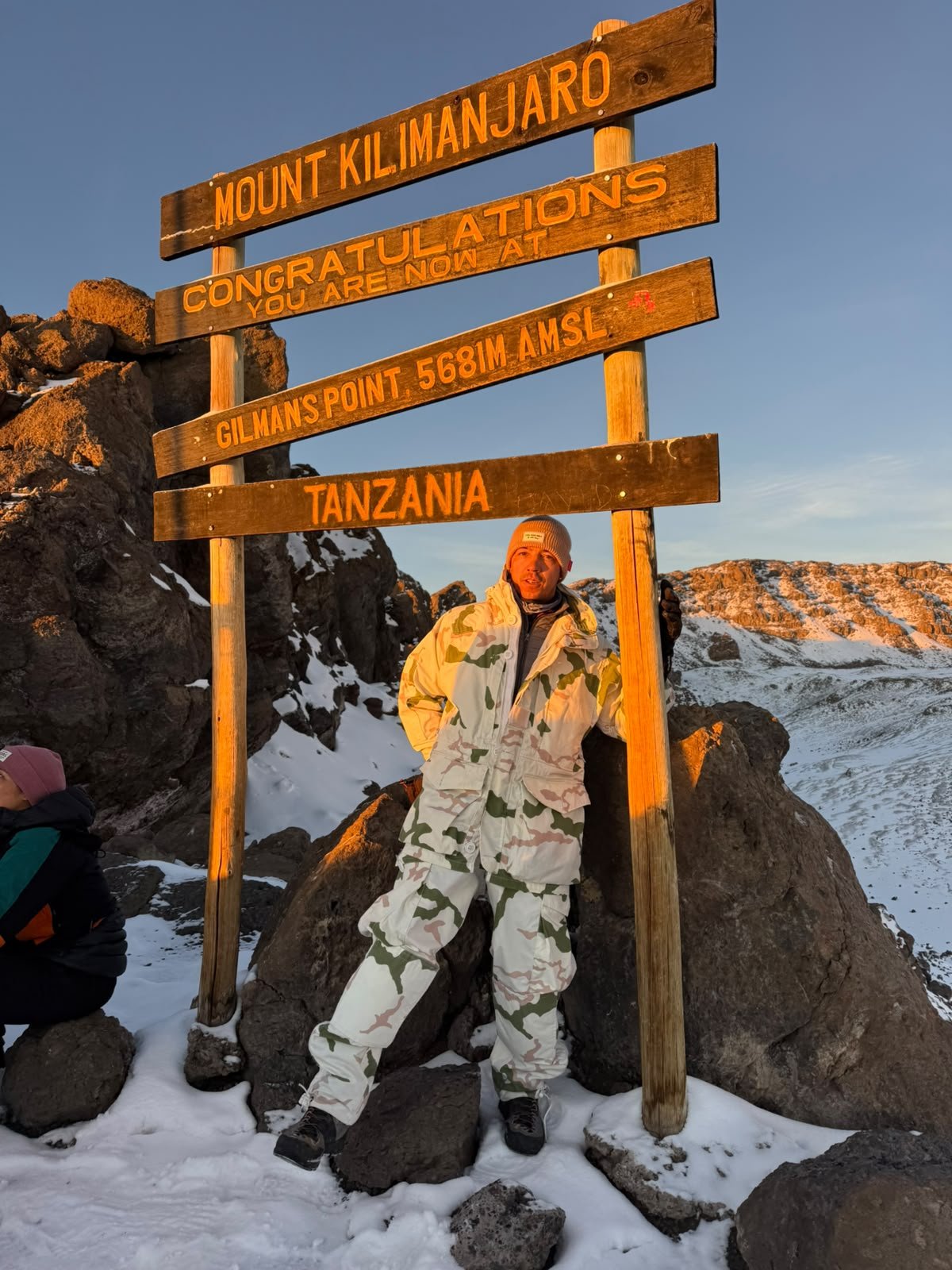
Summit night is the longest and most demanding segment. Groups typically leave Kibo Hut around midnight to reach Gilman’s Point (crater rim) and continue to Stella Point and Uhuru Peak (5,895 m). The final section is exposed and can be icy—use crampons if instructed and keep to the planned group pace. After reaching the summit, the descent follows the same route back to Kibo or down to Horombo Hut for recovery; on a 6-day schedule many groups descend to Horombo Hut for a full night at lower altitude.
Day 6 — Horombo Hut to Marangu Gate (descent and transfer)
The final day is a long descent to Marangu Gate where descent formalities and certificates are handled. Expect vehicle transfer back to Moshi or Arusha; specific drop-off times depend on group logistics and confirmation from Climb 4 Africa. Arrange onward transfers or accommodation in advance—taxis and shuttle options are available but should be confirmed with the operator.
Booking considerations and what you must confirm
- Confirmed seat availability for the 16–21 December 2026 group departure (do not assume availability).
Practical kit and hut-lodge logistics for the 6 Days Marangu Route Kilimanjaro Group Departure
One important gap in the itinerary detail above is the practical, day-to-day equipment and hut-oriented logistics that make a hut-based Marangu climb work smoothly for a group. The Marangu Route’s hut nights change the weight and packing choices compared with camping routes: you do not need a tent, but you must be prepared for cold, communal sleeping spaces, and a summit night that requires specialised cold-weather kit. Below are concise, actionable points designed specifically for the 16–21 December 2026 group departure context.
Essential personal kit (what to pack in your main bag)
- Sleeping bag: a quality, cold-rated sleeping bag suitable to at least -10°C (bring manufacturer-rated lower-temperature comfort to allow margin). Even in huts the night at Kibo and summit exposures can be extremely cold.
- Layering system: base layers (moisture-wicking), midlayers (fleece/down), and a waterproof/breathable outer shell. Bring an insulated hooded jacket (down or synthetic) for summit-night use.
- Footwear: broken-in, waterproof trekking boots with ankle support; warm summit socks plus lighter socks for lower altitudes.
- Headlamp with spare batteries: summit navigation and pre-dawn starts require reliable lighting.
- Hydration: two 1-litre bottles or one insulated 1–1.5 litre bottle; consider an insulated sleeve for summit-night to reduce freezing.
- Trekking poles: strongly recommended for steadier pacing and descending Marangu’s long steps.
- Personal medical kit: plasters, blister care, painkillers, a sufficient supply of any prescription medications, and rehydration salts. For altitude-related medication like acetazolamide (Diamox), consult your physician prior to travel—do not self-prescribe.
- Sun protection and eyewear: high-SPF sunscreen, lip balm with SPF and quality sunglasses (glare and UV increase with altitude).
Summit-night essentials (carry-on / daypack items to have with you at Kibo)
- Warm hat and balaclava or buff, thicker gloves plus thin liner gloves. A waterproof outer glove is useful in wind or snow.
- Crampons: only if curated by your operator and the guide team assess conditions; otherwise bring sturdy footwear suitable for icy sections. Confirm the operator’s crampon policy and provision.
- Emergency blanket (lightweight foil bivvy) and spare warm layers kept dry in a waterproof pack cover or dry bag.
- Personal snacks and small flask of warm drink (if tolerated); most groups rely on guide-provided snacks and tea but bringing familiar high-energy snacks is prudent.
- Identification, insurance details and any emergency medication in a waterproof pouch you keep on your person.
Hut etiquette, porters and luggage handling
Hut nights mean communal sleeping arrangements and kitchen/dining routines. Practical points to confirm with Climb 4 Africa before travel:
- Porter allocation and personal luggage limits: operators vary on free porter weight per client. Ask for the confirmed weight allowance and pack your main bag accordingly; overweights are sometimes carried at extra charge.
- Bunks and bedding: huts provide bunks and mattresses; some operators supply camp mattresses and basics but usually not sleeping bags. Verify whether a mattress liner or pillow will be available or if you should bring an inflatable pillow or liner.
- Charging devices: power availability at huts is limited and often charged per device. If you need charging (headlamp spares, camera, phone), confirm charging arrangements and bring spare batteries or a small solar/USB power bank rated for cold conditions.
- Noise, sanitation and food routines: respect early bedtimes before summit nights; bring your own toilet paper and hand-sanitiser. Dining is communal—inform the operator of any dietary restrictions well in advance.
Health, altitude awareness and emergency communications
Symptoms to watch for include persistent headache, nausea, dizziness, shortness of breath at rest, and reduced coordination. The group leader and guides are the first responders—notify them immediately if symptoms appear. Confirm pre-departure what emergency provisions the operator carries (oxygen, portable stretcher/evacuation plan, radio or satellite phone). Do not assume universal availability: ask Climb 4 Africa to confirm the specific emergency equipment and evacuation protocol for the 16–21 December 2026 group departure.
Practical confirmation checklist: before final payment, request from the operator: porter weight allowance, sleeping-bag requirements, summit-kit list, hut-charging policy, dietary accommodations, and the exact emergency/evacuation equipment carried on this departure. That verification fills a crucial planning gap and avoids last-minute surprises on the Marangu Route.
Managing group dynamics, pacing and decision‑making on summit night
A critical gap for many climbers joining a group Marangu departure is not the route itself but how the guide team manages the group during the summit push and the operational rules that affect every individual’s chance of reaching Uhuru Peak. This section explains, in practical terms, how pacing, communication, and group decisions are usually handled on a 6 Days Marangu Route Kilimanjaro Group Departure — 16–21 December 2026 so you can enter the trip with clear expectations and realistic personal plans.
Leading the group: guide roles and the summit plan
On summit night the lead guide sets the overall plan: departure time from Kibo Hut, target times for Gilman’s Point and Stella Point, break strategy, and the turnaround (decision) time. Guides are responsible for safety and will state a firm turnaround policy before departure; this is non‑negotiable. Ask Climb 4 Africa to confirm the guide-to-client ratio for this specific departure and whether a senior guide or a local head guide will make final summit decisions.
Pacing strategies for mixed‑ability groups
- Start slow and steady: groups normally leave at a conservative pace—short steps, frequent breaths—so as to conserve energy and reduce altitude strain. Expect many short pauses rather than long, infrequent rests.
- Staggering is normal: the group often breaks into small waves based on natural pace. Leaders will usually manage the front group, a middle band and a sweep (last member and helper) to ensure no one is left behind unseen.
- Buddy system: pair faster and slower walkers where possible. This improves morale and makes it easier for guides to monitor symptoms of altitude illness.
Hydration, nutrition and micro‑rests
Guides will schedule micro‑breaks for eating and drinking every 30–60 minutes during the ascent. Carry easily accessible high‑energy snacks (chocolate, gels, dried fruit), small warm drinks in an insulated flask, and an electrolyte solution. Avoid large meals on summit night; calorie‑dense, quick items and warm sips maintain energy without causing stomach distress. Communicate any special nutrition needs in advance so the support crew can plan extras.
Decision points and turnaround rules
Turnaround rules are the single most important safety mechanism on summit night. Common, conservative policies include a fixed time at which the guide will order the entire party to descend regardless of position, or a rule that anyone showing moderate to severe AMS symptoms (confusion, ataxia, severe vomiting) will be turned back immediately. Before departure, ask for the group’s specified turnaround time and how decisions about continuing are communicated to participants who may be further back on the trail.
What happens if someone falls behind or cannot continue?
- Immediate assessment: the nearest guide will assess physical and cognitive symptoms and may start descent with the person if necessary.
- Sweep role: a designated sweep guide keeps the back of the group and flags people with worsening condition for removal from the summit attempt.
- Evacuation options: guided groups typically have a pre‑arranged evacuation plan which may include a stretcher carry to Kibo or oxygen administration. Confirm with Climb 4 Africa the exact emergency measures for this departure.
Communication on the trail
Expect simple, clear commands and time checks. Guides will communicate pace changes, short rest stops and the proximity to key markers (e.g., ‘‘one more ridge’’). If you need to stop, signal your guide rather than continuing to trail the group. Carry a small whistle and a charged headlamp with spare batteries for nighttime signaling.
Managing expectations: summit equity vs. safety
In a mixed group you may witness well‑fit climbers reaching the rim while others turn back. Guides prioritise safety over any single client’s summit ambition—this protects the group and individual welfare and reduces exposure for staff who would otherwise attempt risky rescues. Accepting the operator’s safety parameters before departure reduces conflict and ensures that emotional disappointment does not compromise health decisions on the mountain.
Practical steps to improve your summit odds
- Arrive informed: confirm turnaround time, guide ratio and evacuation plan in writing before the trip.
- Train for consistent aerobic capacity and night hiking with a loaded daypack to simulate summit conditions.
- Follow a conservative pace, hydrate and eat as instructed, and report symptoms early.
- Use the buddy system and respect the sweep—do not overtake the last visible guide without permission.
Clear expectations around decision‑making, pacing and communications will make your 6 Days Marangu Route Kilimanjaro Group Departure — 16–21 December 2026 safer and more predictable. Before you finalise booking, request the specific summit‑night protocol from Climb 4 Africa and add any personal medical needs to the group’s information sheet so the guide team can factor them into the operational plan.
Summit‑night timing template and a practical minute‑by‑minute checklist
One of the clearest gaps readers ask about for a 6 Days Marangu Route Kilimanjaro Group Departure is: what does a realistic, operational summit‑night schedule actually look like in practice? Guides must adapt to conditions and group fitness, but a concrete timing template (with simple checks and micro‑tasks) helps clients mentally prepare and coordinate group logistics. Below is a conservative, operator‑neutral sample timeline and checklist you can present to Climb 4 Africa before departure and use on the mountain. Treat this as a working template — ask your lead guide to confirm the exact times and the firm turnaround time for the 16–21 December 2026 group departure.
Sample summit‑night timeline (conservative template)
- 21:00 — Final briefing at Kibo Hut: guide reviews departure time, pace plan, pairing/buddy system, sweep guide identity, and the turnaround time. Small adjustments to clothing and pack configuration; headlamps checked.
- 21:15 — Small calorie snack and final hydration stop; use an insulated cup with a warm, lightly salted drink. Ensure all oxygen cylinders, radios and emergency kit are accessible to guides.
- 21:30 — Time to dress and finish layering. Swap to summit boots if using separate footwear. Secure trekking poles and crampons (if required). Confirm personal whistle and headlamp spares are on each participant.
- 22:00 — Group departs Kibo Hut. Start at a steady, slow pace: short steps, rhythmic breathing. Guides position themselves: lead, mid‑pack coordinator, and sweep.
- 00:00 (approx) — 2‑hour check: group pause for 10 minutes for a quick warmth/hydration/snack check. At this stop guides perform a rapid AMS screen (headache, nausea, confusion, ataxia) and check toes/circulation. Swap out damp clothing if needed.
- 01:30 — Lightweight carbohydrate snack (small gel or chocolate). Frequent micro‑rests (30–60 seconds) continue; group should remain staggered by ability but visible in small waves.
- 03:00 — Pre‑rim short rest: 10–15 minutes to eat a slightly more substantial snack and check headlamp batteries. Guides check everyone’s ability to continue; anyone flagged for AMS or severe fatigue must be escorted down immediately by the sweep guide or a dedicated descent pair.
- 04:00 — Anticipated arrival at Gilman’s Point (crater rim) window for conservative schedules. Time will vary — confirm target in the briefing. Short photo break, toes and hands checked, and a final short rest before the exposed ridge.
- 04:30 — Push to Stella Point and Uhuru Peak if conditions and guide assessment permit. Allow for slower progress on icy or windy sections; rotate stronger walkers into the lead on exposed ridgelines if the guide requests it.
- 05:00–06:00 — Peak window: expected summit arrival in this template. Take minimal time at the summit for photo and warmth checks. The lead guide will confirm descent plan and timing before beginning the return.
- 07:00 — Begin targeted descent to Kibo Hut or to Horombo Hut depending on energy and weather. Descent is faster but remains managed: avoid letting the group spread excessively.
- 11:00–14:00 — Expected arrival at Horombo Hut (sample window depending on descent routing and pace). Sequential rest, food and rehydration, and an assessment to confirm fitness for the next day’s descent to Marangu Gate.
Minute‑by‑minute checklist for each scheduled stop
- Before departure from Kibo: headlamp check (two lights), spare batteries, charged radio/phone, whistle, GPS/altimeter check, oxygen availability confirmed, packing of summit essentials in carry‑on.
- Every 60–90 minutes: quick AMS screen (ask the three short questions: name, current location, date/time), toes and fingers warmth check, hydration sip, calorie intake (1–2 mouthfuls of high‑energy snack), and clothing ventilation adjustments.
- At each formal rest: visual headcount, pair re‑assignment if someone slows, radio check between lead and sweep, and update to group on estimated time to next checkpoint.
- If anyone shows moderate or severe AMS: immediate descent protocol triggered. A guide accompanies the person down, and sweep slows to shepherd remaining clients. Oxygen is administered only under guide direction and according to operator protocol.
Why this level of detail matters: the Marangu route’s hut system centralises logistics but does not remove the need for disciplined, scheduled checks on summit night. A precise timeline reduces uncertainty, keeps the group cohesive and preserves the guides’ capacity to make timely decisions. Before you confirm your booking for 16–21 December 2026, request a written summit‑night timeline from Climb 4 Africa that maps this template to their confirmed ascent/departure times and the set turnaround hour for your specific group.
Related Guides and Packages
Check Availability for 6 Days Marangu Route Kilimanjaro Group Departure – 16–21 December 2026
Ready to compare dates, prices, and the best option for your group? Send the package name and travel month so the team can reply with a clear quote, availability, and what is included.
6 Days Marangu Route Kilimanjaro Group Joining – 1–6 December 2026
6 Days Marangu Route Kilimanjaro Group Joining – 1–6 December 2026.
View package details5 Days Marangu Route Kilimanjaro Group Climb – 8–12 December 2026
5 Days Marangu Route Kilimanjaro Group Climb – 8–12 December 2026.
View package details
6 Days Marangu Kilimanjaro Group Hiking – 9–14 December 2026
6 Days Marangu Kilimanjaro Group Hiking – 9–14 December 2026.
View package details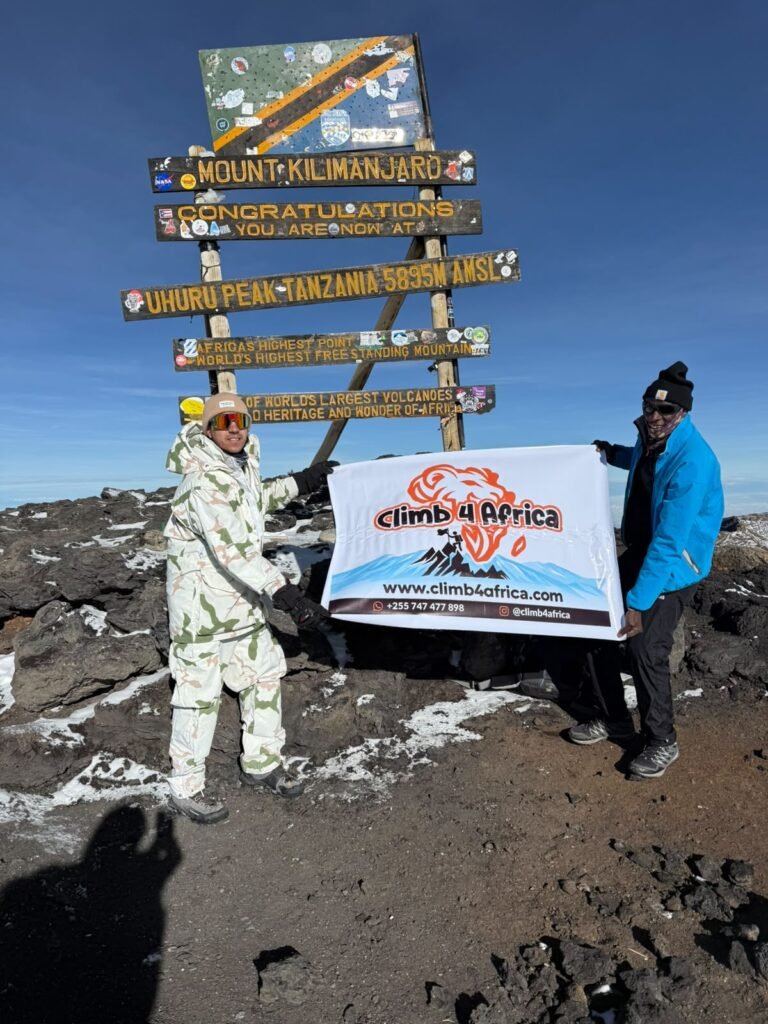
Join Kilimanjaro Group In 4-December-2026, Small Departures 2027
Join kilimanjaro Group in 4-december-2026, Small Departures.
View package details5 Days Marangu Route Kilimanjaro Trek – 2–6 December 2026
5 Days Marangu Route Kilimanjaro Trek – 2–6 December 2026.
View package details
December 4, Kilimanjaro Budget Trekking With Shared Group
December 4, 2026 Kilimanjaro Budget Trekking with Shared Group.
View package details
Climb Kilimanjaro In Budget 12-December-2026, Join Group 2027
climb kilimanjaro in Budget 12-december-2026, Join Group.
View package detailsClimb Kilimanjaro In 12-December-2026, Small Group in 2027
climb kilimanjaro in 12-december-2026, Small Group.
View package details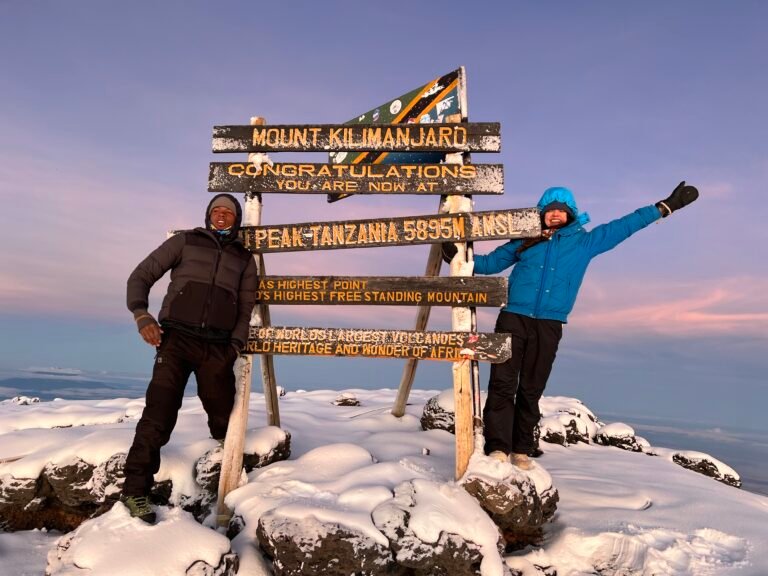
6 Days Rongai Route Kilimanjaro Hiking – 6–11 December 2026
6 Days Rongai Route Kilimanjaro Hiking – 6–11 December 2026.
View package details5 Days Marangu Kilimanjaro Christmas Trek – 22–26 December 2026
5 Days Marangu Kilimanjaro Christmas Trek – 22–26 December 2026.
View package details5 Days Marangu Kilimanjaro New Year Trek – 29 December – 2 January 2026
5 Days Marangu Kilimanjaro New Year Trek – 29 December 2026 – 2 January 2027.
View package details6 Days Marangu Kilimanjaro New Year Climb – 28 December – 2 January 2026
6 Days Marangu Kilimanjaro New Year Climb – 28 December 2026 – 2 January 2027.
View package detailsNo related package matches those filters. Clear one or more filters to see the other topic-matched options.



