
The 6 Days Rongai Route Kilimanjaro Hiking – 6–11 December 2026 is a bookable six-day climb option that uses the Rongai approach from the northern side, typically offering gentler gradients and a chance to finish via the Marangu descent or the same route; exact departures, group spaces and price inclusions for 6–11 December 2026 must be confirmed with your operator before booking.
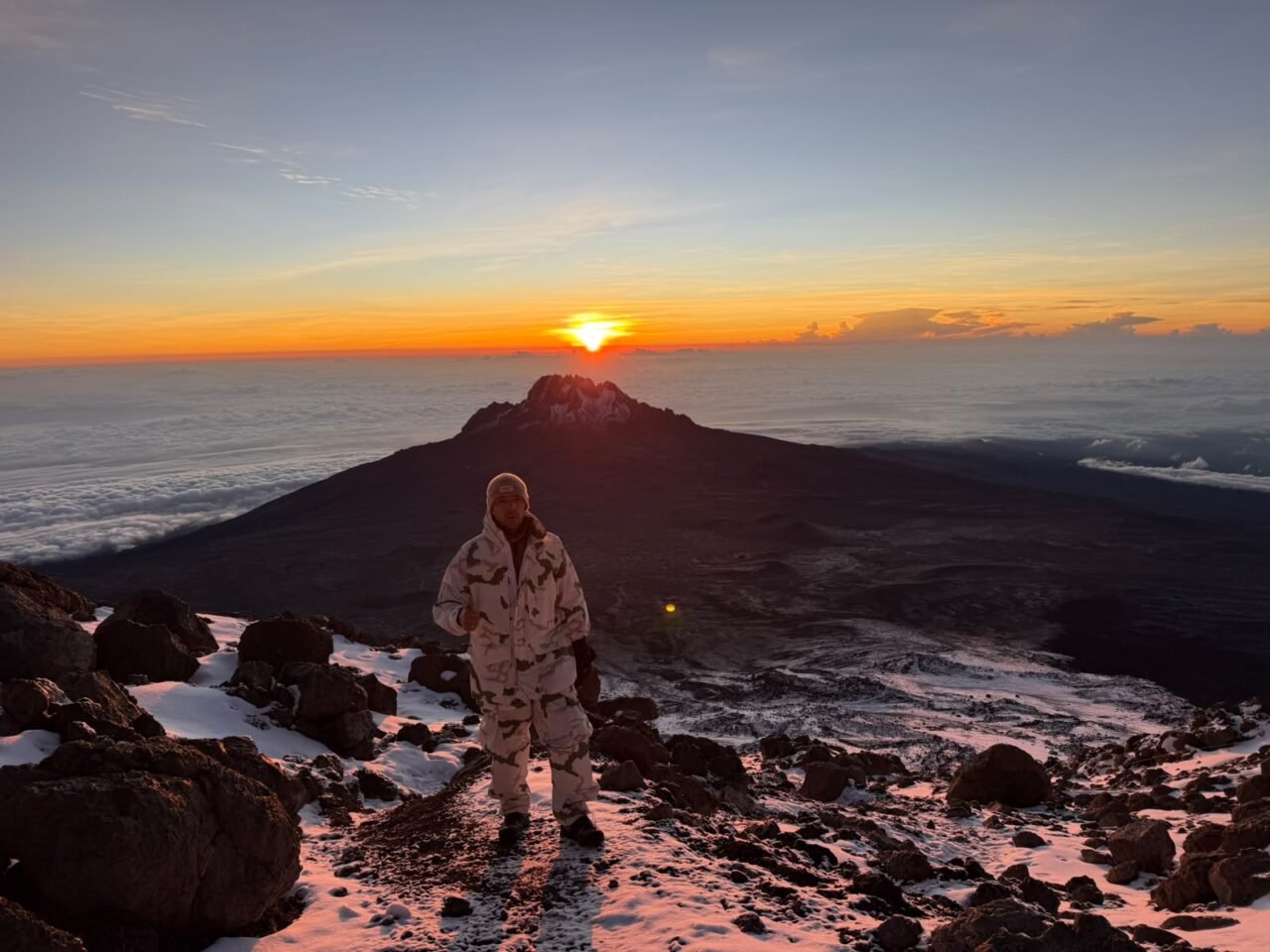
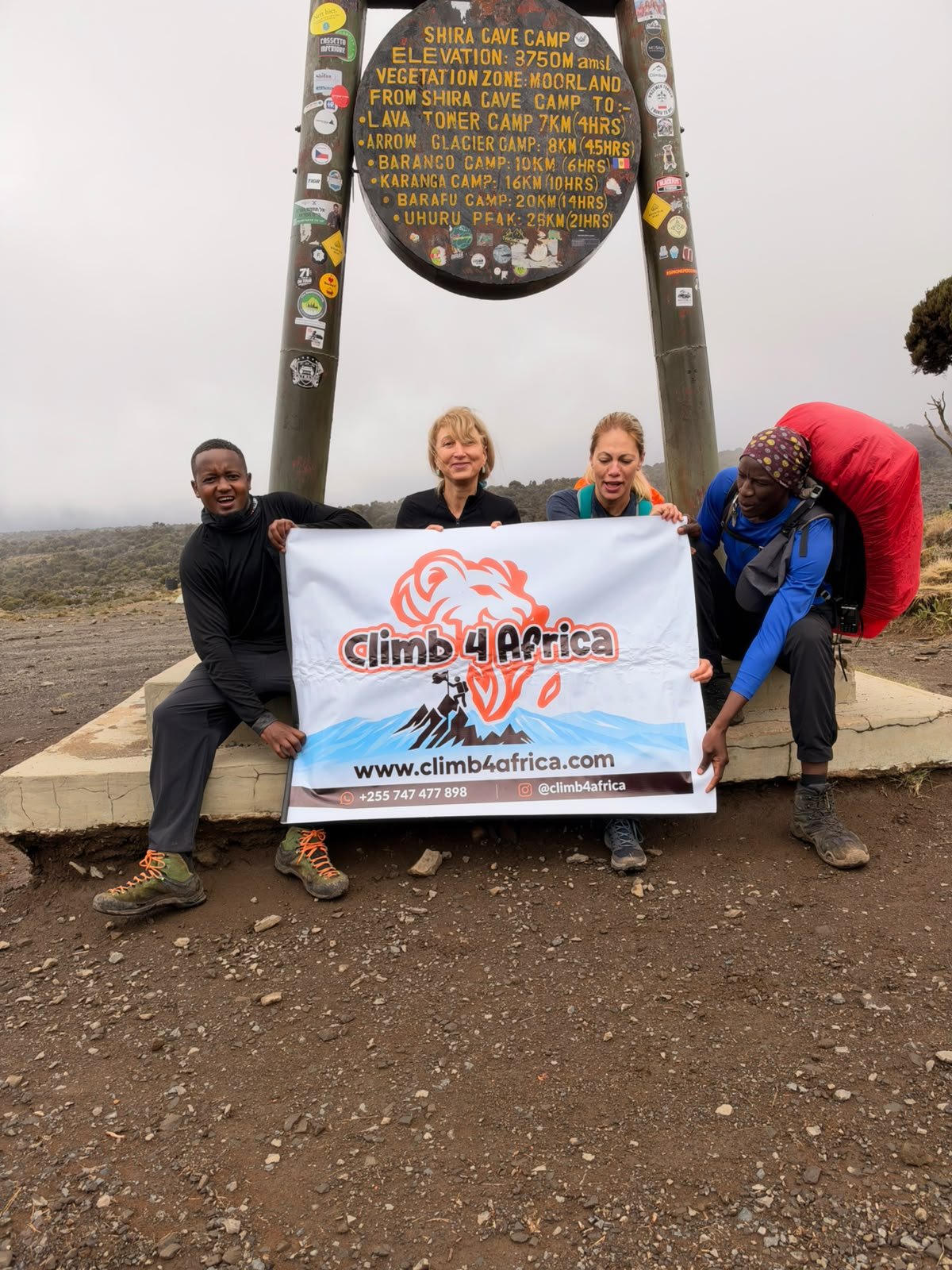
Why choose the 6 Days Rongai Route for a 6–11 December 2026 climb?
This itinerary suits climbers who want a compact schedule with the northern Rongai approach’s reputation for gradual ascents, drier microclimate and relatively quiet trails. For a 6–11 December 2026 timeframe the central choices are: accept a tighter acclimatisation profile to keep six walking days, or extend to seven if your emphasis is summit success over calendar constraints. Below I lay out a complete sample day-by-day plan for the six-day variant and highlight the physiological and logistical trade-offs you must weigh when booking.
Key decisions to confirm with Climb 4 Africa before you book
- Operator departure confirmation for 6–11 December 2026 and available group spaces on the Rongai route.
- Whether the climb is the standard 6-day Rongai or a modified 6/7-day variant (some operators run a 7-day Rongai with extra acclimatisation day).
- Exact inclusions (number of nights lodge vs. tent, hot meals, park fees, rescue evacuation arrangements) — do not assume anything without operator verification.
- Travel logistics: meet-up point in Moshi/Arusha, transfers from Kilimanjaro Airport, and pre/post climb accommodation availability.
How this sample 6-day Rongai plan is structured
The six-day sample preserves a clear summit push on Day 5–6 (overnight summit and descent) with three intermediate trek days to reach the high camps. Each day below is labelled to match the bookable sequence you should expect when discussing the climb with Climb 4 Africa. Treat this as a route flow template rather than a fixed contract: confirm exact campsites, walking hours and luggage policy with your operator.
Day 1 — Moshi/Arusha to Rongai gate, Kikelelwa Camp
Typical start: meet in Moshi or Arusha early, drive north-east toward the Rongai trailhead. The gate formalities and porter allocation usually precede a 3–4 hour trek through montane forest to your first campsite on the lower slopes. Expect the path to be mostly shaded: this first day is for orientation and easy exertion to let your body settle into the altitude gain. Walking time in a standard six-day plan is generally 3–5 hours, with a modest elevation increase. Camp at Kikelelwa or equivalent; tents and dinner are provided when confirmed by your operator.
Day 2 — Kikelelwa to Mawenzi Tarn (or Second Camp)
Day two is an upward push into the heath and moorland zone. The track opens from forest onto rolling slopes, and the walking becomes noticeably more exposed. For a six-day schedule guides aim for steady pacing: 5–7 hours with planned acclimatisation breaks. Mawenzi Tarn or a similar high campsite provides a crucial middle-altitude overnight where hikers begin to feel thinner air but also benefit from a lower-to-moderate altitude for sleep compared with summit night. Hydration, slow pace and attention to breathing are emphasized by guides on this stage.
Day 3 — Mawenzi Tarn to Kikelewa Camp / Third Camp
The third day consolidates acclimatisation while gaining more elevation. Terrain alternates between ericaceous shrubs and open moorland; the path can include steep sections and loose scree nearer the high camp. Total walking time typically ranges from 5 to 7 hours. Guides may incorporate a short acclimatisation walk during the day to raise circulation and then return to camp to sleep lower—an important strategy when your overall itinerary is compressed into six days.
Day 4 — High camp approach: to Kibo Hut area or equivalent high camp
On a six-day itinerary this day is the final climb to the high camp and the last major rest before summit night. Expect 4–6 hours of trekking with progressively alpine conditions: sparse vegetation, wind exposure and colder temperatures. The high camp sits near the alpine desert just below 5,000 metres on many Rongai schedules; confirm exact camp name and altitude with your operator. This night is critical for rest—sleep quantity and quality directly affect summit success.
Day 5 — Summit night: high camp to Uhuru Peak and down to lower camp
Summit attempts on a six-day schedule typically begin around midnight. Climbers follow a slow, continuous ascent aimed at reaching Uhuru Peak for a sunrise finish. This push can take 6–8 hours or longer depending on individual pace and conditions. After reaching the crater rim and Uhuru Peak the standard flow is descend to a lower camp (often returning to the high camp or moving down to a mid-altitude campsite) for rest and a hot meal. Because your itinerary is tight, descending on the same day reduces exposure at extreme altitude and starts recovery sooner.
Day 6 — Descent to trailhead and transfer to Moshi/Arusha
The final day is a
Post-climb procedures, transfers and immediate recovery
There are a few practical steps and common choices climbers make immediately after completing the 6 Days Rongai Route Kilimanjaro hiking — 6–11 December 2026 itinerary. These affect comfort, safety and onward travel plans, so decide them with your guide before the climb begins or on the morning of Day 6.
Medical and safety checks
Guides typically carry basic medical kits and know the signs of altitude-related problems. After descent they will assess everyone for lingering symptoms (headache, nausea, dizziness). If any symptoms persist, the guide will recommend a medical examination in Moshi or evacuation to the nearest clinic. Operators working on Kilimanjaro have established emergency procedures; confirm these in advance with Climb 4 Africa or your agent so you know what to expect should you require care.
Luggage, kit and laundry
Most climbers leave larger luggage with the operator or hotel while carrying only essentials up the mountain. On Day 6 you’ll collect that luggage. If you expect to require laundry, check whether your operator’s drop-off hotel provides same-day service — many climbers find hot showers and fresh clothes a high priority after descent. Keep a small post-climb kit in your daypack (dry socks, flip-flops, warm layer, toiletries) so you can freshen up immediately.
Transfers, onward travel and accommodation
Transfers back to Moshi/Arusha are usually by minivan. If you have a late flight or onward bus, leave extra time for the post-climb medical check and potential delays. If you’re booked on the 6 Days Rongai Route Kilimanjaro hiking — 6–11 December 2026 package through an operator, ask whether they include an overnight debrief hotel in Moshi or only a transfer; if not included, pre-book a hotel for the night of Day 6 to guarantee a timely rest.
Summit certificates and paperwork
At the gate or in town you should receive your Kilimanjaro summit certificate if your group reached the official point for which certificates are issued. Ask your guide where and when this will be issued, and if you prefer a digital copy request they retain scanned copies for you. Keep all permits and receipts organized if you need them for travel insurance claims or company amateur sports records.
Gratuities and staff thank-you
Tipping for guides, cooks and porters is customary on Kilimanjaro climbs. Your guide will advise on the recommended distribution method and timing — many groups collect tips in a single envelope at the trailhead or at the hotel after descent. Confirm tipping expectations with Climb 4 Africa before departure so there are no surprises.
Immediate recovery and physical expectations
Even with a successful summit, expect tired legs and a general sense of fatigue for 24–72 hours. Hydrate, eat balanced meals and prioritise rest. Gentle walking on flat ground and light stretching usually speeds recovery; avoid strenuous activity for at least a day. If you have onward multi-day travel planned, build in an extra day in Moshi or Arusha to reduce the risk of complications and to enjoy post-climb debriefing with your guide.
Completing the 6 Days Rongai Route Kilimanjaro hiking — 6–11 December 2026 itinerary is a compact, logistically straightforward option, but the final day’s procedures — pack checks, descent logistics, gate formalities, transfer arrangements and immediate recovery — determine how smoothly you transition back to town. Confirm the exit route, transfer details and post-climb hotel arrangements with your operator well before travel so Day 6 flows predictably and you can end your climb with minimal stress.
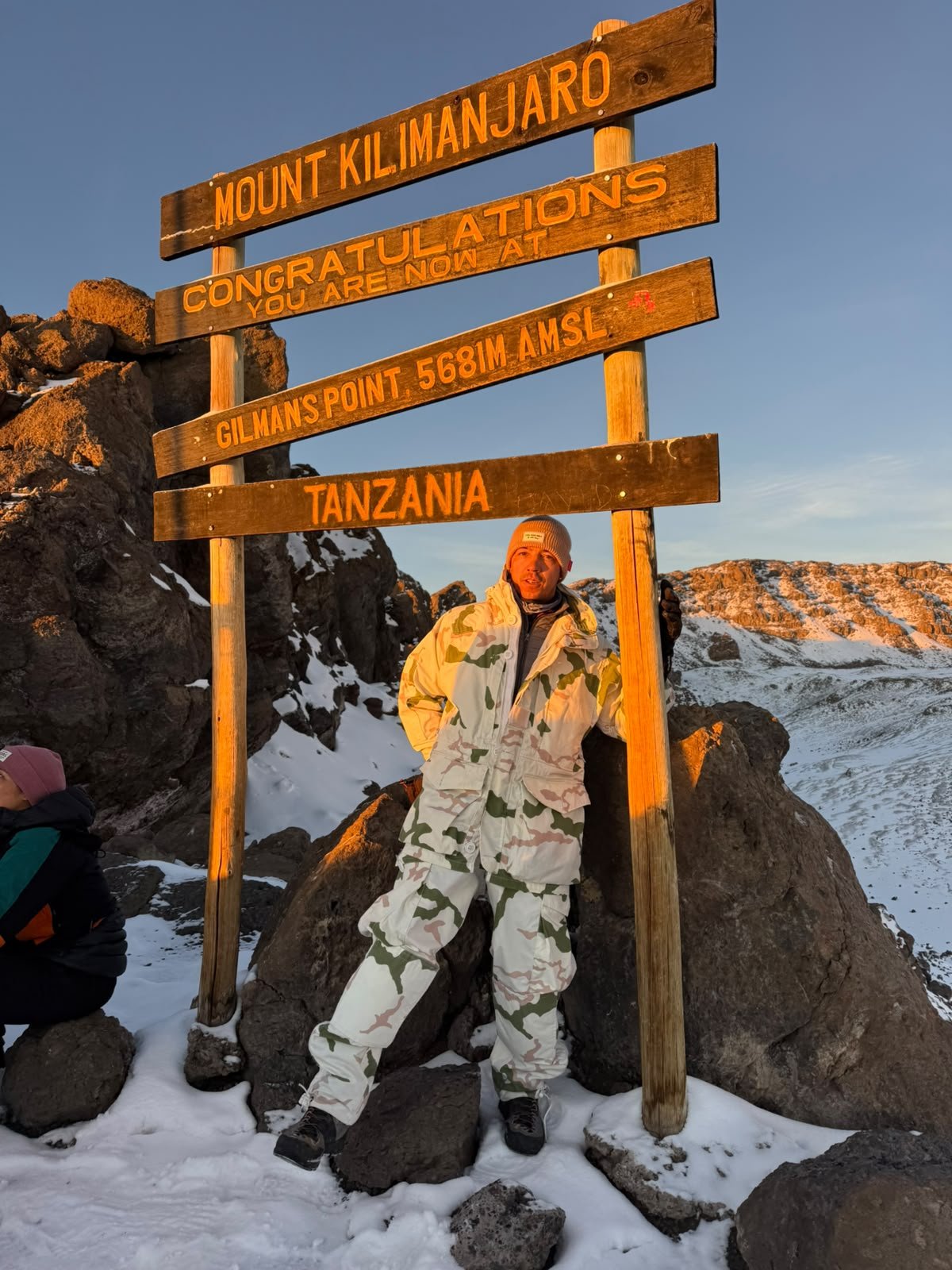
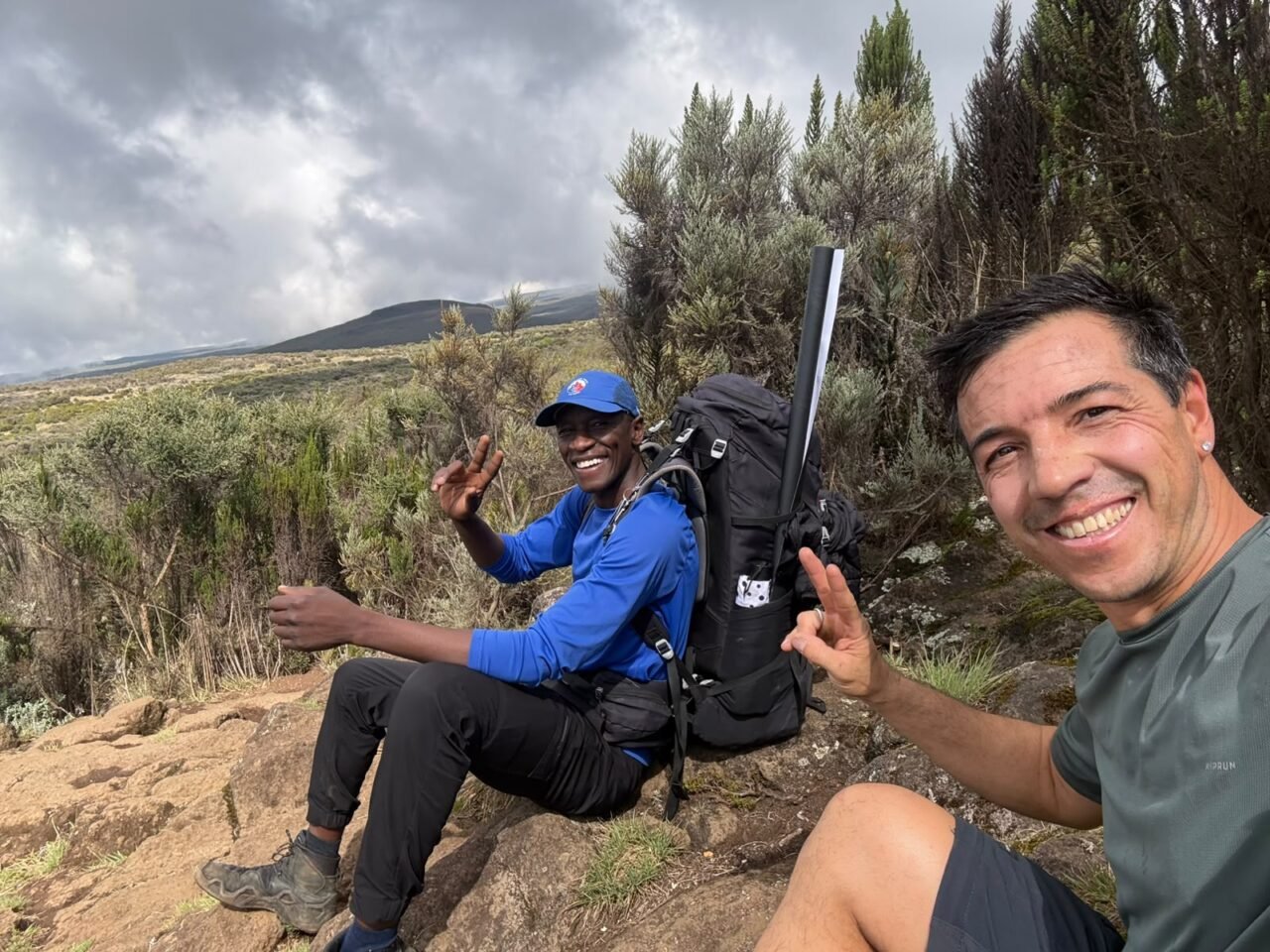
Maximising summit success on the 6 Days Rongai Route (6–11 December 2026)
The single most important unanswered question for climbers choosing the 6 Days Rongai Route Kilimanjaro hiking — 6–11 December 2026 is: how do you materially increase your chances of reaching Uhuru Peak on a compact six-day schedule? Below are practical, route-specific strategies that matter on the Rongai approach and which you should discuss with Climb 4 Africa before departure.
Accept the physiological trade-offs and set realistic goals
Six days is a tighter window than seven-day Rongai variants because you have one fewer acclimatisation day. Accept that a compact schedule increases reliance on careful pacing, conservative decision-making, and your personal acclimatisation profile. Make a clear pre-climb plan with your guide: an agreed pace, defined turning-back criteria, and a contingency for extra rest or descent if symptoms of acute mountain sickness (AMS) appear.
Pacing, group rhythm and the power of ‘pole pole’
On Rongai the essential pacing rule is pole pole (Swahili for slowly, slowly). On each trekking day keep a steady, conversational pace with frequent short breaks rather than fewer long stops. For the summit night, the guide-led slow-steady approach mitigates exertion-related hypoxia; small repeated rests (5–10 minutes) every 45–60 minutes help preserve breath and energy. Discuss with your guide whether the group will use fixed intervals or leader-set cues to avoid surging early in the night.
Use evidence-based acclimatisation measures
Two practical measures have shown reproducible benefit and are readily applied on the Rongai route: gradual gain in sleeping altitude where possible, and conservative ascent profiles during the day. If your operator can shift one of the intermediate nights slightly higher or lower without affecting logistics, ask about that — even modest variations in sleeping altitude can help. If you are medically eligible, talk to your physician about starting acetazolamide (Diamox) 24–48 hours before ascent; do not begin without medical advice. Carry a pulse oximeter and have the guide record readings at rest each morning and after summit. These objective markers help decisions about pace, additional rest, or descent.
Hydration, nutrition and on-trail calories
Hydration is crucial: aim for 3–4 litres per day if tolerable, spread evenly. Sip electrolyte solutions rather than large volumes in single sessions. On the Rongai route expect dry air on open slopes; use lip balm and frequent short sips to reduce throat dryness. Prioritise carbohydrate-rich, easily digestible meals and snacks during summit night (gel, chocolate, salted biscuits) so the stomach tolerates intake under stress. Your cook’s ability to provide hot, salty broth on summit morning can be a decisive comfort and energy source.
Sleep quality and clothing at high camp
Even in a successful itinerary, sleep at high camp is often fragmented. Bring a well-rated sleeping mat and a sleeping bag rated below expected night temperatures; insulating clothing layers for sleep (thermal base layer, fleece, down jacket) markedly improve rest. If your guide can stagger camp chores to allow earlier sleep for climbers, request it — a restful two-to-three-hour block before midnight departure is better than restless long wakefulness.
Supplemental oxygen, med kit and evacuation plan
Confirm with Climb 4 Africa whether guides carry supplemental oxygen and whether evacuation decisions are made locally or referred to park authorities. For a six-day schedule you should verify: availability of oxygen canisters, staff trained to use them, and a clear evacuation chain (radio, vehicle access, nearest hospital). Know the operator’s policy on turning back: many groups adopt an explicit rule such as descent if SpO2 remains below a specified threshold or if AMS symptoms worsen despite rest and medication.
When to turn back: concrete, pre-agreed criteria
Agree on objective turning-back criteria before the summit push. Useful, measurable triggers include: SpO2 persistently below the guide’s agreed threshold (commonly ~65–70% at rest for symptomatic climbers, but operators vary), increasing AMS score after rest and medication, inability to maintain the group’s slow-steady pace, or severe symptoms such as vomiting, severe headache unresponsive to analgesia, ataxia, or altered consciousness. A documented, calm pre-climb discussion reduces emotional pressure on summit night decisions.
Micro-choices that add up
- Start summit ascents in clean, dry boots and with a fresh inner sock to reduce blisters.
- Use trekking poles to conserve energy and stabilise rhythm on scree sections toward the crater rim.
- Layer clothing to manage sweat: remove damp layers during active climbing and add for rest periods to avoid chill-related fatigue.
- Carry quick-access energy and electrolyte sources in your vest for frequent small intakes.
Contingency for extending acclimatisation
If you or your group show slow acclimatisation early in the climb, ask whether Climb 4 Africa can convert to a modified plan — for example, adding an extra rest at Mawenzi Tarn or delaying the high-camp move. Operators sometimes offer a flexible seven-day variant if logistics and permits allow; confirm this option before travel so you know the cost and availability implications.
These route-specific, actionable measures are the most important remaining advice for anyone booking the 6 Days Rongai Route Kilimanjaro hiking — 6–11 December 2026. Discuss each point with your guide and the operator in the pre-climb briefing so expectations and safety parameters are shared by the whole team.
If you don’t reach Uhuru Peak on the 6 Days Rongai Route (6–11 December 2026): practical next steps and options
Even with careful preparation, some climbers on the 6 Days Rongai Route Kilimanjaro hiking — 6–11 December 2026 will not reach Uhuru Peak. The most useful remaining material for prospective climbers is a clear, practical playbook for what happens next: immediate medical and logistical priorities on descent, choices you and your group can make about refunds or rescheduling, and the common alternatives offered by operators for an incomplete summit attempt. Below I set out pragmatic steps to follow on descent and specific questions to ask Climb 4 Africa in the pre-climb briefing so there are no surprises if you turn back.
Immediate actions during descent and on return to Moshi/Arusha
If you or a teammate are descending without summiting (whether for altitude illness, injury, fatigue or a group decision), the on-the-ground sequence is usually:
- On-trail assessment by the guide and medic: pulse, SpO2, conscious state, vomiting, gait and neurological signs. Symptomatic climbers will be moved down to lower altitude as the first-line treatment.
- Use of on-trail treatments where indicated: acetazolamide, antiemetics, analgesics, oxygen (if available and appropriate), and encouragement to hydrate and take small, frequent calories.
- Notify base/office and, if needed, arrange rapid transfer from a lower trailhead to a clinic or hotel in Moshi/Arusha. Confirm who covers emergency transport costs (operator, insurance, or client) before travel.
- At the trailhead and hotel your guide will complete the park paperwork noting the stage where you turned back; keep copies of any medical reports, medication given, and receipts for transport or clinic visits—these are essential for insurance claims.
Practical decisions in the 24–72 hours after a failed summit attempt
Once back in Moshi or Arusha, you will face several immediate decisions. Make them with the same calm, pre-agreed framework used for summit-night turning-back criteria:
- Medical follow-up: even if symptoms seem minor, get a clinic assessment—persisting headache, breathlessness or confusion needs a clinician’s clearance before travel.
- Travel plans: don’t book flights or long-distance buses until you have a medical clearance and a confirmed transfer time from the operator. If your return is time-sensitive, ask Climb 4 Africa in advance how they prioritise post-climb transfers.
- Insurance claims: collate documentation immediately—park exit forms, guide’s notes, transport receipts, clinic notes and any photos of injuries or the summit-point if relevant. File an initial claim or at least inform your insurer within their required notification window.
- Psychological debrief: it’s normal to feel disappointment. Discuss the climb with your guide and the operator’s representative; they can clarify objective reasons for descent and outline next steps for refund or rebooking discussions.
Refunds, partial refunds, and rebooking options—what to ask Climb 4 Africa before you leave home
Operators’ commercial policies vary; to avoid frustration, raise these points explicitly in your pre-booking and pre-climb briefings and get them in writing where possible:
- Refund policy if you do not summit: Is there any partial refund for uncompleted climbs, and on what basis (medical vs voluntary withdrawal)?
- Credit/rescheduling options: If you need to postpone your climb (for example, due to altitude illness during the itinerary), can the operator offer credit toward a future climb and for what validity period?
- Third-party costs: Who pays for emergency transport, clinic visits, or extended hotel nights if required by medical advice? Does the operator hold contingency funds, or will such costs be billed to the client immediately?
- Documentation handling: Will the guide provide a written incident report suitable for insurer use, and how quickly will it be available after descent?
Knowing the answers before you travel reduces stress and helps with timely insurance claims.
On-the-ground alternatives if you miss the summit but still want a meaningful Kilimanjaro experience
Many clients who do not summit choose one of the following, depending on health and time available. These are common, practical alternatives you can discuss with Climb 4 Africa:
- A short acclimatisation hike close to Moshi (lower-slopes walks) to salvage some mountain time without altitude strain.
- A guided cultural excursion in the Kilimanjaro region—coffee farm visits, local villages, or waterfall walks—suitable for recovery days.
- Rebooking a future climb: if you have flexibility, ask about operator discounts for returning clients or off-peak rebooking options; get written confirmation of any preferential rates before you accept them.
Make contingency planning routine: the single most useful pre-departure question
Before you sign any contract, ask Climb 4 Africa this single precise question and record the answer in writing: “If I turn back from the 6 Days Rongai Route Kilimanjaro hiking — 6–11 December 2026 for medical reasons, what immediate transport, medical and administrative assistance do you provide, and which costs am I responsible for?” A clear, operator-provided answer removes ambiguity on the most stressful post-decision moments and ensures you can focus on health, not logistics.
Park permits, porter policies and on-trail regulations you must confirm for the 6 Days Rongai Route (6–11 December 2026)
One practical question that remains crucial for anyone booking the 6 Days Rongai Route Kilimanjaro hiking — 6–11 December 2026 is: exactly what administrative and on-trail rules will affect my day-to-day experience, what choices do I need to make with Climb 4 Africa before departure, and which details are the operator’s responsibility versus mine? The bullet points below translate broadly known Kilimanjaro practices into specific, confirmable queries you should resolve before you travel. I do not list prices or claim operator-specific inclusions—only the operational facts you must verify for this climb window.
Permits, registration and ID requirements
Every climber must be registered with the Kilimanjaro National Park (KINAPA) before starting. Ask Climb 4 Africa to confirm which documents they will submit on your behalf and what you need to present at the meeting point: commonly this includes your passport (for permit name match), a completed health declaration, and any pre-climb forms. Specifically, confirm whether your name on the permit will exactly match your passport and how long before the climb the operator will finalise the park registration. Last-minute name changes or late arrivals sometimes require fresh paperwork at the gate and may delay your group.
Porter allocation, loads and responsibilities
Porters make a six-day Rongai climb logistically possible. Before you sign any contract, clarify these operational facts with Climb 4 Africa:
- Average porter-to-client ratio on your booked departure (typical groups range from 1:1 to 2:1; local regulations and operator policy determine exact staffing).
- Who is responsible for distributing personal kit to porters on day one and for any mid-climb redistributions? Some operators expect clients to pack items in particular duffels or kit bags supplied at base.
- Maximum agreed weight per porter and the policy if your personal baggage exceeds that limit. Confirm whether the operator supplies extra porters or whether you must reduce load or pay a surcharge.
- Porter welfare measures: confirm if the company provides porter insurance, adequate food, rest days, and equipment (rainproof duffels, boots where required). These are practical safeguards you can and should require in writing.
Campsite rules, sanitation and human waste management
Understand how sanitation is handled on the Rongai route so you can plan comfort and contingency. Ask your operator to explain the following in clear terms:
- Toilet arrangements at each campsite and at high camp: most operators use shared tented toilets; on summit night expect more basic provision. Confirm whether the operator provides toilet tents and whether usage incurs any extra fee.
- Human waste protocols: in sensitive alpine areas, many operators use WAG (waste disposal) methods or sealed containers and remove waste to lower elevations for disposal. Clarify what approach your operator follows on the Rongai route and on summit descent.
- Hygiene supplies: who provides hand sanitiser, toilet paper and digging tools where required? If you have preferred products (biodegradable wipes, travel bidet), bring them and confirm disposal rules with guides.
Fire, cooking and water treatment
Open fires are generally prohibited in Kilimanjaro National Park. Confirm these specifics with Climb 4 Africa:
- Formal cooking arrangements at camps: where the guides and cooks operate a communal mess tent or use localized stove systems. This affects food timing (breakfast, lunch box, hot dinner) and where you should eat relative to sleeping tents.
- Drinking water provision and treatment: operators vary—some supply treated water at camps and refill stations, others expect clients to treat water using tablets, filters or boiling. Verify quantity norms (typical expectation is to carry at least 2 litres while trekking and top up at camps) and whether additional treated water is available on summit night.
Waste, Leave No Trace and park compliance
KINAPA enforces strict environmental rules: everything you bring must leave with you or be carried out by the operator. Confirm these practices:
- Plastic policy: some operators have eliminated single-use plastics on-climb. Ask whether your operator provides reusable plates, cups and cutlery and whether any disposable items are used.
- Campsite clean-up: who organises the site sweep and what is your expected role (e.g. checking your tent footprint, returning toilet tent wrappers)? Many operators request that clients participate in a final campsite check to ensure no personal items remain.
On-trail behaviour, wildlife and livestock interactions
Rongai is generally quiet, but you will be in a working landscape near local grazing areas lower down. Ask the operator about typical late-season trail conditions (December can coincide with local livestock movements) and what to expect at lower elevations: do guides negotiate trail-sharing with herders, and are there times when you must yield or alter pace? Also check photography permissions for guides or local staff—some areas require asking consent before photographing porters or villagers.
Confirm these items in writing and at pre-climb briefing
Before you travel, request a short written annex from Climb 4 Africa covering: permit submission timing and documentation needed from you; porter allocation and maximum porter loads; sanitation arrangements; water supply and treatment; waste removal policy; and any on-trail behavioural guidance relevant to December climbs. Having these operational details confirmed in writing eliminates ambiguity at gate and improves both your safety and the porters’ welfare on the 6 Days Rongai Route Kilimanjaro hiking — 6–11 December 2026.
Related Guides and Packages
Check Availability for 6 Days Rongai Route Kilimanjaro Hiking – 6–11 December 2026
Ready to compare dates, prices, and the best option for your group? Send the package name and travel month so the team can reply with a clear quote, availability, and what is included.
6 Days Marangu Kilimanjaro Group Hiking – 9–14 December 2026
6 Days Marangu Kilimanjaro Group Hiking – 9–14 December 2026.
View package details
5 Days Marangu Route Kilimanjaro Group Climb – 8–12 December 2026
5 Days Marangu Route Kilimanjaro Group Climb – 8–12 December 2026.
View package details5 Days Marangu Route Kilimanjaro Trek – 2–6 December 2026
5 Days Marangu Route Kilimanjaro Trek – 2–6 December 2026.
View package details5 Days Marangu Kilimanjaro Christmas Trek – 22–26 December 2026
5 Days Marangu Kilimanjaro Christmas Trek – 22–26 December 2026.
View package details5 Days Marangu Kilimanjaro New Year Trek – 29 December – 2 January 2026
5 Days Marangu Kilimanjaro New Year Trek – 29 December 2026 – 2 January 2027.
View package details6 Days Marangu Kilimanjaro New Year Climb – 28 December – 2 January 2026
6 Days Marangu Kilimanjaro New Year Climb – 28 December 2026 – 2 January 2027.
View package details6 Days Marangu Kilimanjaro Christmas Holiday Climb – 21–26 December 2026
6 Days Marangu Kilimanjaro Christmas Holiday Climb – 21–26 December 2026.
View package details5 Days Marangu Kilimanjaro Full Moon Trek – 21–25 December 2026
5 Days Marangu Kilimanjaro Full Moon Trek – 21–25 December 2026.
View package details6 Days Marangu Kilimanjaro Full Moon Climb – 20–25 December 2026
6 Days Marangu Kilimanjaro Full Moon Climb – 20–25 December 2026.
View package details5 Days Marangu Kilimanjaro December Trek – 19–23 2026
5 Days Marangu Kilimanjaro December Trek – 19–23 December 2026.
View package details6 Days Marangu Kilimanjaro Hut Trekking – 6–11 December 2026
6 Days Marangu Kilimanjaro Hut Trekking – 6–11 December 2026.
View package details
December 4, Kilimanjaro Hiking And Tanzania Wildlife Safari
December 4, 2026 Kilimanjaro Hiking and Tanzania Wildlife Safari.
View package detailsNo related package matches those filters. Clear one or more filters to see the other topic-matched options.



