
For Mount Kilimanjaro climbing packages December 2026, start by choosing your route and realistic summit window: longer routes (6–8 days) materially increase your chance of summit success by improving acclimatisation; shorter 5-day options exist but expect higher altitude strain. Several Climb 4 Africa departures in early December are published — follow verified links for exact schedules and booking details.
What this guide helps you decide
This first installment focuses on the decision every climber faces when searching for Mount Kilimanjaro climbing packages December 2026: which route length and service level match your fitness, holiday schedule and tolerance for altitude risk. Rather than a sales brochure, you’ll get a clear comparison of route characteristics, how December conditions influence the choice, what to expect from typical package inclusions, and which operator-verified departures are already listed so you can inspect availability and confirm details.
Quick reality check: why route length matters more than price
When you compare Mount Kilimanjaro climbing packages December 2026, price and start dates matter — but your single best control over whether you reach Uhuru Peak is the time your body has to adapt to altitude. Packages that add an extra night on the mountain (turning a 5-day into a 6- or 7-day itinerary) give you essential acclimatisation. For most climbers of average fitness the extra day or two is the difference between summiting and descending below 5,000 metres feeling sick.
What ‘acclimatisation’ looks like in itinerary terms
Package length translates directly into the number of sleep elevations and the ‘climb high, sleep low’ profile. A 6- or 7-day package typically allows a slower ascent profile with an intermediate night at a higher camp followed by a descent to a lower camp, which reduces acute mountain sickness risk. Short 5-day packages compress elevation gain into fewer days and depend on strong fitness, luck with weather, and conservative pacing from your guides.
December on Kilimanjaro: implications for package choice
December sits in the period when rains can be more frequent than in the dry months; this affects trail conditions, packing needs and summit windows. If you plan Mount Kilimanjaro climbing packages December 2026, expect the operator to factor weather variability into logistics — for example, added flexibility in summit nights and contingency transport. That makes routes that allow multiple summit attempts or flexible summit timing (by using an extra acclimatisation day) strategically sensible.
Route-by-route comparison tailored for December departures
Below are the principal routes you will encounter in package descriptions and booking pages. Each route has different exposure, scenery and acclimatisation profiles; use these to match your priorities.
Marangu (the “Coca‑Cola” route)
Characteristics: gentler gradients, hut accommodation (dependent on the package), commonly offered as 5–6 day itineraries. For December 2026 travellers: Marangu is logistically straightforward and often sold as group-join options—see operator departure notices for early-December group dates. Consider adding an extra day where possible; a 5-day Marangu is feasible for fit climbers but carries higher altitude risk than 6-day variants.
Machame and Lemosho
Characteristics: more scenic, varied terrain and better acclimatisation profiles when offered over 6–8 days. December packages on Machame or Lemosho that include six or more days give better summit odds in unstable weather because they spread ascent. If you want mountain variety and better success probability, prioritise these routes in December.
Rongai and Northern Circuit
Characteristics: Rongai approaches from the drier northern side and is often recommended when trail conditions from the southern routes are muddy. Northern Circuit is the longest of the standard circuits and offers the best acclimatisation by far but is only commonly sold as 7–9 day packages. For December departures, Rongai can be a pragmatic alternative if southern tracks are wet.
What a typical Kilimanjaro package includes — and what to confirm
Operators generally list standard inclusions: park fees, mountain guides and porters, meals on the mountain, and transfers to/from Moshi or Arusha. When evaluating Mount Kilimanjaro climbing packages December 2026, explicitly confirm the following before you book:
- Route and exact itinerary length (night-by-night plan).
<li
How to vet and compare Mount Kilimanjaro climbing packages December 2026 — a targeted operator checklist
After you’ve chosen a preferred route and understood why a longer itinerary matters in December, the single most useful next step is a systematic comparison of operators and package detail. For Mount Kilimanjaro climbing packages December 2026 this means asking consistent, specific questions and judging the quality of the answers rather than relying on star ratings or marketing copy. Below is a practical checklist you can use when contacting operators or assessing booking pages; each item addresses a real decision point that affects your summit probability, safety and overall trip experience.
1. Confirm the exact night-by-night itinerary (not just ‘6 days’)
Ask for the full night-by-night plan showing campsite names and elevations. For example, a 6-day Machame package might sleep at Machame Camp (2,835 m), Shira Camp (3,500 m), Barranco/Barafu variations, then Millennium/High Camp — but operators sometimes vary where the intermediate nights fall. The precise sequence determines whether the itinerary includes effective ‘climb high, sleep low’ stages or compresses gains into fewer overnight breaks. If an operator gives only a day count, insist on the numbered-night plan.
2. Summit window and contingency nights
December weather can force shifts to summit nights. Ask: how many potential summit nights does the package schedule (some itineraries permit a second attempt the next night), and what contingency plan is used if the scheduled summit night is weathered out? Good operators will have an explicit answer about flexible summit timing and whether they will reassign guides/porters to allow an alternate summit night without a full rebook.
3. Guide-to-client ratio and guide accreditation
Request the maximum number of clients per guide and the guide qualifications (e.g., Tanzania National Parks and tour operator licences, years of guiding on the route). For Mount Kilimanjaro climbing packages December 2026 you should expect no more than 8 clients per lead mountain guide on larger groups; many reputable operators run 4–6 clients per lead guide for better attention. Ask whether assistant guides or trainee guides are present and how responsibilities are divided during a summit push.
4. Porter staffing, pay and weight limits
Ask for explicit porter-to-client ratios, the typical weight each porter carries, and whether porters receive tips or cash top-ups included in the package. Ethical treatment affects safety and morale on the mountain. Confirm whether the operator complies with the Kilimanjaro Porters’ regulations—e.g., weight limits per porter (often ~20–25 kg in practice) and provision of insurance for porters.
5. Meals, water and altitude medical provisions
Request the sample mountain menu and how hot water is supplied for drinking and cooking. Importantly, ask what first-aid and altitude-monitoring equipment is carried on every climb (pulse oximeter, emergency oxygen, Gamow bag if used) and whether guides are trained in basic altitude illness recognition and evacuation procedures. Operators should clearly state evacuation options (helicopter availability, road evacuation) and who bears evacuation costs in emergency scenarios.
6. Departure logistics and transfer reliability
Confirm the included transfers (airport–hotel–park gate), meeting points and recommended arrival day in Moshi/Arusha before the climb. In December, flight delays or road closures from heavy rains can affect the schedule; ask how late arrivals are handled and whether operators include a buffer night in a local hotel when flights land the same day as trek start.
7. Insurance and cancellation terms specific to December conditions
Check whether the operator requires or recommends specific travel insurance covering high-altitude trekking (medical evacuation to at least 6,000 m). Read cancellation and refund policies for weather-related changes — some operators offer partial refunds if the summit is impossible due to park closures, others only reschedule. Request written confirmation of the policy when you book.
8. Group size, private vs. group departures and manufactured minimums
Clarify published group sizes and whether departures are guaranteed or contingent on meeting a minimum. For Mount Kilimanjaro climbing packages December 2026, early-December departures can sell as group-join trips; ask what happens to your booking if a departure does not reach its minimum number (automatic refund, reschedule, or transfer to another operator?).
9. Accommodation standards before and after the climb
Ask which hotel is included in Moshi/Arusha and whether upgrades are possible. Confirm exact pickup/drop-off times and whether accommodation is included for both pre- and post-climb nights. In December you may want the extra rest day after summiting — check if packages allow adding a post-climb night easily and at what cost.
10. Environmental and community commitments
Enquire about the operator’s environmental practices (waste removal, no-open-fire policies, toilet arrangements on the mountain) and community contributions (support for porters’ welfare, local employment). Operators should be able to describe concrete practices rather than only aspirational statements.
How to interpret operator responses — red flags and green lights
Positive signs include: clear, written night-by-night itineraries; explicit answers about rescue and medical equipment; stated porter pay practices; a limit on client-to-guide ratios; and flexible summit-contingency plans. Red flags include vague answers, refusal to provide a detailed itinerary, no mention of evacuation options or medical kit, and pressure to book quickly without a clear cancellation policy. If in doubt, ask for a contract or booking confirmation that spells out the points above before you pay a deposit.
Using this checklist when comparing Mount Kilimanjaro climbing packages December 2026 will let you move beyond price and marketing and make a decision grounded in safety, realistic summit odds and ethical practice. Once you have two or three operators that meet these standards, compare the small differences (extra acclimatisation nights, guide experience, hotel quality) to pick the package that matches your priorities.
How to read a night‑by‑night itinerary and judge acclimatisation quality for Mount Kilimanjaro climbing packages December 2026
When you’re comparing Mount Kilimanjaro climbing packages December 2026, the single most useful skill after choosing a route is being able to read the fine print of a night‑by‑night itinerary and judge whether it genuinely offers good acclimatisation. Operators can call many different itineraries “6 days” or “7 days,” but those labels hide important differences in elevation profile, sleep elevations, and summit‑window flexibility. Below are practical rules and worked examples to help you assess the acclimatisation value of any published itinerary without relying on marketing language.
Key things to extract from the itinerary
- Sleeping elevations: List the elevation (in metres) of every named camp the itinerary sleeps at. Acclimatisation depends more on the number of different sleep altitudes and how those altitudes change night to night than on the total walking distance.
- ‘Climb high, sleep low’ pattern: Identify any days where the itinerary gains altitude during the day and then descends to sleep at a lower elevation. That pattern is one of the few physiologically proven tactics that improve acclimatisation on a short mountain.
- Summit approach and pre‑summit camp: Note the elevation of the camp used as the staging point for the summit night and whether there is an intermediate high camp before that. A single long push from a low camp to the summit on the same night offers poor acclimatisation compared with a staged ascent that sleeps at progressively higher elevations.
- Contingency nights: Count nights explicitly reserved for contingencies. Does the itinerary include an extra night that can be used to delay a summit attempt if weather or group acclimatisation is poor?
- Day lengths vs vertical gain: Note the daily walking hours and the net gain/loss in elevation per day. Shorter walking days with modest net gains are preferable for acclimatisation, even if they feel like slower progress.
Practical thresholds and red flags
- Good: an itinerary that provides at least two nights above 3,000 m before the final summit push and shows a clear climb‑high/sleep‑low move (for example: sleep 2,800 m → day climb to 3,400 m → sleep 2,900 m).
- Acceptable: an itinerary with incremental nightly increases of 300–600 m and a pre‑summit camp at 4,500 m or higher, plus at least one contingency night.
- Weak: itineraries that sleep at low altitude (e.g., below 2,500 m) for most nights then attempt the summit in a single long push from a camp below 3,000 m. These are common in compressed 5‑day packages and carry higher AMS risk.
- Red flag: single night stays that jump by >800–1,000 m of sleeping elevation, or an absence of any contingency night.
Worked examples (how to judge without invented data)
Apply the rules above to any operator’s night‑by‑night list. For each itinerary you examine, write down the camp names with elevations, then score the profile against the practical thresholds:
- Count how many nights are at or above 3,000 m before the summit night.
- Mark any days that explicitly describe an ascent followed by a descent to sleep (the climb‑high/sleep‑low marker).
- Check whether the pre‑summit camp is within the recommended 4,000–4,800 m band; verify how much elevation remains on summit night.
- Verify whether the itinerary explicitly offers an additional night that can be used as weather or acclimatisation contingency.
If an itinerary scores poorly on two or more of these points, treat it as higher risk: ask the operator to explain how they manage AMS for that itinerary, whether they will adjust the plan on the mountain, and whether a refund/reschedule is available should the summit be unsafe due to group acclimatisation or weather.
Questions to ask operators tied to acclimatisation quality
- “Please supply elevations for every camp by name in the itinerary.” (Do not accept “high camp” without an elevation.)
- “Which day(s) include a climb‑high/sleep‑low profile?”
- “If the group is not acclimatising, what in‑route options do guides have to delay or lengthen the summit approach?”
- “Is there an included contingency night? If not, can I add one, and what is the cost?”
For Mount Kilimanjaro climbing packages December 2026, where weather variability commonly disrupts ascent pacing, prioritize itineraries that transparently show sleeping elevations and explicit contingency options. Being able to parse the night‑by‑night plan and ask targeted questions separates a marketing description from a genuinely safer acclimatisation profile.
When to insist on an itinerary change or a different operator
If, after reviewing the night‑by‑night elevations, the package offers fewer than two nights above 3,000 m before the summit, lacks any climb‑high/sleep‑low day, and contains no contingency night, you should either request a documented plan modification (for example, adding an intermediate night) or consider a different operator. December departures commonly encounter delayed summit windows; make the extra night or explicit contingency non‑negotiable if your priority is summit safety and success.
Knowing how to read and question night‑by‑night itineraries is the most concrete action you can take to improve your odds with Mount Kilimanjaro climbing packages December 2026. Operators who provide clear elevations and flexible contingency plans are demonstrably easier to work with on the mountain — and they are the ones worth booking with.
What to do when an operator’s December package fails your acclimatisation tests
You’ve compared night‑by‑night elevations, asked the standard questions and still the package you like comes up short on the three key checks: fewer than two pre‑summit nights above 3,000 m, no clear climb‑high/sleep‑low day, or no contingency night. That exact situation is common for Mount Kilimanjaro climbing packages December 2026 because operators balance market demand for shorter, cheaper trips against the real need for safer pacing in a rainy month. The single most valuable next step is not to discard the operator immediately but to pursue targeted, written changes you can reasonably insist on before you commit.
Priority fixes to request (in order of importance)
- Add one or two mountain nights: Request an extra night on the mountain that creates a climb‑high/sleep‑low profile or gives a second night above 3,000 m. For example, converting a 6‑day plan into a 7‑day by inserting an intermediate camp (often a Shira/Barranco or extra Shira–Moir section depending on route) materially improves acclimatisation. Do this first; it is the simplest structural fix.
- Insert an explicit contingency night: If adding a full night is unacceptable, insist the operator documents a guaranteed contingency night that will be used if summit‑night weather or group acclimatisation is poor. That contingency must appear in the written contract with terms for who pays (you or the operator) and how refund/reschedule is handled if you decline the additional night.
- Clarify climb‑high/sleep‑low days and sleep elevations: If they gave only names without elevations, demand exact elevations for each sleep location and specify which day is climb‑high/sleep‑low. Operators should not treat this as negotiable: it’s the core safety information for your decision.
- Guarantee an alternate summit window: Ask that the itinerary include at least two possible summit nights or an explicit plan to shift summit attempts in response to weather. For December departures, the operator should describe how they choose between the nights and how the extra staff/permits are handled.
How to phrase the request — precise wording you can use
When you contact the operator, use concise, verifiable language so there’s no ambiguity later. Below are three short templates you can copy into email or chat. Keep a written record of all responses.
Template A — Add a night
“Please provide a revised night‑by‑night itinerary that adds one additional mountain night to create a climb‑high/sleep‑low profile. I require elevations for every sleep location (in metres) and the revised trip price including any additional porter/guide fees. I will confirm on receipt of the updated itinerary in writing.”
Template B — Add a contingency night
“If you cannot extend the itinerary, please confirm in writing that this booking includes one formal contingency night that will be used at the guide’s discretion for weather or poor group acclimatisation. State whether the contingency night is included in price, or the per‑person cost if added on the mountain.”
Template C — Elevations and summit window
“Supply elevations (metres) for all named camps and confirm which nights are above 3,000 m. Also confirm whether the itinerary allows a second summit night and how summit‑night selection will be made in adverse weather.”
Acceptable operator responses and negotiation red lines
- Green light: operator sends a revised night‑by‑night plan showing explicit elevations, the extra/contingency night added, and a priced amendment where applicable. They confirm guide staffing and any incremental costs in writing.
- Acceptable with conditions: operator cannot add a night but guarantees a contingency night included at no extra cost if used, and provides a written policy on how decisions are made on the mountain.
- Red flag: operator refuses to provide elevations, declines to add any contingency, or only offers verbal assurances without amendment to the contract. Also be wary if the operator claims ‘this is how it’s always done’ without written detail.
What to do if the operator refuses to amend the itinerary
If the operator declines reasonable, written changes, you have three realistic options: (1) request a fully refundable deposit or a shorter confirmation window so you can keep looking; (2) opt for a different operator whose package meets the safety checks; or (3) accept the package only if you are prepared to pay for an independent extra night and confirm that the company will accommodate the change on‑route (staffing, permits). In December, err on the side of the extra night — weather variability makes contingency time disproportionately valuable.
Having a clear, written amendment or contingency clause in your booking contract is the single practical safeguard you can add after rejecting itineraries that fail basic acclimatisation tests. For Mount Kilimanjaro climbing packages December 2026, insist on concrete, signed changes rather than optimistic verbal promises: your summit odds — and safety — depend on it.
Choosing between 6, 7 and 8+ day Mount Kilimanjaro climbing packages December 2026: a practical decision framework
At this stage of planning, the single remaining, most useful question for many readers is: given my constraints (time off, budget, fitness and risk tolerance), which package length should I book for Mount Kilimanjaro climbing packages December 2026? Below is a compact, operator‑agnostic decision framework that converts your personal limits into a defensible choice. Use it as a checklist when you compare final offers and when you negotiate itinerary amendments with operators.
Step 1 — Fix non‑negotiables: calendar, budget and permit realities
Start by stating what you cannot change. For example: the exact dates you must fly; the maximum total trip cost (including flights and insurance); and any employer restrictions on leave length. If your available window cannot accommodate a 7–8 day mountain schedule plus travel buffers, you must then accept the trade‑offs of a shorter route and plan mitigation (extra pre‑trip rest, conservative summit expectations, better gear). Conversely, if you have flexibility, prioritise adding at least one mountain night over hotel upgrades or expensive add‑ons.
Step 2 — Translate fitness and altitude history into summit‑odds categories
There is no perfect predictor for altitude response, but you can group climbers usefully:
- Low‑risk profile — previous trekking above 3,000 m without symptoms, regular aerobic training, age under ~55 with no major medical issues. These climbers can reasonably target 6–7 day packages with a good acclimatisation profile.
- Moderate‑risk profile — limited high‑altitude experience, moderate fitness, controlled medical issues (e.g., well‑managed asthma). Opt for 7–8 day schedules or use a 6‑day only if the itinerary shows explicit climb‑high/sleep‑low moves and a contingency night.
- High‑risk profile — no prior altitude exposure, older age, or medical conditions affecting cardiorespiratory adaptation. Aim for the longest practical itinerary (7–9 days) such as Northern Circuit or a 7–8 day Lemosho/Machame variant. If time/budget doesn’t allow, reconsider the climb or accept a non‑summit‑focused trip.
Step 3 — Apply a simple cost‑benefit rule
Treat each extra mountain night as an insurance premium for summit success and safety. If adding one night increases your summit chances materially (often the case going from 5→6 or 6→7 days), it is usually worth a higher upfront fee. Conversely, small price differences that do not change the actual sleep elevations or provide a genuine contingency night are not worth paying. When comparing quotes, ask operators to break down the incremental cost of an added mountain night (porters, permit change, food). If they cannot provide that or refuse to add an explicit night to the itinerary and contract, the quoted price does not buy the acclimatisation you need.
Step 4 — Consider December‑specific operational factors
In December, variable trail conditions and occasional storms mean a contingency night has outsized value. If an operator’s 6‑day December package includes a written contingency policy (a guaranteed included night if used) and shows two pre‑summit nights above 3,000 m with a climb‑high/sleep‑low day, it becomes acceptable even for moderate‑risk climbers. Without that, prefer 7 days or longer.
Step 5 — Final, practical checklist to apply when viewing a concrete package
- Does the itinerary explicitly list camp elevations for every night? (If not, reject or insist.)
- How many pre‑summit nights are at ≥3,000 m? Aim for at least two for 6‑day packages; three or more for 7+ day options.
- Is there a clear climb‑high/sleep‑low day? If absent, downgrade the package by one success‑category.
- Is a contingency night included in price or guaranteed with written policy? If not, treat the package as one day shorter than advertised for risk calculations.
- What is the stated guide‑to‑client ratio on this specific departure? Good acclimatisation depends on experienced guides able to decide to delay summit attempts.
Putting it together: three booking outcomes
Use the above to reach one of three practical decisions:
- Book a 7–8 day package — if you can, this is the safest, best‑value choice for December, especially for moderate or high‑risk climbers. Prioritise Northern Circuit or 7‑day Lemosho/Machame variants with documented contingency nights.
- Accept a 6‑day package with strict conditions — only if: (a) the nightly elevations and acclimatisation profile meet the thresholds above; (b) a no‑charge contingency night is guaranteed in writing; and (c) guide staffing is strong. Otherwise, negotiate an amendment or pay the incremental cost to extend to 7 days.
- Decline 5‑day options for December unless unavoidable — if your schedule forces a 5‑day booking, treat the climb as a high‑risk attempt: obtain explicit written limits on guide/client ratios, a pre‑climb medical screening policy, and an agreement that the operator will prioritise safety over summit pressure.
When you contact operators for final quotes, use the precise checklist above as a short questionnaire. Keep all responses in writing and add any agreed changes as contract amendments. For Mount Kilimanjaro climbing packages December 2026, the clearest control you have is itinerary structure — protect it in writing and prioritise time on the mountain over marginal savings.
Related Guides and Packages
Check Availability for Mount Kilimanjaro Climbing Packages December 2026
Ready to compare dates, prices, and the best option for your group? Send the package name and travel month so the team can reply with a clear quote, availability, and what is included.

5 Days Marangu Kilimanjaro Climbing Package – 12–16 December 2026
5 Days Marangu Kilimanjaro Climbing Package – 12–16 December 2026.
View package details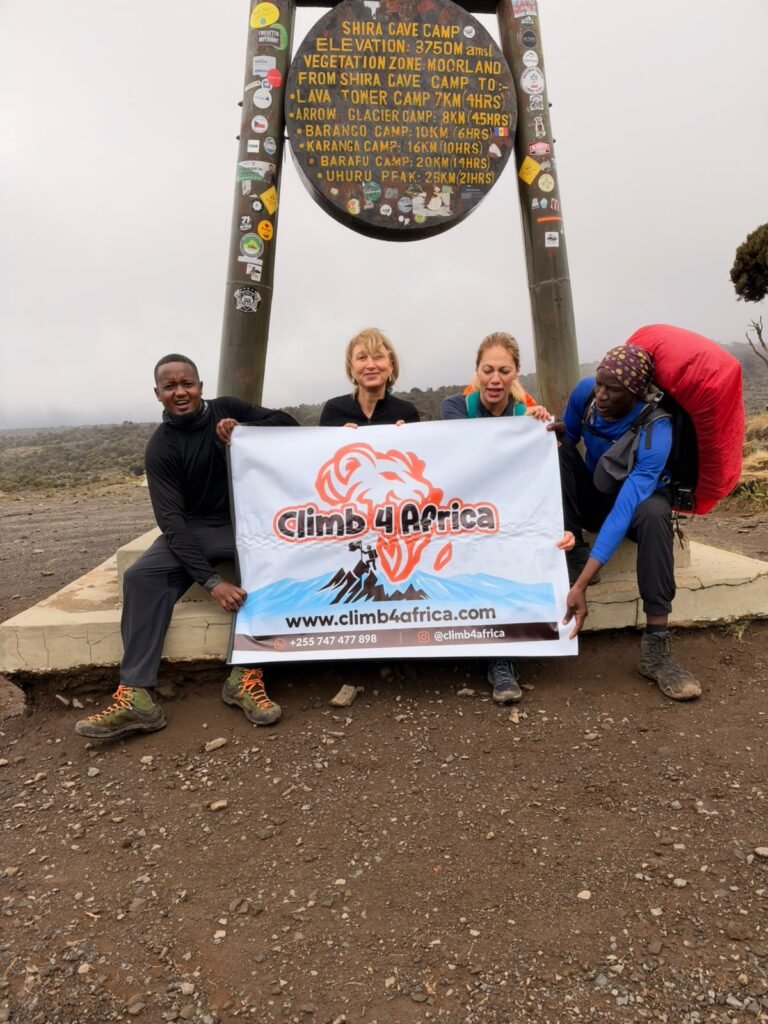
December 4, Mount Kilimanjaro Marangu Day Hike
December 4, 2026 Mount Kilimanjaro Marangu Day Hike.
View package details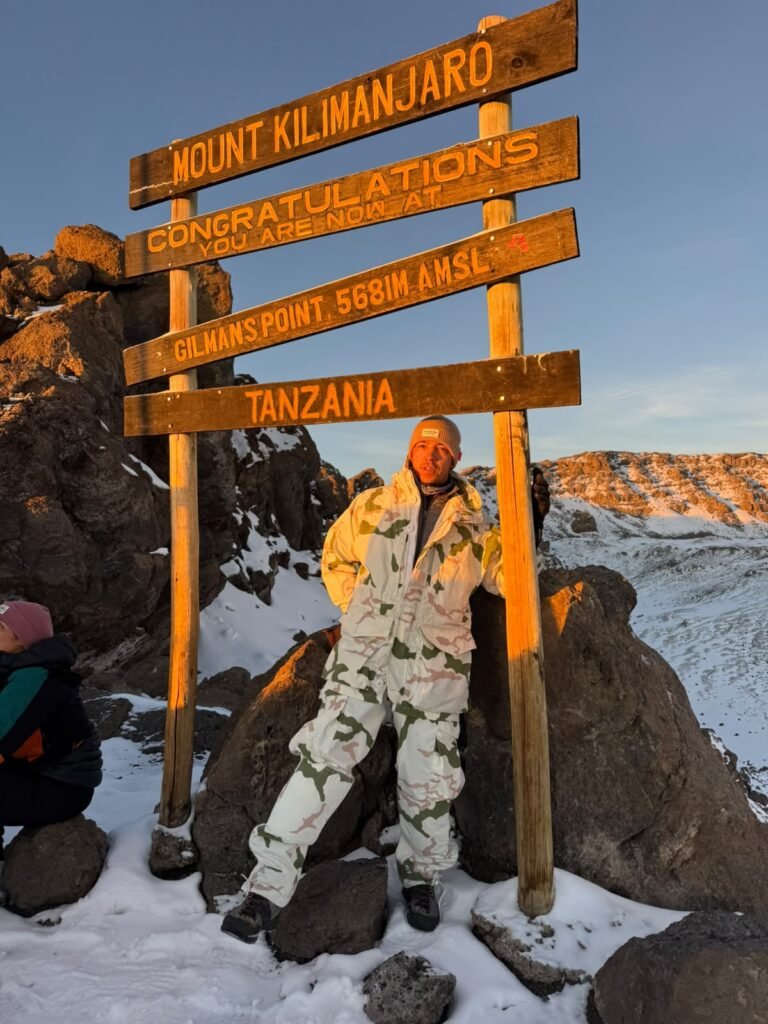
December 4, Kilimanjaro Solo Female Traveler Climbing Tour
December 4, 2026 Kilimanjaro Solo Female Traveler Climbing Tour.
View package detailsDecember 4, Kilimanjaro Weekend Climbing Departures
December 4, 2026 Kilimanjaro Weekend Climbing Departures.
View package details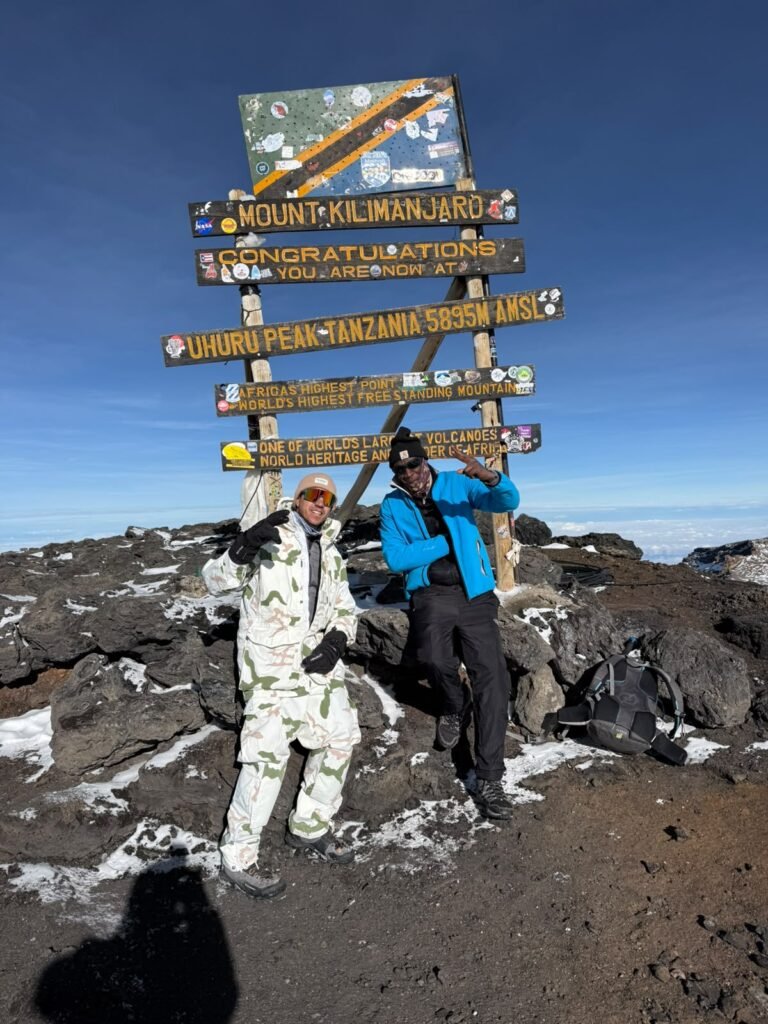
Climbing Kilimanjaro On A Budget In December 2026-2027
climbing kilimanjaro on a budget in December 2026.
View package details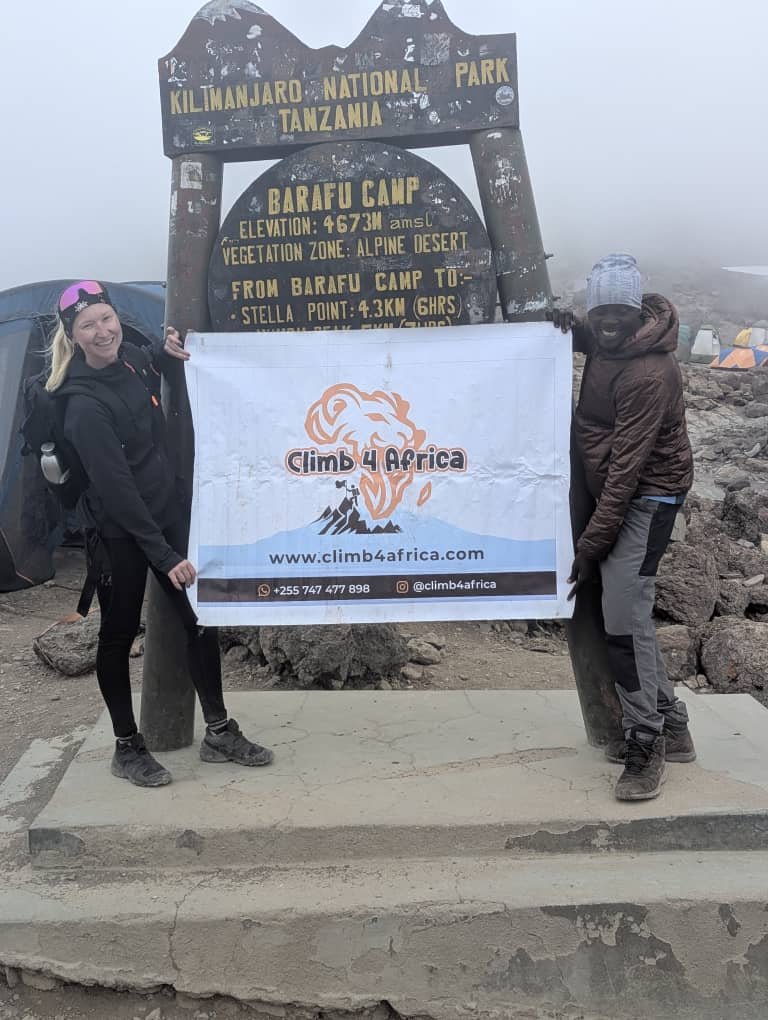
Join Kilimanjaro In 20-December-2026, Climbing From Moshi 2027
Join kilimanjaro in 20-december-2026, ClimBING from Moshi.
View package details
Kilimanjaro New Year Eve Climb – 31 December Summit 2026
Kilimanjaro New Year Eve Climb – 31 December 2026 Summit.
View package detailsKilimanjaro Christmas Holiday Trekking Packages December 2026
Kilimanjaro Christmas Holiday Trekking Packages December 2026.
View package details
10 Days Northern Circuit Kilimanjaro Christmas Holiday Trek – 21–30 December
10 Days Northern Circuit Kilimanjaro Christmas Holiday Trek – 21–30 December 2026.
View package details6 Days Rongai Route Kilimanjaro Hiking – 6–11 December 2026
6 Days Rongai Route Kilimanjaro Hiking – 6–11 December 2026.
View package details6 Days Marangu Route Kilimanjaro Group Departure – 16–21 December 2026
6 Days Marangu Route Kilimanjaro Group Departure – 16–21 December 2026.
View package details5 Days Marangu Kilimanjaro Christmas Trek – 22–26 December 2026
5 Days Marangu Kilimanjaro Christmas Trek – 22–26 December 2026.
View package detailsNo related package matches those filters. Clear one or more filters to see the other topic-matched options.



