
Climb 4 Africa does not publish real-time public seat lists; to confirm December 4, 2026 Kilimanjaro Weekend Climbing Departures you must request a verified departure schedule from the operator. Provide your preferred route (e.g. Marangu, Machame, Lemosho), party size and Moshi or Kilimanjaro Airport arrival dates. The operator will reply with exact departure(s), group-join options, vehicle transfers and availability for that weekend.

The search intent behind “December 4, 2026 Kilimanjaro Weekend Climbing Departures” is clearly to discover whether climbs leave that weekend and how to join. Below I explain how to get a verified departure, what weekend departures typically imply, the trade-offs between routes you might be offered for a short weekend start, and the precise questions to ask Climb 4 Africa when you enquire. This section will help you convert an enquiry into a confirmed booking without surprises.
Why you must request confirmation (and what the operator will verify)
Operators rarely publish fixed public passenger lists for a single date. Instead, Climb 4 Africa will confirm a departure only after checking guide/cporter availability, national park permits and any overlapping bookings. When you contact them about December 4, 2026 Kilimanjaro Weekend Climbing Departures they will check:
- Exact route availability and minimum group size requirements for the weekend start.
- Park permit slots for that calendar date and the chosen route length (some routes require multi-day bookings).
- Guide and cook team capacity, and whether they can run a small-group or private climb.
- Transport timing from Kilimanjaro Airport (JRO) or Moshi to the route trailhead for a weekend departure.
Common weekend-start options and trade-offs
Not every Kilimanjaro route suits a strict weekend timetable. Here are typical options you should discuss for a weekend departure near December 4, 2026:
- Marangu (3–5 days) — the shortest technical route and the only one with dorm-style huts. It can be offered for tighter schedules but gives lower summit success compared with longer routes because of reduced acclimatisation time.
- Machame (6–7 days) — popular and scenic; weekend departures may require arriving early on Friday to start a Sat/Sun timeline, but you should expect 6 nights on the mountain for best altitude strategy.
- Lemosho/Rongai (7–8 days) — these provide better acclimatisation and higher success rates but need a full-week itinerary and are less likely to be condensed into a single weekend start without extending your trip days.
- Special short options — some clients join an existing multi-day group in progress or pick a shorter route; ask whether a “weekend join” is possible and the exact meeting point.
How to assess the right route for a December 4 weekend start
Decide on your priorities: summit odds, scenery, budget and time off work. If your available window is limited to a strict weekend, ask Climb 4 Africa whether they can place you on an existing group departing the closest operative date (possibly the day before). If you value summit chance over convenience, be prepared to extend travel by at least a day to allow a 6–7 day route.
Practical logistics to confirm when enquiring
Use this checklist in your message or phone call so the operator can reply with a single, verifiable plan for December 4, 2026 Kilimanjaro Weekend Climbing Departures:
- Preferred route and minimum/maximum duration you’ll accept (e.g. Machame 6 days, Marangu 5 days).
- Exact arrival date/time into Kilimanjaro Airport (JRO) or Moshi — this determines whether same-day transfer is possible.
- Whether you want private or group-join; if group-join, indicate willingness to share with same-sex or mixed groups if the operator has policies.
- Any required extras: airport transfers, hotel nights before/after climb, sleeping bag hire, or Zanzibar/safari add-ons.
- Medical limitations and fitness level so the operator can assign the right guide and pace.
What Climb 4 Africa should confirm in their reply
When you get a reply about December 4, 2026 Kilimanjaro Weekend Climbing Departures, it must include:
- Exact departure date and trailhead meeting time.
- Route name, daily itinerary summary and the number of nights on the mountain.
- Confirmed price and what’s included/excluded (park fees, guide & porter wages, meals on mountain, VAT, transfers, sleeping bag rental if any).
- Payment schedule, cancellation policy and permit booking timeline.
- Pickup instructions (hotel address in Moshi or JRO arrival gate and meeting staff contact number).
Example enquiry email template to send now
Copy, adapt and send this to Climb 4 Africa to accelerate a clear confirmation:
Subject: Request: December 4, 2026 Kilimanjaro Weekend Climbing Departures

Hello Climb 4 Africa team,

I’m enquiring about joining a Kilimanjaro departure on or around December 4, 2026. My preferred route is [Machame/Lemosho/Marangu/Rongai]; I
If December 4, 2026 departures are not available: practical alternatives and a step-by-step contingency plan
Not every enquiry for December 4, 2026 Kilimanjaro Weekend Climbing Departures will convert into a confirmed place on that exact weekend. When the operator cannot confirm a seat, you still have several practical, verifiable alternatives that preserve safety, summit chance and logistical simplicity. Below is a prioritized set of options and a concise, action-oriented checklist you can use with Climb 4 Africa to turn “no” into a clear next-step plan.
Priority alternatives — ranked and why each can work
- Join the nearest existing departure (±1–2 days) — Best balance of summit odds and logistics. Joining a group that starts the day before or after December 4 keeps you on a properly staffed itinerary and preserves standard acclimatisation profiles.
- Join an ongoing group mid-route (“weekend join-in”) — Useful if you can arrive early on day 2 or 3 of a longer route and the operator allows adding permits mid-route. This requires exact coordination of trailhead pickup times and may reduce summit probability slightly, but it avoids cancelling travel plans.
- Switch to a shorter route that the operator can staff (e.g. Marangu) — Practical if your main priority is to be on the mountain that weekend rather than maximizing summit odds. Confirm hut availability (if Marangu) and whether the operator will run a very small party.
- Book a private climb on a different date — If you need firm dates, request a private departure on the closest feasible weekend; this typically requires higher fees but guarantees staffing and permits.
- Delay and add a hotel night in Moshi/Arusha — If flights are flexible, take a buffer night(s) before the climb so the operator can place you on the ideal route when a spot opens.
Concrete questions to ask Climb 4 Africa right after a “not available” reply
- “Can you list the nearest confirmed departures (dates and routes) within 7 days of December 4, 2026 that I could join?”
- “Is a mid-route join possible on the preferred route, and if so which day(s) are acceptable and what are the exact trailhead meeting points and times?”
- “Do you have a short-route alternative you can staff for Dec 4 weekend, and what is the earliest trailhead pickup time?”
- “What are the operator’s fees and permit adjustments for changing route or moving to a private departure?”
- “If I wait on a cancellation list for Dec 4, what is your timeframe for confirming a permit and guide allocation?”
Step-by-step contingency checklist you can paste into an enquiry
- State willingness: clearly indicate which alternatives you accept (e.g., “I can join ±2 days, will accept mid-route join on day 2 or 3, and can do Marangu 5 days”).
- Request specific confirmations: ask for the nearest confirmed departures, any available mid-route join days, and whether Marangu huts are available for Dec 4 weekend.
- Ask for logistics: request vehicle pickup times, exact meeting points (hotel address or JRO gate), and whether an extra hotel night is required.
- Confirm impact on permits and price: request a written amendment that shows new permit names/dates, any price changes and cancellation terms if the chosen alternative is later reversed.
- Agree on a hold period: ask the operator to hold a space or keep you on a cancellation list for a specified number of hours/days while you change flights or hotels, and ask how long they typically keep a provisional hold before releasing it.
How to decide among alternatives
Choose the option that matches your priorities: if summit probability is most important, accept a ±1–2 day shift to a 6–7 day route. If minimising time off work is crucial, accept a shorter route or a mid-route join even if it slightly lowers summit chances. If certainty is the priority, request a private departure and get a written confirmation of permits, price and staff allocation.
Use the checklist above to keep the conversation factual and provable: ask Climb 4 Africa to reply with explicit dates, trailhead times and a revised price breakdown for whichever alternative they propose. That reply becomes your booking record and should be retained with your travel documents in case further adjustments are needed before December 4, 2026 Kilimanjaro Weekend Climbing Departures.
Negotiating provisional holds, cancellation-list timing and deposits for a December 4, 2026 weekend
A frequent but under-covered question from readers asking about December 4, 2026 Kilimanjaro Weekend Climbing Departures is: how do I secure a realistic provisional hold or a place on a cancellation list without committing immediately to flights or nonrefundable hotel nights? The operator must check permits and staff before confirming a departure; you can still use clear, professional negotiation steps to create breathing room while they finalise paperwork. Below are practical, operator-neutral tactics and exact phrases to use so that both parties have a clear, provable expectation.
What to request and why it matters
Ask the operator for three separate, explicit items in the same message: 1) a provisional hold (time-limited reservation) on a permit and staffing allocation for December 4 ± your accepted flexibility; 2) placement on the cancellation/waiting list if the date is not currently confirmable; and 3) the exact conditions under which the operator will convert a provisional hold or list position into a confirmed booking. Requiring these written items avoids verbal ambiguity and gives you documentation you can reference when booking flights or changing plans.
Reasonable hold durations and deposit expectations
- Recommended hold length: request a 24–72 hour provisional hold for immediate flight changes, or up to 7 days if you need to rearrange international travel—state the specific number you need and why. Operators vary; ask them to confirm whether the requested hold is possible.
- Deposit options to secure confirmation: offer a refundable deposit as an alternative to an unconditional hold. A suggested refundable hold deposit is commonly a small percentage (e.g., a modest flat fee or percentage) but do not invent operator policy—ask Climb 4 Africa what they accept. State you will pay a deposit to move from provisional to confirmed within an agreed timeframe.
- Clarify refund terms: if you offer a deposit, insist on written terms for refundability if the operator cannot confirm the December 4 departure within the agreed hold window.
Exact language to use in your message
Use concise, factual phrases that set expectations. Examples you can paste or adapt into a follow-up enquiry:
- “Please place a provisional hold for one participant on any confirmed or soon-to-be-confirmable December 4, 2026 departure on [preferred route], with a hold expiry of [X hours/days]. Please confirm in writing whether this hold is acceptable and what, if any, deposit you require to extend it.”
- “If a December 4 departure is not currently confirmable, please add me to the cancellation/waiting list and email me immediately if a slot becomes available. Please state my current position on the list and the average notification window you use when a cancellation occurs.”
- “If I pay a provisional deposit of [amount or ‘your stated amount’], please confirm in writing the refund conditions should you be unable to confirm the Dec 4 departure within the hold period.”
What you should expect from the operator in reply
A useful reply from Climb 4 Africa will: repeat the exact dates/routes they can hold, state the hold expiry time in hours/days, detail any deposit amount and whether it is refundable if the operator cannot confirm, describe how they manage the cancellation list (notification order and typical notification lead time), and confirm the next steps to convert a hold into a confirmed booking. If any of these points are missing, ask for them explicitly—do not assume verbal clarifications.
How to manage your side of the hold
- Keep a short, documented timeline: after receiving an affirmative hold, book flexible/cancellable flights or reserve refundable hotel nights only until the hold expiry; avoid nonrefundable purchases until the operator confirms in writing.
- If you pay a deposit, use a payment method that provides a clear paper trail (card, bank transfer with receipt) and keep the operator’s written refund policy with that receipt.
- Set your own internal deadline for finalising travel plans—if the operator cannot confirm by then, cancel the deposit request (if refundable) and re-evaluate alternatives you accepted in your contingency list.
These negotiation steps convert an uncertain December 4, 2026 Kilimanjaro Weekend Climbing Departures enquiry into a clear, time-bound process. They also reduce the risk of last-minute surprises and preserve a fair balance between your need for certainty and the operator’s need to manage permits and staff.
Coordinating flights, arrival timing and transfers for a December 4, 2026 weekend start
One of the most common unanswered practical questions when arranging December 4, 2026 Kilimanjaro Weekend Climbing Departures is: exactly when should I arrive, and how do I line up transfers so you won’t miss the trailhead meeting? This passage gives specific, conservative timing guidance you can use in your enquiry to Climb 4 Africa and in your own planning—plus the precise flight and transfer details to include in any provisional-hold message.
Target arrival day and time windows
For a weekend departure that lists a morning trailhead meet on December 4 (typical), aim to arrive into Kilimanjaro Airport (JRO) or Moshi no later than the day before—December 3—unless the operator explicitly confirms an evening or very early-morning pickup on the 4th. Arriving the same calendar day as a morning trailhead meeting increases risk of missed connections, delayed luggage, or international flight delays that make a punctual pickup impossible.
Practical arrival windows to state in your enquiry: arrive into JRO or Kilimanjaro region between midday and late evening on December 3 (local time). If you must arrive on December 4 itself, request a written guarantee of a same-day private transfer with an explicit latest acceptable flight arrival time (for example: flights that land no later than 06:30 local time). Never assume shared shuttle schedules will accommodate very early or late international arrivals without prior confirmation.
Transfer durations and buffer planning
- Ask the operator to confirm estimated transfer time from your airport of arrival (JRO) or from Moshi town to the specific trailhead for the chosen route; include a buffer of at least 2–3 hours beyond the operator’s stated travel time when scheduling flights. This buffer covers immigration, baggage collection, and common road delays.
- If you are joining a Marangu or Machame early-morning meet, request an evening-before hotel in Moshi arranged by the operator and a confirmed morning pickup time. If the operator does not offer a hotel, request transfer contact details and a recommended hotel close to the meeting point.
- For mid-route joins (if accepted), provide your flight arrival time and request the operator’s written confirmation of whether a driver will meet you at an intermediate roadhead or arrange an earlier pickup from Moshi—do not assume walk-on joining is feasible without transport details.
What to include in your enquiry about transfers
When you contact Climb 4 Africa, include the following fields so they can answer in one consolidated reply and issue any provisional hold quickly:
- Arrival airport (JRO or Kilimanjaro region) and preferred arrival date/time range (e.g., “arriving JRO between 14:00–22:00 on Dec 3, 2026” or “arriving JRO at 07:15 on Dec 4, 2026”).
- Willingness to arrive the night before (yes/no) and whether you need the operator to book a pre-climb hotel or transfer.
- Whether you require a private transfer or will accept a shared shuttle; if private, request the vehicle type and pick-up flexibility in writing.
- If you’re joining mid-route, the exact day you plan to join and the earliest/latest acceptable connection times for flights; ask the operator to confirm the roadhead and the ground contact person for that day.
- Nationalities and passport names for permit paperwork (if you want a hold on permits immediately) and any luggage or equipment that needs special transport (e.g., duffel for porters vs personal daypack).
Suggested transfer-related clauses to paste into your hold request
Paste one of these succinct lines into your provisional-hold or follow-up message so there’s no ambiguity:
- “Please confirm whether you can meet flights arriving JRO any time between 14:00–22:00 on Dec 3, 2026 and provide an evening pickup from JRO to a Moshi hotel included in the price.”
- “If I arrive JRO on Dec 4 at 07:15, please confirm in writing whether a same-day private transfer to the Dec 4 trailhead is guaranteed, and state the latest acceptable flight arrival time for a reliable morning meet.”
- “For a planned mid-route join on Day 2, confirm the exact roadhead location and whether your driver will meet me at [town/road junction]—and the required arrival time window for that meeting.”
Final operational tips
Always ask for the driver’s name and mobile number in writing after the hold is confirmed, and request a secondary contact at the operator (dispatcher or office) for last-minute flight delays. If flights are nonrefundable or tight, consider booking a refundable hotel night in Moshi for Dec 3 and only confirming the nonrefundable elements after the operator gives a written transfer guarantee.
These transfer-focused clarifications close a frequent logistical gap that otherwise causes last-minute scrambling. Use the exact timing windows and sample clauses above in your inquiry to secure a clean, single-answer reply from Climb 4 Africa and to protect your travel plans for December 4, 2026 Kilimanjaro Weekend Climbing Departures.
Mid-route joins: precise logistics, paperwork and realistic expectations for a December 4, 2026 weekend start
One highly practical but under-explained option when a confirmed December 4, 2026 Kilimanjaro Weekend Climbing Departure is unavailable is to join a climb mid-route. This is commonly offered by operators for climbers arriving late or constrained to a strict weekend; however, mid-route joins require tightly coordinated logistics, specific permit handling and realistic expectations about acclimatisation and summit probability. Use the checklist and timeline below to ask Climb 4 Africa the exact questions that produce a single, verifiable plan you can act on immediately.
When a mid-route join is feasible (and when it usually isn’t)
- Feasible: when the route and group schedule allow a safe, staffed roadhead pick-up on an established day (for example, joining on Day 2 or Day 3 of a 6–7 day itinerary). Operators typically accept mid-route joins where the group size and porter allocation already match park regulations.
- Rare or impractical: when the intended join day is the summit day or within 24 hours of summit attempts (safety and permit restrictions normally prevent this), or when the route design requires unique staffing (certain small-group technical variations).
Exact confirmations to request from Climb 4 Africa before committing
Ask for these confirmations in one message so the operator can provide a single, actionable reply:
- Permits and paperwork: confirm whether the operator will add your name to the existing group permit for the precise join day (and confirm the permit file number and the lead guide responsible for the permit).
- Roadhead name and coordinates: request the exact roadhead, junction or village name where you will be met, plus GPS coordinates or a Google Maps link and the driver’s mobile number for that day.
- Acceptable arrival window: demand the earliest and latest time you may arrive at the meeting point and whether the driver will wait beyond the latest time (and any extra charge for waiting after the specified window).
- Equipment and baggage handling: confirm what you must carry (daypack contents) versus what porters will handle, where to leave a duffel if you are staying in Moshi, and whether a separate vehicle will transport your main luggage to rejoin points or to the mountain finish.
- Medical and fitness screening: check whether the operator requires a pre-join fitness or medical check with the lead guide, or any specific acclimatisation condition (e.g., minimum prior nights at altitude) before permitting the join.
- Price and inclusions: request the exact cost adjustment for joining mid-route, what that price includes/excludes (permit add-on fee, driver or porter top-ups), and whether a deposit is required to secure the mid-route join.
- Cancellation and contingency rules: confirm how cancellations are handled if the main group changes schedule, and whether you will be moved to the next available departure automatically or given a refund if the join becomes impossible.
Step-by-step timeline you can rely on (template you can paste into an enquiry)
- 72+ hours before arrival: request written confirmation of the permit addition and the lead guide’s name; ask for the driver’s mobile number and the exact pickup point coordinates.
- 48 hours before arrival: reconfirm pickup logistics and the acceptable time window for the roadhead; verify whether you must present any ID or printed ticket to the driver/guide at the meeting point.
- 24 hours before arrival: confirm any last-minute vehicle or schedule changes and request an SMS or WhatsApp check-in time; if you need local accommodation, ask whether the operator can recommend and hold a room near the pickup point.
- Arrival day: contact the driver 90–120 minutes before the agreed meeting window and confirm your real-time ETA; keep your phone powered and have local currency for any incidental payments the driver may request on arrival.
Operational realities and realistic expectations
Be prepared that a mid-route join often offers lower summit odds than a full-route booking because you miss part of the group’s acclimatisation profile. Climb 4 Africa must balance safety and park rules; they may refuse a join if your arrival time risks disrupting the group schedule or if permits cannot be legally amended. Expect to accept small additional fees for permit changes, porter reallocation, or last-minute private transport for the rejoin.
Finally, treat any mid-route join as a coordinated transaction: do not book nonrefundable international flights until you have a written confirmation that lists the join day, permit file number, driver contact and the precise meeting coordinates.
Packing and summit‑night expectations for a December 4, 2026 weekend start
One practical gap readers often encounter when organising a tight weekend climb is: what exactly should I pack for a very compressed schedule, and what should I realistically expect on summit night if you start over a weekend? This section gives precise, operator‑neutral guidance you can paste into an enquiry and use to prepare without relying on assumed itinerary details.
Key packing principles for a short weekend departure
- Prioritise lightweight, high‑performance layers over heavy single items. Weekend climbs compress movement and transit, so every extra kilogram increases porters’ load and your transfer hassles.
- Divvy items into two bags: a small daypack (for what you carry on the trail) and a Duffel/safari bag that porters carry to camp. Confirm with Climb 4 Africa the porter luggage limit (typically 12–15 kg for many operators) before final packing.
- Keep a small “overlap” kit in your flight carry‑on: headlamp and spare batteries, essential medication, a lightweight down jacket, base layers and a copy of your travel documents. If your checked duffel is delayed, this kit ensures you can still join a December 4 trailhead meeting.
Summit‑night (final push) expectations
Summit night is the most demanding 8–12 hours of a Kilimanjaro climb. For a weekend departure, the operator will still follow a normal summit profile (a very early start, slow paced ascent, and a descent that day or the following day), but timetables and support details can vary—ask Climb 4 Africa to confirm exact wake time and estimated summit window for the December 4 start.
- Wake and start times: expect a wake in the 23:00–01:00 range and trail departure within 30–90 minutes after wake. Request the operator’s planned wake time in writing for Dec 4 departures and whether they enforce any mandatory pre‑summit group checks (oxygen, pulse, basic screening).
- Pacing and breaks: climbs use a steady, slow rhythm—20–40 minutes of walking followed by short rests. Tell the operator if you have a preferred pacing strategy (e.g., many small stops versus fewer longer breaks) so the guide can brief the porter and assistant guide on your needs.
- Electronics and power: cold on summit night rapidly drains batteries. Bring camera and phone batteries in an inner jacket pocket; carry a small insulated battery pouch if you have one. Confirm whether the operator provides any power at huts or camps; many do not provide summit‑night charging.
Exact items to include (concise checklist to paste into your enquiry)
- Base layers (thermal top and bottom) and spare set — day and night changes.
- Insulated mid layer (fleece) and a packable down jacket (performs best at summit night altitude).
- Waterproof shell jacket and overtrousers (lightweight Gore‑Tex or equivalent).
- Warm hat, balaclava/neck gaiter, thin liner gloves and thick insulated gloves (for summit).
- High‑quality headlamp with spare batteries (bring both alkaline and rechargeable spares if possible).
- Hiking boots (broken in) and light camp shoes/sandals for evenings; spare socks — wool or synthetic only.
- Personal medication, Diamox (acetazolamide) if prescribed, basic first aid kit, blister care, electrolytes and rapid‑energy snacks (gels, bars). Ask Climb 4 Africa whether guides carry Diamox and oxygen and whether you should bring your own prescription.)
- Hydration system (1–2 litre bladder) plus an insulated outer sleeve or bottle cosy for summit night water that won’t freeze.
- Copy of passport, travel insurance details, any medical documents (as PDF/photo stored in two places and a printed copy in your daypack).
Logistics and communications to confirm with Climb 4 Africa before packing
- Porter luggage limit and whether they supply duffel bags; if limits are strict, ask for a packing priority list so you can shift non‑essentials into your carry‑on.
- Summit‑night start window, expected summit time, and whether the guide uses oxygen or other contingency measures—and whether those are included in the climb price or charged separately.
- Power availability in each hut/camp and whether the operator offers paid charging; if no power is available on summit night, plan to conserve batteries or bring a charged portable battery rated for cold weather.
- Weather‑related clothing advice specific to early December; while not inventing weather claims, ask the guide what microclimate conditions they have recently observed on the chosen route around early December so you can calibrate layer choices.
Paste this short packing clause into your hold/enquiry message: “Please confirm porter luggage limit (kg), whether duffels are provided, summit‑night wake/start time (local), and availability of guide‑carried oxygen and camp charging for the December 4, 2026 departure.” That single sentence will prompt the exact, operational replies you need to finalise packing and avoid last‑minute kit problems.
Interpreting Climb 4 Africa’s reply: what to read between the lines and red flags to watch for
After you send the concise, well‑structured enquiry you’ve drafted from earlier templates, the next practical skill is interpreting the operator’s reply so you can act confidently. Operators will vary in wording, format and speed; a careful read will reveal whether the reply genuinely secures you options for December 4, 2026 or simply gives generic sales language. Use the checklist below to extract concrete commitments, recognise acceptable provisos and spot red flags that merit immediate follow‑up or a different supplier.
Key affirmative items you must see, verbatim if possible
- Exact date and route statement: the message should state a specific departure date (e.g., “December 4, 2026 – Machame 6-day”) and not only a range of possible weekends.
- Permit or slot status: look for phrasing that confirms a permit allocation, such as “permit purchased,” “permit held,” or “permit pending payment” plus a clear next step.
- Hold expiry in hours/days: an explicit expiry for a provisional hold (for example, “24 hours from this email” or “hold until 17:00 EAT on Nov 28”) is essential—vague language like “short hold” is insufficient.
- Deposit amount and conditions: the exact deposit sum or percentage, accepted payment methods, and refund policy if the operator later cancels must be present.
- Staffing confirmation: the reply should reference guide/porter allocation or at least state whether the climb will run as a private or small‑group departure.
Practical caveats that are acceptable—how to recognise them
- “Permit pending payment” is acceptable only if the operator provides a short, concrete payment window and the next action (what you must pay, how, and when you’ll receive proof of permit).
- “Subject to minimum group size” is reasonable if the operator commits to notify you and either 1) offer a hold until the minimum is met, or 2) provide alternatives (e.g., merge with another departure) and a timeline for that decision.
- Weather or park closures noted as contingencies are standard; the operator should explain the cancellation/refund/transfer process in these circumstances.
Red flags that require immediate follow‑up or that should prompt you to pause
- Vague dates: replies that say “available in early December” without naming December 4, 2026 are not confirmations—ask for the exact date and a permit code or booking reference.
- No hold expiry or unclear deposit terms: if they request payment but do not give a written permit number, a receipt pathway, or refund conditions, do not transfer nonrefundable funds until clarified in writing.
- Ambiguous staffing language: phrases like “we will try to arrange guides” or “guides usually available” should be chased up—ensure named or quantified staffing is allocated for the climb.
- Unexpected add‑ons not previously disclosed: if the reply adds fees (transport surcharge, park fee increases, oxygen charges) without explanation, request a single consolidated price breakdown including what is and isn’t included.
- Unwillingness to provide a contact point: if the operator refuses to share a guide’s name, driver contact or office phone for the departure, ask why. Reliable operators offer these details once a hold or deposit is accepted.
How to request clarifications quickly and professionally
If any of the red flags above appear, reply with three focused bullets so the operator can respond with minimal back‑and‑forth:
- “Please confirm in writing: 1) the exact December 4, 2026 departure and route; 2) hold expiry (date/time); 3) deposit amount and refund terms if you later cancel.”
- “If the permit is pending payment, please supply the permit number or booking reference and the deadline for payment.”
- “Please provide the lead guide’s name and a mobile contact for the pickup/transfer once the hold is confirmed.”
Polite persistence at this stage protects you from last‑minute surprises and gives Climb 4 Africa an opportunity to provide the operational detail you need to finalise flights and accommodation for a December 4, 2026 weekend start.
When you receive a fully specific reply with the affirmative items above and no persistent red flags, you can proceed with flight bookings and a reasonable deposit. If not, treat the reply as a provisional or partial answer and continue the contingency steps described earlier in the article.
Related Guides and Packages
Check Availability for December 4, Kilimanjaro Weekend Climbing Departures
Ready to compare dates, prices, and the best option for your group? Send the package name and travel month so the team can reply with a clear quote, availability, and what is included.

5 Days Marangu Kilimanjaro Climbing Package – 12–16 December 2026
5 Days Marangu Kilimanjaro Climbing Package – 12–16 December 2026.
View package details
December 4, Kilimanjaro Solo Female Traveler Climbing Tour
December 4, 2026 Kilimanjaro Solo Female Traveler Climbing Tour.
View package details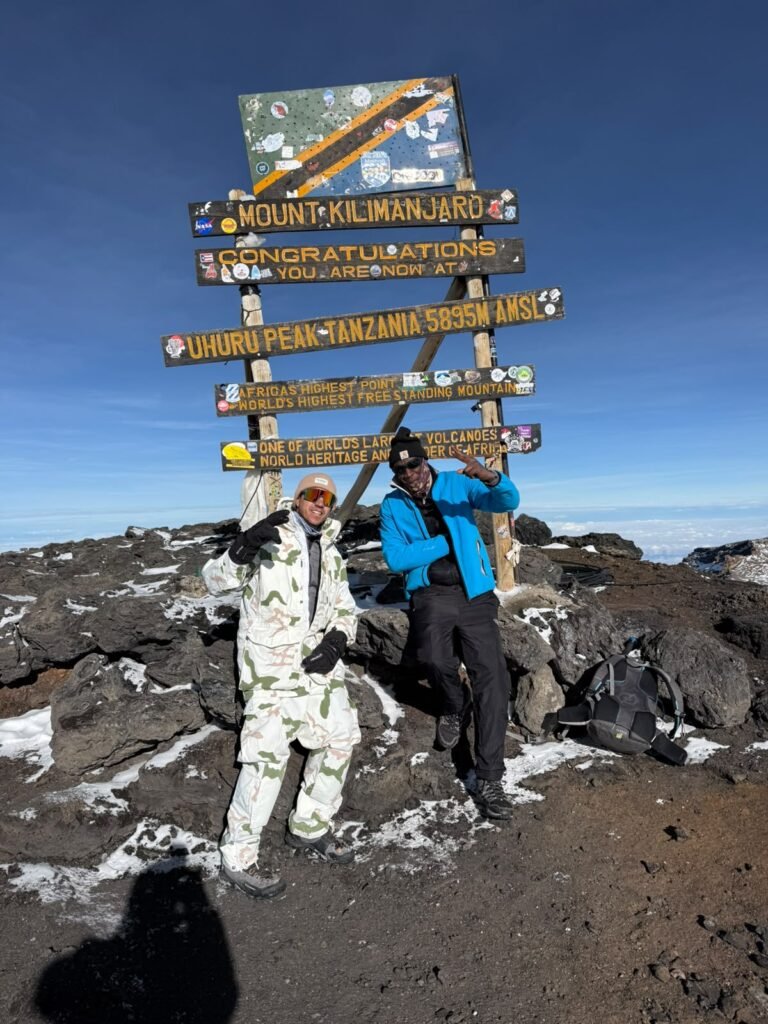
Climbing Kilimanjaro On A Budget In December 2026-2027
climbing kilimanjaro on a budget in December 2026.
View package details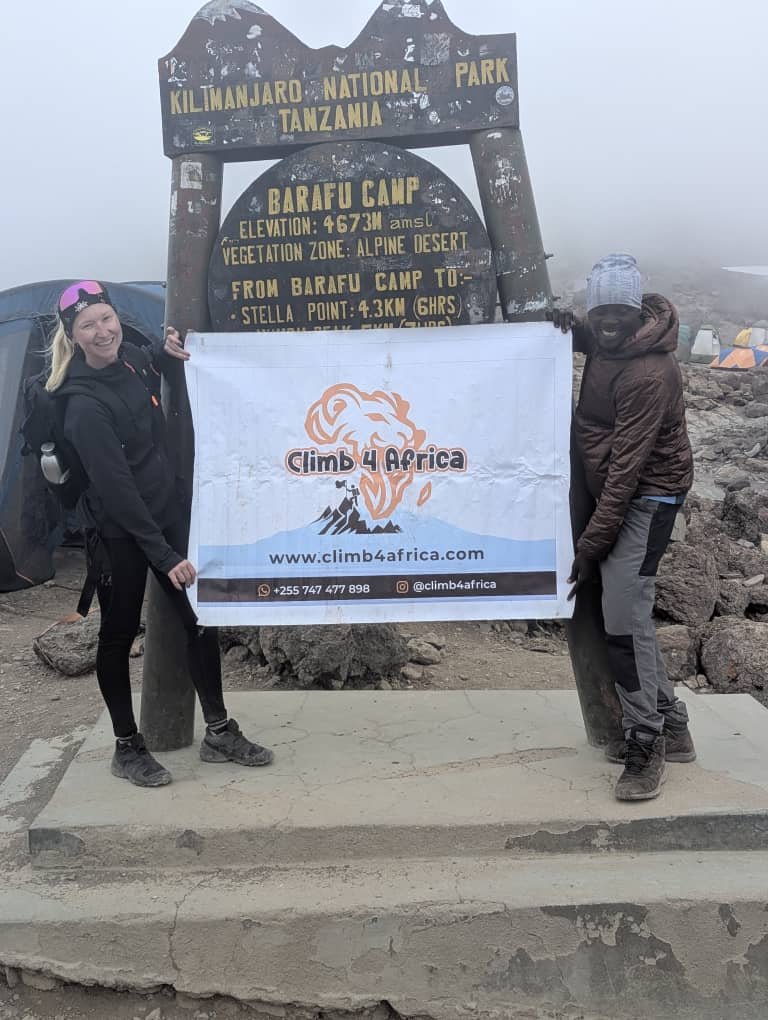
Join Kilimanjaro In 20-December-2026, Climbing From Moshi 2027
Join kilimanjaro in 20-december-2026, ClimBING from Moshi.
View package details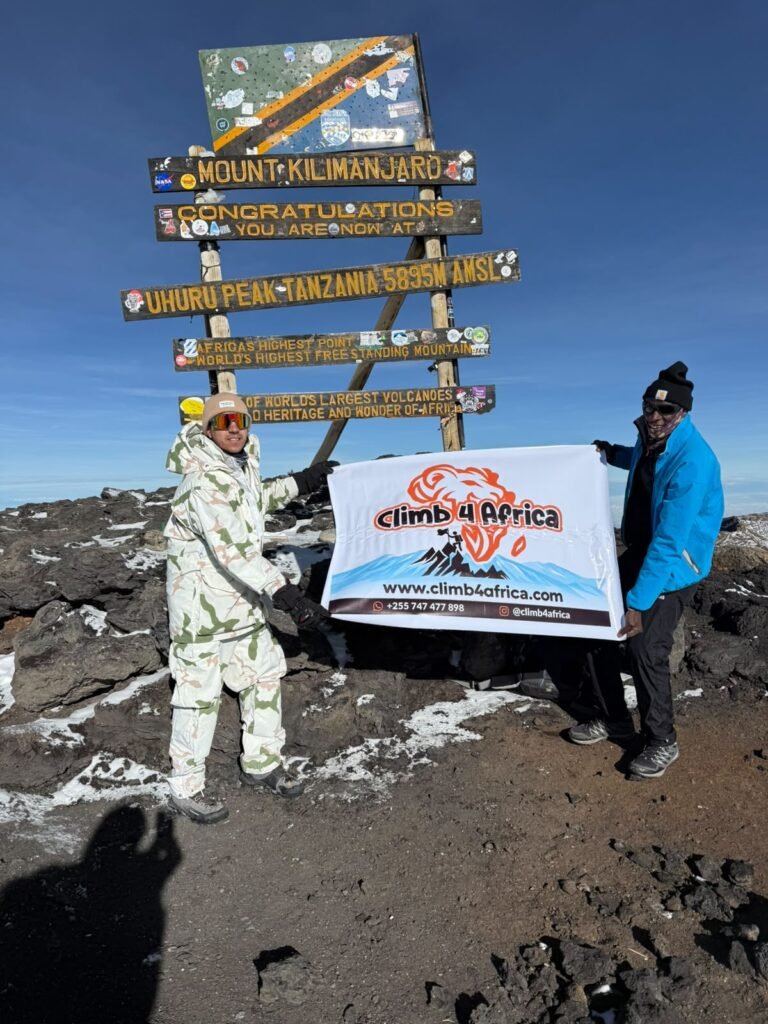
Join Kilimanjaro Group In 4-December-2026, Small Departures 2027
Join kilimanjaro Group in 4-december-2026, Small Departures.
View package details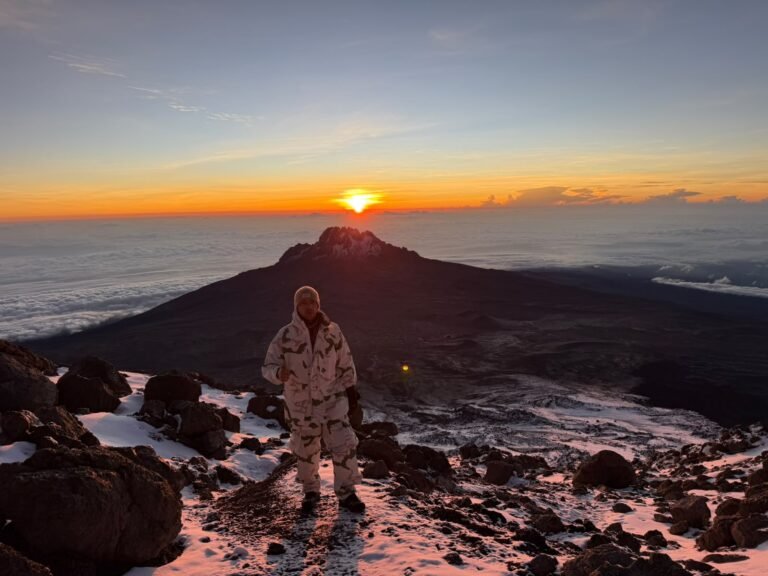
10 Days Northern Circuit Kilimanjaro Christmas Holiday Trek – 21–30 December
10 Days Northern Circuit Kilimanjaro Christmas Holiday Trek – 21–30 December 2026.
View package details
6 Days Rongai Route Kilimanjaro Hiking – 6–11 December 2026
6 Days Rongai Route Kilimanjaro Hiking – 6–11 December 2026.
View package details6 Days Marangu Route Kilimanjaro Group Departure – 16–21 December 2026
6 Days Marangu Route Kilimanjaro Group Departure – 16–21 December 2026.
View package details5 Days Marangu Kilimanjaro Christmas Trek – 22–26 December 2026
5 Days Marangu Kilimanjaro Christmas Trek – 22–26 December 2026.
View package details6 Days Marangu Route Kilimanjaro Group Joining – 1–6 December 2026
6 Days Marangu Route Kilimanjaro Group Joining – 1–6 December 2026.
View package details5 Days Marangu Kilimanjaro New Year Trek – 29 December – 2 January 2026
5 Days Marangu Kilimanjaro New Year Trek – 29 December 2026 – 2 January 2027.
View package details6 Days Marangu Kilimanjaro New Year Climb – 28 December – 2 January 2026
6 Days Marangu Kilimanjaro New Year Climb – 28 December 2026 – 2 January 2027.
View package detailsNo related package matches those filters. Clear one or more filters to see the other topic-matched options.



