
The 6 Days Marangu Route December 2026 hut climbing packages are six-night itineraries that use Marangu’s established trail and mountain huts (not tents); Climb 4 Africa is listing group departures in early and mid-December 2026 (1–6 Dec and 16–21 Dec). Exact inclusions, group spaces and final availability must be confirmed with the operator before booking.
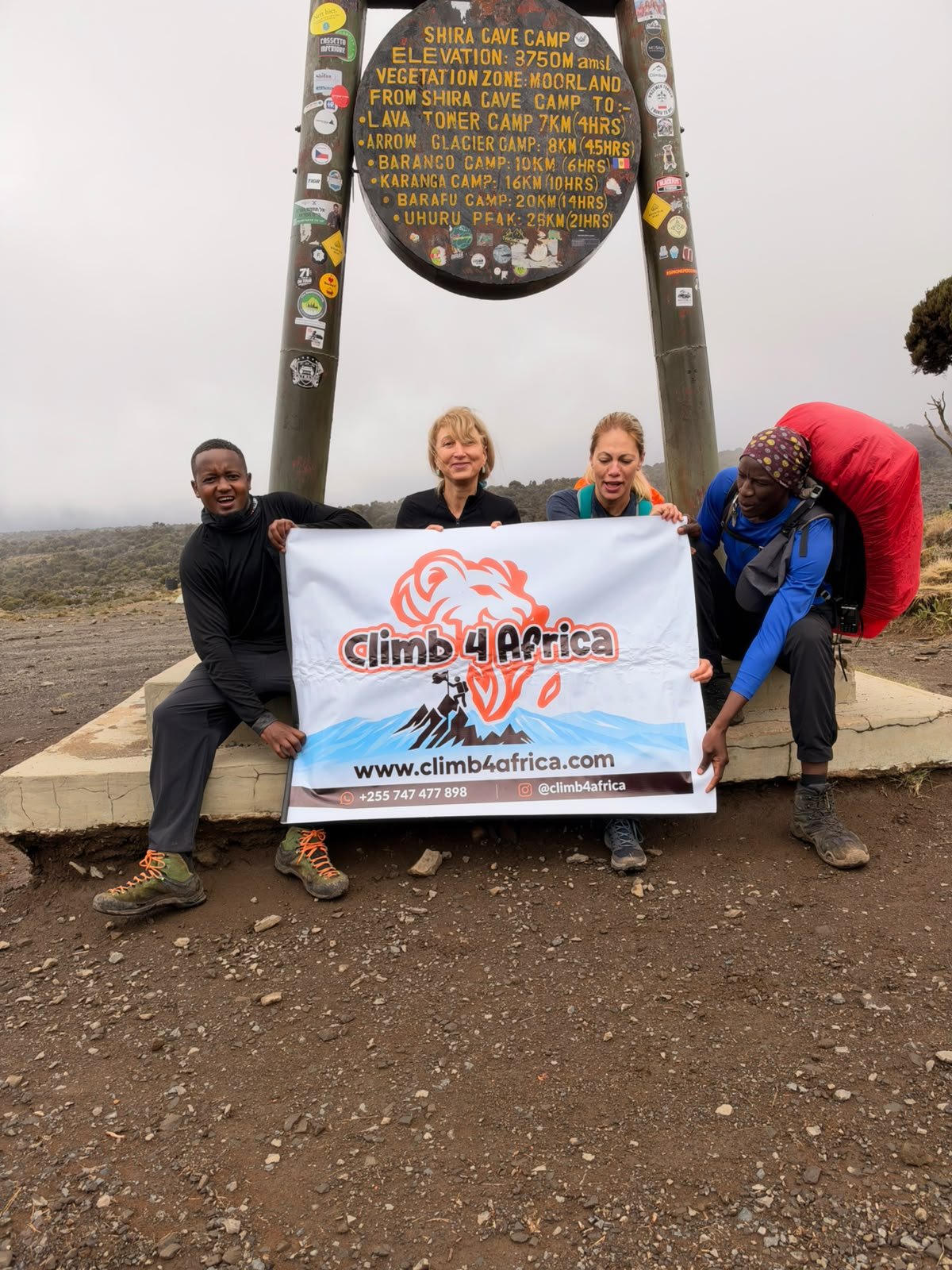
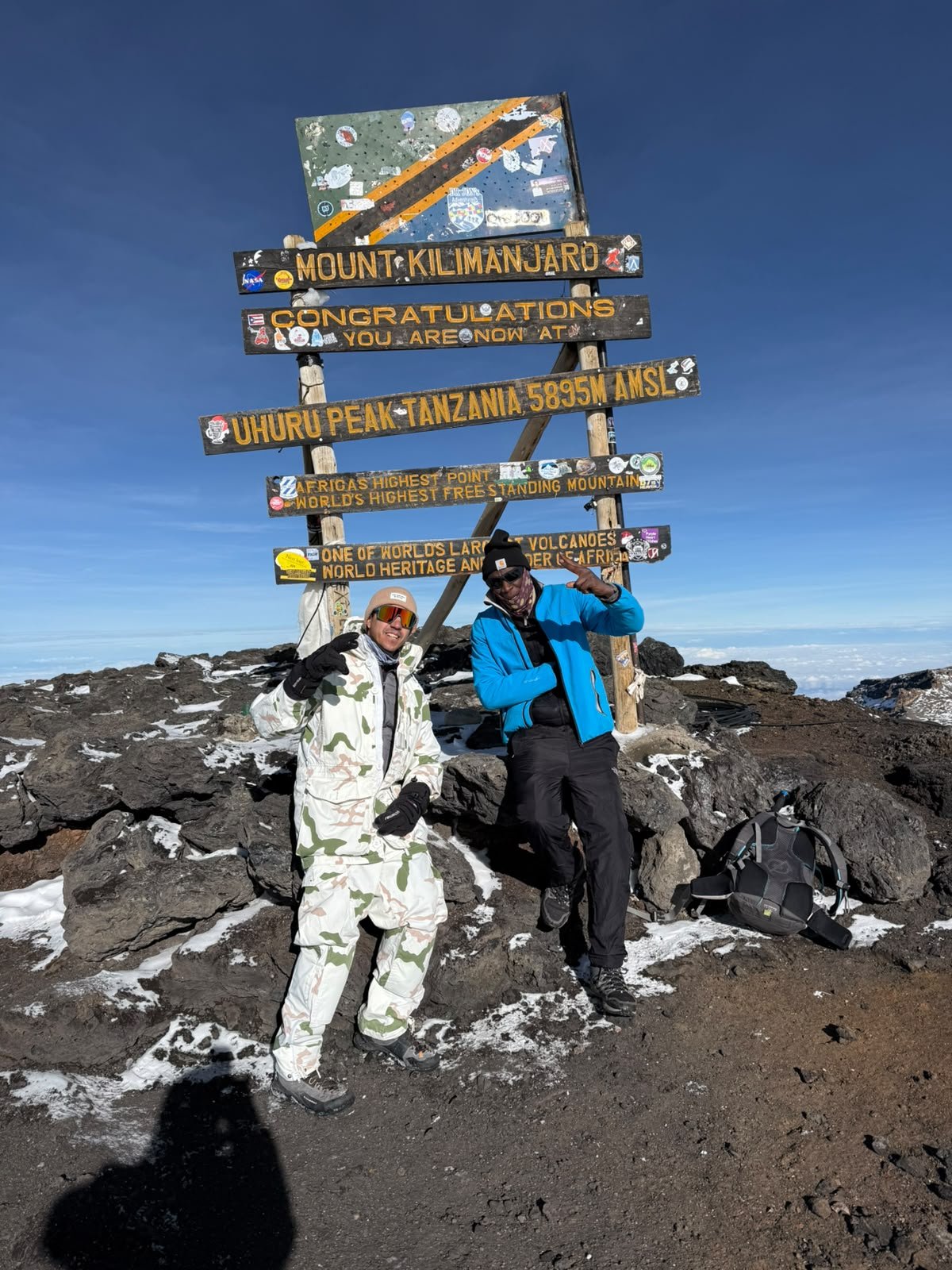
This first installment explains how a 6 Days Marangu Route December 2026 hut climbing package actually unfolds and what practical choices matter to you now: the day-by-day plan, how the Marangu hut system shapes acclimatisation and pace, what to expect from hut accommodation, and which booking details you must verify with Climb 4 Africa. Later installments will expand on gear, fitness programmes, transport into Tanzania, and packing lists tied to hut life.
Why the Marangu Route as a six-day hut package?
Marangu is the classic “hut route” on Kilimanjaro: routeside huts replace camping and simplify baggage management and sleeping arrangements. A 6-day Marangu Route December 2026 hut climbing package balances a relatively compact schedule with an extra acclimatisation night compared with the minimum Marangu permutations. That extra day is the critical operational difference between a marginal-success climb and a well-managed summit attempt; it reduces the pressure of ascent rate by breaking the long vertical gain into more manageable stages while still using the same trail and same huts.
How this article treats the itinerary
Because the keyword promises six days, the central substance here is the sample day-by-day route flow. Each H3 below is devoted to a single numbered day in a 6 Days Marangu Route December 2026 hut climbing package. These are operational descriptions — where you start, the trail sections you cover, lodge/hut expectations and the acclimatisation logic for that day. Treat the listed huts and sequence as the standard Marangu progression; for confirmed hut names, precise transfer schedules and current group spaces, check the operator’s December 2026 departure pages linked in context.
Day 1 — Arrival in Moshi or Arusha; transfer and briefing
Most operators schedule your arrival day in Moshi or Arusha depending on international flight timing. For a 6 Days Marangu Route December 2026 hut climbing package the first day is typically reserved for arrival, final kit checks and a pre-departure briefing. You will meet guides and porters, verify the hut allocations and sign any required permits or forms. Expect to confirm the transfer time to Marangu Gate for the following morning, and to receive guidance on what to carry on the trail versus what porters will transport.
Operational note: Climb 4 Africa runs group departures in December 2026 that use this arrival pattern — see the operator’s December updates for exact join/meet instructions and the advertised 1–6 and 16–21 December departures.
Day 2 — Marangu Gate to lower hut
Day 2 is the formal start of the hike: a drive to Marangu Gate followed by the first trail section into the forest zone. The Marangu trail quickly leaves the gate and descends or zigs through montane forest, with a gradual climb toward the lower huts. On a hut itinerary you’ll reach the first hut camp in the afternoon and use the evening for packing checks, a short orientation walk, and initial rest. This day is intentionally moderate to allow everyone to settle in and adapt to trail routines.
Day 3 — Lower hut to mid-elevation hut
The second trekking day continues up through heath and moorland toward higher hut villages. Expect more open scenery and cooler temperatures at night. The day’s pace is judged to keep your heart rate steady — the Marangu route tends to present steady but continuous uphill walking rather than technical scrambling. Staying in huts means you’ll share dormitory-style sleeping spaces and communal dining; this day’s purpose is acclimatisation through gradual elevation gain and consistent hydration.
Day 4 — Mid-elevation hut to high hut; acclimatisation emphasis
On Day 4 the party moves into the high-hut zone. This evening’s hut is closer to the alpine desert foothills and is a staging point for the summit attempt. The itinerary intentionally limits distance on this day so that climbers have a shorter, steadier ascent to rest before the crucial summit push. Guides will typically review the summit schedule, check everyone’s sleeping arrangements, and adjust summit timings to individual condition. In a hut package you will be sleeping in bunks and using communal facilities rather than personal tents.
Day 5 — Pre-summit rest and short acclimatisation loop
Many 6-day Marangu itineraries use Day 5 for consolidation: a short acclimatisation loop, additional rest, and early-night preparation for the summit. The loop can be a brief climb and return around the hut area to promote acclimatisation without over-exertion. In hut-based climbs this night is also when guides distribute summit clothing
Day 6 — Summit push from high hut to Uhuru Peak and descent to Mweka Gate
Day 6 is the culmination of the 6 Days Marangu Route December 2026 hut climbing package: the summit attempt and return descent. This day begins in darkness, typically between 11:00 PM and midnight, depending on weather, group pace, and summit window. The high hut (around 4,700 meters) serves as the staging point for the final ascent. Climbers are briefed on summit strategy, equipment checks are performed, and each member receives a personal summit checklist—often including headlamp batteries, gloves, extra layers, and hydration packs.
The route from the high hut to Uhuru Peak (5,895 meters) follows the same established Marangu trail, which transitions from the alpine desert zone into the glacial summit area. The initial climb is steep and technical in places, with loose scree and exposed sections requiring careful footing. The path is well-worn but narrow, and climbers move in single file to maintain stability and conserve energy. Guides and porters are positioned along the route to assist with navigation and safety, especially in low visibility or fog conditions common at high altitude.
The ascent takes approximately 5 to 7 hours, depending on individual pace, weather, and acclimatisation. Key waypoints include the crater rim at around 5,600 meters—where the terrain becomes more rugged and wind exposure increases—and the final stretch to Uhuru Peak, which is marked by a weathered metal summit sign. The summit is often reached just before sunrise, offering a dramatic view of the surrounding caldera and the vast African plains below. This moment is the peak of the experience, both physically and emotionally, and is often the highlight of the entire climb.
After summit photos and a brief rest (typically 15–30 minutes), the descent begins immediately. The return to the high hut is not a simple reversal; the descent is longer and more physically demanding due to the strain on leg muscles and joint fatigue. The path is steep, and the loose rock makes footing treacherous, especially when tired. Guides emphasize the importance of controlled movement, using trekking poles, and staying hydrated throughout.
The descent continues from the high hut to the mid-elevation hut, covering approximately 3 kilometers with a significant drop in elevation. This leg takes about 2.5 to 3 hours. The mid-elevation hut is reached in the early afternoon, where climbers are served a hot meal and given time to rest. The hut environment remains communal, with shared sleeping spaces and basic facilities. Some climbers may begin to feel fatigue, nausea, or mild altitude sickness symptoms during this stage, so guides monitor health closely and provide oxygen or medication if needed.
From the mid-elevation hut, the route continues down to the lower hut, a descent of about 2.5 kilometers that takes 2 to 2.5 hours. The trail re-enters the heath and moorland zone, where the landscape becomes more vegetated and the air feels warmer. This section is often the most mentally challenging, as climbers are physically drained but still required to maintain focus and pace.
The final leg is the descent from the lower hut to Mweka Gate, approximately 3 kilometers over a well-defined forest path. This segment takes about 1.5 to 2 hours and brings the group back to the park boundary. At Mweka Gate, climbers complete the official summit certification process: they receive a summit certificate (issued by the Tanzania National Parks Authority) and a completion medal. The gate also serves as the point of return for park fees, gear check, and final group debrief.
Upon leaving Mweka Gate, a transfer vehicle awaits to transport climbers back to Moshi or Arusha. The journey typically takes 1.5 to 2 hours, depending on traffic and weather. Upon arrival, the group is usually met by the operator’s team for a celebratory meal, a debrief, and a final review of the climb. This marks the official end of the 6 Days Marangu Route December 2026 hut climbing package.
The full-day summit push is the most demanding aspect of the itinerary, but its structure is designed to maximize summit success through controlled pacing and acclimatisation. The previous days’ gradual ascent, the rest day at high altitude, and the use of huts throughout the climb all contribute to reducing the risk of altitude-related illness. The route itself is non-technical but physically taxing due to elevation, terrain, and the need for sustained endurance over 12–14 hours on foot.
It is important to note that the summit attempt is not guaranteed. Weather, individual health, and group dynamics can lead to a decision to turn back at any point. Guides are trained to make safety-first decisions and will not pressure climbers to continue if there are signs of acute mountain sickness (AMS), exhaustion, or poor visibility. In such cases, climbers are escorted back to the high hut or lower huts for rest and monitoring.
For the 6 Days Marangu Route December 2026 hut climbing package, the entire Day 6 sequence—from high hut departure to final arrival in Moshi—is fully integrated into the operator’s logistics. This includes guide coverage, porter support, summit certification, and transportation. However, climbers should confirm the exact start time for the summit push with their guide the night before, as it may vary slightly based on weather and group readiness.
Climbers should also be aware that the descent is not a recovery period. It is still a strenuous physical task, and injuries are more common during descent than ascent. Proper footwear, trekking poles, and hydration remain critical throughout the day. The use of huts during the descent ensures that climbers have access to shelter, warmth, and food, but the logistical chain remains dependent on the operator’s coordination.
For those planning to book a 6 Days Marangu Route December 2026 hut climbing package with Climb 4 Africa, it is essential to confirm the following before departure:
- Exact summit start time (typically between 11:00 PM and 12:30 AM)
- Whether the summit push is included in the base price (it is, for all standard group departures)
- Availability of summit gear (e.g., gloves, goggles, headlamps) for rental or loan
- Confirmation of transfer vehicle timing from Mweka Gate to Moshi or Arusha
- Whether the celebratory meal and debrief are included post-descent
The Day 6 experience is the defining moment of the 6 Days Marangu Route December 2026 hut climbing package. It combines physical endurance, mental resilience, and the natural beauty of Kilimanjaro’s highest reaches. With proper preparation, acclimatisation, and a reliable operator, this day can be both challenging and profoundly rewarding.
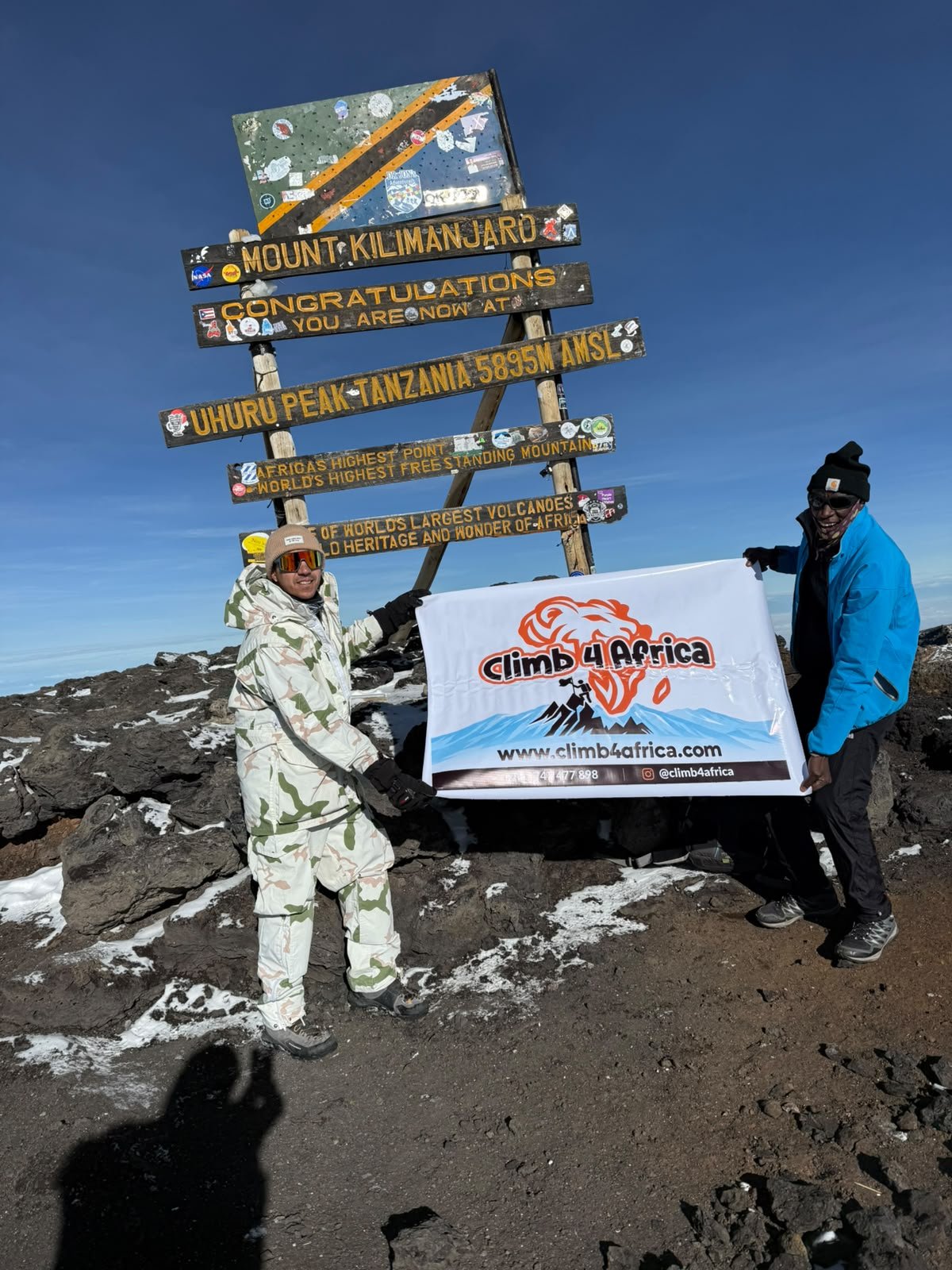
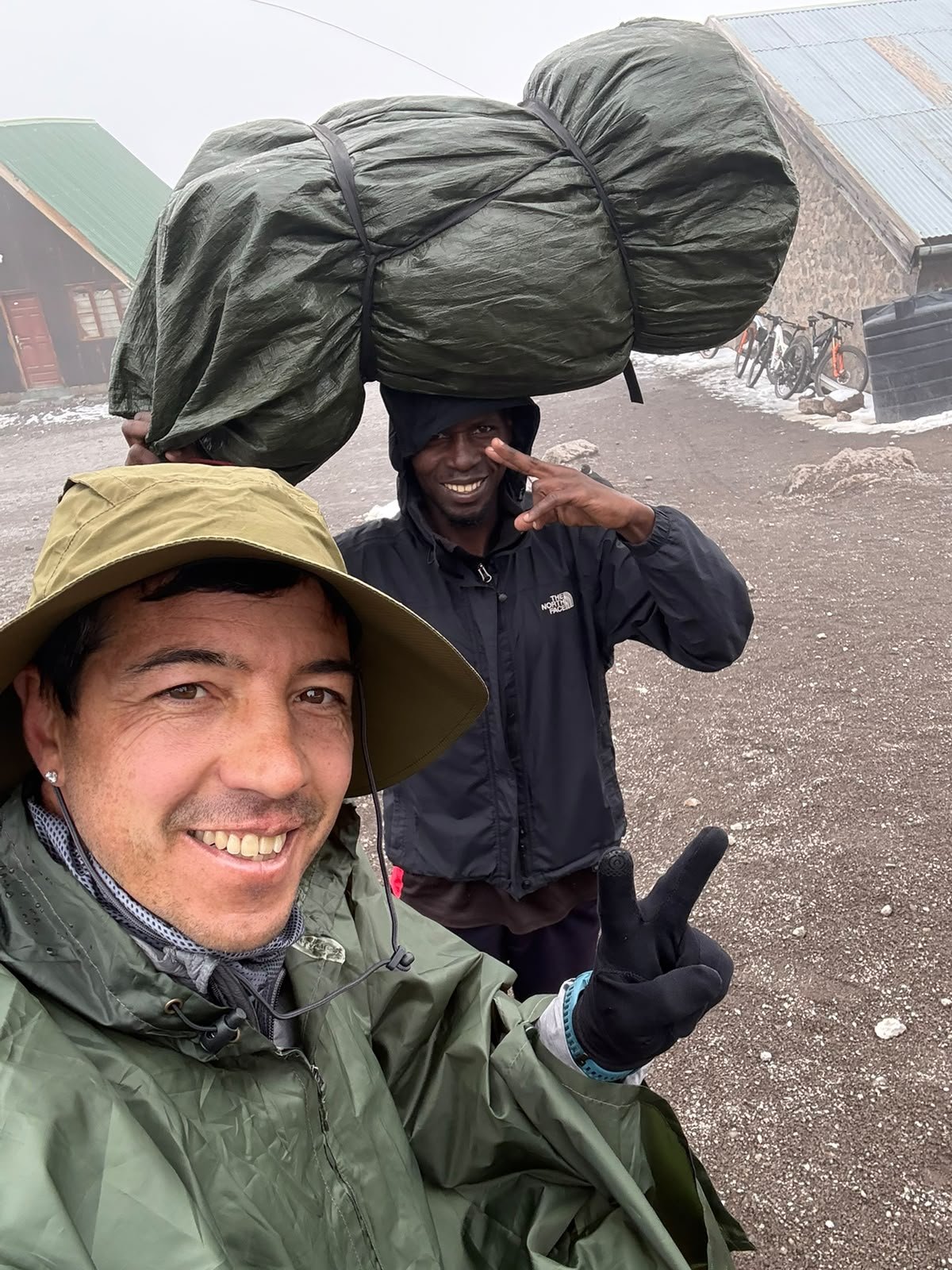
Understanding the Acclimatisation Strategy Behind the 6 Days Marangu Route December 2026 Hut Climbing Package
The success of any Kilimanjaro climb hinges on effective acclimatisation, and the 6 Days Marangu Route December 2026 hut climbing package is structured around a deliberate, science-informed approach to altitude adaptation. Unlike shorter itineraries that rush climbers to the summit, this six-day version leverages the route’s established hut system to slow ascent rates and allow physiological adaptation at key elevation thresholds. The core of the strategy lies in the distribution of vertical gain across six full days, with intentional rest and elevation consolidation built into the schedule.
On Day 1, climbers arrive in Moshi or Arusha and are transferred to a pre-climb hotel. This is not merely a logistical step—it’s a critical phase for mental and physical preparation. The altitude in Moshi (approximately 1,600m) is still low enough to avoid acute stress, allowing climbers to rest, hydrate, and undergo final gear checks. The pre-departure briefing covers route expectations, safety protocols, and acclimatisation signs—emphasising that the body’s adjustment to thinning air begins immediately upon arrival.
Day 2’s ascent from Marangu Gate (1,860m) to the Lower Hut (2,700m) is modest in elevation gain (about 840m) but significant in exposure. The trail winds through montane forest, where humidity is high and the air is still dense. This early section is designed to acclimatise the body to the physical demands of sustained walking at increasing altitude, while the forest canopy provides a buffer against temperature swings and wind chill. The Lower Hut serves as a transitional zone, offering basic dormitory-style sleeping quarters with shared facilities.
Day 3 continues the gradual climb from Lower Hut to Mid-Elevation Hut (3,400m), gaining approximately 700m over a 5–6 hour trek. This day marks a pivotal shift in terrain: the forest thins, and the landscape opens into heath and moorland zones. The air becomes noticeably thinner, and night temperatures drop significantly—often below 0°C. The pace is deliberately conservative, with frequent rest breaks and hydration stops. Guides monitor climbers for early signs of altitude discomfort, such as headaches, nausea, or dizziness, and may adjust group pace or recommend rest if needed.
Day 4 is the cornerstone of the acclimatisation strategy. From Mid-Elevation Hut (3,400m) to High Hut (4,300m), the elevation gain is 900m—but the day is intentionally shortened to reduce fatigue. The trail climbs through the alpine desert zone, where vegetation is sparse, and the ground is rocky and uneven. This day is not about covering distance; it’s about allowing the body to rest at high altitude. The High Hut is located just below the final summit ridge, and climbers spend the night here in a sheltered, insulated hut. The elevation gain is significant, but the reduced walking time allows the body to begin adapting to the hypoxic environment. This is the first true high-altitude sleep, which is essential for increasing red blood cell production and improving oxygen uptake.
Day 5 is dedicated entirely to acclimatisation consolidation. Rather than continuing to climb, the group undertakes a short acclimatisation loop—typically a 1.5–2 hour ascent to a nearby ridge or viewpoint (around 4,500m) and a return descent. This walk is low-intensity but exposes the body to higher altitudes without exhausting the system. The loop is designed to stimulate physiological adaptation, improve circulation, and reduce the risk of acute mountain sickness (AMS). Climbers remain at High Hut overnight, maintaining their elevation exposure. This day is often the most mentally challenging, as fatigue sets in and the cold becomes more intense, but it is also one of the most effective in preparing the body for the summit push.
Day 6 is the culmination of this acclimatisation chain. The summit attempt begins in darkness—typically between 11:00 PM and 12:30 AM—when temperatures are at their lowest and the trail is still and quiet. The climb from High Hut (4,300m) to Uhuru Peak (5,895m) is approximately 1,500m of elevation gain over 6–8 hours, with terrain ranging from scree slopes to volcanic rock. The final 1,000m is the most demanding, requiring steady pacing, mental focus, and consistent hydration. The descent from Uhuru Peak to Mweka Gate (1,990m) takes 5–6 hours and is equally strenuous, as the body is fatigued and the descent is physically taxing on the knees and joints. However, the hut system ensures that climbers have access to shelter, food, and warmth at each stage.
This entire sequence—six days of carefully spaced ascent, strategic rest, and high-altitude exposure—forms the backbone of the 6 Days Marangu Route December 2026 hut climbing package’s success rate. By avoiding rapid ascent and incorporating intentional acclimatisation days, the itinerary reduces the risk of altitude illness while maximising summit success. The use of huts also eliminates the need for camping gear, reduces the burden on porters, and allows for more predictable logistical planning. For climbers, this means a more sustainable, manageable, and ultimately safer experience.
The December 2026 window is particularly advantageous for this route. The dry season (late November to early January) brings stable weather patterns, lower humidity, and clearer skies—ideal for summit visibility and trail conditions. However, temperatures at night, especially at High Hut and on the summit ridge, can drop to -15°C or lower. Proper layering, insulated sleeping bags, and headlamps are non-negotiable.
Climbers should also be aware that while the 6-day Marangu Route is not technically challenging, the cumulative physical and mental demands are significant. The route’s steady, sustained climb over six days requires endurance, patience, and resilience. The hut system supports this by providing rest, shelter, and food, but the individual’s preparation and mindset remain critical.
For those considering a 6 Days Marangu Route December 2026 hut climbing package with Climb 4 Africa, it is essential to confirm the following before booking:
- Exact departure dates and group size (early December 1–6 and mid-December 16–21 are confirmed)
- Whether the summit push time is fixed or adjusted based on weather and group readiness
- Availability of summit gear (gloves, goggles, headlamps) for rental or loan
- Confirmation of transfer vehicle timing from Mweka Gate to Moshi or Arusha (typically 2–3 hours post-descent)
- Whether the celebratory meal and post-climb debrief are included in the package
The 6 Days Marangu Route December 2026 hut climbing package is not just a climb—it’s a structured, high-acclimatisation journey that balances physical challenge with operational safety. With the right preparation, a reliable operator, and a clear understanding of the route’s rhythm, this itinerary offers one of the most effective paths to the roof of Africa.
What life in the huts actually looks and feels like on a 6 Days Marangu Route December 2026 hut climbing package
One practical question that readers repeatedly ask after studying a day-by-day Marangu itinerary is: what are the huts like—nightly logistics, sleeping arrangements, food, sanitation and what you must carry in your daypack versus what porters handle? For anyone booking a 6 Days Marangu Route December 2026 hut climbing package this is the single most important operational uncertainty that directly affects comfort, safety and what to pack. Below is a detailed, realistic account of hut life and the related transfer logistics you should confirm with Climb 4 Africa before you travel.
Sleeping spaces, mattresses and bedding expectations
Marangu’s huts are simple stone or corrugated-roofed buildings with communal sleeping rooms. Expect shared dormitory-style accommodation rather than private rooms. The huts generally provide mattress pads or thin foam mattresses; thickness and condition vary by hut and can affect warmth and comfort. Operators usually require climbers to bring an appropriately rated sleeping bag—on a 6 Days Marangu Route December 2026 hut climbing package a -10°C to -15°C-rated bag is commonly recommended for summit-night temperatures. Confirm with Climb 4 Africa whether blankets are provided; even when blankets exist they should be treated as supplemental to your sleeping bag, not a replacement.
Rooming, allocation and privacy
Rooms are allocated by the hut warden or your lead guide on arrival each day. Allocation will typically group climbers by party and by gender; single rooms are not standard. If you have a strong preference (e.g., bottom bunk where used, quieter corner, or medical need for proximity to staff), request this early at the pre-climb briefing—operators can sometimes note special requirements but cannot guarantee them in crowded periods. Bringing simple earplugs and an eye-mask materially improves sleep quality in a dormitory setting.
Food service and meal timing
Hut meals on Marangu are cooked on-site or delivered from kitchen huts and served in communal dining areas. On a 6 Days Marangu Route December 2026 hut climbing package typical service rhythm is: hot breakfast before departure, a packed or served lunch, and an early hot dinner the evening before summit night. Meal portions focus on carbohydrate-rich, warming fare—soups, stews, pasta, rice, and tea. If you have dietary requirements (vegetarian, vegan, allergies), inform Climb 4 Africa well ahead; operators generally accommodate common restrictions but must be told in advance.
Water, hygiene and sanitation
Water availability varies by hut. Boiled/treated water for drinking is usually provided; many climbers still carry a lightweight filter or chemical treatment tablets as a precaution. Toilet facilities are basic—pit latrines or eco-toilets—located a short walk from the sleeping huts. Showers are rare at higher huts and when they exist the water will be cold. Bring hand sanitiser and quick-dry towel; a headlamp helps for night-time toilet trips. Confirm with Climb 4 Africa which huts on the December departures have improved sanitation or running water so you can plan accordingly.
Charging devices, communications and power
Charging options in huts are limited and often offered for a small fee; power is intermittent and more reliable at lower huts. If you rely on electronic devices bring a powerbank (high-capacity, fully charged) and spare batteries for headlamps. Mobile coverage on the Marangu route is patchy—expect no reliable signal above the tree line. Share device-charging needs with your group so the limited outlets are used sensibly.
Porters, baggage limits and what you must carry
Marangu hut itineraries normally include porter support for group luggage: porters transport the bulk of your duffel between huts, freeing you to carry a daypack. Typical operator baggage limits on a 6 Days Marangu Route December 2026 hut climbing package are in the range of 12–15 kg for the bag porters carry, but this limit varies—ask Climb 4 Africa for their exact allowance. Your daypack should contain summit essentials, warm layers, water, snacks, and personal items you need during the day. Keep medication and any key personal items on your person; do not pack medications in the porter bag without retaining a copy in your daypack.
Night routine, quiet hours and summit-night prep
The hut evening schedule is regimented to support rest: dinner early, equipment checks with guides, briefings for the next day and an early lights-out. Summit-night prep normally includes laying out crampons, gaiters, headlamps and multiple warm layers before sleep so you can dress quickly at 23:00–00:00. On a 6 Days Marangu Route December 2026 hut climbing package your guide will confirm a final wake-up (hot drink and biscuit typically) and departure time; trust the guide’s timing over rigid personal plans—their decision balances acclimatisation, weather, and group fitness.
All of the above are standard expectations but not guarantees. The single practical step that makes the biggest difference: confirm the operator’s exact hut facilities, porter baggage allowance and whether sleeping bags or liners are provided when you book your 6 Days Marangu Route December 2026 hut climbing package with Climb 4 Africa. That confirmation lets you trim weight, pack essential items in your daypack, and mentally prepare for hut life rather than assume hotel-level comforts.
Related Reading
Check Availability for 6 Days Marangu Route December – Hut Climbing Packages 2026
Ready to compare dates, prices, and the best option for your group? Send the package name and travel month so the team can reply with a clear quote, availability, and what is included.

6 Days Marangu Route Kilimanjaro Group Departure – 16–21 December 2026
6 Days Marangu Route Kilimanjaro Group Departure – 16–21 December 2026.
View package details6 Days Marangu Route Kilimanjaro Group Joining – 1–6 December 2026
6 Days Marangu Route Kilimanjaro Group Joining – 1–6 December 2026.
View package details5 Days Marangu Kilimanjaro Climbing Package – 12–16 December 2026
5 Days Marangu Kilimanjaro Climbing Package – 12–16 December 2026.
View package details5 Days Marangu Route Kilimanjaro Group Climb – 8–12 December 2026
5 Days Marangu Route Kilimanjaro Group Climb – 8–12 December 2026.
View package details5 Days Marangu Route Kilimanjaro Trek – 2–6 December 2026
5 Days Marangu Route Kilimanjaro Trek – 2–6 December 2026.
View package details6 Days Marangu Kilimanjaro Hut Trekking – 6–11 December 2026
6 Days Marangu Kilimanjaro Hut Trekking – 6–11 December 2026.
View package details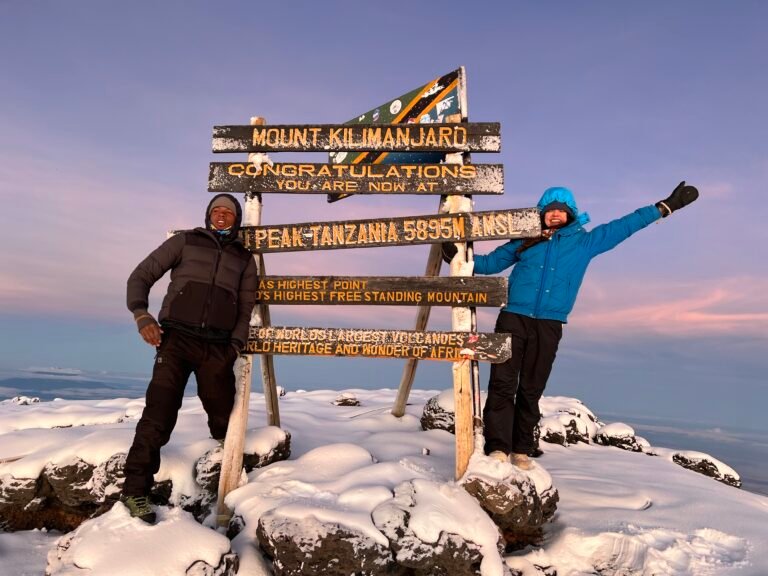
6 Days Rongai Route Kilimanjaro Hiking – 6–11 December 2026
6 Days Rongai Route Kilimanjaro Hiking – 6–11 December 2026.
View package details5 Days Marangu Kilimanjaro Christmas Trek – 22–26 December 2026
5 Days Marangu Kilimanjaro Christmas Trek – 22–26 December 2026.
View package details5 Days Marangu Kilimanjaro New Year Trek – 29 December – 2 January 2026
5 Days Marangu Kilimanjaro New Year Trek – 29 December 2026 – 2 January 2027.
View package details6 Days Marangu Kilimanjaro New Year Climb – 28 December – 2 January 2026
6 Days Marangu Kilimanjaro New Year Climb – 28 December 2026 – 2 January 2027.
View package details6 Days Marangu Kilimanjaro Christmas Holiday Climb – 21–26 December 2026
6 Days Marangu Kilimanjaro Christmas Holiday Climb – 21–26 December 2026.
View package details5 Days Marangu Kilimanjaro Full Moon Trek – 21–25 December 2026
5 Days Marangu Kilimanjaro Full Moon Trek – 21–25 December 2026.
View package detailsNo related package matches those filters. Clear one or more filters to see the other topic-matched options.



