
If you want a combined trip beginning December 4, 2026, the practical option is to start your Kilimanjaro trek the morning after arrival in Tanzania (base in Moshi or Arusha), climb on a 6–8 day route suited to your fitness, then transfer to a 3–5 day northern Tanzania safari (Serengeti, Ngorongoro or Tarangire). Exact departure slots, guides and park bookings must be confirmed with Climb 4 Africa before payment.
Who this plan is for
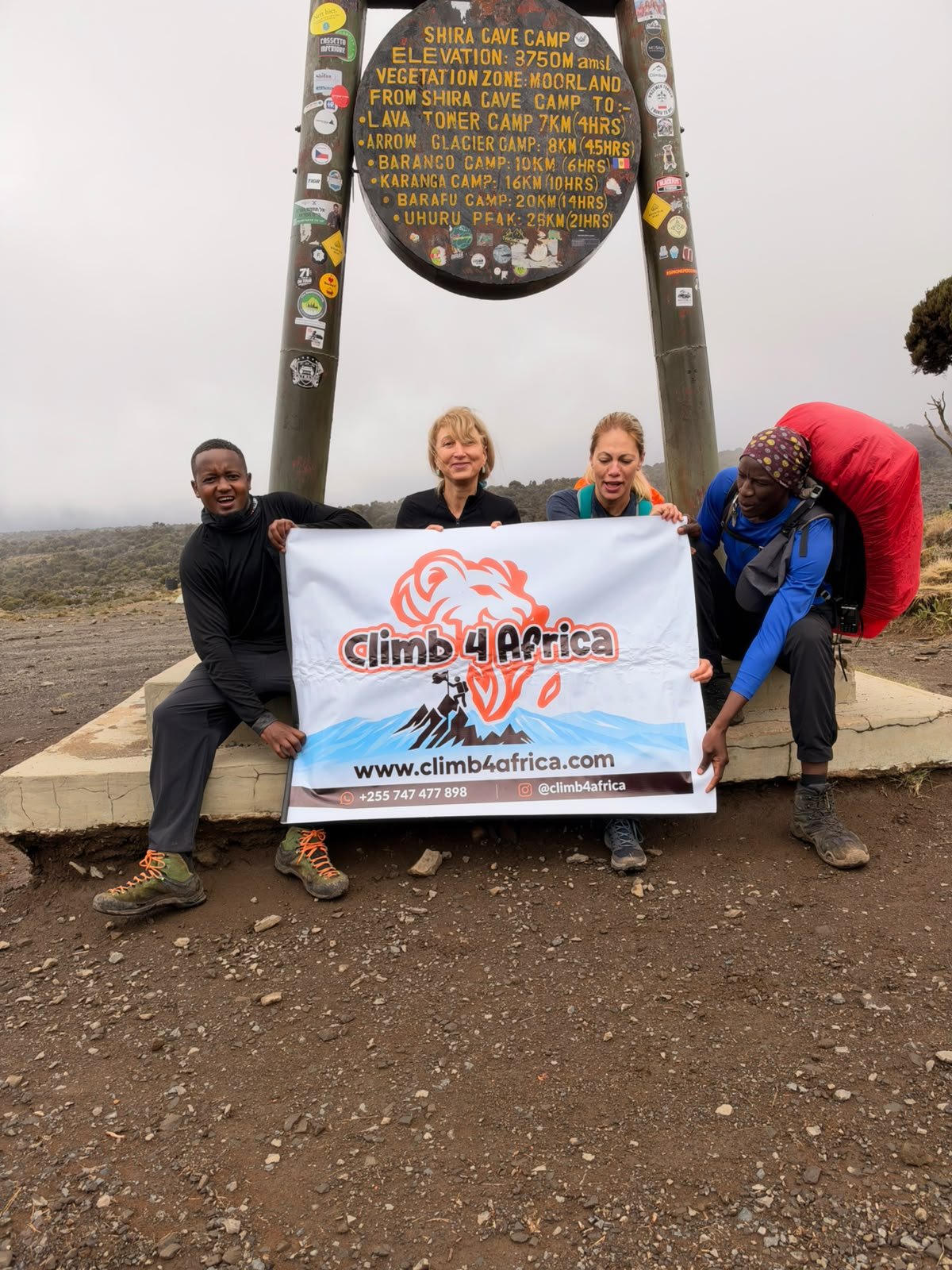
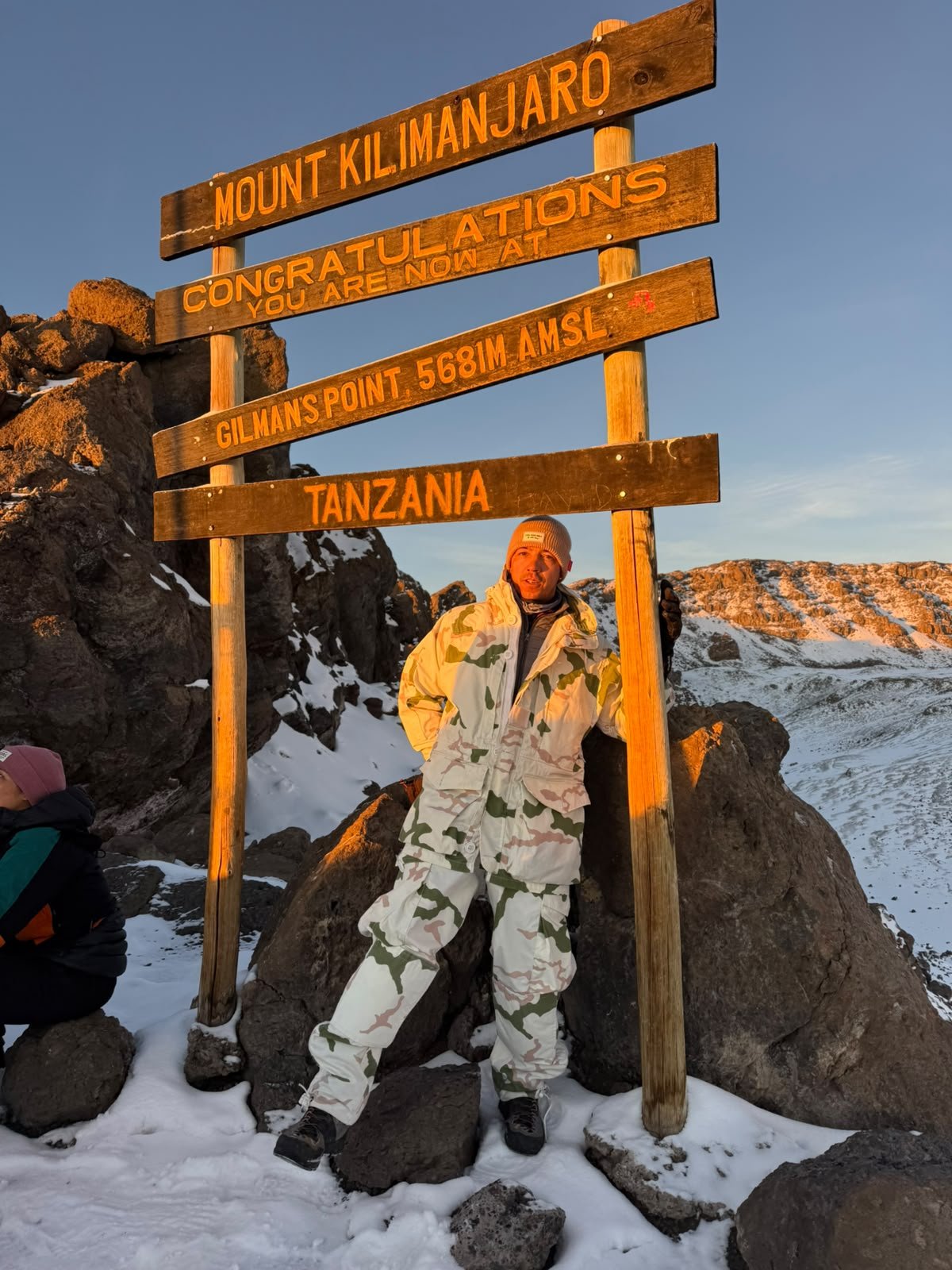
This page helps travellers who intend to begin their Kilimanjaro hiking and Tanzania wildlife safari adventure on or immediately after December 4, 2026. You probably need a clear, realistic sequence—arrival, acclimatization, climb route choice, post-climb transfer to a safari—and to understand the trade-offs between acclimatization time, route length and safari duration.
Why the exact date matters
Starting around December 4, 2026 affects logistics in three ways: airport arrival and domestic flight schedules into Kilimanjaro International Airport (JRO) or Arusha, park booking windows for the peak December travel period, and weather patterns (short rains may begin in parts of Tanzania later in December). Early confirmation preserves vehicle and campsite availability for the safari and secures your Kilimanjaro climbing date with the required registered guide team.
Core sequence: one practical option
Below is a practical, commonly chosen sequence that balances acclimatization and safari time without inventing specific departures or prices. Confirm exact dates and availability with Climb 4 Africa.
Step 1 — Arrival and final gear check (Dec 4 or Dec 5)
- Arrive at Kilimanjaro International Airport (JRO) or fly into Julius Nyerere (DAR) and connect. Transfer to Moshi or Arusha where your local guide meets you for kit checks, paperwork and a short briefing.
- Use this day for a short hike in the foothills (optionally a day walk on trails around the Kilimanjaro foothills) to test boots and layering; finish with an early night. This light activity aids acclimatization.
Step 2 — Kilimanjaro trek (6–8 days recommended)
Choose a route based on fitness, acclimatization needs and scenery. The 6-day Machame and 7-day Lemosho/Machame variations are popular because they offer a solid acclimatization profile without requiring excessive time. A longer 7–8 day plan increases summit success odds by adding a summit-night cushion and a longer descent day.
Key decisions:
- Shorter routes (5–6 days) reduce cost and time but raise altitude-sickness risk and lower summit success rates for many climbers.
- Longer routes (7–8 days) improve acclimatization. If you can spare the time after December 4, preference often goes to a 7-day route for better odds.
- Confirm porter and guide ratios, park fees and required rescue arrangements with your operator — Climb 4 Africa provides registered guides and local support.
Step 3 — Rest day after descent
After summit and descent you should plan at least one recovery day in Moshi or Arusha to rest, wash gear and take care of paperwork. This also allows minor delays to the schedule without losing your safari booking.
Step 4 — Northern Tanzania safari (3–5 days)
A short 3-day safari can cover Tarangire/Ngorongoro or a fly-in to the southern Serengeti for game viewing, while a 4–5 day safari gives more reliable wildlife encounters and better photography time. Consider travel time from Moshi/Arusha to your first park: road transfers to Tarangire/Ngorongoro are sensible for shorter safaris; Serengeti often requires a domestic flight from Manyara/Arusha or a longer road transfer.
Trade-offs and booking priorities
When you plan a December 4 start, focus early on these booking priorities to avoid disappointment:
- Confirm climb date and guide team — Kilimanjaro park slots and experienced guides are limited in peak season.
- Book safari vehicle and camps/lodges — December mobility increases demand; reserve the specific concession areas you want to visit.
- Arrange domestic flights if you plan to fly between parks or back to Dar es Salaam; small aircraft schedules fill fast in December.
Decide whether you prefer a smooth package from one operator (Climb 4 Africa can arrange climb + safari) or booking the climb first and safari later. A single operator reduces handover friction; booking separately can give flexibility but requires careful timing between services.
Packing and physical preparation for a Dec 4 start
Even though December is not the coldest month on Kilimanjaro, summit nights are still freezing. Key items to prioritize in your kit and training:
- Sturdy, well-broken-in hiking boots and comfortable gaiters.
- Layered clothing (base, insulating mid-layers, waterproof shell) and a warm down jacket for summit night.
- Sun protection, water treatment/purification solutions and high-calorie, light snacks for the trail.
- Fitness preparation: long hikes with elevation gain and aerobic conditioning for at least 8–10 weeks prior.
Bring neutral, quick-dry clothing for the safari portion and a light field jacket for morning game drives. If you use camera gear, budget for dust protection and quick-access storage for safari photography.
Health, permits and paperwork
Ensure your passport has at least six months validity and confirm visa requirements for Tanzania
Getting from Kilimanjaro descent to your northern safari: realistic transfer options and timing
One practical but often under-explained question for anyone planning a December 4, 2026 Kilimanjaro Hiking and Tanzania Wildlife Safari is: how do you move reliably from Moshi/Arusha (or the Kilimanjaro gate) to the safari parks with minimal stress and no wasted days? The choices you make here determine how much game-viewing time you actually get, how tired you will be for early-morning drives, and whether luggage limits or vehicle capacity will create last-minute problems. Below are the transfer options, the trade-offs for each, and clear timing considerations that respect park gate hours, typical road conditions and post-climb recovery needs.
Main transfer options explained
- Private road transfer (4×4 safari vehicle): Most travellers coming off Kilimanjaro choose a private 4×4 transfer arranged by their safari operator. Vehicles are usually modified Land Cruisers or similar with roof hatches for game viewing and seat belts. Advantages: door-to-door convenience from your hotel in Moshi/Arusha, flexible departure times tailored to your recovery day, and the ability to carry full climb luggage. Disadvantages: longer transit times to some parks (Serengeti can be 6–8 hours by road depending on the route and road surface) and potential delays if ferry crossings or seasonal roads are affected.
- Domestic flight + short road transfer: A time-saving but costlier option is a domestic flight from Arusha/Moshi airstrips to airstrips near the Serengeti (e.g., Kogatende, Seronera) or to Lake Manyara/Serengeti hubs. This reduces road time dramatically and is ideal if you want maximum game time after a taxing climb. Important constraints: small aircraft have strict baggage limits (usually 15–20 kg checked plus a small carry-on), so you must plan luggage transfers and possibly leave nonessential items behind. Also, flight schedules in early December can fill rapidly; confirm bookings early.
- Shared transfer/scheduled shuttle: Budget-conscious travellers sometimes use scheduled shuttles or group transfers between Arusha and lodge clusters. These are cheaper but less flexible and typically slower, with possible extra stops and limited storage for heavy expedition bags.
Timing, recovery and park gate logistics
Plan transfers with an eye to three constraints: summit recovery needs, park gate opening hours, and optimal wildlife activity windows. After a multi-day Kilimanjaro trek, most climbers need at least one low-key recovery day in Moshi/Arusha. Avoid scheduling a dawn game drive the day immediately following descent unless you are confident in your fitness and your operator has explicitly advised that’s acceptable.
Park gates typically open at dawn and close after sunset; if you arrive in a region late in the afternoon, your first full game drive will usually be the following morning. For southern Serengeti safaris accessed by road from Arusha, expect long driving days that consume a significant portion of your first scheduled safari day. To maximize game time on a 3–4 day safari after Kilimanjaro, consider flying into the park or arranging the fastest possible morning transfer so you can arrive before midday and take an afternoon game drive.
Luggage, kit handover and what to leave behind
Coordinate luggage handling in advance. Most climbing outfitters will transport expedition gear back to Moshi/Arusha for you, but safari operators may require you to repack into soft duffels for vehicle storage or aircraft stowage. Practical steps: label bags, know your operator’s weight limits, and pack a separate small daypack with summit jacket, passport, medications and camera gear that you’ll need immediately after descent. If you plan to fly between parks, keep in mind strict carry-on and checked-weight rules on light aircraft.
Choosing the best transfer for different trip lengths
- 3-day safari after a climb: Prioritise flights or the fastest private transfer to the nearest park to maximize wildlife viewing time. A late-afternoon arrival means you effectively lose a day.
- 4–5 day safari: Road transfers are acceptable and give flexibility to visit multiple concessions. Allow one full travel day between Moshi/Arusha and the park to keep safaris relaxed and avoid rushed mornings.
- 6+ day safaris or multi-park circuits: Combine road legs and scheduled flights where helpful; here the focus shifts to logistics that reduce repetitive long drivings without overcomplicating luggage transfers.
Practical checklist for the transfer day
- Confirm pick-up time with both your climb operator and safari operator at least 48 hours in advance.
- Have printed and digital copies of flight confirmations if using domestic flights; check baggage allowances 24 hours before departure.
- Pack a recovery kit—electrolytes, simple carbohydrates, lightweight compression or warm layer for pre-dawn game drives—and carry it in your daypack.
- Ask your safari operator about vehicle roof-hatch use, camera storage and seating configurations if photography is a priority.
Addressing transfer logistics with this level of specificity turns the logistics between your Kilimanjaro descent and northern Tanzania safari from a potential hassle into a planned and manageable part of the December 4, 2026 Kilimanjaro Hiking and Tanzania Wildlife Safari experience. Discuss these options with Climb 4 Africa or your safari provider early so your handover is timed to preserve both your energy and game-viewing opportunities.
Post-summit recovery and nutrition plan before your safari
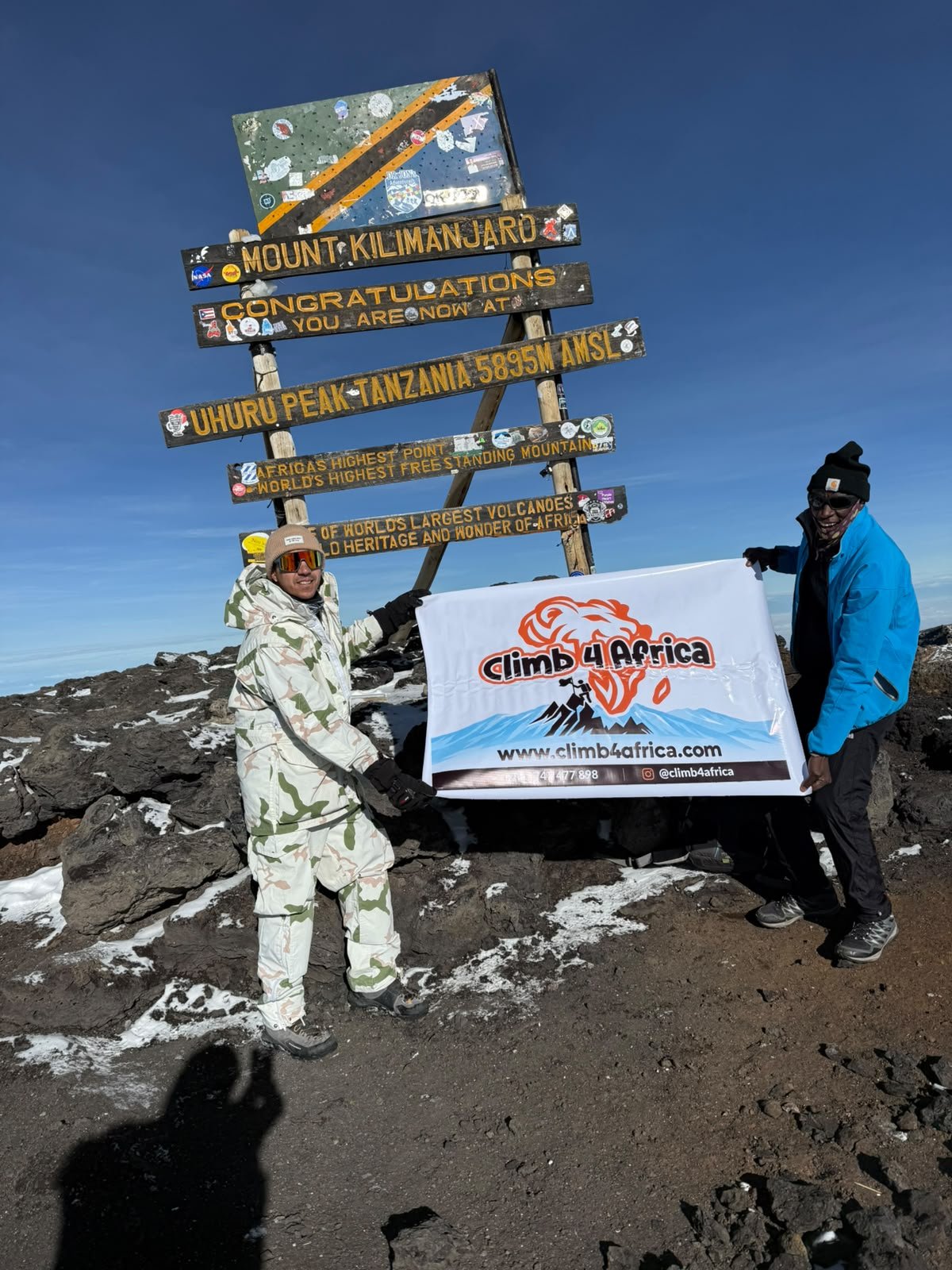
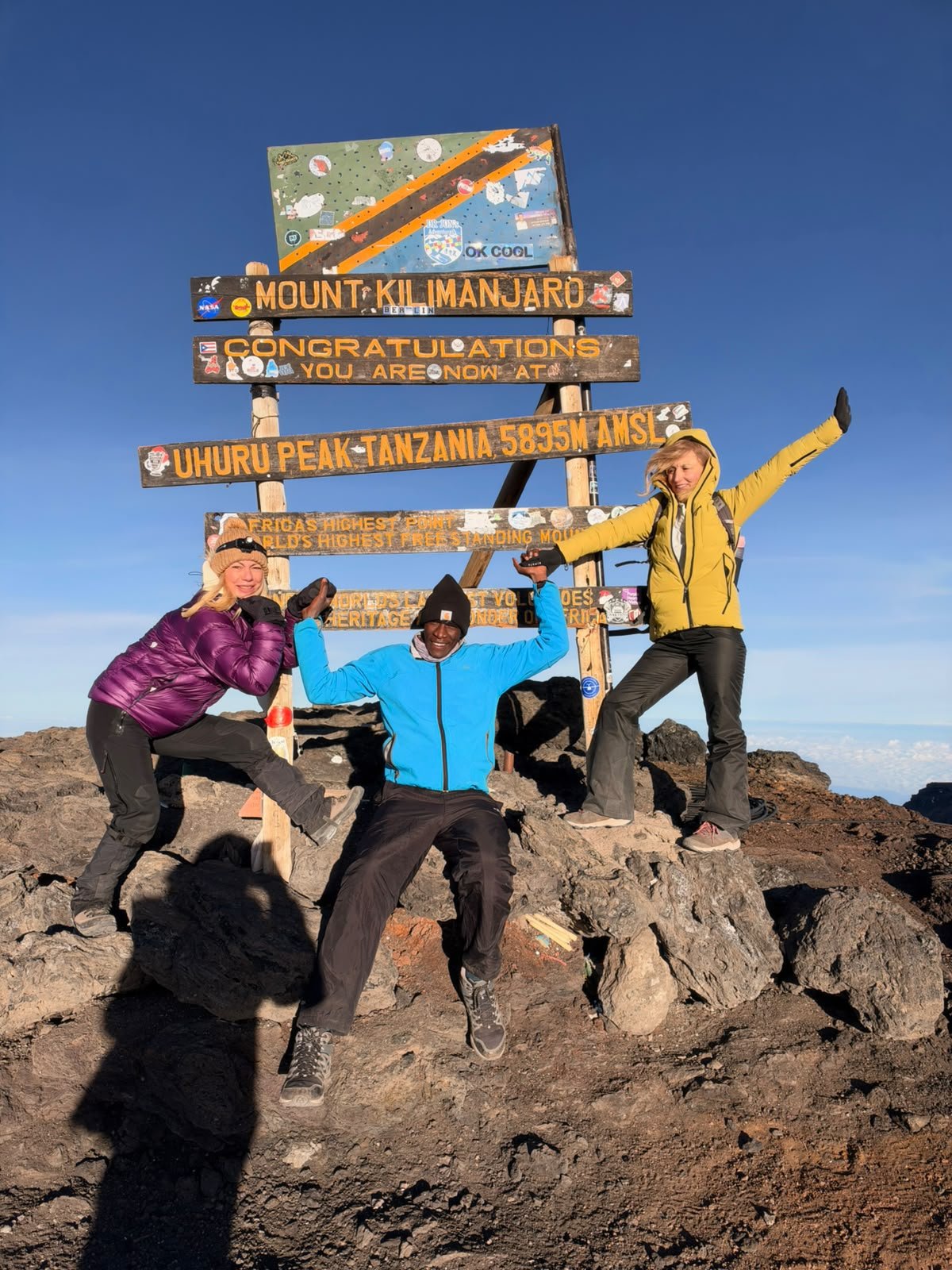
One often-missed but decisive part of a combined Kilimanjaro hike + northern Tanzania safari is what you do in the 24–48 hours after descending Kilimanjaro. Your body will have burned large amounts of glycogen, experienced sleep disruption, and gone through sustained physical and mental stress. A focused recovery and nutrition plan helps convert summit success into an enjoyable, alert safari rather than a day spent exhausted in a lodge. Below is a practical, conservative protocol you can follow on your recommended rest day (or two) in Moshi or Arusha between the mountain and safari.
Immediate post-descent first 6 hours
- Hydration first: aim to drink 500–750 ml of fluids in the first hour after arriving at your accommodation. Include an electrolyte solution (or a sports drink) to replace salts lost during exertion. Plain water plus a low-sugar electrolyte mix works well.
- Small, frequent carbohydrate-rich snacks: if you’re not hungry, take easily digestible options—bananas, plain crackers, sweet potato, or an energy gel—every 1–2 hours to start replenishing glycogen without overloading your stomach.
- Gentle movement: avoid prolonged bed rest immediately. A short 10–20 minute walk around the lodge grounds helps restore circulation and reduces muscle stiffness, but avoid heavy exertion.
- Remove or loosen tight clothing and boots to help circulation; put on warm layers to manage the after-summit chill.
Recovery meal plan for the rest of the day
Focus on balanced meals that combine carbohydrates, quality protein and moderate fats. Avoid heavy, greasy foods that can cause gastrointestinal upset.
- Lunch (2–4 hours post-arrival): a moderate portion of lean protein (chicken, fish or legumes), a carbohydrate source (rice, ugali, or mashed potato) and steamed vegetables. Add a small portion of healthy fat (avocado or a drizzle of oil).
- Afternoon snack: yogurt with fruit or a nut butter sandwich. The protein supports muscle repair while carbohydrates restore energy.
- Dinner: similar to lunch but slightly lighter—grilled fish or lean meat, a cooked grain and a green salad. Finish with a piece of fruit for potassium.
- Supplements: if you normally use them, a post-exercise protein supplement (whey or plant-based) can be practical; discuss any new supplements with your guide or medical advisor before taking them in country.
Sleep, naps and circadian considerations
After summit nights with limited sleep, aim for a single restorative nap of 60–90 minutes in the early afternoon rather than multiple short naps that fragment sleep. Keep the evening calm: a warm shower, light stretching, and a consistent bedtime will help restore normal sleep architecture for the safari days to come.
Active recovery and light therapy
- Foam rolling or gentle massage: if available at your lodge, a short sports massage improves circulation and reduces soreness. If not, self-massage and foam rolling for 15–20 minutes helps.
- Stretching and mobility: 15–20 minutes of mobility work focused on hips, calves and lower back reduces stiffness without creating additional fatigue.
- Sun exposure: 20–30 minutes outside in the morning light helps reset circadian rhythm and supports vitamin D production—use sunscreen and avoid peak heat hours.
Medication, monitoring and when to delay a safari day
Do a basic health check with your guide or lodge nurse on the rest day: monitor pulse, oxygen saturation if a pulse oximeter is available, and watch for persistent headache, dizziness or breathlessness that could suggest ongoing altitude-related issues. If you still have significant symptoms of acute mountain sickness (severe headache, persistent nausea, disorientation), do not proceed to an early-morning game drive; prioritize medical evaluation. Arrange for evacuation or clinic care if symptoms worsen or do not resolve with rest and descent.
Practical timing for transfer after recovery
If you plan a road transfer to a park, schedule departure in the late morning to allow for breakfast, repacking and a final gear handover—this avoids rushed early drives. If flying to the Serengeti or Ndutu, book a mid-afternoon flight (subject to availability) so you have the morning to rest and prepare, but confirm aircraft weight limits and carry-on rules the day before.
Following this structured recovery and nutrition plan increases the chances you’ll arrive at your safari alert, physically able to enjoy game drives, and mentally present for wildlife viewing and photography—turning your Kilimanjaro success into a fully rewarding Tanzanian trip.
Briefing your safari team after Kilimanjaro: health status, pacing and expectations
One specific, frequently overlooked but high-impact step between your Kilimanjaro trek and the northern Tanzania safari is an explicit, practical briefing with your safari driver-guide and lodge manager. This short conversation—ideally completed on your rest day in Moshi/Arusha or during the transfer—aligns medical reality, daily pacing and simple comfort requests so your safari days are enjoyable rather than exhausting.
What to say first: concise health and energy status
Start with a brief, factual summary: the date you summited and descended, any significant symptoms you experienced (severe headache, vomiting, shortness of breath, chest pain) and any ongoing issues (persistent fatigue, sore joints, dizziness, reduced appetite). Mention medications you started or continue to take (acetazolamide, antibiotics, painkillers) and whether you have anything injectable or prescription-only that needs secure storage. If you used a pulse oximeter, share recent readings and whether they have normalized.
Practical pacing requests to make
- Ask for a later first game drive start time if you are still sleeping irregularly—requesting the vehicle at 07:30–08:00 instead of a pre-dawn pick-up preserves recovery sleep.
- Request regular short stops (10–15 minutes every 60–90 minutes) for hydration, stretching and bathroom breaks; this reduces stiffness and helps digestion after intense exertion.
- If prone to motion sickness when fatigued, ask for seating near the front and a gentler driving style—smooth acceleration and fewer abrupt turns.
- Ask the guide to plan an abbreviated morning and extended late-afternoon game drive if your energy seems to wane midday; wildlife is often active in both windows and this shift preserves midday rest.
Vehicle and seating adjustments
Communicate any mobility or comfort needs: prefer a window seat to change position, require a cushion or lumbar support, need easy access to the vehicle door for frequent exits, or must avoid roof hatches that require climbing to use. If you have recent soft-tissue injuries, ask for more legroom and minimal climbing in and out of the vehicle. Confirm where personal medication and water will be stored so it is immediately accessible.
Food, hydration and dietary handling
Tell the lodge or guide about appetite changes and food tolerances. If you prefer light, easily digestible meals on safari days (plain rice, lean protein, boiled vegetables, bananas) say so; if you need extra snacks (electrolyte sachets, energy bars, dry biscuits), request a small picnic kit every morning. Confirm that the guide can provide hot water and a thermos if you rely on warm drinks to settle the stomach before an early drive.
Photography and viewing preferences
If photographing is a priority but you have limited stamina, ask the guide to position the vehicle for longer, steady viewing stops rather than constant circle-and-chase driving. Request reminders before animal encounters so you can prepare equipment and conserve energy. If you need to step out of the vehicle less often, ask the guide to remain with the engine running at a safe distance while you change lenses or rest.
Emergency plans and communication
Verify emergency protocols and contact points now, while you are lucid: confirm the nearest clinic and evacuation options with the lodge manager and your operator, and make sure a member of the safari team knows about your recent altitude exposure. Ask the guide to check in with you at set intervals during the day—mid-morning and after the drive—so symptoms can be caught early and plans adjusted.
How to keep the briefing short and effective
- Keep it to the essentials: one minute for health facts, one minute for pacing preferences, one minute for dietary and vehicle requests.
- Write a one-paragraph summary on your phone or a paper note the guide can keep with the booking details—this avoids forgetting minutiae under fatigue.
- Ask the lead guide to repeat back the key points so you know they were understood.
A focused briefing transforms vague assumptions into practical, immediately actionable adjustments. It reduces the chance that post-climb fatigue compromises wildlife viewing, protects your health by making expectations and contingency plans explicit, and improves the overall rhythm of your safari days without requiring major itinerary changes.
Post-climb safari carry-on and repack strategy: a compact, practical kit for the road / air transfer
After an 6–8 day Kilimanjaro trek and a recovery day, your immediate luggage needs change: heavy mountaineering kit goes to storage, and you must travel light for vehicle stowage and domestic flights. A focused repack strategy preserves comfort, ensures compliance with safari vehicle and small-aircraft limits, and keeps essential medical and comfort items immediately accessible.
Why a deliberate repack matters
Most safari vehicles and regional aircraft require soft-sided bags, limited weights, and easy access to a small personal bag during game drives. Repacking prevents having to rummage through large expedition duffels, reduces weight the transfer team must lift, and keeps important items—medication, documentation, camera gear—within reach. Doing this on your Kilimanjaro rest day, while you’re still lucid, avoids rushed, error-prone packing before an early transfer.
How to structure the bag set
- Primary expedition duffel (left with operator): Heavy down jacket, extra expedition layers, boots, crampons, sleeping bag, spare fuel canisters, and non-essential bulky items. Mark it for storage and confirm transport to your return point.
- Safari duffel (50–60L soft bag): The main travel bag for parks—soft, compressible, and easy to stow under vehicle seats or in small aircraft hold. Pack clothing for 3–5 days, toiletries in spill-proof pouches, and a compact travel towel.
- Personal daypack (6–20L): Kept in the vehicle cabin: documents, medication, electronics, snacks, water bottle, rain shell, binoculars, and camera. This is the only bag you should need between stops.
Essential contents and sizing guidance
- Clothing (in safari duffel): Light-weight neutral-color layers—2 quick-dry shirts, 1 long-sleeve sun shirt, lightweight fleece, a pair of travel pants, convertible hiking pants or shorts depending on preference, undergarments for each safari day, and a compact insulating layer for early-morning drives. Avoid white or bright patterns that attract insects or spook game.
- Footwear: Comfortable walking shoes or light hiking boots and a pair of camp shoes or sandals. If your heavy trekking boots are still wet or bulky, leave them in the stored duffel and bring a lighter option for short walks.
- Rain protection: A compressible waterproof shell and a small pack rain cover—December can start showing short rains in parts of Tanzania.
- Medical and recovery kit (daypack): Daily medication, a 48–72 hour supply of common analgesics and anti-nausea tablets you used on the trek, electrolyte sachets, blister supplies, hand sanitizer, insect repellent, sunscreen, and a small first-aid itemized list for the driver-guide.
- Electronics and documentation: Passport, printed transfer and safari confirmations, local cash, spare memory cards, chargers, a power bank, and a compact camera or mirrorless kit. Keep fragile lenses in padded cases and store them in the daypack for quick access.
- Hydration and snacks: Reusable 0.75–1.0 L bottle (empty for flight check but refill immediately), energy bars, dried fruit or local snacks for quick calories between meals.
Packing techniques that save space and weight
- Roll clothing tightly and use compression sacks for insulating layers to save volume inside the safari duffel.
- Place heavier items low and close to the bag’s center to prevent awkward shifting in vehicle luggage bays.
- Use clear plastic pouches for toiletries and meds so guides or lodge staff can verify contents quickly during transfers without unpacking the whole bag.
- Label both duffels and the daypack with your name, contact number, and the lodge/vehicle you’ll be joining—this speeds manual loading and reduces the risk of misdirected luggage.
Domestic flight and vehicle constraints to observe
Confirm your safari operator’s maximum bag size and weight for both vehicle rooftop storage and small-aircraft holds before repacking. When in doubt, prioritize a 50–60L soft duffel and a 10–20L daypack; heavier items can stay in expedition storage. Keep liquids and medications in carry-on accessible for security checks, and comply with airline rules about batteries and power banks.
Final checklist before transfer
- Reconfirm which bag goes to long-term storage and label it clearly.
- Test the daypack for comfort and quick-access layout (documents, meds, phone, camera).
- Leave any muddy or wet items sealed and inform the lodge—many will launder or store them separately.
- Tell your safari guide exactly where you stored your spare passport and emergency cash on the daypack so it’s quickly recoverable if needed.
A simple, deliberate repack on your rest day protects your recovery, streamlines transfers, and sets you up to enjoy wildlife viewing without the distraction of misplaced or inaccessible kit.
Choosing your safari area after Kilimanjaro: practical match to recovery time and viewing priorities
After an exhausting Kilimanjaro trek, the single most useful decision for the safari portion is picking a park that matches your physical recovery needs, the time you have available, and what you most want to see. The three common northern Tanzania choices—Serengeti (including western and southern blocks), Ngorongoro Conservation Area (Ngorongoro Crater and surrounds), and Tarangire/Manyara—each have different travel times from Moshi/Arusha, vehicle-driving characteristics, and daily activity patterns. Use the guidance below to prioritise comfort and wildlife experience rather than chasing an idealised checklist of species.
Ngorongoro: low-activity travel, concentrated viewing
Why pick it after a climb: Ngorongoro offers short daily drives and exceptionally concentrated wildlife viewing inside the crater. If you want to minimise seat time and physical churn—fewer long dirt-road stretches and predictable, often stationary observation windows—Ngorongoro is the most recovery-friendly option.
Practical trade-offs: Expect several hours inside the crater on a single game-drive day; most time is spent at low vehicle speeds or parked beside sightings. The crater floor is cooler and can be dusty; early-morning starts remain common, so confirm a later pickup if you need extra rest. Lodge-to-crater gate transfers are short compared with Serengeti drives, reducing transfer fatigue.
Best for: travellers needing gentle pacing, families or anyone who must avoid long bumpy drives after the mountain.
Serengeti (central/west/south): more driving, bigger migration dynamics
Why pick it after a climb: The Serengeti is the classic ‘big plains’ safari with the widest range of habitats and opportunities for long, uninterrupted sightings. If your recovery is strong and you prioritise extended photographic windows and sweeping landscape drives, Serengeti delivers the most dramatic variety.
Practical trade-offs: Reaching prime Serengeti areas often involves longer road transfers from Moshi/Arusha or a regional flight to a small airstrip. Once there, expect multiple hours in the vehicle on dirt tracks with frequent stopping and repositioning. If your summit day and rest day left you with lingering fatigue, choose air transfer options or focus on camp/lodge locations nearest the Serengeti sector you want to visit to reduce driving time.
Best for: travellers with reasonable recovery, photographers who want sustained animal scenes, and groups willing to use domestic flights to minimise road time.
Tarangire and Lake Manyara: short drives, seasonally intimate encounters
Why pick it after a climb: Tarangire and Manyara are geographically closer to Moshi/Arusha and typically involve the least amount of time on the road. Tarangire’s tree-dotted plains and large elephant concentrations can be enjoyed without long relocations; Manyara’s compact landscape means drives are short and sightings often occur within quick distances from lodges.
Practical trade-offs: Both parks are smaller than the Serengeti and Ngorongoro and therefore offer fewer long-range, unpredictable migrations. Choose them when you want an easy rhythm—shorter game drives, more restful mid-days, and quick returns to lodge comforts where you can nap or receive treatment if needed.
Best for: travellers who prefer minimal travel stress, short safaris (2–3 days), or who require easy access to medical care or lodges with superior guest services.
How to match park choice to a realistic recovery timeline
- Severe fatigue or residual altitude symptoms: Ngorongoro or Tarangire/Manyara. Both minimise driving and allow long, comfortable observation periods without frequent repositioning.
- Moderate recovery, keen on photographic variety: Serengeti with an air-transfer option to save the road time. Concentrate on one sector to reduce intra-park driving.
- Only 2–3 safari days available: Tarangire or Ngorongoro provide the highest wildlife-per-hour ratio and reduce time lost in transit.
Practical booking and communication tips tied to recovery
Tell your safari operator, when booking, that you are arriving directly from Kilimanjaro and state how many rest days you will have. Ask for accommodation close to the park gate if you need shorter morning transfers, request vehicles with padded seats or suspension if you expect sensitivity to jostling, and explicitly negotiate later-than-normal game-drive start times on your first day. These simple requests are widely manageable and markedly improve comfort without changing the core wildlife experience.
Choosing a safari area with the recovery profile in mind keeps the trip enjoyable, reduces medical risk, and ensures your final days in Tanzania feel restorative rather than rushed. Match your park selection to your energy, transfer tolerance and wildlife priorities for the best overall outcome after a December 4 Kilimanjaro start.
Choosing safari accommodation after Kilimanjaro: matching recovery needs to lodge style
One practical decision that often gets less attention than park choice or vehicle timing is the style of accommodation you book for the immediate post-climb safari days. Your body’s recovery profile after Kilimanjaro—fatigue, stiff muscles, sleep debt, appetite changes and any lingering altitude effects—should drive the accommodation type you choose. The right lodge or camp reduces transit strain, supports rest and nutrition, and makes brief safari drives genuinely restorative rather than another source of physical stress.
Lodge vs mobile tented camp vs permanent tented camp: core differences
- Permanent lodges (safari lodges and hotels): Solid buildings, proper beds, hot showers, reliable electricity and a dining room. These are best when you need comfortable, private recovery space and predictable services—especially helpful if you want massages, on-site nurses, or stronger food options to manage post-climb nutrition.
- Permanent tented camps: Canvas rooms on raised platforms with beds and en-suite facilities. They combine a close-to-nature feel with better amenities than mobile camps. Good middle ground when you want shorter drives from the lodge to viewing areas but still need creature comforts.
- Mobile tented camps: Move to follow wildlife and often offer fewer creature comforts (shared ablutions, simpler beds). They maximise proximity to sightings and photographic windows but typically involve more frequent short transfers to set up or relocate—less ideal immediately after a strenuous climb.
How accommodation choice intersects with recovery objectives
- Prioritise restful sleep: If you have substantial sleep debt from summit night, choose a permanent lodge or higher-standard permanent tented camp where you can control noise, light and room temperature. Ask for a room away from generator noise and communal areas.
- Ease of access: Ground-floor rooms, short paths to dining and pick-up points, and minimal steps are valuable. Request a room close to reception or the vehicle loading area to avoid long walks, especially if your calves and knees are sore.
- Food and refeeding needs: Lodges with flexible meal services are preferable—able to provide smaller, frequent meals, plain carbohydrates, soups or specially prepared protein options. Confirm kitchen flexibility when booking.
- On-site medical support: If you had any concerning altitude symptoms, opt for properties near towns or with established clinic arrangements. Lodges in Ngorongoro and near Tarangire often have faster access to medical facilities than remote Serengeti mobile camps.
- Quiet daytime options: Look for properties that permit late check-outs or offer private areas for rest between drives. Some lodges have library rooms, verandas or private dining areas where you can nap or receive treatment.
Logistics and pacing trade-offs when booking
Choosing a lodge closer to a park gate reduces vehicle time and bumping on dirt roads. If you are favouring the Serengeti for photographic value but have low energy, consider a permanent camp or lodge in a single sector (for example, central or southern Serengeti) rather than a mobile camp that moves nightly. That way you still get high-quality wildlife viewing without additional transfers.
If you value the highest comfort but have limited safari days, balance proximity to sightings with the property’s ability to meet recovery needs. A well-sited lodge that offers shorter morning drives, later departures, and private dining will typically create a better recovery environment than a remote mobile camp that brings you closer to predators at the cost of convenience.
Practical booking tips tied to accommodation
- Communicate your arrival from Kilimanjaro at booking and reconfirm on arrival—ask the lodge to note mobility, dietary and medical concerns.
- Request vehicle pick-up points as close to the property as possible and confirm exact transfer times in writing; late first-drive starts are usually negotiable.
- Ask about room location, availability of hot showers and the reliability of power/charging points before you arrive.
- If you require a massage, physiotherapy or oxygen on site, request confirmation in advance; don’t assume all properties can supply these services at short notice.
- Consider travel insurance that covers evacuation between a mountain clinic and a lodge or hospital—properties farther into the park may have delayed emergency response times.
Selecting the right accommodation type for the days after your Kilimanjaro climb is a small booking choice with a large impact on enjoyment, recovery and safety. Prioritise ease of access, quiet and flexible food/service options over novelty or the closest possible proximity to game when you are still restoring your energy and physiologic balance.
Related Guides and Packages
Check Availability for December 4, Kilimanjaro Hiking And Tanzania Wildlife Safari
Ready to compare dates, prices, and the best option for your group? Send the package name and travel month so the team can reply with a clear quote, availability, and what is included.
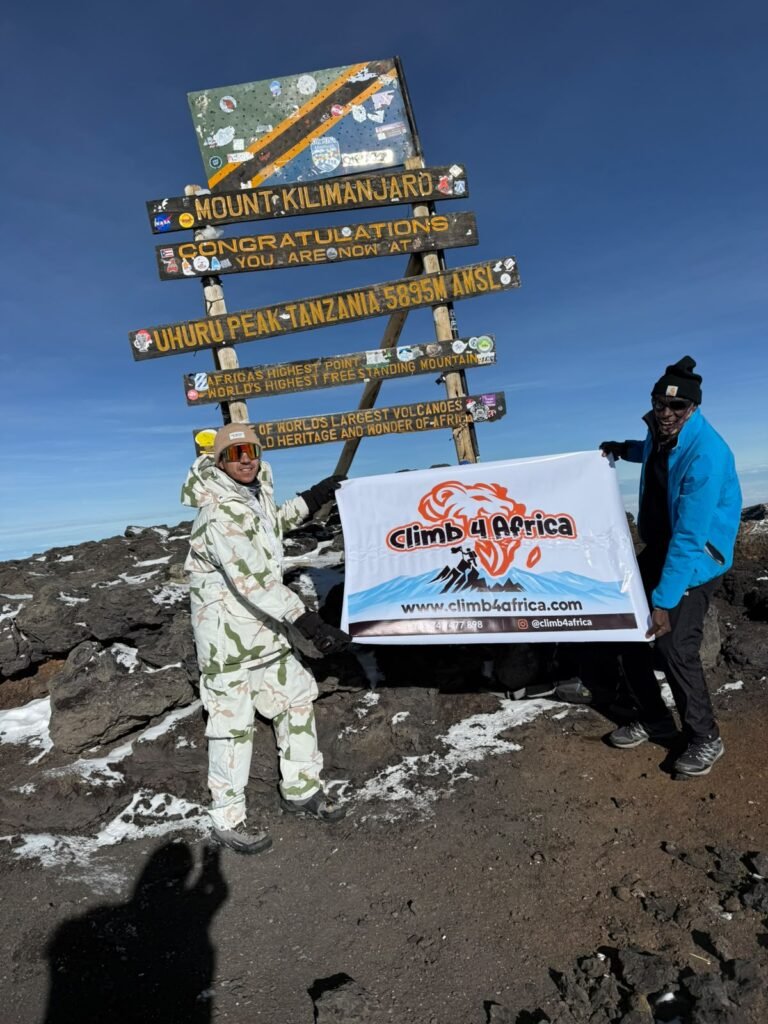
7 Days Kilimanjaro Trek And 3 Tanzania Safari 2026-2027
7 Days Kilimanjaro Trek and 3 Days Tanzania Safari.
View package details
15 Days Kilimanjaro Hiking And Big Five Safari 2026-2027
15 Days Kilimanjaro Hiking and Big Five Safari.
View package details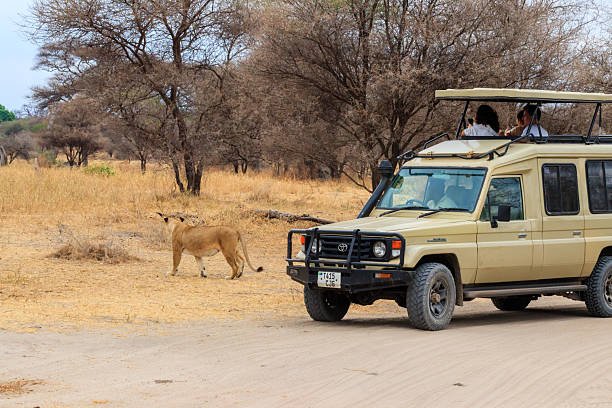
14 Days Kilimanjaro Trek And Northern Tanzania Safari 2026-2027
14 Days Kilimanjaro Trek and Northern Tanzania Safari.
View package details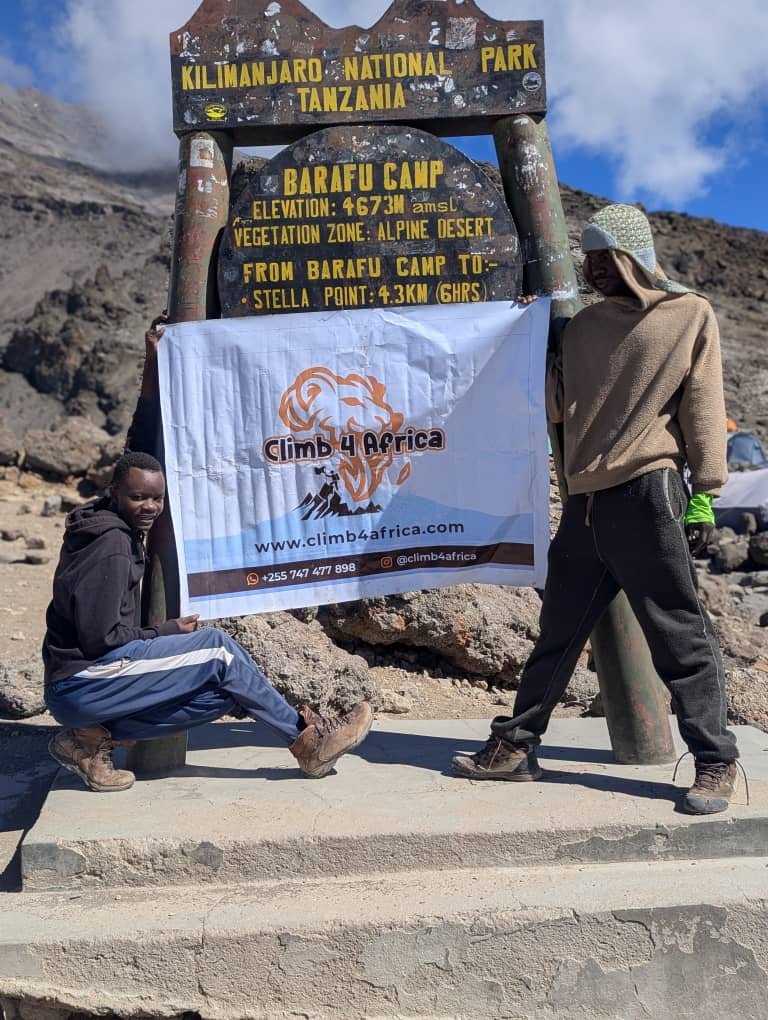
12 Days Kilimanjaro Trekking And Serengeti Ngorongoro Safari 2026-2027
12 Days Kilimanjaro Trekking and Serengeti Ngorongoro Safari.
View package details
18 Days Kilimanjaro Trek Budget Safari And Zanzibar 2026-2027
18 Days Kilimanjaro Trek Budget Safari and Zanzibar.
View package details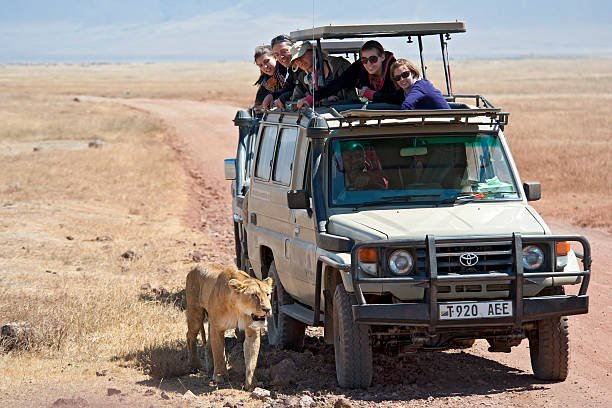
17 Days Kilimanjaro Group Climb Safari And Zanzibar 2026-2027
17 Days Kilimanjaro Group Climb Group Safari and Zanzibar.
View package details
19 Days Kilimanjaro Trekking Safari And Zanzibar 2026-2027
19 Days Kilimanjaro Trekking Safari and Zanzibar.
View package details
17 Days Kilimanjaro Climb Safari And Zanzibar Beach 2026-2027
17 Days Kilimanjaro Climb Safari and Zanzibar Beach.
View package details14 Days Kilimanjaro Climb And Luxury Lodge Safari 2026-2027
14 Days Kilimanjaro Climb and Luxury Lodge Safari.
View package details
15 Days Northern Circuit Kilimanjaro And Safari 2026-2027
A practical 15-day plan weaving Kilimanjaro’s Northern Circuit climb with a Tanzania safari, detailing route progression, acclimatisation, driving logistics, and accommodation choices...
View package details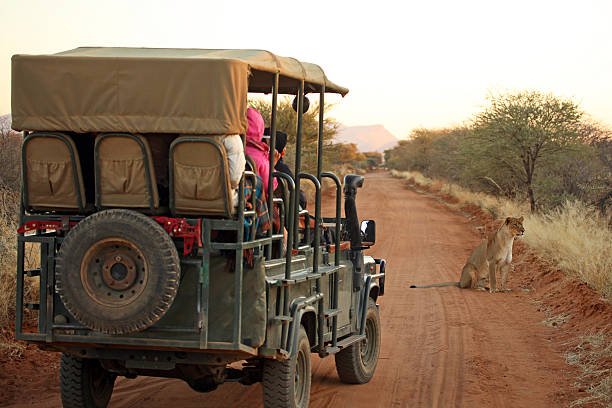
21 Days Tanzania Grand Adventure – Kilimanjaro Safari And Zanzibar 2026-2027
21 Days Tanzania Grand Adventure – Kilimanjaro Safari and Zanzibar.
View package details20 Days Ultimate Tanzania Kilimanjaro Safari And Beach 2026-2027
A complete 20-day, bookable Tanzania itinerary weaving Kilimanjaro ascent, northern safari circuits, and a Zanzibar-style beach finale with practical logistics and real-world pacing.
View package detailsNo related package matches those filters. Clear one or more filters to see the other topic-matched options.



