
This 6 Days Marangu Kilimanjaro Full Moon Climb (20–25 December 2026) follows the classic Marangu route with hut accommodation each night and a summit push timed to coincide with the December full-moon window. You will move from Marangu Gate to Mandara Hut, then to Horombo and Kibo huts, attempt Uhuru Peak on a night summit, and return to Marangu Gate. Exact availability, group size and price must be confirmed with Climb 4 Africa before booking.
This first part of the guide gives you a practical, route-focused briefing for the 6 Days Marangu Kilimanjaro Full Moon Climb (20–25 December 2026). Below are the planned daily stages, the logic behind the schedule, what to expect in the Marangu huts, acclimatisation priorities and day-to-day logistics you should consider when enquiring or booking. This is a sample searchable plan and final arrangements will be confirmed by Climb 4 Africa at reservation.
Why the 6-day Marangu plan for a full-moon climb?
The Marangu Route is the traditional ‘coca-cola’ route: a direct line up Kilimanjaro with sleep-in-hut nights rather than camping. A 6-day schedule adds an extra acclimatisation night on Horombo compared with the tight 5-day push, which improves summit odds. For a full-moon climb you also need to align the summit night with the lunar calendar so you benefit from natural illumination on the final ascent and descent; this schedule (20–25 December 2026) is organised to place the summit attempt on the darkest/brightest relative night in the full-moon window. Verify final summit-night timing with the operator when you book.
Common assumptions and what we will confirm for you
- Accommodation style: Marangu uses mountain huts at Mandara, Horombo and Kibo — this itinerary assumes hut stays. If huts are full or you request camping, confirm alternatives.
- Route sequence: Marangu Gate → Mandara Hut → Horombo Hut → Kibo Hut → Summit (Uhuru Peak) → Horombo Hut → Marangu Gate.
- Guides/porters: Kilimanjaro law requires licensed guides; porters carry group equipment. Climb 4 Africa will list staffing allocation in your booking confirmation.
- Transport and transfers: Transfers to/from Kilimanjaro National Park gate from Moshi/Arusha are arranged to meet your arrival details—confirm timing when you reserve flights.
Day 1 — Marangu Gate to Mandara Hut
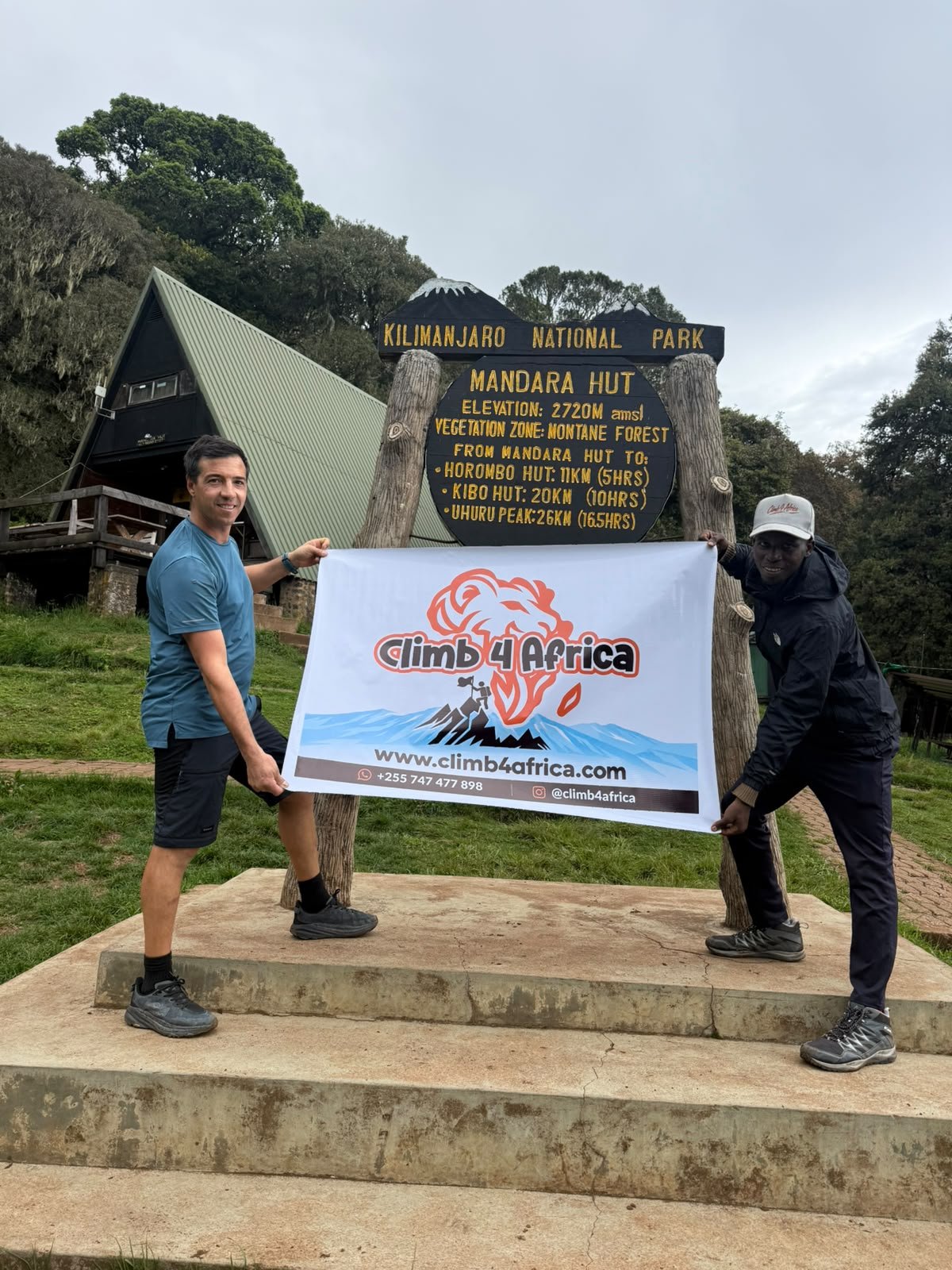
Start at Marangu Gate (approximate park registration point). The first walking day is a gentle rainforest hike and serves as an introduction for group pacing and gear checks. Expect a steady uphill path through dense forest, with possible birdlife and sporadic rain at this elevation. Mandara Hut is the first hut on-route; at hut level expect shared dormitories, basic meals and a chance to test sleeping systems. This day is short by design: it keeps energy in reserve and starts the acclimatisation process conservatively.
Day 2 — Mandara Hut to Horombo Hut
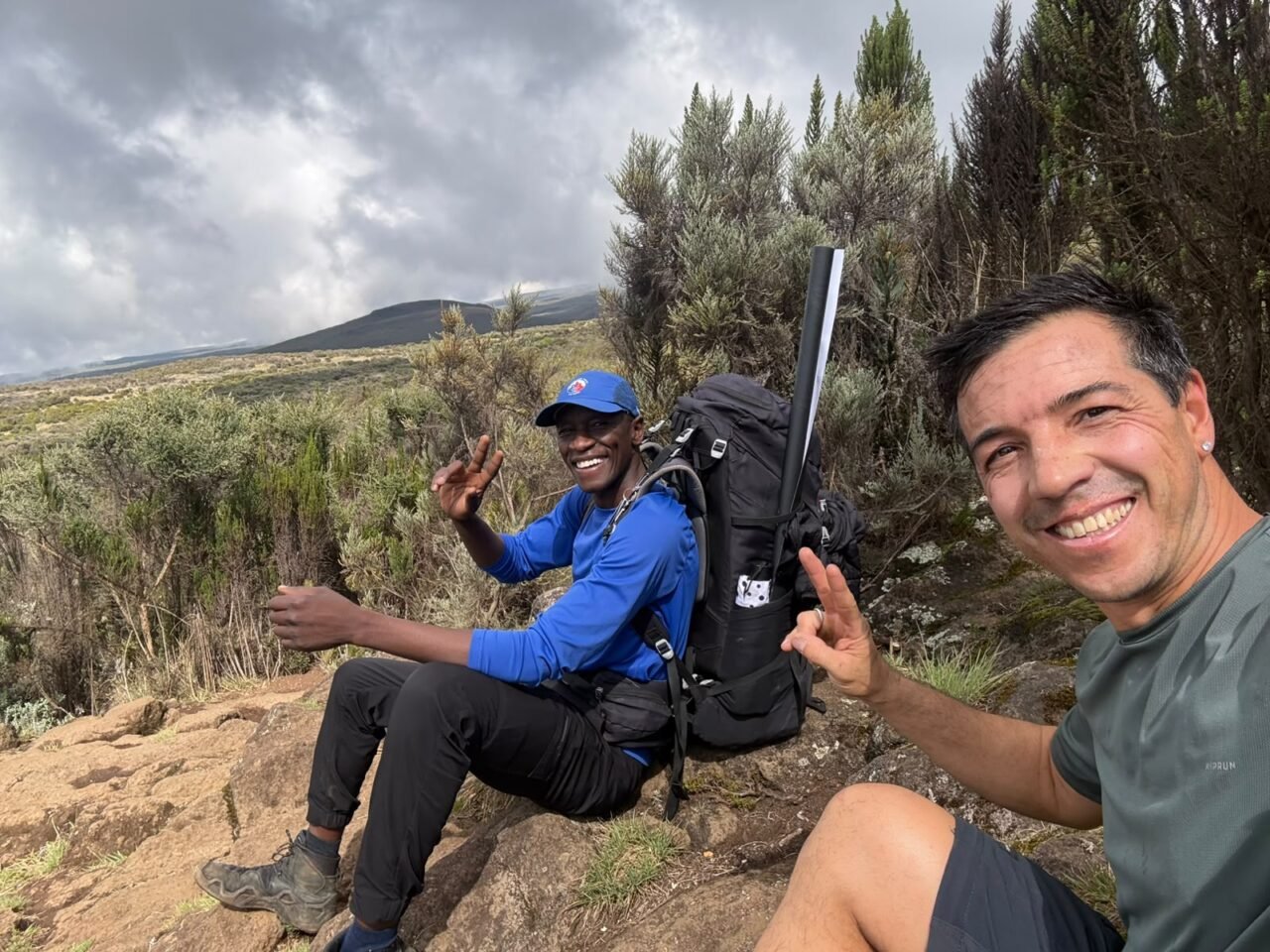
From Mandara you traverse moorland to Horombo Hut. The hike length is longer than Day 1 and you’ll gain more altitude, so pace is deliberate. Horombo is the primary acclimatisation stop on the Marangu route and usually the site for two nights in the 6-day itinerary. Facilities at Horombo Hut are larger than Mandara and it’s a good place for a hot meal and a proper rest. Use this afternoon to hydrate, eat well and sleep early; minor headaches or fatigue are common — report them to your guide immediately.
Day 3 — Acclimatisation day at Horombo Hut
Rather than climb higher on day three, this itinerary keeps you at Horombo for in-place acclimatisation. Typical activities include a short acclimatisation walk to a higher viewpoint (but below 3,500–4,000 m), group briefings, gear checks and contingency planning. The extra night here reduces the likelihood of severe altitude sickness later and gives guides time to assess every climber’s condition. If weather or physical condition requires it, the guide may adjust plans; this is a key safety buffer in the schedule.
Day 4 — Horombo Hut to Kibo Hut
This is the final day of trekking before the summit push. The path rises from moorland into alpine desert with clear, dry air and more exposed walking. Kibo Hut sits below the crater rim and is basic but functional—expect limited facilities and a short rest before a late-evening wake-up. Meals will be conservative to aid sleep and digestion before the summit night. Your guide will review summit procedures, check oxygen/medical kit availability and confirm summit timing based on night conditions and the operator’s plan for the full moon.
Day 5 — Summit night: Kibo Hut to Uhuru Peak and back to Horombo Hut
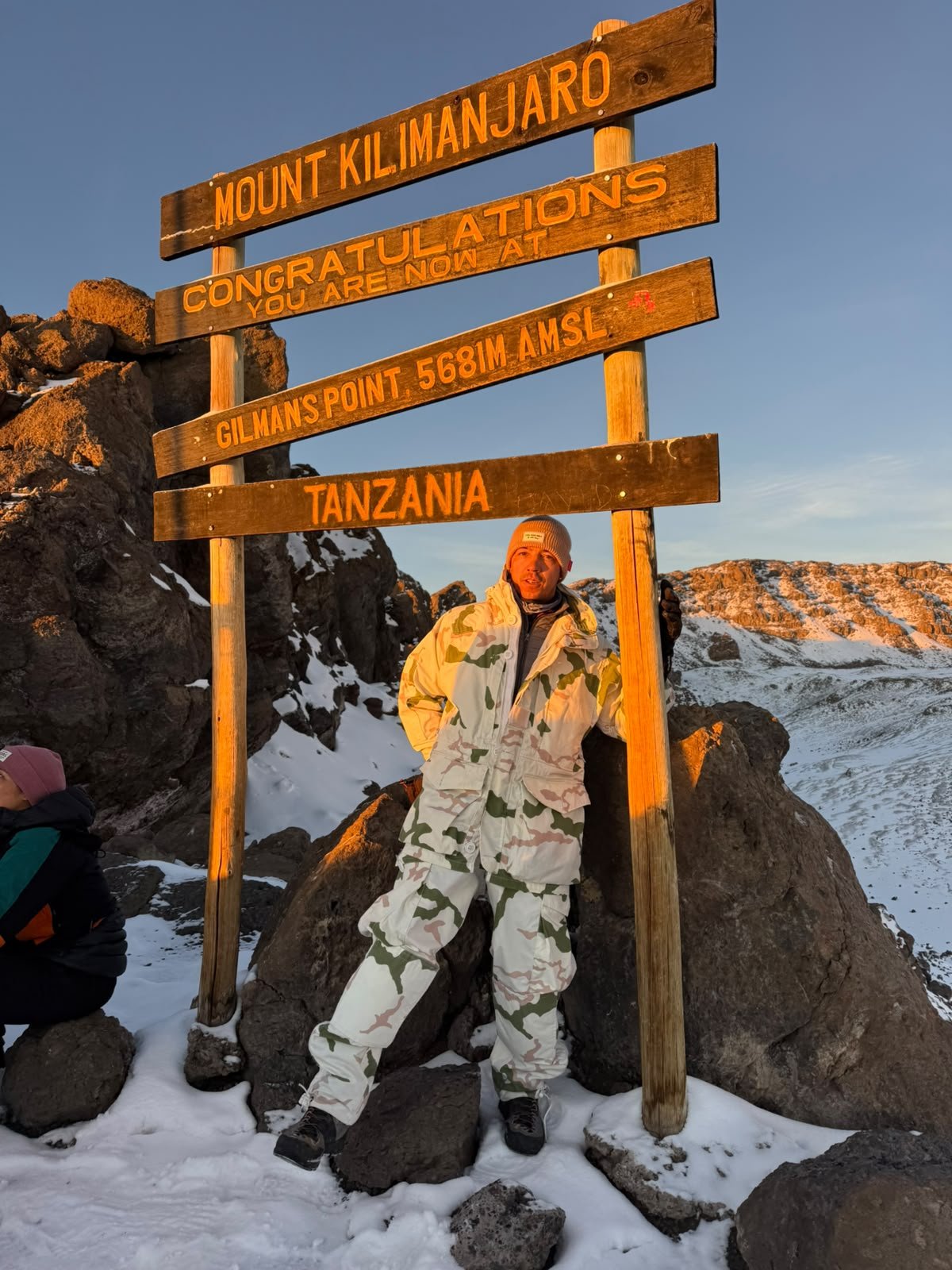
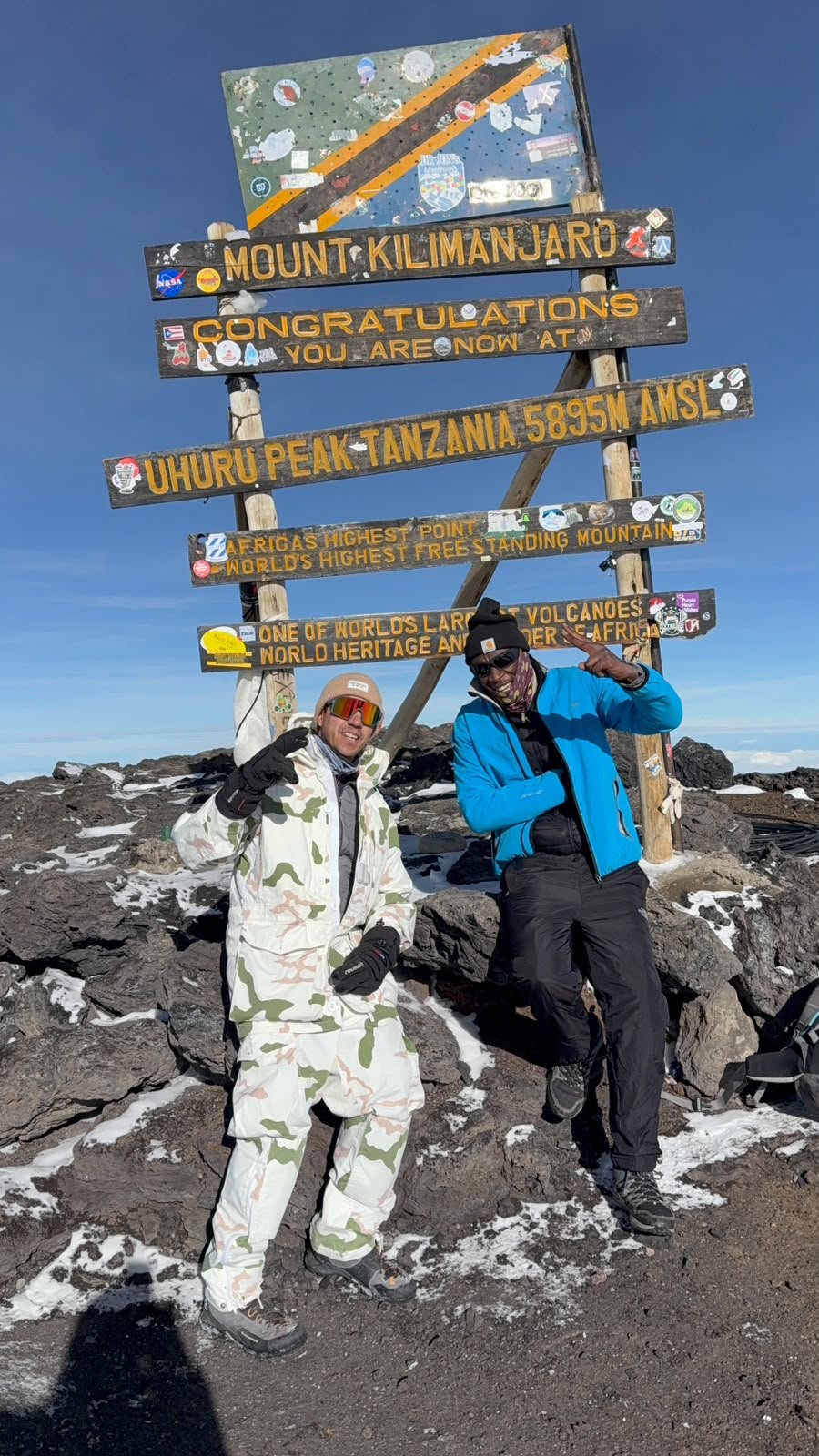
The summit attempt typically starts around midnight from Kibo Hut. The ascent is slow, using a ‘pole-pole’ (slow-slow) rhythm to manage altitude. The route takes you up to Gilman’s Point on the crater rim and then along the rim to Uhuru Peak. For a full-moon climb you may have additional light from the moon, but guides do not rely on it for safety—headlamps are mandatory. After reaching the summit you descend to Hor
Day 6 — Kibo/ Horombo Hut to Marangu Gate (descent and return)
This final day is dedicated to completing the descent from Horombo Hut (or, in the event of a very late summit or altered plan, from a lower camp) down to Marangu Gate and exiting the park. Although descending is less physically demanding than the summit climb, it is long on the knees and still requires attention to pacing, foot placement and hydration. The objective for Day 6 is straightforward: descend to the park gate, complete park formalities and then transfer to your onward accommodation or onward transport. Exact pickup time, vehicle type and onward arrangements are confirmed by Climb 4 Africa at booking; do not assume an immediate transfer will be available without prior coordination.
Typical flow and timing (sample sequence — confirm with your operator):
- Early morning wake-up at Horombo Hut for packing and a final gear check: even though the summit is behind you, weather and personal comfort still matter on the descent.
- Breakfast and campsite/hut clearance. Guides and porters will pack equipment and arrange carried group gear for transport.
- Begin descent to Mandara Hut and then onward to Marangu Gate. The walking day can take anywhere from 5–8 hours depending on pace, group condition and any stops for rests or medical checks.
- Arrive at Marangu Gate, complete park exit formalities, collect any stored personal luggage and receive a descent briefing from your guide.
- Transfer to accommodation in Moshi/Arusha or to your pre-arranged onward travel. Many climbers opt for a hot shower, laundry and a proper meal on arrival; these services must be booked separately if required.
Practical considerations on descent and exit
What you will feel: muscular soreness (especially quadriceps and knees), residual fatigue and a mix of exhilaration and mental tiredness are common. Keep fluid and calorie intake up throughout the descent even if appetite is low; dehydration can magnify fatigue and slow recovery. Use walking poles for stability on steep, loose sections and to offload pressure from knees.
Medical checks and summit debrief: guides typically conduct a post-descent check of every climber for signs of altitude illness that may require attention or evacuation. Be candid about any persistent symptoms (headache, nausea, breathlessness at rest, confusion) — even after descent, delayed symptoms occasionally appear and are treatable. Your guide will advise whether a clinic visit in Moshi is recommended and can assist with arranging transport and referral.
Baggage and gear handling: confirm in advance whether you left extra luggage at the operator’s base or at the park gate, and verify collection times. If you rented gear locally, return instructions and drop-off locations differ between providers; your operator will clarify the logistics on arrival at Marangu Gate.
Post-climb options and timing
On arrival in Moshi or Arusha most climbers want the same three things: rest, food and confirmation that travel connections are still valid. Useful options you can plan for in advance (confirm availability with Climb 4 Africa):
- Hotel transfer and check-in — many hotels offer late check-in and post-climb recovery packages (hot shower, massage, laundry).
- Medical clinic visit — for post-climb checks or treatment; your guide can recommend a clinic but you should confirm payment and insurance arrangements ahead of time.
- Certificate and photos — guides normally present summit certificates and photos at the operator’s office or hand them out in the evening; ask when and where to expect these items.
Travel connections and timing risks
Do not book international flights for the same day as your descent unless you accept significant risk. Delays from weather, medical issues or logistical bottlenecks can easily consume a day. If your schedule is tight, build in at least one night in Moshi or Arusha after descent before flying. Confirm airport transfers and flight reconfirmation responsibilities with Climb 4 Africa prior to the expedition.
Recovery and next steps
Recovery is individual, but first 48 hours should emphasise sleep, gentle mobility, calories and slow reintroduction of normal activities. Seek medical advice for any persistent respiratory symptoms, dizziness or severe fatigue. If you’re continuing travel in Tanzania, notify your accommodation provider about late arrival and ask for assistance with onward transport — your operator can usually help coordinate these arrangements.
Operational note: the full sequence described above is a sample day plan for descent and exit. Exact transfer times, vehicle types, hotel check-in arrangements, medical clinic referrals and the issuance method for summit certificates are confirmed by Climb 4 Africa when you reserve. Do not assume any of those services are automatic without explicit confirmation in your booking documents.
With the climb complete, Day 6 is about safe descent, clear administrative closure with the park, and an organised handover back into normal travel arrangements — plan this day deliberately and confirm every logistical detail with Climb 4 Africa before you leave for Kilimanjaro.
Optimising acclimatisation and managing altitude on the 6 Days Marangu Kilimanjaro Full Moon Climb
One practical question many climbers still ask after reading the basic itinerary is: how do I maximise my chance of reaching Uhuru Peak while staying safe from altitude illness? This passage gives detailed, route-specific guidance for acclimatisation, daily pacing, symptoms to monitor, and the operator decisions you should expect on the Marangu 6-day full-moon climb (20–25 December 2026). It emphasises measures that are under your control and the critical decision points where guides and the operator must act.
Principles that guide safe acclimatisation on Marangu
The core principle is predictable: gain altitude slowly, sleep lower than your highest daytime ascent where possible, stay hydrated and maintain calorie intake. The 6-day Marangu plan already builds in an extra night at Horombo Hut for this reason. Practically, that means prioritising the following actions from day one through the summit night.
- Start conservatively: your first two trekking days are for settling into the effort. Keep a steady, conversational pace (pole–pole) and avoid pushing to the front of the group where you may set an unsustainable tempo.
- Monitor symptoms actively: headaches, nausea, dizziness, reduced coordination, or excessive fatigue require immediate attention. Mild headaches often respond to oral analgesics and rest; persistent or worsening symptoms are a red flag.
- Sleep is non-negotiable: aim for good sleep at Mandara and Horombo. That improves overnight recovery and reduces summit-night risk. If you sleep poorly at Horombo, tell your guide—an extra rest or adjusted summit timing can be life‑saving.
- Hydration and calories: drink regularly rather than waiting for thirst. Small, frequent high-calorie snacks (nuts, energy bars, soups) maintain metabolic heat and cognitive function at altitude.
Day-specific acclimatisation tactics
Day 1 (Marangu Gate → Mandara Hut): use this lower-elevation forest day to test clothing layers, break in boots and verify that your sleeping bag and hut bedding are adequate. If you feel unusually breathless or develop a severe headache on this gentle day, report it immediately—early symptoms sometimes indicate pre-existing illness rather than altitude alone.
Day 2 (Mandara Hut → Horombo Hut): the objective is steady ascent with controlled pace. Guides commonly set a rhythm with short, frequent rest stops to keep group cohesion and allow monitoring. On arrival at Horombo, do not exceed light activity; hydrate and rest. If you feel well, a short acclimatisation walk later in the afternoon is beneficial only if it keeps you below the maximum recommended elevation for that day and leaves ample time to recover before sleep.
Day 3 (Acclimatisation day at Horombo Hut): this day is critical. Typical small climbs should stay below 3,500–3,800 m and return to Horombo for sleep. Use this day to evaluate how your body responds—sleep quality the next night is the most reliable predictor of summit readiness. Discuss with your guide any medications you may be using and confirm the summit-go/no-go criteria for the following night.
Day 4 (Horombo Hut → Kibo Hut): although the day finishes at Kibo Hut, near the crater base, it is a restful build-up for summit night. Limit exertion in the afternoon; avoid heavy meals immediately before the midnight start. If you experienced troubling symptoms at Horombo, standard practice is to delay departure or turn back rather than attempt the summit from Kibo.
Medical measures, guide authority and bailout options
Many climbers ask about medications: acetazolamide (Diamox) is commonly used to aid acclimatisation but should be discussed with your physician before the climb. Guides may carry basic medications, oxygen, and pulse oximeters for monitoring. On Marangu, evacuation options include descent to lower huts, porter/vehicle transfer from Marangu Gate, or clinic referral in Moshi. These are operator-dependent and will be explained by Climb 4 Africa at briefing; never assume immediate helicopter evacuation—weather and logistics matter.
Your guide has operational authority to alter plans for safety—this can include turning back from the summit, staying an extra night at Horombo, or descending directly from Kibo. Agree ahead of departure on the decision triggers that would cause a summit denial (e.g., persistent AMS symptoms, low oxygen saturation, or group-wide fatigue) so you can mentally prepare for either outcome.
Practical checklist for maximising your summit probability
- Bring a small personal pulse oximeter and learn baseline readings at sea level.
- Pack easy-to-eat, high-calorie snacks and electrolyte tablets for the full trek.
- Confirm with Climb 4 Africa whether supplements or prescription meds are acceptable to carry and whether they provide oxygen or medications in their medical kit.
- Communicate openly with your guide about any prior altitude experience, recent illnesses, or medications.
Managing altitude on the 6 Days Marangu Kilimanjaro Full Moon Climb is primarily about conservative pacing, proactive symptom reporting, and trusting the guide’s safety decisions. Use the scheduled Horombo acclimatisation window deliberately—it is the single most effective feature of this 6-day plan for improving summit success while protecting health.
How the full moon affects your summit night and simple, practical adjustments
One concrete question many climbers still ask after choosing this 6 Days Marangu Kilimanjaro Full Moon Climb (20–25 December 2026) is: beyond the romance and extra light, how does a full-moon summit night actually change the logistics, pace and equipment choices? This passage answers that directly with route‑specific, actionable advice you can use when packing, briefing with your guide, and planning the summit window.
Visibility, navigation and group spacing
A bright full moon significantly improves ambient illumination on the final ascent and descent compared with a moonless night. Expect better depth perception on the rocky scree of the upper slopes and easier recognition of major landmarks such as the crater rim and Gilman’s Point. However, do not rely on moonlight as a replacement for headlamps: guides still require every climber to carry a working headlamp with fresh batteries. Practical adjustments for this Marangu summit night:
- Set your headlamp to a low-power or red-light mode while the group is moving under the moon to conserve batteries and reduce glare for other climbers.
- Assign a consistent light protocol with your guide: when to use full beam for tricky sections, when to dim lights, and how to signal stops or turns so the group stays tight on narrow or wind-exposed stretches.
- Expect slightly faster walking speeds for experienced climbers in moonlight—resist the temptation to surge, as steady ‘pole‑pole’ pacing remains the safest approach for altitude management.
Pace, timing and summit-window decisions
The full moon widens the practical summit window: you can start earlier or exploit brighter pre-dawn hours for a more visible approach to the ridge. That flexibility is useful if your group’s rhythm on Day 4 leaves you with extra margin before the recommended midnight start. Discuss with your guide whether to adjust the wake-up time by 30–60 minutes earlier to take advantage of moonlight and cooler, firmer ground, or to stick with the planned midnight departure to preserve acclimatisation strategy. Key points to cover in the briefing:
- How the guide will judge summit timing based on group condition and real-time weather; a clear, agreed protocol reduces last-minute confusion.
- If the group is making faster progress under moonlight, confirm whether the plan is to pause more frequently rather than push pace—short planned rests are better than unregulated surges that risk AMS onset.
Equipment tweaks for a moonlit summit
Moonlight changes what you bring in small but meaningful ways. Items to prioritise for the 6 Days Marangu Kilimanjaro Full Moon Climb include:
- Two reliable light sources: a headlamp plus a compact backup handheld light or spare headlamp stored separately to protect against failure.
- Battery management: carry spare batteries in an insulated pocket to prevent power loss from cold; confirm battery type with your headlamp before departure.
- Camera settings and storage: use higher ISO and wider apertures for hand-held moonlit photography; allocate extra battery and memory because cold shortens battery life and you’ll likely take more shots of the crater rim and full‑moon vistas.
- Footwear traction: the upper scree can be firmer in colder night conditions; crampons are not normally needed on Marangu but microspikes can help if you prefer added grip—discuss this with your operator rather than assuming it’s required.
Psychological and group dynamics advantages
Moonlight often reduces the sense of isolation that can accompany a summit push. That has real effects on morale and perceived exertion—people tend to feel safer and more motivated when the route is visible. Guides commonly leverage this by timing short photo stops and encouraging quiet, steady conversation to keep the group relaxed. Still, remember the primary objective: conserve energy for the final ridge and the descent to Horombo. Use the full moon as an assist, not as an excuse to race.
When you confirm your booking for the 6 Days Marangu Kilimanjaro Full Moon Climb (20–25 December 2026), ask your operator how they will modify wake-up times, light protocols and emergency procedures for the full-moon summit night. These small operational details are decisive in turning lunar advantage into a safer, higher-probability summit.
Related Guides and Packages
Check Availability for 6 Days Marangu Kilimanjaro Full Moon Climb – 20–25 December 2026
Ready to compare dates, prices, and the best option for your group? Send the package name and travel month so the team can reply with a clear quote, availability, and what is included.

5 Days Marangu Kilimanjaro Full Moon Trek – 21–25 December 2026
5 Days Marangu Kilimanjaro Full Moon Trek – 21–25 December 2026.
View package details6 Days Marangu Kilimanjaro New Year Climb – 28 December – 2 January 2026
6 Days Marangu Kilimanjaro New Year Climb – 28 December 2026 – 2 January 2027.
View package details6 Days Marangu Kilimanjaro Christmas Holiday Climb – 21–26 December 2026
6 Days Marangu Kilimanjaro Christmas Holiday Climb – 21–26 December 2026.
View package details5 Days Marangu Route Kilimanjaro Group Climb – 8–12 December 2026
5 Days Marangu Route Kilimanjaro Group Climb – 8–12 December 2026.
View package details5 Days Marangu Kilimanjaro Christmas Trek – 22–26 December 2026
5 Days Marangu Kilimanjaro Christmas Trek – 22–26 December 2026.
View package details5 Days Marangu Kilimanjaro New Year Trek – 29 December – 2 January 2026
5 Days Marangu Kilimanjaro New Year Trek – 29 December 2026 – 2 January 2027.
View package details5 Days Marangu Kilimanjaro December Trek – 19–23 2026
5 Days Marangu Kilimanjaro December Trek – 19–23 December 2026.
View package details
6 Days Marangu Kilimanjaro Group Hiking – 9–14 December 2026
6 Days Marangu Kilimanjaro Group Hiking – 9–14 December 2026.
View package details6 Days Marangu Kilimanjaro Hut Trekking – 6–11 December 2026
6 Days Marangu Kilimanjaro Hut Trekking – 6–11 December 2026.
View package details5 Days Marangu Route Kilimanjaro Trek – 2–6 December 2026
5 Days Marangu Route Kilimanjaro Trek – 2–6 December 2026.
View package details
6 Days Rongai Route Kilimanjaro Hiking – 6–11 December 2026
6 Days Rongai Route Kilimanjaro Hiking – 6–11 December 2026.
View package details5 Days Marangu Kilimanjaro Climbing Package – 12–16 December 2026
5 Days Marangu Kilimanjaro Climbing Package – 12–16 December 2026.
View package detailsNo related package matches those filters. Clear one or more filters to see the other topic-matched options.



