
The December 4, 2026 Kilimanjaro Private Guide and Personal Porter Package provides a dedicated English-speaking guide assigned to you and one personal porter to carry your main duffel (typically up to the porter weight limit). This service is intended for independent climbers or small private parties; exact route, duration and full inclusions (park fees, transfers, camping, meals) must be confirmed with Climb 4 Africa when you enquire or book.
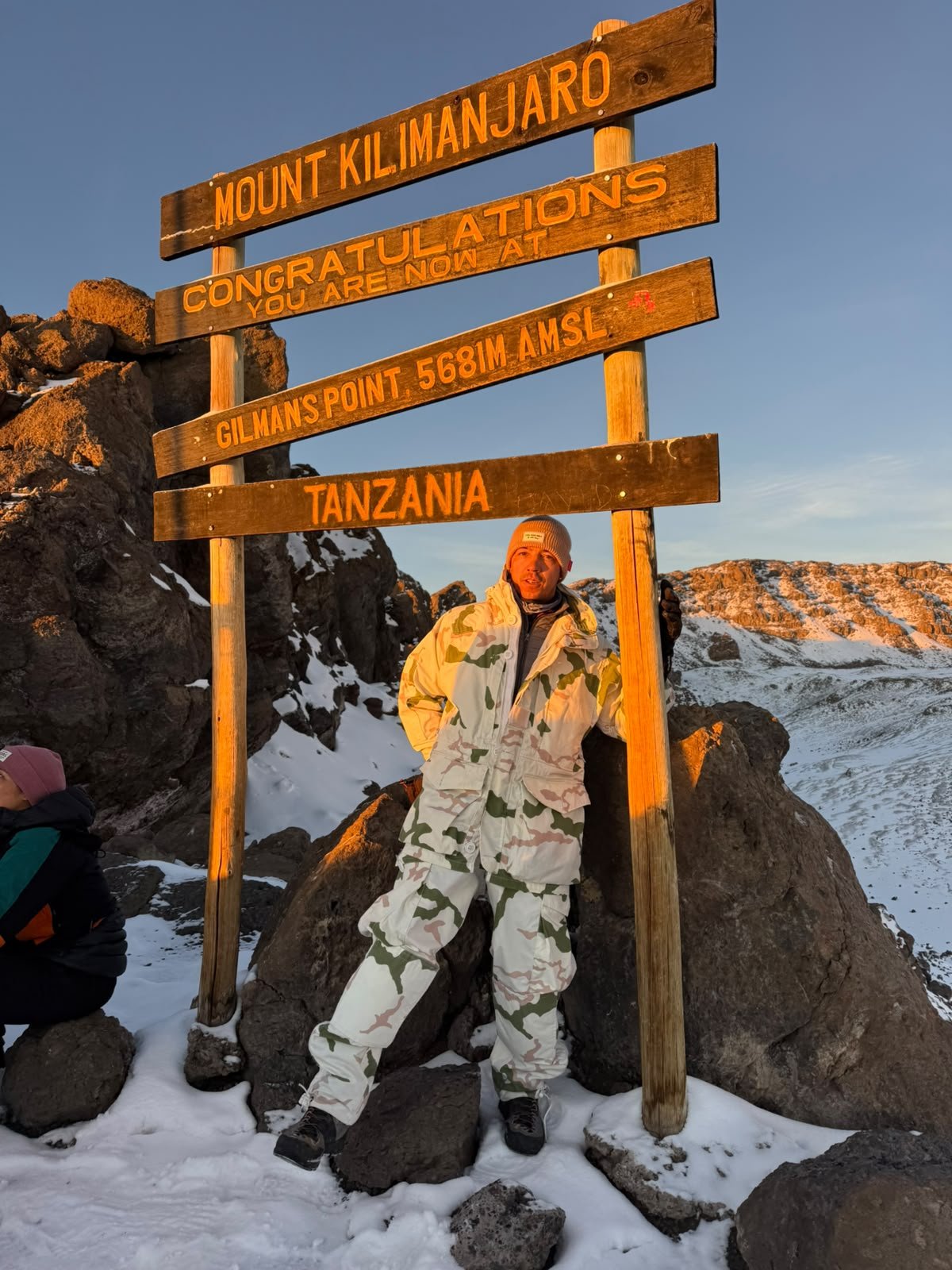
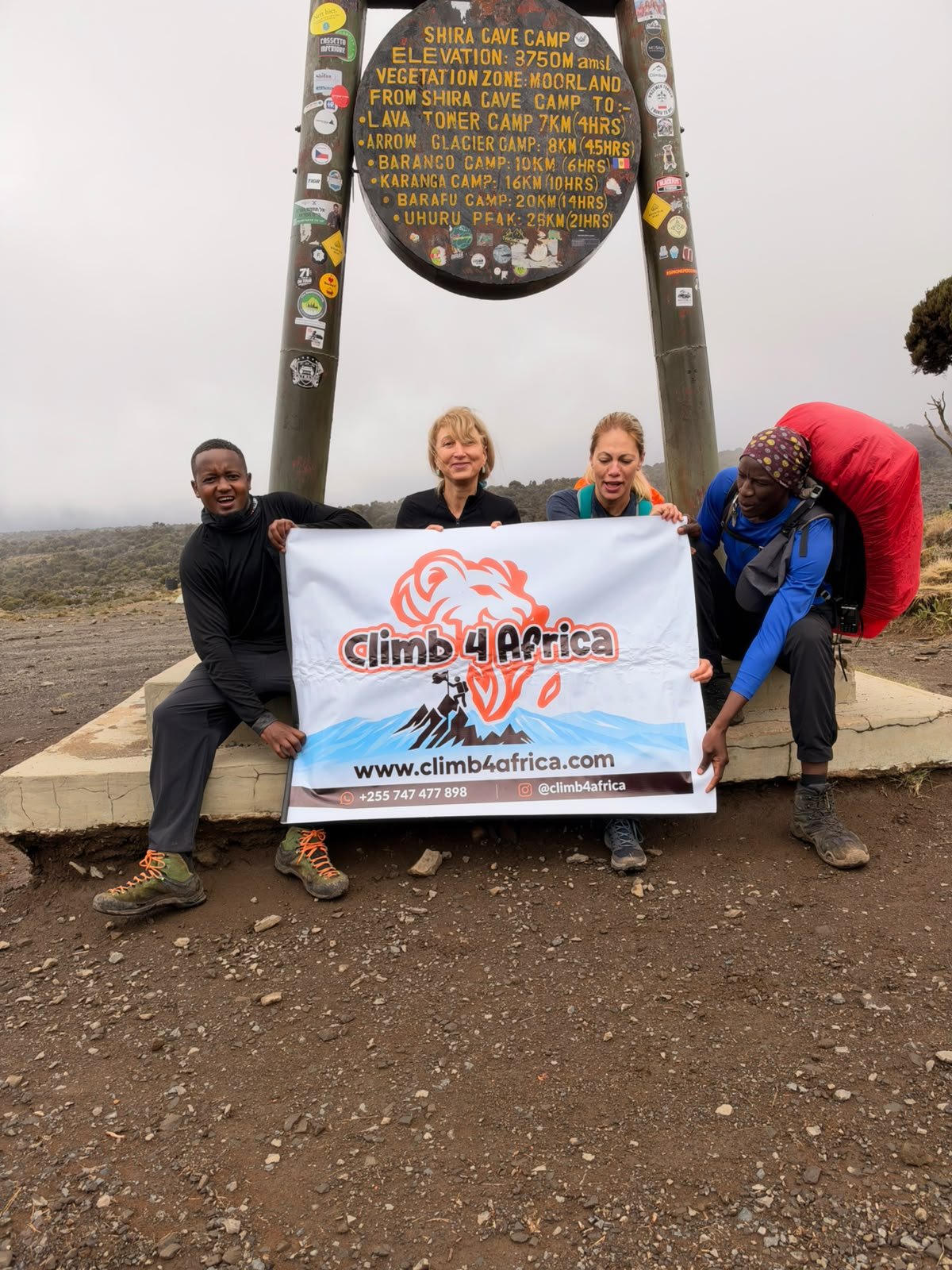
Booking a private guide plus a personal porter on December 4, 2026 means you’ll have one guide committed to your group’s safety, pace and acclimatisation decisions, and one porter who focuses on your personal kit. Below I explain the practical trade-offs, how that setup compares with other support levels, route compatibility, luggage and gear norms, and the booking checks you must make before confirming travel.
Who should choose the December 4, 2026 Kilimanjaro Private Guide and Personal Porter Package?
- Solo travellers wanting privacy: If you prefer one-on-one attention from a guide and don’t want to join a shared group, this package is a sensible middle ground between full luxury support and budget group treks.
- Couples or small private parties: Ideal for two people who want a dedicated guide and a porter who carries both personal bags rather than a larger crew.
- Travelers concerned about pace and safety: A private guide adapts the schedule to your fitness and altitude response; the porter reduces your carried load so you can conserve energy for higher camps.
What this private guide + personal porter setup normally includes
Operators offering this service typically organize the following elements; confirm every item with Climb 4 Africa before booking:
- Assigned private guide: A licensed guide who leads the trek, makes altitude decisions, and communicates with park authorities.
- One personal porter: A porter dedicated to your personal duffel (observe the porter weight limit, often around 15–20 kg; confirm the exact limit with the operator).
- Porter welfare standards: Operators should adhere to porter welfare rules (insurance, rest days, fair pay, equipment). Ask Climb 4 Africa for their porter policy and compliance details.
- Route choice: The package can usually be applied to standard routes (Machame, Lemosho, Rongai, Marangu, Rongai), but you must confirm which route you want and whether that date works for the chosen route.
What is not guaranteed unless stated by the operator
- Park entry permits, camping or hut accommodation, food, or vehicle transfers — these are standard inclusions on climb bookings but vary by package; verify whether they are included or quoted separately.
- Number of porters assigned beyond the single personal porter — larger party needs may require additional porters as per park regulations.
- Specific guide identity or language abilities beyond the primary language quoted — request preferences early.
Trade-offs and comparisons: Private guide + personal porter vs other support levels
There are three common levels of support on Kilimanjaro climbs. Here’s how the private guide + personal porter option compares:
- Private guide + personal porter: Balanced. Personal attention, lighter personal load, lower crew size and cost than full private luxury packages. Best when you value privacy, a steady pace, and lower environmental footprint.
- Private guide with full private crew (cook, multiple porters): More comfort and more carried gear (communal camp equipment). Good for small groups wanting chef-cooked meals and more service, but costlier and larger crew size.
- Shared group trek with standard portering: Cheapest per person and social, but you follow the group pace and have less flexibility; porters are shared amongst participants.
Route compatibility and how to choose the right route for Dec 4 departures
The private guide + personal porter package can be used on most Kilimanjaro routes. Your decision should weigh acclimatisation profile, desired duration and scenery:
- Longer routes (e.g., Lemosho): Better for acclimatisation and success rates — sensible if you want a gentler summit push and more time on the mountain.
- Classic routes (Machame): Popular for scenery and a moderate length; still compatible with a private guide and porter.
- Shorter or direct routes: Faster but higher altitude gain per day; pairing
Packing realities: how to split your kit between your daypack and the personal porter’s duffel
One practical question readers often still have when booking the December 4, 2026 Kilimanjaro Private Guide and Personal Porter Package is how to divide gear between what you carry and what the personal porter will carry. Getting this right improves comfort, safety on the mountain, and porter welfare while maximising your ability to move at your preferred pace during altitude climbs and summit night.
Understand the porter’s role and limits
Under this package your single personal porter is primarily responsible for one shared duffel containing your personal kit (clothing layers, sleeping bag if required, toiletries, spare shoes, etc.). Park regulations and operator welfare guidelines set a maximum weight per porter (confirm the exact limit with Climb 4 Africa), so plan to keep the duffel within that limit. Anything above the allowed weight can create operational issues: the operator may require redistributing items to other porters or asking you to reduce packed weight.
What you must carry in your daypack
- Essentials you need while walking: water bottle(s), high-energy snacks, sunscreen, sunglasses, and a basic first-aid kit.
- Layers for sudden weather shifts: a lightweight insulated jacket, waterproof shell, gloves and hat. Summit-night cold can be extreme; have your warmest insulating layer on your person for the final push.
- Personal items you might need between camps: camera, headlamp with spare batteries, toilet paper, hand sanitizer, and any medications you will take during the day (including altitude tablets if prescribed).
- Lightweight valuables and travel documents: passport photocopies, credit card/cash for tips, and a phone in a waterproof sleeve. Keep originals and valuables with you rather than in the porter’s duffel where access is limited.
What typically goes into the porter’s duffel
- Non-urgent clothing and large soft items: spare base layers, extra socks, camp footwear, and a down jacket or sleeping bag not required while hiking between camps.
- Camping comfort gear provided or personal: small pillow, compact sleeping mat (if you bring a personal one and it’s allowed), and additional dry bags for organisation.
- Bulk toiletry items and larger spare items: larger bottles of sunscreen or lotion, spare batteries, a multi-tool, and extra cameragear when not in use.
Pack the duffel so the porter can access essential items at camp quickly (e.g., camp shoes and a small change of clothes), and use internal compression to keep weight centred and compact.
Summit-night strategy for the December 4, 2026 departure
Summit night requires careful planning. The day hike from the last camp to the summit is the most demanding; you should carry only what you absolutely need for warmth and immediate comfort. Typical practise is:
- Keep your heaviest insulation and sleeping bag in the porter’s duffel—replaceable by your down jacket or a lightweight bivy on your person if you anticipate needing more immediate warmth.
- Bring energy-rich snacks and at least 1–2 litres of water in your daypack. Hydration and calories are crucial during the summit push.
- Carry a headlamp with new batteries, a small first-aid/altitude kit, spare glove liners, and a windproof shell—these are items you must reach without camp access.
Packing techniques that make life easier for you and the porter
- Distribute weight low and centred in both your daypack and the porter duffel; avoid rigid items that create pressure points for porters (hard suitcases are usually prohibited).
- Use labelled dry bags so the porter can set up your camp quickly and find items without unzipping everything. Label one bag “summit/night” that the guide can hand you before the summit push.
- Weigh your duffel at home or at the meet point if possible. If you’re close to the porter limit, remove non-essential items or consider arranging an extra porter—confirm with Climb 4 Africa whether additional porter support is available for your Dec 4 trek.
Final checks before departure
At the pre-climb briefing confirm the porter’s weight allowance, what’s expected in your daypack, and which items the guide recommends you keep on your person for safety and comfort. These small adjustments eliminate last-minute reshuffles, protect porter welfare, and increase your chance of a successful, comfortable summit on the December 4, 2026 Kilimanjaro Private Guide and Personal Porter Package.
How the December 4, 2026 Kilimanjaro Private Guide and Personal Porter Package Ensures Sustainable and Ethical Support
One of the most frequently overlooked yet critical aspects of choosing the December 4, 2026 Kilimanjaro Private Guide and Personal Porter Package is understanding how your choice impacts the sustainability and ethics of the climb. While the immediate benefits—personalized attention, reduced load, and a tailored pace—are clear, the long-term implications of how support staff are treated and compensated are equally important. This package, when booked through a responsible operator like Climb 4 Africa, is designed not just for your comfort but also to uphold high standards of porter welfare, fair labor practices, and environmental stewardship.
Porter Welfare Standards and Compliance with Tanzanian Regulations
Under Tanzanian national park regulations and international climbing industry best practices, all porters on Kilimanjaro must be provided with a minimum of 30 kilograms of food per day, proper hydration, medical supervision, and rest breaks. The private guide + personal porter package does not exempt operators from these rules—on the contrary, it often strengthens adherence because the smaller crew size allows for closer oversight. With only one porter per climber, your guide can more easily monitor their physical condition, ensure they are not overburdened, and intervene if signs of fatigue or altitude sickness appear.
Climb 4 Africa explicitly confirms that their porters are registered with the Kilimanjaro Porters Assistance Project (KPAP), a nonprofit organization dedicated to improving working conditions for porters. This means every porter on your December 4, 2026 trek is:
- Provided with a standard-issue, weather-resistant duffel bag
- Given a personal tent and sleeping mat at each camp
- Offered daily medical check-ins by a trained guide or medic
- Guaranteed a minimum of 8 hours of rest per night
- Compensated above the national average for the region
Weight Distribution and Fair Load Management
It’s a common misconception that porters carry as much as possible. In reality, the maximum weight a porter is legally and ethically allowed to carry is 20 kilograms (about 44 pounds) on the trail, as enforced by the Tanzania National Parks Authority (TANAPA) and KPAP. This includes all personal gear, meals, and camp equipment. The private porter assigned to your December 4, 2026 climb will carry your main duffel, which must be carefully packed to stay within this limit.
Because your porter is responsible for only your gear—no shared communal items like cooking pots, fuel, or group tents—there is less risk of overloading. This allows for more predictable weight management and reduces the chance of injury. The guide will verify the duffel’s weight at the start of each day, and if it exceeds the limit, they will work with you to redistribute or remove non-essential items. This process is not a burden—it’s a safeguard for both you and your porter.
Why a Personal Porter Isn’t Just a Luggage Carrier
The personal porter on the December 4, 2026 Kilimanjaro Private Guide and Personal Porter Package plays a role far beyond carrying your duffel. They are trained in basic first aid, emergency response, and environmental conservation. They are also expected to assist with camp setup, help with stove assembly, and report any issues with weather, trail conditions, or fellow climbers to the guide.
Because they are assigned exclusively to your group, they become familiar with your pace, preferences, and physical state. If you slow down due to altitude or fatigue, your porter will adjust their own pace accordingly and may even offer subtle encouragement or guidance. This level of personal attention is not possible in larger group treks where porters rotate between parties.
Environmental and Cultural Responsibility
By choosing a private guide and personal porter setup, you also contribute to reduced environmental impact. Smaller crews mean less waste, less campsite disturbance, and fewer resources consumed per climber. Climb 4 Africa ensures that all porters are trained in Leave No Trace principles: all waste is packed out, campfires are prohibited, and all food scraps are secured in bear-proof containers.
Culturally, this package supports local livelihoods. The guide and porter are typically from nearby villages such as Moshi or Mto Wa Mbu, and their employment helps sustain families in the region. When you book through Climb 4 Africa, you are not just paying for a climb—you are investing in community development, fair wages, and the long-term preservation of Kilimanjaro’s natural and cultural heritage.
How to Confirm Ethical Practices Before Booking
While the December 4, 2026 Kilimanjaro Private Guide and Personal Porter Package is marketed as a premium experience, not all operators uphold the same ethical standards. To ensure you’re choosing a responsible provider:
- Ask if the operator is a member of KPAP or has a formal partnership with a porters’ rights organization.
- Request a copy of the porter welfare policy or code of conduct.
- Confirm that your guide and porter are licensed by TANAPA and have undergone safety and first-aid training.
- Verify that the porter is provided with a sleeping mat, tent, and food allowance that meets or exceeds KPAP standards.
These checks are not optional. They are essential to ensuring that your climb is not only successful but also respectful of the people and place that make it possible.
How the Personal Porter Enhances Your Summit Experience Beyond Physical Support
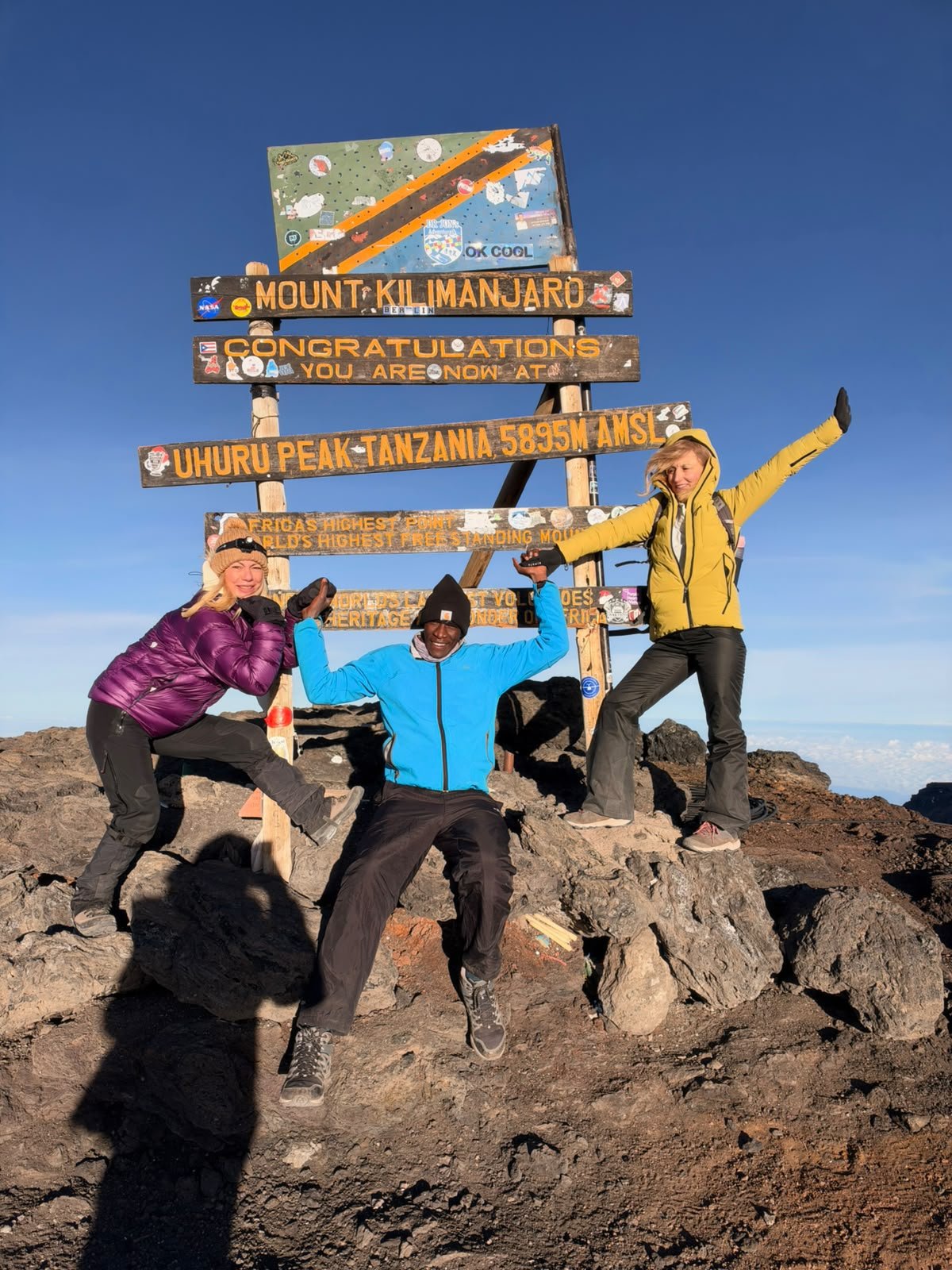
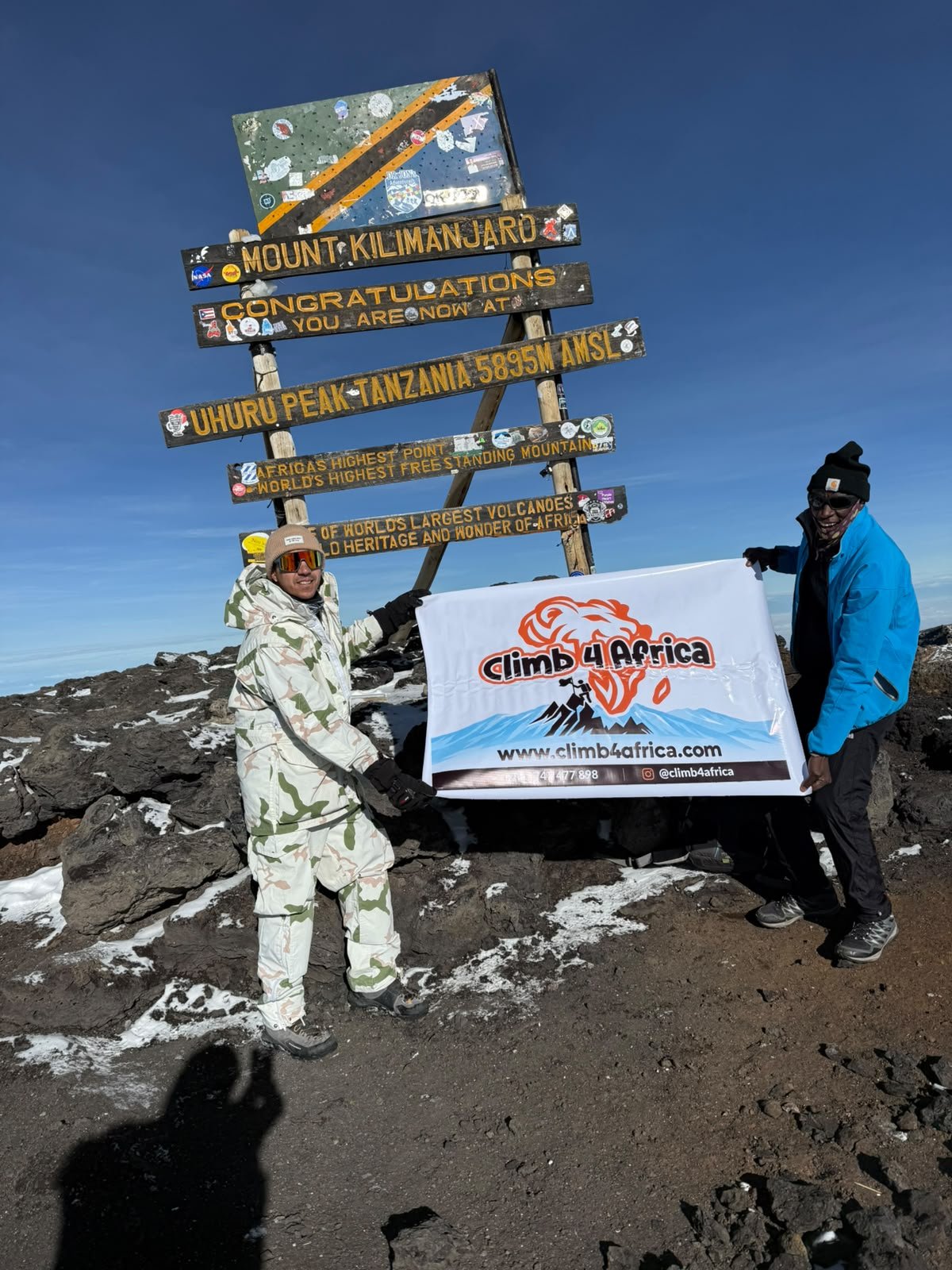
The presence of a personal porter on the December 4, 2026 Kilimanjaro Private Guide and Personal Porter Package is not merely a logistical convenience—it transforms the entire summit experience by introducing a layer of personalized care, situational awareness, and human connection that is rarely available on shared or group-based climbs. While your guide manages navigation, acclimatization pacing, and emergency response, your personal porter becomes an on-the-ground extension of your support team, attuned to your rhythm, energy levels, and subtle shifts in condition.
Anticipatory Assistance: The Porter’s Role in Real-Time Adaptation
Unlike porters in larger groups who rotate between parties and may not recognize individual climbers, your personal porter spends the full duration of the climb with you. This continuity allows them to observe patterns—such as fatigue after a steep ascent, reduced appetite at higher altitudes, or early signs of altitude discomfort. They learn when you need extra rest, when you prefer silence, or when a small word of encouragement can make a difference. In practice, this means your porter may adjust their own pace to match yours without being asked, silently carry your extra layer when they notice you shivering, or retrieve your water bottle from your pack before you even realize it’s empty.
Preemptive Camp Preparation and Daily Routine Support
Each morning, before you’ve even finished your breakfast, your personal porter is often already setting up your sleeping mat, unpacking your sleeping bag, and organizing your campsite gear. At camp, they ensure your personal items—especially those not in your daypack—are stowed correctly and accessible. If you’re using a personal sleeping mat, they’ll lay it out precisely where you prefer. If you bring a compact pillow, they’ll place it in the optimal position for comfort. This attention to detail reduces morning stress and allows you to focus on hydration, nutrition, and mental readiness for the day ahead.
Emergency and Health Monitoring: A Silent Guardian
Porters on this package are trained in basic first aid and recognize symptoms of acute mountain sickness (AMS), high-altitude pulmonary edema (HAPE), and high-altitude cerebral edema (HACE). Because they are assigned exclusively to your group, they monitor your behavior more closely than a rotating porter could. If you begin to lag, speak slowly, or appear disoriented, they are likely to inform your guide immediately and may even assist in guiding you to rest or descend, depending on the situation. They also keep an eye on your water intake, remind you to eat, and ensure you don’t skip meals—critical actions that directly impact summit success.
Emotional and Psychological Resilience: The Human Element
Summit night is among the most mentally taxing phases of any climb. Darkness, extreme cold, and physical exhaustion test even the most prepared climbers. In this context, the presence of a familiar face—your personal porter—can be profoundly reassuring. They may walk beside you in silence, offer a reassuring nod, or simply stay close without speaking, knowing that your focus is on survival and endurance. Some porters have been known to hum traditional tunes from their villages or share quiet words of encouragement in Swahili—small gestures that carry deep emotional weight in the quiet of the night.
Post-Summit Support: Recovery and Transition
After reaching Uhuru Peak, the physical and emotional toll is immense. Your personal porter helps you down the mountain by carrying your duffel, assisting with balance on steep terrain, and ensuring you stay hydrated and warm. They may even carry your summit certificate and personal gear back to the base camp, allowing you to rest without burden. This continuity of support from start to summit and back reinforces the sense of partnership, making the journey feel less like a solo challenge and more like a shared human achievement.
Building Trust Through Consistency
Because the porter is with you every day, a relationship develops—built on mutual respect, shared effort, and quiet understanding. This trust is not just emotional; it’s practical. You begin to anticipate their actions, and they learn your preferences. Over time, this creates a smooth dynamic where communication becomes intuitive, reducing the need for constant verbal cues. This is especially valuable during summit night, when minimal noise and maximum efficiency are essential.
The December 4, 2026 Kilimanjaro Private Guide and Personal Porter Package is not just about carrying gear—it’s about creating a human-centered climbing experience where every decision, movement, and moment is informed by care, continuity, and respect. The personal porter is not a servant, but a partner in your journey—one who enhances your safety, comfort, and success in ways that are deeply personal and profoundly impactful.
Tipping, Gratuities and Farewell Etiquette for the December 4, 2026 Kilimanjaro Private Guide and Personal Porter Package
One practical question many climbers still ask after booking the December 4, 2026 Kilimanjaro Private Guide and Personal Porter Package is: what is the appropriate tipping practice for a private guide plus single personal porter? Tipping is the climber’s principal means of rewarding the daily caretaking, safety work and emotional labour delivered by guide and porter teams. Because this package intentionally limits crew size, your tip carries proportionally greater impact on individual livelihoods—and it’s helpful to plan both the amount and the logistics before you arrive.
Principles to guide your tipping
- Prioritise fairness: the private guide carries responsibility for safety and decision-making; the personal porter carries your kit and provides continuous personal care. Both roles are important—tip so both feel recognised.
- Aim for transparency: confirm tipping customs with your operator at briefing. Some operators collect tips centrally and distribute them according to an agreed schedule; others expect direct handover to guide and porter.
- Tip in cash (local currency preferred) unless your operator explicitly accepts digital tips. Cash given at the end of the trek avoids currency conversion issues for porters and guide families.
How to calculate a fair tip for the private guide + personal porter setup
There is no universal fixed rule, but a pragmatic approach is to consider the combined customary tip you would give a small full crew and then allocate between guide and porter according to responsibility. For a private-guide-with-personal-porter setup, many climbers follow this method:
- Decide on a total tip for the trip based on length, difficulty and level of personal attention received.
- Allocate roughly 60–70% of that total to the private guide and 30–40% to the personal porter—this reflects the guide’s leadership and the porter’s physically intensive daily work while recognising both contributions.
- If other support staff (cook, assistant guide, additional porters) are confirmed on your particular departure, add a modest separate token or increase the total tip to avoid under-compensating them.
Exact numbers vary by country and expectation; confirm a local recommendation with Climb 4 Africa at booking, but decide early so you can bring appropriate denominations of Tanzanian shillings or small USD bills for conversion.
Timing and method of giving tips
- Hand tips at the farewell or immediately after descent when emotions are fresh; this is the customary moment. If you prefer, give the porter a small personal thank-you after the summit descent and a larger tip at the final camp or trailhead.
- Present tips discreetly and with gratitude. A short, sincere word of thanks—ideally in Swahili (asante sana)—carries as much meaning as the amount itself.
- If the operator collects and pools tips, ask for a written explanation of the distribution method in advance so you understand how your gratuity will be shared.
Practical cash handling and currency considerations
Porters and guides typically prefer Tanzanian shillings (TZS), but small US dollar bills are widely accepted and sometimes easier for operators to carry home. Avoid large bills that are hard to change; bring a mix of small-denomination notes. If you must tip electronically, verify the operator’s process and any transaction fees ahead of time so the recipient receives the intended amount.
Non-monetary gestures that matter
While cash is primary, small practical gifts are appreciated—quality hiking socks, a warm hat, a headlamp battery pack, or a durable waterproof jacket (only if new and culturally appropriate). Always check in advance whether such items are useful; unsolicited or low-quality gifts can unintentionally be a burden.
Because this package limits crew numbers, plan your tipping in advance and bring the right cash denominations. Thoughtful, fair gratuities and a personal word of thanks complete the ethical loop of the December 4, 2026 Kilimanjaro Private Guide and Personal Porter Package: they reward professionalism, support sustainable livelihoods, and acknowledge the partnership that carried you to the summit.
Pre-climb briefing: a practical checklist to cover with your guide and personal porter
One high-value gap readers often face after booking the December 4, 2026 Kilimanjaro Private Guide and Personal Porter Package is exactly what to cover at the pre-climb briefing beyond the obvious weight limits and meeting times. A focused, short checklist prevents misunderstandings, protects porter welfare, and ensures the guide and porter can deliver the personalised service this package promises. Use the following items as your briefing script—go through them aloud with your guide and personal porter before you leave the gate.
Logistics and expectations
- Confirm the confirmed route, planned daily camp targets, and the estimated summit-night timing so everyone shares the same schedule and contingency windows.
- Confirm the porter’s maximum legal load for your departure (typically 20 kg per porter) and verify the actual weight of the duffel you expect them to carry; weigh and adjust if needed.
- Agree on hand signals and simple commands for steep or exposed sections (e.g., pause, step left/right, stop) to avoid confusion when vocal communication is difficult.
Personal routines and preferences
- Share your preferred wake-up time and morning routine (how you like water, tea, or breakfast brought to the tent; whether you want assistance packing your daypack).
- Tell the porter and guide about any non-negotiable items you want at the tent each evening (medication, headlamp, charging pack) and which items are safe to leave in the group store tent.
- Indicate your habitual walking pace and how you prefer breaks (short frequent stops vs. fewer longer rest breaks) so the guide can pace the day to suit you.
Health, medication and emergency protocol
- Disclose all relevant medical history and current medications to the guide (diabetes, asthma, blood pressure medication, recent injuries). The porter does not need full details but should know any immediate needs (e.g., inhaler location).
- Agree who carries which emergency items: the guide will usually have the emergency oxygen and first-aid kit; confirm the porter’s role in fetching items and assisting in casualty evacuations.
- Confirm descent triggers for AMS symptoms and the agreed decision-making process—who will make the call in case of concerning signs and how you will implement an emergency descent.
Camp routines and porter responsibilities
- Clarify whether the porter will erect/strike your personal sleeping area, set up your sleeping mat, and place your duffel inside the tent, or whether that remains partly your task.
- Ask whether the porter will handle simple day-to-day tasks—shoe cleaning, drying socks, charging battery requests—and whether there is any reasonable limit to these tasks to avoid misunderstandings.
- Confirm how personal laundry or wet items are handled at camp and whether you should provide separate dry bags for wet clothing.
Communication, privacy and cultural respect
- Discuss privacy boundaries you expect—times you wish to be left alone in the tent, whether you are comfortable with the porter entering your tent to tidy without permission, and how you prefer to be addressed.
- Mention language preferences and whether brief Swahili phrases exchanged by you would be appreciated; mutual respect and simple greetings foster goodwill.
Weather contingencies and equipment checks
- Confirm waterproofing expectations: double-check that your duffel liner is adequate and ask the porter to re-check seals after each wet day.
- Agree an action plan for severe weather: extra camp day, route alteration, or accelerated descent—and ensure you have the personal items (extra warm layer, emergency blanket) you’ll need if plans change.
Closing practicalities
- Arrange how tips and final farewells will be handled—whether you’ll tip individually, hand the total to the guide for distribution, or follow an operator pooling policy. Reconfirm the suggested amounts so you can prepare cash.
- Take a minute to exchange contact details for post-climb messages or lost-property follow-up, and confirm how any found items will be returned to you.
Running through these briefing items shortly before you pass through the park gate reduces friction on the trail and ensures your December 4, 2026 Kilimanjaro Private Guide and Personal Porter Package delivers on its promise: a safer, more personalised ascent that respects the porter’s welfare while maximising your comfort and chance of success.
Maintaining Personal Hygiene and Sanitation with a Personal Porter
One practical gap many climbers overlook when booking the December 4, 2026 Kilimanjaro Private Guide and Personal Porter Package is how daily hygiene and human waste are handled on the trail—especially when you have a single personal porter who already has clearly defined duties. Good hygiene reduces illness risk, preserves morale, and respects local rules; planning these details with your guide and porter in advance prevents awkward moments and ensures everyone’s comfort.
Clear division of responsibilities
Before departure, agree exactly what your personal porter will and won’t do regarding hygiene tasks. Typical, reasonable porter support includes: carrying a small wash-basin and biodegradable soap in your duffel; setting out water for washing at camp; fetching and heating water (if the guide approves this task); helping to hang wet clothing to dry near the tent; and carrying a sealed bag of soiled laundry when requested. Porters are not expected to enter your tent uninvited to perform intimate tasks, to assist with toileting inside tent privacy, or to handle menstrual care unless you explicitly ask and they consent. State preferences during the pre-climb briefing so expectations are clear.
Toilet and waste etiquette when you have a personal porter
- Use designated latrines where provided; many official camps have pit latrines. If none are available, your guide will point out appropriate locations. Do not improvise near water sources or trails used by other parties.
- Carry small, sealable bags (toilet paper or sanitary waste) and a separate small resealable bag for used toilet paper where local rules prohibit burying it. Confirm with your guide whether burning or packing out used tissues is required for your selected route and camps.
- Your personal porter can carry spare toilet paper, hand sanitizer and a small trowel in their duffel if you prefer not to manage these items in your daypack. Confirm weight limits and hygiene protocols with your operator.
Handwashing, water treatment and common-sense infection control
Frequent handwashing is one of the single most effective measures to avoid gastrointestinal upset. With the private porter setup you can ask the porter to bring you a basin, a small jug of treated water, and biodegradable soap to your tent each evening. Ensure water used for washing is separate from drinking water; if necessary, have the porter bring a clearly labelled jug for washing only. Use hand sanitizer with at least 60% alcohol after toileting or before eating if water is scarce.
Menstrual hygiene management
If you menstruate, plan how you’ll manage supplies and disposal. Many climbers prefer to carry a small dry-bag for used sanitary products that will be taken off the mountain and disposed of properly. Your personal porter can discreetly carry sealed waste bags in their duffel, but do not assume they will manage disposal—confirm willingness and method beforehand. Menstrual cups are a convenient, low-waste option for multi-day treks; discuss privacy preferences for emptying and cleaning with your guide.
Quick-dry washing, drying and preventing smells
Pack a couple of small quick-dry items for nightly washing (e.g., liner socks, buff). Ask the porter to set up a drying area away from your sleeping space—sun and wind dramatically reduce dampness and odors. For wet-day contingencies, bring two pairs of socks and a small sachet of odor-absorbing powder; your porter can keep spare clothing dry in a sealed duffel liner if instructed.
Respectful privacy and cultural sensitivity
Porters are local community members and deserve the same privacy and respect as climbers. If you require help with any hygienic tasks that might involve close personal contact, ask politely and accept a no. Use simple Swahili greetings and thank-yous to show respect; this small effort improves cooperation and preserves dignity on both sides.
Confirming hygiene arrangements during the pre-climb briefing
At the pre-climb briefing, explicitly discuss: who will supply and carry soap, toilet paper and hand sanitizer; whether the porter will bring washing water to your tent and when; how used sanitary items will be handled; and how laundry will be transported. Writing a short checklist together removes ambiguity and protects both you and your porter’s comfort and boundaries during the December 4, 2026 Kilimanjaro Private Guide and Personal Porter Package.
Related Guides and Packages
Check Availability for December 4, Kilimanjaro Private Guide And Personal Porter Package
Ready to compare dates, prices, and the best option for your group? Send the package name and travel month so the team can reply with a clear quote, availability, and what is included.
10 Days Northern Circuit Kilimanjaro Christmas Holiday Trek – 21–30 December
10 Days Northern Circuit Kilimanjaro Christmas Holiday Trek – 21–30 December 2026.
View package details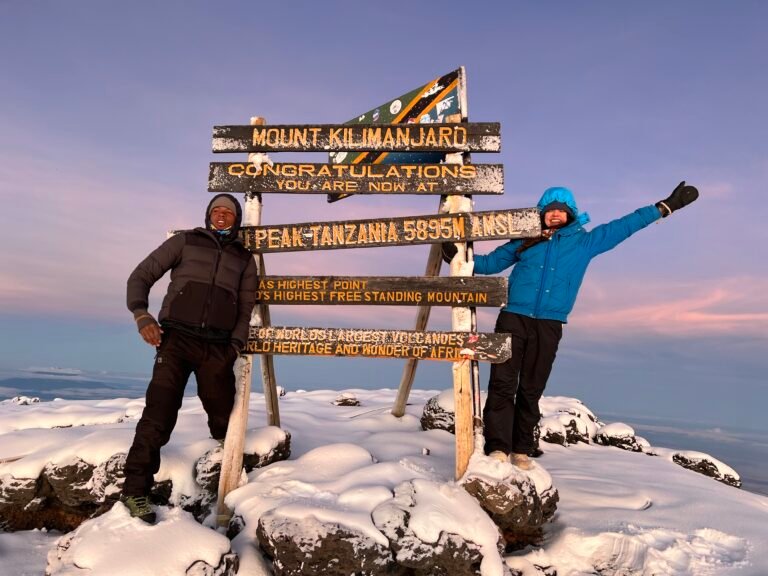
6 Days Rongai Route Kilimanjaro Hiking – 6–11 December 2026
6 Days Rongai Route Kilimanjaro Hiking – 6–11 December 2026.
View package details
6 Days Marangu Route Kilimanjaro Group Departure – 16–21 December 2026
6 Days Marangu Route Kilimanjaro Group Departure – 16–21 December 2026.
View package details5 Days Marangu Kilimanjaro Christmas Trek – 22–26 December 2026
5 Days Marangu Kilimanjaro Christmas Trek – 22–26 December 2026.
View package details6 Days Marangu Route Kilimanjaro Group Joining – 1–6 December 2026
6 Days Marangu Route Kilimanjaro Group Joining – 1–6 December 2026.
View package details5 Days Marangu Kilimanjaro New Year Trek – 29 December – 2 January 2026
5 Days Marangu Kilimanjaro New Year Trek – 29 December 2026 – 2 January 2027.
View package details6 Days Marangu Kilimanjaro New Year Climb – 28 December – 2 January 2026
6 Days Marangu Kilimanjaro New Year Climb – 28 December 2026 – 2 January 2027.
View package details6 Days Marangu Kilimanjaro Christmas Holiday Climb – 21–26 December 2026
6 Days Marangu Kilimanjaro Christmas Holiday Climb – 21–26 December 2026.
View package details5 Days Marangu Kilimanjaro Full Moon Trek – 21–25 December 2026
5 Days Marangu Kilimanjaro Full Moon Trek – 21–25 December 2026.
View package details6 Days Marangu Kilimanjaro Full Moon Climb – 20–25 December 2026
6 Days Marangu Kilimanjaro Full Moon Climb – 20–25 December 2026.
View package details5 Days Marangu Kilimanjaro December Trek – 19–23 2026
5 Days Marangu Kilimanjaro December Trek – 19–23 December 2026.
View package details5 Days Marangu Kilimanjaro Climbing Package – 12–16 December 2026
5 Days Marangu Kilimanjaro Climbing Package – 12–16 December 2026.
View package detailsNo related package matches those filters. Clear one or more filters to see the other topic-matched options.



