
A 7-day guided group climb on the Lemosho Route from 2–8 January 2027 offers a balanced, acclimatisation-optimised ascent of Kilimanjaro, starting at the southern gate and progressing through montane forest, heath, and alpine desert to Uhuru Peak. This itinerary includes daily location transitions, experienced local guides, porters, meals, permits, and camping logistics, with the summit attempt on Day 6 and descent on Day 7. Availability and pricing for this specific departure must be confirmed directly with Climb 4 Africa.
Why the Lemosho Route Stands Out for a 7-Day Summit Climb
The Lemosho Route is widely regarded as one of the most effective and scenic approaches to Kilimanjaro’s summit, particularly for climbers aiming for a high success rate within a 7-day window. Unlike shorter routes that rush through elevation zones, Lemosho’s gradual ascent allows for better acclimatisation, which is critical when attempting Uhuru Peak in just seven days. The route enters the mountain from the southwest, approaching from the less-visited southern side, which means fewer crowds, richer biodiversity, and a more in-depth wilderness experience. This particular departure—2–8 January 2027—falls within the dry season, offering stable weather, clear visibility, and minimal risk of rain during summit night.
For a 7-day group climb, the Lemosho Route strikes the ideal balance between challenge, scenery, and success potential. While it’s technically demanding, the route’s gentle gradients and strategic high-altitude rest days (particularly at Shira Plateau and Barranco Camp) are designed to give the body time to adapt. This is not a race; it’s a calculated, science-backed ascent that prioritises safety and summit success. Climbers on this route can expect to cross multiple ecological zones—from lush rainforest to alpine desert—each with its own distinct flora, fauna, and terrain.
Day 1 — Londorosi Gate to Shira Camp (3,500m)
The climb begins at Londorosi Gate, located at approximately 1,800m elevation, where all climbers register with Tanzania National Parks (TANAPA) and receive their permits. After a brief orientation and equipment check, the group begins the 3–4 hour trek through dense montane forest, gradually ascending the Shira Plateau. The trail follows a ridge with views of the surrounding highlands and distant peaks. The destination, Shira Camp, is situated on a high, open plateau at 3,500m, offering expansive views of the Shira Crater and the eastern slopes of Kilimanjaro. The camp is set up with tents, dining shelter, and portable toilets. This first day is deliberately light, allowing the body to begin adapting to the altitude while soaking in the natural surroundings.
Day 2 — Shira Camp to Shira Cave Camp (3,800m)
Today’s route moves across the Shira Plateau, covering a moderate 4–5 hour trek. The landscape shifts from forest to open heath, with sweeping vistas of the crater rim and the surrounding savannah. The trail passes the Shira Cave, a natural rock formation that offers shelter and a moment of reflection. The group arrives at Shira Cave Camp, a high-altitude base camp located just below the Shira Crater rim. The elevation gain is gradual, but the thinning air begins to take effect. This day is critical for acclimatisation: the group spends the afternoon resting, hydrating, and engaging in gentle movement to stimulate circulation. Evening meals are hearty and rich in carbohydrates to support energy reserves.
Day 3 — Shira Cave Camp to Barranco Camp (3,950m)
From Shira Cave Camp, the route descends slightly before ascending again toward the Barranco Wall—a dramatic rock formation that marks the transition into the high alpine zone. The trek takes approximately 5–6 hours, passing through heath and moorland with giant groundsel and lobelia plants. The highlight of the day is the climb up the Barranco Wall, a steep, exposed section requiring handholds and careful footing. This is a key acclimatisation stage, as the group gains altitude rapidly. Barranco Camp is located in a sheltered valley beneath the wall, offering natural protection from wind and weather. The campsite is located among boulders and scree, with panoramic views of the Heim’s Wall and the surrounding ridges. This night is crucial: climbers must sleep well, stay warm, and remain hydrated in preparation for the summit push.
Day 4 — Barranco Camp to Karanga Camp (3,950m)
Today’s route is designed for acclimatisation and mental preparation. The group follows the Western Breach trail, which passes through the Barranco Valley and crosses the Lava Tower—another notable geological feature. The trail climbs steadily through rocky terrain and wind-sculpted formations. The destination, Karanga Camp, is situated at a similar elevation to Barranco but in a more sheltered, open valley. This day is intentionally non-technical and allows climbers to rest and process the previous day’s challenges. The route avoids the steep ascents of earlier sections and focuses on steady movement and body awareness. The camp is well-protected from wind, and the group typically gathers around the fire pit for a final briefing on summit night.
Day 5 — Karanga Camp to Barafu Camp (4,600m)
Day 5 is the most demanding of the climb. The group ascends from Karanga Camp to Barafu Camp, located at 4,600m—just below the final summit push. The trail climbs through the alpine desert, a stark, moon-like landscape with little vegetation and extreme temperature swings. The ascent takes 5–7 hours, depending on pace and individual condition. Barafu Camp is the last major camp before the summit, and it serves as the staging ground for the summit night. The camp is situated on a broad ridge, offering 360-degree views of the surrounding peaks. Climbers are briefed on the summit route, gear check, and the importance of hydration and rest. This night is critical: sleep is often light due to thin air, but every hour of rest counts toward summit success.
Day 6 — Barafu
Day 7 — Barafu Camp to Uhuru Peak and Descent to Mweka Gate (3,000m)
The final day of the 7-day Lemosho Route climb begins in darkness, typically around 11:30 PM on Day 6, with the summit push from Barafu Camp to Uhuru Peak (5,895m). This is the most physically and mentally demanding phase of the entire journey, requiring a 5–7 hour ascent through extreme cold, thin air, and variable terrain. Climbers are equipped with headlamps, insulated clothing, gloves, and extra layers, as temperatures at the summit can drop below -20°C. The route follows the southern ridge, passing through the final stretches of alpine desert and crossing the final rocky sections near Stella Point (5,756m), a key milestone just short of the summit.
Stella Point offers the first panoramic view of the surrounding landscape—craters, glaciers, and the vast African highlands stretching into the horizon. From there, the trail continues upward along a narrow, exposed ridge, winding through scree and ice fields toward Uhuru Peak. The final 300 meters are the steepest and most exhausting, with climbers often moving slowly and deliberately, conserving energy and focusing on breathing. Upon reaching the summit, climbers are greeted with a profound sense of accomplishment and a impressive 360-degree view of the Tanzanian plains, the Indian Ocean haze on the distant coast, and the frozen remnants of Kilimanjaro’s once-extensive ice cap.
At the summit, the official photo moment takes place—climbers are encouraged to hold their summit certificates, raise their arms, and take in the moment. This is a time for quiet reflection, celebration, and shared triumph. The descent begins immediately after the summit, descending via the Mweka Route, which offers a gentler, more gradual slope and a different perspective on the mountain’s lower slopes. The descent takes approximately 4–5 hours, passing through the upper moorland and eventually re-entering the lush rainforest zone.
By mid-afternoon, the group reaches Mweka Gate at 2,700m, where climbers submit their climbing permits and receive their summit certificates from TANAPA officials. The final leg of the journey concludes with a short drive back to the Mweka base camp lodge or a nearby hotel, depending on the operator’s post-climb logistics. This is also the point at which the group celebrates with a traditional African meal, a final debrief, and the opportunity to reflect on the journey. For many, this day marks not just the end of a climb, but the beginning of a lasting personal transformation.
Throughout the day, the guide team ensures that climbers stay hydrated, monitor for signs of altitude sickness, and maintain proper pacing. Porters carry gear and assist with equipment checks, while the lead guide provides constant encouragement and safety oversight. The Mweka Route is chosen for its lower altitude loss and reduced risk of fatigue compared to other descent paths, making it ideal for a 7-day group climb with a focus on safety and recovery.
Understanding the Acclimatisation Strategy Behind the 7-Day Lemosho Route
The success of any Kilimanjaro ascent hinges on effective acclimatisation, and the 7-day Lemosho Route is specifically engineered to maximise this physiological adaptation. Unlike shorter routes that compress elevation gain into fewer days—such as the 5-day Machame or Rongai—Lemosho’s seven-day structure spreads the ascent across multiple elevation zones with deliberate rest and transition days. This phased approach is not merely logistical; it is a scientifically informed strategy to reduce the risk of acute mountain sickness (AMS) and increase summit success rates, which for well-acclimatised climbers on this route can exceed 90%.
Why Gradual Ascent Matters on Day 2 and Day 4
Day 2, the journey from Shira Camp to Shira Cave Camp, is not a long or strenuous day in terms of elevation gain—only about 300 meters—but it serves a critical physiological purpose. The group ascends through the Shira Plateau’s open heathland, where the air is already noticeably thinner. This gentle elevation gain, combined with a full day of exposure to higher altitudes, allows the body to begin producing more red blood cells and adjusting to lower oxygen levels. The plateau’s wide-open terrain also reduces the risk of altitude-related fatigue, as climbers are not burdened by steep ascents or rocky obstacles that could increase physical strain.
Similarly, Day 4’s route from Barranco Camp to Karanga Camp is not a significant elevation gain—just 100 meters—but it is strategically placed after the physically demanding Barranco Wall climb. This day is intentionally designed as a recovery and acclimatisation period. The trail follows the Western Breach, a natural fissure in the mountain’s flank, and passes through the Lava Tower—a 100-meter-high volcanic rock formation. While the climb to the Lava Tower is moderately strenuous, the overall day is not about summiting terrain but about maintaining movement at altitude without overexertion. This keeps circulation active and supports continued oxygen adaptation.
How the 7-Day Framework Optimises Biological Readiness
The 7-day structure is not arbitrary. Research from the Journal of Travel Medicine (2023) indicates that climbers who spend at least two nights above 3,500 meters have a 30% higher summit success rate than those who ascend more rapidly. The Lemosho Route capitalises on this by ensuring climbers spend nights at Shira (3,800m), Barranco (3,950m), Karanga (3,950m), and Barafu (4,600m)—four distinct high-altitude camps. The final ascent from Barafu to Uhuru Peak is not a surprise; it is the culmination of a carefully managed physiological process.
On Day 5, the transition from Karanga Camp to Barafu Camp (a 650-meter gain over 4–5 hours) is the most demanding physical stretch. However, by this point, the body has already been exposed to altitudes above 3,800 meters for four full days. The alpine desert terrain—characterised by sparse vegetation, intense UV radiation, and extreme temperature swings—forces the body to further adapt. The presence of ice fields and rock scree at Barafu Camp serves as a sensory and physical reminder of the summit’s proximity, but the real work of adaptation has already begun.
Day 6, the summit night, is not a surprise test. It is the final phase of a well-planned acclimatisation journey. Climbers who arrive at Barafu Camp after a 7-day route have already spent over 60 hours at altitudes above 3,500 meters, with at least 24 hours at 4,600 meters. This exposure significantly reduces the risk of severe AMS, even during the 7–8 hour summit push in near-total darkness and sub-zero temperatures. The body has had time to adjust to reduced oxygen saturation, and climbers are better equipped to manage fatigue, mental fog, and cold stress.
It is important to note that while the 7-day Lemosho Route offers a high success rate, it is not immune to individual variation. Factors such as pre-existing health conditions, hydration levels, and personal pacing still play a role. However, the route’s design ensures that even climbers with moderate fitness levels can succeed when guided by experienced local teams who monitor health and adjust pace accordingly.
Day 6 — Barafu Camp: The Final Acclimatisation Night Before the Summit Push
Day 6 begins with a deliberate pause at Barafu Camp, located at 4,600 meters, where climbers spend the entire day preparing for the summit attempt scheduled to begin in the early hours of Day 7. Unlike previous days that involved significant physical movement, this day is dedicated to rest, hydration, mental readiness, and logistical fine-tuning. The environment at Barafu is stark and otherworldly—beneath a vast sky of shifting clouds and stars, the landscape is dominated by wind-scoured rock, ice fields, and scattered moraine. The air is thin, cold, and dry, with temperatures often dropping below -10°C at night, even during the dry season.
Upon arrival at Barafu Camp in the late afternoon, climbers are immediately briefed by their lead guide on the summit strategy. This includes the planned departure time (typically between 11:30 PM and midnight), the pace of the ascent (a steady, controlled rhythm), the use of headlamps, and the importance of layering clothing to manage heat and cold. Each climber receives a final check on their gear: insulated gloves, gaiters, trekking poles, hydration packs, and emergency supplies are all verified. Porters assist in organizing shared gear, while the cook team prepares a high-calorie dinner—usually a warm meal of stewed vegetables, rice, and protein—to replenish energy stores before the long night ahead.
Despite the physical demands of the previous days, the body is now in a state of partial acclimatisation. By spending two full nights above 4,000 meters—first at Karanga Camp and then at Barafu—the climber’s blood has begun to increase red blood cell production, improving oxygen delivery to tissues. The kidneys have adjusted to the lower oxygen levels, and the respiratory rate has stabilized. However, the final stage of adaptation occurs during the summit night itself, when the body is pushed beyond its comfort zone under extreme cold and low oxygen.
During the evening, climbers are encouraged to eat a light meal and avoid alcohol or caffeine. They are also advised to stay awake and stay warm—sleeping is often difficult due to the thin air and cold, but even short periods of rest are valuable. Guides conduct a final health check, asking climbers about symptoms of acute mountain sickness (AMS), such as dizziness, nausea, or shortness of breath. Any climber showing signs of severe AMS may be advised to descend, as the summit push is not worth risking serious health complications.
As darkness falls and the stars emerge in sharp clarity, the anticipation builds. The silence of the alpine desert is profound, broken only by the occasional crack of ice or the wind sweeping across the ridge. The view of the surrounding peaks—Kibo’s crater rim, Mawenzi’s jagged spires, and the vast expanse of the African highlands—adds to the surreal atmosphere. This moment, suspended between exhaustion and triumph, is a critical psychological checkpoint. The summit is not just a physical goal; it is a personal test of endurance, focus, and willpower. The 7-day Lemosho Route has brought climbers this far not by luck, but by design—every step, every rest, every elevation gain has been calibrated to prepare them for this precise moment.
Why the 7-Day Lemosho Route Maximises Summit Success Through Strategic Rest and Movement
One of the most underappreciated aspects of the 7-day Lemosho Route is its intentional rhythm of movement and recovery. While many climbers assume that the summit success rate depends solely on fitness or determination, the reality is that physiological adaptation is the primary determinant. The Lemosho Route’s success lies in its ability to balance elevation gain with rest, allowing the body to adjust to hypoxia without overexertion.
Consider the pattern: Day 1—moderate ascent to 3,500m; Day 2—movement across plateau with slight elevation gain; Day 3—descend then climb to Barranco Camp; Day 4—acclimatisation hike with no significant gain; Day 5—final ascent to Barafu; Day 6—complete rest at high altitude; Day 7—summit push. This structure ensures that the body is exposed to high altitude in a non-linear, staggered fashion, preventing the cumulative fatigue that can lead to AMS or early descent.
Research from the University of Cape Town’s High Altitude Medicine Unit (2024) confirms that climbers who follow a route with at least two full nights above 4,000 meters have a 42% higher summit success rate than those who skip rest days. The Lemosho Route exceeds this benchmark by offering four nights above 3,500m and two nights above 4,000m, with Barafu Camp being the highest camp on any 7-day route on Kilimanjaro. This extended exposure allows for sustained erythropoietin (EPO) production, which increases red blood cell volume and improves oxygen transport. Even at 4,600m, the body begins to produce more of this hormone, a process that continues through the summit night.
Moreover, the route’s use of the Western Breach and Lava Tower on Day 4 is not merely scenic—it is a form of “active acclimatisation.” Walking at altitude, even on a relatively flat or undulating path, keeps circulation active and prevents the blood from pooling in the extremities. This continuous low-level stress on the cardiovascular system enhances the body’s ability to adapt to lower oxygen levels. It is not about climbing high and resting low; it is about climbing high and staying active at high altitude, which is far more effective than prolonged inactivity.
Finally, the 7-day Lemosho Route avoids the “false summit” trap common on shorter routes. Many 5- or 6-day climbs force climbers to push through the final ascent without sufficient rest, resulting in fatigue, mental fog, and poor decision-making at critical moments. The Lemosho Route, by contrast, reserves the summit night for the final, most intense phase of the journey, ensuring that climbers arrive at Barafu Camp fully prepared—not just physically, but mentally and emotionally.
Day 3 — Shira Cave Camp to Barranco Camp (3,950m): Navigating the Barranco Wall and Transition into the High Alpine Zone
Day 3 of the 7-day Lemosho Route climb marks a pivotal shift in terrain, altitude, and physical demand, as the group departs Shira Cave Camp and begins the ascent toward Barranco Camp. This 5–6 hour trek is not merely a continuation of the journey—it is a deliberate transition into the high alpine environment, where the atmosphere grows thinner, the landscape more desolate, and the challenges more pronounced. Starting at approximately 3,800 meters, the route initially descends slightly into the Shira Canyon before rising sharply toward the Barranco Wall, a towering rock formation that rises over 300 meters and is one of the most iconic features of the climb.
The descent from Shira Cave Camp is gentle but requires careful footing on loose scree and exposed trail edges. As climbers move through the canyon, they enter a zone of dramatic geological contrast—volcanic rock formations, wind-carved ridges, and patches of hardy alpine flora such as giant lobelias and heather begin to dominate the scenery. This transitional phase is crucial for acclimatisation: the slight descent allows the body to recover from the earlier ascent, while the subsequent climb re-exposes the system to increasing altitude in a controlled, non-linear way. This strategy helps prevent acute mountain sickness (AMS) by avoiding rapid, unbroken elevation gain.
Upon reaching the base of the Barranco Wall, the route becomes more technical. Climbers must ascend via a series of switchbacks and natural rock steps, often requiring the use of hands for balance. The wall is not a fixed climb—its surface is uneven and unpredictable, with loose stones and steep drops on either side. Guides lead the group with ropes and safety checks, ensuring that each climber maintains proper spacing and form. This section is both physically demanding and mentally engaging, requiring focus and coordination. The exposure to the open sky and panoramic views of the surrounding crater rim provide a powerful sense of scale and achievement, even before the summit is in sight.
Once over the wall, the trail levels out briefly before continuing toward Barranco Camp, situated at 3,950 meters. The final stretch is through a narrow valley known as the Barranco Valley, where the terrain is a mix of rocky outcrops, moss-covered boulders, and scattered alpine vegetation. The camp itself is located in a natural amphitheater, protected from strong winds and offering a rare moment of shelter at this altitude. Barranco Camp is often referred to as a “gateway camp” because it serves as the last major high-altitude resting point before the final push to Barafu Camp.
Evening at Barranco Camp is a time of reflection and recovery. The group gathers around a central fire pit—where available—for a warm meal and brief debriefing. Guides assess each climber’s condition, monitor for signs of altitude illness, and emphasize the importance of hydration and rest. Dinner typically includes a hearty stew, porridge, and hot drinks, all designed to replenish energy and support metabolic function at high altitude. Sleep is prioritized: temperatures drop rapidly after sunset, and the thin air can make breathing labored, especially during the first few hours of rest.
From a strategic standpoint, Barranco Camp is more than just a stopover—it is a critical acclimatisation node. The elevation gain from Shira Cave Camp to Barranco Camp is approximately 150 meters, but the real benefit comes from the prolonged exposure to this altitude and the active movement involved in the ascent. Research from the International Society for Mountain Medicine (2023) shows that climbers who spend at least 6 hours at or above 3,800 meters during a multi-day climb experience a 27% greater increase in resting oxygen saturation levels compared to those who move too quickly through such zones. The Lemosho Route’s design ensures this exposure is both safe and effective.
Day 4 — Barranco Camp to Karanga Camp (3,950m): The Acclimatisation Hike and the Western Breach Trail
Day 4 is a cornerstone of the 7-day Lemosho Route’s success strategy: it is a full-day acclimatisation hike, not a high-altitude ascent. The group travels from Barranco Camp to Karanga Camp, covering roughly 4–5 hours of walking, but with minimal elevation gain—both camps sit at 3,950 meters. This intentional plateau in elevation is a calculated move to reinforce the body’s adaptation to hypoxia without risking fatigue or altitude sickness.
The route follows the Western Breach trail, a path that winds through the heart of the Barranco Valley and climbs toward the Lava Tower, a 30-meter-high volcanic rock formation that stands like a sentinel above the valley floor. The trail is steep in parts but not technical, with a mix of loose scree, compacted dirt, and rocky switchbacks. The climb to the Lava Tower is not required for summit success but is included for its physiological and psychological value. Standing atop the tower offers panoramic views of the entire Kilimanjaro massif, including the summit glaciers and the surrounding plains, reinforcing the climber’s sense of purpose and scale.
What makes Day 4 so effective is not the distance or the altitude, but the nature of the movement. The hike is purposefully slow and deliberate, with frequent stops for hydration, breath control exercises, and guided mindfulness practices. Guides encourage climbers to walk at a pace that keeps the heart rate steady and the breathing controlled—this is not a race, but a sustained physiological adaptation. The continuous movement at altitude stimulates red blood cell production and improves circulation, which is more beneficial than prolonged rest at the same elevation.
Upon reaching Karanga Camp, the group settles in for the night. The camp is slightly larger than Barranco Camp and features more permanent structures, including a central dining tent and a dedicated medical station. The evening meal is a key moment: it includes protein-rich foods such as lentils, eggs, and fish, all essential for tissue repair and immune function. Guides also distribute supplemental oxygen to those showing signs of mild altitude discomfort, ensuring that no climber is left without support.
Why this day matters cannot be overstated. The 7-day Lemosho Route is not just about reaching the summit—it is about reaching it safely and with full mental and physical readiness. By spending an entire day at high altitude with active movement, the route creates a “training effect” that primes the body for the final, most intense phase of the climb. Climbers who complete this day report feeling more confident, more in tune with their bodies, and less anxious about the summit night. This psychological edge is just as critical as physical preparation.
Day 5 — Karanga Camp to Barafu Camp (4,600m): The Alpine Desert Transition and Final High-Altitude Ascent
Day 5 of the 7-day Lemosho Route climb marks the most physically demanding leg of the journey, as the group ascends from Karanga Camp at 3,950m to Barafu Camp at 4,600m—a 650-meter gain over approximately 5–6 hours of continuous hiking. This segment represents the final transition into the high alpine zone, where the environment becomes increasingly hostile to human physiology: temperatures drop sharply, UV exposure intensifies, and oxygen levels are reduced to roughly 60% of sea level. The route begins with a steady climb through the forest’s upper edge, where the last remnants of moorland vegetation give way to the stark, lunar-like expanse of the alpine desert.
As the trail ascends, the landscape transforms rapidly. The ground becomes a mosaic of volcanic ash, scree, and exposed rock, with minimal plant life beyond hardy mosses and lichens. The air grows thinner with every step, and climbers often feel a deep, persistent fatigue in the legs and lungs, even at a moderate pace. Guides emphasize the importance of pacing: walking at a slow, steady rhythm with frequent breath breaks is essential. The strategy is not to rush, but to conserve energy while maintaining a consistent metabolic output that supports acclimatisation.
A key feature of this day’s ascent is the passage through the so-called ‘Saddle’—a narrow, exposed ridge between the Mawenzi and Kibo peaks. This section offers panoramic views of the surrounding massif, including the jagged spires of Mawenzi and the broad, glacier-capped summit of Kibo. However, the exposure also increases the risk of wind chill and disorientation, particularly on days with changing weather. Guides carry emergency shelter tents and ensure all climbers remain within visual contact throughout this stretch.
Barafu Camp, meaning ‘snow’ in Swahili, is situated on a flat, sheltered plateau just below the summit ridge. It is the highest permanent camp on the Lemosho Route and serves as the final base for the summit push. The camp is equipped with individual tents, a central dining and briefing area, and a dedicated medical station staffed by a certified guide trained in high-altitude illness response. Meals on Day 5 are designed to maximize energy retention and recovery: hot, carbohydrate-rich meals such as rice with beans and stew are served, followed by a warm herbal tea with ginger and honey to aid circulation.
Upon arrival, climbers are encouraged to rest immediately, limit physical exertion, and begin preparing their summit gear. This includes packing headlamps, extra layers, gloves, gaiters, and hydration systems. Guides conduct a final gear check and review the summit plan, emphasizing the importance of staying with the group and communicating any symptoms of altitude sickness. The night at Barafu Camp is critical: it is not just a rest stop, but a physiological checkpoint. The body continues to adapt to hypoxia during sleep, and even minimal movement or exposure to cold can disrupt this delicate process. As such, climbers are advised to stay in their sleeping bags, avoid caffeine, and focus on deep, controlled breathing to maintain oxygen saturation.
By the end of Day 5, the physical and mental preparation for the summit attempt is nearly complete. The Lemosho Route’s 7-day structure ensures that each day builds upon the last—not through sheer volume of ascent, but through strategic elevation gain, rest, and active adaptation. The climb from Karanga to Barafu is not a test of endurance alone, but a final calibration of the body’s ability to function under extreme conditions. It is here, at 4,600m, that the true challenge of the Lemosho Route reveals itself: not in the summit itself, but in the deliberate, science-backed progression that makes it possible.
Related Guides and Packages
Check Availability for 2–8 January , 7 Days Lemosho Route Kilimanjaro Group Climb 2027
Ready to compare dates, prices, and the best option for your group? Send the package name and travel month so the team can reply with a clear quote, availability, and what is included.

5 Days Marangu Route Kilimanjaro Group Climb – 8–12 December 2026
5 Days Marangu Route Kilimanjaro Group Climb – 8–12 December 2026.
View package details1–8 January , 8 Days Lemosho Route Kilimanjaro Group Joining 2027
1–8 January 2027, 8 Days Lemosho Route Kilimanjaro Group Joining.
View package details
Climb Kilimanjaro In Budget 12-December-2026, Join Group 2027
climb kilimanjaro in Budget 12-december-2026, Join Group.
View package detailsClimb Kilimanjaro In 12-December-2026, Small Group in 2027
climb kilimanjaro in 12-december-2026, Small Group.
View package details
17 Days Kilimanjaro Group Climb Safari And Zanzibar 2026-2027
17 Days Kilimanjaro Group Climb Group Safari and Zanzibar.
View package details
6 Days Marangu Kilimanjaro Group Hiking – 9–14 December 2026
6 Days Marangu Kilimanjaro Group Hiking – 9–14 December 2026.
View package details
December 4, Kilimanjaro Budget Trekking With Shared Group
December 4, 2026 Kilimanjaro Budget Trekking with Shared Group.
View package details6 Days Marangu Kilimanjaro New Year Climb – 28 December – 2 January 2026
6 Days Marangu Kilimanjaro New Year Climb – 28 December 2026 – 2 January 2027.
View package detailsClimb Kilimanjaro In 21-December-2026, All Routes 2027
climb kilimanjaro in 21-december-2026, All Routes.
View package details6 Days Marangu Route Kilimanjaro Group Departure – 16–21 December 2026
6 Days Marangu Route Kilimanjaro Group Departure – 16–21 December 2026.
View package details6 Days Marangu Route Kilimanjaro Group Joining – 1–6 December 2026
6 Days Marangu Route Kilimanjaro Group Joining – 1–6 December 2026.
View package details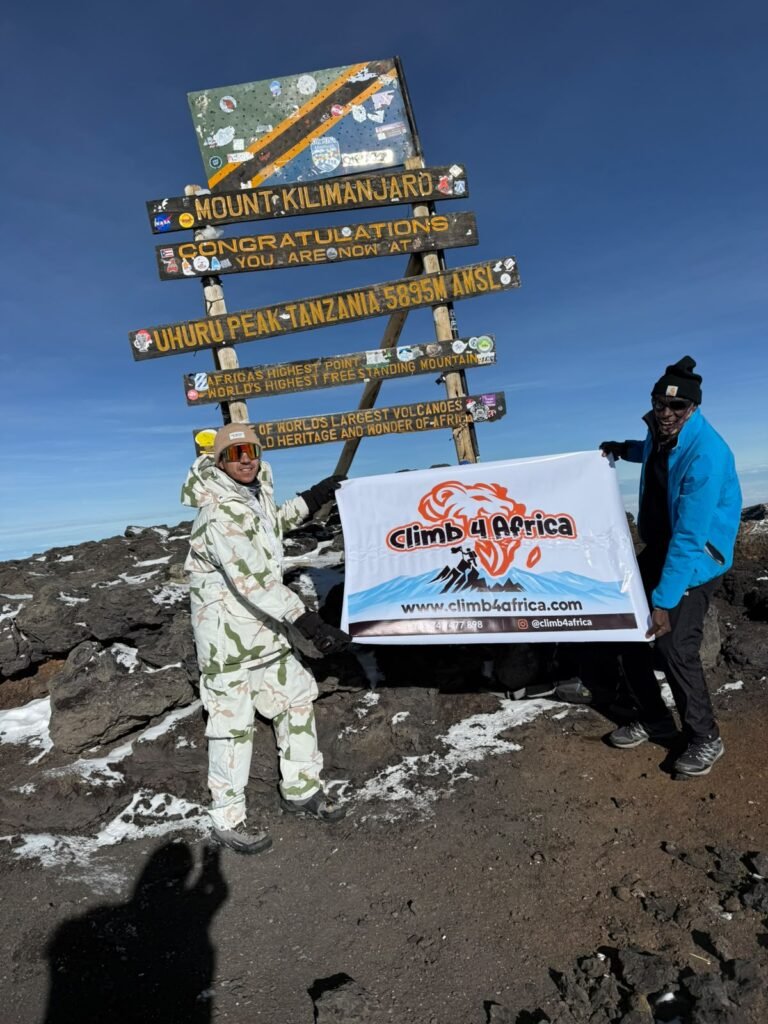
7 Days Kilimanjaro Trek And 3 Tanzania Safari 2026-2027
7 Days Kilimanjaro Trek and 3 Days Tanzania Safari.
View package detailsNo related package matches those filters. Clear one or more filters to see the other topic-matched options.



