
The December 4, 2026 Kilimanjaro 7 Day Machame Camping Experience is a guided seven-day ascent of Mount Kilimanjaro via the Machame Route with camping each night and staged acclimatisation: forest to heath, then high alpine, summit night from Barafu and descent via Mweka. With Climb 4 Africa this plan includes local guides, porters, camping equipment and meals as per our standard 7-day Machame camping package — confirm availability and final inclusions when you enquire.
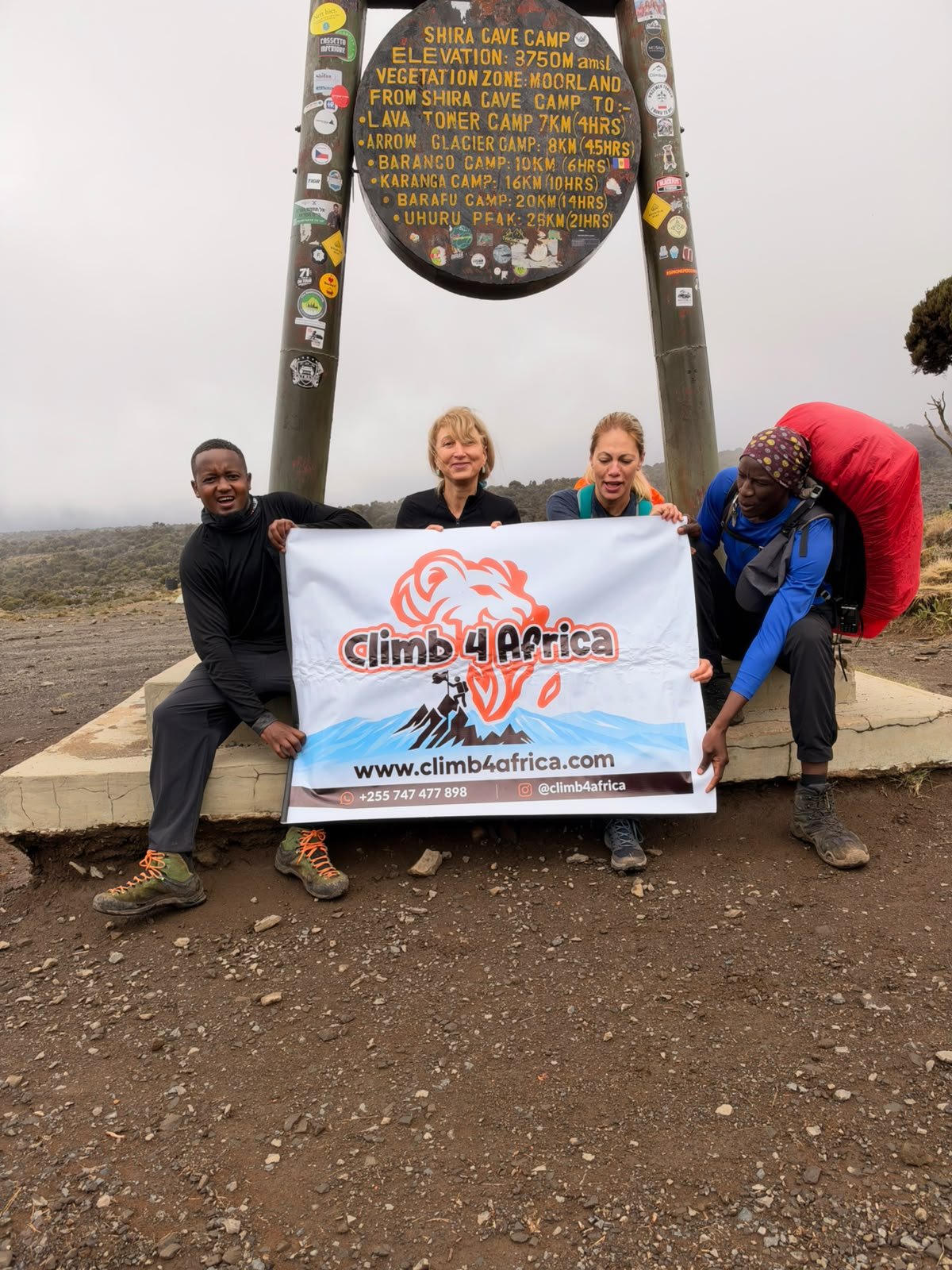
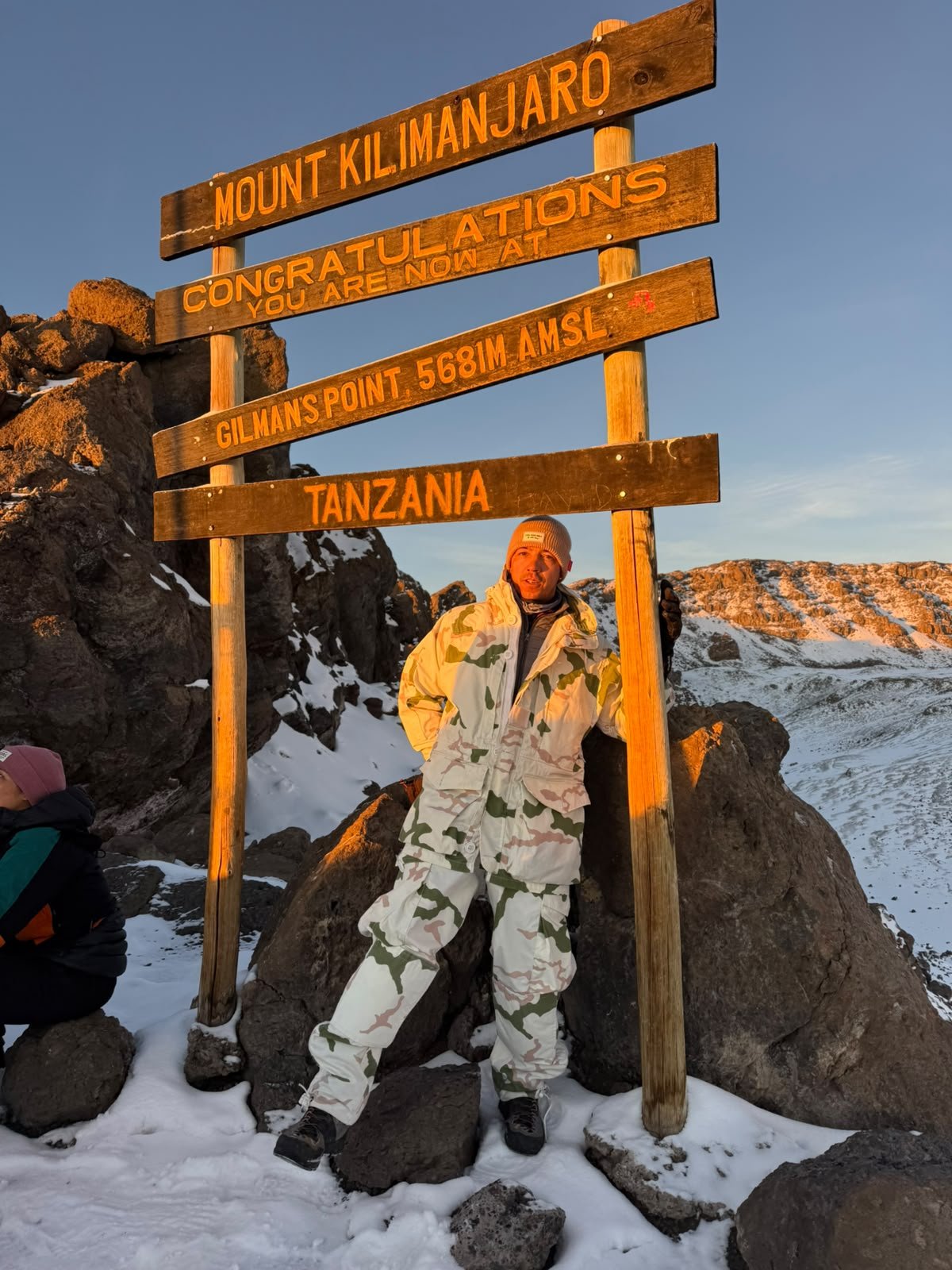
Below is a practical, day-by-day plan aimed at climbers booking the Machame Route to start on December 4, 2026. This is a sample, bookable itinerary sequence (camping-only format). Exact pick-up locations, vehicle transfers and confirmed spaces must be verified with Climb 4 Africa at booking; do not treat this page as a voucher.
Why pick a 7-day Machame camping climb for December 4, 2026?
Machame is prized for varied scenery, relatively high summit success when given seven days for acclimatisation, and a classic route profile that suits walkers who want a camping experience. A December start falls in the short rainy season transition; you should expect variable trail conditions and plan for wet-weather gear. The seven-day itinerary spaces ascent and descent so you spend two full nights above 3,000 m before summit night — a useful balance for most fit trekkers who prefer camping over huts.
Practical booking notes before you reserve
- Availability and exact inclusions (number of support staff, tenting configuration, park fees and transfers) must be confirmed with Climb 4 Africa when you enquire for December 4, 2026.
- We do not list live price or seat counts here. Ask for a written booking confirmation and joining information packet.
- Medical clearance and travel insurance that covers high-altitude trekking are required; ensure documents are ready well before travel.
Day 1 — Machame Gate to Machame Camp (approx. 3–5 hours, 2,800 m)
Route: Arrival to Moshi or Arusha, transfer (operator-arranged) to Machame Gate, registration at Kilimanjaro National Park, then hike through montane rainforest to Machame Camp. Expect dense forest, dripping moss and a steep climb early in the day. The walk time to camp varies with pace; your porter load is limited by park regulations. Nights are in communal tents on prepared campsites. This first night is key: hydrate, eat well and keep layers dry.
Day 2 — Machame Camp to Shira Camp (approx. 5–7 hours, 3,500 m)
Route: Exit the forest to heath and moorland, passing views of the southern face en route. The ascent to Shira Camp is gradual with occasional scree patches. Weather can shift quickly — December often brings cloud and short rain. This day raises base altitude and helps acclimatise; take your time, use trekking poles for steady pacing, and sleep early.
Day 3 — Shira Camp to Barranco Camp (approx. 6–8 hours, 3,960 m)
Route: Cross the high lava plateau and make a wide traverse toward the Barranco Valley. This stretch includes varied terrain and some ridge walking. The plan for this itinerary deliberately routes you across the plateau then down to Barranco Camp to introduce a controlled descent for acclimatisation — climbing high and sleeping lower reduces altitude stress. Barranco Camp sits in a sheltered valley and is a popular spot for photographers at dusk.
Day 4 — Barranco Camp to Karanga Camp (approx. 4–6 hours, 3,995 m)
Route: Today features the Barranco Wall scramble — exposed but normally managed with fixed paths and pole-assisted movement. After the wall you traverse alpine desert to reach Karanga Camp. The day is shorter by design to conserve energy before the longer push toward Barafu. Team pacing is important; your guide will assess group condition and may add rest stops if needed.
Day 5 — Karanga Camp to Barafu Camp (approx. 3–4 hours, 4,640 m)
Route: A steady climb from Karanga up to Barafu Camp, the staging point for summit night. At Barafu you set up camping, have an early dinner, and rest before a late-night departure. Altitude intensifies here; strict hydration, light carbohydrate-rich meals and conserving energy are priorities. Guides will brief you on summit rotation, poles, headlamp checks and clothing layering before the summit attempt.
Day 6 — Barafu Camp to Uhuru Peak to Mweka Camp (long summit day + descent, summit 5,895 m)
Route: Summit night begins around 23:00 with a slow zig-zag climb to Stella Point on the crater rim, then a short but exposed traverse to Uhuru Peak. After sunrise and short photos, descent is via Barafu to Mweka Camp, where you spend the night in lower altitude for recovery. This is the most demanding day: expect 10–16 hours for summit rotation and descent. Pacing, group support and your guide’s judgement dictate success; listen to rest and breathing instructions closely.
Day 7 — Mweka Camp to Mweka Gate, transfer to Moshi/Arusha
Route: A single long descent through montane forest back to Mweka Gate, where the team completes park formalities. Transfer to your hotel in Moshi or Arusha follows. Collect personal items from porters and confirm onward arrangements. This final day is celebratory but physically taxing on knees and ankles—use poles and watch footing.
Variants and decisions that matter for December 4 departures
Summit-night practical plan: pacing, nutrition, clothing and contingency
The single most decision-critical period on a 7-day Machame camping itinerary is summit night and the early-morning traverse to Uhuru Peak. Guides and climbers benefit from a clear, practical plan for pacing, food and clothing changes, and contingency actions should altitude illness or adverse weather force a change. Below is a concrete, usable sequence that matches the Machame/Barafu-to-Uhuru timing and campsite rhythm without making unverifiable claims about summit times.
Pre-departure checks at Barafu (20:30–23:00)
Before the group sets off, the lead guide runs a short checklist with every climber: headlamp check with spare batteries, harness or waist-belt tightened if used, poles fitted and adjusted, layering system confirmed, water bottles topped up, and a small summit pack prepared with essentials (warm hat and gloves, down jacket, extra battery, high-energy snacks, basic first-aid items, and a compact rain shell). Guides typically encourage a final bathroom break and a last small snack; avoid heavy meals within an hour of departure to reduce nausea risk during the steep, continuous climb.
Pacing strategy for the ascent
The recommended pace is deliberately conservative: slow, steady and continuous with frequent short stops rather than faster bursts and long rests. Use the “pole-and-step” rhythm: poles for balance and to reduce leg load, and a walking cadence you can maintain while talking in short sentences. A typical pattern is 20–30 minutes of walking followed by 3–5 minutes stationary rest to breathe deeply, sip water and stow or add a layer. Guides will set the pace but expect to stop more often on steep switchbacks and at features like Stella Point for photos and regrouping.
Nutrition and hydration during summit night
Hydration: sip small amounts frequently rather than gulp large volumes at infrequent intervals. Cold conditions make thirst less obvious; use an insulated bottle or sleeve so water doesn’t freeze and encourage intake every 20–30 minutes. Consider electrolyte tablets or powders if you normally use them at altitude.
Nutrition: prioritize easily digestible, carbohydrate-rich snacks that provide quick energy without causing gastrointestinal upset. Good choices include energy gels, bananas if you tolerate them, dry cereal bars, small sandwiches with jam, and dates. Consume small portions regularly rather than a single large snack before the climb. Avoid alcohol and heavy fats before departure.
Clothing layering and micro-adjustments
Start the ascent with a base layer, insulating mid-layer (fleece), a lightweight down or synthetic jacket, and an outer shell for wind and potential precipitation. Hands and head are high heat-loss zones — use liners under insulated gloves and a warm hat under your hood. Expect to remove a thin mid-layer during the first hour as you warm, but add layers during pauses and as you approach higher, wind-exposed sections. Guides will remind climbers to make small adjustments rather than large ones to avoid sweat buildup, which can chill you later.
Turning-back criteria and emergency plans
Decisions to turn back are never personal failures; they preserve safety and future climbing opportunities. Common, objective triggers used by guides include sustained symptoms of moderate-to-severe altitude illness (confusion, ataxia, severe headache unresponsive to medication), inability to walk unaided, and severe hypothermia signs. If weather rapidly deteriorates (whiteout, severe wind) or a climber becomes incapacitated, guides implement established contingency steps: immediate descent to the nearest safe refuge (Barafu or Stella Point depending on location), use of supplementary oxygen if available and indicated, and evacuation coordination with park authorities. Confirm with your operator at booking what evacuation and medical-response arrangements they maintain for December departures.
Descent priorities from Uhuru to Mweka
After summit photos and a short rest, descent begins with careful pacing. Use poles to reduce knee stress and descend in stages with frequent short rests. The descent is physically intense despite being faster than the ascent; continue hydration and introduce modest salty snacks to replace lost electrolytes. Guides will manage porter logistics for tents and communal gear, and will advise small-group pacing to prevent bottlenecks on narrow trail sections.
This practical plan is intended as a decision-ready blueprint you can discuss with Climb 4 Africa and your lead guide for the December 4, 2026 departure. Confirm specific operational procedures, emergency equipment, and support staff roles at booking so everyone has the same expectations before arrival.
Practical porter logistics, packing strategy and welfare for the December 4, 2026 Kilimanjaro 7 Day Machame Camping Experience
One practical topic readers often overlook when booking the December 4, 2026 Kilimanjaro 7 Day Machame Camping Experience is the detailed logistics of porter loads, personal packing strategy and porter welfare. These factors affect comfort, summit success, safety and the ethical footprint of your climb. Below is specific, actionable guidance you can use when packing, allocating gear to porters, and confirming operator practices with Climb 4 Africa before departure.
Porter load limits and what to expect
Regulations and operator policies vary, so confirm with Climb 4 Africa how your allocated porter allowance is structured for the 7-day Machame camping climb. Commonly, operators carry communal group equipment (cooking, dining tents, latrine tents, fuel and group food) on dedicated porters and assign a smaller personal-carry allowance per climber. For practical planning, design your personal duffel to sit within your operator’s stated limit and keep the summit-day pack extremely light.
Prepare two bags: a larger duffel for porters (camp kit) and a small summit-day daypack (4–8 kg typical recommended target). Items that should remain in the porter duffel include sleeping bag and sleeping mat (unless you prefer to carry your own on summit night), spare clothing you won’t need until descent, full-size toiletries, and any large electronics or valuables you won’t need during the march. The daypack should contain water, headlamp and spare batteries, peak clothing layers, snacks, documents, basic medication, camera, and a small first-aid kit.
Packing checklist and smart weight distribution
- Use a soft duffel for the porter bag — easier to strap onto porter frames and less likely to snag than hard suitcases.
- Place heavy items (e.g., spare boots, toiletry bottles) at the center of the duffel close to the top under the flap so porters can balance loads.
- Seal clothing in lightweight compression or dry sacks; reduce bulk and keep damp items separate to avoid mildew in communal kit.
- Label both bags with your name and room/hotel details for the transfer days; include a permission slip or note authorizing porters to carry your kit (operators sometimes request this).
- Pack an insulated water bottle in your daypack and a space blanket or ultralight bivvy for unexpected delays.
Summit-night pack: essentials and weight targets
Your summit-night pack should be pared down to essentials to keep weight low and mobility high. Key items: headlamp with fresh batteries, insulated jacket, warm hat, spare glove liners, lightweight crampon gaiters (if used), 0.5–1 L water in an insulated bottle, high-energy snacks (small portions of nuts, energy gels), a basic blister kit and any crucial medication (including altitude meds if prescribed). Aim to keep the summit pack under 6–8 kg; heavier packs significantly increase fatigue on the final ascent.
Porter welfare, tipping norms and ethical considerations
Porters are essential to the camping experience; their welfare impacts safety and the sustainability of local livelihoods. Before departure, ask Climb 4 Africa for a written breakdown showing the number of porters, their average loads, rest schedule and whether the operator contributes to porter insurance, fair wages, and access to medical care. Confirm whether porters get adequate sleeping mats, warm clothing for high nights, and rest breaks during long trekking days.
Tipping is customary on Kilimanjaro but follow your operator’s guidance on group tip distribution procedures to ensure fair and transparent allocation. Prepare small denominations of local currency and keep the tip envelope separate to distribute on the final day; request that the lead guide explain how tips are shared, which helps maintain equitable distribution among porters, cooks and assistant guides.
Sanitation, waste management and low-impact camping
For the December 4, 2026 Kilimanjaro 7 Day Machame Camping Experience, verify with your operator how human waste and grey water are managed at campsites and en route. Responsible operators use designated latrine tents, pack out non-biodegradable waste and follow park rules for disposal. Help reduce the environmental footprint by using biodegradable soap, not discarding wet wipes on the trail, and consolidating personal packaging before handing it to porters for removal.
Finally, confirm the operator’s protocol for porter rest days and rotation; on a seven-day Machame camping climb, thoughtful staffing and rotation reduce overloading and improve morale. Knowing these details ahead of time allows you to pack appropriately, tip fairly and contribute to a safer, more ethical December 4 departure.
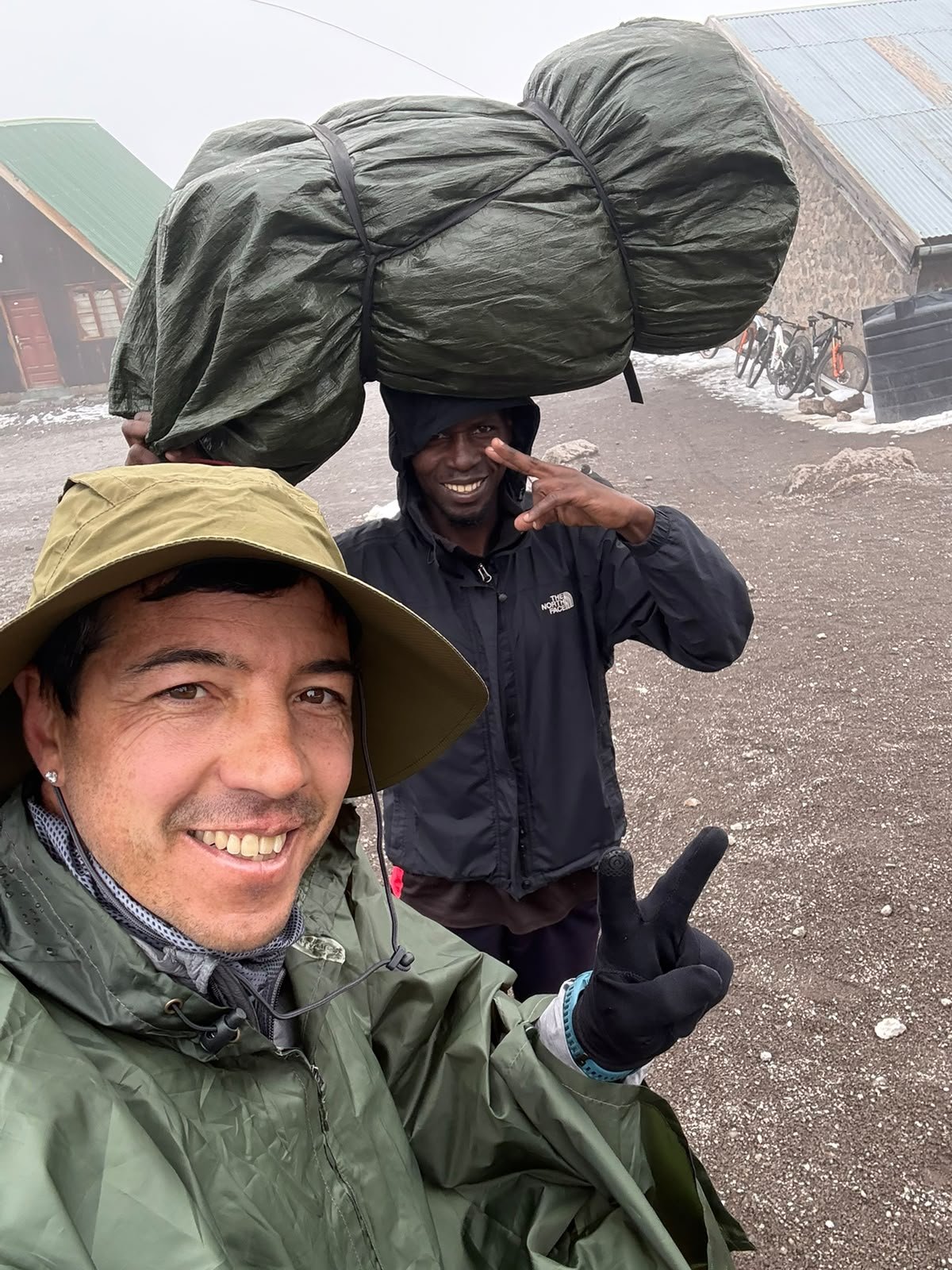

What life at camp actually looks like on the December 4, 2026 Kilimanjaro 7 Day Machame Camping Experience
One practical gap many climbers don’t anticipate is the day-to-day reality of camp life on a 7-day Machame camping climb starting December 4, 2026: exact campsite layout, meal rhythm, personal sleeping arrangements, nightly routines and small comforts that make a week at altitude manageable. The following section describes what to expect on a typical night at Machame, Shira, Barranco, Karanga, Barafu and Mweka camps (without claiming operator-specific details), and offers simple, actionable tips to make your camping experience safer, warmer and more comfortable.
Camp layout and common facilities
At designated Machame Route campsites you will usually find a compact, organized layout: a cooking/dining tent, a kitchen area where staff prepare meals, a separate mess area with folding tables and chairs (or camp stools), a latrine tent a short walk from sleeping tents, and clusters of climber tents spaced to allow a small privacy buffer. Group gear—gas canisters, fuel, spare tenting and the first-aid kit—are kept near the kitchen under staff supervision. Expect the lead guide and assistant guides to position tents to shelter against prevailing winds when possible and to keep tent entrances facing the same direction for easy access after dark.
Sleeping tents, mats and bedding
Climbing operators commonly provide two-person dome tents for climbers, though solo occupancy options may be available for cost or on request—confirm at booking. Tents are typically pitched on flat ground where available, but at higher camps like Barafu the ground can be hard and rocky; staff use insulating foam sleeping mats (usually single or double-density foam) and sometimes inflatable mats where provided. Many climbers bring their own inflatable sleeping mat for extra insulation and comfort—this is especially useful on summit night where ground temperature and wind chill increase heat loss. A four-season-rated sleeping bag is recommended; expect the temperatures in December at Barafu and above to be significantly below freezing overnight.
Meal rhythm and what to expect for food
Daily camp life revolves around three main meal services plus snacks: breakfast (early), lunch (midday on trekking days) and dinner (early evening), with hot tea or soup available between meals. On the December 4, 2026 Kilimanjaro 7 Day Machame Camping Experience, expect cooked, calorie-dense meals prepared by the camp cooks—porridge or eggs for breakfast, rice/pasta/ugali-based lunches and stews with vegetables and protein for dinner. The final summit-night dinner tends to be lighter and earlier so climbers can rest before the late departure. If you have strict dietary needs, notify the operator well before travel; most crews can accommodate common requirements (vegetarian, gluten-free) if given notice.
Hygiene, latrines and washing
Latrine tents are sited downwind of the sleeping area and are standard at all camps. Operators handle grey water and kitchen waste according to park regulations; climbers should avoid using disposable wet wipes on the trail and use biodegradable soap if washing. A small basin of warm water for handwashing is often provided after dinner; bring a quick-dry towel and a small bottle of hand sanitiser for convenience. At higher camps, water availability may be limited—conserve where instructed and follow the guide’s guidance on treating water if required.
Evening and rest routines
Nightly routines are purposeful: finish kit checks and top-up water before dusk, attend a short group briefing where guides review the next day’s plan (timing, expected terrain, weather notes), then have dinner. After dinner most climbers prepare personal layers for the night and set out essential items for summit night (headlamp, spare batteries, warm hat) next to their sleeping bag. Aim to sleep as early as possible—good sleep is crucial for acclimatisation. Use earplugs and an eye mask if you’re a light sleeper; nights at mountain camps can be noisy with staff movements and fellow climbers.
Small comforts that matter
- Bring a small dry-bag or ziplock for electronics and documents inside your duffel—moisture is common in December.
- An insulated flask for hot water helps with warmth during the night and on summit night.
- Consider a small, collapsible camp pillow or an inflatable pillow to improve sleep quality without adding much weight.
- Pack a few single-serve snack portions to keep in your sleeping bag for early-morning hunger before summit departure.
Understanding these camp-level details will help you make pragmatic choices about what to carry, what to request from the operator, and how to adjust expectations for comfort on the December 4, 2026 Kilimanjaro 7 Day Machame Camping Experience. They’re small logistic realities that significantly affect sleep, recovery and ultimately summit-day performance.
Day 3 — Shira Camp to Barranco Camp: Navigating the High Lava Plateau and the Barranco Wall
On Day 3 of the December 4, 2026 Kilimanjaro 7 Day Machame Camping Experience, climbers transition from the elevated Shira Plateau to the dramatic Barranco Camp, a pivotal stage that blends high-altitude endurance with technical exposure. The route begins with a steady traverse across the open, windswept lava plateau—a stark, otherworldly landscape of volcanic rock and sparse alpine vegetation. This section, spanning approximately 6–8 hours, demands consistent pacing and mental focus due to the lack of cover and the relentless exposure to wind and temperature shifts. At around 3,500 meters, the plateau gradually descends into the Barranco Valley, marked by a steep, narrow ravine that cuts through the mountain’s eastern flank.
As the group approaches the Barranco Wall—a 100-meter vertical climb of jagged rock and loose scree—guides issue final safety briefings and assign rope stations for those requiring assistance. The scramble is not technical but requires careful footwork and the use of fixed cables and handholds. Climbers are encouraged to use trekking poles for balance and to reduce strain on the knees and upper body. The wall is typically climbed in a staggered formation, with guides and porters positioned at key points to assist and monitor progress. The descent into Barranco Camp is swift but requires attention to footing, as the trail is narrow and rocky, with occasional loose gravel.
Barranco Camp sits at 3,960 meters, located in a sheltered valley just below the famous Barranco Wall. The campsite is one of the most iconic on the Machame Route, offering panoramic views of the surrounding peaks and the deep valley below. The layout includes a central cooking tent, a mess area, and a latrine tent situated downwind. Sleeping tents are pitched on a slight incline, requiring careful setup to prevent shifting during wind events. The camp is typically reached by mid to late afternoon, allowing time for rest, hydration, and a light dinner before the next day’s demanding ascent.
For climbers on the December 4, 2026 Kilimanjaro 7 Day Machame Camping Experience, this day serves as a critical acclimatisation checkpoint. The elevation gain from Shira to Barranco is significant, but the terrain is more varied than previous days, encouraging dynamic movement and muscle engagement. The camp’s high altitude means that even minimal activity can increase breathlessness, so climbers are advised to conserve energy, avoid overexertion, and focus on deep, controlled breathing. Guides often lead a short debrief after dinner, reviewing the next day’s route and reinforcing the importance of hydration and rest.
Day 4 — Barranco Camp to Karanga Camp: The Barranco Wall Scramble and Alpine Desert Traverse
Day 4 of the December 4, 2026 Kilimanjaro 7 Day Machame Camping Experience is a dynamic and physically demanding segment that begins with a descent into the Barranco Valley and culminates in a challenging ascent to Karanga Camp. The day starts with the iconic Barranco Wall scramble—often considered the most memorable feature of the Machame Route. Though not technically difficult, the wall’s steep gradient and loose rock require steady focus, proper footwear, and the use of handholds and fixed ropes. Climbers are advised to move slowly, maintain a low center of gravity, and use poles for additional stability.
After clearing the wall, the route transitions into a wide, exposed traverse across the alpine desert—a high-altitude ecosystem of wind-sculpted rock formations, volcanic soil, and minimal vegetation. This section, lasting approximately 4–6 hours, is deceptively long due to the uneven terrain and the lack of shade. The trail winds through a series of shallow gullies and rocky ridges, with frequent changes in elevation. The alpine desert environment is harsh: temperatures can drop rapidly after midday, and wind chill can make conditions feel significantly colder than the actual air temperature.
Despite the physical challenge, this stretch offers some of the most dramatic scenery on the route. Views stretch across the Shira Plateau, the eastern slopes of Kibo, and the distant peaks of the Usambara Mountains. The trail eventually descends into the Karanga Valley, where Karanga Camp is located at 3,995 meters. The campsite is smaller and more isolated than Barranco, with fewer tents and a more intimate atmosphere. It is also one of the few campsites on the route where climbers may encounter local wildlife such as rock hyraxes or bush babies, though sightings are rare.
By the time climbers reach Karanga Camp, the day’s energy demands are high. Guides emphasize immediate hydration and light, carbohydrate-rich meals to replenish glycogen stores. The camp’s layout includes a central cooking tent, a communal mess area, and a latrine tent. Sleeping arrangements are typically two-person tents, though solo options may be available. The evening is reserved for rest, with minimal activity to support acclimatisation. A final pre-summit briefing is often held before dinner, reviewing summit night departure times, gear checks, and altitude awareness.
Managing sleep and acclimatisation across high camps (Shira → Barranco → Karanga → Barafu)
One practical gap many climbers still ask about is how to maximise sleep quality during the critical acclimatisation nights on the Machame 7-day camping climb. Poor sleep undermines acclimatisation, increases perceived exertion, and raises the risk of altitude-related symptoms. The following, evidence-informed guidance focuses on concrete, non-prescriptive steps you can apply at Shira, Barranco, Karanga and Barafu camps on the December 4, 2026 Machame climb.
Pre-sleep routine and timing
Keep evenings calm and consistent. Finish strenuous activity and heavy meals at least 90 minutes before you intend to sleep—this helps digestion and core temperature regulation. Aim to go to bed earlier than you would at sea level; a clear wind-down routine (warm tea, light stretching, brief journaling or relaxation breathing for 5–10 minutes) signals your body that it’s time to rest. At higher camps, aim for a regular sleep window where possible: even small regularity benefits circadian adaptation.
Hydration, food and bladder management
Hydration is essential for acclimatisation but balance matters at night: sip electrolytes steadily through the afternoon and early evening; avoid large volumes in the hour before bed to limit disruptive night-time visits to the latrine. Choose a small, carbohydrate-rich late snack (banana, energy bar, or porridge) rather than a heavy, fatty meal which can disturb sleep. If you’re taking acetazolamide or other altitude medication, follow your prescriber’s timing advice—consult your doctor before the trip.
Sleeping systems and microclimate control
Optimise your microclimate inside the tent: use an insulating closed-cell foam or inflatable sleeping mat with an R-value suitable for sub-zero nights; a low-temperature-rated sleeping bag plus a thin fleece liner gives flexibility for micro-adjustments. Vent the tent slightly (small vent openings) to avoid damp, warm, oxygen-depleted air while still limiting drafts—condensation is common in December and reduces perceived warmth. If you get cold feet, wear a clean pair of socks to bed rather than multiple layers that restrict circulation.
Light, noise and comfort aids
Earplugs and a simple eye-mask are high-ROI items: camps can be noisy (cooking, staff movement) and daylight penetrates earlier at high altitude. A small inflatable camp pillow or tightly packed clothing in a dry-bag helps head/neck alignment, reducing morning stiffness. If you’re sensitive to cold, use a hot-water bottle technique where an insulated bottle is filled with hot (not boiling) water, wrapped, and placed in your sleeping bag—confirm this practice with your lead guide so safety protocols are observed.
Breathing, positioning and mild insomnia strategies
Altitude-related sleep disruption commonly causes shallow breathing and periodic awakenings. Practice slow, diaphragmatic breathing before sleep (4–6 breaths per minute for 3–5 minutes) to encourage deeper breaths. Sleeping slightly propped on an extra layer under the head can ease breathing for some climbers. If you experience typical short-term insomnia at altitude, avoid stimulating activities (phone screens, bright lights) and try progressive muscle relaxation instead of counting or rumination.
Monitoring and when to report symptoms
Bring a simple pulse oximeter if available; trends across nights are more informative than single readings. A steady decline in sleep quality accompanied by persistent headache, dizziness, nausea, or reduced coordination should be reported immediately to your guide. The response can be simple (longer rest day, more hydration) or decisive (descent) depending on severity—early reporting is crucial.
Practical tips for summit-night preparation
On the night before summit (Barafu), shorten your evening routine and keep clothing and headlamp immediately accessible to minimise time awake. Rest, don’t try to force deep sleep—conservation of energy and steady breathing are more valuable than chasing sleep quantity. Aim to nap sensibly in the late afternoon if you struggle to sleep at night, because short, controlled naps reduce sleep pressure without fragmenting nocturnal sleep excessively.
These measures—consistent wind-down habits, measured evening hydration and snacks, appropriate sleeping systems, minimal sensory disruption, breathing techniques and early symptom reporting—are practical, non-invasive ways to protect sleep quality and support acclimatisation on the December 4, 2026 Kilimanjaro 7 Day Machame Camping Experience. Always coordinate medication use and significant comfort practices with your guide and medical advisor before departure.
Recognising and responding to acute mountain sickness (AMS) on the 7‑day Machame climb
One practical gap readers often ask about is a precise, staged plan for recognising and responding to acute mountain sickness (AMS) on a seven‑day Machame camping climb starting December 4, 2026. The itinerary spaces nights to improve acclimatisation, but AMS can still occur — and timely, structured responses on the trail materially change outcomes. The guidance below is operational: clear signs to watch for, immediate on‑trail actions your guide will take, and what you as a climber should expect and do at each severity level.
Early (mild) AMS: recognition and immediate actions
Common early symptoms: persistent headache that responds to simple analgesics, light nausea without vomiting, mild dizziness, sleep disturbance or reduced appetite. These signs are frequent and often reversible if managed promptly.
- Guide actions: the lead guide will increase rest intervals, slow the group pace, and insist on additional fluids and salty snacks. Expect symptom logging (time, nature of symptoms) and a short check of coordination and speech.
- Climber actions: report symptoms immediately; avoid alcohol or sedating medications; hydrate steadily (small sips every 15–30 minutes); take easily digestible carbohydrate snacks. Use paracetamol/acetaminophen or ibuprofen per your medical plan — coordinate with the guide and your pre‑trip physician.
- Short‑term outcome: symptoms commonly improve within 6–24 hours with these measures. Continued or worsening symptoms require escalation.
Moderate AMS: escalation and enforced measures
Signs of moderate AMS: severe headache unrelieved by medication, repeated vomiting, marked fatigue and reduced walking ability, persistent dizziness, or oxygen saturation trends falling below individual baseline by a concerning margin (discuss specific thresholds with your provider and guide).
- Guide actions: the group will stop climbing higher for at least 24 hours and may schedule a controlled descent of several hundred metres if symptoms persist; trained guides may administer oxygen (if available) and prescribed medications such as acetazolamide (only if previously cleared and with the climber’s informed consent).
- Climber actions: comply with the guide’s order to rest or descend; avoid further ascent until reevaluated; ensure caloric intake and small sips of electrolyte drinks; document symptoms and treatments administered. If you are on acetazolamide as a prophylactic, inform your guide of dose times and any side effects.
- Short‑term outcome: with enforced rest or short descent, many climbers stabilise and can continue after improvement; prolonged or recurrent symptoms typically remove the option to attempt the summit that season.
Severe AMS or high‑altitude cerebral/ pulmonary edema (HACE/HAPE): immediate evacuation
Red‑flag symptoms demanding immediate descent and medical evacuation: confusion or altered mental state, loss of balance/ataxia, inability to walk, severe shortness of breath at rest, coughing up frothy sputum, spitting pink or blood‑streaked fluid, or rapid deterioration in consciousness.
- Guide actions: immediate controlled descent is the only effective field treatment. The lead guide initiates rapid evacuation to the lowest practical camp or to Mweka Gate, calls for external medical evacuation if local protocols require it, and provides emergency oxygen and supportive care en route (positioning, keeping the patient warm and reassured).
- Climber actions: follow evacuation instructions without delay; avoid panicked movement; if you are with another climber who deteriorates, inform the guide at once so professional help begins immediately.
- Outcome and logistics: severe AMS, HACE or HAPE are life‑threatening and usually preclude any further climbing that trip. Evacuation may involve porters, rescue carriers or park ranger assistance and can result in same‑day transfer to a medical facility in Moshi or, rarely, air evacuation depending on severity and resources.
Practical coordination points specific to the Machame 7‑day itinerary
- Carry and use a simple symptom log and (if available) a pulse oximeter; trends across nights at Shira, Barranco, Karanga and Barafu are more informative than single readings.
- Agree emergency protocols with Climb 4 Africa before departure: who authorises evacuation, how communication with family/insurance is handled, and which local clinics are used—confirm contact details on Day 1.
- Bring a pre‑authorised medical kit: your prescription AMS meds (acetazolamide, dexamethasone if prescribed), antiemetics, and written medical notes; never start dexamethasone or other advanced medications on the mountain without the operator’s medical protocol and physician clearance.
- Tipping and porter responsibilities: porters and guides assist in evacuations; ensure porters are briefed about carrying protocol and that liability/insurance arrangements are clear with the operator prior to departure.
Clear, non‑judgemental reporting of even subtle symptoms, and immediate compliance with guide instructions, are the single most effective measures to manage AMS risk on the December 4, 2026 Kilimanjaro 7 Day Machame camping experience. Discuss your personal medical plan with Climb 4 Africa and your physician before travel and carry all relevant prescriptions and contact details in your summit pack.
Related Guides and Packages
Check Availability for December 4, Kilimanjaro 7 Day Machame Camping Experience
Ready to compare dates, prices, and the best option for your group? Send the package name and travel month so the team can reply with a clear quote, availability, and what is included.
December 4, Kilimanjaro Budget Trekking With Shared Group
December 4, 2026 Kilimanjaro Budget Trekking with Shared Group.
View package details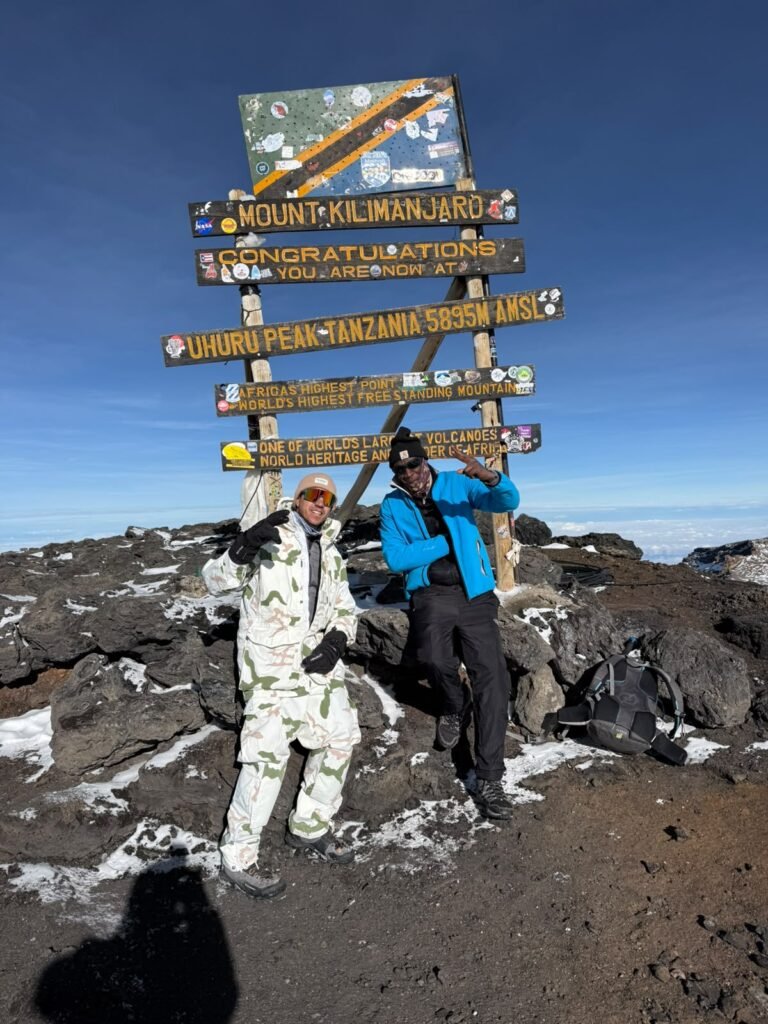
Climbing Kilimanjaro On A Budget In December 2026-2027
climbing kilimanjaro on a budget in December 2026.
View package details
Climb Kilimanjaro In Budget 12-December-2026, Join Group 2027
climb kilimanjaro in Budget 12-december-2026, Join Group.
View package details
12 Days Kilimanjaro Climbing And Budget Camping Safari 2026-2027
12 Days Kilimanjaro Climbing and Budget Camping Safari.
View package details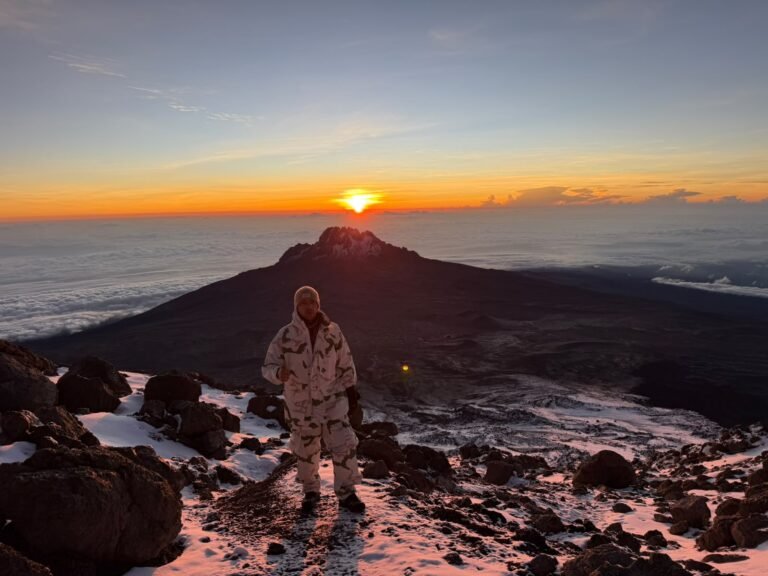
10 Days Northern Circuit Kilimanjaro Christmas Holiday Trek – 21–30 December
10 Days Northern Circuit Kilimanjaro Christmas Holiday Trek – 21–30 December 2026.
View package details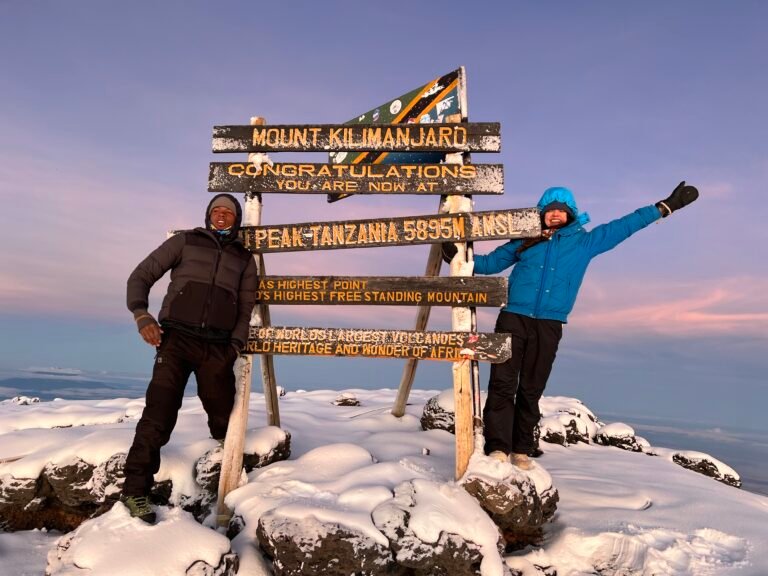
6 Days Rongai Route Kilimanjaro Hiking – 6–11 December 2026
6 Days Rongai Route Kilimanjaro Hiking – 6–11 December 2026.
View package details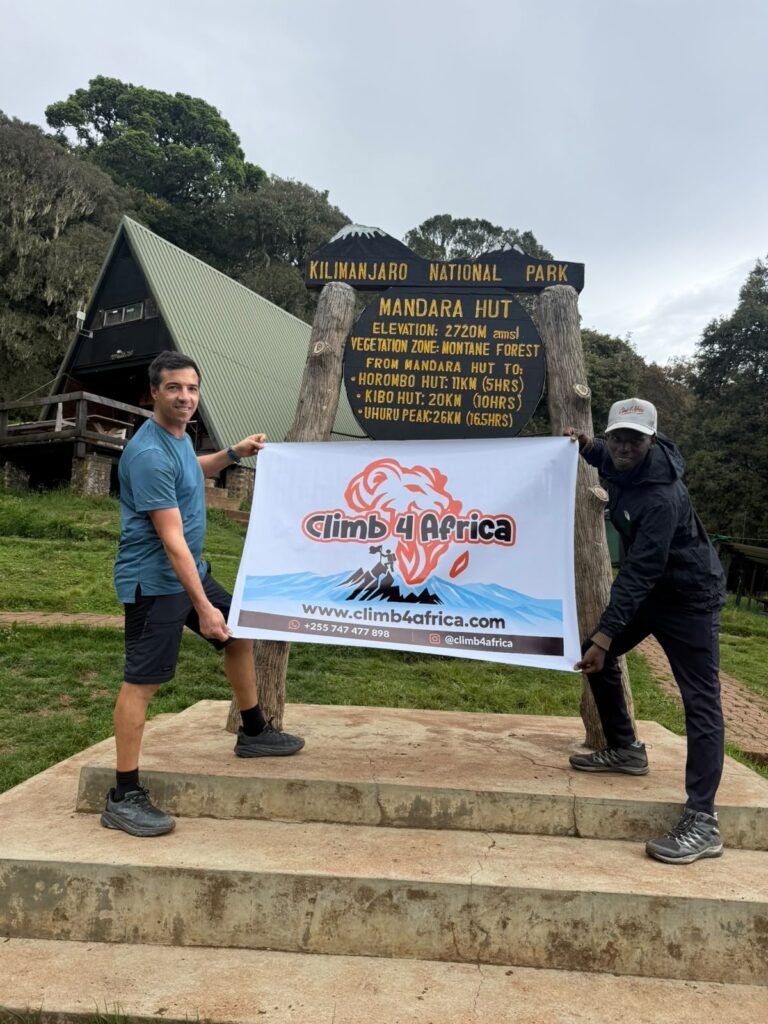
6 Days Marangu Route Kilimanjaro Group Departure – 16–21 December 2026
6 Days Marangu Route Kilimanjaro Group Departure – 16–21 December 2026.
View package details5 Days Marangu Kilimanjaro Christmas Trek – 22–26 December 2026
5 Days Marangu Kilimanjaro Christmas Trek – 22–26 December 2026.
View package details6 Days Marangu Route Kilimanjaro Group Joining – 1–6 December 2026
6 Days Marangu Route Kilimanjaro Group Joining – 1–6 December 2026.
View package details5 Days Marangu Kilimanjaro New Year Trek – 29 December – 2 January 2026
5 Days Marangu Kilimanjaro New Year Trek – 29 December 2026 – 2 January 2027.
View package details6 Days Marangu Kilimanjaro New Year Climb – 28 December – 2 January 2026
6 Days Marangu Kilimanjaro New Year Climb – 28 December 2026 – 2 January 2027.
View package details6 Days Marangu Kilimanjaro Christmas Holiday Climb – 21–26 December 2026
6 Days Marangu Kilimanjaro Christmas Holiday Climb – 21–26 December 2026.
View package detailsNo related package matches those filters. Clear one or more filters to see the other topic-matched options.



