
The 7 Days Rongai Route December 2026 – Kilimanjaro Group Trek offers a guided, mixed-acclimatization ascent on the Rongai route, with a focus on safe pacing, group dynamics, and practical logistics. Availability, exact departure dates, and prices require confirmation with Climb 4 Africa, but this installment provides a structured day-by-day plan and decision points for booking a verified group trek in December 2026.
Introducing the 7 Days Rongai Route Kilimanjaro Group Trek for December 2026
The Rongai route is one of the less-traveled approaches to Kilimanjaro’s summit, approaching from the north near the Kenyan border. In December 2026, a 7-day Rongai journey organized as a Kilimanjaro group trek can offer steadier acclimatization, fewer crowds than some southern routes, and a sequence that emphasizes gradual altitude gain. This first installment follows the practical framework you’d expect from Climb 4 Africa: a bookable plan, clearly defined days, and a path to verified departures once you confirm details that are currently subject to operator schedules and availability.
Day-by-Day Itinerary: Day 1 through Day 3 (Sample Framework, Not Confirmed Dates)
Note: The following Day 1–Day 3 sections illustrate how a 7-day Rongai Route program begins. Exact start dates, hotel accommodations in Moshi/Nairobi, and lodge choices are confirmed only after a verified booking. This installment centers on route flow, acclimatization logic, and practical decisions you’ll face during the climb.
Day 1 — Sirari Gate (or Nale Gate) to Simba Camp
Arrival and briefing typically occur in Moshi or at the designated pick-up point, followed by a transfer to the Rongai gate corridor. From the gate, trekkers begin with a gentle forested ascent, crossing mossy heath and olive-green fields as the route slowly climbs toward Simba Camp. The pace is calibrated for elevation gain modestly under 600–800 meters total for the day, prioritizing acclimatization while allowing the group to settle into the rhythm of Kilimanjaro’s highland environment. Trekkers carry day packs with essentials, while porters handle the heavy loads.
Day 2 — Simba Camp to Second Cave
Switching to a higher altitude progressively, this day emphasizes a steady trek through lichen-rich moorland and open moorland. The distance is typical for Rongai’s Day 2, designed to raise the altitude while maintaining a sustainable pace. The terrain allows occasional short breaks for hydration planning and electrolyte balance. The group emphasizes safety, listening to the body, and respecting summit-related fatigue signals. The evening camp sits at a strategic elevation to support gradual acclimatization ahead of the more irregular topography to come.
Day 3 — Second Cave to Kikelewa Camp
This leg moves deeper into the alpine zone with the first real exposure to wind-swept highland terrain. Expect rocky sections, gradual ascents, and well-marked track lines. The camp at Kikelewa offers a more windswept shelter compared to forested days earlier. Trekkers focus on consistent hydration, normalizing a slower breathing rhythm, and maintaining energy with small, regular carbohydrate intake. Here the acclimatization tempo is maintained, ensuring the body adapts before the next lungful of altitude as the route edges toward Mawenzi foothills.
Why the Rongai Route Can Be a Smart Choice for December
December sits in Kilimanjaro’s short dry season, with a tendency for clearer skies and overall manageable trekking conditions. For a group trek, Rongai’s longer, more gradual approach—compared to some steeper northern or southern itineraries—offers a measured ascent that aligns with acclimatization needs. The December 2026 group departures, when confirmed with Climb 4 Africa, would provide a structured schedule, vetted guides, and a support network designed to minimize risk while maximizing the chance of a successful summit bid.
Real-World Planning: Availability, Dates, and Booking Process
Important: This installment does not present confirmed dates, spaces, or prices. Booking a 7 Days Rongai Route December 2026 – Kilimanjaro Group Trek requires direct contact with Climb 4 Africa to verify current departures and group sizes. In practice, operators publish a range of 6–7 day route variations, but the exact December schedule for a specific year is subject to confirmation, and slots can fill quickly. Prospective trekkers should request a verified schedule, confirm inclusions, and review any minimum group size, required deposits, and cancellation policies before committing.
What to Expect in Terms of Inclusions and Exclusions
Within a standard Kilimanjaro group trek managed by a reputable operator, the Rongai route often includes experienced porters and a lead guide, two or more assistant guides, group medical supplies, oxygen for emergencies, a nutritional menu designed for high-altitude activity, and relevant park fees. Inclusions commonly cover transfers to and from Moshi or Kilimanjaro International Airport, meals on the trek days, and basic accommodation during pre- and post-climb periods. Exclusions typically include flights, visas, personal travel insurance, pre- or post-climb tours, bottled beverages, and optional activities outside the climber’s plan. Confirmed inclusions for December 2026 will be provided in the official booking materials once the schedule is verified.
Plan Your Inquiry: How to Get a Verified Schedule
To move from the sample framework to a booked expedition, reach out to Climb 4 Africa with your preferred December 2026 window and group size. Ask for the specific Rongai route variation offered in December, the day-by-day itinerary for Day 1 through Day 7, the expected acclimatization strategy, and the exact inclusions and exclusions. Clarify the departure point (Moshi or another meeting point), expected transfer logistics, and the required gear list. This approach ensures you receive a fully verified schedule suitable for a December Kilimanjaro climb that matches the 7 Days Rongai Route December 2026 – Kilimanjaro Group Trek focus.
Gear and Preparation: What to Pack (Guidance, Not Rules)
Practical preparation is essential for any Kilimanjaro ascent. A Rongai-route climber should plan for a layered clothing system, including a moisture-wicking base layer, insulating mid-layers, a windproof and waterproof outer shell, and robust sleepwear for nights at higher elevations. Footwear should be broken-in
Day 4 — from Kikelewa Camp to Mawenzi Tarn Trek Base
Continuing the Rongai Route rhythm, Day 4 marks a turning point where trekkers start to leave the more sheltered moorland zones behind and step into higher alpine terrain. The morning typically begins with a gradual ascent out of the Kikelewa basin, following a well-worn path that threads between stone cairns and patches of resilient alpine vegetation. The climb threads upward toward the Mawenzi Tarn area, a dramatic highland basin that provides a sheltered windbreak and a sense of approaching the real high-altitude experience without yet traversing the most exposed sections of the summit corridor.
The key objective on this day is acclimatization through sustained, moderate altitude gain. While not the final push to the crater rim, this portion of the route encourages climbers to settle into the thin air, practice steady breathing, and keep a conservative pace that respects the cumulative altitude exposure from Days 1–3. Expect a mix of grass, scree, and rocky outcrops as the track angles upward, with occasional short breaks for hydration and snack breaks to consolidate acclimatization gains. The group dynamic remains important here: guides monitor the pace, adjusting for slower members while keeping the overall schedule on track.
Even in this higher zone, the Rongai Route preserves its characteristic relative gentleness compared with the more technical northern approaches. While you may feel the elevation more acutely, sightings of distant ridgelines and cloud-shadowed valleys offer several moments of visual reward. The wind can shift quickly on the exposed stretches, so having a layered shell at hand is prudent. The evening camp is typically set near Mawenzi Tarn, offering a wind-sheltered meadow with good starlight potential and a sense of the forthcoming air-thin mornings. The evening meal emphasizes adaptability—carbohydrate-rich options to fuel the next day’s ascent and warm beverages that help restore energy after the day’s exertion.
Day 5 — Mawenzi Tarn to School Hut (or Kibo Hut vicinity approach)
Day 5 is a cornerstone acclimatization day that emphasizes establishing a foothold near the upper alpine zone while continuing to respect pace. The route usually skirts along the Mawenzi side of the highland, tracing a path that becomes increasingly stony and exposed as you gain altitude. The objective is to settle the body into the high-altitude environment while ensuring enough rest to minimize altitude-related fatigue. A short detour or optional acclimatization hike toward a prominent viewpoint can be offered if the group holds a consistent pace and weather permits.
The climb continues toward a planned high campsite near the vicinity of Kibo Hut or School Hut depending on the operator’s latest routing. Trekkers enjoy improved visibility of the volcanic crater rim and a sense that the route is finally narrowing toward its official summit corridor. Evening meals focus on sustaining energy for the final push, with hydration strategies carefully managed to offset the dry air. Night temperatures can drop sharply, so proper insulating layers and windproof protection remain essential, even when the day’s exertion has been substantial.
Day 6 — High Alpine Crossing to Barafu Camp (or High Camp vicinity)
This is the last major acclimatization day before the summit attempt. The group rises early to catch the first light on the high alpine landscape, traversing rocky ridges with long-range views and a sense of approaching the cloud line. The route often threads toward Barafu Camp or another high camp, structuring the day as a series of shorter segments with built-in rest opportunities. The aim is to consolidate acclimatization while ensuring the day’s climb remains sustainable for all members, including those who may have benefited from a slightly slower ascent in previous days.
Weather conditions can influence the exact path on Day 6. If winds are unfavorable or visibility is reduced, guides may modify the route to keep the group in sheltered zones while maintaining the intended altitude targets. The night at Barafu or a comparable high camp is intentionally brief—anticipating a late-night start for the summit push. The menu emphasizes high-energy, easily digestible foods to support the mental and physical demands of the final ascent, with hot drinks to help maintain core warmth in the cold air.
Day 7 — Summit Push to Uhuru Peak, Descent to Mweka Camp
The final, defining day commences in the early pre-dawn hours. Trekkers move with headlamps across the dark highlands, following the Umbo Gate or other defined descent markers toward the Kilimanjaro summit corridor. The climbing sequence is a carefully staged ascent, with the team pausing for brief acclimatization checks at key points such as Stella Point or Gillman’s Point, depending on the group’s progress and the day’s conditions. The climb to Uhuru Peak is the apex of the Kilimanjaro experience and a moment that often anchors the memories of the journey for hikers and photographers alike.
After a celebratory moment at the summit, the ensemble makes a controlled descent along the same or a parallel route toward Mweka Camp, where a hot meal and a chance to rest are welcomed after hours of altitude exposure. The final leg of Day 7 reinforces the group’s shared accomplishment and then transitions to a transfer back to Moshi or the airport, depending on the end-of-climb arrangements outlined in the verified itinerary. The day closes with a debrief and a closing ceremony acknowledging the collective effort of the seven-day Rongai Route journey.
Important note: The detailed day-by-day sequence above reflects the typical Rongai Route flow for a 7-day program and emphasizes acclimatization, pace management, and the high-altitude concerns unique to Kilimanjaro. Exact start times, lodging in Moshi, and meeting points are confirmed only after a verified booking. The itinerary sections for days 4–7 are provided to illustrate the overall route logic and the kinds of terrain you can expect, but the operator’s official materials will specify the precise camp locations and any mid-route variations for December 2026 departures.
Unanswered Question: How does the 7 Days Rongai Route December 2026 itinerary handle acclimatization while maintaining a manageable pace for a group trek?
The 7 Days Rongai Route December 2026 – Kilimanjaro Group Trek must balance gradual altitude gain with the practical realities of a group travel setting. In this section, we address a core, unresolved concern readers naturally have after reviewing the published day-by-day flow: how the itinerary explicitly structures acclimatization to minimize altitude-related fatigue and prevent common summit-day setbacks, while still offering a reliable seven-day schedule in December.
Acclimatization is not a single-day event but a process woven into the day-by-day plan. On the Rongai route, the schedule intentionally spaces ascent gains, featuring several interim camps that sit at progressively higher elevations. The early days—Sirari/Nale Gate to Simba Camp and Simba Camp to Second Cave—are designed to establish a comfortable stepping-stone climb. These stages typically involve moderate vertical gains with ample time for rest and light activity in the afternoons, helping the body adjust to thinner air before higher terrain is reached.
From Second Cave to Kikelewa Camp, the route transitions into more alpine terrain, and the pace often tightens just enough to maintain momentum without triggering excessive fatigue. The intention is to keep elevation gain per day within a sustainable window, often in the vicinity of 350–500 meters of net ascent, depending on the exact route variant and group fitness. This incremental approach is essential for December departures, when visibility and temperature fluctuations can influence perceived exertion but should not overload the climbers’ adaptive responses.
Day 4, moving from Kikelewa Camp toward Mawenzi Tarn Trek Base, marks a strategic elevation step into higher alpine zones. Trekkers encounter more exposed terrain and thinner air, prompting deliberate pacing and more frequent pauses to acclimatize. Guides typically monitor signs of altitude discomfort—headache, dizziness, fatigue, poor sleep—and adjust breaks or shelter choices accordingly. This day often includes optional shorter acclimatization hikes alongside the main route to reinforce the body’s adjustment without overexerting the group.
Day 5’s Mawenzi Tarn to School Hut or Kibo Hut vicinity approach is a critical acclimatization pivot. The plan prioritizes a successful stay at a high-altitude camp before the final push, giving time for the body to adapt while maintaining reasonable daily distances. Nighttime and early-morning rest are emphasized to support circadian rhythms in the high-altitude environment, which is particularly pertinent for December when days can be shorter and winds can influence sleep quality.
Day 6’s High Alpine Crossing to Barafu Camp is framed as the last major acclimatization day before the summit attempt. The crew arrives at Barafu or a similar high-elevation camp with a schedule that aims for early evening rest and a controlled pre-dawn wake-up. The acclimatization logic here is twofold: to keep the steep ascent manageable and to reduce the risk of high-altitude ailments by ensuring the body has already adapted to the high plateau before the most challenging final ascent begins in the dark hours of Day 7. Hydration, nutrition, and pacing remain the guiding principles, with meals designed to sustain energy without overloading the stomach after the day’s exertion.
Day 7’s summit push begins at dawn, timed to exploit the cooler, more stable conditions of the early morning. The plan prescribes a conservative start, with guides confident in the group’s acclimatization level thanks to the preceding days. The descent to Mweka Camp follows, offering a controlled progression that reinforces the acclimatization gains and reduces the risk of rebound fatigue on the descent. The combination of a well-paced ascent and a longer, restorative descent helps mitigate common altitude-related issues and improves overall summit success rates for December departures.
Operationally, this acclimatization strategy is supported by flexible pacing choices and mid-route contingencies. If weather, trail conditions, or group fitness dictate, guides may adjust the day’s ascent profile while keeping the net altitude targets intact. Such adjustments are common on Kilimanjaro itineraries and are essential to preserving safety and enjoyment for a diverse group in December. The emphasis remains on gradual elevation gain, regular breaks, adequate hydration, nutritious meals, and sufficient sleep to support cognitive function and physical resilience on the mountain.
Booking considerations tied to acclimatization include ensuring that the schedule explicitly communicates the rationale for each day’s elevation change and the expected rest periods. A verified schedule should illuminate how much time trekkers spend at key waypoints, the typical acclimatization windows, and the contingency plans the operator employs if a participant experiences altitude discomfort. In December, when the mountain’s weather can be capricious, these clarifications are particularly valuable for a group trek, helping participants decide whether the 7 Days Rongai Route December 2026 itinerary aligns with their fitness levels and acclimatization needs.
Beyond the day-by-day pacing, practical steps readers can take to optimize acclimatization on a Rongai route group trek include arriving in Moshi with a modest pre-acclimatization period (if time allows), staying well-hydrated, prioritizing light meals on higher days, and maintaining a steady sleep routine. Engaging with guides about symptoms early—nausea, persistent headaches, or trouble sleeping—can lead to timely adjustments and prevent more serious altitude-related complications. While this section answers the principal concern about acclimatization, readers should confirm the exact acclimatization routines and any potential day-to-day adjustments with the operator during the verified scheduling process for December 2026.
In short, the 7 Days Rongai Route December 2026 itinerary integrates acclimatization into its core design, ensuring that gradual altitude gain, disciplined pacing, and responsive guide-led adjustments work together to maximize safety and enjoyment for a group trek. This approach remains central to Kilimanjaro climbing ethics and is especially pertinent when planning a December departure, where weather and daylight patterns can influence daily rhythms. For travelers weighing whether this specific schedule meets their needs, the essential takeaway is that acclimatization is embedded as an explicit, adjustable feature of the plan, not an afterthought.
Related Guides and Packages
Check Availability for 7 Days Rongai Route December – Kilimanjaro Group Trek 2026
Ready to compare dates, prices, and the best option for your group? Send the package name and travel month so the team can reply with a clear quote, availability, and what is included.
7 Days Rongai Kilimanjaro Group Trekking – 9–15 December 2026
7 Days Rongai Kilimanjaro Group Trekking – 9–15 December 2026.
View package details7 Days Umbwe Kilimanjaro Group Trek – 12–18 December 2026
7 Days Umbwe Kilimanjaro Group Trek – 12–18 December 2026.
View package details9 Days Northern Circuit Kilimanjaro Group Trek – 7–15 December 2026
9 Days Northern Circuit Kilimanjaro Group Trek – 7–15 December 2026.
View package details8 Days Northern Circuit Kilimanjaro Group Climb – 10–17 December 2026
8 Days Northern Circuit Kilimanjaro Group Climb – 10–17 December 2026.
View package details7 Days Machame Route New Year Kilimanjaro Group Trek 2026
7 Days Machame Route New Year Kilimanjaro Group Trek 2027.
View package details7 Days Machame Route Christmas Kilimanjaro Group Trek 2026
7 Days Machame Route Christmas Kilimanjaro Group Trek 2026.
View package details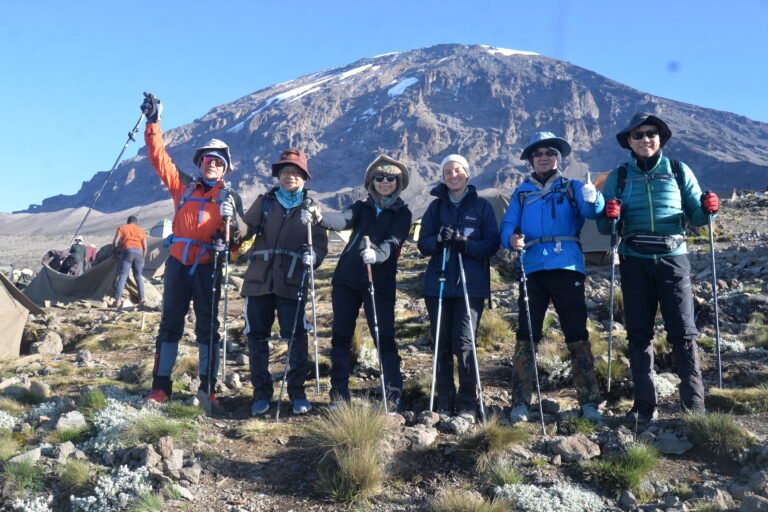
Kilimanjaro Full Moon Climb 24 December – Group Trekking 2026
Kilimanjaro Full Moon Climb 24 December 2026 – Group Trekking.
View package details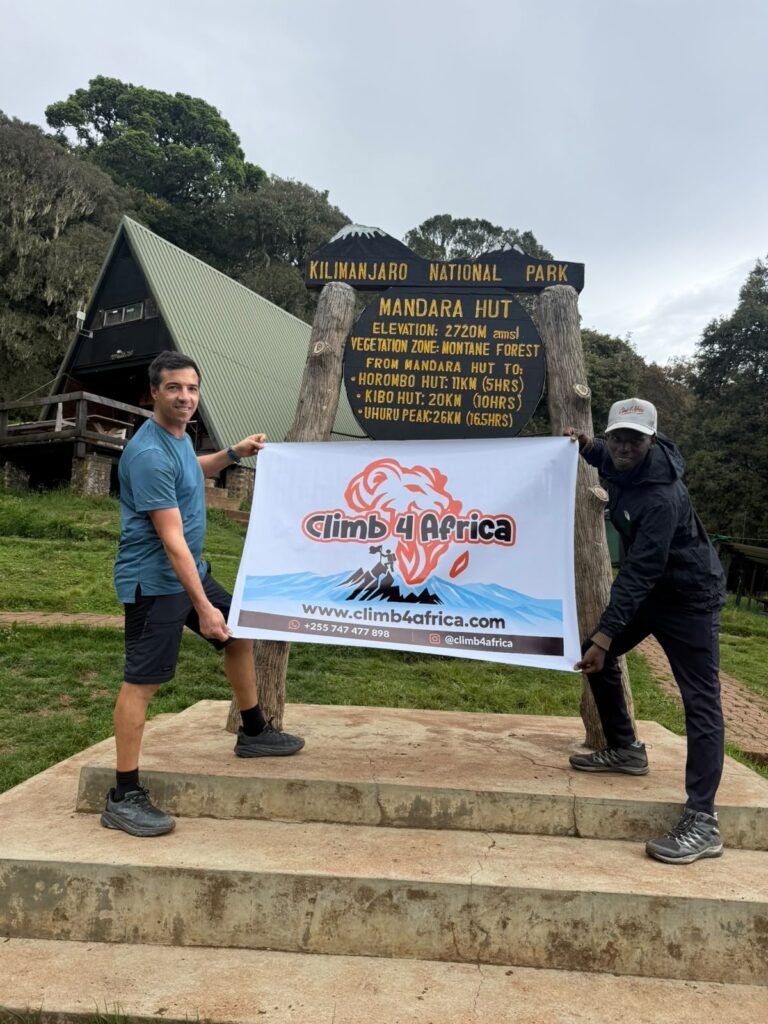
5 Days Marangu Route Kilimanjaro Group Climb – 8–12 December 2026
5 Days Marangu Route Kilimanjaro Group Climb – 8–12 December 2026.
View package details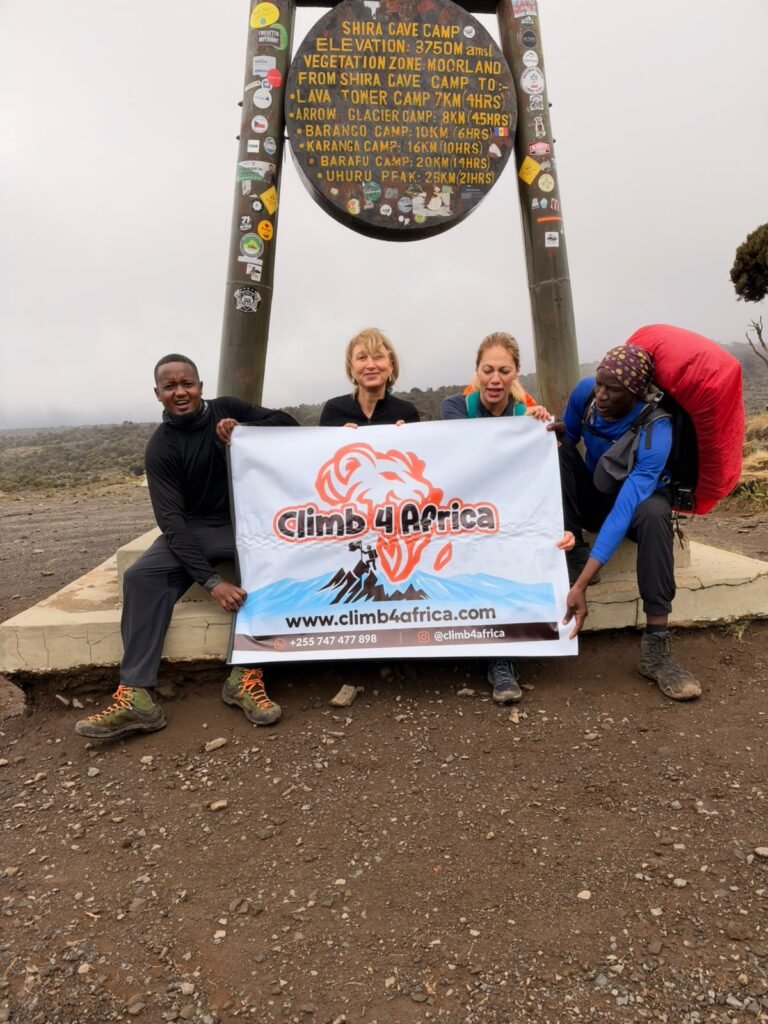
December 4, Kilimanjaro Budget Trekking With Shared Group
December 4, 2026 Kilimanjaro Budget Trekking with Shared Group.
View package details8 Days Shira Route Kilimanjaro Full Moon Trek – 18–25 December 2026
8 Days Shira Route Kilimanjaro Full Moon Trek – 18–25 December 2026.
View package details7 Days Rongai Kilimanjaro Northern Route Climb – 15–21 December 2026
7 Days Rongai Kilimanjaro Northern Route Climb – 15–21 December 2026.
View package details8 Days Shira Route Kilimanjaro Trekking – 4–11 December 2026
8 Days Shira Route Kilimanjaro Trekking – 4–11 December 2026.
View package detailsNo related package matches those filters. Clear one or more filters to see the other topic-matched options.



