
The exact 2 Days Kilimanjaro Short Trek via Marangu Route for 7–8 December 2026 is a bookable plan with day-by-day steps, ascent logic, and practical logistics; confirmation is required for departures, spaces, and inclusions from Climb 4 Africa. This installment explains the structure and what a traveler should expect on Days 1 and 2, including route flow and basic safety considerations.
Introducing a compact ascent: what a 2-day Marangu trek promises
For climbers drawn to Kilimanjaro but constrained by time, a two-day ascent via the Marangu Route offers a focused exposure to the mountain’s high-altitude environment. This is not a casual stroll; it prioritizes a feasible pace, careful acclimatization within a tight window, and the practical realities of a guided short trek. The focus keyword — 2 Days Kilimanjaro Short Trek via Marangu Route – 7–8 December 2026 — anchors a planned departure with operator-supported logistics, ensuring participants aren’t navigating permits, porters, or route navigation alone.
Climb 4 Africa frames this as a bookable travel plan, with the understanding that exact departure times, lodge bookings, and incremental inclusions must be confirmed directly with the operator. The two days are constructed to maximize exposure to the Marangu path’s rainforest and alpine scenery while balancing safety, gear needs, and altitude considerations. Travelers should expect a guided ascent on Day 1 that culminates at a comfortable resting point, followed by a summit push or transfer to a near-summit area on Day 2, depending on weather, group pace, and acclimatization progress.
Why the Marangu Route in a two-day format makes sense
The Marangu Route, often called the Coca-Cola Route for its relatively gradual gradient and established huts, is traditionally a longer trekking path. A two-day short trek concentrates the essential ascent while leveraging established summit day logistics, where feasible under operator oversight. The itinerary aims to deliver a tangible sense of Kilimanjaro’s altitude without overexertion, acknowledging that individual fitness, prior altitude experience, and weather can influence outcomes. For travelers planning 2 Days Kilimanjaro Short Trek via Marangu Route – 7–8 December 2026, the schedule typically emphasizes controlled ascent, acclimatization time within a compressed frame, and reliable support from a Tanzanian operator with local guides, porters, and contingency planning.
Day-by-day structure (Day 1 and Day 2) for a bookable two-day plan
The following outline presents a plausible day-by-day flow, designed to communicate how a two-day Kilimanjaro ascent via Marangu might unfold in a real-world, bookable scenario. Exact lodging, departure moments, and route switch constraints will be confirmed at booking; this structure serves as a practical template rather than a guaranteed timetable.
Day 1 — Moshi or Kilimanjaro Village to Mandara Hut vicinity
Morning transfer from the pre-briefing base near Moshi or a nearby town to the Marangu gate area. A short gear check ensures packs include essential items for a day hike, such as water, lightweight insulating layers, and a compact rain shell. The Group sets off onto the lower forested trail, where the route climbs through lush montane rainforest and mossy stones. Guides monitor pace, ensuring everyone maintains comfortable breathing and a sustainable rhythm. The ascent on Day 1 is designed to reach a mid-elevation camp or hut area, often Mandara Hut or a nearby shelter, providing a controlled acclimatization window that reduces the risk of acute mountain sickness as the altitude rises. Afternoon time is allocated for tea, rest, and a brief orientation about the next day’s summit attempt. Evening meals are typically served at the camp, with a discussion about potential weather variables and emergency procedures. This day is the foundation for the short-term acclimatization required when climbing Kilimanjaro even within a two-day window.
Day 2 — Summit push or closer approach, then descent to the base
If weather and group conditioning permit, Day 2 begins before dawn with a cautious, steady ascent toward near-summit zones, such as the crater rim or high saddles accessible within a shorter traverse. The aim is to reach the designated summit or near-summit point, experience the sense of the high altitude, and then begin a controlled descent back toward the lower elevation camp or the trailhead. Given the compressed two-day schedule, guides emphasize steady breathing, energy management, and staying warm during the early morning chill. After a quick descent to a lower camp or the trailhead, the group completes the formal trek with a return transfer to the base hotel or lodge. The experience concludes with a debrief on altitude, weather, and the practicalities of post-trek recovery, allowing participants to reflect on Kilimanjaro’s stark beauty and the logistics that made the ascent feasible in two days.
Route considerations, acclimatization logic, and safety realities
Even within a two-day format, successful Kilimanjaro trekking relies on how the route, pace, and acclimatization plan align. The Marangu Route’s huts and established path can support a relatively reliable climb, but altitude remains a factor. The two-day plan emphasizes a measured pace through lower elevations on Day 1 to foster a modest acclimatization benefit, followed by a summit attempt window on Day 2 only if conditions are suitable and the group is medically cleared by the guiding team. The Climb 4 Africa team communicates clear expectations about health, hydration, and acclimatization cues that indicate when to continue or postpone a push toward higher elevations.
What you should confirm before booking
Because this is a bookable itinerary with specific departure windows, travelers must confirm several key details directly with Climb 4 Africa or the relevant operator representative:
- Exact departure times and meeting points for Day 1 and Day 2
- Group size limits, guide-to-guest ratios, and porters’ support levels
- Inclusions such as park fees, permits, meals, and accommodation at night stops
- Exclusions such as personal gear purchases, optional activities, or splash costs
- Gear list tailored to the December 7–8 window, considering diurnal temperature shifts
- Cancellation terms and contingency plans for weather or health issues
Logistics snapshot: what this two-day plan implies for your travel setup
Travelers undertaking the 2 Days Kilimanjaro Short Trek via Marangu Route typically
Unpacking the two-day Marangu plan: deeper into Day 2 decisions and practicalities
With the Day-by-day skeleton established, the essential question readers still seek is how a two-day Kilimanjaro ascent via the Marangu Route actually balances altitude’s demands with a realistic, bookable schedule. The following section digs into the nuanced decisions that shape Day 2’s pace, the acclimatization cues you should heed, and the exact sequence that many groups experience on 7–8 December 2026. This is the practical continuation of the bookable plan, not a broad manifesto about Kilimanjaro’s grandeur.
Day 2 decisions: when to push toward the near-summit and how to read the group’s readiness
On Day 2, the group starts before dawn, yet the precise moment to begin a summit push is never a fixed clock time. It hinges on the collective conditioning, the night’s rest quality in the hut vicinity, and a careful temperature and wind assessment at the trailhead. In practice, guides monitor heart-rate signals, conversational vitality, and the ability to keep a sustainable, rhythmic breathing pattern. When these indicators align with a stable forecast window (often a mid-morning to early-afternoon plateau in temperature and wind), the group advances toward the upper barrier zones—saddles, crater rims, or a designated near-summit point—where the terrain tests balance and acclimatization resilience in short bursts.
Crucially, the ascent cadence remains deliberately moderate. The Marangu Route’s established huts provide a touchpoint for hydration breaks and micro-adjustments to clothing, ensuring warmth during the first hours when temperatures dip. The aim is not merely altitude gain but a controlled exposure that minimizes the risk of altitude-related fatigue or dizziness. If the group demonstrates fatigue or if hypothermia risk escalates, the plan reverts to a sheltered rest, with the team prioritizing safe turnover back to the lower zone and eventual descent to the trailhead.
Day 2 route variants: a closer approach versus a summit hit
In some December itineraries, the preferred Day 2 option is a summit window that seeks the official Kilimanjaro summit profile or a high saddle with clear, line-of-sight access. In others, weather or group conditioning favors a “closer approach” that still offers a sense of achievement—standing on a sub-summit ledge or a high ridge with panoramic views—before retreating to a lower point for the descent. Both trajectories are common on a bookable two-day Marangu plan, and the guiding team will choose based on real-time meteorology, group morale, and health signals gathered during the morning. The distinguishing factor is communication: climbers should expect transparent updates about which option is feasible and why, with explicit safety thresholds that would trigger a change in plan.
Descent strategy: safeguarding recovery and down-climb safety
Descending safely after a Day 2 ascent is as critical as the ascent itself. The guides pace the descent to avoid sudden drops in energy or loss of footing on loose soil and wet rock, particularly in shaded sections where the path remains slick. A structured descent includes short, frequent breaks to rehydrate, a quick snack to maintain glucose levels, and a final check before reaching the lower huts or the trailhead. This phase also reinforces altitude awareness: even after the physical exertion, climbers must watch for signs of lingering altitude symptoms, such as headaches or sustained dizziness, which would prompt an immediate stop and rehydration before continuing. The end of Day 2 typically culminates in a transfer back to the base lodge, followed by a debrief that frames the experience in terms of altitude acclimatization, weather behavior, and personal recovery needs.
Gear and personal care refinements for Day 2 success
Given the compressed schedule, gear choices matter more than ever. Lightweight insulated layers compress into a compact shell that retains warmth during pre-dawn departure, while a compact rain shell protects against mist and wind gusts near the summit corridor. A headlamp with fresh batteries, a compact-heat pack or hand warmers, and an energy gel or chewable with quick-release sugars can sustain alertness during the final push. Personal care—lip care, moisturizer, and sun protection—remains essential at altitude, where UV exposure is intensified by thinner air. The two-day format also means a tighter packing strategy: bring a single, breathable shell, a compact beanie, gloves, and a spare dry layer for post-descent warmth. A focused hydration plan—aiming for steady, small-volume sips rather than large gulps—helps prevent stomach discomfort and supports steady blood pressure through the higher terrain.
Acclimatization logic re-emphasized for a two-day window
The shorter acclimatization window makes it critical that Day 1’s elevation gain remains moderate: a gentle ascent through rainforest to Mandara Hut vicinity minimizes the abrupt altitude exposure that could delay Day 2 progress. This is not about “performing” a climb with maximal altitude; it’s about ensuring the body adapts sufficiently to the ambient conditions. The guiding team will look for stable signs—clear breathing, confident steps, and a willingness to pause at regular intervals—before attempting any higher-altitude push on Day 2. If any red flags appear, the plan can revert to a longer rest period at a safe altitude, with a wind-down descent rather than the summit objective, preserving the overall safety of the experience.
What travelers should confirm on booking re: Day 2 logistics
Because this two-day Kilimanjaro Short Trek via Marangu Route hinges on weather and group pace, it’s essential to verify: the exact Day 1 and Day 2 meeting points and transfer timings, the maximum group size for the camp zones, and how the operator structures contingency plans for weather-related changes. Travelers should also confirm what the guide-to-guest ratio is on Day 2 when approaching higher elevations, what meals are provided at each rest stop, and whether any alternative accommodations or rest strategies are available if conditions necessitate a modified plan. The operator should provide a clear, up-to-date statement about permit handling, hut occupancy, and any park-specific requirements that could affect your schedule in December 2026.
Booking clarity: translating the plan into a real two-day ascent
When you secure a spot for the 2 Days Kilimanjaro Short Trek via Marangu Route on 7–8 December 2026, your confirmation should include the Day 1 transfer details from Moshi or Kilimanjaro Village to the Marangu gate area, the specified Mandara Hut vicinity stretch for the first night, and the Day 2 ascent plan with its possible near-summit or summit option. It should also articulate inclusions such as park fees and hut accommodations, alongside exclusions like personal gear purchases or optional activities. Because the plan is weather- and pace-dependent, a reputable operator will present a clearly stated contingency framework, including alternative days for departure, possible changes in group composition, and refund or rescheduling options in light of health or safety concerns.
Closing perspective: what a successful two-day Marangu climb delivers
For travelers who can’t commit to a full week on Kilimanjaro, the 2 Days Kilimanjaro Short Trek via Marangu Route offers a concentrated immersion into the mountain’s atmosphere—the cloud forest, the morning stillness above the lower huts, and the sense of achievement that arises from standing on or near the crater rim within a single overnight cycle. The ascent, while compact, remains a legitimate mountain experience that demands respect for altitude, weather variability, and the importance of guided support. If you’re considering 7–8 December 2026, keep your plans aligned with confirmed operator details, ensure you understand Day 1 and Day 2 flow, and prepare for a physically and mentally demanding but ultimately rewarding Kilimanjaro encounter.
Unanswered question: how the two-day Marangu plan adapts if Day 2 weather blocks the summit
One practical and highly relevant concern readers often raise when considering the 2 Days Kilimanjaro Short Trek via Marangu Route – 7–8 December 2026 is what happens if the early-morning weather on Day 2 turns unfavorable for a summit attempt. The short plan’s strength rests on its adaptability: how a group preserves safety, maximizes acclimatization benefits, and still delivers a meaningful Kilimanjaro experience even when the window to the official summit is blocked by clouds, wind, rain, or low visibility. This section drills into the decision logic, the contingencies that guides the shift from a direct summit push to a closer-approach or alternative plan, and how operators communicate these pivots to travelers in real time.
The Kilimanjaro weather system, especially on Marangu, can hinge on a mix of early-morning inversion layers, orographic wind patterns crossing the crater rim, and brief squalls that sweep through the rainforest edges. In a two-day context, your Day 2 contingency must be lit by two critical factors: (1) the group’s physiological readiness after Day 1’s altitude gain and rest, and (2) the minute-to-minute forecast updates that inform safe pacing near high-elevation terrain. If the forecast indicates high winds at summit level or low cloud bases persisting into the pre-dawn window, guides will typically opt for a safer alternative route variant that still delivers a rewarding experience without forcing a risky ascent.
How does a guided plan transition in practice? Prior to departure, your operator should outline a clear decision matrix you’ll encounter on Day 2. This includes specific indicators: elevation thresholds reached by the group on Day 1, the quality of sleep and recovery indicators reported by guides, and live weather assessments from trusted mountain forecasts. If the decision lands on a closer-approach variant, Day 2 becomes a measured ascent into high saddles or a crater rim traverse that remains below the most exposed wind corridors. Even with a summit cancellation, climbers still encounter the mountain’s alpine atmosphere, the sense of accomplishment from being at high altitude, and the chance to witness an expansive panorama when skies permit.
In practical terms, a Day 2 cancellation of the summit does not equate to a wasted day. The near-summit or high-saddle approach offers several proven advantages: it reduces time spent exposed to the most extreme altitude risks, minimizes the likelihood of fatigue accumulation with a delayed descent, and preserves the group’s safety margins. Guides maintain communication rhythms with the group, offering gentle, steady pacing and optional photo stops that capitalize on clear moments between squalls. After such an approach, the descent to the base remains the same disciplined sequence—structured, slower, and mindful of the prior day’s elevation gain.
What should travelers expect in terms of timing and meals during a Day 2 pivot? The plan remains time-conscious: summit-permitted windows often begin in the darkest pre-dawn hours and last only if weather permits. If weather blocks the summit, a pragmatic alternative still centers around a high-point lookout or a sheltered crest where visibility, if briefly, allows for a meaningful summit-like experience. Meals are adjusted to reflect the altered pace: a hearty breakfast before the push, a compact lunch to sustain energy at altitude, and hot beverages whenever possible to reduce the perception of cold. The descent path mirrors the ascent in terms of control: slow, deliberate, and attentive to footing on switchbacks and damp soil.
Communication is the cornerstone. A responsible operator will have a documented contingency plan approved by heads in field operations and will relay the adjusted itinerary to participants with precise expectations. If the decision is made to switch from an official summit attempt to a near-summit or high-saddle route, travelers should receive a revised day plan that states the new target, approximate timing, and safety considerations. Transparency around potential rescheduling, refunds, or alternative departures remains essential because December 2026 weather patterns can present variability, and a flexible policy protects both traveler experience and safety commitments.
In summary, the most valuable unknown for readers considering the 2 Days Kilimanjaro Short Trek via Marangu Route is precisely how Day 2 adaptations are executed when weather or pace prevents a summit. The answer lies in a structured decision framework that prioritizes safety and acclimatization, a transparent communication channel with travelers, and a plan that still captures Kilimanjaro’s high-altitude essence through a high-saddle or near-summit experience. Travelers should expect that a well-managed two-day plan includes a robust set of fallback routes, clearly described in the operator’s confirmation materials, and delivered with the same level of care and expertise as the standard summit push.
Related Guides and Packages
Check Availability for 2 Days Kilimanjaro Short Trek Via Marangu Route – 7–8 December 2026
Ready to compare dates, prices, and the best option for your group? Send the package name and travel month so the team can reply with a clear quote, availability, and what is included.
2 Days Kilimanjaro Marangu Route Short Trek – 14–15 December 2026
2 Days Kilimanjaro Marangu Route Short Trek – 14–15 December 2026.
View package details3 Days Kilimanjaro Short Trek Via Marangu Route – 19–21 December 2026
3 Days Kilimanjaro Short Trek via Marangu Route – 19–21 December 2026.
View package details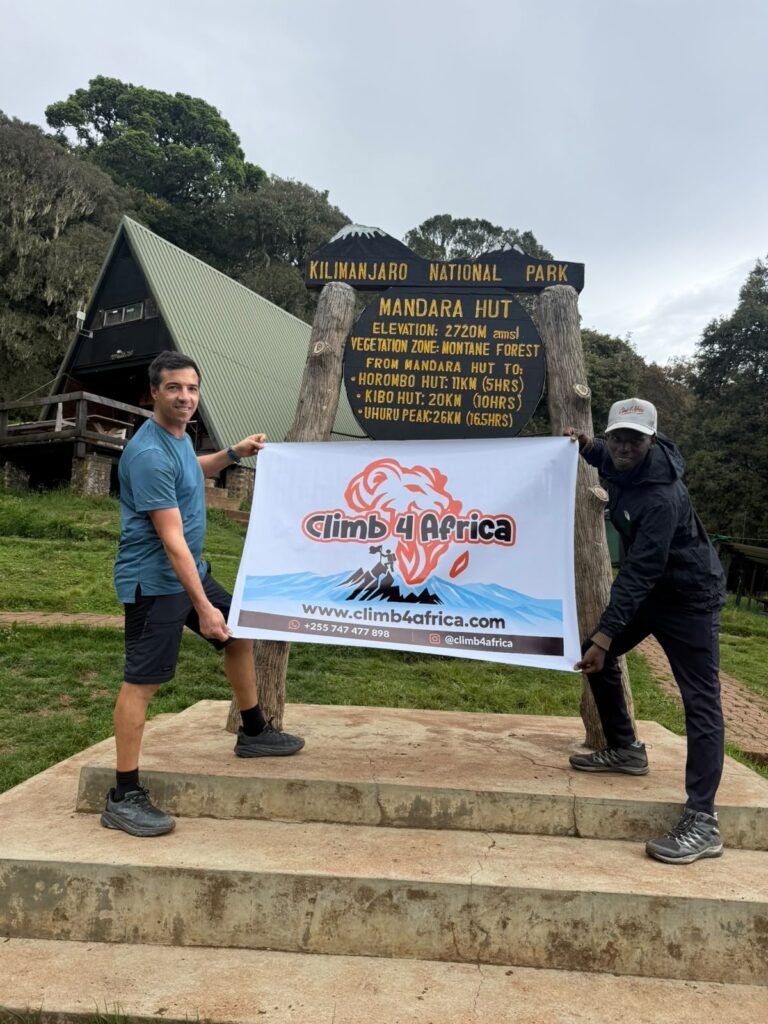
5 Days Marangu Route Kilimanjaro Trek – 2–6 December 2026
5 Days Marangu Route Kilimanjaro Trek – 2–6 December 2026.
View package details8 Days Shira Route Kilimanjaro Trekking – 4–11 December 2026
8 Days Shira Route Kilimanjaro Trekking – 4–11 December 2026.
View package details7 Days Umbwe Route Kilimanjaro Trekking – 4–10 December 2026
7 Days Umbwe Route Kilimanjaro Trekking – 4–10 December 2026.
View package details
Best Kilimanjaro Trekking Routes In December 2026
Best Kilimanjaro Trekking Routes in December 2026.
View package details5 Days Marangu Kilimanjaro Christmas Trek – 22–26 December 2026
5 Days Marangu Kilimanjaro Christmas Trek – 22–26 December 2026.
View package details5 Days Marangu Kilimanjaro New Year Trek – 29 December – 2 January 2026
5 Days Marangu Kilimanjaro New Year Trek – 29 December 2026 – 2 January 2027.
View package details5 Days Marangu Kilimanjaro Full Moon Trek – 21–25 December 2026
5 Days Marangu Kilimanjaro Full Moon Trek – 21–25 December 2026.
View package details5 Days Marangu Kilimanjaro December Trek – 19–23 2026
5 Days Marangu Kilimanjaro December Trek – 19–23 December 2026.
View package details5 Days Marangu Route Kilimanjaro Group Climb – 8–12 December 2026
5 Days Marangu Route Kilimanjaro Group Climb – 8–12 December 2026.
View package details6 Days Marangu Kilimanjaro Hut Trekking – 6–11 December 2026
6 Days Marangu Kilimanjaro Hut Trekking – 6–11 December 2026.
View package detailsNo related package matches those filters. Clear one or more filters to see the other topic-matched options.



