
The 8 Days Lemosho Route Christmas and Full Moon Trek 2026 is a bookable, multi-day Kilimanjaro ascent that aligns the traditional Lemosho circuit with festive season departures and a night-illuminating full moon. Exact dates, group spaces, and prices require confirmation with the operator; this installment presents a day-by-day framework and decision points to guide booking and planning, independent of fixed service specifics.
Introduction to a Christmas and Full Moon Kilimanjaro ascent
Choosing the 8 Days Lemosho Route Christmas and Full Moon Trek 2026 means embracing a slower, acclimatization-friendly ascent that begins on the western slope and winds toward Uhuru Peak via the Shira plateau and Barranco-like terrain. The Christmas window and the presence of a full moon create a rare lighting dynamic on summit night, offering dramatic vistas and a unique alpine experience. This installment focuses on the day-by-day flow, acclimatization strategy, and the practical decisions you’ll need to make when you book with an operator who can confirm availability and inclusions for 2026 departures.
Why the Lemosho route for a Christmas-full moon combination?
The Lemosho route is widely regarded for its initial long approach through remote forest and high-altitude scenery, providing an excellent acclimatization profile. Compared with shorter routes, it reduces the risk of altitude-related issues by spreading the elevation gain across more days. For a Christmas and full moon trek, the added daylight hours and cooler nighttime temperatures on the western approach can improve mood, reduce heat-related fatigue during the day, and offer slightly more comfortable camping conditions on the early segments. Operators, including Climb 4 Africa, typically schedule this itinerary with careful pacing, ensuring the high camps are reached with time for rest before summit attempts.
Day-by-day itinerary framework (subject to confirmed operator details)
This installment lays out a detailed day-by-day progression for the 8 Days Lemosho Route Christmas and Full Moon Trek 2026. The actual departures, hotel accommodations, exact camp locations, and any fixed dates must be confirmed with the operator. The plan below emphasizes flow, acclimatization, and stepwise ascent, with clear decision points where variations may occur.
Day 1 — Kilimanjaro International Airport to Londorossi Gate; Lemosho forest trailhead
Arrive in Tanzania and transfer to the Londorossi Gate area, where the Lemosho route officially begins. The day typically includes registration, gear check, and a forested ascent through a less-traveled corridor, allowing your body to begin adjusting to higher altitude gradually. Camp beneath the trees provides shelter and a first taste of the mountain environment. Expect a light, well-paced day with opportunities to practice breathing techniques and hike at a comfortable rhythm to minimize fatigue. Your luggage is filtered to essential trekking gear, with heavier items arriving at the next camp by support teams. Confirm gear lists with your operator in advance to ensure you’re set for the first night in a tent or hut, depending on selected arrangements.
Day 2 — Forest to Shira Plateau; acclimatization walk and panoramic glacier views
The route climbs from the forest into the Shira complex, where the terrain opens and the air thins. This day emphasizes acclimatization: a moderate altitude gain with a short acclimatization walk, often above the treeline, offering views of the valley below and the surrounding volcanic cones. The Shira plateau environment introduces dramatic skies and long-distance vistas; campers spend a night at one of several high-altitude camps or established bivouac sites. Hydration and nutrition logistics are critical here: small, frequent meals support altitude adaptation, while water purification remains essential for safe consumption. The objective is to reach a secure altitude for the following day’s progression toward Barranco-like landscapes without overexertion.
Day 3 — Shira to Lemosho foothills; acclimatization strategy refinement
Crossing from Shira toward the Lemosho corridor, hikers encounter a more rugged terrain that combines rolling moorland with occasional scree. The day’s pace is deliberately moderate to support ongoing acclimatization. You’ll likely gain several hundred meters in altitude while maintaining a steady rhythm. The environment shifts from broad plateaus to closer forest edges, and the mind prepares for the more dramatic exertion ahead. The group remains under professional supervision, with frequent rest breaks and hydration checks. Night-time temperatures can dip significantly; proper clothing layers and wind protection are essential for a restful sleep.
Day 4 — Lemosho route transition toward Barranco-like drainage; mid-point acclimatization check
As the route begins its final push toward the Barranco corridor, the gradient steepens slightly but remains within the acclimatization-friendly design. The day typically includes a longer midday stretch with a rewarding panorama once you reach higher altitudes. The goal is to arrive at a comfortable altitude for the final ascent phases, ensuring your body has adapted to the thinner air. The camp or hut chosen for this night is placed to optimize access to the next day’s scenic approach and to keep a steady pace for the remaining ascent. Evening briefings on the next day’s route flow help participants stay prepared for the technical and logistical shifts ahead.
Day 5 — Barranco-style traverse toward Karanga; high camp preparation
In this phase, the walk or a short day of trekking delivers you to a high-alpine camp near Karanga. The mood is purposeful: the most leg-stressing sections are behind you, but the altitude remains a critical factor. A gentle acclimatization walk near the high camp aids sleep quality and helps with cortisol management before the summit push. Expect cooler nights and more open skies, which can be particularly striking under a Christmas moon. Nutritional planning becomes crucial: higher-protein meals and adequate hydration support muscle recovery and energy stores for the final push.
Day 6 — Karanga to Barafu or Millennium Camp; final-night preparations
One of the pivotal days, the route steepens in the late afternoon toward the Barafu or Millennium Camp. The objective is to reach a staging point just below the summit zone with a well-timed summit plan for the next 24 hours. The team focuses on rest, light meals, and carefully regulated caffeine intake to prevent sleep disruptions. The proximity to the summit zone requires meticulous gear management—headlamps, gloves, and warm layers must be easily accessible for the night ascent. You’ll also review the ascent schedule, weather considerations, and contingency plans in case of changes beyond your control.
Day 7 — Summit Night: Mweka-style descent and encampment near Stella Point
The final ascent begins in the
Day 8 — From Barafu/Millennium Camp to Stella Point to Uhuru Peak, and descent to Mweka Camp
With the Christmas-full moon window still providing luminous low-angle light, the final day of the 8 Days Lemosho Route Christmas and Full Moon Trek 2026 carries a precise rhythm: a pre-dawn push to Stella Point, an exhilarating summit moment at Uhuru Peak, and a controlled descent via Mweka Camp to a final night near the lower forest zone. This last leg consolidates acclimatization gains and seals the expedition with a reflective descent through the alpine zones back toward the rainforest fringe.
Day 8 — Barafu/Millennium Camp to Stella Point, Uhuru Peak, then down to Mweka Camp
The day begins before first light at Barafu or Millennium Camp. Your guide confirms the summit plan, including the target clock for departing camp, required pace, and contingency options if weather or fatigue dictates a revised timing. The early hours are the coldest; expect ice, rime, and the need for rapid, steady movement to conserve energy and maintain core warmth.
The ascent up from Barafu/Millennium Camp toward Stella Point occurs along a well-traveled track that gradients switch between moderate and steep, with a couple of switchbacks that test endurance as the air thins further. The sight of the first pale glow on the crater rim, and then the distant, star-dotted silhouette of the mountain’s summit zone, often marks the emotional apex of this journey. Many climbers experience a clear, almost meditative sense as the night gives way to pale dawn, a moment heightened by the Christmas and full moon lighting dynamics that may still linger on the horizon or glow in the sky behind you.
Reaching Stella Point—an important milestone just shy of the true summit—affords a brief celebration and a moment to adjust layers for the final push. You continue to Uhuru Peak, the highest point in Africa, with the full panorama of the sunrise often spilling across the rim and the crater below. This portion of the ascent remains the most physically demanding segment, but the acclimatization work done in days prior supports tolerances. Descending from Uhuru Peak to Barafu/Millennium Camp is a rapid re-entry into cooler alpine air, followed by the long downward trek toward Mweka Camp, where rest becomes the primary objective after the exertion of the ascent.
From Barafu/Millennium Camp, the group then descends toward Mweka Camp, passing through the higher forest and moorland transitional zones. The descent is technical in places, with careful footing required on loose scree and rocky sections. Hydration and staggered rest stops help prevent fatigue and altitude-related headaches from reemerging as you lose altitude. Once at Mweka Camp, the team settles into a calmer cadence, focusing on recovery, a light meal, and a review of the ascent narrative for the group’s shared memory. Even with the adrenaline of summiting, a 20–30 minute cooldown walk around camp before bed can aid in muscle relaxation and sleep quality.
The final day’s closing moments invite you to reflect on the balance between accomplishment and humility in the high mountains. The 8 Days Lemosho Route Christmas and Full Moon Trek 2026 thus completes its arc with a return to earth, a sense of quiet achievement, and the practical steps to transfer from rugged terrain to daily life with a sense of renewed purpose.
Important practical notes for Day 8:
- Altitude and energy management remain essential until sleep is achieved at Mweka Camp. Maintain moderate hydration and avoid heavy meals close to sleep.
- Warm, dry clothing is crucial for the Stella Point to Uhuru Peak section; wind protection at the summit is non-negotiable even in moon-illuminated conditions.
- If weather conditions or traveler wellness requires an alternative plan, the guide will adjust the summit attempt, prioritizing safety and the group’s wellbeing while attempting to reach Stella Point or Uhuru Peak within the feasible window.
What makes the 8 Days Lemosho Route Christmas and Full Moon Trek 2026 uniquely compelling in this final phase
The Christmas and full moon pairing lends a distinctive ambiance to the summit window that few other Kilimanjaro itineraries can claim. The lunar glow can enhance visibility on the final ascent and add a surreal, cinematic quality to the sunrise above the crater rim. This combination is most noticeable on the final day’s ascent and descent, where the moon’s residual light can guide the early pre-dawn steps and the descent path under Stella Point. Climbers often report a heightened sense of gratitude and a shared camaraderie forged by the challenge and the rare lighting conditions.
Common questions around Day 8 and the final ascent
- Q: How strictly is the summit schedule followed on Day 8? A: The schedule is flexible to prioritize safety, weather, and individual stamina. Guides provide real-time adjustments as needed and communicate clearly about departure times and contingency plans.
- Q: What kind of clothing is essential for the pre-dawn ascent? A: Insulated layers, windproof shell, thermal base layers, gloves, and a warm hat are essential, along with sturdy hiking boots and gaiters to manage dew and frost on the early stretch.
- Q: How is hydration managed on the final climb? A: Hydration is prioritized with regular water sips at intervals, and some itineraries include electrolyte sachets to support electrolyte balance during the high-energy exertion of ascent and the prolonged descent.
In sum, Day 8 completes the 8 Days Lemosho Route Christmas and Full Moon Trek 2026 with a climactic push to the summit, a rewarding descent, and the quiet relief of a successful, well-acclimatized ascent. The combination of the Lemosho route’s generous acclimatization profile and the festive, lunar backdrop creates a memorable narrative arc for climbers who value a slower, more deliberate ascent paired with the luminous spectacle of a Christmas moonlit Kilimanjaro.
Unanswered question and concrete continuation: optimizing the Christmas and Full Moon timing on Day 7–8 on the 8 Days Lemosho Route
As the centerpiece of this 8-day itinerary, climbers ask how the Christmas window and the full moon illuminate the final ascent, yet specific, actionable details about optimizing the timing, pacing, and safety on the critical summit nights remain essential. The most valuable unresolved practical question readers face is: how does the guide team synchronize the Day 7 summit push and the Day 8 Stella Point/Uhuru Peak ascent to leverage the Christmas moon while preserving acclimatization safety, and what exact scheduling logic can travelers reasonably expect when booking—without overcommitting to fixed times that may shift due to weather or group fitness?
Addressing that question with precise, traveler-relevant guidance helps bridge planning gaps. The following elaborates on the decision points, rhythm, and safeguards that underpin the final ascent, grounded in the Lemosho route’s acclimatization emphasis and the distinctive lunar conditions of a Christmas–full-moon window.
Day 7 into Day 8: maintaining acclimatization while leveraging lunar light
Even with a delayed or accelerated pace on the summit push, the climb remains anchored in careful acclimatization. On Day 7, after a steady descent toward Stella Point or a nearby encampment, the team reviews each climber’s current oxygenation, heart rate, and perceived exertion. In a typical Christmas–full moon setup, the moon may still illuminate the horizon in the pre-dawn hours, providing a soft, directional light before the sun rises. Guides use this lighting to manage pace without forcing exposed, high-energy steps into darkness or glare. The plan keeps a conservative cushion for those with lingering fatigue from the prior night’s exertion, ensuring that no one is pressed into an unsafe cadence simply to hit a target timestamp for the summit window.
Key decision factors include: current altitude at the rest point, observed sleep quality, hydration status, and any signs of altitude-related distress. If a climber shows signs that would make a rushed ascent risky, the team shifts to a more gradual schedule, prioritizing a safer, more controlled ascent with a departure time adjusted accordingly. That flexibility is a standard part of operator practice for the 8 Days Lemosho Route Christmas and Full Moon Trek 2026, and it is explicitly communicated during briefing sessions before Day 7.
Day 8: pre-dawn departure, Stella Point approach, and returning light dynamics
The final ascent on Day 8 begins with a pre-dawn briefing at Barafu or Millennium Camp. The expedition leader outlines the target departure window, typically a narrow, shift-tolerant range that accounts for weather, fatigue, and any adjustments from Day 7. In the Christmas and full moon scenario, the moon remains a guiding presence for the early hours, offering a low-angled, virtually shadow-free path along the earlier sections of Stella Point. This light can reduce missteps on loose scree and help keep a steady rhythm as the group threads the final ridge to Uhuru Peak.
However, the moonlight is not a guarantee of comfortable visibility. Guides anticipate occasional clouds or frost, which can temporarily dim the route. Consequently, the team keeps a contingency plan: if visibility deteriorates or if a member’s pulse or respiration indicates excessive exertion, the group slows, and the descent begins from the higher point that is still safely within sight and reachable without excessive risk. This approach preserves the demarcated window for a successful summit while honoring the mountain’s weather variability in a high-stakes finale.
Balancing ritual, safety, and practicalities on the final push
For travelers, the most tangible takeaway is the practical rhythm: start early enough to leave ample margin for the descent, but not so early that you beat daylight by hours and chill becomes a safety hazard. The Christmas moon’s afterglow can create a surreal, cinematic moment at Stella Point, followed by a rapid transition to sunrise over the crater rim. Guides plan for an approximate 2–3 hour ascent from Barafu/Millennium Camp to Stella Point, then another 30–60 minutes to Uhuru Peak, depending on individual pace and weather. After the summit, the group immediately begins the descent to Mweka Camp, a phase where residual moonlight gradually yields to daylight. The schedule prioritizes safety, ensuring team members who finish the summit have a protected, shaded descent path for as long as necessary before full daylight; this can mean a longer, more guarded descent in low light rather than a rushed exit in early morning glare.
What travelers can expect to see and plan around on Day 7–8 during a Christmas and Full Moon Trek
Visual cues and conditions shift with the lunar cycle. Moonlight on Day 7 can reveal the crater’s rim in a silvery glow, casting long shadows that aid depth perception on the final approach. On the flip side, frost or a sudden weather shift can obscure the terrain, requiring the group to rely more on the guide’s route-finding and pace management. By Day 8, the first light often produces a brilliant alpenglow on the peaks, with a faint blue tone across the summit ridge that underscores the accomplishment of the ascent. The extended edge-lighting effect of the Christmas full moon window creates a narrative arc: a luminous start pre-dawn, a peak experience under celestial light, and a daylight descent that feels both swift and secure as the body recovers momentum from the summit fever and the climb’s cumulative fatigue.
Booking considerations tied to this refined final phase
When evaluating an 8 Days Lemosho Route Christmas and Full Moon Trek 2026, consider how your operator handles Day 7–8 contingencies. Look for explicit statements about: flexible summit scheduling, clear safety thresholds for early departure/late adjustments, and explicit communication protocols if weather changes require delaying or accelerating the summit approach. In practice, reputable operators will confirm that safety takes precedence over rigid timing, and a detailed briefing will outline how the group will proceed if a member needs to pause or retreat. This level of transparency ensures that you understand the true sequencing of Day 7–8 and what it implies for your personal risk tolerance and overall experience during a Christmas moonlit Kilimanjaro ascent.
Bottom line for the final phase
The 8 Days Lemosho Route Christmas and Full Moon Trek 2026 final phase centers on a careful, acclimatization-respecting summit plan that smartly leverages the Christmas full-moon lighting while preserving safety margins. A well-coordinated Day 7–8 sequence can deliver a hauntingly beautiful, lunar-glow climax at Stella Point, followed by a sunrise panorama and a controlled, supportive descent. Travelers should expect a flexible schedule, guided pacing adjustments, and a decision framework that prioritizes wellbeing, operational safety, and the magical, once-per-year lighting conditions that make this trek uniquely memorable.
Booking enquiry note: If you’re considering this itinerary, confirm with your operator how Day 7–8 timing is managed under your chosen departure, what the latest permissible departure times are for summit attempts, and how lunar conditions may influence the scheduling and safety plan for the final ascent. A precise confirmation will ensure you enter the Christmas and Full Moon Trek with a clear, realistic expectation of the final two days.
Related Guides and Packages
Check Availability for 8 Days Lemosho Route Christmas And Full Moon Trek 2026
Ready to compare dates, prices, and the best option for your group? Send the package name and travel month so the team can reply with a clear quote, availability, and what is included.
7 Days Machame Route Christmas Kilimanjaro Group Trek 2026
7 Days Machame Route Christmas Kilimanjaro Group Trek 2026.
View package details7 Days Machame Route New Year Kilimanjaro Group Trek 2026
7 Days Machame Route New Year Kilimanjaro Group Trek 2027.
View package details8 Days Shira Route Kilimanjaro Trekking – 4–11 December 2026
8 Days Shira Route Kilimanjaro Trekking – 4–11 December 2026.
View package details9 Days Northern Circuit Kilimanjaro Full Moon Climb – 17–25 December 2026
9 Days Northern Circuit Kilimanjaro Full Moon Climb – 17–25 December 2026.
View package details7 Days Shira Kilimanjaro Full Moon Climb – 19–25 December 2026
7 Days Shira Kilimanjaro Full Moon Climb – 19–25 December 2026.
View package details7 Days Umbwe Kilimanjaro Full Moon Climb – 19–25 December 2026
7 Days Umbwe Kilimanjaro Full Moon Climb – 19–25 December 2026.
View package details7 Days Umbwe Route Kilimanjaro Trekking – 4–10 December 2026
7 Days Umbwe Route Kilimanjaro Trekking – 4–10 December 2026.
View package details7 Days Rongai Kilimanjaro Christmas Trek – 20–26 December 2026
7 Days Rongai Kilimanjaro Christmas Trek – 20–26 December 2026.
View package details7 Days Rongai Kilimanjaro Full Moon Climb – 19–25 December 2026
7 Days Rongai Kilimanjaro Full Moon Climb – 19–25 December 2026.
View package details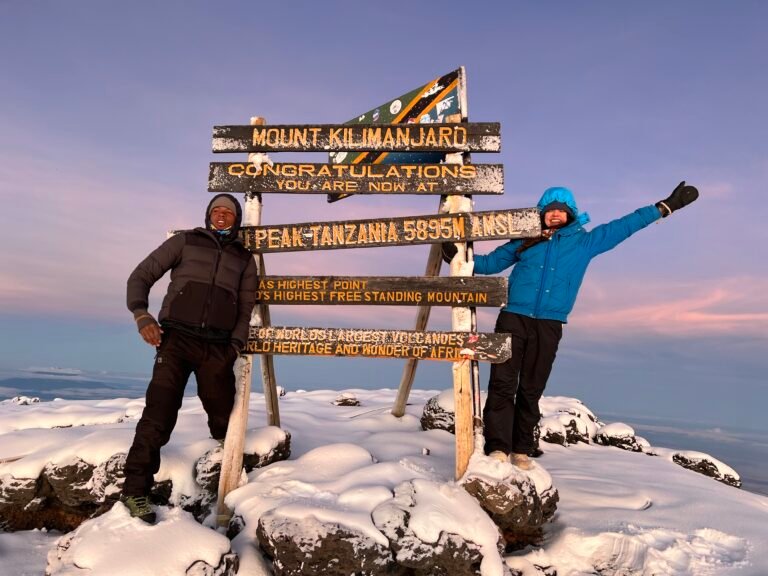
Climb Mount Kilimanjaro On Christmas Day – 8 Days Lemosho 2026
Climb Mount Kilimanjaro on Christmas Day 2026 – 8 Days Lemosho.
View package details2–8 January , 7 Days Lemosho Route Kilimanjaro Group Climb 2027
2–8 January 2027, 7 Days Lemosho Route Kilimanjaro Group Climb.
View package details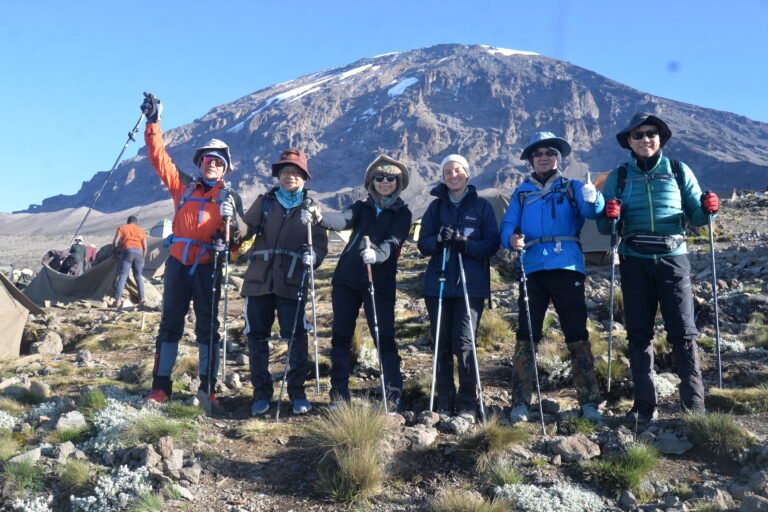
Kilimanjaro Full Moon Climb 24 December – Group Trekking 2026
Kilimanjaro Full Moon Climb 24 December 2026 – Group Trekking.
View package detailsNo related package matches those filters. Clear one or more filters to see the other topic-matched options.



